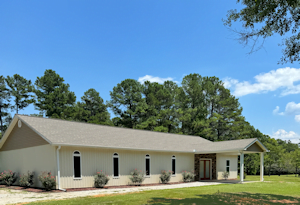
Come join Ashland Sabbath Chapel Ministries each Saturday for live streamed church services. Bible Study begins at 10:00 AM Central Time and Sermon at 11:00 AM. Visit Our YouTube channel and watch from home!
The old wooden chest creaked open, revealing the treasures inside. Raw wool, freshly sheared from the Merino sheep, lay in soft clouds next to bundles of cleaned fiber craft materials. The Adventist communities had always known the value of self-sufficiency, and their yarn-making supplies reflected this practical wisdom.
Natural fibers formed the backbone of their craft. Cotton from southern fields arrived in dense bales, while flax grew tall in their own gardens. Some families kept angora rabbits, their impossibly soft fur perfect for winter projects. Each material had its purpose, its own story to tell through the finished yarn.
- Wool carders with their metal teeth
- Drop spindles carved from local maple
- Walking wheels passed down through generations
- Natural dyes from flowers and roots
- Rope makers for thicker cords
The tools were simple but precise. Hand-carved niddy noddies measured the yarn in perfect lengths. Spinning wheels stood in corners of living rooms, their wood polished smooth by decades of use. They kept their tools clean and well-maintained, understanding that quality materials demanded quality care.
Storage mattered as much as the materials themselves. They used cedar boxes to protect against moths, and loose-woven bags allowed the fibers to breathe. Everything had its place, organized with the same attention to detail that would later show in their finished work. The supplies weren’t just tools – they were the foundation of a tradition that had sustained their communities through generations.
Spinning techniques
Now, let me tell you about the peculiar dance these folks performed with their wheels and spindles. They’d start by drafting the fiber – a delicate operation that looked simple enough but required the touch of a safe-cracker. The fiber would flow between thumb and forefinger, while the wheel turned with a rhythm steady as a heartbeat. Some swore they could tell the time of day just by counting the treadle strokes.
The fiber craft masters among them had developed their own particular techniques. They’d pre-draft their rovings in the evening light, when the air was still and damp, claiming it made for smoother yarn. The twist would be set just so – not too tight to make the yarn wiry, not too loose to let it fall apart in the washing.
- Long-draw method for woolen spinning
- Short-forward draft for worsted yarns
- Park-and-draft technique for beginners
- Chain-plying for consistent three-ply yarn
Most peculiar was their “prayer spinning” – a meditative practice where they’d spin during morning devotionals, matching their treadle rhythm to the cadence of their prayers. The old-timers could produce yarn so even it looked machine-made, though they’d take that comparison as an insult rather than praise.
For winter projects, they developed a special technique of spinning thicker yarn with trapped air pockets – warm as a mother’s hug, they’d say. The youngsters learned on drop spindles first, graduating to the wheel only when they could produce yarn fine enough to pass through a wedding ring – a test that had been tradition since their great-grandmothers’ time.
Traditional Adventist patterns
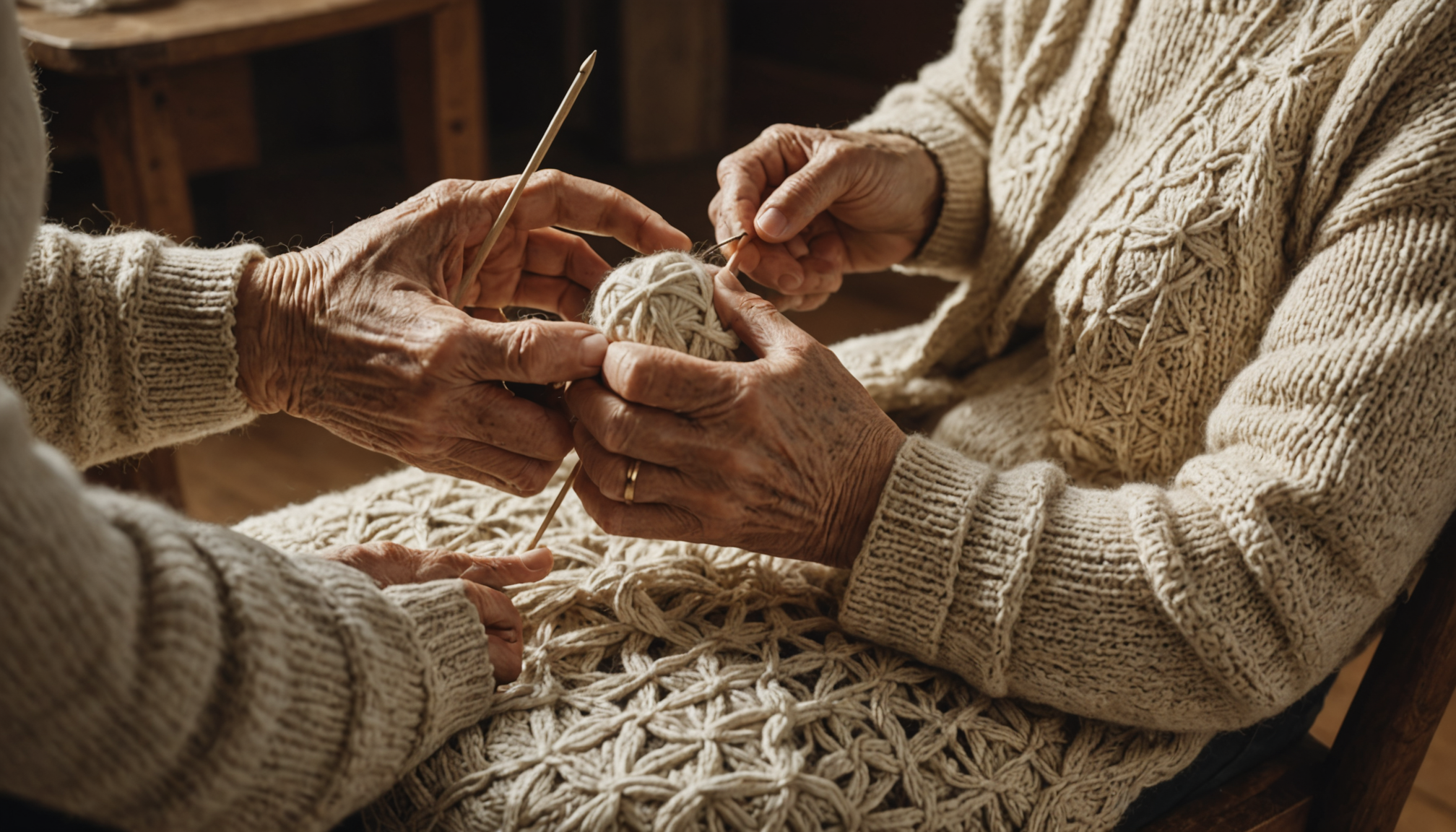
Simple geometric shapes flowed from skilled hands, creating patterns that spoke of both faith and function. The most revered design, the Seven Days of Creation, used seven different stitch combinations worked in parallel rows, each representing a day of divine work. Seasoned spinners taught these patterns to younger generations, passing down the practical skills that connected them to their spiritual heritage.
Among the most distinctive patterns was the Morning Star, worked in natural wool colors and featuring an eight-pointed star surrounded by smaller elements symbolizing the Second Coming. The Tree of Life pattern incorporated intricate cable work, while the Sanctuary design used carefully measured spaces to represent the biblical tabernacle’s proportions.
- The Garden Path – zigzag patterns representing Eden
- The Advent Crown – circular motifs with twelve points
- Jacob’s Ladder – ascending twisted stitches
- The Prophet’s Message – morse-code-like sequences
Color choices remained intentionally modest, reflecting their commitment to simplicity. Natural sheep’s wool, ranging from cream to deep brown, formed the foundation. They reserved indigo blue for special pieces, particularly those made for winter projects and ceremonial garments. Each pattern carried specific instructions for gauge and tension, ensuring the symbolism remained clear and consistent.
Documentation of these patterns survived through handwritten notebooks, often annotated with biblical references and personal observations. The most complex designs required multiple drafts of yarn, each spun to precise specifications. Some patterns took weeks to complete, with certain sections worked only during morning worship hours, maintaining the sacred connection between craft and belief.
Cultural significance
Within the Adventist community, yarn making transcended mere textile work to become a profound expression of faith and communal identity. The rhythmic work of spinning and weaving served as a tangible connection to biblical principles of industry and self-sufficiency, echoing the virtuous woman of Proverbs 31 who “works with willing hands” at her spinning.
The craft carried deep theological significance, with spinners often relating their work to spiritual metaphors. Just as individual fibers gained strength through twisting together, they saw their community strengthened through unity of purpose. Elder craftswomen taught that imperfections in handspun yarn represented human fallibility, while the act of creating something useful from raw materials reflected divine creative power.
- Morning devotional spinning circles
- Yarn making during Sabbath preparation
- Community spinning gatherings
- Teaching sessions for youth
The practice fostered intergenerational bonds, with skills passed down through teaching and mentorship. Young girls learned not just practical skills but absorbed stories, hymns, and biblical teachings as they worked alongside their elders. The spinning wheel’s steady rhythm often accompanied scripture recitation, creating a meditative atmosphere that merged physical and spiritual disciplines.
In times of hardship, the community’s yarn-making abilities proved crucial for survival. During the Great Depression, Adventist settlements maintained their independence through these traditional skills, producing necessary garments and trading surplus yarn. This self-reliance became a source of quiet pride, though always tempered by their commitment to humility and simplicity.
Contemporary applications
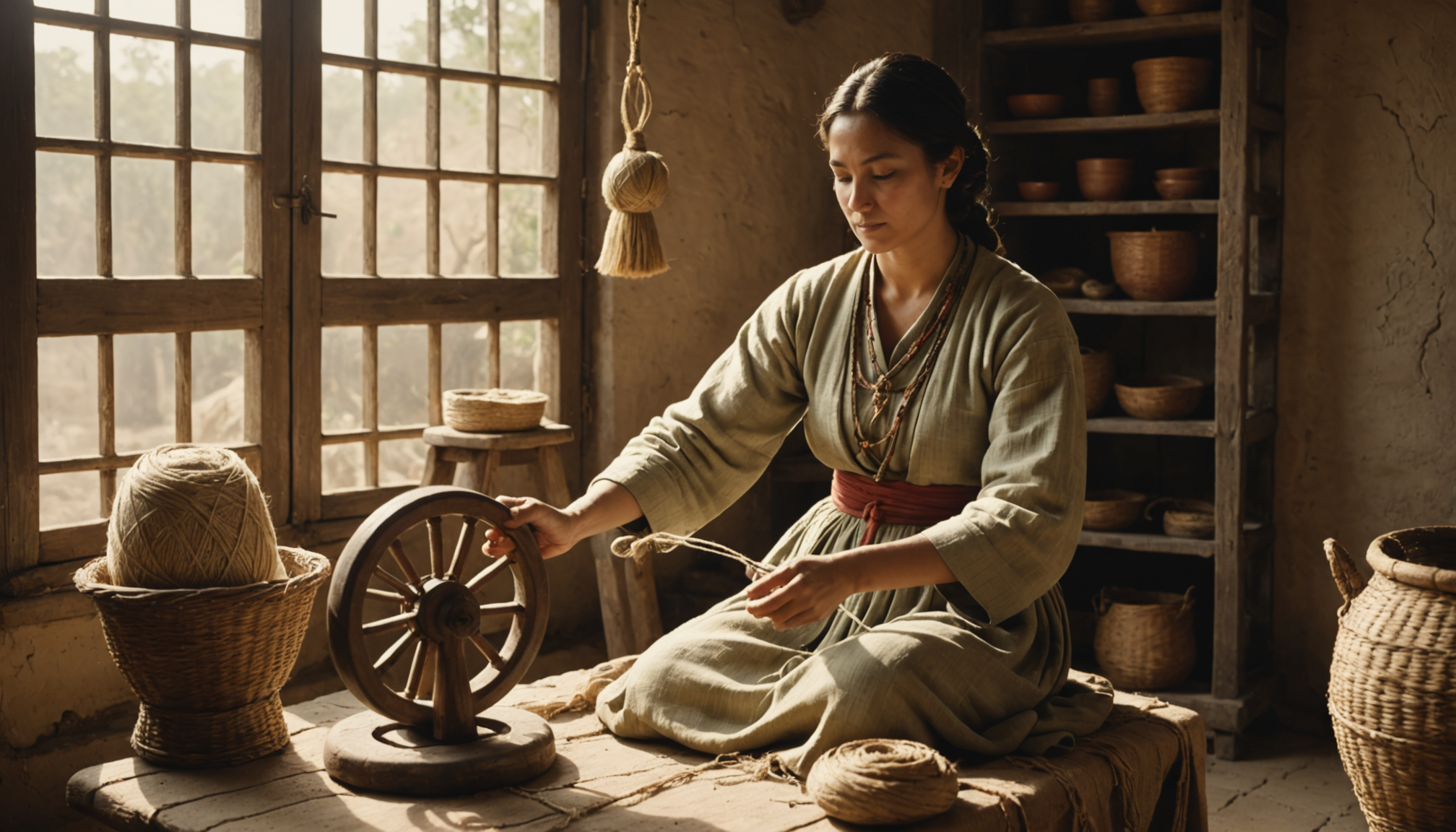
Modern fiber artists within the Adventist community have adapted their traditional craft to meet contemporary demands while maintaining their spiritual foundations. Social media platforms now showcase their fiber craft creations, connecting artisans across continents and inspiring a new generation of spinners. Many have established successful online businesses, selling their handspun yarns to enthusiasts who value the authentic, mindful approach to creation.
Environmental consciousness has led to innovative developments in sustainable yarn production. Adventist spinners now incorporate recycled fibers and eco-friendly processing methods, blending traditional wisdom with modern environmental stewardship. Some artisans specialize in creating yarns from reclaimed textile work, breathing new life into discarded materials.
- Virtual spinning circles connecting global communities
- Sustainable fiber sourcing initiatives
- Artisanal yarn subscription services
- Educational workshops combining tradition with technology
The craft has found its way into therapeutic settings, with several Adventist healthcare facilities incorporating spinning programs into their wellness initiatives. The meditative aspects of yarn making have proven valuable in stress management and rehabilitation. Young entrepreneurs have developed specialized tools that merge traditional designs with ergonomic improvements, making the craft more accessible to those with physical limitations.
In urban settings, community spinning groups have evolved into social enterprises, teaching practical skills while providing employment opportunities. These initiatives often focus on creating high-end, specialty yarns for the luxury market, with proceeds supporting community outreach programs. The ancient craft continues to adapt and thrive, maintaining its spiritual core while embracing the possibilities of the modern age.
Beside our live streamed church services, all are welcome to attend our church in person each Saturday beginning 10:00 AM Central Time by going to 2425 Owens Rd., Ashland, AL 36251. There is no cost and any donations are strictly voluntary.
For questions, call +2563547124.