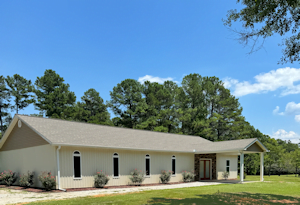
Come join Ashland Sabbath Chapel Ministries each Saturday for live streamed church services. Bible Study begins at 10:00 AM Central Time and Sermon at 11:00 AM. Visit Our YouTube channel and watch from home!
The Seventh-day Adventist understanding of death stands distinct from many mainstream Christian denominations, rooted in their interpretation of biblical teachings about human nature and mortality. They hold that death represents an unconscious state of sleep, rejecting the concept of an immortal soul that continues to exist separately from the body. This resurrection hope forms the cornerstone of their death-related doctrines, viewing death as a temporary condition rather than a permanent end.
Unlike traditions that speak of souls ascending to heaven immediately after death, Adventists teach that the deceased remain in their graves until Christ’s second coming. This understanding derives from biblical texts such as Ecclesiastes 9:5, which states that “the dead know nothing.” They emphasize that consciousness ceases at death, comparing it to a dreamless sleep from which one will awaken at the resurrection.
This theological framework significantly influences how Adventists approach the grieving process, offering both comfort and practical guidance to those facing loss. While acknowledging the natural pain of separation, they maintain that death does not represent the final chapter of human existence. Instead, they view it as an interlude before the promised resurrection, when they believe families will be reunited.
- Death is viewed as an unconscious state
- The soul does not exist separately from the body
- The dead “sleep” until Christ’s return
- Consciousness ceases completely at death
These beliefs, documented in denominational publications like “Seventh-day Adventists Believe” and supported by Ellen G. White’s writings, shape how Adventists prepare for and respond to death, influencing everything from end-of-life care decisions to funeral practices.
Funeral service components
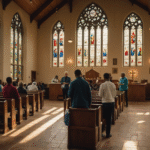
When it comes to laying a loved one to rest, Adventist memorial services strike a peculiar balance between solemn remembrance and hopeful anticipation. The service typically begins with carefully selected hymns that speak of the resurrection hope, with “When the Roll Is Called Up Yonder” being a particular favorite among congregations. You’ll find the pastor standing before the gathered mourners, Bible in hand, ready to share promises of reunion rather than dwelling on permanent goodbyes.
The order of service flows like a well-orchestrated symphony, each element serving its purpose. A biographical sketch of the deceased’s life usually follows the opening prayer, often peppered with personal anecdotes that bring both tears and gentle laughter to the congregation. Family members and close friends might step forward to share memories, though these testimonials tend to be briefer than in other Christian traditions, keeping the focus on the promise of resurrection rather than extended eulogies.
- Scripture readings emphasizing the blessed hope
- Special music selections focusing on reunion
- Brief testimonials from family and friends
- Pastoral message of comfort and hope
- Closing prayer and benediction
The funeral message itself differs markedly from what you might hear in other churches. Rather than declaring the deceased has already gone to heaven, the pastor typically emphasizes the comfort found in the sleeping metaphor and the anticipation of Christ’s return. There’s also a practical element to these services, with a customary display of flowers often accompanied by a guest book where attendees can leave messages of support for the grieving family.
The closing moments of the service carry special significance, as the pastor usually extends an invitation for attendees to recommit their lives to Christ, viewing the occasion as an opportunity to reflect on life’s brevity and eternal matters. This approach transforms what could be merely a somber farewell into a meaningful reminder of the Adventist understanding of death and resurrection.
Burial customs and preferences

Adventist burial customs reflect their distinct theological understanding, typically favoring traditional in-ground burial over cremation, though the latter has gained acceptance in recent decades. Most families choose simple, dignified caskets, avoiding elaborate displays that might detract from the denomination’s emphasis on resurrection hope. The preparation of the deceased typically follows conventional mortuary practices, though some families prefer to have fellow church members involved in the death care process.
Cemetery selection often gravitates toward church-owned burial grounds where available, creating a sense of community even in death. Many Adventist cemeteries feature distinctive markers with biblical verses about the resurrection, though individual families maintain considerable latitude in headstone design. The burial service itself maintains a measured tone, with scripture readings and hymns selected to reinforce the temporary nature of death.
- Simple, modest casket selections
- Preference for church-affiliated cemeteries
- Traditional in-ground burial most common
- Biblical verses on headstones
- Natural burial options gaining interest
Modern environmental considerations have influenced some Adventist families to explore green burial options, viewing them as consistent with their belief in responsible stewardship of the Earth. These eco-friendly approaches might include biodegradable caskets or natural burial grounds, though always within the framework of denominational beliefs about death and resurrection.
Timing of burial services generally follows local customs and practical considerations, though many families prefer to proceed promptly after death. The graveside service often includes elements that parallel the main memorial service, with additional emphasis on the promise of resurrection morning. Some congregations maintain the tradition of gathering annually to tend to the graves of church members, fostering an ongoing connection between the living community and their sleeping saints.
Cultural adaptations in different regions
Across the globe, Adventist funeral practices weave together the fundamental beliefs of the church with local cultural elements, creating a tapestry of diverse yet doctrinally consistent memorial services. In the Philippines, for example, the traditional nine-day wake transforms into a series of evening Bible studies and hymn services, maintaining cultural connection while aligning with Adventist teachings about death.
Latin American Adventists often incorporate vibrant musical traditions into their services, with mariachi bands in Mexico playing spiritual songs that speak of the resurrection hope. These adaptations maintain doctrinal integrity while honoring cultural heritage. Brazilian congregations frequently hold outdoor services, reflecting both practical considerations in tropical climates and cultural preferences for community gatherings.
- African churches integrate traditional rhythms into funeral hymns
- Asian congregations adapt ancestral remembrance practices
- Pacific Islander communities incorporate native languages and customs
- European services tend toward shorter, more formal gatherings
In South Korea, where Buddhist and Confucian traditions heavily influence death care practices, Adventist churches have developed unique approaches to funeral customs. They maintain the communal aspect of traditional Korean funerals while redirecting the focus toward biblical teachings about death and resurrection. Similarly, in parts of Africa, congregations have found ways to honor tribal customs of celebrating the deceased’s life while staying true to Adventist beliefs about death’s temporary nature.
Even in Western contexts, cultural adaptations emerge. Australian Adventist services might include acknowledgment of Indigenous connections to land, while North American congregations increasingly incorporate technology, offering livestreamed services for distant family members. European churches often blend their region’s more reserved approach to mourning with the hope-filled Adventist message, creating services that respect local sensibilities while maintaining denominational distinctiveness.
Japanese Adventist congregations have developed particularly noteworthy adaptations, creating memorial services that honor the cultural emphasis on respect and dignity while carefully reframing traditional Buddhist and Shinto elements through an Adventist lens. These services might maintain the formal processional elements typical of Japanese funerals while replacing traditional religious symbols with biblical imagery focusing on the second coming.
Support for grieving families
 Adventist congregations maintain robust support systems for families navigating the grieving process, recognizing that while death is viewed as temporary, the pain of separation remains real. Local churches typically establish care teams dedicated to supporting bereaved families, providing both immediate assistance and long-term emotional support.
These support networks often organize practical help during the initial days of loss, preparing meals, assisting with household tasks, and helping coordinate memorial services. Many congregations maintain a dedicated group of volunteers who specifically focus on families experiencing loss, ensuring no one walks through grief alone.
Small group ministries play a crucial role in the healing journey, offering safe spaces where individuals can share their experiences and emotions. These groups often combine Bible study focusing on the resurrection hope with practical coping strategies, helping members process their grief within the context of Adventist beliefs.
Church-sponsored grief recovery programs typically run for several weeks to months, providing structured support through various stages of bereavement. These programs often include:
• Weekly support meetings
• One-on-one pastoral counseling
• Literature resources about grief and healing
• Prayer partnerships
• Practical assistance with daily tasks
• Anniversary remembrance support
Special attention is given to children and youth dealing with loss, with age-appropriate programs helping them understand death through the lens of Adventist teachings. Many churches maintain libraries of resources specifically designed for different age groups and grief situations.
The support extends beyond the immediate funeral period, with congregation members maintaining contact through regular visits, phone calls, and inclusion in church activities. This ongoing care proves especially valuable during significant dates like anniversaries and holidays.
Financial assistance funds are often established to help families with unexpected funeral expenses, ensuring that cost concerns don’t compound emotional stress. Many congregations also maintain relationships with Adventist funeral directors who understand denominational beliefs and practices.
Beside our live streamed church services, all are welcome to attend our church in person each Saturday beginning 10:00 AM Central Time by going to 2425 Owens Rd., Ashland, AL 36251. There is no cost and any donations are strictly voluntary.
For questions, call +2563547124.