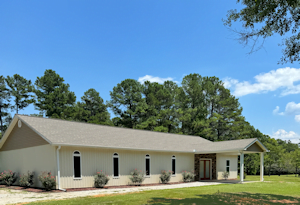
Come join Ashland Sabbath Chapel Ministries each Saturday for live streamed church services. Bible Study begins at 10:00 AM Central Time and Sermon at 11:00 AM. Visit Our YouTube channel and watch from home!
The Seventh-day Adventist community has long embraced medicinal plants as vital components of their holistic approach to health and wellness. They commonly grow chamomile, known for its calming properties, and lavender, which they use for both its fragrance and therapeutic benefits. Peppermint holds a special place in their gardens, serving as a digestive aid and natural remedy for headaches.
In many Adventist households, you’ll find patches of lemon balm and sage growing alongside vegetables. These herbs aren’t just garden ornaments – they’re living medicine cabinets. Echinacea, a powerful immune system booster, stands tall in their herb gardens, while gentle calendula flowers provide natural healing for skin conditions.
The herbs they choose reflect their commitment to natural healing. Here are the most common herbs found in Adventist gardens:
- Yarrow for fever reduction
- Aloe vera for skin care
- Thyme for respiratory health
- Rosemary for mental clarity
- Dandelion for liver support
They also cultivate botanical knowledge through generations, passing down growing techniques and usage instructions from parents to children. Each herb serves multiple purposes – culinary, medicinal, and often spiritual. Many Adventists maintain detailed journals documenting their experiences with different herbs, creating a valuable repository of practical wisdom that combines traditional knowledge with modern understanding.
Growing methods aligned with faith principles
The cultivation methods embrace the principle of stewardship, treating soil as a sacred trust. Natural composting creates rich, living earth without artificial fertilizers. Careful companion planting follows patterns observed in nature – aromatic herbs protect vegetables while flowers attract beneficial insects. This approach stems from the belief that the garden should mirror Creation’s original design.
Garden planning begins with prayer and reflection, following lunar cycles and biblical agricultural wisdom. Raised beds, positioned to maximize sunlight, allow for intensive planting while maintaining clear pathways for sabbath meditation. The gardens avoid straight rows, instead featuring gentle curves that reflect natural patterns and create peaceful spaces for contemplation during cultivation.
Water conservation stands as a cornerstone of herb cultivation. Drip irrigation systems, mulching with organic materials, and rainwater harvesting demonstrate respect for precious resources. Many Adventist gardeners incorporate biblical herbs like hyssop and myrrh alongside contemporary medicinal varieties, creating living testimonies to ancient healing traditions.
Hand cultivation remains the preferred method, fostering a direct connection with the earth. Tools are simple and well-maintained, often passed down through generations. The practice of seed saving preserves heritage varieties and promotes self-sufficiency. Gardeners avoid hybrid seeds, preferring open-pollinated varieties that reproduce true to type.
Pest management follows strict natural protocols:
- Beneficial insects are encouraged through habitat creation
- Herbal pest deterrents replace chemical solutions
- Crop rotation prevents soil depletion and pest cycles
- Physical barriers protect plants while maintaining ecosystem balance
The gardens serve as living classrooms where children learn to identify plants and understand their properties. Each growing season provides opportunities to witness life cycles and experience the rewards of patient cultivation. These methods preserve both the purity of medicinal plants and the integrity of the surrounding environment.
Seasonal planting and harvesting guidelines
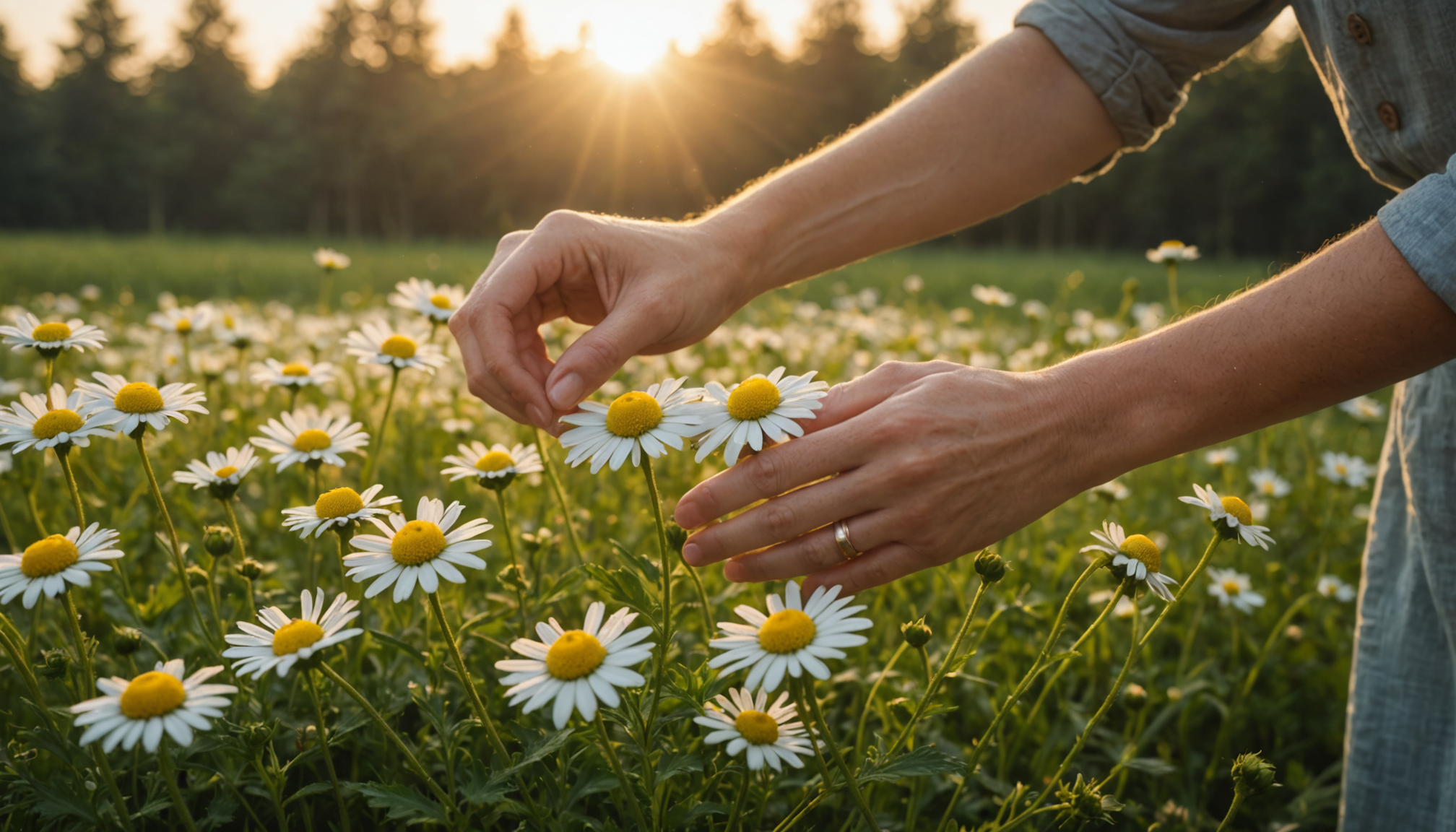
The rhythm of the seasons dictates the ebb and flow of herb cultivation, much like the delicate dance of light and shadow across a garden’s face. Spring beckons with its tender promises, calling for the planting of delicate annuals like chamomile and calendula when the soil warms to precisely 60°F (15.5°C). These timing decisions aren’t mere guesswork – they’re based on generations of careful observation and documented success.
During the warm embrace of summer, herbs reach their peak potency. The gathering of leaves and flowers becomes a morning ritual, performed before the sun draws out their essential oils. Mints and lemon balm offer their bounty continuously, provided they’re harvested regularly to prevent flowering. Research from the Journal of Agricultural Studies suggests that herbs harvested during this period contain up to 30% more active compounds.
Here’s the seasonal harvesting calendar that many Adventist gardeners follow:
- Early Spring: Root division and transplanting of perennials
- Late Spring: First leaf harvest of mint family herbs
- Early Summer: Flowering tops of echinacea and yarrow
- Late Summer: Seed collection from mature plants
- Fall: Final harvest of roots and preparation for winter dormancy
The garden planning extends beyond the growing season into preservation methods. Fresh herbs find their way into tinctures and oils during the height of summer, while autumn brings the careful drying of leaves and roots for winter storage. The timing of these activities aligns with both lunar phases and traditional wisdom – roots are harvested during the waning moon when their energy draws downward into the earth.
Winter isn’t a time of complete rest but rather preparation. Seeds are sorted and stored in glass jars, labeled with harvest dates and growing notes. The quiet months provide opportunities to study botanical knowledge and plan next season’s layout. Many gardeners maintain detailed almanacs, recording frost dates, rainfall patterns, and successful planting combinations that become invaluable references for future growing seasons.
Medicinal applications and preparation
The transformation of raw herbs into healing preparations follows time-honored methods within Adventist communities. Fresh herbs undergo careful processing in well-ventilated spaces, away from direct sunlight. Tinctures emerge through a patient process of macerating herbs in pure grain alcohol or glycerin for precisely 4-6 weeks, with daily agitation to extract beneficial compounds. These natural remedies maintain their potency when stored in amber glass bottles away from heat and light.
Infusions serve as daily medicine, prepared by steeping one ounce of dried herbs in a quart of boiling water for 4-8 hours. Roots and barks require decoction, simmering in covered pots for 20-30 minutes to release their healing properties. The preparation of salves involves infusing herbs in organic oils for several weeks before combining with beeswax to create healing balms.
- Fresh herbs are processed within hours of harvesting
- Drying temperatures never exceed 95°F (35°C)
- Oils are cold-pressed and organic
- Glass containers are used exclusively for storage
- Preparations follow lunar cycles for optimal potency
Each medicinal plant requires specific handling. Delicate flowers like chamomile are dried on screens, while roots are cleaned meticulously before processing. The community maintains detailed records of preparation methods, documenting exact ratios, timing, and observed efficacy. These records often include patient responses and seasonal variations in plant potency.
The practice of creating compound remedies follows careful guidelines, combining herbs with complementary properties. For instance, peppermint and ginger unite for digestive support, while elderberry and echinacea merge for immune enhancement. The proportions follow traditional formulas, tested through generations of practical application and refined through documented experience.
Storage methods preserve the vitality of preparations through the seasons. Dried herbs rest in airtight containers, labeled with harvest dates and intended uses. Tinctures and oils occupy cool, dark cabinets, their potency monitored through regular testing. The community emphasizes using preparations within specific timeframes – tinctures within 2-3 years, dried herbs within one year, and oils within 6 months.
Environmental stewardship practices
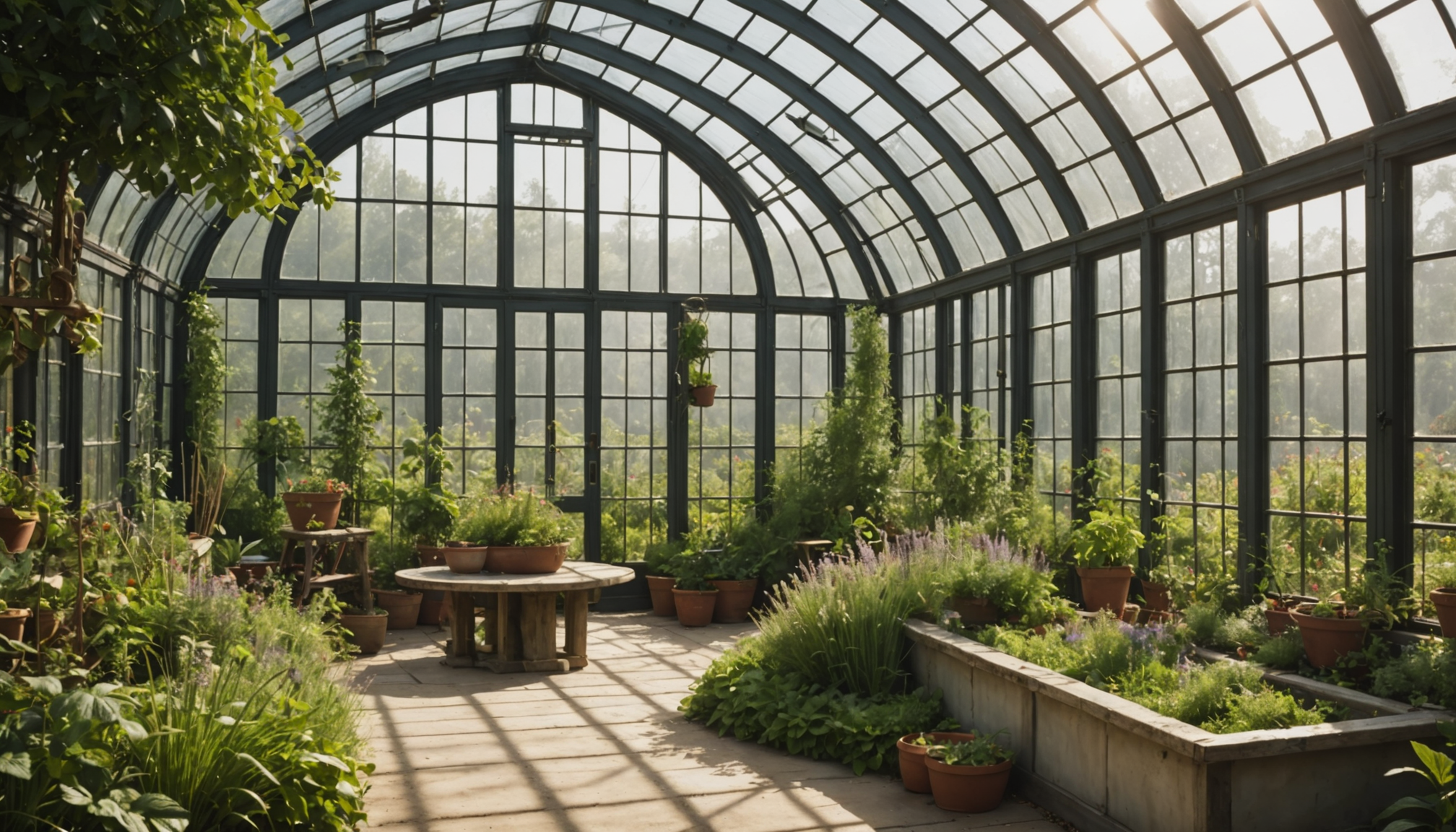 Deep respect for creation manifests through careful environmental practices that extend beyond mere gardening. Through water-wise irrigation systems like drip lines and soaker hoses, precious resources are preserved while ensuring plants receive optimal moisture. Rainwater collection systems and mulching with organic materials further demonstrate commitment to sustainable water management.
Natural remedies production follows strict zero-waste principles. Plant materials not used for medicine become compost, feeding back into the soil. Companion planting creates natural pest control while fostering biodiversity. Native plants integrate seamlessly with medicinal plants, creating wildlife corridors and habitat for beneficial insects.
Soil building focuses on natural methods:
– Cover cropping with nitrogen-fixing plants
– Layer composting using garden and kitchen waste
– Vermiculture systems that process organic matter
– Minimal soil disturbance to protect microorganisms
– Rock dust and seaweed applications for minerals
The practice of seed saving preserves genetic diversity while reducing dependence on commercial sources. Heritage varieties, particularly adapted to local conditions, receive special attention. Careful records track successful plant lineages, documenting their resilience and medicinal potency across generations.
Energy conservation guides every aspect of herb cultivation. Solar-powered tools and passive solar greenhouse designs minimize environmental impact. Garden layouts maximize natural airflow and sunlight, reducing the need for intervention. Permanent paths prevent soil compaction while allowing access for maintenance and harvest.
Every element serves multiple purposes – herbs provide medicine, attract pollinators, and build soil health. This integrated approach creates resilient ecosystems that require minimal external inputs. The gardens become self-sustaining sanctuaries that demonstrate how human needs can be met while enhancing natural systems.
Ashland Sabbath Chapel Ministries
Beside our live streamed church services, all are welcome to attend our church in person each Saturday beginning 10:00 AM Central Time by going to 2425 Owens Rd., Ashland, AL 36251. There is no cost and any donations are strictly voluntary.
For questions, call +2563547124.