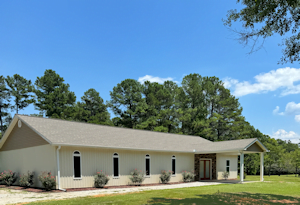
Come join Ashland Sabbath Chapel Ministries each Saturday for live streamed church services. Bible Study begins at 10:00 AM Central Time and Sermon at 11:00 AM. Visit Our YouTube channel and watch from home!
In the quiet corners of nineteenth-century America, natural remedies flourished among early Adventist communities, passed down through generations like precious heirlooms. They mixed poultices from charcoal and flaxseed, treating inflammation and drawing out infections with remarkable effectiveness. Common households maintained their medicine chests filled with simple ingredients – slippery elm bark for sore throats, catnip for fever reduction, and dried yarrow for bleeding wounds.
Ellen White, a prominent figure in early Adventist health reform, documented these healing methods in her writings, particularly in “How to Live” published in 1865. The practices often combined European folk medicine with Native American healing wisdom, creating a unique approach to treating common ailments.
- Red clover tea for respiratory problems
- Mustard plasters for chest congestion
- Hot foot baths with dried mustard for fever reduction
- Charcoal poultices for infections and poisoning
These early practitioners maintained detailed records of their treatments, often sharing successful remedies through church publications and community gatherings. They believed in the body’s natural healing abilities, using simple ingredients found in their gardens or nearby woods. The emphasis remained on prevention rather than cure, with careful attention to cleanliness, fresh air, and proper rest – principles that would later be validated by modern medical science.
The remedies were practical, affordable, and accessible to families living far from professional medical care. Every Adventist home became a small healing center, with mothers and grandmothers serving as primary healthcare providers. They collected herbs in season, dried them carefully, and stored them in dark glass bottles, ready for winter’s ailments. This systematic approach to home healthcare laid the foundation for what would later become the Adventist healthcare system.
Natural treatments and herbal medicine
Among the lush gardens and verdant meadows surrounding early Adventist settlements, a remarkable treasury of natural remedies flourished. Wise women and learned men cultivated herbs with the same devotion they showed their vegetable patches, understanding that each plant held specific healing properties. Chamomile soothed troubled nerves and unsettled stomachs, while peppermint eased digestion as effectively as any modern remedy might claim.
The art of herbal medicine proved particularly practical in these close-knit communities. Families maintained extensive herb gardens, treating everything from common colds to chronic ailments with carefully prepared tinctures and infusions. Echinacea, known then as purple coneflower, strengthened the body’s defenses, while elderberry syrup became a cherished remedy for winter ailments.
- Comfrey compresses for sprains and bruises
- Lemon balm tea for anxiety and sleeplessness
- Dandelion root for liver support
- Raspberry leaf tea for women’s health
These healing methods extended beyond mere plant knowledge. Each remedy was prepared with precise timing – herbs harvested at their peak potency, roots dug during specific moon phases, and leaves dried in careful conditions. The preparation became a sacred ritual, with recipes passed down through generations, each family adding their own discoveries to the collective wisdom.
Evening gatherings often included the sharing of herbal knowledge, with experienced practitioners teaching younger members about plant identification, proper harvesting techniques, and the art of preparation. These teachings emphasized the importance of maintaining nature’s delicate balance – never taking more than needed and always expressing gratitude for the earth’s healing gifts.
Hydrotherapy and water-based healing

Water emerged as a cornerstone of early Adventist healing methods, wielded with the precision of a skilled craftsman’s tools. At the Battle Creek Sanitarium, under Dr. John Harvey Kellogg’s guidance, hydrotherapy transformed from simple home remedies into sophisticated treatments that drew visitors from across the nation. Folks would travel hundreds of miles just to experience the remarkable healing powers of these water treatments.
These practical treatments included hot and cold fomentations, where flannel cloths, wrung out in varying temperatures of water, were applied to ailing bodies. The contrast between hot and cold stimulated circulation and boosted immune response, much like a internal workout for the body’s healing systems. Steam inhalations cleared congested airways, while neutral baths calmed agitated nerves.
- Alternating hot and cold compresses for joint pain
- Sitz baths for digestive and reproductive health
- Steam treatments for respiratory conditions
- Cold mitten friction for circulation improvement
The beauty of these natural remedies lay in their simplicity and accessibility. Every home could maintain a collection of basic supplies – towels, basins, and hot water bottles – transforming ordinary bathrooms into healing sanctuaries. Mothers would wrap feverish children in cooling wet sheet packs, while fathers received hot foot baths after long days in the fields.
Treatment rooms in Adventist homes often featured special tubs and equipment for more sophisticated applications. They understood that water, when properly applied, could reduce inflammation, ease pain, and stimulate the body’s natural healing responses. These methods proved particularly effective during the 1918 influenza epidemic, where hydrotherapy treatments saved countless lives in Adventist care facilities.
Dietary guidelines and nutrition
The early Adventist approach to nutrition stood as a testament to their commitment to natural remedies and wholesome living. Their dietary guidelines emphasized the consumption of whole grains, fruits, and vegetables, carefully prepared to preserve vital nutrients. The morning meal often consisted of graham porridge, fresh fruits, and nuts – a combination that provided sustained energy throughout the day.
These practical treatments through diet included specific combinations of foods for various ailments. Individuals suffering from digestive complaints were prescribed simple meals of steamed rice and stewed apples, while those requiring increased strength received heartier fare enriched with legumes and whole grains.
- Two meals daily, with ample time between for proper digestion
- Abundant fresh fruits and vegetables, preferably grown in home gardens
- Limited use of salt and complete avoidance of stimulants
- Pure water consumption between meals rather than with food
Seasonal eating patterns aligned with nature’s rhythms, as families preserved summer’s bounty through careful canning and drying processes. Winter months saw the consumption of root vegetables, dried fruits, and nuts, while spring brought fresh greens and wild edibles. This systematic approach to nutrition became a cornerstone of family wellness, with mothers teaching their children the importance of proper food combinations and preparation methods.
Special attention was paid to the preparation of foods, with slow cooking methods preferred to preserve nutrients. Breads were made from freshly ground grains, vegetables were lightly steamed rather than boiled, and fruits were eaten raw when possible. These healing methods through nutrition extended beyond mere sustenance, forming a comprehensive approach to maintaining health and preventing illness.
Prayer and spiritual healing methods
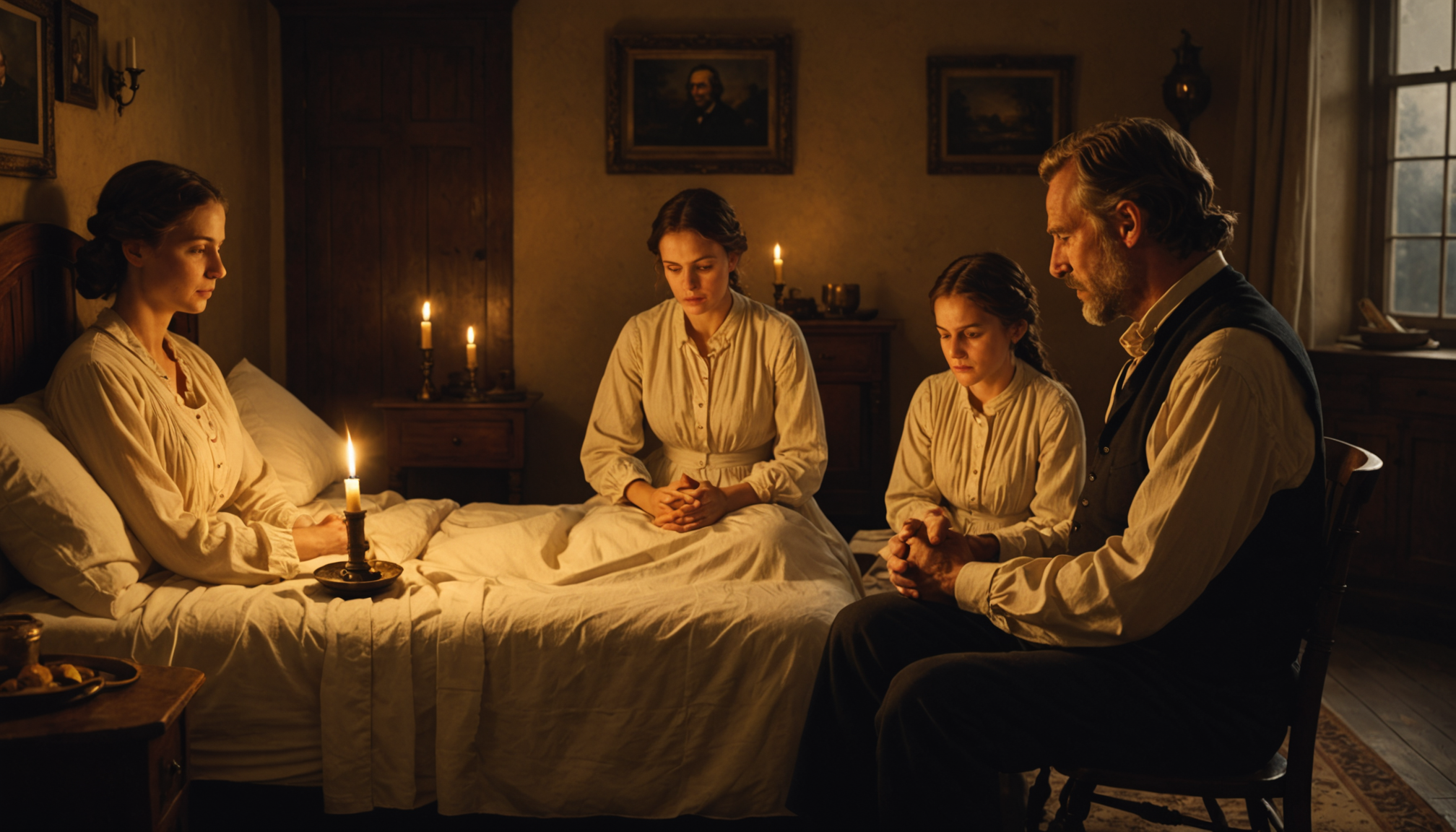
The integration of faith and healing formed a vital cornerstone of early Adventist healing methods. Families gathered morning and evening for devotional periods that included specific prayers for health and healing. These sessions weren’t merely spiritual exercises but were viewed as powerful practical treatments that worked in harmony with physical remedies.
Prayer circles formed naturally when community members fell ill, with participants maintaining vigils that sometimes lasted days. They combined earnest supplication with the laying on of hands, believing in the divine power to restore health. These healing sessions often incorporated scripture reading, particularly focusing on biblical accounts of healing and God’s promises of restoration.
- Morning and evening prayer sessions for preventive spiritual care
- Anointing with oil for serious illnesses
- Scripture meditation during treatment applications
- Community healing circles for chronic conditions
The practice of natural remedies always began and ended with prayer, creating a holistic approach to wellness that addressed both body and spirit. Families maintained prayer journals documenting healing experiences, which served as testimonies of faith and practical guides for future generations. These records often detailed the specific combinations of prayer, natural treatments, and spiritual counseling that proved most effective.
During times of illness, patients were encouraged to focus on uplifting thoughts and spiritual truths, understanding that mental and spiritual well-being directly influenced physical healing. This approach to family wellness created an atmosphere of peace and hope, even in the midst of serious health challenges. Letters of encouragement, filled with promises from scripture and accounts of healing, circulated widely among Adventist communities, strengthening their collective faith in divine healing power.
Beside our live streamed church services, all are welcome to attend our church in person each Saturday beginning 10:00 AM Central Time by going to 2425 Owens Rd., Ashland, AL 36251. There is no cost and any donations are strictly voluntary.
For questions, call +2563547124.