Come join Ashland Sabbath Chapel Ministries each Saturday for live streamed church services. Bible Study begins at 10:00 AM Central Time and Sermon at 11:00 AM. Visit Our YouTube channel and watch from home!
Among the various technical approaches adopted by the practitioners of Adventist leather working, one may observe a commendable blend of tradition and innovation, punctuated by an emphasis on practical crafts. The artisans engaged in this diligent pursuit often demonstrate an adeptness at employing techniques that range from the simplest to the more intricate, revealing a spectrum of skill and creativity.
Central to their practice is the methodical preparation of the leather, which entails careful selection based on intended use. The process usually begins with the treatment of raw hides, which are typically sourced from reputable suppliers who adhere to ethical practices. This commitment to quality ensures that the resulting products, whether they be utility items or more decorative leather goods, meet the high standards expected within their community.
One particularly esteemed technique among Adventist leather workers involves tooling, wherein designs are stamped or carved into the surface of the leather. This not only enhances the beauty of the leather goods but also demonstrates the maker’s craft skills, allowing for a unique personalization of items that may range from handbags to belts and, indeed, even spiritual paraphernalia.
Furthermore, stitching remains a fundamental aspect of leather crafting, with various methods employed to secure pieces together. The use of saddle stitching is prevalent, known for its durability and strength, ensuring that the finished articles withstand the test of time and daily use. The choice of stitching technique often highlights the worker’s level of expertise and attention to detail.
Moreover, the strong community aspect of Adventist leather crafting fosters an environment where knowledge is shared freely. Workshops and classes are often organized, where both novices and seasoned craftsmen congregate to exchange techniques and ideas, thus perpetuating the tradition and enhancing their collective abilities.
In sum, the techniques employed by Adventist leather workers are a synthesis of historical practices and contemporary innovations, steeped in a commitment to craftsmanship and community, wherein the aesthetic value of their endeavours is matched only by the practical utility of the items they create.
History of Adventist leather crafting
In tracing the illustrious path of Adventist leather crafting, one finds one’s self wandering through a tapestry woven with rich narratives, a legacy that stretches back to the very roots of the movement. As the Adventist faith took firm hold in the hearts of its followers, so too did the spirit of self-sufficiency and craftsmanship flourish. It was in the rugged landscapes of the early 19th century that a handful of pioneers began to embrace the art of working with leather, seeing it not merely as a means to an end but as a form of practical craftsmanship that spoke to their industrious nature.
Within the community, leather crafting soon became a symbol of resilience. These artisans were not driven by mere commercial interests; rather, they were propelled by a desire to create beautiful and functional items that would serve their families and enhance their spiritual lives. The very act of forming leather goods—be it sturdy boots for labor or elegantly crafted bags for carrying precious texts—served to reinforce their identity as a faith community committed to simplicity and utility.
As the years rolled onward, the art of leather crafting became a cornerstone of the Adventist lifestyle. Stories abound of small workshops established in quiet corners, where skilled hands toiled day and night. Oftentimes, such workshops served as gathering places for devotees, where laughter and learning mingled amidst the fragrance of tanned leather. Here, the sharing of wisdom was as valued as the crafting itself; techniques were passed down from father to son, each artisanship bearing the marks of its predecessor. In this manner, the history of Adventist leather crafting is interlaced with the very fabric of community life.
In the wake of the Industrial Revolution, when mass production threatened to overshadow artisanal practices, the Adventist craftsmen held steadfast to their heritage, cherishing the distinctive qualities that hand-made leather goods imparted. The methods remained true to their origins—raw hides were meticulously selected, treated with care, and fashioned into items that would endure both time and trials. Each stitch, each stamp, told a tale of devotion and dedication.
Moreover, the craftspeople found joy not only in production but also in service. A uniquely Adventist aspect of this historical narrative is the outreach efforts that accompanied their craft. The leather goods created were often used to support local missions and humanitarian endeavors, reinforcing a commitment to their faith while utilizing their skills for the greater good. Whether crafting utility items for the community or donating their crafted goods to those in need, these artisans paved the way for an intertwined existence between their craft and their calling.
Thus, with each generation, the legacy of Adventist leather crafting burgeoned, steadfast against the winds of change. It evolved into a wellspring of not only skill and art, but of community spirit and outreach, a tradition that continues to flourish as modern artisans pick up the baton, reinforcing the dual threads of history and practical craft in their work.
Materials and tools used
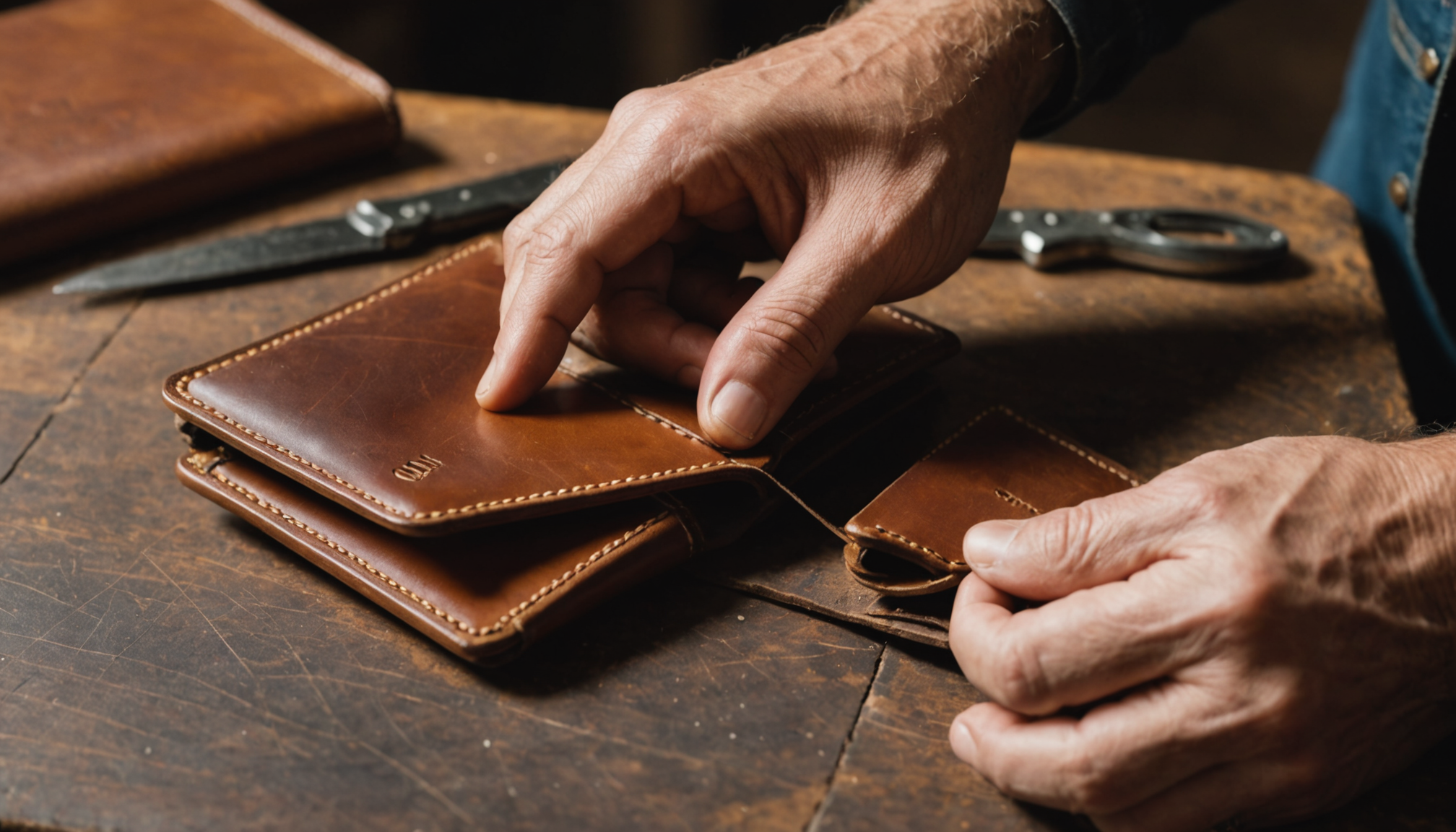
Upon entering the realm of Adventist leather working, one encounters a delightful array of materials that speak to both functionality and artistry. The true essence of quality leather crafting lies significantly in the selection of appropriate materials. Indeed, the conscientious Adventist artisan often insists upon using sustainably sourced hides, particularly those that come from cattle, goats, or sheep, each offering unique characteristics suitable for various utility items.
As one might imagine, the choice of leather is paramount, and practitioners frequently exhibit an affinity for cowhide, renowned for its durability and strength. Such properties make it ideally suited for crafting goods meant to withstand the vicissitudes of daily use. Furthermore, the soft, supple nature of sheep leather lends itself beautifully to projects requiring a finer touch, such as gloves or lined accessories, while goat leather, with its distinctive grain, presents a robust alternative for those seeking both durability and an aesthetically pleasing finish in their leather goods.
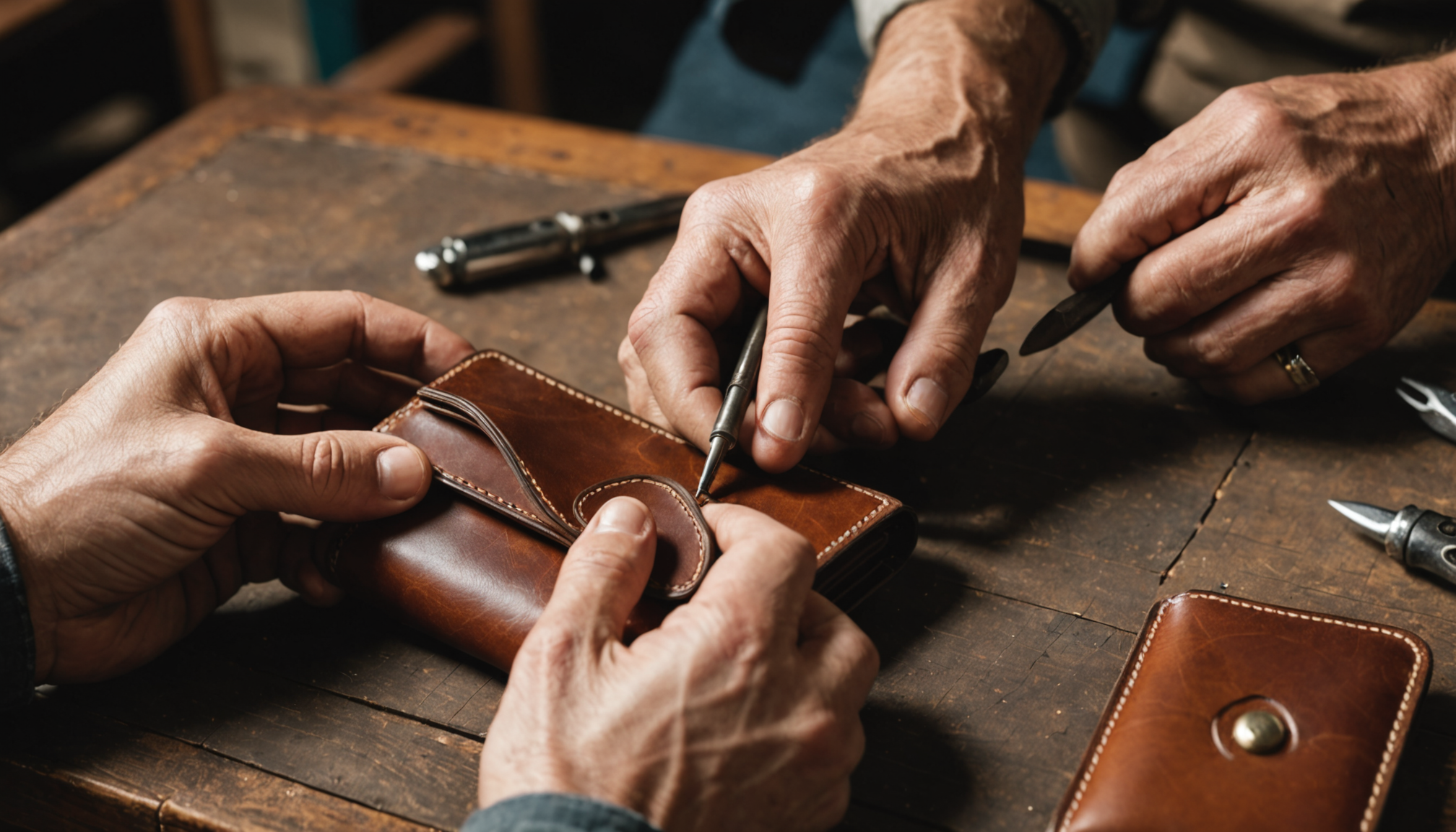
Complementing these primary materials are the tools of the craft, each playing an integral role in the transformative process of leather preparation. The essential equipment includes a selection of knives, which are invaluable for cutting patterns with precision. Various forms of punches punctuate the workspace, creating holes for stitching, while edge tools enable the artisan to refine the finish of each item to a smooth perfection. Amongst the most treasured implements, one often finds the humble but essential awl, a tool that allows leather workers to pierce through thick materials with ease, thereby ensuring an exquisite and intricate finish.
The practice would be remiss without account of the versatile sewing machines that have become a mainstay in more contemporary settings, allowing for an efficient melding of tradition with modern advancement. However, many adhere to hand-stitching techniques, such as the aforementioned saddle stitch, oftentimes preferring the assurance of craftsmanship that arises from manual labor and attention to detail. Such practices imbue each item with a unique individuality, ensuring that no two pieces, regardless of the patterns, are ever identical.
Moreover, the aesthetic flourishes in leather working are cultivated through tools like stamps and embossed patterns, allowing artisans to infuse their creations with a sense of personal style and creativity. These decorative elements, which can be as simple as monograms or as elaborate as filigree designs, enable the artisan to leave a signature on their work, weaving a narrative of identity into the very fabric of the leather.
Indeed, the marriage of materials and tools in Adventist leather working produces a harmonious rhythm that resonates throughout the community. The adept use of these elements not only fosters a deep sense of pride among the artisans but also encourages an environment wherein others may learn and partake in the pursuit of practical crafts. Workshops flourish, as newcomers are guided by the wisdom of those seasoned in the art, each sharing insights on the nuances of material use and the intricacies of shaping leather into objects of beauty and function.
Designs and projects for beginners
As one embarks on the journey of creating with leather, an enchanting world unfolds, especially for beginners eager to explore practical crafts. This foray into leather working often begins with simple yet rewarding projects that allow novices to cultivate their craft skills while grasping the fundamentals of this timeless art. With a mix of guidance and a sprinkle of personal flair, even the most unskilled hands can produce items that are not only functional but imbued with a sense of personal achievement.
Among the initiatory endeavors, the creation of utility items stands out as particularly fulfilling. For instance, the crafting of a basic leather wallet serves as an ideal project for the uninitiated. This undertaking requires little more than a few utility cuts of leather, coupled with basic stitching techniques, such as the saddle stitch emphasized within the community. As fingers learn the rhythm of piercing, threading, and pulling—there emerges an understanding of the deeper connection one has with the material itself.
Those engaging in the practice often find that the act of transforming a flat piece of leather into a three-dimensional object enlivens the mind. Consider the simplicity of a keychain—a mere strip of leather enhanced with personalized tools or stamps. As one presses the stamp into the surface, a unique design takes form, revealing not just the identity of the creator but encapsulating a moment of artistic expression. Engaging with such designs fosters confidence, unveiling hidden talents that might have otherwise remained unexplored.
Furthermore, leveraging the traditions within the Adventist community offers novices a supportive space to hone their skills. Herein lies the brilliance of workshops, where camaraderie flourishes and ideas flow freely. In these gathering spaces, creators of all ages and backgrounds mingle, sharing anecdotes while motivating one another to tackle more complex projects with newfound bravado. As inspiration ripples through the attendees, one’s eyes are drawn to the array of completed works hanging on the walls; each piece a testament to the makers’ dedication and vision.
For those newly acquainted with the craft, designing a simple tote bag can also provide a comprehensive introduction to the world of leather working. This project not only involves sewing and stitching but also basic patterns that must be cut and assembled with care. Novices will quickly learn the importance of material use as they select the appropriate leather for the desired outcome—heavy-duty hides for enduring bags or lighter options for a more whimsical touch. The potential for creativity erupts at the fingertips, with opportunities to integrate personal monograms or patterns that speak to individual stories.
Moreover, projects extend beyond the mere production of items; they serve as a conduit to connect with the rich heritage of Adventist leather crafting. As each piece is formed, so too is the lineage of tradition; stories intertwining past artisans with today’s learning hands, a lineage akin to a shared spiritual journey. The act of crafting becomes a meditation on legacy, each project a nod toward the mastery of those who have come before, further weaving the fabric of community.
In essence, this phase of engagement within Adventist leather working beckons with the promise of discovery and creation. Each new project nurtures the beginner’s craft skills, encouraging them to push boundaries while also establishing a footing within a broader narrative—a movement founded on the principles of creativity, utility, and communal support. As these aspiring artisans wield their tools amidst laughter and shared experiences, they, too, become part of this living tapestry, creating not just leather goods, but a bond that transcends the mere act of crafting.
Community and outreach through leather working
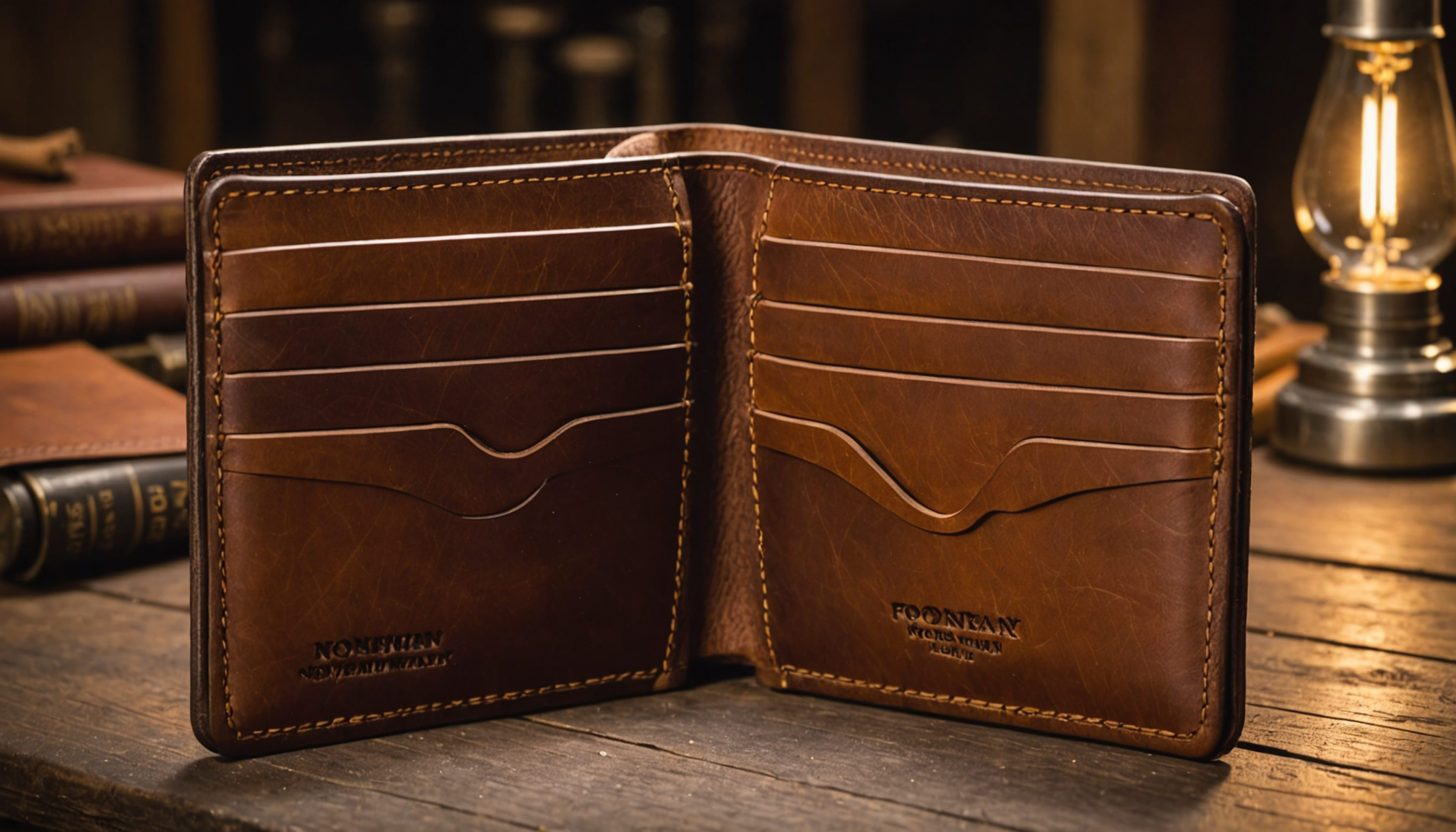
Engagement with leather working within the Adventist community transcends mere craftsmanship, evolving into meaningful outreach efforts that contribute to both local and global missions. Artisans frequently unite to create not just aesthetically pleasing leather goods, but practical items that serve vital needs within their communities. This fusion of creativity and purpose invites individuals to reflect on the immense possibilities that exist when craft skills are aligned with service.
The consensus among these artisans is that the act of creating can also fulfill a higher calling. For example, leather goods like bags, wallets, and even handcrafted clothing have been fashioned with the intent of donating them to those in need or supporting mission trips where resources are scarce. This emphasis on community service further deepens the connection artisans feel, knowing that their craft can directly impact someone else’s life.
Workshops and gatherings often transcend simple skill sharing; they become platforms for outreach initiatives, where participants rally around common goals such as fundraising for charities or organizing events that distribute leather items to those less fortunate. During these gatherings, the atmosphere is often imbued with excitement, as artisans chat about the stories behind their materials and the lives their creations will touch. Such experiences not only enhance their craft skills but also fortify the spirit of togetherness within the community.
Moreover, the collaborative aspect of leather working encourages mentorship, where dexterous artisans guide novices through the intricacies of design and making. This approach not only develops individual skills but nurtures a culture of generosity, where knowledge and techniques are freely exchanged. By participating in community projects, new artisans gain confidence, discovering that their contributions to the collective effort are both valued and influential.
As the Adventist community continues to cultivate this rich tradition, it serves as a reminder of the power of practical crafts in fostering unity and creating outreach initiatives that resonate far beyond the confines of the workshop. Challenging oneself to learn and engage with these skills invites individuals to think critically about how their creative endeavors can mirror their beliefs and contribute positively to society. Thus, the journey of leather working becomes intertwined with a quest for deeper understanding—a path to skill development that not only enriches the artisan’s life but ultimately elevates the community as a whole, prompting one to consider the wider implications of their craft.
- What is Adventist leather working?
- Adventist leather working is a craft practiced within the Adventist community that focuses on creating practical leather goods. It combines traditional techniques with innovative approaches while emphasizing community values and outreach.
- What materials are commonly used in Adventist leather working?
- Common materials include cattle, goat, and sheep hides, each chosen for their unique properties suitable for various projects. The quality of the leather directly impacts the durability and utility of the finished items.
- What are some basic projects for beginners?
- Beginners often start with simple projects like wallets, keychains, or tote bags. These projects help newcomers practice essential leather working skills while providing tangible results they can be proud of.
- How does leather working foster community outreach?
- Leather artisans often create items not just for personal use but also for charitable causes, donating goods to those in need or supporting community missions. Workshops also provide opportunities for collective service projects.
- Are there workshops available for learning leather working?
- Yes, many Adventist communities host workshops where novices can learn from experienced artisans. These gatherings help foster skills while creating a space for mentorship and community bonding.
- What skills can one gain from practicing leather working?
- Practicing leather working develops a variety of skills, including precision cutting, stitching techniques, tooling, and pattern design. It also cultivates patience and attention to detail, which are valuable in many aspects of life.
- How can leather working be a spiritual experience?
- Leather working can be a spiritual experience as artisans reflect on their purpose while creating. The process often involves meditative qualities, allowing individuals to connect their craft with their broader beliefs and community service.
Ashland Sabbath Chapel Ministries
Beside our live streamed church services, all are welcome to attend our church in person each Saturday beginning 10:00 AM Central Time by going to 2425 Owens Rd., Ashland, AL 36251. There is no cost and any donations are strictly voluntary.
For questions, call +2563547124.