
Come join Ashland Sabbath Chapel Ministries each Saturday for live streamed church services. Bible Study begins at 10:00 AM Central Time and Sermon at 11:00 AM. Visit Our YouTube channel and watch from home!
In the days when the sun rose softly over the hills, casting golden light on the lush greenery, the early Adventists stumbled upon something profound—a connection between their spiritual journey and their physical vitality. They embraced a concept that was rather like a fabric woven from threads of faith and wellness, with each stitch representing a commitment to body care that rippled through their daily lives. Physical activity, they believed, was not merely an obligation but an essential element of their existence, harmonizing the body with the spirit in a dance as old as time itself.
These pioneers didn’t just sit back and admire creation; they engaged with it. Mornings often began with invigorating walks, where the cool air filled their lungs, and the chirping of birds served as a celestial symphony. They understood that the rhythms of nature echoed inside them, calling them to reflect an ethos of vibrancy and resilience. Gardening was not just a pastime but a cherished ritual, where hands plunged into the earth, fostering a connection that nourished both the soil and the soul.
In their pursuit of practical fitness, these early Adventists engaged in activities that not only strengthened their bodies but also prepared them for a life of service. They practiced calisthenics and simple strength-building exercises that could be performed anywhere—using their own body weight to cultivate endurance and flexibility. It was a form of liberation, a way to conquer the weariness of daily life; each stretch and bend a reminder of their commitment to health maintenance.
As they moved through their days, these routines became more than mere tasks; they became a way of life. One could find entire families participating in morning exercises together, laughing and encouraging one another, solidifying bonds and fostering community spirit. It was essential for them to cultivate an environment where encouragement thrived, where the pursuit of a wholesome body was a shared endeavor, always leading back to the ethos that fueled their faith.
Amidst all this, there was a certain elegance to their approach—a casual grace embodied in the way they moved and lived. They didn’t seek out pomp; rather, they found beauty in simplicity, in the extraordinary power of ordinary actions. Through their routines of physical activity, they etched a legacy of mindfulness and a belief in the holistic nature of being, where the spiritual and the physical were indistinguishably intertwined, reminding us that our journeys are at their best when both body and spirit are nurtured together.
Historical Overview of Adventist Health Principles
The early Adventists established a framework for health that was revolutionary for its time. Grounded in a theology that wove together the sacred and the secular, their principles of wellness were not just passing ideas; they were lifelines. These individuals believed that the body was a temple, deserving of care and reverence. This belief hinged on the notion that physical activity was an avenue for divine communion—a canvas upon which one could paint their devotion through health maintenance and strength building.
Historically, the Adventist message was steeped in a holistic understanding of well-being. Prominent figures in the movement, such as Ellen G. White, emphasized the significance of diet, exercise, and fresh air. Her writings spoke passionately about the need for balance, urging followers to eschew the vices that hinder vitality and to embrace the natural gifts of the earth. Traveling extensively, she would often share her insights on how nurturing the body was just as important as nurturing the spirit.
This perspective was progressive during a time when many were entrenched in more sedentary lifestyles. The Adventists adopted a revolutionary path, advocating for practical fitness routines that would strengthen the body while fostering a deeper relationship with God. They didn’t just preach wellness; they lived it. Their communal gatherings often featured discussions on health, further underscoring the idea that principles of health were to be shared and practiced among the community.
Moreover, these health principles were not only about individual choices but were intended to uplift society as a whole. The Adventist approach to body care and physical activity was seen as a means of promoting a higher standard of living—serving as a counter-narrative to the industrial age, which was often marked by overexertion and neglect of self-care. It sought to reincorporate movement into daily life, suggesting that vigorous health could indeed foster strong community ties.
At every turn, the Adventist emphasis on health maintained a spiritual foundation. They believed engaging in physical activity not only promoted vitality but also laid the groundwork for a fulfilled life of service. This belief system helped shape a culture that cherished health as an integral aspect of one’s faith journey. It was through this lens that the Adventist approach to health became a vibrant tapestry, woven together by the conviction that caring for the body was intrinsically linked to one’s spiritual well-being.
Types of Exercises Emphasized

Within the fabric of early Adventist life, the types of exercises emphasized were as varied as the landscapes they inhabited, reflecting the intertwining of practicality and the quest for spiritual clarity. Amongst the multitude of activities, walking emerged as a preferred form of physical activity, often undertaken in the luminous embrace of dawn, when the world was yet unfurling. This simple yet profound practice not only served to invigorate the body but also allowed for serene communion with the Creator, each step echoing a prayer of appreciation for the splendor of nature.
Another cornerstone of their regimen revolved around calisthenics, those exercises requiring nothing but the exertion of one’s own corporeal frame. These routines were designed not only to enhance strength building but to cultivate a graceful resilience within the body. Participants embraced movements that bolstered flexibility and encouraged breath control, recognizing that the fluidity of their form mirrored the undulating grace of life itself. Such endeavours were often conducted in unison, a quiet but vehement declaration of familial and communal bonds, where encouragement thrived amidst the echoing laughter of both young and old.
Moreover, the Adventists took to gardening as a way of marrying labor with leisure, each act of tilling soil transforming into a multifaceted exercise in practical fitness. Engaging with the earth not only nurtured their bodies through physical exertion but also provided sustenance for both the soul and the body, a harmonious cycle that illustrated their understanding of health maintenance. The vibrant hues of vegetables and flowers bloomed as a testament to the beauty of devotion, symbolizing growth not merely in the garden but within the spirit itself.
In more private moments, they also turned their attention to strength building through simple yet effective household tasks. Carrying water, lifting baskets filled with harvest, and even the care of domestic animals were all seen as essential activities that contributed to health. It was through these unpretentious tasks that they gleaned strength, the very acts of duty becoming a sacred ritual—a notion which highlights the subtle connection between body care and the labor of love.
Swimming, when accessible, offered yet another means of physical activity adored by Adventists, especially in communities by lakes or rivers. The cool water served as both refuge and revitalization, reinforcing their belief in the restorative powers of nature. The buoyant embrace of water allowed them freedom of movement, a joyous sanctuary where both body and spirit could indeed be set afloat. Thus, with every stroke against the water’s surface, they celebrated a commitment to honoring their physical forms while reveling in the divine beauty surrounding them.
Ultimately, the Adventist approach to exercise was not confined to mere routine; rather, it was conceived as a lifestyle approach intended to foster holistic wellness. Each activity they engaged in was colored by intention, underscoring the delicate balance between nurturing the body and nourishing the soul. Through their devotion to diverse forms of movement, these early practitioners crafted a narrative that interwove health, spirituality, and community, fostering a legacy of vitality that was as enduring as the ideals they held dear.
Daily Routines and Practices
As the sun notably dipped below the horizon, casting a warm amber glow over the homes of the early Adventists, their daily routines sparkled with a sense of shared purpose and devotion. The rhythm of the day was not merely a cycle of mundane tasks; rather, it was orchestrated like a symphony composed of physical activity and spiritual connection. In this tight-knit community, balancing mental and physical well-being became a way of life, underscoring the deep-seated belief that nurturing the body was synonymous with nurturing the soul.
Each morning, with the gentle call of the rooster, families would awaken, and the air would hang heavy with the scent of blossoming flowers and dew-kissed grass. Mornings were cherished, for they heralded the advent of routines that blended sweat and joy. They gathered in open fields or backyards, where laughter intertwined with the calls of awakening nature, a unified chorus celebrating vitality. The beginning of the day was marked by invigorating exercises, with children and adults alike participating in stretches that felt as if they were reaching for the very heavens, their arms outstretched and spirits buoyant.
As the daylight bathed them, their pious resolve propelled them through calisthenics, where every movement formed part of a tapestry woven from resilience and discipline. This canvas of routines was painted with exertion, but in every drop of sweat and sigh of effort, a reverence for their earthly vessels shone through. They were not merely striving for strength building in the superficial sense; they sought instead a communion between body and spirit, echoing the sentiment that by honoring their physical forms, they could more fully engage with the divine.
After the morning exercises, families would often transition to their daily duties, yet the spirit of physical activity lingered in the air, an invisible thread connecting one task to the next. This was not a burdensome obligation, but rather a joyful embrace of the work ahead. As they tilled the soil, planting seeds for a bounteous harvest, they understood that gardening represented far more than a simple chore. Each shovel full of earth cultivated a connection, deepening their roots in both the soil and their faith. The labor was a form of health maintenance, a way of honoring their commitment to self-care while simultaneously yielding the fruits of devotion—an interplay of effort and grace.
Mother would often send the children scurrying after chickens or encouraging them to help carry water from the well, calling it a ‘family workout.’ These small tasks, seemingly mundane, transformed into playful adventures where they discovered the strength of teamwork and the joy of collaboration. Whether mending fences or gathering ripe apples from the orchard, physical activity infused their every action with purpose, enriching the day with movements that resonated beyond the physical realm. As their energies intermingled, laughter rang out like church bells, filling the air with exuberance that carried into reverential moments of shared prayers and gratitude.
As dusk began to paint the sky in hues of violet and soft gold, evening rituals created a gentle winding down. Sitting around their simple dinner tables, stories were exchanged between bites of freshly grown produce, a celebration of not only communal effort but a recognition of the divine gifts they received through their labor. These moments, discussions around health practices intertwined with faith, solidified their commitment to body care and the nurturing of both spirit and body. They understood that the sweat of their brows would yield rewards far beyond the physical, permeating their hearts with an unwavering fortitude and a sense of belonging.
In the tapestry of their daily routines, the early Adventists embodied a lifestyle that placed an unbreakable connection between physical activity and spiritual sustenance. Through the rhythms of work and play, they embraced a philosophy that virulently defended the premise that all acts of labor were sacred, each motion a prayer offered up to the sky. They carved paths of strength and resilience not merely through repetition, but through the shared experience that cemented their community bonds, creating a legacy of health and spiritual devotion that would resonate through the ages.
The Role of Nature in Physical Activity
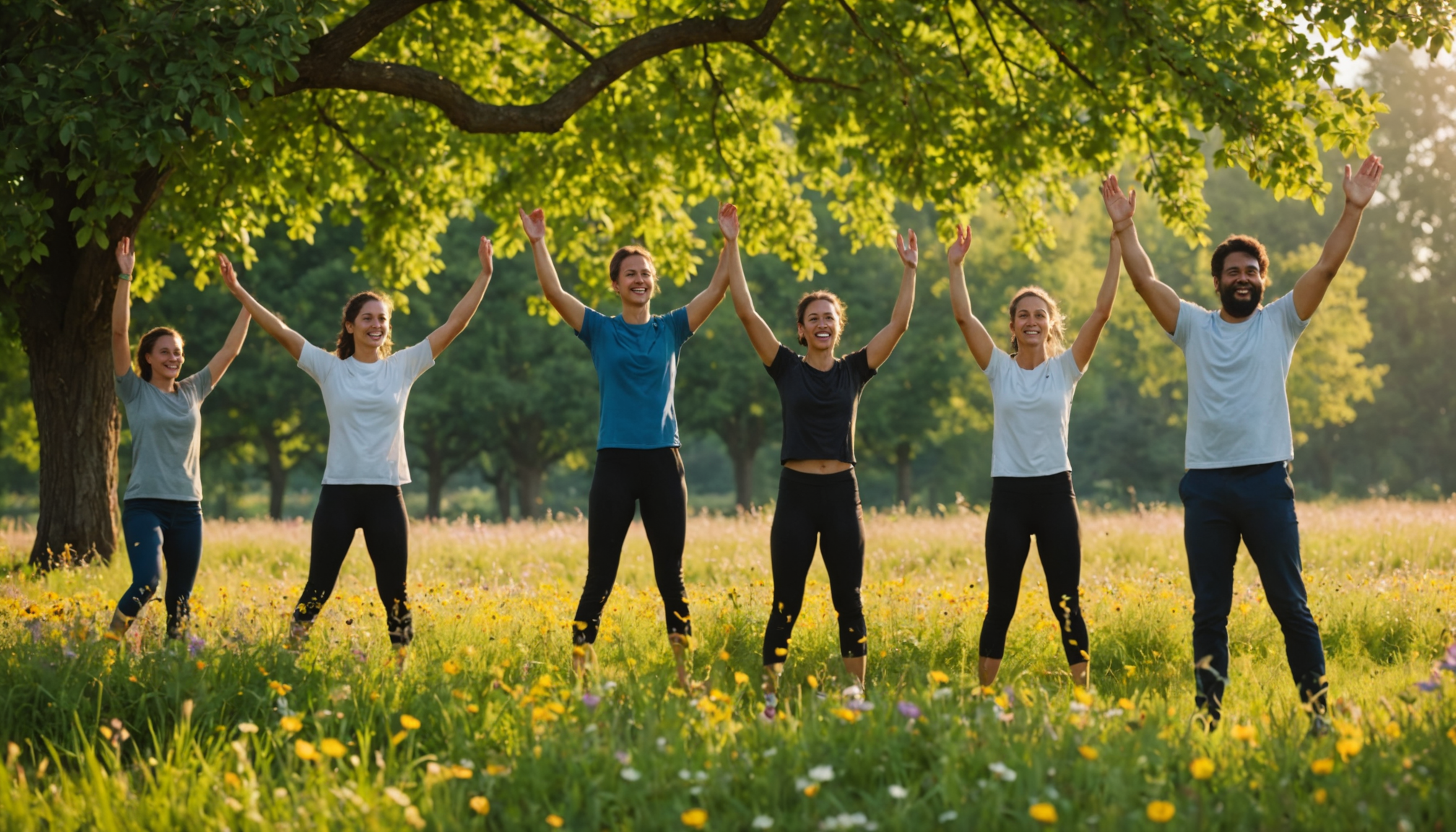
In the early Adventist lifestyle, nature played a pivotal role, serving as both a backdrop and an integral partner in their physical endeavors. The serenity of natural surroundings offered an environment conducive to not only physical activity but also a deepening of spiritual reflection. As they ventured into fields blossoming with wildflowers or strolled along tranquil streams, they perceived nature not just as a space for exercise but rather as a sanctuary for health maintenance and a catalyst for growth in every sense—physical, mental, and spiritual.
The rhythmic sounds of nature contributed to their exercise routines, as the rustling leaves and chirping birds became reminders of the divine artistry surrounding them. Engaging with the elements—the fresh breeze, the warm sun on their skin—grounded their efforts in reality and amplified their appreciation for God’s creation. The Adventists recognized this symbiotic relationship; they understood that every breath taken in the clean, crisp air not only invigorated the body but effectively revitalized the spirit. It was an embodiment of practical fitness, blending movement with reverence and joy.
Moreover, engaging with nature fostered a sense of community, providing opportunities for families and friends to unite for shared activities. Whether they were gathering wild herbs, sharing stories while hiking through wooded trails, or participating in community projects that involved outdoor labor, these moments allowed for a strengthening of both friendship and body care. The physical exertion involved in these endeavors became equally a spiritual exercise, as they acknowledged the beauty of creation through their active participation, reinforcing the idea that their engagement with nature was foundational to their well-being.
With each sunrise, the awakening world beckoned them to unearth the profound connection between themselves, the natural surroundings, and their Creator. Every dash at the break of dawn, every stint spent weeding in a garden, and every leisurely walk provided an opportunity to reflect on their faith and the way it intertwined with their physical lives. In recognizing the sacredness in their exercise, the early Adventists cultivated a profound reverence for their surroundings. Their activity was not only a means to maintain bodily health; it became a celebration of life itself, a continual reminder that movement in nature was a form of prayer, an intrinsic piece of a holistic approach to wellness that encompassed body, mind, and soul.
- What were the core beliefs of early Adventists regarding health and fitness?
- Early Adventists believed in a holistic approach to health that intertwined physical activity with spiritual well-being. They viewed the body as a temple and emphasized exercise, good nutrition, and connection with nature as essential components of faith and a healthy lifestyle.
- How did nature influence the exercise routines of early Adventists?
- Nature served as both a backdrop and a motivator for early Adventists’ exercise routines. Engaging with the natural world through activities like walking, gardening, and outdoor labor prompted physical fitness while also deepening their spiritual connection and appreciation for God’s creation.
- What types of physical activities were commonly practiced by early Adventists?
- The early Adventists engaged in various activities such as walking, calisthenics, gardening, and household chores. These exercises were designed to promote strength building and endurance while enhancing their overall health and fostering community bonds.
- Did early Adventists incorporate family and community into their exercise routines?
- Yes, early Adventists often exercised in groups, making physical activity a communal effort. Family gatherings for stretches, outdoor chores, and shared gardening tasks fostered a sense of togetherness and reinforced community ties through physical movement.
- What textual sources provide insight into the health practices of early Adventists?
- Ellen G. White’s writings serve as a primary source of various health principles embraced by early Adventists. Her emphasis on diet, exercise, and the importance of fresh air helped shape their holistic approach to health and wellness in alignment with their spiritual beliefs.
- How did physical activity contribute to the Adventist community and spiritual life?
- Physical activity was seen as a way to honor God and maintain health, thus empowering individuals to better serve their community. The routines allowed for spiritual reflection and a sense of shared purpose, strengthening both personal faith and communal bonds.
- Can the principles of early Adventist exercise be applied today?
- Absolutely! The principles of integrating physical activity with spiritual reflection and community engagement remain relevant today. Emphasizing the holistic relationship between body and spirit can inspire individuals to adopt healthier lifestyles while fostering stronger community connections.
Long-Term Benefits of Adventist Exercise Regimens
The enduring impact of the Adventist exercise regimens extends beyond the immediate experience of vitality, weaving itself into a rich tapestry of long-term benefits that epitomize the union of physical activity with spiritual nourishment. Through their disciplined pursuits of health maintenance, early Adventists discovered that exercise was indeed a profound channel for cultivating resilience and harmony within their lives. To engage in such routines became an act of faith, a celebration of life that suffused their days with a refreshing vigor.
Research indicates that individuals who adopt regular patterns of physical activity exhibit a lower incidence of chronic ailments, affirming the soundness of the Adventist approach. Such findings resonate particularly with their espousal of diet and exercise as complementary elements in the journey toward robust health. They recognized that the pathways to longevity and vitality were paved not only by choices of food but also by the integration of consistent movement into their routines. As evidenced in studies conducted by the Adventist Health Studies, those observing such holistic principles displayed lower rates of heart disease, obesity, and diabetes (Ornish et al., 1998). In fact, these findings serve to testify that their dedication to practical fitness indeed bore fruit, enriching the individual’s physical and spiritual landscapes.
Additionally, the communal aspect of exercise fostered a sense of belonging and fortitude within the Adventist community. Participating in physical activities together created bonds of friendship that transcended mere social interactions, nurturing a support system vital in sustaining motivation and accountability. The early Adventists understood that when family and friends gathered to uphold their health, every act of movement became a shared delight, enriching both the spirit and body. Research suggests that social engagement during exercise can enhance performance and adherence to health practices, affirming the wisdom of the support networks they instinctively cultivated (McAuley et al., 2000).
Furthermore, mental well-being flourished as a benefit of their devotion to structured exercise. The connection between physical activity and psychological health is widely recognized, with an increase in endorphins following exertion leading to reduced feelings of anxiety and depression. The early Adventists embraced this, utilizing nature as both a refuge and a facilitator of physical movements, further amplifying their sense of spiritual and emotional elevation. Engaging in the gentle swing of a garden hoe or the rhythmic stretch of tending to growing plants imparted not just fitness but a deepening of joy and harmony with the universe. Studies affirm that individuals exposed to natural environments while engaging in physical activity report heightened feelings of well-being and connectedness (Kaplan & Kaplan, 1989). Thus, the serene embrace of nature was instrumental in fostering balance and composure amidst life’s inevitable storms.
Moreover, the commitment to strength building through physical endeavors provided a foundation upon which personal agency could flourish. The early Adventists took pride not only in their physical capabilities but also in the psychological resilience they fostered through their routines. The pursuit of strength in body mirrored the striving for spiritual fortitude, allowing for challenges to be faced with equanimity. This intricate dance between the physical and the spiritual imparted the lessons of fortitude and fairness, each activity reaffirming the belief that perseverance and dedication extended far beyond the realm of the corporeal.
To encapsulate, the long-term benefits of Adventist exercise regimens transcended mere health markers; they sculpted a way of life defined by wholeness. Through their embodiment of body care and commitment to practical fitness, they established a legacy that continues to resonate in contemporary discussions on holistic health. The intertwining of physical activity, community, and spiritual growth blossomed into a refreshing testament to the enriched lives that can be attained through undying devotion, asserting that wellness is best realized when both body and soul are nurtured in harmony.
Beside our live streamed church services, all are welcome to attend our church in person each Saturday beginning 10:00 AM Central Time by going to 2425 Owens Rd., Ashland, AL 36251. There is no cost and any donations are strictly voluntary.
For questions, call +2563547124.