Come join Ashland Sabbath Chapel Ministries each Saturday for live streamed church services. Bible Study begins at 10:00 AM Central Time and Sermon at 11:00 AM. Visit Our YouTube channel and watch from home!
When it comes to keeping your home safe, practical protection goes beyond just locking doors and windows. It involves creating a comprehensive plan that considers various factors impacting your family security and dwelling preservation. Start with the basics: sturdy locks on doors and windows are essential. But don’t stop there; add deadbolts for an extra layer of defense. Burglars often target homes with easy access, so investing in high-quality locking mechanisms is a wise move.
Next, think about your home’s exterior. Well-lit entryways deter intruders. Motion sensor lights can surprise a would-be thief and alert you to their presence. Landscape can also play a role; keep shrubs and hedges trimmed to eliminate hiding spots near windows and doors. This simple act contributes to your overall property care and deters unwanted visitors.
Establishing a neighborhood watch can be one of the most effective safety measures. It promotes community involvement and vigilance—neighbors looking out for each other can lead to increased security for everyone. Don’t underestimate the power of a friendly wave or a “howdy” while you’re watering your grass. This social connection fosters a sense of belonging and encourages people to keep an eye on each other’s homes.
Consider using a home security system that includes cameras and alarms. These modern conveniences provide peace of mind and can be a key element in your strategy. Many systems offer remote access, allowing you to monitor your home from anywhere, making it easier than ever to keep an eye on things while you’re away. This type of technology not only protects your property but also makes you feel more secure in it.
Remember that safety is an ongoing effort. Regularly review and update your security measures as needed. Consider hosting meetings with your neighbors to discuss strategies and share valuable insights. When you and your community come together, your home becomes a fortress of safety against potential threats. Make your home not just a dwelling but a sanctuary, where peace of mind reigns supreme.
Community involvement and vigilance
In the grand tapestry of home security, community involvement and vigilance are the robust threads that weave together a safe and sound neighborhood. When folks band together, each pair of eyes becomes a protective lens, watching over each other’s domains like vigilant sentinels on guard. It’s as if the whole neighborhood forms a collective conscience about the importance of practical protection—a veritable fortress against those who would seek to disrupt the peace.
Now, gather ‘round and let me tell you about the simple yet profound act of engaging with your neighbors. I’m not just talking about small talk over the fence, although that has its merits. I’m speaking of establishing a genuine camaraderie where folks know each other’s names and faces. When people feel connected, they tend to care more. If Mrs. Thompson from two doors down sees something suspicious happening at your abode, she won’t hesitate to take action—maybe a shout, maybe a phone call to the authorities. That sense of responsibility doesn’t sprout in isolation but flourishes in a community where vigilance is part of the daily routine.
Let’s not overlook the benefits of formalizing this sense of togetherness into a neighborhood watch program. This initiative, my friends, is like a well-oiled machine of safety measures crafted from the fabric of community spirit. Enlisting volunteers for regular patrols, or simply organizing meet-ups to discuss safety tips and share experiences, can bolster everyone’s sense of security. Perhaps you’ll find that Mr. Jenkins has a keen eye or Mrs. Cartwright has invaluable tips for property care. There’s a world of knowledge out there just waiting to be shared among friends living in close quarters.
A key part of this community vigilance involves the use of communication. The advent of group texts, community apps, and social media groups can aid in forging stronger ties. Imagine a swift message alerting neighbors to a missing pet, or a suspicious vehicle lingering too long. This kind of quick dissemination of information can thwart nefarious activities before they even begin. It serves as a prime example of how proactive measures can greatly enhance family security.
Furthermore, fostering relationships with local law enforcement can elevate your security efforts. Organize events, perhaps a coffee morning or an outdoor barbecue, where residents and police can converse freely. Familiarity breeds trust, and when neighbors know whom to call in a pinch, it’s a recipe for a tight-knit community prepared to respond to emergencies together.
In essence, community involvement transforms safety from a singular endeavor to a shared responsibility—a collaborative effort where each person works diligently to preserve not just their own dwelling but that of their neighbors, too. The benefits ripple outward, cultivating an environment where everyone thrives. So, get out there, shake some hands, and build those connections; you’d be hard-pressed to find a more effective security system than one founded on unified vigilance and the warmth of community spirit.
Technology in home security
In the realm of securing one’s sanctuary—our homes, the advancements of technology stand as both allies and antagonists; it is simply a matter of how one wields such force. New fangled gadgets have supplanted traditional locks and bolts, opening a veritable Pandora’s box of options for the modern homeowner possessed with the desire for enhanced safety measures. Surveillance cameras, once the stuff of spy novels, have become commonplace and their effectiveness in thwarting crime is well documented. According to research conducted by the University of North Carolina, homes equipped with visible security cameras are significantly less likely to be targeted by burglars, who prefer to operate in the shadows where no prying eyes can catch them in the act.
Moreover, one must not overlook the evolution of alarm systems. Today, these systems are more than just an ear-piercing shriek meant to rouse neighbors from their slumber. They offer multi-faceted protection that can include motion detectors, window sensors, and even smart home integration, permitting homeowners to monitor their dwelling from afar via smartphones or tablets. Just as the cunning fox is wary of the lamb who carries a watchful eye, prospective intruders think twice when they see “protected by security” signage prominently displayed. This not only ensures practical protection but sends a clear message to any would-be trespasser: “Not here, friend.”
The integration of technology does not halt at alarm systems; it extends its reach to home automation. Imagine a system that enables one to control lights, locks, and even temperature at the touch of a button, or better yet, through a simple voice command. As the sun sets and darkness blankets the neighborhood, being able to simulate occupancy simply by programming lights to switch on and off can provide a significant psychological deterrent to unwanted visitors.
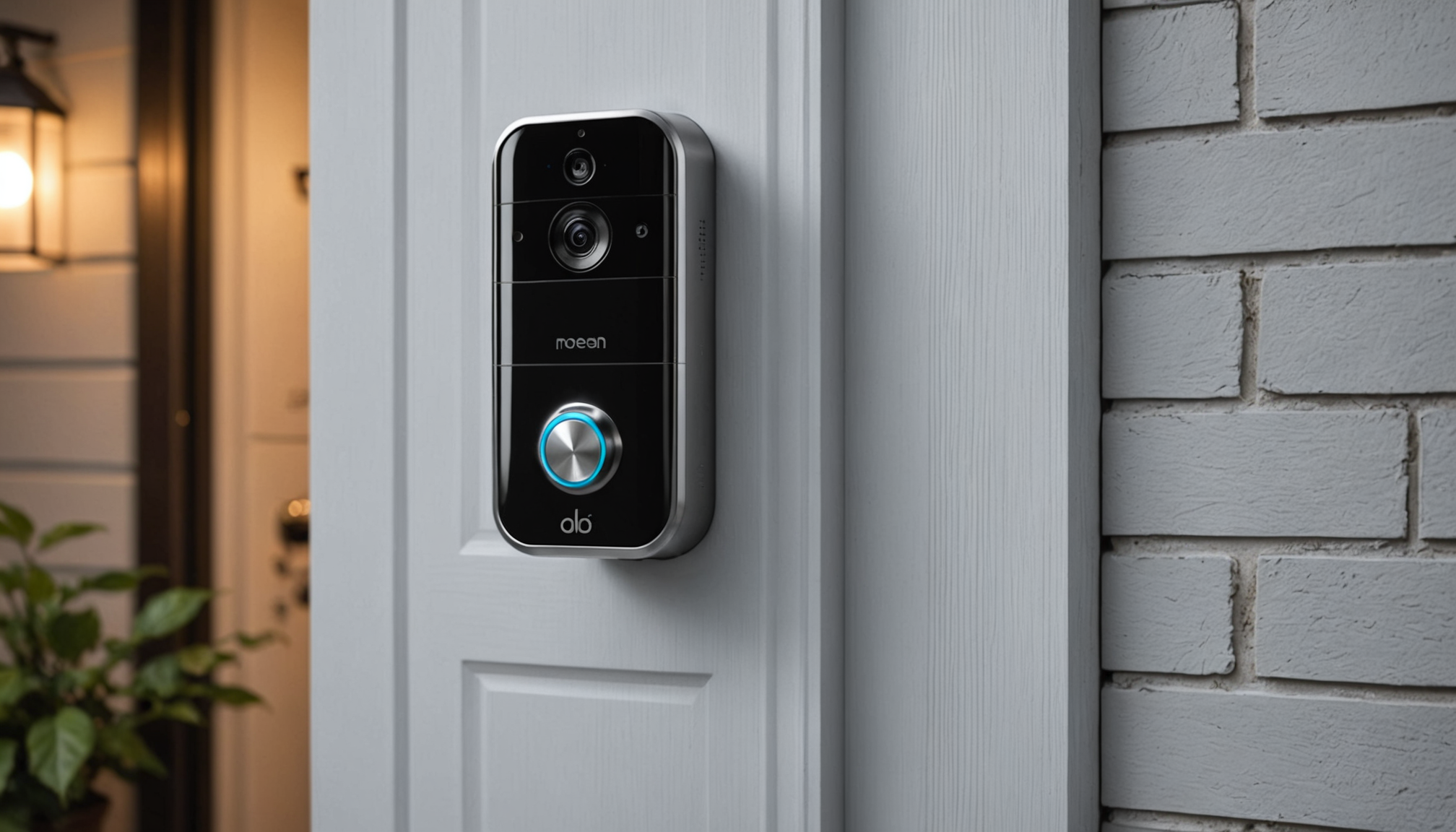
Additionally, smart doorbell cameras have ushered in an era of vigilance unheard of in prior decades. With the ability to communicate directly with anyone who approaches one’s doorstep, these devices offer both security and convenience. So whether it be a delivery person or a stranger lingering too long, seeing a friendly face on a screen can evoke a sense of ease; such simple measures enhance family security and could very well avert a potential crisis, all while you sip your tea at a comfortable distance.
However, the allure of technology must be tempered by caution. With each innovative device installed, there lies the potential for unintended exposure. The very features that equip our homes with advanced safety—remote access, real-time notifications—also leave us vulnerable to those with nefarious intentions. Thus, it is imperative to remain educated about the importance of securing one’s digital assets alongside physical ones. Simple measures, such as creating strong, unique passwords or employing two-factor authentication, can fortify one’s defenses.
In short, the winds of change are reshaping our approaches to home security. Technology, when embraced judiciously, can act as one’s trusted aide in preserving the integrity of one’s property and ensuring peace of mind. But just as with any tool, it is vital to wield it wisely, lest we find our innovations turning against us. By interlacing traditional principles of safety with modern advancements, we craft a robust tapestry of security, blending diligence with innovation that fortifies our sense of protection in an ever-evolving world.
Safety practices for families
Families must adopt a variety of safety practices to ensure a secure environment. It begins with establishing a culture of safety within the household, instilling in all members an awareness of their surroundings and personal responsibilities. Encouraging open discussions about safety can lead to a more proactive approach towards potential threats, whether they are external or internal. Regular family meetings to discuss security protocols and potential emergency scenarios can foster a sense of unity and purpose.
One essential practice is the establishment of routine safety checks around the home. Set aside a few moments each month to walk through your dwelling, assessing locks on doors and windows, testing alarms, and inspecting outdoor lighting. This regular ritual not only reinforces the importance of property care but helps to cultivate diligence about home security. Additionally, having a checklist can expedite the process and ensure no critical area is overlooked.
Education is another cornerstone of family safety. Families should familiarize themselves with local emergency numbers and procedures. Craft a family emergency plan that includes designated meeting points and communication strategies, especially in the event of a sudden crisis. Practice these scenarios so that each member knows exactly how to react, reducing panic and confusion when it matters most. Consider creating a simple emergency kit stocked with basic necessities, which can be invaluable in unforeseen situations.
The psychological element of safety cannot be ignored either; fostering an environment where children feel secure to voice their concerns is imperative. Encouragement to report anything suspicious fosters a culture of vigilance, adding another layer of practical protection. Simple actions like teaching kids to be wary of strangers or to secure their belongings cultivate responsibility and awareness that extend beyond the home.
Furthermore, the use of technology in family safety practices has become increasingly prevalent. Consider implementing smart home features that enhance security. For instance, installing programmable smart locks allows family members to enter the house without keys, reducing the chances of being locked out while not compromising security. Surveillance cameras can be positioned in strategic locations not only to deter potential intruders but to assist in monitoring children playing outside or welcoming guests at the door.
Visibility is another critical aspect; consider using motion-activated lights to eliminate dark areas around the property—an added deterrent for would-be trespassers. Moreover, ensuring that children understand the importance of noise in times of distress can be vital; practice scenarios where they are instructed to create attention through shouting or using an emergency alert device if they ever feel threatened.
In all dealings, maintaining open lines of communication with neighbors can also elevate safety practices for families. Forming informal agreements with nearby residents to report suspicious activity can create a network of shared vigilance. Moreover, having a friendly rapport fosters an atmosphere of trust, which can be invaluable in times of need.
Ultimately, building a fortress of security around one’s family involves layers of safety measures that rely not only on technology and routine checks but also on education, communication, and mutual support within the community. These practices all converge to safeguard against intrusions, ensuring that the family feels secure within their dwelling, thereby preserving the sanctity of their home. By embracing these strategies, families take active roles in their security—transforming their living spaces into havens of safety, where the well-being of each member is paramount.
Emergency preparedness and response

The ability to respond effectively to emergencies is a crucial aspect of maintaining safety and enhancing family security within a household. Each family should have a well-thought-out plan that encompasses various scenarios, from natural disasters to home intrusions. Engaging in emergency preparedness means considering both the likelihood of events and the potential emotional and physical impact they could impose on your family. This proactive approach not only ensures readiness but also instills a sense of security and confidence among family members.
Start by developing a family emergency plan that clearly outlines the steps to take in various situations. This plan should include escape routes for fire, designated meeting points outside the home, and methods of communication if family members are separated. Educate all units of the household on the importance of timely action—knowing when to evacuate or lock the doors can be life-saving decisions. Regularly practicing these scenarios can transform harmless theory into muscle memory, which will be crucial when stress levels rise during real emergencies.
In addition to a formal plan, constructing an emergency kit is vital to ensuring your family is prepared for unforeseen events. This kit should contain essential items such as water, non-perishable food, first aid supplies, flashlights, and a battery-operated radio. Tailor your emergency supplies to cater to specific family needs—for instance, consider medications or personal items that may be required in an urgent situation. Storing these supplies in an easily accessible place reinforces the idea that preparedness is a shared responsibility among family members.
Maintaining awareness of your surroundings is equally important for emergency response. Encourage every family member to stay vigilant and be alert to their environment, recognizing any changes that may indicate emerging threats. Simple actions, such as locking doors, closing windows, and ensuring the alertness of system alarms, can enhance property care while reducing opportunities for potential intruders. Creating this culture of awareness not only helps with immediate security measures but fosters a long-term mindset of vigilance throughout your household.
Lastly, managing communications during an emergency can be a complex yet crucial aspect of your overall family security strategy. Equip your family with critical information, including local emergency numbers or contacts for nearby relatives and friends. Utilizing mobile apps that send alerts to family members can enhance coordination during crises, making it easier to ensure everyone is accounted for. By weaving together a comprehensive emergency preparedness plan, you not only enhance your family’s safety but also create a shared understanding and commitment to protecting each other.
- What should be included in an emergency preparedness plan?
- An emergency preparedness plan should include escape routes, designated meeting points, contact information for all family members, and a list of essential items to have on hand during an emergency. It’s also crucial to conduct regular drills to ensure everyone knows what to do in various situations.
- How can I create an effective emergency kit?
- Your emergency kit should contain sufficient non-perishable food, potable water, a first-aid kit, flashlights, batteries, and any necessary medications. Customize the kit based on your family’s specific needs, ensuring that it is easily accessible in times of crisis.
- How often should I review and update my emergency plan?
- It’s advisable to review your emergency plan at least once a year, or sooner if there are changes in your household, such as a new family member or relocation. Regular updates help ensure that the plan remains relevant and practical for your current situation.
- Can technology aid in emergency preparedness?
- Technology can enhance your emergency preparedness through apps that manage emergency contacts, provide alerts for severe weather, and even allow for real-time communication among family members. Moreover, smart home devices can help simulate occupancy to deter intrusions.
- What roles should family members have in emergency responses?
- Assign specific roles based on each family member’s abilities, such as one responsible for gathering essential documents, another for handling pets, or helping younger children. Clear task delegation ensures that everyone knows their responsibilities, enhancing efficiency during an emergency.
- Should I involve my neighbors in my emergency preparedness plan?
- Absolutely! Involving neighbors can provide additional support during emergencies. Forming a neighborhood group for emergency preparedness fosters a sense of community and enhances collective vigilance, creating a safer environment for all.
- What common mistakes should I avoid when planning for emergencies?
- Common mistakes include not practicing emergency drills, neglecting to update contact information and supplies, and overlooking unique family needs, such as medical concerns. Awareness and regular reviews can drastically improve your preparedness levels.
Ashland Sabbath Chapel Ministries
Beside our live streamed church services, all are welcome to attend our church in person each Saturday beginning 10:00 AM Central Time by going to 2425 Owens Rd., Ashland, AL 36251. There is no cost and any donations are strictly voluntary.
For questions, call +2563547124.