Come join Ashland Sabbath Chapel Ministries each Saturday for live streamed church services. Bible Study begins at 10:00 AM Central Time and Sermon at 11:00 AM. Visit Our YouTube channel and watch from home!
In the early days of the Adventist movement, the use of natural light and practical illumination was crucial to the daily lives of its members. As the 19th century dawned, Adventists were a group characterized by their emphasis on simplicity, health, and education, which significantly influenced their approach to lighting solutions within their homes and communal spaces.
Families often utilized light sources that were readily available and sustainable. Tallow candles, oil lamps, and kerosene lamps became common fixtures in Adventist households. The use of these lighting methods was not merely about visibility; it reflected a deeper philosophical commitment to leading lives of moderation and purpose. Evening activities, such as family gatherings and Bible study sessions, flourished under the warm glow of these makeshift lights, allowing communities to strengthen their bonds and deepen their faith.
The Adventists were also known for innovating within their means. As urban areas began to adopt gas lighting in the latter part of the 19th century, some Adventist communities remained cautious, preferring simpler and less expensive forms of lighting. This reluctance was rooted in a belief that too much reliance on artificial illumination could detract from a life centered around spiritual and communal engagement.
Moreover, many Adventist families engaged in home lighting practices that emphasized compensation for limited natural light. They modified window placements to maximize daylight during the day and relied on strategically placed lamps to extend their activities into the evening. The ingenuity displayed by these families showcases their adaptability and resourcefulness in their pursuit of creating a home environment conducive to family and spiritual growth.
The lighting solutions embraced by early Adventists are a testament to their values and lifestyle choices. Each flicker of flame reflected not only a means of illumination but also a commitment to their faith, community, and adherence to a simple yet meaningful way of living. This historical context set the stage for continued innovation, revealing an enduring legacy that would shape their communities for generations to come.
Historical context of early adventist lighting
The era in which early Adventists lived was marked by a burgeoning shift in societal norms and technologies. As the Industrial Revolution took hold, the world became increasingly immersed in a quest for efficiency and modernization. Yet, Adventists remained anchored to their principles, often finding themselves navigating between the allure of progressing technologies and their commitment to modesty and simplicity. In this backdrop, the use of practical illumination was not merely a choice; it was an embodiment of their values.
Adventists lived in agrarian communities where the rhythm of life was closely tied to the earth’s cycles, and the availability of natural light dictated much of their daily activities. For them, the sun was both a reliable guide and a spiritual emblem. Work began at dawn and ceased at dusk, creating a deep understanding of the significance of light. Even in the use of artificial methods, they sought to mirror this harmony with nature. Tallow candles might have illuminated their gatherings, but it was the warmth of those evenings spent in conversation that revealed the strength of their faith.
The harshness of the night offered an opportunity for reflection and connection—a stark contrast to the fast-paced world emerging around them. Evening activities held particular import; they weren’t simply about dispelling darkness but about nurturing relationships and fostering a sense of unity. Within the flickering shadows cast by oil lamps, families found solace in scripture, shared stories, and song. Here, light sources became vessels for deeper connection, creating an ambiance that encouraged introspection and camaraderie.
This period marked the Adventists’ early encounters with new technologies, as gaslight began to invade urban areas with its bright allure and commercial appeal. Yet, many Adventist communities chose to tread lightly. The embrace of such innovations often raised questions among them. Would reliance on gas light lead to a detachment from their essential mission? Would it serve as a distraction in their quest for spiritual clarity? This hesitation led to grappling with the implications of artificial light—those blinking gas flames, tempting yet foreign, posed a challenge to their ideals.
Consequently, early Adventist families crafted home lighting solutions that were both functional and meaningful. They would gather after sundown, drawing close to the modest sources of light that defined their spaces. Each household created its unique rhythm, adjusting their routines and embracing the simplicity of their surroundings. This inventive spirit was evident in the design of their homes; windows were positioned thoughtfully to capture as much natural light as possible during daylight hours, allowing their lives to be lived under the sun’s gentle gaze.
Amidst these practical considerations, the essence of their faith remained deeply intertwined with their approach to lighting. Each choice reflected a commitment to live deliberately, even as the world shifted around them. The lighting solutions of early Adventists represented much more than a means to chase away the dark; they illuminated a way of life that prioritized community, reflection, and a steadfast devotion to their beliefs. This historical context laid the groundwork for innovation that would continue to evolve, marking the Adventists’ journey through the ages.
Innovative technologies and methods
Oh, the delightful dance of innovation that unfolded among the flickering shadows of early Adventist homes! In an era where natural light ruled the day and evening activities beckoned with a soft whisper, Adventists were not merely spectators but active participants in a thrilling experiment of illumination. They embraced lighting solutions that blended necessity with ingenuity, forging a unique path that was as practical as it was inspired.
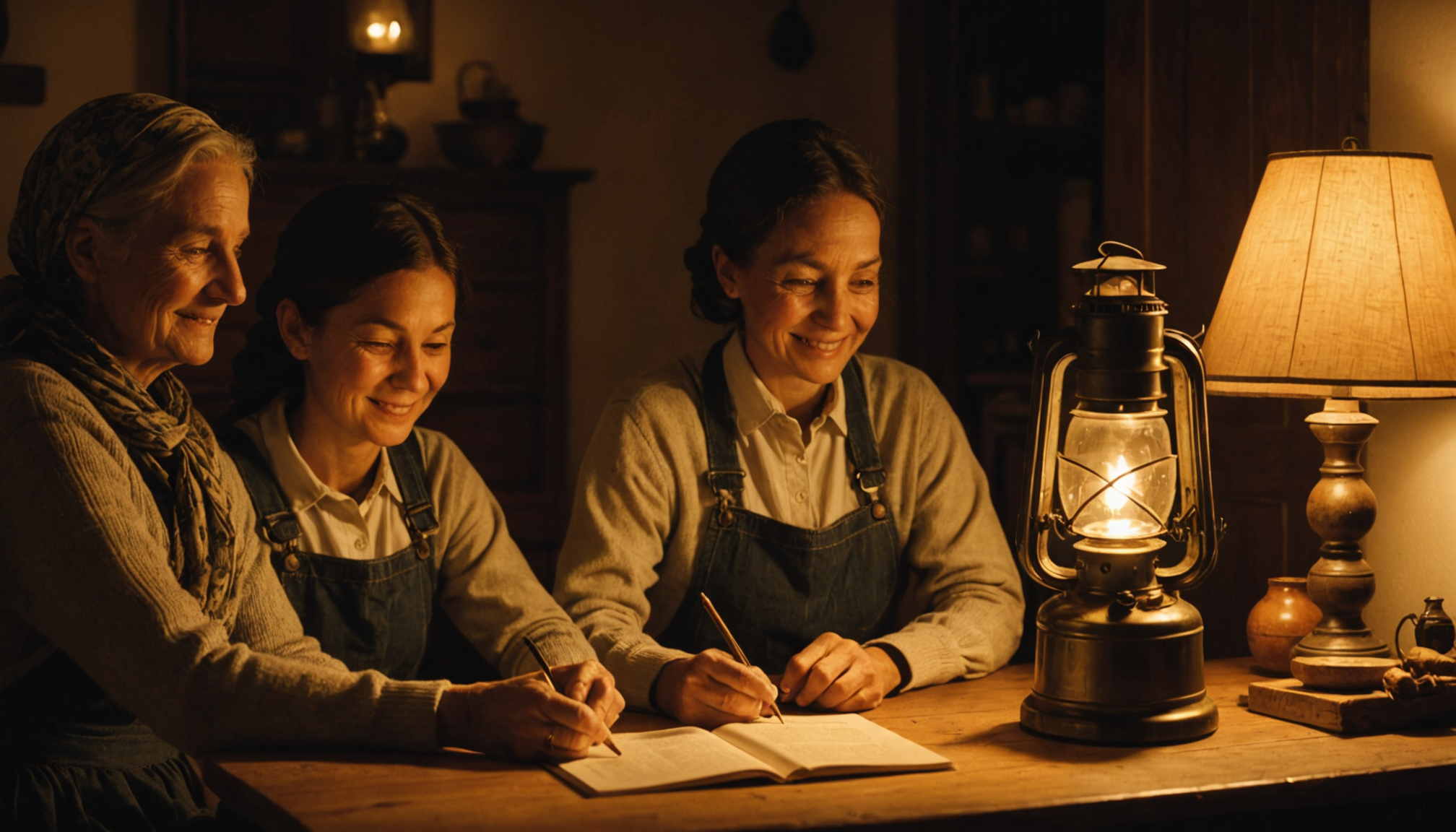
First and foremost, the role of home lighting cannot be overstated. Adventists, ever resourceful, began to adapt their surroundings to embrace the steady rhythm of natural light while extending their day into the night. Oil lamps, simple yet effective, became common companions in their homes. Families nestled together around these warm sources, swapping stories and sharing laughter under their flickering glow. The beauty of human connection thrived amidst these practical illuminations, nurturing a sense of togetherness that transcended the mere act of bringing light into dark corners.
Then came the innovation of the much-adored kerosene lamps, a wondrous development gifted from the industrious hearts of the Industrial Revolution. With the right blend of oil and wick, these lamps offered a brighter light, which was particularly welcomed during lengthy evenings spent studying scripture. Yet, even as they welcomed this technological advancement, Adventists remained ever vigilant, balancing the lure of modernity with a commitment to simplicity. The gleam of a kerosene lamp was much more than a brightening agent; it became a symbol of their faith, illuminating their pursuit of knowledge without overshadowing their values.
Furthermore, some Adventist families turned their gazes toward solar innovations. Although not as advanced as today’s solar panels, the concept of harnessing sunlight to illuminate their living spaces began to bubble with enthusiasm. Some ingenious souls crafted reflectors made of repurposed materials, angling them toward windows to cast bright beams within their homes. Each flash of light rekindled connection with the great outdoors, bridging the gap between nature’s embrace and artificial glow. They understood the sacred balance between the two worlds, with natural light informing their everyday choices and guiding their evenings.
Perhaps most inspiring was the way in which these Adventist innovators celebrated the ordinary. They cultivated a culture of creativity around even the simplest of light sources, turning routine tasks into opportunities for shared experience. After the sun bade goodbye, the soft light of candles flickered to life. Gathered ’round, children might recite passages of scripture while adults communicated their dreams and hopes, weaving a luminous tapestry of dialogue that danced along with the flames. This warm atmosphere—a cradle of spiritual inquiry and familial ties—was the crescendo of their evenings.
The Adventist approach to lighting solutions, thus, not only served functional needs; it redefined the concept of illumination as an extension of their beliefs and communal spirit. Each lamp lit, each candle flickered, reinforced their dedication to values above all, reminding them that light—be it from oil, kerosene, or the mighty sun—was ultimately a divine gift meant to inspire love, connection, and purpose. In this embrace of technology sifted through the filter of their ethos, the Adventist communities crafted a legacy that sang the praises of both tradition and innovation, forging pathways that would guide them through the evolving landscape of light and life.
Key figures in the development of lighting
In the crucible of early Adventist innovation, key figures emerged who played instrumental roles in shaping the practical illumination solutions that defined their era. One notable pioneer was J.N. Andrews, whose profound commitment to the Adventist movement extended beyond theological pursuits. He exhibited a keen interest in the integration of scientific advancements into daily life. Andrews passionately believed that the application of new technologies could enhance both spiritual and communal experiences. His writings reflect a synthesis of faith and practicality, advocating for lighting solutions that served not merely as tools for visibility but as beacons of communal unity and enlightenment.
Another significant contributor was Ellen G. White, a co-founder of the Adventist Church, whose emphasis on health and well-being permeated the community’s approach to practically illumination. White’s writings often urged families to optimize their environments, and she recognized the importance of natural light in fostering a healthy living space. She advocated for homes that embraced sunlight as a source of both physical and spiritual nourishment, encouraging innovations that maintained this connection while extending evening activities through carefully designed lighting techniques. In her view, every light source should illuminate not just the physical space but the soul as well.
Additionally, the industrious nature of Adventist craftsmen cannot be overlooked. Many local artisans took it upon themselves to develop improved designs for existing lighting implements, yielding an array of unique and functional home lighting options. These craftsmen experimented with various materials, constructing lamps that reflected the community’s values. It was not uncommon for individuals to repurpose items to create practical illumination devices that would help extend the hours of meaningful interaction within the household. This spirit of adaptability and creativity resonated throughout Adventist communities, reflecting their strong ties to one another and their surroundings.
Moreover, the intersection of faith and scientific curiosity was exemplified by experimentation with early forms of gas lighting. While caution was exercised concerning its potential distractions, many within the community contemplated its applications, weighing its benefits against the foundational ideals of simplicity and moderation. Early Adventist thinkers explored these technologies, striving to tread a delicate line between embracing innovation and upholding their commitment to modesty.
As these influential figures forged paths through the complexities of lighting solutions, their impacts permeated even the simplest of family interactions. Lighting transformed from a mere necessity into a conduit for family gatherings and evening activities that fostered communal bonds. The progression from rudimentary tallow candles to more advanced kerosene lamps marked a substantial shift, yet it was the incorporation of joyful, shared experiences around the light that truly defined their outcomes. These pioneers thus enabled Adventist families to engage deeply in spiritual reflection while basking in the glow of their innovative creations.
The efforts of these key figures reveal not just a history of illumination but a broader narrative encompassing the Adventist ethos—a relentless pursuit of innovation harmonized with faith, a testament to the transformative power of light within their communal lives. Each advance not only shed light upon their physical spaces but illuminated the pathways of connection, reflection, and growth that remained central to their identity and mission.
Impact on adventist communities
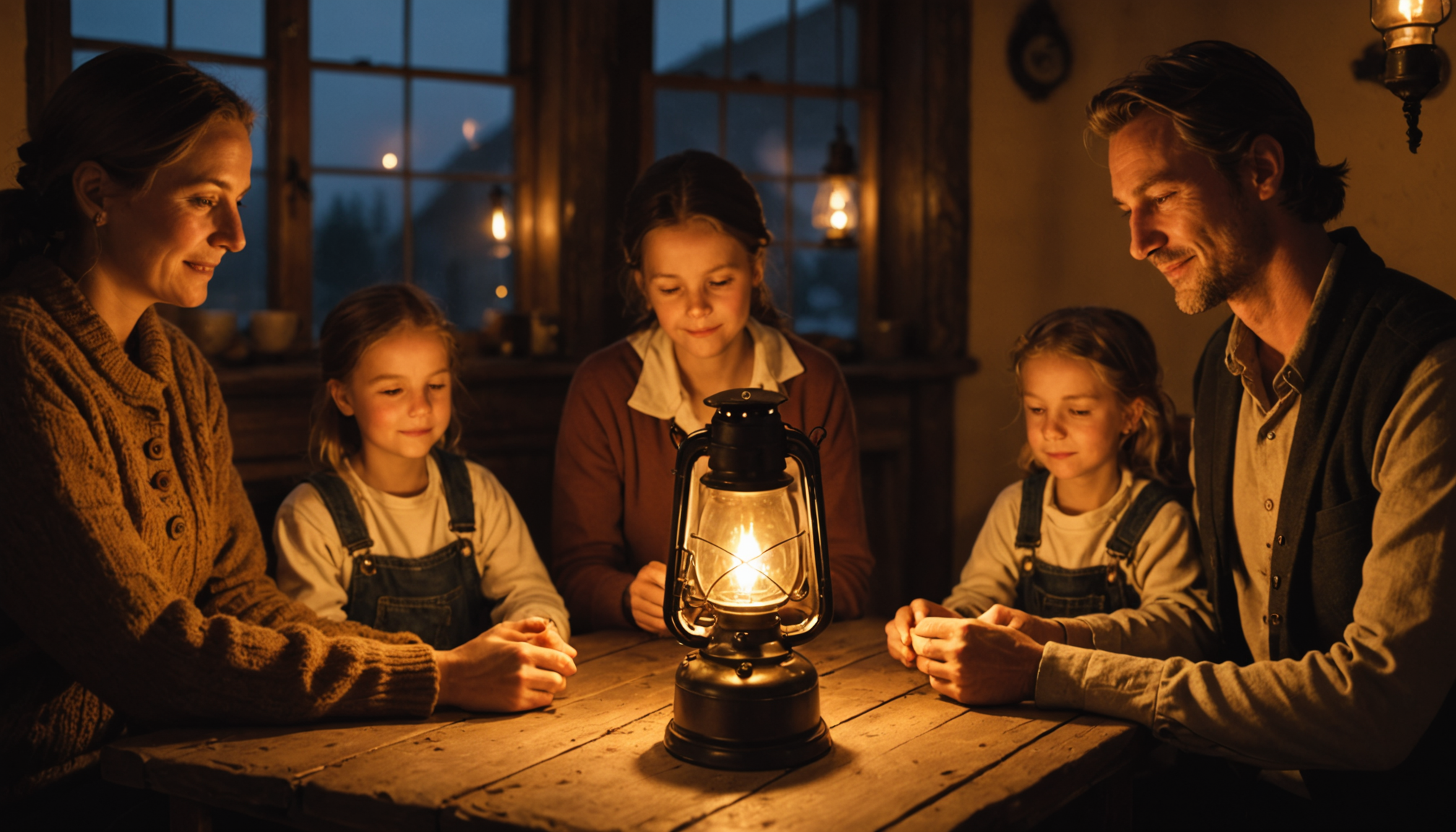
Throughout the early years of the Adventist movement, the choices made regarding lighting solutions significantly impacted community life. The focus on practicality in illumination was not just about illuminating homes; it was central to their social fabric. Households became vibrant hubs of activity during the evening, where families gathered around modest light sources, reflecting the warmth of both artificial and natural light. These spaces were utilized for shared prayer, Bible study, and heartfelt conversations, enhancing spiritual development and strengthening familial bonds.
Adventist communities recognized that the types of lighting they employed deeply influenced their interactions. For instance, the dim flicker of oil lamps set a tone of intimacy, allowing for deeper discussions and meaningful exchanges. Children, often enthralled by the dancing flames, were encouraged to recite scriptures and engage in storytelling, further intertwining faith with their everyday lives. With homes modified to optimize natural light during the day, evening activities seamlessly flowed into a realm of illumination, fostering a sense of continuity between day and night that was essential for maintaining their communal spirit.
The choice to use practical illumination methods also conveyed a strong message against the growing commercialization of gaslight. While some neighboring urban areas embraced this bright yet intrusive technology, many Adventists opted for methods that aligned better with their values. Their commitment to moderation meant that every light source, no matter how humble, carried significance. Each illuminated gathering became a beacon of faith, allowing them to preserve their identity while navigating a rapidly changing world.
Moreover, the implications of these lighting solutions went beyond functionality; they became symbolic representations of their faith journey. The soft glow of a kerosene lamp could evoke warmth and connection that was critical to the Adventist ethos. Moments spent around these flickering lights encapsulated a philosophy of life centered around community engagement and reflection. It is within these gatherings that Adventist values were not only preached but lived, transforming their approach to lighting into a powerful expression of their beliefs.
Through their innovative spirit, early Adventists demonstrated how thoughtful approaches to home lighting could elevate evening activities into sacred opportunities for connection—reminding us that the simplest choices in illumination can fundamentally shape the essence of community life. If one examines closely, the impact of these early lighting solutions resonates even today, prompting us to consider our own environments and the light we bring into our relationships. Their experience invites a deeper inquiry into how we balance innovation with tradition in our quest for meaningful connections in an ever-evolving world.
- What types of lighting did early Adventists commonly use?
- Early Adventists primarily used tallow candles, oil lamps, and kerosene lamps for illumination in their homes. These light sources were chosen for their practicality and alignment with the community’s values of simplicity and modesty.
- How did lighting solutions reflect Adventist values?
- The lighting solutions adopted by early Adventists were about more than visibility; they symbolized a commitment to communal engagement and spiritual reflection. Each choice in illumination emphasized moderation and the importance of fostering connections through shared evening activities.
- What role did home lighting play in Adventist family life?
- Home lighting served as a catalyst for evening activities, bringing families together for Bible studies, prayers, and storytelling. The shared experience of gathering around a light source deepened familial bonds and strengthened their faith.
- Why were some Adventist communities cautious about adopting gas lighting?
- Many Adventist communities were cautious about gas lighting due to concerns that its widespread use could detract from their core mission and encourage a lifestyle detached from their principles of humility and simplicity.
- Did early Adventists make any innovations in lighting?
- Yes, early Adventist families were creative in their approach to lighting, often modifying designs and using reflective techniques to improve illumination. Their resourcefulness led to uniquely adapted lighting solutions that catered to their specific needs while maintaining their values.
- How did natural light influence Adventists’ daily activities?
- Natural light dictated much of the daily routine for early Adventists. Homes were designed to maximize sunlight during the day, with evening activities naturally transitioning into illuminated gatherings when darkness fell, reinforcing the cycle of work and family life closely tied to nature.
- What can we learn from early Adventist lighting solutions today?
- The approaches taken by early Adventists serve as a reminder of the importance of thoughtful choices in our environments. They encourage us to reflect on how we light our homes and foster connections within our communities, prioritizing meaningful interactions over mere convenience.
Ashland Sabbath Chapel Ministries
Legacy and evolution of lighting solutions
The evolution of lighting solutions within Adventist communities has demonstrated a remarkable transition from simple beginnings to more systematic approaches, ensuring that the legacy of practical illumination remains alive and vibrant. Early lighting methods served as the foundation from which further developments sprouted, reflecting an ongoing commitment to blending innovation with core values. This evolution was not merely technical; it was deeply intertwined with the spiritual and communal life that defined the Adventist ethos.
As time progressed, the increasing reliance on more sophisticated light sources marked a significant shift. While early Adventists may have embraced the flicker of tallow candles and the homely glow of oil lamps, by the late 19th century, the evolution towards kerosene and gas lighting showcased an adaptability that did not abandon their founding principles. The challenge lay in navigating between the allure of convenience and the steadfast commitment to community-centric values. Kerosene lamps became more prevalent due to their efficiency and brightness, allowing families to engage in evening activities that extended beyond mere survival to encompass flourishing spiritual and communal engagements. The light emitted by these lamps illuminated not only the physical spaces but also the hearts and minds of their users, transforming simple gatherings into events of significance.
Moreover, the Adventist commitment to education led to innovations in home lighting that catered specifically to study and reflection. As evening activities became more prominent, the use of lighting as a tool for education was recognized. Children gathered under the soft glow of lamps, reciting scriptures and practicing their lessons, ensuring that learning continued well into the night. For many, this melding of light and learning became a tradition that resonated across generations, strengthening not only familial bonds but the community’s collective identity as well.
In this ever-evolving landscape, the integration of natural light retained a special place within Adventist homes. Families optimized their dwelling designs—large windows, reflective surfaces, and open layouts were employed to invite the sun’s rays to dance inside during daylight hours. This reliance on the sun not only served practical purposes but also kept the spirit of their ethos embedded within the architecture of their lives. Thus, natural light was regarded as a divine endowment, a tangible connection to the Creator that shaped their daily rhythms.
However, as advancements in technology continued to emerge into the 20th century, the challenge for Adventist communities became how to maintain their identity amid the encroaching complexities of modern lighting solutions. The embrace of electricity offered unprecedented brightness and convenience, but it also sparked debates within communities regarding the potential erosion of their heritage. Some members expressed concerns about losing the warmth and intimacy that flickering flames had brought to their evenings, prompting discussions on the importance of preserving practices that fostered connection and reflection.
The legacy of early Adventist lighting solutions thus lives on as a poignant reminder of the balance required to navigate progress within a framework of faith. Families today draw inspiration from those who came before them, seeking ways to illuminate their homes while maintaining strong ties to tradition and each other. As contemporary choices abound, the historical evolution of practical illumination not only serves as a guide but as a call to prioritize intentional living—a challenge for communities eager to find their own light in an ever-illuminated world.
Beside our live streamed church services, all are welcome to attend our church in person each Saturday beginning 10:00 AM Central Time by going to 2425 Owens Rd., Ashland, AL 36251. There is no cost and any donations are strictly voluntary.
For questions, call +2563547124.