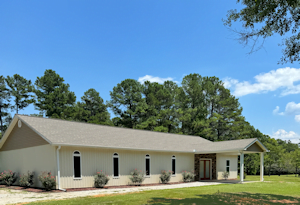
Come join Ashland Sabbath Chapel Ministries each Saturday for live streamed church services. Bible Study begins at 10:00 AM Central Time and Sermon at 11:00 AM. Visit Our YouTube channel and watch from home!
In the days when the sun blazed like a fiery forge during the summer months, the good folk of the early Adventist communities sought practical methods to escape the sweltering embrace of the heat. They understood that to thrive in their secluded sanctuaries, they must devise ways to achieve a semblance of comfort amidst rising temperatures and oppressive humidity. The ingenuity of man, it seems, knows no bounds when faced with the relentless power of nature.
Long before the advent of modern air conditioning—a term that, when uttered, conjures images of chilly rooms and humming machines—these pioneers turned to natural cooling techniques. They became adept at harnessing the gentle breezes that whispered through the trees, strategically placing windows to facilitate airflow. In addition to opening their homes to the refreshing breezes, they also utilized architectural features, such as high ceilings and wide verandas, to encourage air circulation and maintain a modicum of summer comfort.
No mention of early cooling methods would be complete without acknowledging the use of shade. Shady trees and strategically planted gardens served as nature’s air conditioners. Overhanging eaves and awnings were common sights, sheltering windows and doors from the harsh rays of the sun and keeping interiors considerably cooler. This strategic manipulation of the environment underscored a keen understanding of climate management, with each dwelling reflecting a harmony between human habitation and natural elements.
Furthermore, water played its role in the quest for comfort. Many families would keep their homes cooler by placing basins of water within their dwelling spaces, employing the simple principles of evaporation. The air, laden with moisture from these vessels, would offer relief from the sweltering heat without the need for complex contraptions. It was a prime example of seasonal adaptation, as these folk learned to work in concert with their environment rather than against it.
In these early days, the wisdom of utilizing surrounding landscapes and natural resources stood resilient, shaping a way of life that embraced the changing seasons while offering refuge from the relentless heat. Each method and material chosen was a testament to the community’s resourcefulness, a philosophy that embraced both simplicity and efficacy in their pursuit of comfort against summer’s fervent blaze.
Materials and Techniques Used
The materials and techniques employed by early Adventists in their pursuit of summer comfort reveal a remarkable understanding of both their environment and the inherent capabilities of the resources at hand. Primarily, these individuals utilized local materials, allowing them not merely to cool their homes but to cultivate an integrated approach to living harmoniously with their surroundings. Thus, the design of their dwellings became a reflection not only of necessity but also of a deep-seated appreciation for their natural landscapes.
Wood, a material readily available in abundance, played a pivotal role in the construction of their residences. In stark contrast to the oppressive concrete and metal that may characterize contemporary architecture, early Adventist homes were primarily constructed of timber. This choice offered a dual function: wood served as an excellent insulator, resisting the heat of the summer sun while simultaneously allowing for the traditional aesthetic of open spaces. The careful selection of wood types also facilitated air circulation, thereby contributing to the effective natural cooling methods employed by these communities.
In addition to wood, thatching materials, such as straw or reeds, were commonly used for roofing. This technique not only reduced the temperature of the eaves but also served as a conduit for heat dissipation. Homes topped with thatched roofs exemplified climate management, as the upper layers absorbed solar energy without allowing it to permeate the living spaces below. The skillful use of these resources enabled a pleasant retreat from the summer’s oppressive grasp while illustrating the significance of locality in architectural design.
Moreover, the techniques adopted by these early settlers were often rooted in tradition and community knowledge, passed down through generations. Among these methods was the strategic positioning of windows and doors, which were frequently aligned to catch prevailing breezes. This was essential for ensuring sufficient airflow through the dwelling. The early Adventists recognized the importance of spacing and orientation, employing cross-ventilation techniques that facilitated a natural cooling effect, thus enhancing the readability of their homes’ designs with respect to prevailing winds.
Water, as noted previously, played an integral role in combating the heat. In addition to its evaporation benefits from simple basins, some homes incorporated the use of small ponds or fountains strategically placed in gardens. The presence of water features not only enhanced aesthetics but also contributed to the overall cooling effect, creating microclimates that further alleviated discomfort during hot months. These ingenious incorporations of materials underscore the practical methods that characterized the Adventist ethos: they strove to create spaces that were not only functional but also aligned with the natural beauty of their surroundings.
The culmination of these materials and techniques reflects a profound understanding of seasonal adaptation. Each choice of building material and method employed was not a simple pursuit of comfort but rather a manifestation of an age-old conversation between humanity and nature. The early Adventist communities, through their innovative approaches and mastery of available resources, laid the foundation for later generations to appreciate the sophistication of natural cooling, forever imbuing their architectural legacy with the principles of sustainability and mindful living.
Benefits of Adventist Approaches
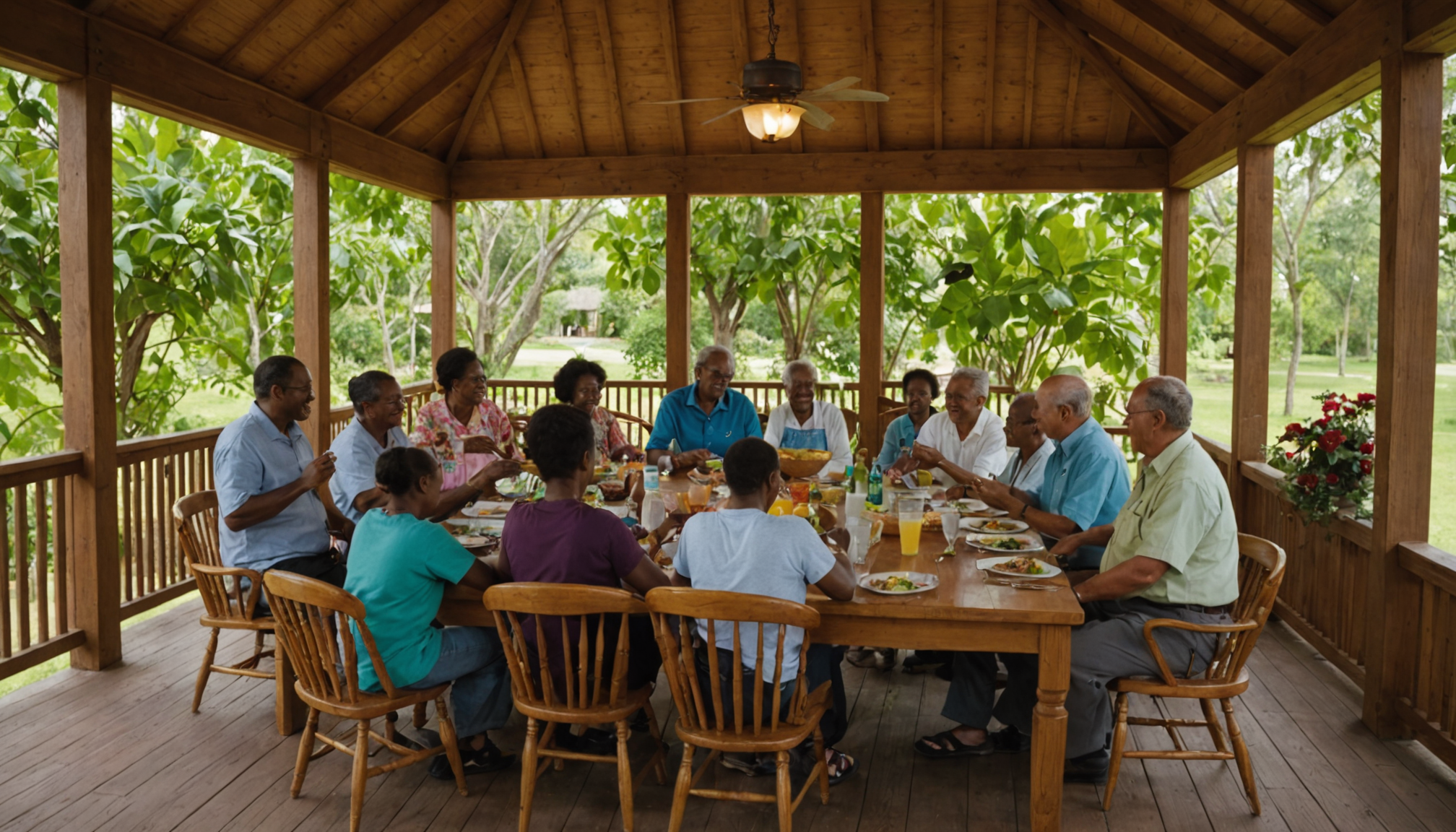
The early Adventist approach to combating summer’s relentless heat yielded benefits that extended beyond mere physical comfort, intertwining with ecological awareness and community unity. Such methods facilitated not only a cooling of the air but also fostered deeper relationships with the land and the people sharing it. By prioritizing natural cooling techniques over artificial alternatives, these communities embraced a philosophy that resonated with their spiritual values and dedication to stewardship of the earth.
One of the foremost advantages of the Adventist methodology was the sustainability ingrained in their practices. As these individuals engaged with their environment, they developed a profound understanding of the local climate, recognizing the rhythms of nature as allies instead of adversaries. The implementation of passive cooling designs—such as high ceilings, open designs, and strategic landscaping—reflected a delicate balance of functionality and respect for their surroundings. In doing so, they forged homes that not only remained livable despite the sweltering heat but also blended seamlessly into the landscape, acting as extensions of the natural world.
The ecological benefits of these cooling techniques were multifaceted. Firstly, by opting for natural materials like wood and thatch, early Adventist builders minimized their environmental footprint, favoring resources that were not only local but also renewable. This choice refrained from depleting the region’s resources while simultaneously promoting the longevity of the structures erected. In essence, the commitment to using local materials articulated a message of harmony with nature, where the built environment and the natural landscape coexisted rather than clashed.
Moreover, the communal aspect of the Adventist cooling strategies cannot be understated. The shared knowledge of effective practices was a connective thread among families, creating networks of collaboration and support. This sense of unity fostered a deeper understanding of their interdependence—both on the land and within their community. Building homes together and sharing techniques reinforced communal bonds while enhancing the collective wisdom regarding seasonal adaptation and climate management.
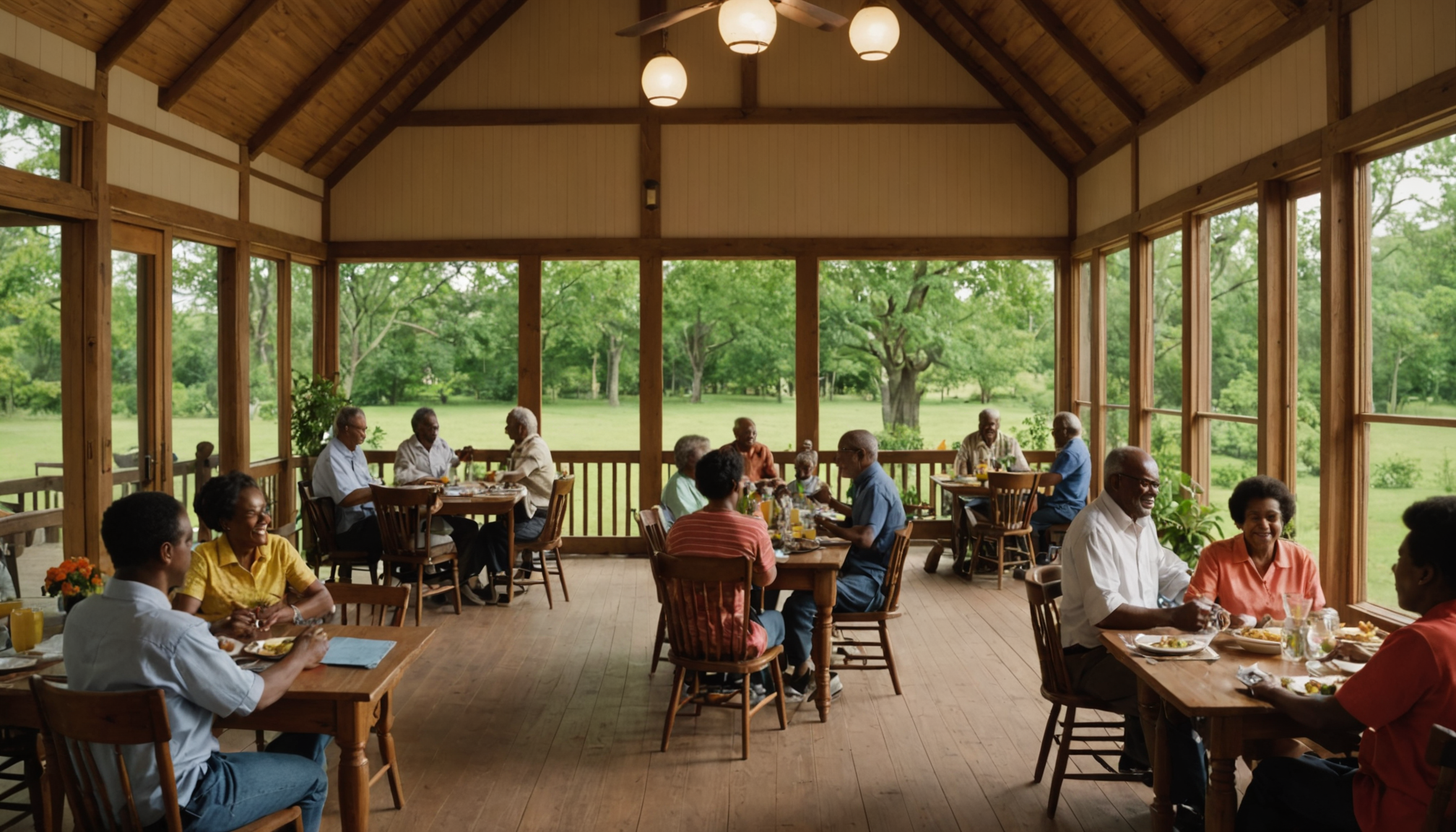
Additionally, early Adventist practices encouraged a lifestyle that championed well-being. The effectiveness of natural cooling facilitated outdoor living, where families engaged in shared activities such as gardening, gatherings, and communal meals, fostering social cohesion. In this manner, comfort transcended the physical realm, manifesting into a richer sense of belonging and emotional fulfillment. The spaces they cultivated provided not just refuge from the heat but also venues for storytelling, laughter, and togetherness, encapsulating the very essence of community life.
In examining the advantages of these early Adventist methods, one is struck by how they shaped not solely the comfort of individuals but the fabric of society itself. The balance struck between climate management and community perseverance revealed an intrinsic acknowledgment of the interconnectedness of life. Thus, the benefits extended far beyond immediate relief from summer’s grasp, embedding principles of sustainability, harmony, and shared fellowship into the very ethos of these pioneering societies.
Case Studies of Early Implementations
Illustrating the fruits of early Adventist ingenuity, one can observe several notable case studies that epitomize their resourcefulness in achieving summer comfort through practical methods. Each instance showcases the willingness of these communities to adapt their surroundings and embrace the inherent capabilities of the local environment, creating homes that not only offered refuge from the oppressive heat but also fortified the social fabric within which they thrived.
Take, for example, the home of a certain elder named Jonathan Miller, situated at the edge of a sprawling forest. His residence—a modest wooden structure—was designed with the utmost attention to climate management. The windows, meticulously positioned to face the prevailing winds, served as portals for cooling breezes that danced through the open spaces, alleviating the stifling air that often plagued the warmer months. An extensive porch, adorned with climbing vines, enveloped the house in a veil of shade, significantly lowering the temperature of its interior. The strategic use of natural ventilation was not merely an architectural choice; it had become a communal hallmark of wisdom passed down through generations, demonstrating how well the community understood the elements that governed their lives.
Similarly, in the quaint village of Green Hollow, local families embarked on a shared endeavor to create a network of cooling gardens. These gardens, lush with greenery and adorned with carefully constructed ponds, became microclimates of relief in the sweltering summer months. The collaborative effort led to the growth of various shade-giving flora, while shallow basins filled with water facilitated the cooling effect through evaporation. This ingenuity not only provided personal comfort but also fostered a sense of belonging among the villagers as they tended to these communal spaces together, reinforcing their bonds through shared labor and the joys of nature.
In yet another instance, the home of the Harris family exemplified innovation through the clever use of thatched roofing. Their choice of materials, comprising locally-sourced straw, encased their home in a protective barrier against the relentless summer sun. The unique method of layering allowed for the dissipation of heat while maintaining the integrity and comfort of the living spaces below. This adaptation reflected their commitment to sustainability, as they embraced resources readily available within their environment. Such an approach not only served the immediate needs of the family but also established a precedent for future generations to incorporate into their own designs, thereby weaving a thread of continuity through time.
The cumulative effect of these case studies reveals a tapestry of ingenuity and practicality that defined early Adventist living. By deftly manipulating their environments, employing seasonal adaptation, and relying on the intrinsic resources of their locality, these early dwellers fashioned homes that transcended mere shelter, instead becoming sanctuaries of comfort, connection, and community. Through innovation and a profound respect for nature, they not only confronted the challenges of summer heat but also nurtured a legacy of understanding and cooperation that would echo through the ages.
Modern Adaptations and Innovations
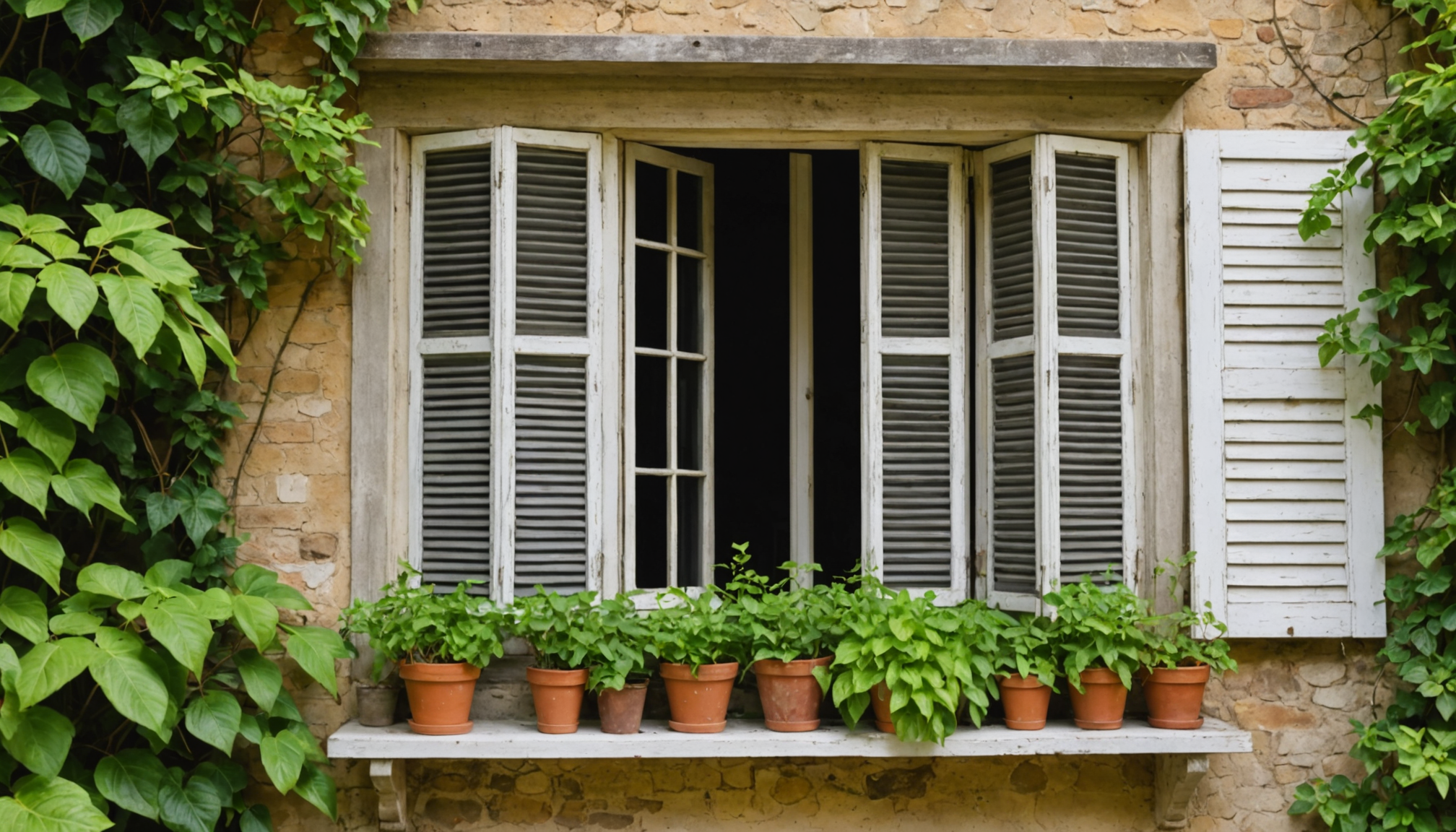
The landscape of modern adaptations and innovations in cooling methods both honors the historical practices of early Adventist societies and integrates contemporary advancements. Today, as we navigate an era challenged by climate change and increasing temperatures, the application of these time-tested principles has never been more relevant. Engineers, architects, and urban planners now look back to the foundational approaches of natural cooling and climate management that these pioneers implemented, translating their wisdom into modern technologies and sustainable practices.
For instance, the emphasis on passive cooling strategies continues to inform the design of energy-efficient homes. Contemporary architects often employ high ceilings, strategically placed windows, and overhangs—concepts reminiscent of those early cooling methods. By harnessing the principles of seasonal adaptation, modern buildings can capture prevailing breezes, reduce indoor temperatures, and minimize reliance on energy-intensive air conditioning systems. This fusion of old-world knowledge with modern technology signifies a remarkable evolution in our understanding of environmental stewardship.
The shift towards sustainable materials parallels the rich legacy of early Adventist building practices. Today, more builders are prioritizing local, renewable resources that not only lower the carbon footprint but also mimic the natural cooling effects witnessed in earlier constructions. With the rise of green roofs, which utilize vegetation to cool structures and manage rainwater, urban environments are beginning to take cues from the cooling gardens crafted by past generations. Such innovations encourage urban resilience against summer heat and contribute to the well-being of communities, preserving the ecological integrity of the urban landscape.
Moreover, advancements in technology have paved the way for enhanced climate management strategies. Incorporating smart technology allows for real-time monitoring of indoor climates, enabling automated systems to optimize airflow and efficiency while maintaining summer comfort. Smart home systems can adjust window openings or shading according to temperature fluctuations, perpetuating the adaptive strategies characteristic of early pioneer living. By connecting this technological intelligence with an ethos of sustainability and natural methods, modern living spaces can reflect a sophisticated balance between comfort and ecological responsibility.
As we explore these modern adaptations, it becomes evident that the essence of early Adventist cooling methods provides a treasure trove of insights. It compels us to reflect on our architectural choices and their impacts on the environment, encouraging us to ponder how we can integrate principles from the past to create livable, sustainable spaces for future generations. The quest for comfort in our homes continues to evolve, prompting a continuous dialogue between tradition and innovation in our pursuit of a more resilient and harmonious existence with nature.
- What are natural cooling techniques?
- Natural cooling techniques refer to various methods that utilize passive design elements and existing environmental resources to reduce indoor temperatures. These strategies can include maximizing airflow through window placements, using reflective materials, and employing vegetation for shade.
- How did early Adventists maintain summer comfort?
- Early Adventists maintained summer comfort by integrating architectural features such as high ceilings, wide verandas, and well-placed windows to facilitate airflow. They also used shade from trees and innovative water features to create cooler microclimates within their homes.
- What materials were commonly used in early Adventist home cooling?
- Common materials included wood for its insulating properties and thatching materials, such as straw or reeds, for roofing. These materials helped manage heat and allowed for a natural integration with their surroundings.
- Why is sustainability important in modern cooling methods?
- Sustainability is crucial in modern cooling methods because it minimizes environmental impact, conserves energy, and promotes a healthier ecosystem. Using renewable resources and energy-efficient designs contributes to long-term environmental stability.
- How can communities implement principles of climate management?
- Communities can implement climate management principles by designing shared spaces with green gardens or parks, adopting local materials for construction, and promoting education around sustainable living practices that honor natural cooling methods.
- What role does technology play in modern cooling strategies?
- Technology enhances modern cooling strategies by automating temperature control and optimizing airflow through smart systems. These innovations allow for dynamic adjustments that adapt to environmental conditions, improving overall energy efficiency.
- How can I incorporate traditional cooling methods into my home?
- You can incorporate traditional cooling methods by maintaining high ceilings and large windows for airflow, planting trees for shade, and utilizing materials like wood and thatch. Simple water features or careful landscaping can also contribute to a cooler home environment.
Ashland Sabbath Chapel Ministries
Beside our live streamed church services, all are welcome to attend our church in person each Saturday beginning 10:00 AM Central Time by going to 2425 Owens Rd., Ashland, AL 36251. There is no cost and any donations are strictly voluntary.
For questions, call +2563547124.