Come join Ashland Sabbath Chapel Ministries each Saturday for live streamed church services. Bible Study begins at 10:00 AM Central Time and Sermon at 11:00 AM. Visit Our YouTube channel and watch from home!
To establish a solid base for lifelong health, it’s essential to weave together principles that resonate within our communities. Healthy living isn’t merely an individual pursuit; it flourishes when embraced collectively. When we start to prioritize physical, mental, and social well-being, we lay a foundation that promotes a deeper appreciation of the value of community support. This holistic approach involves several components that create sustainable practices.
One of the most effective ways to initiate this foundation is through education. By informing individuals about nutrition and exercise, we cultivate an environment where making healthier choices becomes the norm. For example, organizing workshops on plant-based cooking can engage participants and encourage them to experiment with healthy diets, which are often part of the Adventist lifestyle. Access to information about the benefits of whole foods can inspire people to shift their eating habits in a positive direction.
Furthermore, establishing supportive social networks facilitates accountability and fosters relationships that can significantly enhance individuals’ commitment to their health. Regular community events, like walking groups or fitness classes, not only promote physical activity but also nurture social health. These gatherings can create bonds that motivate participants to stick to their health goals, proving that the strength of a community lies in its collective effort.
Additionally, it’s vital to assess the existing resources within the community. Identifying parks, recreational centers, and community gardens can provide affordable venues for physical activities and promote a lifestyle rich in nature and interaction. By ensuring that everyone knows where these resources are, we empower individuals to take action towards achieving their wellness goals.
Partnerships with local health professionals can enhance this foundation. Involving dietitians, fitness trainers, and mental health counselors in community planning builds credibility and fosters trust. Programs that offer free consultations or health screenings can help to break down barriers and encourage ongoing participation in community health initiatives.
Engaging community stakeholders
Connecting with community stakeholders is a crucial next step in fostering a culture of healthy living. It involves identifying and collaborating with key individuals and organizations that share a vested interest in promoting wellness. Engaging these stakeholders ensures that the initiatives we launch are informed by collective experience and are more likely to meet the actual needs of the community.
First and foremost, it’s important to understand who the stakeholders are. This may include local government officials, educators, health care providers, businesses, and nonprofit organizations. Each entity brings unique resources and perspectives that can enhance our efforts. For instance, educators can play a significant role in health education by integrating wellness topics into school curricula, while local businesses can contribute by offering promotions on health-focused products or services.
Once stakeholders have been identified, it’s essential to develop meaningful relationships with them. Regular meetings or informal gatherings can create opportunities for sharing ideas and aligning goals. For instance, a local health fair can serve as a platform for stakeholders to discuss their visions for community health, share resources, and even collaborate on new initiatives. This not only builds goodwill but also ensures that everyone is on the same page regarding the community’s health priorities.
Another effective strategy is to involve community members directly in the engagement process. By inviting individuals to participate in planning sessions or focus groups, we can gather valuable insights that ensure their voices are heard. For example, those who frequently visit community centers can provide information on the types of health programs they find engaging or what challenges they face in leading healthy lifestyles. This grassroots involvement strengthens the community support network and fosters a sense of ownership over health initiatives.
It’s also beneficial to tap into existing community organizations that prioritize social health and wellness. For instance, local Adventist churches often have established health ministries focused on wholistic living, including physical, emotional, and spiritual wellness. Partnering with these organizations allows us to leverage their experience and reach a broader audience. Crafting joint events, such as health screenings or cooking classes, can engage participants more deeply since they are typically inclined to trust organizations within their community.
In addition to relationship-building, clear communication about the benefits of healthy living is essential. Stakeholders should be equipped with persuasive data demonstrating the positive impacts of community health initiatives on local health outcomes. For example, presenting statistics that show reduced healthcare costs or improved quality of life for participants can motivate stakeholders to get involved and spread the word. Sharing success stories from neighborhoods where initiatives have already made a difference can also spark interest and enthusiasm.
It’s important to create a supportive environment that not only encourages stakeholder participation but also recognizes their contributions. Celebrating achievements and milestones through community events or appreciation days can reinforce the idea that collective efforts matter. When stakeholders see their involvement leading to real change, it solidifies their commitment and inspires further action.
Creating accessible health programs

Creating health programs that are truly accessible requires more than just a good idea; it demands understanding the unique needs of the community. Start by recognizing barriers—whether they are financial, physical, or even cultural—that might prevent individuals from engaging in these programs. Some may struggle with the cost of gym memberships or transportation to health classes. Others may face language barriers or cultural stigmas surrounding certain health topics. Addressing these challenges directly leads to programs that resonate.
One effective approach is to offer programs at various times and locations. This flexibility acknowledges the different schedules people have, especially for those balancing work and family obligations. For instance, hosting evening yoga classes or weekend health workshops can allow more individuals to participate. Furthermore, providing programs in community spaces, such as local parks or schools, eliminates barriers related to transportation and cost. Taking classes outdoors in a familiar setting can also encourage participation.
Additionally, the incorporation of sliding scale fees or completely free services plays a crucial role in accessibility. When finances are a hurdle for many in the community, having programs that adjust to income levels shows a commitment to inclusivity. Consider a community fitness program where participants can pay what they can afford. This not only democratizes access but cultivates a spirit of sharing and collective responsibility, reflecting the core values of community support.
Another strategy involves tailoring health programs to fit the cultural context of the community. Engaging with community leaders, particularly those within the Adventist community, can provide insights into specific dietary practices, beliefs about health, and preferred methods of engagement. For example, integrating vegetarian meal options and discussions on holistic health can make health programs more relatable and appealing. Inclusivity in program design ensures that no one feels left out and that everyone sees their own lifestyle reflected in the offerings.
Providing educational resources in multiple languages is another crucial step toward accessibility. Many communities are enriched by diversity, so health materials should reflect that. Brochures, advertisements, and even workshops should be available in the primary languages spoken in the community. This simple act not only fosters trust but also empowers individuals to seek out health programs without fear of not understanding the concepts being presented.
Moreover, involving local residents in the development of these health programs can enhance their relevance and effectiveness. By forming focus groups comprised of community members, program developers can gather direct input on what types of health issues are most pressing. This local knowledge can shape everything from the topics covered in workshops to the structure of ongoing health initiatives. When people feel that their voices shape the offerings, they are more likely to engage and participate.
Ultimately, the goal is to transform health programs into vibrant gatherings that emphasize social health, physical wellness, and community unity. Creating spaces where people can come together strengthens interpersonal bonds and nurtures a culture of healthy living. These programs must stretch beyond mere attendance; they should provoke meaningful interactions and lasting friendships. The more accessible and welcoming these programs are, the more community support they will garner, leading to a ripple effect of healthy habits shared among friends, families, and neighbors.
Promoting sustainable lifestyle changes
To advance the noble cause of promoting sustainable lifestyle changes within our cherished community, we must engage in a thoughtful exploration of strategies that endear themselves to those we wish to influence. It is not enough to merely recommend healthier practices; we must weave them into the very fabric of daily life, making them not only desirable but also accessible and integral to our shared social health.
A great place to commence our endeavor is through the cultivation of habits rooted in community traditions, with a keen eye on the principles often celebrated in the Adventist ideology. Recognizing that social connections can significantly bolster health outcomes, we must devise programs that encourage communal participation. Consider, for example, the implementation of monthly gardening days, inviting families to come together in local plots to cultivate both food and fellowship. Such activities can foster a spirit of cooperation while providing fresh produce that supports healthier eating habits.
Moreover, facilitating open dialogues concerning nutrition and exercise within community gatherings or forums can ensure that knowledge flows freely among neighbors. One might recall the charm of a potluck dinner, where individuals bring not only their culinary delights but also their shared stories and wisdom. Inviting members to present their healthful recipes, especially those honoring the Adventist preference for plant-based meals, creates an atmosphere of mutual encouragement. As people gather to share their successes and challenges, they inspire one another to adopt sustainable practices with genuine enthusiasm.
Educational workshops can also be beneficial, particularly those that engage children and schools. By integrating physical activity into the schooling system, with fun and interactive lessons about the importance of healthy living, we instill values that may last a lifetime. For instance, incorporating lessons on physical fitness through sports and cooperative games allows students to recognize the joy of being active while forming lasting bonds of friendship. Such experiences in youth are invaluable, as they lay the groundwork for healthier adult lives.
Furthermore, we must pay astute attention to the language we use when discussing lifestyle changes. A gentle, supportive tone that emphasizes benefits rather than restrictions can have a profound impact. Phrases such as “delightful adventures in cooking” or “joyful family walks” can frame healthier choices in a positive light, making them far more appealing. The focus ought to be on the pleasures derived from these activities, thus removing any sense of deprivation that might accompany a change in routine.
In addition, utilizing local businesses as partners in this endeavor can amplify our reach. As local shops and markets encourage the purchase of whole foods and healthier options, we can solicit their assistance in promoting discounts for the community. Could not a local health food store create a monthly ‘healthy living’ promotion, offering special deals on fresh produce? Such collaborations not only support local commerce but also enhance community engagement with the principles of well-being.
Lastly, we ought to measure our progress with both quantitative and qualitative metrics, engaging community stakeholders in gathering feedback about the initiatives we have instituted. Community surveys or informal discussions at gatherings can reveal what successful changes have taken root, while simultaneously allowing us to refine our approach based on the expressed desires and experiences of our neighbors. The more adaptable we remain to their needs, the more likely they will embrace the lifestyle transformations we advocate.
Indeed, cultivating sustainable lifestyle changes is a delicate dance, requiring both encouragement and understanding. By tailing our approaches to fit the cultural and social fabric of our community, we reinforce the idea that healthy living is not simply an individual’s quest but a shared journey undertaken together. As we embrace these ideals, one can only imagine the rich tapestry of health, joy, and fellowship that can flourish in our midst.
Measuring the impact of community initiatives
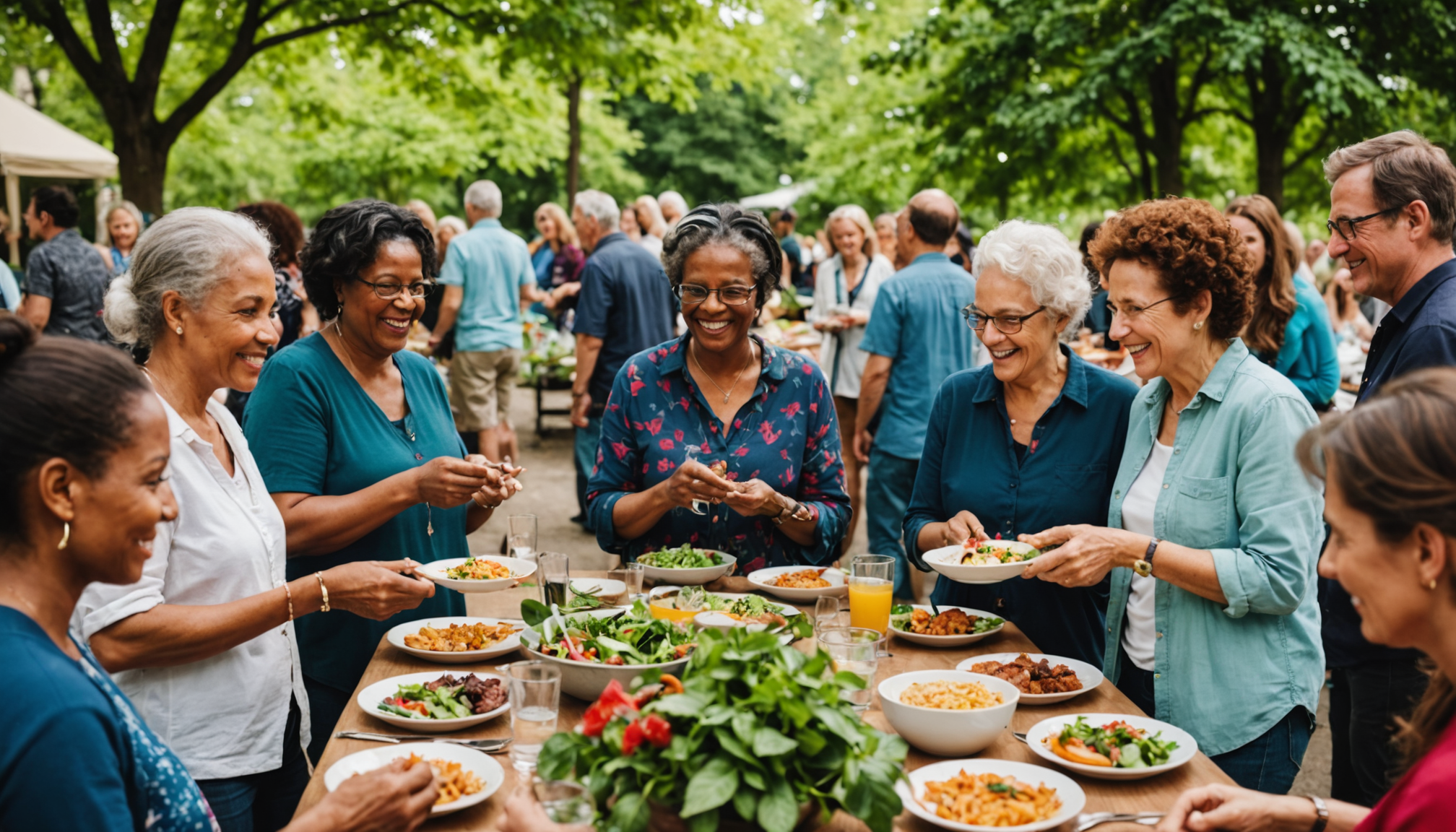
Measuring the impact of community initiatives is essential for understanding the effectiveness of programs designed to promote healthy living. By employing a variety of evaluation methods, organizers can gain insights into how well their efforts resonate with community members and where improvements can be made. The importance of reliable metrics cannot be understated; they are vital for sustaining motivation among stakeholders, securing funding, and building community trust.
A quantitative approach often begins with collecting baseline data on health indicators relevant to the community’s needs, including rates of obesity, physical activity levels, and instances of chronic diseases. Surveys can provide valuable information regarding participants’ self-reported health behaviors, engagement in community programs, and satisfaction levels. For instance, a community might start an exercise initiative and track participation rates alongside health outcomes over time. Not only does this solidify the value of continuing such initiatives, but it also highlights successful programs that can be replicated elsewhere.
Qualitative assessment methods further enrich the understanding of community impact. Conducting interviews or focus groups with program participants allows for a deeper exploration of their experiences and perceptions. Stories shared during these sessions reveal the emotional and social dimensions of health initiatives, emphasizing the significance of social health within community support frameworks. People often connect at the personal level, sharing how support garnered from friends and family positively influenced their health journeys. These narratives not only illustrate the humanizing aspect of health initiatives but also serve to inspire further participation.
Another integral factor is the establishment of feedback loops. Implementing regular check-ins with community members—through surveys or community forums—creates an opportunity for dialogue about ongoing programs. When people feel their voices are heard and their opinions valued, their attachment to the initiative grows. This commitment is crucial in fostering sustainable lifestyle changes that align with the community’s unique culture and values, exemplified by the principles often highlighted in the Adventist approach to health.
Moreover, community-wide celebrations or showcases can serve as a platform for highlighting progress. These events allow participants to share their successes and challenges in a setting that celebrates collective achievements. In turn, they encourage a culture of recognition where community members support each other on their health journeys. Displaying improvements in health metrics or sharing testimonials at these events can galvanize further interest and commitment to community health initiatives.
Importantly, the process of measuring impact shouldn’t end with evaluation. Data analysis should inform the evolution of community initiatives, ensuring they remain responsive to the needs of their members. Continuous improvement can be achieved by adjusting programs based on the evidence gathered and aligning them more closely with the principles of healthy living and social well-being. In this way, the community can thrive as a unified body that encourages health as a shared priority.
- What are community health initiatives?
- Community health initiatives are programs or projects designed to improve the health and well-being of a specific population by addressing issues such as access to care, nutrition, and physical activity. These initiatives often involve collaboration between local organizations, health care providers, and community members.
- How can I measure the effectiveness of a health program?
- The effectiveness can be measured using quantitative methods like surveys and health metrics, alongside qualitative approaches such as interviews and focus groups. Analyzing participation rates and participant feedback can provide comprehensive insights into the impact of the health program.
- What role do community members play in health initiatives?
- Community members are crucial as they provide insights into their specific health needs and preferences. Their active participation can guide program design, enhance engagement, and contribute to the initiative’s success through shared ownership and collaboration.
- How can we encourage more people to participate in health programs?
- Making programs accessible, flexible, and inclusive can encourage participation. Offering varied programming times, providing free or sliding scale options, and incorporating culturally relevant elements can help draw more community members in.
- Why is social health important in community wellness?
- Social health refers to the strength and quality of relationships within a community, which significantly influences overall health outcomes. Strong social connections can foster accountability, provide emotional support, and encourage healthy behaviors among community members.
- How can partnerships enhance community health initiatives?
- Partnerships with local organizations, businesses, and health professionals can pool resources, expertise, and networks to enhance the reach and effectiveness of health initiatives. Collaborative efforts typically create richer programming that benefits the entire community.
- What is the Adventist approach to health and wellness?
- The Adventist approach emphasizes a holistic perspective on health, integrating physical, mental, and spiritual well-being. It encourages healthy living through nutrition, exercise, and community support, aligning individual health with collective welfare.
Beside our live streamed church services, all are welcome to attend our church in person each Saturday beginning 10:00 AM Central Time by going to 2425 Owens Rd., Ashland, AL 36251. There is no cost and any donations are strictly voluntary.
For questions, call +2563547124.