Come join Ashland Sabbath Chapel Ministries each Saturday for live streamed church services. Bible Study begins at 10:00 AM Central Time and Sermon at 11:00 AM. Visit Our YouTube channel and watch from home!
The Global Adventist Health Programs represent a significant testament to the church’s commitment to holistic health and community well-being. These initiatives stretch across countless nations, aiming to enhance physical, mental, and spiritual health in a comprehensive manner. In regions where access to quality healthcare is limited, Adventist health programs have managed to fill gaps by providing essential services and promoting healthy lifestyle choices.
One of the hallmark features of these global health initiatives is their focus on preventative care and education. For example, in various countries in Africa and Asia, health education campaigns have been implemented to raise awareness about nutrition, exercise, and disease prevention. This proactive approach not only empowers individuals to take charge of their health but also fosters healthier communities. The commitment to prevention reflects the *Adventist* belief in taking care of the body as the temple of God, as emphasized in 1 Corinthians 6:19.
Through the establishment of clinics, hospitals, and mobile health services, Adventist health programs reach individuals in both urban and rural settings. The dedication to serving underserved populations is evident in projects that specifically target vulnerable groups, including women and children. In places like the Philippines, the Adventist Medical Center has been instrumental in delivering quality healthcare while adhering to the principles of the *Adventist* health message, which promotes a balanced lifestyle and spiritual well-being.
Additionally, these global health initiatives are not standalone; they often collaborate with local governments and non-governmental organizations (NGOs). By pooling resources and expertise, they maximize their effectiveness in improving community health. This collaborative spirit is seen in initiatives such as health fairs conducted in partnership with local agencies that offer free screenings, vaccinations, and health education. Thus, the impact of Adventist health programs resonates deeply within communities, increasing both the reach and efficacy of health initiatives.
Moreover, the implementation of health programs is informed by ongoing research and data collecting, which shapes future strategies. These initiatives are supported by a network of Adventist health professionals and volunteers who contribute their time and skills, ensuring that programs not only address immediate health needs but also adapt to changing circumstances and emerging health concerns.
As we observe the vast array of Global Adventist Health Programs, it becomes clear that their essence lies in a shared vision of healing that transcends mere physical treatment. The movement not only seeks to improve health outcomes but also aims to nurture *community health* through the integration of faith, service, and compassion.
Impact on Community Health
The impact of these health initiatives on community health is profound and multidimensional. Through a holistic approach, they address not just the physical ailments, but also the mental and spiritual health of individuals. The Adventist philosophy emphasizes the interconnectedness of body, mind, and spirit, which is reflected in the comprehensive nature of these health programs. By promoting areas such as nutrition, mental wellness, and spiritual care, the initiatives play a vital role in fostering resilient communities.
In many regions, community health has made significant strides due to the grassroots efforts of Adventist health workers. For instance, in Kenya, local health initiatives have resulted in improved maternal and child health outcomes. These programs provide essential prenatal and postnatal care, education, and support for families during vulnerable times. As a result, not only do we see a reduction in infant mortality rates, but the community also experiences a revitalization of hope and support for young mothers, who feel empowered with knowledge and resources.
Furthermore, the emphasis on lifestyle choices, such as the promotion of a vegetarian diet, physical activity, and stress management techniques, has brought about measurable public health improvements. Adventist-led workshops and cooking classes have cultivated a culture of wellness, demonstrating that nutrition is a pillar of community health. Participants often share their personal transformations, highlighting weight loss, reduced blood pressure, and improved overall vitality. This shift towards healthier living is infectious, inspiring others to join in the movement.
Another critical aspect of the Adventist health initiatives is their ability to adapt to the local context. For example, in South America, programs tailored to indigenous populations focus on integrating traditional healing practices with modern medical understanding. This culturally sensitive approach builds trust and encourages participation, enhancing the community’s willingness to engage with the health services provided. By respecting cultural values while imparting scientific knowledge, Adventist health initiatives foster a sense of partnership within the community.
Moreover, the collaborative efforts between the Adventist health organization and local leaders amplify the impact of these programs. When communities see their own leaders actively supporting these health initiatives, there is often a greater buy-in from the public. This collaboration not only improves the credibility of the programs but also encourages community members to take ownership of their health journeys. Projects such as creating community gardens or establishing walking clubs serve as practical expressions of shared commitment and mutual support.
As these health programs continue to evolve, the evidence of their impact on community well-being grows. Stories of transformed lives and healthier families emerge, serving as testimonials to the power of faith-based health initiatives. The Adventist church’s enduring mission is to not only provide care but to inspire communities to thrive holistically, emphasizing that health is a gift from God that requires diligent stewardship.
Innovative Health Solutions
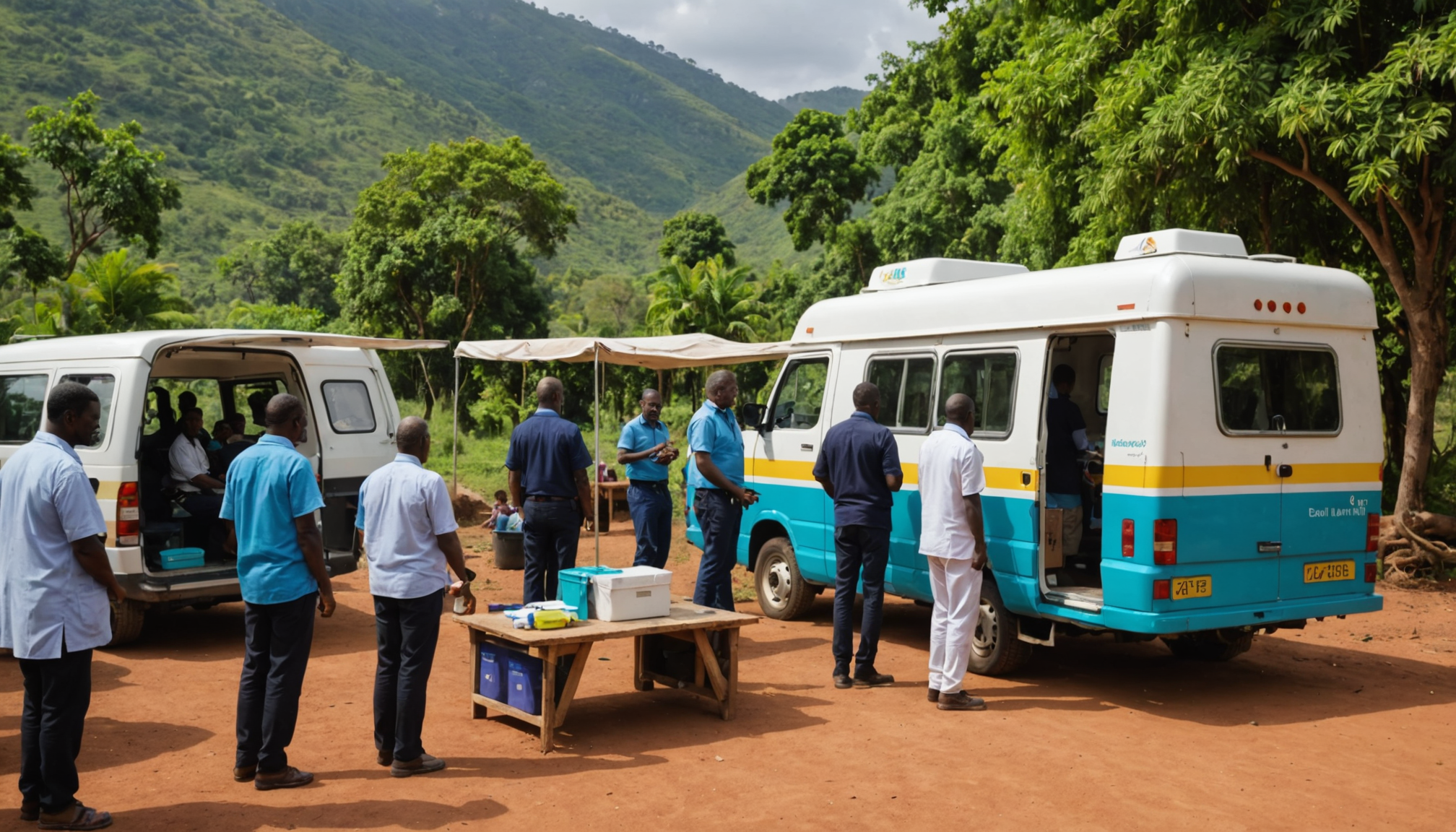
In today’s world, Innovative Health Solutions spring forth from the heart of the Adventist community, demonstrating the church’s unwavering dedication to holistic healing. Adventist health initiatives are designed not only to address immediate health concerns but also to lay the foundation for sustainable health practices that resonate deeply within communities. A prime example of innovation can be seen in the development and implementation of mobile health units, which deliver care directly to remote populations that often lack access to healthcare facilities.
One remarkable instance of this is the utilization of telemedicine services in countries with sparse healthcare infrastructure. In places like Zambia, Adventist health educators and professionals have embraced technology to create digital platforms that connect patients with healthcare providers. This advancement facilitates consultations, diagnoses, and follow-ups, ensuring that individuals receive timely and effective care, even when geographic barriers exist. The convenience of telemedicine not only enhances access to critical health services but also empowers patients, allowing them to take an active role in managing their health.
In addition to technology, Adventist health initiatives are making waves through the introduction of Integrated Health Models. These approaches blend traditional medical care with lifestyle education, focusing on preventive measures that promote long-term well-being. For instance, the *Adventist Health System* in the United States has developed community outreach programs focusing on chronic disease management, particularly in environments heavily impacted by lifestyle-related ailments such as diabetes and hypertension. By offering courses on nutrition, exercise, and stress management, individuals learn practical skills that can lead to transformative changes in their daily lives, encouraging a shift from merely treating illnesses to preventing them altogether.
The Adventist health philosophy also champions the role of mental health as an integral component of overall wellness. Innovative community programs focus on mental health awareness—these programs organize workshops and support groups that foster open discussions about mental health challenges and provide vital resources. In regions where mental health stigma can be profound, such initiatives are crucial for promoting understanding and acceptance, allowing individuals to seek help without fear of judgment. By nurturing both mind and body, Adventist health services cultivate a holistic environment that supports the entire community.
Additionally, adaptive strategies are vital in enhancing the effectiveness of health initiatives worldwide. In urban areas prone to health disparities, Adventist groups have initiated community-based participatory research—an approach that actively involves community members in identifying their health needs and contributing to the design of relevant solutions. This method not only ensures that health initiatives are culturally sensitive but also fosters a sense of ownership among community members, making them more likely to engage with and sustain these initiatives over time.
Furthermore, an exciting frontier emerging from Adventist health initiatives is the growing emphasis on sustainability and environmental health. Recognizing the impact of the environment on human health, programs aimed at promoting sustainable agricultural practices and awareness of environmental health issues have taken root in various parts of the world. For example, community gardens established by Adventist congregations not only provide fresh produce but also serve as educational venues where families learn about the connection between their diets, their environment, and their health. This integrated approach embodies the Adventist commitment to stewardship of God’s creation, highlighting that health is intricately linked to the world we inhabit.
Through these innovative solutions, the Adventist health initiatives continue to break new ground, making significant strides in improving community health outcomes. By combining modern technology, lifestyle education, and environmental awareness, these health programs embody a commitment to service and care that uplifts individuals and strengthens the overall fabric of communities across the globe. Every step taken by Adventist health initiatives reaffirms the calling to bring healing and hope to those in need, thereby fulfilling a divine mission of promoting comprehensive health for all.
Collaborations and Partnerships
The essence of collaborations and partnerships within Adventist health initiatives cannot be overstated, as they stand as a testament to the power of unity and shared purpose. Across the globe, these partnerships transcend the boundaries of individual organizations, ushering in a wave of transformative change that touches countless lives. By working together with local governments, NGOs, and community organizations, Adventist health professionals harness a wealth of resources and expertise, strengthening the initiatives that seek to uplift the health of communities.
One remarkable aspect of these collaborations is the establishment of health fairs and community outreach programs that draw on the strengths of various stakeholders. For instance, in many urban areas, local Adventist churches partner with city health departments to host events that provide free medical screenings, vaccinations, and health education. Such alliances not only maximize the impact of available resources but also foster a spirit of cooperation and trust within the community. When local leaders and health advocates unite in this manner, the result is a vibrant tapestry of support that empowers families to take control of their health.
Moreover, the Adventist health philosophy embraces the importance of cultural sensitivity, which often enhances the success of partnership programs. In regions where traditional practices hold significant sway, Adventist health initiatives have learned to collaborate with local healers and cultural leaders. By respecting and integrating indigenous knowledge into health programs, these initiatives build bridges of understanding, encouraging individuals to engage with health services without fear of losing their cultural identities. This results in a harmonious blend of modern medicine and traditional healing practices, enriching the community’s overall approach to health.
In the realm of mental health, collaborations have proven particularly beneficial. Recognizing the stigma often surrounding mental health issues, Adventist groups have teamed up with mental health organizations to create awareness campaigns and support networks. These partnerships facilitate open discussions about mental wellness, breaking down barriers and fostering a culture of acceptance. In many successful instances, community members have rallied to form support groups that provide not only peer assistance but also integrate professional help from mental health experts, ensuring a holistic response to wellness.
Furthermore, the focus on sustainability within Adventist health initiatives also drives partnerships that extend into environmental realms. Collaborations with environmental organizations lead to programs advocating for clean air and water, which are vital components of community health. For example, some Adventist communities have teamed up with local environmental groups to clean up polluted areas, promote recycling, and educate on sustainable food production methods. Such alliances underscore the understanding that a healthy environment is foundational to overall health and well-being, emphasizing that caring for creation is a spiritual duty linked to our health.
Additionally, collaborative efforts have shown profound effectiveness in addressing specific health crises as they arise. During outbreaks of diseases such as cholera or malaria, Adventist health initiatives rapidly partner with local and international health agencies to launch targeted interventions. These collaborations often include mobilizing volunteers, organizing vaccination campaigns, and providing essential education on preventive practices. Together, they create a robust response that not only addresses immediate needs but also prepares communities for future health challenges.
Ultimately, the power of collaboration is rooted in the shared vision of uplifting the well-being of individuals and communities alike. Each partnership formed in the spirit of service magnifies the reach and effectiveness of Adventist health initiatives, weaving a network of care that extends far beyond medical treatment alone. Through these collective efforts, the foundation is laid for resilient, healthy communities that embody the holistic health principles so deeply valued in Adventist teachings.
Future Directions in Health Initiatives

Looking ahead, the future of Adventist health initiatives hinges on adaptability and innovation in response to the ever-evolving landscape of global health challenges. As these initiatives seek to expand their reach and enhance their efficacy, a primary focus will be on leveraging emerging technologies. This includes not only the advancement of telehealth services, which have proven essential in ensuring access to care for the underserved, but also the integration of artificial intelligence, data analytics, and mobile health applications that can tailor interventions to specific community needs. By harnessing technology, Adventist health programs can provide personalized healthcare solutions that resonate with diverse populations, optimizing health outcomes on a global scale.
Another critical avenue for growth involves strengthening community involvement and engagement within health initiatives. Future programs will prioritize empowering local leaders and community members to play an active role in shaping health strategies. This community-centric approach ensures that the initiatives are culturally relevant and effective, as local input is invaluable in identifying health priorities and barriers faced by populations. By fostering this sense of ownership, Adventist health initiatives can cultivate a sustainable model of health that lives beyond the lifespan of individual projects.
Furthermore, as the global health landscape becomes increasingly interconnected, partnerships will continue to be pivotal in driving forward Adventist health objectives. Collaborations will expand beyond traditional health sectors to include education, nutrition, and environmental health, addressing the holistic nature of wellness. Initiatives that promote interdisciplinary cooperation will enhance resilience to health crises, ensuring communities can adapt and respond effectively to changing conditions.
Next, the emphasis on mental health must remain central in the evolution of health initiatives. Recognizing the mounting global mental health crisis, Adventist programs are likely to focus more on destigmatization and the provision of mental health resources. By integrating mental wellness into their outreach, Adventist health initiatives can foster an environment where communities understand the importance of mental health as a vital part of overall well-being.
Finally, sustainability will be a cornerstone of future health initiatives. Acknowledging the intrinsic link between environmental health and community health, programs will increasingly incorporate practices that promote ecological stewardship. Initiatives that support sustainable agricultural methods, clean energy, and waste reduction will not only enhance the health of communities but also underscore the moral responsibility to care for creation as part of the Adventist mission.
- What are Adventist health initiatives?
- Adventist health initiatives are programs developed by the Seventh-day Adventist Church aimed at promoting holistic health and well-being. These initiatives often encompass physical, mental, and spiritual health components and are designed to serve communities around the globe.
- How do Adventist health programs impact community health?
- These programs significantly enhance community health by providing access to preventive care, health education, and lifestyle modification resources. By focusing on holistic well-being, they foster healthier communities and reduce the incidence of chronic diseases.
- What role does technology play in Adventist health initiatives?
- Technology plays a crucial role in expanding access to care, particularly through telehealth and mobile health applications. These tools help connect healthcare providers with underserved populations, making it easier to diagnose and treat various health concerns.
- How do these initiatives address mental health?
- Adventist health initiatives recognize mental health as a key component of overall well-being. They promote awareness and acceptance of mental health issues, providing support systems and resources that help individuals address their mental wellness.
- What are some examples of Adventist health collaborations?
- Collaborations often include partnerships with local governments, NGOs, and community organizations to host health fairs, provide screenings, and deliver educational workshops. These collective efforts amplify the impact and reach of health programs in communities.
- Why is sustainability important in health initiatives?
- Sustainability ensures that health initiatives not only address immediate health needs but also protect the environment, which is crucial for long-term community health. Programs focusing on sustainable practices empower communities while fostering resilience against future health challenges.
- How can individuals get involved in Adventist health initiatives?
- Individuals can get involved by volunteering with local Adventist health programs, participating in community health events, or simply promoting healthy lifestyle practices. Engaging with these initiatives is a meaningful way to contribute to the overall health and well-being of their communities.
Ashland Sabbath Chapel Ministries
Beside our live streamed church services, all are welcome to attend our church in person each Saturday beginning 10:00 AM Central Time by going to 2425 Owens Rd., Ashland, AL 36251. There is no cost and any donations are strictly voluntary.
For questions, call +2563547124.