Come join Ashland Sabbath Chapel Ministries each Saturday for live streamed church services. Bible Study begins at 10:00 AM Central Time and Sermon at 11:00 AM. Visit Our YouTube channel and watch from home!
In the quiet moments where your breath meets stillness, profound benefits arise. Meditation serves as a bridge to not only the mind but also to the body and spirit. With every gentle inhale and exhale, healing whispers through your very being. Stress, a relentless companion, fades away, leaving behind clarity and calm. Many have found that in those meditative states, they experience decreased anxiety and improved emotional well-being, a balm for a frayed soul.
Studies suggest that regular meditation practice can lead to improvements in physical health as well. Conditions such as high blood pressure have been shown to benefit from the relaxation response induced by meditation techniques (Goyal et al., 2014). It seems that the essence of meditation lies not just in its mental clarity but also in its ability to craft a more resilient body.
There’s a beauty in the balance it offers; as you learn to let go and sink deeper into the practice, you begin to notice a shift in perspective, a more profound understanding of your place in the world. Pain, whether emotional or physical, melts into moments of acceptance. This acceptance fosters an inner peace that can be transformative.
A heightened state of awareness emerges, enabling you to approach daily challenges with a renewed vigor. The healing properties extend beyond simple relaxation, promoting a sense of connection to oneself and, perhaps to something greater. In embracing this journey, individuals report increases in happiness and a greater sense of purpose, a rediscovery of what it means to feel whole. Through the lens of spirituality, one finds not just healing but a reconnection to life’s fabric.
These benefits are not mere coincidences. They stem from a deep-rooted practice that has stood the test of time, whispers of wellness echoing through countless generations. As you delve deeper, the rewards of meditation unfold, revealing layers of the psyche and spirit that yearn for recognition and healing.
Types of Meditation Practices
There are various types of meditation practices, each offering unique pathways to healing and growth. Exploring these different forms can empower you to find the one that resonates most with your personal journey. One of the most widely recognized practices is mindfulness meditation, which encourages participants to focus on the present moment, observing thoughts and feelings without judgment. This simple yet profound practice nurtures a space for awareness, fostering acceptance and emotional regulation. Imagine sitting quietly, gently anchoring your attention to your breath, as thoughts flutter in and out—this practice cultivates patience, allowing you to respond thoughtfully to life’s challenges.
Another popular form is loving-kindness meditation, or *Metta*, which emphasizes the importance of compassion. In this practice, you actively cultivate feelings of love and goodwill towards yourself and others. You might begin by repeating simple phrases like “May I be happy, may I be healthy, may I be safe.” As these expressions flow, you can gradually extend them to loved ones, acquaintances, and even those you find difficult to love. This technique has been linked to increased emotional resilience and a greater capacity for empathy, further deepening your sense of connection to the world around you.
If you’re seeking a more structured approach, you might explore guided meditation. Here, an instructor or an audio recording leads you through visualizations and relaxation techniques, helping you tap into your subconscious mind. This method can be especially effective for beginners who may feel overwhelmed by silence, as it provides a framework that nurtures an enriching meditative experience. Guided practices often incorporate affirmations or explore themes such as healing, abundance, or self-awareness, fostering a sense of purpose amid your meditation.
For those drawn to the integration of movement, there’s *Yoga Nidra*, or yogic sleep. This practice takes you to a deep state of relaxation while maintaining awareness, blending somatic awareness with meditative focus. The gentle, guided nature of Yoga Nidra can soothe the nervous system and promote restorative health by releasing accumulated tension. It’s like a nourishing balm for the spirit, inviting thoughts of healing and tranquility while you cradle yourself in serenity.
In contrast, transcendental meditation offers a streamlined approach, focusing on the silent repetition of a specific mantra. This technique emphasizes deep relaxation and the regular practice of twice-a-day sessions to invite profound stillness into your daily life. Advocates of this practice often report elevated states of happiness, decreased levels of stress, and improved emotional well-being, all of which contribute to the holistic healing experience.
Choosing the right style of meditation is about personal resonance. You may find that one practice speaks to your heart, or perhaps a blend of several styles creates a unique tapestry of healing. As you explore these diverse paths, it’s essential to remain open and patient with yourself. Meditation isn’t about perfection; it’s about *progress*, an ongoing journey of becoming more attuned to your inner self and the healing that awaits within the stillness.
Techniques for Effective Meditation
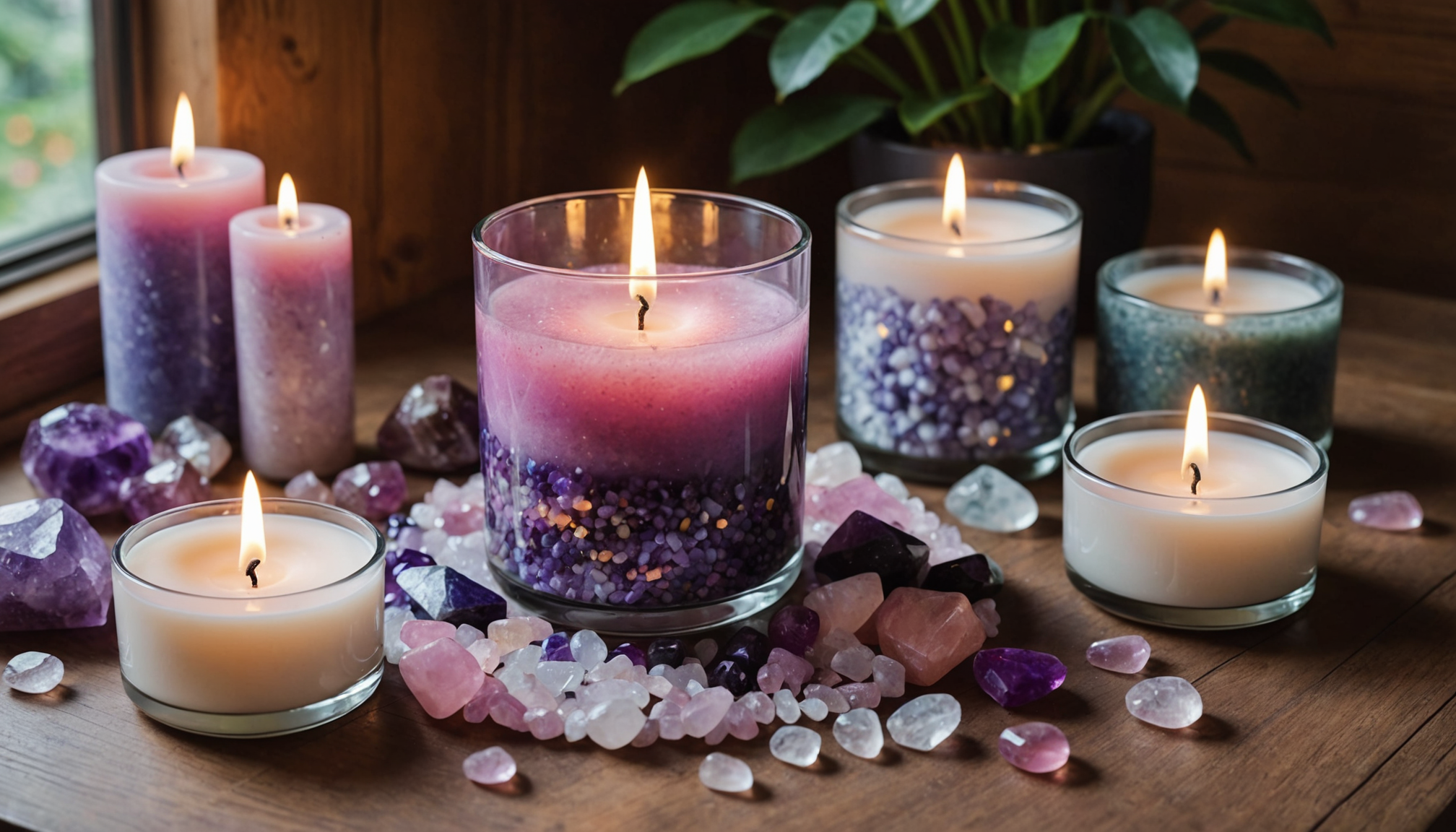
As you embark on your meditation journey, embracing specific techniques can greatly enhance your experience and facilitate healing. First and foremost, establishing a designated space for meditation fosters an environment conducive to tranquility. This sacred space could be as simple as a corner of your room adorned with meaningful items, such as a candle, crystals, or photographs that evoke feelings of peace. The very act of entering this space prepares your mind and spirit for healing, casting aside the chaos of the outside world.
Another essential technique is to cultivate a consistent meditation schedule. Just as one would dedicate time to physical exercise or nourishing meals, setting aside a specific time for meditation signals to your mind that this is a sacred and worthy practice. Start with a manageable duration; perhaps five to ten minutes each day. Gradually, as you become more comfortable, you can extend this time, allowing for deeper exploration and connection with your higher self.
In addition to consistency, focusing on your breath serves as a powerful anchor during meditation. The breath is a bridge between the physical and spiritual realms. During your practice, pay close attention to the natural rhythm of your breathing. Feel the cool air entering your nostrils, filling your lungs, and the warmth as you exhale. When thoughts or distractions arise—which they inevitably will—gently guide your awareness back to your breath. This simple act draws you into the present moment, creating a pathway for healing energy to flow through you, steadily washing away stress and anxiety.
Visualization is another technique that can be particularly effective during meditation. Picture yourself enveloped in healing light or standing at the edge of a peaceful forest, the sunlight filtering through the trees. These mental images can evoke feelings of calmness and safety, amplifying your meditative state. You might envision yourself surrounded by loved ones or even visualize vibrant health and wellness radiating from your body. This practice harnesses the power of your imagination to manifest healing, nurturing your spirit in ways that words alone cannot express.
Incorporating affirmations into your meditation practice is also a great technique for fostering positivity and spiritual growth. As you sit in silence, repeat phrases that resonate with you, such as “I am worthy of love and healing” or “Peace flows through me.” These affirmations serve to reinforce the transformative nature of meditation, reminding you of your inherent value and the spiritual connection that fuels your healing journey. Research supports the efficacy of affirmation practice, suggesting that positive self-talk can significantly influence your emotional health and overall well-being (Fredrickson et al., 2008).
Lastly, it’s important to approach your meditation practice with a spirit of openness and non-judgment. Each session may feel different, and that’s perfectly okay. Embrace whatever comes—whether it’s a sense of profound peace or a flurry of distracting thoughts. The key is to allow yourself to *be*, without the pressure of perfection. This acceptance nurtures a fertile ground for healing, creating space for your spirit to blossom and for you to forge a deeper connection with yourself and the universe.
In essence, as you explore these techniques for effective meditation, remember that they serve as tools along your unique journey toward wholeness. The heart of meditation lies not just in mastering a technique, but in surrendering to the process and allowing healing to unfold in its own time, guiding you toward a richer and more profound understanding of your inner self and your place in the world.
Integrating Meditation into Daily Life
To weave meditation seamlessly into your everyday life, one of the most practical approaches is to create a daily ritual. It can be as simple as dedicating the first few minutes after you wake up or before you go to bed to your practice. This consistency transforms meditation from an isolated activity into a natural part of your life. Perhaps you might choose to start your day with a brief mindful breathing session while still in bed or finish the evening with a calming visualization right before sleep. These moments become sacred, setting the tone for both your day and night.
Another effective technique is to integrate mindfulness into routine activities. Think about the mundane tasks like washing dishes, walking, or even showering. By concentrating fully on these activities, you transform them into opportunities for meditation. For example, while washing dishes, feel the warm water on your hands and the texture of the dishes. Let your senses guide you back to the present moment, allowing stress to dissipate with each soap-laden rinse. This kind of practice nurtures a holistic approach to healing, demonstrating that meditation doesn’t have to happen on a cushion; it can thrive in the rhythm of daily life.
Creating reminders can also be an invaluable tool. Consider placing sticky notes around your living space with keywords or affirmations that keep you mindful of your practice. Phrases like “Breathe” or “Be present” scattered throughout your environment can serve as gentle nudges to reconnect with your breathing or to pause and reflect on your thoughts. Whether it’s at your workstation or in the bathroom, these prompts help establish a culture of mindfulness that supports your meditation efforts.
A crucial element in integrating meditation is to share the journey with others. Whether it’s joining a meditation group or simply pairing up with a friend, the collective energy can enhance your commitment and deepen your experience. Engaging in discussions with fellow practitioners about your experiences can provide insights and encouragement as you navigate your healing journey together. The connection formed through shared practices fosters community and reinforces the notion that healing is a collective endeavor.
Also, consider tracking your progress. Keeping a meditation journal can provide a tangible connection to your growth and healing. Write down your thoughts before and after each session, noting how you feel, any challenges you encountered, or breakthroughs you experienced. This practice not only aids in reflection but also allows you to celebrate your progress over time. Observing how your feelings and perspectives shift can be incredibly empowering and motivating.
Don’t overlook the power of intention. Before each session, take a moment to set a clear intention for your practice. This could be anything from seeking clarity on a specific issue, fostering deeper connection with yourself, or simply cultivating peace. Your intention acts like a compass, guiding your energy as you enter your meditative space. Reminding yourself of the purpose of your practice will keep you focused and aligned with your healing journey.
Scientific Research on Meditation and Healing

The exploration of scientific research surrounding meditation and healing reveals profound insights into how our minds and bodies interact. Numerous studies confirm that meditation not only enhances emotional wellness but also promotes physical health by reducing inflammation, lowering blood pressure, and improving overall immune function. As neuroscientists delve deeper into meditation practices, advanced imaging techniques have shown that regular meditators exhibit changes in brain structures associated with improved emotional regulation and resilience. This neurological transformation encourages a greater capacity for compassion and empathy, creating a ripple effect that can enrich relationships and foster community healing.
Furthermore, ongoing studies indicate that mindfulness meditation, in particular, plays a significant role in alleviating symptoms of chronic pain and illnesses like anxiety and depression. By training individuals to focus on the present moment, this practice empowers them to detach from their pain narratives, allowing a shift towards acceptance and healing. The psychological benefits found in various randomized controlled trials demonstrate a decrease in rumination and an increase in life satisfaction among those who engage in mindfulness techniques. As research continues to unfold, the interconnectedness of meditation, health, and spirituality becomes increasingly apparent, compelling us to reconsider our perceptions of healing.
The implications are clear: Meditation offers a sustainable approach to enhancing both mental and physical well-being. As more evidence emerges from research documenting the physiological effects of meditation, the scientific community increasingly recognizes it as a valuable tool in promoting holistic health. Through these findings, we are invited to reflect on the potential of their own practices, engaging in inquiry about how integrating meditation into our lives could foster not only personal healing, but also collective wellness within communities.
- What are the main health benefits of meditation?
- Meditation has been linked to numerous health benefits, including reduced stress and anxiety, improved sleep quality, enhanced focus, and increased emotional resilience. Additionally, it may help in lowering blood pressure and reducing inflammation in the body.
- How does meditation promote healing?
- Meditation promotes healing by fostering a state of relaxation that reduces stress and anxiety levels. This relaxation response can support the body’s natural healing processes, leading to physical and emotional well-being.
- How often should I meditate to experience benefits?
- To experience the benefits of meditation, consistency is key. Starting with even a few minutes daily can create a significant impact over time. As you become more comfortable, gradually increasing the duration can enhance your practice.
- Can meditation help with chronic pain?
- Yes, meditation can be a helpful tool for managing chronic pain. Research shows that mindfulness meditation can help individuals change their relationship with pain, aiding in acceptance and reducing the emotional suffering associated with it.
- Are there specific types of meditation that are more effective for healing?
- While many forms of meditation can be beneficial, mindfulness meditation and loving-kindness meditation are often highlighted for their profound impact on emotional and spiritual healing. Each person’s experience may vary, so exploring different styles is recommended.
- How can I create a conducive environment for meditation?
- To create a conducive environment for meditation, find a quiet space where you can sit comfortably without interruptions. Incorporate elements that promote tranquility, such as soft lighting, calming scents, or meaningful objects that inspire peace.
- What should I do if I’m struggling to meditate consistently?
- If you’re struggling to meditate consistently, consider setting a specific time daily and gradually integrating meditation into your routine. Starting with short sessions and celebrating your progress can help in building a sustainable habit.
Beside our live streamed church services, all are welcome to attend our church in person each Saturday beginning 10:00 AM Central Time by going to 2425 Owens Rd., Ashland, AL 36251. There is no cost and any donations are strictly voluntary.
For questions, call +2563547124.