Come join Ashland Sabbath Chapel Ministries each Saturday for live streamed church services. Bible Study begins at 10:00 AM Central Time and Sermon at 11:00 AM. Visit Our YouTube channel and watch from home!
My dear friend, you and I must speak plainly about the sort of fare that so often finds its way into our cupboards and plates—those convenient, colorful, endlessly tempting processed foods that promise delight while silently altering the very balance of our daily nutrition. They do not march into our lives like obvious villains; instead, they flutter in with shiny wrappers and cheerful labels, insinuating themselves into breakfast, lunch, and the little snacks in between, until a person hardly remembers what a simple carrot or a well-cooked lentil looks like. Allow me, then, to walk with you through what truly happens to the food—and to your body—by the time it has traveled from field to factory and from factory to fork.
Imagine, first, a humble potato, just as it is pulled from the earth: it bears starch for energy, a modest amount of fiber, some vitamin C, and a sprinkle of minerals. Now picture that same potato transformed into a bag of crispy chips. To do so, it has been sliced, fried in oil, salted, flavored, and nestled in its foil-lined envelope. In the passage from soil to supermarket shelf, the potato has lost much of what made it a respectable, nourishing companion. Its fiber is diminished, its natural flavor overshadowed by artificial seasonings, and its modest calories multiplied by fat and salt, so that you, sitting in your chair of an evening, find yourself eating not one or two, but half the bag before your better judgment awakes.
This is the nature of many highly processed foods: they begin as ordinary ingredients, but are stripped, rearranged, and dressed up until the original food is barely recognizable. In this refinement, important elements often vanish. Fiber, which ought to slow digestion and keep one comfortably full, is frequently removed to create a finer texture or to lengthen shelf life. Whole grains are ground to such a degree, and their bran and germ so diligently extracted, that what remains behaves more like sugar than anything your great-grandparents would have called “bread.” Vitamins that once occurred naturally are milled away or destroyed by heat, leaving the manufacturer to sprinkle in a few lonely replacements, as if one could mend a torn tapestry by sewing on a single, shiny button.
Do not be deceived by the modern tendency to boast of “fortification.” It is rather like dismissing a well-bred, sensible gentleman and then inviting a showy stranger to take his place. When a cereal, for instance, is announced as “fortified with vitamins and minerals,” it is often because its original grains have been subjected to such ruthless refinement that their native goodness has been largely erased. The company then restores a selection of lost nutrients, choosing those that are convenient, stable, and marketable. What is missing, however, is the natural harmony in which these elements were originally arranged—the fibers, phytochemicals, and delicate compounds that work together quietly, without fanfare, to support your health.
Let us consider sugar, that most charming and mischievous of guests. In a piece of fruit, sugar arrives escorted by fiber, water, and a host of beneficial compounds. This company behaves with a certain decorum; the sugar is released slowly, your appetite is satisfied, and your blood does not rush into wild excitement. In highly processed foods, however, sugar frequently enters alone and in vast quantities—white sugar, corn syrup, or other sweeteners—unaccompanied by anything that might temper its effect. It is added to breakfast cereals, flavored yogurts, sauces, breads, even to foods that do not announce themselves as sweet. The tongue delights in every spoonful, yet the body feels an abrupt rise in energy followed by an equally abrupt collapse, leaving you tired, irritable, and curiously eager for yet another bite.
Fat, too, is often altered beyond its natural character. Foods that are processed for long shelf life commonly rely on industrially refined oils. These are frequently high in the sort of fats that do not treat the body with kindness when consumed in excess—those that encourage inflammation or disturb the balance of cholesterol. Imagine a simple handful of nuts, whose fats are nestled within fiber and protein, requiring a modest effort to eat and digest; now compare that to a pastry in which refined flour and sugar are blended with a great quantity of cheap oil. The latter is soft, swift, and exceedingly easy to eat in abundance; a few moments’ carelessness and you have consumed enough energy for a small journey, while hardly feeling full.
If all this were not enough, sodium conducts its own subtle mischief. Salt is, of course, necessary for life; but in processed foods, it is used liberally—not merely to make food taste pleasant, but to intensify flavor, cover staleness, and preserve products as they travel great distances and wait upon shelves. When you rely heavily upon packaged soups, frozen dinners, deli meats, and snack foods, you may be taking in vastly more sodium than your body can courteously handle. The result is not a feeling of elegant vitality, but puffiness, greater thirst, and, over time, a strain upon the very heart and vessels that labor day and night on your behalf.
There is another trick that the designers of processed foods have most artfully perfected: the balance of sugar, fat, and salt is arranged not with the calm sensibility of a good home cook, but with a studied precision, as if they wished your willpower to be gently but firmly overruled. This creates what some call “hyper-palatability,” which is but a modern phrase for “irresistibly moreish.” Under such influence, it becomes exceedingly difficult to stop after a few bites. Your natural signals of hunger and satisfaction, which once responded sensibly to whole foods, are coaxed, teased, and finally ignored, until you may find yourself wondering why you feel both overfed and undernourished at the same time.
One might ask why such foods leave a person strangely unsatisfied, even when they provide an abundance of calories. The answer lies in the quality, more than the quantity, of the nourishment. Your body does not simply count energy; it also searches for vitamins, minerals, amino acids, fats, and other compounds needed for its quiet but constant labors. When the diet is filled with processed items—white breads, sugary drinks, instant noodles, sweetened bars and crackers—it may supply far more energy than you require, yet fail to provide the abundance of microscopic helpers that keep your cells in good order. You then live with a curious contradiction: plenty of eating, but a certain inner poverty of true nourishment.
You may have noticed how differently you feel after two contrasting meals. Consider, on one day, a lunch of whole-grain bread, beans, fresh vegetables, and a modest amount of olive oil. It might be plain, but you likely feel pleasantly full and clear-headed, and the hunger that returns later in the afternoon is gentle, not urgent. On another day, imagine a lunch composed of a packaged sandwich with processed meat, a bag of chips, and a sweetened iced tea. While each bite is exceedingly pleasing in the moment, the satisfaction does not endure; within a short time, your mind drifts toward more snacks, your energy dips, and your mood may grow a little uncertain. The body recognizes, at some quiet level, that what it has received is incomplete.
Nor should we overlook the way in which processed foods push more modest, wholesome fare aside, much as an overbearing guest may dominate a drawing room. When quick, packaged choices appear at every turn—vending machines at work, instant dinners in the freezer, pastries at every café—it requires deliberate intention to choose fruits, vegetables, whole grains, and simple proteins. Over weeks and months, the plate fills increasingly with what is easy and entertaining, and less with what is plain but truly sustaining. Little by little, patterns form: a sweetened cereal instead of oats, flavored yogurt instead of plain with fruit, chips instead of nuts, soda instead of water. None of these substitutions, taken alone, seems disastrous, but taken together, they transform the whole character of your daily nourishment.
In this way, the nutritional impact of processed foods reaches far beyond any single nutrient or ingredient. It reshapes what you consider “normal” food, trains your taste toward stronger sweetness and saltiness, and quietly erodes your acquaintance with simpler, more natural flavors. Over time, the body, so patient and forgiving, begins to display the evidence of this modern arrangement: fluctuating energy, an increasing waistline, a sense that one is always nibbling yet rarely truly fed. Though the packaging may be bright and the convenience undeniable, the bargain is not in your favor. The apparent ease that processed foods bring to the table is purchased with a subtle but persistent tax upon your long-term health and well-being.
Health risks associated with processed ingredients

Now, my friend, having looked at how these manufactured products disturb the balance of our daily nutrition, we must go a step closer and examine the very substances that are woven into them. It is not only that processed foods are lacking in what is good; many also bear within them what is plainly harmful. Like a garment lined with irritant fibers, they may appear fine on the outside, yet chafe and damage where they touch the body’s more delicate workings.
First, we must speak frankly of added sugars</strong. These are not the gentle sweetness found in a ripe peach or a baked sweet potato, but the concentrated, refined sugars poured into sodas, candies, pastries, breakfast cereals, and sauces. Scientists have observed that high intake of these added sugars is strongly associated with weight gain, fatty liver, and metabolic disturbances that prepare the way for type 2 diabetes and heart disease (Malik et al., 2010; Te Morenga et al., 2013). When the bloodstream is repeatedly flooded with sugar, the body is compelled to release large amounts of insulin, again and again, in an effort to restore balance. Over time, this repeated strain dulls the cells’ response, and what used to be a swift, orderly process becomes sluggish and confused.
Especially troubling is the use of liquid sugars, such as those in soft drinks and sweetened teas. The body does not recognize these beverages as “food” in the same way it recognizes a solid meal. They slip down easily, yet do little to satisfy hunger, leading to an increase in total daily calories without any true feeling of fullness (DiMeglio & Mattes, 2000). Thus a person may say, “It is only a drink,” while unknowingly adding hundreds of calories and unsettling the careful chemistry of the liver and pancreas.
In close company with the sugars are the refined starches that act much like sugar once they are swallowed: white flour, instant rice, and similar ingredients that have been finely milled and stripped of their fiber. These are used in white breads, crackers, sweetened breakfast cereals, and countless baked goods. The body converts them quickly to glucose, causing sharp increases in blood sugar and insulin. Diets high in such rapidly digested carbohydrates have been linked to greater risk of type 2 diabetes and heart disease (Livesey et al., 2008; Augustin et al., 2015). One might say they rush into the bloodstream as an undisciplined crowd, creating confusion where there should be order.
We must also turn our attention to unhealthy fats, which often hide in processed meats, deep-fried snacks, packaged pastries, and many fast-food items. Two kinds, in particular, trouble the health of the heart: trans fats and an excess of certain saturated fats. Artificial trans fats, produced when oils are hydrogenated to make them solid and long-lasting, have been clearly shown to increase “bad” LDL cholesterol, lower “good” HDL cholesterol, and heighten the risk of heart disease and stroke (Mozaffarian et al., 2006; de Souza et al., 2015). So firm is the evidence that many nations have moved to remove these fats from their food supply.
Though some natural saturated fat appears in foods like dairy and certain meats, processed foods often stack these fats alongside refined starches and sugars, creating combinations that encourage overconsumption. Regularly eating such mixtures has been associated with higher levels of harmful blood fats and inflammation, both of which burden the arteries and the heart (Mensink, 2016). When the blood vessels are thus irritated and thickened, the body must labor under a double load: carrying more weight and moving blood through narrowed passages.
Closely related to these is the problem of high sodium, that is, ordinary salt in excess. Because salt enhances flavor, prolongs shelf life, and makes products more palatable, it is lavishly used in canned soups, processed meats, frozen dinners, snack chips, sauces, and seasoning blends. Many people take far more sodium than their kidneys can gracefully handle, leading to water retention and an increase in blood pressure. Consistently high sodium intake is a well-established contributor to hypertension and strokes (He & MacGregor, 2010; Aburto et al., 2013). A person may protest, “But I hardly use the saltshaker,” not realizing that the greater part of the salt they consume arrives already woven into their processed fare.
There is yet another class of ingredients to which we must attend: the numerous additives that lend processed foods their color, flavor, and durability. These include artificial colors, flavor enhancers such as monosodium glutamate (MSG), preservatives to delay spoilage, and emulsifiers that keep mixtures smooth. Many of these compounds have been tested and approved in small amounts, yet we must remember that they seldom appear alone. A modern diet rich in packaged items may bring a constant stream of such additives, day after day, year after year. Some studies suggest that certain artificial colors and preservatives may be linked to behavioral issues in susceptible children (McCann et al., 2007), and that emulsifiers may disturb the delicate balance of the gut’s bacterial community, potentially fostering inflammation and metabolic troubles (Chassaing et al., 2015).
I do not say that every additive is in itself a poison; rather, that we should not lightly surrender our bodies, fearfully and wonderfully made, to an unceasing experiment of chemical exposures simply for the sake of convenience and entertainment in eating. Our forebears did not require these powders and potions to sustain vigorous health. Instead, they relied on simple, recognizable foods, prepared with care and moderation.
We should also regard with care the processed meats that are so often found in sandwiches and quick meals—sausages, hot dogs, bacon, deli slices, and cured hams. These are frequently high in saturated fat and sodium, but they also contain nitrites and nitrates, used as preservatives and to enhance color. Under certain conditions, these can form compounds called nitrosamines, which have been associated with an increased risk of cancers, particularly of the colon and stomach (Bouvard et al., 2015; Cross et al., 2010). The World Health Organization has classified processed meat as a carcinogen when consumed regularly. Though one occasional serving may not appear to do great harm, a pattern of daily reliance on these foods quietly sows seeds that may later bear bitter fruit.
Beyond these more obvious dangers, there is a subtler but very real threat in the way many processed foods kindle systemic inflammation. Diets high in refined grains, sugary beverages, processed meats, and fried foods have been linked with higher levels of inflammatory markers in the blood, such as C-reactive protein (Lopez-Garcia et al., 2004; Schulze et al., 2005). Inflammation is the body’s tool for repair in times of injury, but when it is continually activated—poke after poke, day after day—it begins to damage, rather than heal. This quiet burning has been associated with a wide range of chronic conditions, from heart disease and diabetes to certain cancers and even cognitive decline.
Consider, too, what happens within the gut, that intricate garden of bacteria, yeasts, and other microorganisms that live in close partnership with us. This inner community helps digest food, produces certain vitamins, and communicates with the immune system. Diets rich in whole plant foods nourish a diverse and balanced microbiome. In contrast, processed diets high in sugars, refined flours, unhealthy fats, and certain additives appear to reduce this diversity and favor less helpful species (Singh et al., 2017). In animal studies, some common food emulsifiers have been shown to erode the protective mucus lining of the intestines and encourage inflammation (Chassaing et al., 2015). When this protective barrier is weakened, substances that ought to remain in the gut may slip into the bloodstream, sparking immune reactions and discomfort.
This disturbed microbiome, in turn, may influence not only digestion but also weight regulation, blood sugar control, and even mood. You see, the body is not a collection of separate rooms where trouble can be confined to one corner. What begins as a small irritation in the gut can, over time, send echoes through the heart, the joints, the brain, and more.
As you look upon the bright packages and tempting displays in the store, remember that behind each product lies a purposeful design: not to advance your health, but to increase sales. Manufacturers carefully craft the taste, texture, and even the sound of biting into their products, often using sugar, unhealthy fats, and salt in such combinations that the natural brakes on your appetite are delayed or disabled. You are nudged to eat more quickly, more often, and in larger quantities than your body needs. The result is not only a surplus of calories, but a steady inflow of those very ingredients—refined sugars, processed fats, sodium, and additives—that we have seen to be injurious.
Faithful stewardship of one’s body calls for more than a passing concern; it asks for careful, prayerful choosing. It is not necessary to live in fear, nor to count every grain of salt or every drop of oil. Yet it is wise to understand that the typical processed diet of our age is far removed from the fare that best supports strong nerves, clear thinking, and enduring vigor. While these ingredients may bring short-lived pleasure to the tongue, they leave a long shadow upon the heart, the vessels, the liver, the pancreas, and the very cells that labor without rest to keep you alive.
When you next hold a package in your hand, turning it to read the fine print of its ingredients, remember that this is not a mere list of technical terms. It is, in a manner of speaking, a map of how that food will travel through your body, touching organ after organ. Ask yourself: Will this bring peace or disturbance? Will it lighten the task of my heart and vessels, or add to their burdens? In making these choices, you are not simply selecting a flavor for the moment, but helping to write the story of your future health.
Processed foods and chronic disease development
My friend, we have spoken of ingredients and of daily fare, but now we must face, without shrinking, the long road that stretches from today’s plate into tomorrow’s health. A man does not wake one morning with hardened arteries, weary pancreas, or aching joints as if struck by lightning from a clear sky. These things, in the main, are not sudden calamities, but the harvest of many small choices, repeated over years. Chief among those choices in our present age is the steady reliance on processed foods, and it is along this quiet, ordinary path that many of the great chronic diseases of our time are formed.
Think of chronic disease as a slow-moving river, cutting its way through rock. You may not notice its work day by day, but given time, it carves deep channels that are not easily reversed. Likewise, each sugary drink, each greasy snack, each heavily salted packaged meal may seem harmless when viewed alone. Yet together they shape the inner landscape of the body—its blood vessels, its organs, its very chemistry—until conditions like heart disease, diabetes, and certain cancers begin to appear not as rare misfortunes, but as common companions.
Let us begin with the heart, for it beats faithfully from the first days of life and asks only reasonable care in return. Diets marked by frequent intake of refined carbohydrates, sugary beverages, processed meats, and deep-fried snacks are consistently linked with a greater risk of cardiovascular disease—that is, heart attacks, strokes, and the gradual clogging of the arteries. The excess sugars and refined starches raise blood triglycerides and disturb cholesterol; the unhealthy fats and processed meats promote inflammation and the buildup of fatty plaques; the salt in abundance pushes blood pressure upward. Over years, the once-flexible arteries grow stiff and narrow, like old, lime-scaled pipes.
Researchers who have followed large groups of men and women for many years find again and again that those whose diets are richest in ultra-processed fare—packaged snacks, sugary cereals, processed meats, sweetened drinks, instant noodles, and the like—face a higher risk of heart disease and early death than those who keep such foods to a minimum. It is not some mysterious curse that follows after the plastic wrapper; it is the cumulative effect of the high sugar, unhealthy fats, sodium, and poor-quality nutrition bound up in those products. The heart can bear much, but not endlessly.
Now let us visit, in our thoughts, the weary service of the pancreas and the body’s handling of sugar. When a person leans heavily on processed fare—white bread, pastries, candies, sweetened drinks, flavored yogurts, energy bars, instant noodles—the blood is frequently flooded with glucose and fructose. The pancreas must respond, again and again, by pouring out insulin to usher this sugar into the cells. At first it manages bravely, and blood sugar may appear “normal” on a simple test. But with constant demands, many bodies begin to show insulin resistance: the cells grow dull to insulin’s knocking, and the pancreas is forced to shout louder, sending out more and more.
Years of this strained conversation between hormone and cell lay the groundwork for type 2 diabetes. By the time a doctor reads the verdict in a laboratory report, the process has already been in motion for a long season. A diet rich in sugary drinks alone—sodas, sweet teas, energy drinks, fruit punches—is strongly linked with the development of diabetes. These beverages slip past appetite’s gatekeepers; they add calories without bringing fullness, and the liver, burdened by constant fructose, may begin to lay down fat within itself, leading to what is called nonalcoholic fatty liver disease. This liver trouble, in turn, worsens insulin resistance, and the circle tightens.
Perhaps you have known someone who said, “I do not eat that much,” and yet slowly, year after year, the belt needed a new notch. It is often not the great feasts that do this work, but the steady, quiet drip of processed snacks, sweetened coffees, and convenience meals. The body stores what it does not use, and these modern foods make it exceedingly easy to take in more energy than one spends. Extra fat, particularly around the waist, is not idle padding; it is active tissue, sending out signals that fan the flames of inflammation and further disrupt blood sugar control. Thus overweight, diabetes, and heart disease are closely entwined, and processed diets help braid the cord that binds them together.
We must also speak of hypertension, or high blood pressure, for it is a silent foe that wears out the heart, injures the kidneys, and contributes to strokes and heart failure. Many people suppose that if they merely refrain from shaking the saltshaker too vigorously, they are safe. Yet the greater part of their salt may already be prepared and hidden within canned soups, frozen dinners, processed meats, boxed rice and pasta dishes, ready-made sauces, and snack foods. This steady overconsumption of sodium draws water into the bloodstream, raises the pressure within the vessels, and forces the heart to pump against increasing resistance. Over time, the vessel walls thicken and stiffen, and the heart itself may enlarge in its attempt to keep up with the burden.
You might stand in a market aisle someday, my friend, and see a shelf filled with brightly colored packages—instant noodles, canned stews, microwaveable meals—and think, “What convenience!” Yet if you could peer within the arteries and hearts of those who dine on such fare daily, you would see that the true cost is paid not at the register, but in the slow wearing out of vital organs. It is a strange economy that saves a few minutes at the stove while spending years of strength and freedom in later life.
Another grave matter is the link between processed fare and cancer. Not every illness of this kind is rooted in diet, but neither is diet blameless. Studies following many thousands of people have found that those who eat the most processed and ultra-processed foods have a higher risk of certain cancers, especially of the colon and breast. Processed meats—bacon, sausages, hot dogs, deli slices—have received particular attention, and for good reason. The nitrites and nitrates used to preserve color and prevent spoilage can form damaging compounds in the body, and the frequent frying or grilling of such meats may add further harmful substances.
Consider the common meal of a hot dog in a white bun, with chips on the side and a sugary drink to wash it down. To the taste, it is pleasant and perhaps tied to cheerful memories of ball games and summer gatherings. But read it as a physician might read a chart: processed meat rich in sodium and preservatives, refined bread that might as well be sugar, fried starch coated in salt and industrial oil, and a sweetened beverage striking the bloodstream like a sudden wave. Taken occasionally, such a plate may not bring immediate disaster. Taken often, it cultivates an inner soil in which cancerous changes are more likely to take root.
Let us not overlook the joints and the quiet suffering of those who endure arthritis and other inflammatory ailments. While not every aching joint is caused by diet, patterns rich in refined grains, processed meats, sugary drinks, and fried foods are linked with higher levels of inflammation throughout the body. Many who move from such a diet toward one based more on fruits, vegetables, whole grains, legumes, nuts, and simple preparations notice that, over time, their stiffness eases and their pain lessens. Though this is not a miracle cure, it is evidence that the food we choose can either stoke the fire of inflammation or help to cool it.
There is also the mind to consider, for the brain is not sealed off from the rest of the body as if in an ivory tower. Blood brings to it the same fats, sugars, and inflammatory signals that circulate elsewhere. Research increasingly links diets heavy in processed fare and poor in whole plant foods with a greater risk of cognitive decline and even dementia. A diet that troubles the heart and vessels likewise troubles the delicate circulation of the brain. Small strokes, silent and unnoticed at the time, may accumulate. Inflammation and poor blood sugar control may further disturb the brain’s workings. Thus the daily choice between a bowl of whole oats and a brightly colored, sugary cereal is not simply a matter of taste; it is, in some part, a choice about the sharpness of one’s mind in later years.
Some might say, “But my grandfather ate sausages and white bread and lived to a fine old age.” Such anecdotes are often cherished, yet they do not overturn the weight of evidence observed across whole nations and generations. There have always been those whose constitution bore abuses that would cripple another man. That someone survives a long time in spite of unwise habits does not make those habits good. A man may drive recklessly and never meet with an accident; still, the laws of the road are written not for his unusual fortune, but for the safety of the many.
What is more, we must remember that the processed fare of earlier days, though hardly ideal, was often less extreme than what crowds our store shelves now. Portion sizes were smaller, sweets were more of a Sabbath treat than a daily custom, and meals were still more likely to be prepared at home. Today, one may move from breakfast pastry to vending-machine snack, to fast-food lunch, to packaged dinner, scarcely touching a fresh fruit or vegetable. Under such constant exposure, it is no wonder that chronic disease has become so widespread that many have come to regard it as normal.
In truth, the body is remarkably patient. For years it may bear the added sugar without obvious complaint, quietly increasing insulin production. It may endure the salty meals, raising blood pressure just enough to keep the blood moving. It may carry the extra weight, strengthening the heart muscle and stretching the joints. Because no dramatic collapse occurs at once, a person is tempted to think that all is well. But when at last symptoms appear—chest pain, failing vision, numb feet, crushing fatigue—these are not sudden strangers; they are the long-expected guests that have been invited day after day by the fork and the cup.
Yet I would not have you feel only fear, but rather sober hope. The same daily choices that, over time, lead toward chronic disease can, if altered, help turn the course. Studies show that when men and women shift from a diet rich in ultra-processed foods to one favoring whole grains, fruits, vegetables, beans, nuts, seeds, and minimally processed fare, their blood pressure often falls, their blood sugar improves, their cholesterol moves in a better direction, and their weight, if excessive, begins slowly to recede. Inflammation markers may decrease, and the risk of heart attacks and strokes grows smaller.
Picture two roads stretching out before you. On one, meals are composed largely of packages: sugary breakfast cereals, flavored yogurts, deli meats, white breads, chips, sweets, and ready-made dinners bathed in sauces you did not prepare. This road is crowded; many walk it, and at first, it seems easy, with bright lights and constant entertainment. But in the distance you can just make out the silhouettes of medication bottles, doctor’s appointments, and weariness of body and mind.
On the other road, the fare is plainer at first glance: oats instead of colored flakes, beans instead of processed meats, whole-grain breads instead of soft white rolls, fruits and vegetables instead of packaged snacks, water in place of sugary drinks. This road requires a bit more thought, more planning, more intention. Yet as you walk it, you find that your steps grow lighter, your sleep sounder, your mind clearer. You may still meet with illness—we are none of us promised a life free of trial—but you will not have spent your strength in willingly feeding the very conditions that so often rob men and women of their best years.
My dear friend, the prevalence of heart disease, diabetes, cancer, and other chronic ailments in our time is not merely a matter of fate. It is, in no small part, the result of an alliance between powerful industries and our own unguarded appetites, played out upon the stage of daily eating. When we treat convenience and momentary pleasure as our chief guides, we quietly enroll ourselves in a long, unkind experiment whose outcomes are now plainly written in the hospitals and clinics of every land.
You cannot alter the past, nor is it necessary to become a fanatic, measuring every crumb and counting every grain. But you can, by God’s help, choose more wisely today than yesterday. Every time you put back a box of heavily processed fare and reach instead for simple, recognizable food, you loosen a little the hold that chronic disease would fasten upon you. Each step in the direction of wholesome eating is a step away from the slow, quiet march of trouble in the heart, the vessels, the liver, and the mind.
So, when you next sit down to your meal, pause for a moment and consider not only the taste upon your tongue but the story you are writing in your own body. Ask yourself, “Will this food help build years of strength, or will it borrow from my future for the sake of a brief indulgence?” In that simple question lies the power to turn from the path that leads to chronic illness and to walk, instead, toward a life of clearer mind, steadier step, and more faithful service.
Psychological and behavioral effects of processed diets
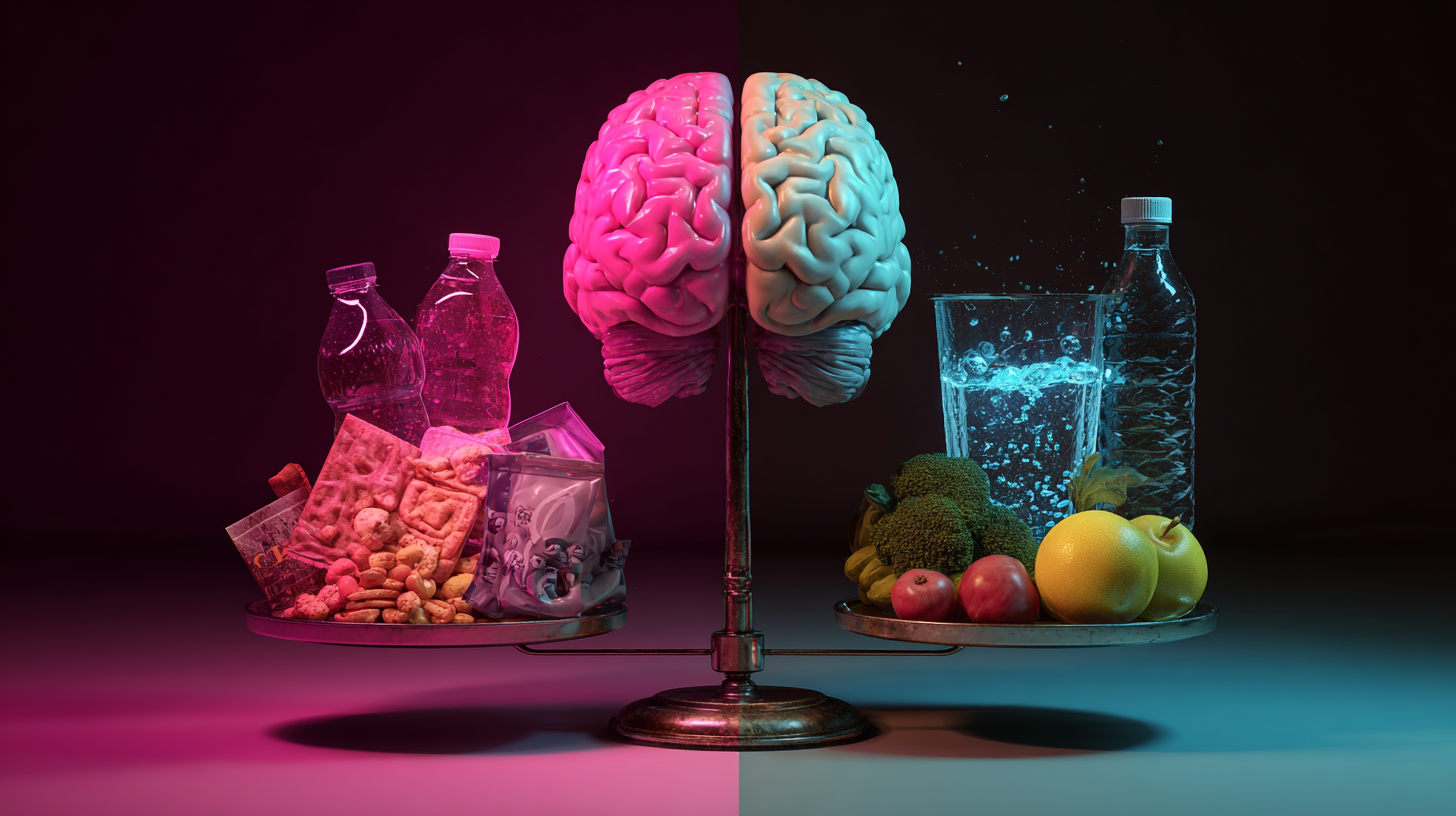
My dear friend, thus far we have spoken much of flesh and blood—of arteries, liver, pancreas, and the long train of chronic disease that follows a life leaning upon processed foods. But there is another field where this diet works with solemn power: the realm of the mind, the affections, and the daily choices of the will. What we place upon our plates does not end its influence at the stomach; it reaches into our thoughts, our moods, our desires, and even our judgment. The battle over diet is, in many ways, a battle over the thoughts and habits that guide the whole course of life.
You know by experience that the mind is not the same after every meal. A simple, well-balanced plate of whole grains, fruits, vegetables, and pure water tends to leave you calm, steady, and clear. But a meal of sugary drinks, greasy snacks, and richly seasoned, heavily processed food often leaves you drowsy, irritable, or strangely restless. This is not mere imagination. The very substances in these products—refined sugars, unhealthy fats, salt in excess, and a host of additives—affect blood sugar, hormones, and brain chemistry in ways that touch upon mood, impulse, and even the strength of the will.
Let us first speak of the way processed diets influence cravings and self-control. Many of these foods are deliberately designed to be what scientists call “hyper-palatable”—a blend of sugar, fat, and salt so carefully balanced that the natural signals of satisfaction are delayed or softened. Research shows that such foods can activate reward pathways in the brain in much the same way that addictive substances do, stimulating the release of dopamine, the chemical that says, “This is good; do it again” (Gearhardt et al., 2011; DiFeliceantonio et al., 2018). Thus a person may sit down intending to eat “just a few” chips or “only half” the candy bar, and yet find the hand returning again and again to the bag or the wrapper, as though drawn by invisible cords.
Through constant repetition of this pattern, the appetite can become a tyrant rather than a servant. The more one yields to the demand for rich, concentrated, processed fare, the more blunted become the tastes toward simpler, natural foods. A fresh apple seems dull next to a frosted pastry; plain water appears boring beside a sweetened drink. The palate is trained, not by a single indulgence, but by daily habit, until it comes to expect strong flavors and quick rewards. In this way, the judgment of the tongue begins to overrule the judgment of the mind.
Consider also the swings in blood sugar that follow a diet loaded with refined carbohydrates and added sugars. When one eats sweetened cereals, candy, white bread, pastries, and sugary drinks, the blood sugar may rise sharply and then fall just as quickly. These abrupt changes are often accompanied by shifts in mood and energy—nervousness, irritability, fatigue, or an urgent desire for more sweets. Studies have linked high-glycemic diets with greater risk of mood disturbances, including feelings of anxiety and depression, in some individuals (Ludwig, 2002; Gangwisch et al., 2015). It is as though the mind is made to ride a see-saw, rising in brief excitement and then sinking into discouragement, instead of moving steadily through the day.
In such a state, temptations of appetite are much harder to resist. A person whose blood sugar has fallen sharply after a sugary snack is less able to think calmly or to choose wisely. The body cries out for quick relief, and the will, already weakened by repeated indulgence, finds it easier to surrender. How many unwise purchases at the vending machine, how many late-night raids upon the cupboard, have been carried out under the influence of this inner unrest! A more stable diet, rich in fiber and whole foods, keeps blood sugar on a gentle incline rather than a steep hill, and with that steadiness comes greater calm of mind and firmness of purpose.
We must also look soberly at the connection between processed diets and mental and emotional health. Researchers studying large populations have repeatedly observed that those who consume more ultra-processed foods—packaged snacks, fast food, sugary drinks, and ready-made meals—tend to report more symptoms of depression and anxiety than those who adhere more closely to whole-food, plant-rich dietary patterns (Jacka et al., 2010; Adjibade et al., 2019). While food is not the only factor in such conditions, it is not innocent either. Diets poor in real, living nutrition—short on vitamins, minerals, and protective plant compounds—seem to offer less support to the brain’s delicate chemistry.
The brain, though small in size compared to the rest of the body, consumes a large share of the energy and nutrients you take in. It needs steady fuel, healthy fats, and a full array of micronutrients to build and repair its cells and to make the neurotransmitters that govern mood, attention, and sleep. B vitamins, omega-3 fatty acids, magnesium, zinc, and various antioxidants all play important roles in mental function. Diets dominated by processed foods are often low in these precious nutrients and high in substances that foster inflammation and oxidative stress, which can trouble not only the heart, but also the mind (Lopresti et al., 2013; Scola & Andreazza, 2015).
You may have noticed that after a day or two of heavy, processed eating—fast food meals, pastries, sweets, and salty snacks—there comes a certain dullness, a lack of cheer. Perhaps you wake less refreshed, feel less inclined to work diligently, and more prone to discouragement over small matters. Yet after a time of simpler, more wholesome meals—fruits, vegetables, whole grains, beans, nuts, and pure water—there is usually more lightness of spirit, more readiness for duty, and less inward turmoil. This is not mere sentiment; such patterns are now supported by a growing body of scientific observation that ties dietary quality to mental resilience and emotional balance (Jacka, 2017).
Another solemn matter is the effect of processed foods upon our children, whose minds and characters are still being formed. Many youngsters are fed, from their earliest years, a continual stream of sweetened cereals, fruit-flavored drinks, fast food, candies, and brightly colored snacks. Their taste buds are trained to expect strong sweetness and artificial flavors, while simple foods—steamed vegetables, plain whole grains, beans, fresh fruit—are treated as unwelcome guests. Studies have raised concerns that high intake of certain food additives, such as artificial colors and some preservatives, may worsen hyperactive behavior and inattention in susceptible children (McCann et al., 2007; Nigg et al., 2012). While not every child responds in the same way, it is surely unwise to burden growing brains and nervous systems with a constant flow of such substances.
We are told that “a little treat” will do no harm. But when treats become daily, and sometimes hourly, habits, they no longer deserve that gentle name. The child who is soothed, quieted, or rewarded always by sweets or rich processed snacks is being trained to look to food for comfort rather than learning patience, self-control, and healthier ways of meeting life’s disappointments. As the years pass, this pattern may blossom into emotional eating, where food is used not to satisfy true hunger, but to drown worry, loneliness, or fatigue.
Here we touch another knot in this tangle: the growth of emotional and stress-driven eating in a culture saturated with processed fare. When the nerves are tired and the spirit low, it is easy to reach for something quick, sweet, or salty. Such foods do offer a momentary lift, stimulating pleasure centers in the brain and dulling uncomfortable feelings for a little while. Yet because they do not provide lasting nourishment or address the cause of the distress, the comfort soon fades, leaving the heart still weary and the body now burdened by excess calories and unsettled chemistry. The person then feels both guilty and unsatisfied, which may itself prompt further eating. Thus a chain is forged link by link.
Those who design these products understand very well the power of habit and cue. Bright packaging, catchy slogans, and constant advertising associate processed foods with fun, relaxation, reward, and even affection. A particular jingle may call to mind a favorite snack; a certain smell in a shopping mall may remind you of a fast-food meal; the sight of a logo may awaken desire before you have consciously thought of being hungry. Over time, these cues work much like the bell did for the dogs in the old experiment of Pavlov: they stir the appetite even in the absence of true need. In this way, environment and habit join hands with the chemical properties of the food itself to make overconsumption the easy path and temperance the narrow way.
There is another, quieter influence of processed diets upon the mind, carried by a route that is only now coming into clearer view: the gut–brain connection. Within the intestines live trillions of microorganisms—bacteria and others—that form a complex community often called the gut microbiome. These tiny companions help digest food, produce certain vitamins, and communicate with the immune and nervous systems. They send signals, through nerves and chemical messengers, that can influence mood, appetite, and even cognitive function (Cryan & Dinan, 2012).
Diets rich in whole plant foods—fruits, vegetables, whole grains, legumes, nuts, and seeds—provide fiber and other compounds that nourish beneficial gut bacteria, leading to a more diverse and balanced microbiome. In contrast, processed diets high in sugar, refined flour, unhealthy fats, and food additives tend to reduce this diversity and favor species that may promote inflammation and metabolic disturbance (Singh et al., 2017). In animal studies, certain emulsifiers and artificial sweeteners commonly used in processed products have been shown to alter the microbiome in ways that worsen anxiety-like behavior and reduce social interaction (Chassaing et al., 2015; Suez et al., 2014). While animal findings do not always translate directly to humans, they underline the truth that what happens in the gut does not stay in the gut; it reaches forward to the brain and emotions.
When chronic low-grade inflammation takes root in the body—fueled by processed meats, sugary beverages, refined grains, and fried foods—it can also disturb the mind. Inflammatory molecules can cross into the brain and affect the function of neurons and brain circuits involved in mood regulation and cognition. Researchers have found that people with depression often show higher levels of inflammatory markers, and that diets which promote inflammation are linked with greater risk of depressive symptoms (Lopresti et al., 2013; Lassale et al., 2019). Thus, the same dietary patterns that burden the heart and joints may also cast a shadow over the thoughts.
In this light, we see that the question of nutrition is not a small, private concern, affecting only body weight or cholesterol numbers. It has to do with clarity of mind, steadiness of mood, and the power of the will to choose the good and refuse the evil. When the brain is clouded by constant sugar highs and lows, by unrest in the gut, and by a flood of inflammatory signals, it is more difficult to pray with attention, to study with profit, to work with diligence, or to meet trial with patience. The enemy of souls is well pleased when appetite reigns, for then the moral and spiritual faculties are dulled, and the path to temptation is made smooth.
Yet, my friend, this is not a hopeless picture. Just as the mind can be trained downward by indulgence, it can be lifted upward by wise reform. Those who begin, even in small ways, to exchange processed foods for simple, wholesome fare often notice not only changes in the body, but in the inner life. After some weeks of eating more fruits and vegetables, whole grains and beans, and relying less on sugar-laden and greasy products, many report clearer thoughts, more even moods, less frantic craving, and a greater sense of mastery over their choices. Scientific studies also support this, showing that dietary improvements can lead, in some cases, to meaningful reductions in symptoms of depression and anxiety (Jacka et al., 2017; Firth et al., 2019).
This work is seldom accomplished in a day. Taste buds that have long been trained to crave intense sweetness and salty richness may at first resent the change. But the senses are plastic; they can be retrained. If you gently and consistently reduce the sweetness and saltiness of your foods, and increase your intake of simple, unadorned fruits, vegetables, and whole grains, you will find, after a time, that the natural flavors once again become delightful. The apple will taste sweeter; the plain bread more satisfying. What once seemed dull will become pleasant, and the more violent flavors of heavily processed products will begin to taste harsh and overstated.
In this process, there is a great blessing: as the grip of manufactured craving loosens, the will grows stronger. You will find it easier to stop eating when satisfied, to walk past the vending machine without distress, to leave the second helping for another day. You will be less at the mercy of every passing desire, and more able to shape your habits around principles rather than impulses. This freedom is worth far more than the momentary thrill of a sweet or salty bite.
Remember, too, that the home environment has great power either to hinder or to help in this work. If the cupboards are filled with cookies, candies, chips, and sugary drinks, then every moment of weariness or discouragement becomes a temptation. But if such items are kept out of the house or reserved for rare occasions, and wholesome options are kept ready at hand—washed fruit, cut vegetables, simple nuts, whole-grain breads—then each moment of weakness is met not with a snare, but with an opportunity to make a better choice. In this way, the external surroundings support the inner decision, and what once seemed a hard struggle becomes, after a time, the ordinary habit of life.
My friend, the Lord has endowed you with a mind capable of reason, conscience, and communion with heaven. It is a sacred trust. To cloud that mind unnecessarily with foods that disturb the nerves, inflame the body, and enslave the appetite is to treat lightly a precious gift. When you choose simpler, more natural fare over the garish temptations of the modern food industry, you are not merely following a rule of health; you are guarding the very citadel of your character. For as the diet is purified, the thoughts are better able to rise above mere indulgence, and the heart is more free to attend to duty, to service, and to the quiet impressions of the Spirit.
Strategies to reduce processed food consumption
My dear friend, having walked together through the harms brought by processed foods, let us now take up the hopeful work of change. You are not powerless before the bright packages and busy schedules of this age. Step by step, you may reclaim your table, your body, and your mind. This is not a demand for perfection in a day, but an invitation to thoughtful reform—one that can awaken curiosity, courage, and a deeper reverence for the God-given gift of health.
Begin, if you will, by turning your attention to the most ordinary of actions: what you place in your basket. The surest way to eat fewer processed foods is simply not to bring them home. Resolve that the bulk of your shopping will be done at the edges of the store, where fresh produce, whole grains, plain dairy, and simple proteins dwell, rather than in the inner aisles where boxes, bags, and bottles press upon every side. When you do venture among the shelves, make it your habit to choose items with short, plain ingredient lists—things your great-grandmother would recognize as food, not a string of laboratory terms. This quiet act of reading and choosing is not trivial; it is a daily lesson in discernment.
Many feel daunted, thinking, “I must give up everything at once, or it is useless.” Yet great change is often best secured by small, deliberate substitutions. You might exchange sugary breakfast cereals for oats with fruit and nuts; white bread for whole-grain; soda for water or unsweetened herbal tea; flavored yogurt for plain yogurt with fresh fruit; chips for a handful of nuts or sliced vegetables. Each such swap improves your nutrition, steadies your blood sugar, and lessens the burden of additives. Ask yourself: in just one meal today, what processed item could I replace with a simple, recognizable food?
Another powerful step is to cook more often at home. It is in your own kitchen that you regain control over salt, sugar, fats, and portion sizes. You need not be a chef, nor prepare elaborate dishes. A pot of beans, a pan of roasted vegetables, a pot of brown rice, a simple soup, a tray of baked potatoes—these are humble yet mighty allies. Set aside even one or two evenings each week to cook a little extra, so that tomorrow’s lunch or supper can be assembled quickly from wholesome leftovers rather than summoned from a drive-through window.
To make this easier, consider practicing a modest form of meal planning and preparation. On a quieter day, you might cook a large pot of whole grains, bake several sweet potatoes, chop a variety of vegetables, or prepare a simple soup and a pan of baked beans or lentils. Store these in your refrigerator in clear containers, so that, when you are tired or rushed, the decision for health has already been made. Ask yourself: “How can I use one hour on Sunday to spare myself from three hurried, processed meals later in the week?” This is not merely time management; it is an act of wise foresight.
Much mischief arises from the constant presence of highly processed snacks in the home. You may tell yourself they are for “occasional use,” but when stress or weariness comes, they call loudly. If it is within your reach, decide that your home shall be, as far as possible, a sanctuary from such temptations. Keep on hand instead washed fruit, carrot sticks, celery with nut butter, a bowl of nuts and seeds, whole-grain crackers, or air-popped popcorn with just a little salt. When hunger visits between meals, let your cupboards offer food that truly nourishes rather than distracts.
For many, sweetened beverages are a hidden stream of sugar that erodes health day after day. An earnest step toward better well-being is to cut back, or, if you are able, to let them go entirely. You might begin by reducing the number of sodas or sweet teas you drink each week, watering them down slightly, or replacing some servings with sparkling water and a slice of lemon or orange. Over time, your taste will adjust, and plain water—so often despised in our age—will again be recognized as the royal drink it truly is.
It is helpful to set before yourself clear but gentle rules to govern your eating, that you may not be driven wholly by impulse. Some choose to limit fast food to once a month, or refined sweets to the Sabbath table only, or to keep processed meats out of the home altogether. Others decide that at least half the plate at each main meal will be filled with vegetables or fruit, crowding out room for richer fare. You need not imitate someone else’s exact pattern, but do consider: What two or three simple boundaries could I set that would protect me from my own weaker moments?
You may also find strength in adopting a basic “whole-foods first” principle. Whenever you plan a meal, ask, “What whole plant foods will form the heart of this plate?” Think in terms of building blocks: a grain (such as oats, brown rice, quinoa, whole-wheat pasta), a legume (beans, lentils, peas), vegetables in abundance, some fruit, and, if you choose, modest portions of simple nuts or seeds and unprocessed animal products. Let the processed items, if any, shrink to the margins until they are occasional accents rather than the main actors in your daily diet.
Habit change is not only a matter of will, but of environment and routine. Look at your daily patterns with honest eyes. Do you always pass a vending machine at work when you are most tired? Could you keep a small container of nuts and dried fruit at your desk instead? Do you often stop at a fast-food place on your way home because you are too weary to cook? Might you prepare a simple, ready-to-heat meal on the weekend precisely for those evenings? Each obstacle you foresee and gently remove makes room for better choices to become natural.
There is wisdom, too, in changing gradually rather than with harsh suddenness—especially if your current diet leans heavily on processed foods. Taste buds and habits that were trained over years may need weeks and months to be retrained. You might start by improving breakfast for a month, then attend to lunch, and lastly supper; or by choosing two days each week as “whole-food days,” gradually adding more as your skill and confidence grow. This slow, steady progress builds lasting change, and each success encourages the next.
Some will ask, “But what of cost?” It is true that certain highly advertised “health” products are pricey, but simple whole foods are often among the most economical choices. Dried beans and lentils, brown rice and oats, frozen vegetables, cabbage, carrots, apples, and bananas are generally less expensive per serving than processed snacks, sugary cereals, or deli meats. Preparing a pot of bean soup and a pan of rice can feed a family far more affordably than frequent visits to a restaurant or purchases of frozen dinners. Consider: is money being spent on bright packaging and convenience that could instead be used on foods of plainer appearance but richer nourishment?
To sustain these changes, you will likely need to address not only the pantry but the heart’s relationship with food. Many turn to processed sweets or salty snacks in times of stress, sadness, or boredom. Ask yourself gently, “What am I seeking from this food? Comfort? Escape? Reward?” Then, consider what other helps you might cultivate: a short walk in the fresh air, a moment of prayer, a brief telephone call to a friend, a chapter from an uplifting book, a glass of water and a few deep breaths. In this way, you begin to disentangle true hunger from the heart’s other needs.
Do not overlook the role of community and accountability. Changes made alone are often fragile; those made together can become joyful and strong. You might invite a family member or friend to join you in a month-long experiment of eating fewer processed foods, sharing simple recipes and honest reports. A small group could agree to bring wholesome dishes to gatherings, proving by experience that simple food may be both satisfying and pleasant. Such shared efforts not only lighten the burden but provoke wholesome curiosity: “What new dish can we discover that is both nourishing and delightful?”
As you practice these strategies, notice carefully how your body and mind respond. Do you sleep more soundly when you avoid late-night sweets? Is your thinking clearer when your breakfast is simple and unsweetened? Does your mood feel steadier when you eat vegetables and beans at midday instead of fried, processed fare? These quiet observations will teach you more about nutrition than many pages of theory. They will also strengthen your resolve, for it is much easier to turn down a sugary drink when you have personally tasted the peace that comes without it.
My friend, none of this is merely about rules; it is about reclaiming the dignity of living thoughtfully in a world that urges constant, careless consumption. Each time you choose a home-cooked meal over a packaged one, water over soda, fruit over candy, you are practicing self-government. You are training your senses to delight in what is truly good and building reserves of strength for the tasks, trials, and callings of your life. Let these questions stir in your heart: What might I gain in energy, clarity, and usefulness if I devoted the next year to steadily reducing my reliance on processed foods? What stories of renewed health and restored joy might be written in my own household?
The way is not easy, but it is open before you. You need not wait for a crisis to begin. Tonight, when you clear your table or write your list for the market, you stand at a crossroads as real as any great turning in history. May you be moved to inquire, to experiment, to learn—treating your body not as a casual possession, but as a sacred trust. And as you take each small, practical step, may a deeper thirst for knowledge grow in you, urging you to understand more fully how food, mind, and spirit are bound together in the wondrous fabric of health.
- What exactly counts as a “processed food,” and are all processed foods harmful?
- Processed foods are items that have been changed from their natural state—by refining, adding sugar, salt, fats, or preservatives, or combining many ingredients in a factory. Not all processing is harmful; simple forms like freezing vegetables or grinding whole grains can be useful, but “ultra-processed” products with long ingredient lists and many additives are the ones most strongly linked with poor health.
- How can I start reducing processed foods without feeling overwhelmed?
- Begin with one or two small, specific changes, such as improving breakfast or replacing sugary drinks with water or unsweetened tea. As those habits become comfortable, add another step—perhaps cooking one extra home meal per week or swapping one processed snack for fruit and nuts—so that change builds gradually and steadily.
- Is it necessary to eliminate processed foods completely to see health benefits?
- No, you do not need perfect purity to experience better health. Research shows that simply lowering your intake of ultra-processed foods and increasing whole, minimally processed foods can improve blood pressure, blood sugar, weight control, and overall well-being.
- How do I know if a packaged food is too processed or unhealthy?
- Turn the package over and read the ingredient list: if it is long, full of names you do not recognize, and begins with sugar, refined flour, or cheap oils, it is likely highly processed. Nutrition facts showing high amounts of added sugars, sodium, and saturated or trans fats are also signs to choose something simpler.
- Can I still eat processed foods when dining out or at social events?
- Yes, most people will encounter processed foods at gatherings or restaurants, and occasional use need not undo your progress. You can protect your health by choosing the simpler options available—such as salads, beans, baked potatoes, or plain grilled items—and by letting everyday meals at home be as wholesome as possible.
- Are healthier, less processed diets more expensive?
- They can be, if you focus on specialty “health” products, but basic whole foods are often quite economical. Staples like beans, lentils, oats, brown rice, frozen vegetables, and in-season fruits usually cost less per serving than fast food, sugary snacks, or processed meats—especially when you cook at home and use leftovers wisely.
- How long does it take for my taste buds to adjust to less sugar and salt?
- Most people notice meaningful change within a few weeks of steadily cutting back on added sugar and salt and eating more whole foods. As your taste buds adapt, naturally sweet and savory flavors become more satisfying, and the intense taste of many processed products may start to seem harsh or overwhelming.
Ashland Ashland Sabbath Chapel
Beside our live streamed church services, all are welcome to attend our church in person each Saturday beginning 10:00 AM Central Time by going to 2425 Owens Rd., Ashland, AL 36251. There is no cost and any donations are strictly voluntary.
For questions, call +2563547124.