Come join Ashland Sabbath Chapel Ministries each Saturday for live streamed church services. Bible Study begins at 10:00 AM Central Time and Sermon at 11:00 AM. Visit Our YouTube channel and watch from home!
When we stand in the kitchen, we are not merely preparing a meal; we are deciding, often without knowing it, how much nutrition will actually reach our plates. Two people can start with the same bright carrots, fresh greens, and wholesome grains, yet end up with very different results for their bodies simply because they chose different cooking methods. One pot may deliver strength, clarity of mind, and steady energy; the other, though tasty, may leave us poorly nourished. The difference lies not in the food alone, but in how gently and wisely we treat what the Lord has provided.
Think of each food as a treasury of delicate substances—vitamins, minerals, and other helpful compounds the body quietly depends on day after day. These are easily lost by harsh heat, long cooking times, or an excess of water that leaches them away. When we choose nutrient-preserving techniques, we show respect for that delicate trust. We are not content merely to fill the stomach; we desire to sustain the whole person in body and mind. That desire should shape how we boil, bake, fry, or steam, just as much as it shapes what we buy at the market.
One of the first things to keep in mind is temperature. High heat, especially when direct and prolonged, tends to break down sensitive vitamins like vitamin C and many of the B vitamins. Long simmering or aggressive frying can strip vegetables of color and brightness—that fading color is often a visible sign that their goodness is being driven out. Gentler cooking methods, such as light steaming or careful poaching, aim to soften the food enough to be pleasant and digestible, while keeping as much of this fragile goodness inside as possible. Our goal is not to see how fast or how hard we can cook, but how kindly we can treat the food while still making it safe and enjoyable.
Water, too, must be considered. When we boil vegetables in a large pot of water and then pour the water down the drain, we are often pouring our nutrients away with it. Many water-soluble vitamins escape into that cooking liquid. If we must use water, it is better to use only as much as needed, and when possible to put that cooking liquid to use—in a soup, a sauce, or a gravy—so what is drawn out is not wasted. Steaming, where the food sits above a small amount of boiling water instead of within it, is one of the simplest ways to limit this loss. By keeping vegetables out of direct contact with large volumes of water, we keep more of their strength.
The length of time food spends over heat is another matter of no small importance. The longer we cook, the more chances heat has to break down beneficial compounds. Tender greens, for example, require only a short time to become pleasant and digestible; left too long, they wilt into a dull mass, their once-bright leaves giving evidence that much of their virtue has been destroyed. Even roots and grains, which rightly need more time for proper softening, can be overdone. The key is to cook until just done—tender but not mushy, hot through but not falling apart. This watchfulness calls for attention and a little practice, but it rewards us with meals that nourish as well as satisfy.
We should also recognize that some foods actually give up more of their goodness when properly cooked, which reminds us that there is wisdom in balance and not in extremes. Tomatoes, for instance, can release more of certain helpful compounds when gently heated. Carrots and other firm vegetables may be better digested when cooked until just tender, allowing the body to take advantage of what they contain without undue strain. So we do not say that raw food is always best, nor that long cooking is always harmful, but that each food has a way in which it yields its blessings most freely. Our part is to learn and honor that way.
Not all heat touches food in the same fashion. Dry-heat techniques—such as baking or roasting—act differently from moist methods like boiling or steaming. Dry heat can bring out rich flavors and pleasing textures, but if misused, it can also scorch the outer portions while leaving the inner still firm. For delicate fruits and vegetables, or for those who need gentler fare for reasons of health, moist heat is often kinder. Steaming, poaching, and slow simmering in modest amounts of liquid are generally more protective of delicate nutrients than constant, violent boiling or heavy frying. Even when we must use high heat, as in some forms of searing or roasting, keeping the time short and the food in moderate-sized pieces can help preserve the inner goodness.
Another quiet thief of nourishment is the habit of cutting food into very small pieces long before cooking. When flesh of fruit or vegetable is exposed to air, certain nutrients begin to break down, and juices may escape. If these small pieces are then boiled, the surface area exposed to water is great, and losses are higher. It is better to cut produce into reasonable pieces just before cooking, cook them promptly, and avoid unnecessary handling. When preparing a pot of vegetable soup, for example, larger, evenly sized chunks dropped into simmering broth will often keep more of their character and goodness than tiny shreds subjected to long boiling.
The vessel in which we cook also bears on the care of our food. Heavy-bottomed pots that distribute heat evenly allow us to use gentler flames without hot spots that burn the food. A tight-fitting lid helps retain steam and allows us to cook with less water and lower heat, shortening the time needed. Well-chosen pans free from harmful coatings or metals keep us from introducing unwelcome substances into our meals. A simple, sturdy steamer insert atop a pot of boiling water can transform ordinary vegetables into dishes that are both flavorful and well-preserved, needing little more than a pinch of salt or a drizzle of wholesome oil at the end.
It is wise, too, to consider how different foods behave together. When we cook grains with vegetables—say, brown rice with peas and carrots in a covered pot—the grain’s starches and the vegetables’ juices mingle, and the nutrients drawn out into the small amount of cooking liquid are absorbed back into every spoonful. This is more thoughtful than boiling each item separately in great quantities of water and discarding the liquid. In like manner, a stew that gently simmers beans, roots, and leafy bits in a modest broth captures much of what the heat has set free, making every ladle full of quiet strength for the household.
Email and printed recipes often speak only of flavor and appearance, but we should read them with an eye to preservation as well. Whenever you see instructions that call for prolonged boiling of vegetables or repeated reheating of the same dish, pause and consider whether adjustments can be made. Can the cooking time be shortened without sacrificing safety or digestibility? Can the vegetables be added later, nearer the end, so they are barely cooked instead of exhausted? Can leftovers be reheated gently just once, instead of many times, to spare them from repeated losses of vitality? Small changes in these daily habits will gradually shift the balance of your table toward greater strength.
The way we handle food from the moment it enters the home also matters. Storing produce properly, keeping it cool and protected from excessive light, slows the quiet loss of nutrients before we even begin to cook. Washing just before preparation, rather than long in advance, helps maintain freshness. When we combine this careful handling with thoughtful, nutrient-preserving techniques on the stove, we honor both the labor that brought the food to our door and the bodies that depend on it. Our kitchens become not merely places of appetite, but little workshops of health, where simple choices about heat, water, and time add up to a life of greater vigor and clearer mind.
Steaming, poaching, and boiling for gentle heat
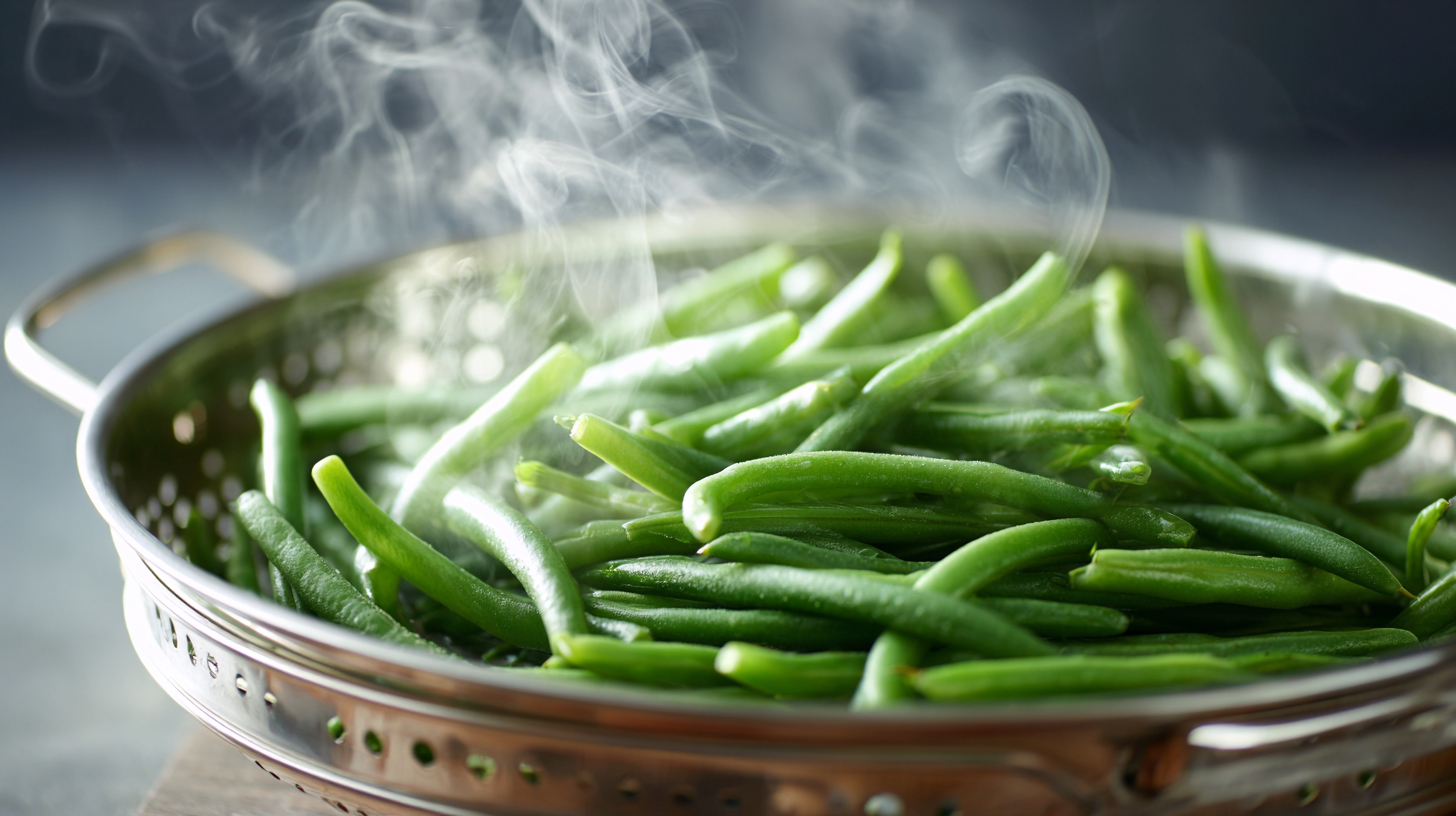
Gentle heat has a way of bringing food to life without beating it into submission. When you steam, poach, or boil with care, you let the food soften and open up, but you do not strip it bare. These quieter cooking methods are like a calm hand on the shoulder instead of a fist on the table. They help you keep more of the food’s nutrition while still making it easy to chew, taste, and digest.
Steaming is the simplest place to start. You set a small amount of water to boil, place the vegetables or fish above the water, cover the pot, and let the steam do the work. The food never sits in the water, so fewer vitamins escape. Think of a handful of green beans. Boil them hard in a big pot and, by the time they turn dull and limp, much of their goodness has gone into the water you will throw away. Steam them instead, just until they turn bright and yield slightly to a fork, and they keep their color, their bite, and more of their strength.
Another quiet advantage of steaming is that it demands very little added fat or salt. Since the food is not being fried, you do not need a pool of oil to keep it from sticking to the pan. A plate of steamed broccoli needs only a drizzle of olive oil or a squeeze of lemon at the end. The flavor is clean and direct. For someone watching their health—blood pressure, weight, or cholesterol—this is no small thing. You can feed a family on steamed vegetables and fish several nights a week and know you are giving them lighter, steadier fuel instead of heavy, greasy plates.
There is a knack to good steaming. Use just an inch or so of water in the bottom of the pot. Bring it to a steady boil before adding the food, then lower the heat so the steam is strong but not wild. Cover the pot tightly so the steam stays inside. Do not wander off. Check the food after a few minutes, depending on what you are cooking:
- Thin vegetables like spinach or snow peas often need only 1–3 minutes.
- Denser ones like carrots or cauliflower may need 5–10 minutes.
- Fish fillets may steam in 6–10 minutes, depending on their thickness.
Pull them off the heat as soon as they are just tender. If the fork slides in smoothly but the food still holds its shape, you are close to the mark. Anything beyond that is the beginning of loss.
Poaching is another gentle art, especially good for delicate foods like eggs, fish, or poultry. Here the food sits directly in hot liquid, but the liquid is kept below a full boil. Instead of roaring bubbles, there are only small shivers at the surface. This lower heat protects both texture and nutrients. Boil fish hard and it breaks apart, dry and tasteless. Poach it in barely trembling water, seasoned with a bay leaf and a slice of lemon, and the flesh stays moist and tender, with more of its natural flavor and protein intact.
Poaching works well when you want to avoid heavy sauces or frying. A poached chicken breast, sliced over a bowl of warm vegetables or grains, can be a steady source of strength without weighing you down. For a simple meal, you can poach chicken in lightly salted water with onion and celery. When the meat is done, you do not discard the liquid. It has taken on flavor and some of the nutrients that left the meat. Use it as a light broth for soup or to moisten brown rice. Nothing is wasted, and the meal becomes deeper and more sustaining.
Eggs, too, benefit from poaching. A hard-fried egg, cooked in a slick of oil until the edges are crisp and brown, may taste rich, but the high heat and extra fat do not always serve the body well. A poached egg, slipped into gently simmering water and cooked until the white sets around a soft yolk, gives clean protein and fat without the burden of burned oil. Set it on a piece of whole-grain toast with some steamed greens, and you have a breakfast that carries you through the morning without a crash.
Boiling has a rougher reputation, but it has its place if handled with sense. The trouble comes when we boil too hard, too long, and in too much water. Picture potatoes boiling for half an hour in a pot filled to the brim, the water clouded and starchy, vitamins drifting away. Then we pour it all into the sink. It is like working for wages and dropping half your pay into the gutter on the way home. If you must boil, use a smaller amount of water and cook only until the food is tender. Keep the lid on so the heat stays in and the time is shorter.
The real trick with boiling is to claim the cooking liquid instead of throwing it out. When you boil potatoes, save the water to use in bread dough or soup; the starch and minerals lend body and quiet nourishment. When you cook pasta, you can add a ladle of the cooking water to your sauce to thicken it and carry some of that goodness forward. When you boil vegetables for a stew, keep the water as part of the dish so what leaves the food returns to your bowl and your body.
There is a kind of patience that goes with these gentler methods. The world praises speed and flame; recipes boast of high heat and charred edges. Yet the body is not always blessed by this violence. Steaming, poaching, and careful boiling choose a slower road. They leave room for the taste of the food itself, not just the scorch of the pan. They ask you to watch, to test, to turn off the fire the moment the work is done instead of letting it rage on out of habit.
If you are used to frying nearly everything, this shift may feel strange at first. You may look at a plate of steamed vegetables and think it looks bare. But hold your judgment until you sit and eat. Notice how you feel an hour later, or three. Heavy meals cooked with fierce heat and much fat often bring drowsiness or a restless stomach. Meals built around gentle heat bring a different kind of quiet. Over time, that quiet becomes part of your days, and you will recognize it as one of the small, steady gifts of better nutrition.
These methods also open the door to simple habits that serve a whole household. You can steam a batch of vegetables at the start of the week and keep them in the refrigerator, ready to be reheated gently for quick suppers. You can poach several pieces of fish or chicken in one pot, then use them over a couple of days—tucked into salads, laid over grains, or stirred into a light soup made from the cooking liquid. A single pot of carefully boiled beans, cooked in just enough water and seasoned near the end, can anchor several meals without weighing anyone down.
From here, it becomes natural to look toward methods that give you more flavor and texture without undoing this good work. Once you have learned how steam, gentle simmering, and low, steady heat can protect what is in your food, you can carry that same respect into the oven and onto the grill, choosing higher heat only when it adds something worthwhile and guarding against needless loss.
Grilling, baking, and roasting with less added fat
When we turn to the oven or the grill, the temptation is to think only of crust and char, of browned edges and sizzling fat. Yet these, too, can be wise cooking methods if we handle them with restraint. The same care we used with steam and simmer can guide us here, so that the richer flavors of grilling, baking, and roasting do not come at the expense of our health or the quiet strength of our food. The aim is not to avoid these methods, but to use them in a way that brings out depth of taste with less added fat and fewer harmful byproducts.
Start with the simple matter of what goes on the food before it ever meets the heat. Many people coat vegetables or meats with a heavy hand of oil, butter, or sugary sauces, thinking this is what gives flavor. In truth, much of the pleasure in roasting or baking comes from the food’s own natural sugars and proteins browning in the dry heat, a process called the Maillard reaction. You do not need a bath of fat to make this happen. A light brushing—just enough oil to coat the surface and keep things from sticking—is often sufficient. For a tray of vegetables, one or two tablespoons of olive or canola oil is usually enough for a whole pan, if you toss them well to spread it evenly.
How you arrange the food on the pan matters as well. If vegetables are piled thickly, they steam in their own moisture and never quite brown; if they are spread in a single layer with a little space between pieces, the hot air can circulate, and you get a pleasant crust with very little fat. This simple adjustment—enough room on the pan—often makes the difference between limp, oily vegetables and crisp, caramelized ones that need only a pinch of salt and herbs to be satisfying.
When you roast vegetables like carrots, onions, Brussels sprouts, or sweet potatoes, keep the oven at a moderate to moderately high temperature—around 375–425°F. Research suggests that roasting at these temperatures, for a reasonable time, leaves many minerals and fiber intact and even increases the availability of certain antioxidants in some vegetables, such as carrots and tomatoes, compared with boiling them away in water[1]. The key is to roast until just tender and browned at the edges, not to the point of blackening.
That blackening is not merely a matter of taste. When foods, especially meats, are charred, they can form compounds such as heterocyclic amines (HCAs) and polycyclic aromatic hydrocarbons (PAHs), which have been linked in studies to an increased risk of certain cancers when consumed in large amounts over time[2]. This does not mean you must avoid grilling or roasting altogether, but it does call for prudence. Aim for golden to deep brown, not burnt. Trim away any blackened bits before serving. What we cut off, we do not have to carry in our bodies.
On the grill, this becomes even more important because the flames and smoke can lick directly at the food. A few simple practices can guard you here. First, marinate meats or plant proteins like tofu or tempeh before grilling. Studies have found that marinating—especially in mixtures that contain herbs, spices, lemon juice, vinegar, or wine—can greatly reduce the formation of HCAs during grilling[3]. A simple marinade of olive oil, garlic, rosemary, and lemon not only adds flavor; it becomes a shield for your nutrition.
Second, keep the food out of the direct flames. Use medium heat instead of the highest your grill can muster, and cook over indirect heat when possible. If you are using charcoal, let the coals burn down until they are covered in gray ash before you begin. If you are using gas, preheat the grill and then lower the burners so you see no high, flaring flames. You can also partially cook thicker pieces—like chicken breasts or drumsticks—by steaming or baking them first, then finishing them on the grill for a short time just to add flavor and color. This shortens their exposure to intense heat and reduces char.
Turning food often on the grill is another small safeguard. Instead of leaving a piece of meat or vegetables unmoved until one side is very dark, flip them every few minutes. This allows for more even cooking and less burning on any one spot. If fat drips and flames flare up, move the food to a cooler part of the grill until the fire settles. Keeping a spray bottle of water nearby can help tame sudden flares without dousing the coals.
With baking, the concerns are gentler but still real. Many baked dishes in modern kitchens are simply carriers for large amounts of butter, cheese, or cream. Think of a “vegetable” casserole where the vegetables float in dairy and breadcrumbs, or a tray of baked potatoes slathered in cheese and bacon. The oven itself is not the trouble; it is what we choose to put into the dish. You can use the same heat to prepare a tray of root vegetables, brushed lightly with oil and sprinkled with herbs, or a pan of fish baked with lemon slices and a scattering of tomatoes and olives. The difference in fat and salt taken into the body over months and years is no small matter.
You can usually lighten a baked dish without losing its soul. A few ideas that work well:
- Use broth or tomato purée instead of cream as the base for a baked vegetable dish.
- Top casseroles with a thin layer of whole-grain breadcrumbs or ground nuts instead of heavy cheese; a small sprinkle of sharp cheese on top can often stand in for a large quantity mixed throughout.
- Choose lean cuts of meat or, better yet, use beans and lentils as part of the protein so you need less meat and fat to feel satisfied.
- Pre-roast vegetables until nearly tender, then combine with grains or legumes and bake briefly, so they spend less total time in the oven and keep more of their character.
As with steaming and poaching, time and temperature are the main levers. An oven that is too hot, left too long, dries and toughens food, encouraging us to drown the result in butter or gravy to make it palatable. A moderate temperature, watched with a careful eye, leaves moisture inside so that only a light drizzle of good oil or a spoonful of sauce is needed at the table. Using a timer and checking a few minutes before the recipe suggests can keep you from thoughtless overcooking.
Pay attention, too, to what collects in the pan. When you roast vegetables, the small amount of oil and the juices that gather on the tray are rich in flavor. You can toss the hot vegetables in those juices just before serving so none is wasted. With meats, much of the fat will render out into the pan. Instead of pouring this back over the meat, you can separate and discard most of the fat, then use the leaner pan juices, stretched with a bit of broth and thickened with flour or blended vegetables, to make a lighter sauce. In this way, the flavor returns without all the grease.
Some of the same wisdom applies when roasting whole grains and nuts. Lightly toasting grains like oats, barley, or brown rice in a dry pan or the oven before cooking can deepen their flavor without adding extra fat. Nuts, too, become more fragrant when roasted, and this stronger taste often means you can be satisfied with a smaller handful. Keep the temperature modest and the time short, just until they smell nutty and have slightly darkened. Over-roasted nuts can develop off flavors and lose some of their delicate oils.
One quiet advantage of baking and roasting is that they set your hands free for a time. Once the food is in the oven, you are not tied to the stovetop. This makes it easier to prepare a simple salad, wash some fruit, or cook a pot of whole grains to round out the meal. In this way, roasting a pan of vegetables can become the backbone of a supper that is broad and balanced—roasted roots and greens from the oven, brown rice from the pot, perhaps a piece of lightly baked fish or a scoop of beans, all together forming a plate that nourishes more steadily than a single rich dish alone.
If you are shifting from heavy frying to more roasting and baking, the change might feel modest on a single day, but the body knows the difference over time. Less oil soaking into the food, less burned fat, fewer charred spots: these leave the digestion calmer and the blood less burdened. Observational studies have linked diets lower in deep-fried foods and higher in baked or grilled lean proteins and vegetables with better weight management and improved heart markers, such as lower LDL cholesterol and blood pressure[4]. The science simply confirms what many have felt in their own bodies when they move toward gentler, simpler meals.
In the end, using the oven and grill more wisely is not about taking away all pleasure. It is about drawing out the honest goodness already in the food without burying it under layers of fat or smoke. A tray of roasted vegetables, a piece of marinated fish kissed by the grill, a pan of whole grains lightly toasted before cooking—these can satisfy both tongue and conscience. And once you learn to bring that balance to higher-heat methods, it becomes easier to carry the same spirit to the quicker work of the skillet, where stir-frying and sautéing can be turned from greasy habit into another ally of sound nutrition.
Healthy stir-frying and sautéing strategies
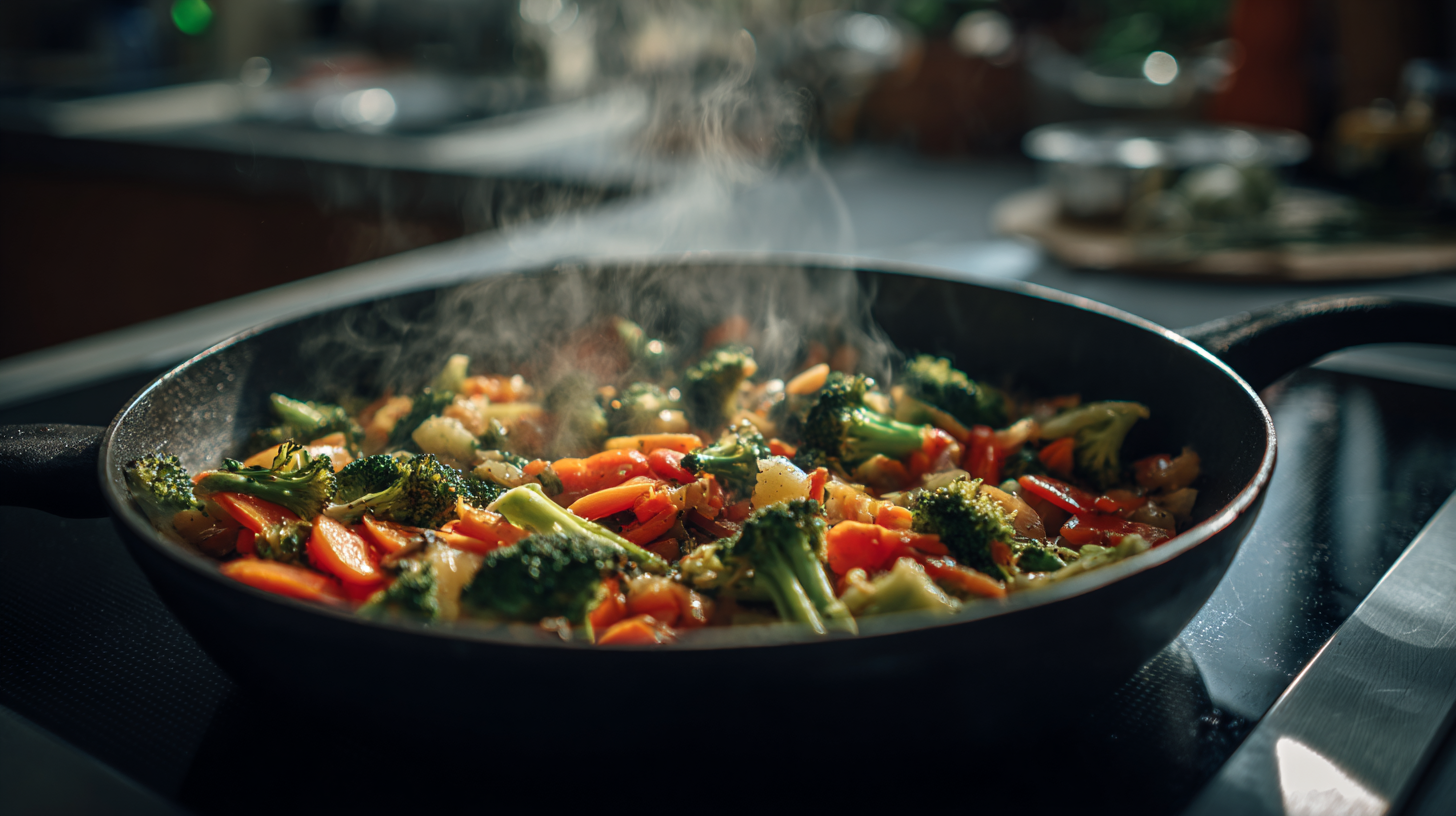
The skillet can be a cruel place or a kind one. It depends on how you use it. Many people think of stir-frying and sautéing as the fast road to a greasy meal—food snapping in a deep pool of oil, smoke in the air, the house smelling of fat long after supper. But it does not have to be that way. With a little care, these quick cooking methods can guard your nutrition almost as gently as steaming, while giving you the kind of bright flavor and crisp edges that make a plate feel alive.
The first thing is the pan itself. A good, heavy skillet—the kind that heats evenly and does not warp—lets you use less oil and lower heat while still cooking fast. Cast iron, carbon steel, or a sturdy stainless pan with a thick bottom all do the job. They hold heat like a steady hand. A thin, flimsy pan with hot spots will push you toward more oil and more flame to keep food from sticking and burning. Then the meal runs away from you.
Heat the pan before the oil. This matters. Set it over medium or medium-high heat and give it a minute or two. When you hold your hand a few inches above the surface and feel a strong, rising warmth, add just enough oil to coat the bottom in a thin sheen. Swirl it around. When the oil shimmers—moving easily across the surface—you are ready. If the oil is smoking hard, you have gone too far; pull the pan off the heat and let it cool. Burned oil does not help your health, and it does nothing good for taste.
Use less oil than you think you need. Most vegetables and lean proteins do not require more than a tablespoon or two for a whole pan, especially if the pan is properly heated. If the food is sticking right away, the trouble is often the temperature or crowding, not the amount of oil. Give the pan time to do its work. Food will cling at first and then loosen as it forms a light crust. Patience saves both the meal and your arteries.
Stir-frying is really just fast cooking in a hot pan with small pieces. The heat is higher than for a slow sauté, but the time is short, often only a few minutes. This speed is your ally. Studies have found that quick stir-frying with modest oil can preserve vitamin C and many antioxidants better than long boiling or deep frying, as long as you do not burn the food or cook it to exhaustion[5]. Think of it as a swift conversation with the flame rather than an argument.
The knife is as important as the fire. Cut vegetables and proteins into bite-sized, even pieces so they cook quickly and at the same pace. Carrots and broccoli stems should be thinner than soft zucchini or bell peppers, which yield sooner. Leafy greens like spinach or chard can be left in larger ribbons because they collapse in a moment. If you throw big, dense chunks and tiny slivers into the same pan at the same time, you will end up with a sad mix of burnt bits and raw centers. Order in the cutting board brings peace to the skillet.
There is a simple rhythm that makes stir-frying and sautéing both quick and kind to your food:
- Start with aromatics. A little garlic, onion, ginger, or scallion in hot oil perfumes the whole dish. Keep the pieces small and move them constantly so they soften and release their scent without browning too much.
- Add what takes longest. Firm vegetables—carrots, broccoli stems, green beans, cauliflower—go in first. Give them a head start so they can soften a bit.
- Follow with medium-tender items. Peppers, zucchini, mushrooms, snap peas, and similar vegetables come next, because they need less time.
- Finish with the quickest. Leafy greens, bean sprouts, and pre-cooked ingredients only need a brief toss at the end.
If you are cooking meat or tofu, it can help to treat it as its own small task. Sear the protein first in a hot pan with a little oil until just cooked through, then remove it to a plate. Stir-fry your vegetables next. When they are nearly done, return the meat or tofu to the pan with any juices it released and toss everything together with your seasonings. This keeps you from overcooking the protein while trying to coax the vegetables into tenderness.
Keep the pan from being crowded. When you stuff it full, the food steams in its own moisture instead of browning. Then you chase color and flavor with more oil and more heat, and still do not find them. Work in batches if you must. A pan that gives each piece a little space will reward you with a slight char and snap, even with very little fat. That contrast—tender inside, crisp at the edges—is what makes stir-fried vegetables taste like something worth eating again tomorrow.
The flame does not have to be wild. Medium-high is usually enough for home stoves, especially with a decent pan. The danger of very high heat is that you scorch the outside before the inside is ready, and you drive delicate nutrients away in smoke rather than in steam. Short cooking time at a strong but controlled heat tends to preserve more vitamins than a long, low simmer that leaves vegetables limp and faded[6]. You want the food to meet the fire and pass through it, not camp there.
You can also borrow a trick from gentler cooking methods and mix dry heat with a bit of moisture. When firm vegetables are beginning to color but are still too hard, splash in a tablespoon or two of water or broth and cover the pan for a minute. The brief burst of steam softens them without the long soaking that comes from boiling. Then uncover and let the remaining liquid cook off. This is often enough to bring carrots or broccoli from stubborn to tender-crisp without burning or drowning them in oil.
The sauce is where many stir-fries lose their virtue. Bottled sauces are often heavy with sodium, sugar, and thickening agents. A few spoonfuls can turn a clean skillet of vegetables into a salt bath. High sodium intake has been strongly tied to elevated blood pressure and greater risk of heart disease and stroke over time[7]. You do not need that much to make food taste like something. A simple sauce made at home can be both lighter and more honest.
Try using low-sodium soy sauce or tamari, a splash of rice vinegar or lemon juice, a little grated ginger or garlic, and perhaps a teaspoon of honey or a pinch of brown sugar if you want a hint of sweetness. Thicken it, if needed, with a small amount of cornstarch dissolved in water. Add this mixture near the end of cooking and toss until it just coats the food. You will have plenty of flavor clinging to each bite without a puddle of salt and sugar forming at the bottom of the bowl.
For sautéing, the spirit is the same but the gait is slower. You use moderate heat and give the food time to soften and sweeten, stirring only now and then. Onions cooked this way, in a thin film of oil, turn golden and gentle, their sharpness melting into quiet sweetness. Carrots and celery become the soft backbone of soups and stews. Because the cooking is unhurried, you can often use even less oil, adding a spoonful of water now and then if the pan dries out. This light “steam-sauté” keeps the fat lower while the vegetables still grow tender and rich.
If you are watching your health—your weight, your blood sugar, your cholesterol—these small choices in the skillet add up. Cutting back on oil by just one or two tablespoons per meal can mean dozens of fewer calories each day, without shrinking the plate[8]. Replacing heavy cream sauces with quick pan juices or light broths makes the heart’s work easier. Keeping vegetables front and center, with small amounts of meat or tofu scattered through, shifts the whole meal toward more fiber, more vitamins, and steadier energy.
There is another quiet advantage to stir-frying and sautéing: they welcome what you have on hand. A few leftover pieces of chicken, half a bell pepper, a stray carrot, a handful of greens—these can all fall into the pan and come out as a fresh dish over brown rice or whole-grain noodles. This habit of turning scraps into supper not only saves money and time; it keeps you from reaching as often for heavy, packaged foods that bring too much salt, sugar, and refined flour to the table.
You do not have to chase the perfect dish each night. Just aim for a better one. A little less oil, a little more color from vegetables, a lighter hand with salt and bottled sauce, a quicker turn off the heat when the food is only just done. Over weeks and months, these small turns of the hand change the kind of strength your meals give you. The body feels it in the morning and in the long years ahead. And once the skillet has become a friend instead of a foe, it is easier to move from there to the last, quieter work of seasoning wisely and watching portions, so that every plate you carry to the table is balanced, enough, and no more.
Smart seasoning and portion control for balanced meals
How we season and portion our meals may seem like a matter of taste alone, but it quietly directs our health as surely as our choice of cooking methods. A plate can be full and fragrant yet leave the body overburdened with salt, sugar, and fat, or it can be simple and modest yet deeply satisfying and rich in nutrition. The difference rarely lies in one grand decision; it is usually found in a hundred small habits—the pinch of salt we add without thinking, the extra spoonful of sauce, the second helping taken because the pan is still half full. If you have ever pushed back from the table uncomfortably full and wondered why, this is the place to look.
Consider first the power of salt. Our tongues easily grow used to heavy salting, and once that happens, lightly seasoned food seems dull. Yet a high-sodium diet has been strongly linked to elevated blood pressure and greater risk of heart disease and stroke over time. When nearly every dish is seasoned most strongly with salt—soups, breads, sauces, meats, even vegetables—our total intake climbs without our noticing. It is not the single shake of the saltshaker that does the harm, but the steady drift of salt into nearly everything we eat, day after day.
One way to change this is to turn salt from the main instrument into one note in a larger choir. Herbs and spices can carry much of the flavor burden if we let them. Garlic, onion, and leeks provide a deep, savory foundation. Fresh herbs like parsley, cilantro, basil, and dill brighten vegetables and grains. Dried herbs—oregano, thyme, rosemary, sage—bring warmth and depth to roasted dishes and stews. Spices such as cumin, coriander, paprika, turmeric, and black pepper add character without raising blood pressure. When you build flavor in layers with these, a smaller pinch of salt at the end is often enough.
Acid is another powerful ally. A simple squeeze of lemon or lime, a splash of vinegar, or a spoonful of yogurt can make a dish taste more “awake” without adding sodium. That last touch of brightness can trick the tongue into thinking there is more salt than there really is, because acid sharpens flavors and makes them more noticeable. Try finishing steamed vegetables with a little lemon and olive oil instead of salting them heavily at the start, or stirring a bit of vinegar into a pot of beans near the end of cooking to lift their taste. You may find your hand drifting less often toward the salt cellar when you give sourness a chance to speak.
The same sober eye should fall on sugar. Not just the sugar in desserts, but the sugar hidden in bottled sauces, salad dressings, flavored yogurts, and even “healthy” granola. Sweetness is not evil; it is part of God’s generosity. But when it creeps onto nearly every plate and into every glass—sodas, sweetened teas, juices, pastries—it distorts appetite and can drive weight gain and blood sugar problems. A tongue that is constantly bathed in sweetness begins to expect it and complains when food tastes merely natural.
Here again, seasoning with wisdom helps. Instead of pouring sugary dressings on salads, you can whisk your own with olive oil, vinegar or lemon, a little mustard, and only a teaspoon of honey if needed. Tomato sauces need not be loaded with sugar; a slow simmer with onions, garlic, herbs, and a bit of grated carrot can round their acidity naturally. When you crave a sweet note in a savory dish, try using a small amount of naturally sweet ingredients—caramelized onions, roasted carrots, a few raisins—rather than spoonfuls of refined sugar. These bring not only taste but also fiber and micronutrients, making sweetness serve nutrition instead of undermining it.
Fat, too, deserves a thoughtful place. Our bodies need some fat for hormone production, absorption of fat-soluble vitamins, and long-lasting energy. Olive oil, nuts, seeds, and avocados can all be part of a sound pattern of eating. Trouble comes when oil and butter are used with a free hand, especially alongside rich cheeses, creams, and fatty meats. Food that is already gently cooked with good cooking methods—steaming, baking, light sautéing—does not need to be drowned afterward in heavy sauces or spreads.
Instead, think of fat as a tool for carrying flavor, not the main attraction. A drizzle of extra-virgin olive oil over roasted vegetables, a small scattering of chopped nuts on steamed greens, or a thin smear of nut butter on whole-grain toast can satisfy without excess. Measure oils with a spoon instead of pouring straight from the bottle; it is easy for “a little” to become several tablespoons. Learn what a tablespoon of oil looks like spread over a pan of vegetables, and let that picture guide your hand. Over time, your taste will adjust, and foods that once seemed “too light” will feel just right.
All of this comes to little, though, if portions remain unexamined. A wholesome dish eaten in double or triple amounts ceases to be wholesome. The stomach stretches easily, and the habit of fullness grows upon us quietly. We fill the plate because the plate is large, finish the pan because it is on the table, take a second serving because the first tasted good. Then we wonder why our weight creeps upward even when we have traded frying for steaming and roasting.
One practical step is to let the plate itself teach restraint. Using a slightly smaller plate at meals can reduce the amount eaten without stirring a sense of lack; the plate still looks full, and the mind takes comfort in that. Start by filling half the plate with vegetables or salad, a quarter with whole grains or starchy vegetables like potatoes or sweet potatoes, and the remaining quarter with protein—beans, lentils, fish, poultry, or a modest piece of lean meat. This simple pattern naturally limits the space for richer, denser foods while giving a generous place to fiber and micronutrients.
Pay attention to the tools you use, too. A large serving spoon invites a large serving; a deep bowl calls out for a higher mound of food. When you serve rice, pasta, or stews, try a smaller ladle or spoon so that “one scoop” is closer to what your body needs. Pour drinks into modest glasses rather than oversized cups. These small changes may seem childish at first, but they quietly reshape the way you measure “enough.”
Eating more slowly is another form of seasoning, but for the mind rather than the tongue. It takes time—often twenty minutes or more—for the body to recognize that it has had enough. When we rush, we can pass well beyond the point of satiety before the signal arrives. Putting the fork down between bites, chewing thoroughly, and pausing for conversation give that signal space to reach you. Ask yourself halfway through the plate: “How would I feel if I stopped now?” You may be surprised how often the answer is “satisfied,” even when the eye still sees room for one more bite.
Flavor can also be used to guide portions. Strong, well-seasoned dishes often satisfy with less because each bite feels complete. A soup richly scented with herbs and spices, a stir-fry bright with ginger and garlic, or a salad dressed with a tangy vinaigrette and a few toasted seeds invites slower, more attentive eating. Bland food, on the other hand, can lead to mindless overconsumption as we keep chasing a satisfaction that never quite arrives. When you season with purpose, you create meals that invite presence, and presence is a guard against excess.
It is wise, too, to notice where calories and salt creep in from the edges of the plate. Bread baskets filled with soft rolls and butter before a meal, sweet drinks taken almost without thought, handfuls of chips or crackers while cooking—these can rival the main dish in impact on weight and blood pressure. Ask yourself: “Do I want to spend my appetite here or on the actual meal?” Sometimes the answer will still be yes, but at least it will be chosen rather than automatic. You may find that water, herbal tea, or a small plate of raw vegetables as you cook leaves you more appreciative of the meal itself.
Snacks deserve honest attention as well. A small handful of nuts can be a nourishing bridge between meals; a large bowl, eaten distractedly in front of a screen, can easily tip you into surplus. Fruit is a better answer to a sweet craving than candy, but even fruit eaten in large amounts between meals can raise blood sugar more than needed. When you reach for something between meals, pause long enough to ask whether you are truly hungry or simply bored, anxious, or tired. If it is hunger, choose a snack that includes some protein or fat—nuts, hummus with vegetables, a piece of fruit with a spoonful of peanut butter—so that it satisfies rather than stirs more craving.
None of this is meant to turn eating into a constant calculation. The idea is not to stand over each plate with a scale and a measuring cup, but to invite the heart and the mind back into the act of eating. Seasoning and portion control are forms of stewardship—of the earth’s resources, of the household’s budget, and of the body itself. They call you to consider: “What do I truly need?” “What will serve my work, my rest, my clarity of thought?” Over time, these questions become as natural as reaching for the salt or the spoon.
As you practice, you may notice how closely your inner life is tied to these outer habits. Overfull plates often accompany overfull days, where there is no room for reflection, prayer, or quiet. Measured portions and thoughtful seasoning can become a small daily reminder to leave margin in other areas of life as well. The same self-control that allows you to stop when you have had enough can strengthen you to step back from other excesses—too much work, too much noise, too much distraction. In this way, the humble act of preparing and sharing food becomes a training ground for a more ordered, attentive life.
You do not need to change everything at once. Choose one area to explore: perhaps salt this week, portion sizes the next, sugary drinks after that. Notice how your body responds when you rely more on herbs and acids for flavor, when you give vegetables more space on the plate, when you stop at enough instead of pressing on to full. Keep asking yourself: “What am I really seeking at this table—comfort, distraction, or true strength?” Let that question stir a thirst for deeper understanding, not only of food, but of the ways your daily choices shape the whole course of your health and your days.
- How much salt is too much in everyday cooking?
- Most adults are advised to keep sodium below about 2,300 milligrams per day, and many benefit from going lower, especially if they have high blood pressure. In practice, this means using small pinches of salt in cooking, tasting as you go, and relying more on herbs, spices, and acids like lemon or vinegar to build flavor instead of heavy salting.
- Can I still use oil and butter if I’m trying to eat healthfully?
- Yes, but in measured amounts. Use oils—especially olive or canola—sparingly for cooking and finishing, and think of butter as an occasional flavor accent rather than a main ingredient, so that fat supports your nutrition instead of overwhelming it.
- What does a balanced plate actually look like?
- A simple guide is to fill half your plate with vegetables or salad, a quarter with whole grains or starchy vegetables, and a quarter with protein from beans, lentils, fish, poultry, or lean meat. This pattern naturally limits heavy foods while leaving plenty of room for fiber, vitamins, and steady energy.
- How can I tell if my portion sizes are right for me?
- Use your hunger and fullness cues alongside visual guides. Start with modest portions, eat slowly, and pause halfway through to ask whether you feel satisfied; if you regularly feel stuffed or sluggish after meals, your portions are likely larger than your body needs.
- Are low-sodium or “light” packaged foods a good solution?
- They can help reduce sodium or calories, but many still contain added sugars, refined starches, or artificial additives. Whenever possible, it is better to prepare simple foods at home and season them yourself, so you control both the amount and the quality of what you are eating.
- What are some healthier ways to add flavor without extra salt or sugar?
- Lean on fresh and dried herbs, spices, garlic, onions, citrus juice, vinegar, and fermented foods like yogurt or a small amount of miso. These ingredients add depth, brightness, and complexity so that food tastes full without relying on heavy salting or sweetening.
- How do I handle eating out if I’m watching portions and seasoning?
- Consider sharing entrées, asking for sauces and dressings on the side, and boxing up part of the meal before you start eating. Choose dishes centered on vegetables, lean proteins, and whole grains when possible, and eat slowly so you can stop when you are satisfied rather than when the plate is empty.
Beside our live streamed church services, all are welcome to attend our church in person each Saturday beginning 10:00 AM Central Time by going to 2425 Owens Rd., Ashland, AL 36251. There is no cost and any donations are strictly voluntary.
For questions, call +2563547124.