Come join Ashland Sabbath Chapel Ministries each Saturday for live streamed church services. Bible Study begins at 10:00 AM Central Time and Sermon at 11:00 AM. Visit Our YouTube channel and watch from home!
My friend, we are living in an hour when technology is fast becoming a constant companion, even resting upon our very wrists and near our hearts. The little devices that many treat as ornaments are, in reality, instruments that may be used either for thoughtless indulgence or for wise self-government. As our steps are numbered, our sleep measured, and our hearts watched, each tiny vibration on the wrist is a reminder that the laws which govern life and health are not to be trifled with. This quiet witnessing of our daily habits can be a blessing if it leads us to cooperate more faithfully with the living principles God has woven into our bodies (Psalm 139:14). But it may also become a snare if we trust the device more than the divine wisdom revealed in sound judgment, temperance, and simple living.
These wearables—fitness bands, smartwatches, heart-rate monitors, and even smart rings—are like little reporters, constantly gathering testimony about how we live. They count our steps, look at our heart rhythms, listen to our sleep, and sometimes even measure the oxygen in our blood. Research has shown that when people see plainly how few steps they take, how restlessly they sleep, or how often their hearts race without cause, many are stirred to change their habits for the better (Cadmus-Bertram et al., American Journal of Preventive Medicine, 2015). The body does not lie, and when wearable devices faithfully record the body’s witness, they can awaken the conscience to long-neglected duties of air, exercise, rest, and temperance in all things.
One of the simplest, yet most powerful, uses of these devices is step tracking. Few things are so quickly understood as a daily step count laid before the eyes. Many are startled to see that, while they thought themselves active, they scarcely walk more than a few thousand steps in a day of office work. Studies suggest that increasing daily steps is associated with a lower risk of early death and heart disease, even before one reaches the oft-mentioned 10,000-step mark (Saint-Maurice et al., JAMA, 2020). When the tracker gently nudges a person to rise from the chair, to take the stairs instead of the elevator, or to walk in the open air rather than ride a few blocks, it is ministering to both body and mind. Walking, especially in nature, calms the nerves, brightens the spirit, and strengthens the muscles without overtaxing them.
Heart-rate monitoring is another gift, when rightly used. Many go through their days scarcely aware of how their hearts labor under anxiety, stimulants, or lack of conditioning. A wearable that reveals frequent, unexplained spikes in heart rate may be like a faithful messenger, saying, “Something in the life is out of harmony.” It might point to unmanaged stress, too much caffeine, or a neglected need for regular, moderate exercise. Scientific reviews show that sustained moderate activity, guided in part by heart-rate zones, improves cardiovascular fitness, lowers blood pressure, and supports longer life (Piercy et al., US Physical Activity Guidelines, 2018). But the heart is not to be driven like a machine by constant high-intensity efforts, simply to meet some number announced by the device. The best exercise gently strengthens the vital organs, rather than overstraining them, and leaves the person refreshed, not exhausted.
Sleep tracking, too, has awakened many to the neglect of the night hours. Some retire late, rise early, and imagine that the body will quietly bear this robbery of rest. Yet the wearable records short nights, frequent awakenings, and shallow sleep. Research links chronic sleep deprivation with weight gain, weakened immunity, impaired judgment, and mood disturbances (Medic et al., Nature and Science of Sleep, 2017). When a person begins to guard the early hours, dim the lights in the evening, avoid heavy late meals, and put aside devices before bed, the sleep reports often improve. The technology is not the healer; rather, it can be the silent witness that persuades us to align our habits with the natural order God has appointed: work and activity in the day, quiet and restoration in the night.
These tools also open the door to personal accountability and gentle community support. Many find courage to begin a walking program when they see their steps recorded and can share progress with a trusted friend or family member. Some families form small walking groups, checking their devices as they encourage one another to reach simple, attainable goals. Studies indicate that feedback and social support increase the likelihood that people will maintain new activity habits (Brickwood et al., JMIR mHealth and uHealth, 2019). When such sharing is modest and sincere—seeking health, not admiration—it can be a help in forming steady, life-giving routines. Yet one must guard against pride and comparison. It is not the one who boasts the highest numbers who is truly the healthiest, but the one whose life is most in harmony with sound principles.
You will find that the great value of these devices depends less on their features than on the spirit in which they are used. If worn merely as fashionable ornaments, or as toys for idle curiosity, they add little to life. But if used prayerfully and thoughtfully, they can help us read, in plain figures, the results of our daily choices. When the record shows long hours of sitting, few steps, troubled sleep, and an agitated heart, we are being invited to repentance in our habits. When, little by little, it reveals more walking in the open air, more steady rest at night, and a calmer pulse, we are encouraged to continue in these good paths. Data by itself does not impart wisdom. Yet when we place these measurements before the Lord and ask, “What wilt Thou have me to do?” the numbers may guide us toward reforms that honor both body and soul.
Still, it is needful to remember that not every reading is perfectly accurate, and not every metric is equally important. Some become anxious when their sleep score fluctuates or when their heart rate seems higher on one day than another. Medical authorities remind us that consumer wearables are helpful for trends but not for final diagnosis (Wright et al., Heart Rhythm, 2017). A device may misread a heart rhythm or misunderstand a restless night. When the numbers trouble the mind with needless fear, or when they tempt a person to constant self-examination, the instrument is doing harm instead of good. True wellness is not gained by staring at the wrist, but by living calmly, simply, and temperately, trusting in wise habits and in God’s sustaining care.
When rightly used, these small companions on our wrists and in our pockets can help us become students of our own bodies, noticing how we feel after a long walk compared with a day of idleness, after a wholesome meal compared with late-night snacking, after going early to rest instead of burning the midnight oil. They can encourage us to cherish sunlight, pure air, water, exercise, rest, and self-control—those simple agencies which heaven has provided for strength and recovery. Let the device remind you to move, but let conviction move you to choose fresh air over closed rooms, walking over constant sitting, regular hours over restless nights. In this way, technology becomes a servant, not a master, assisting us in forming habits that preserve life, clarify the mind, and make the body a more willing instrument for duty and service.
Digital fitness platforms and virtual coaching
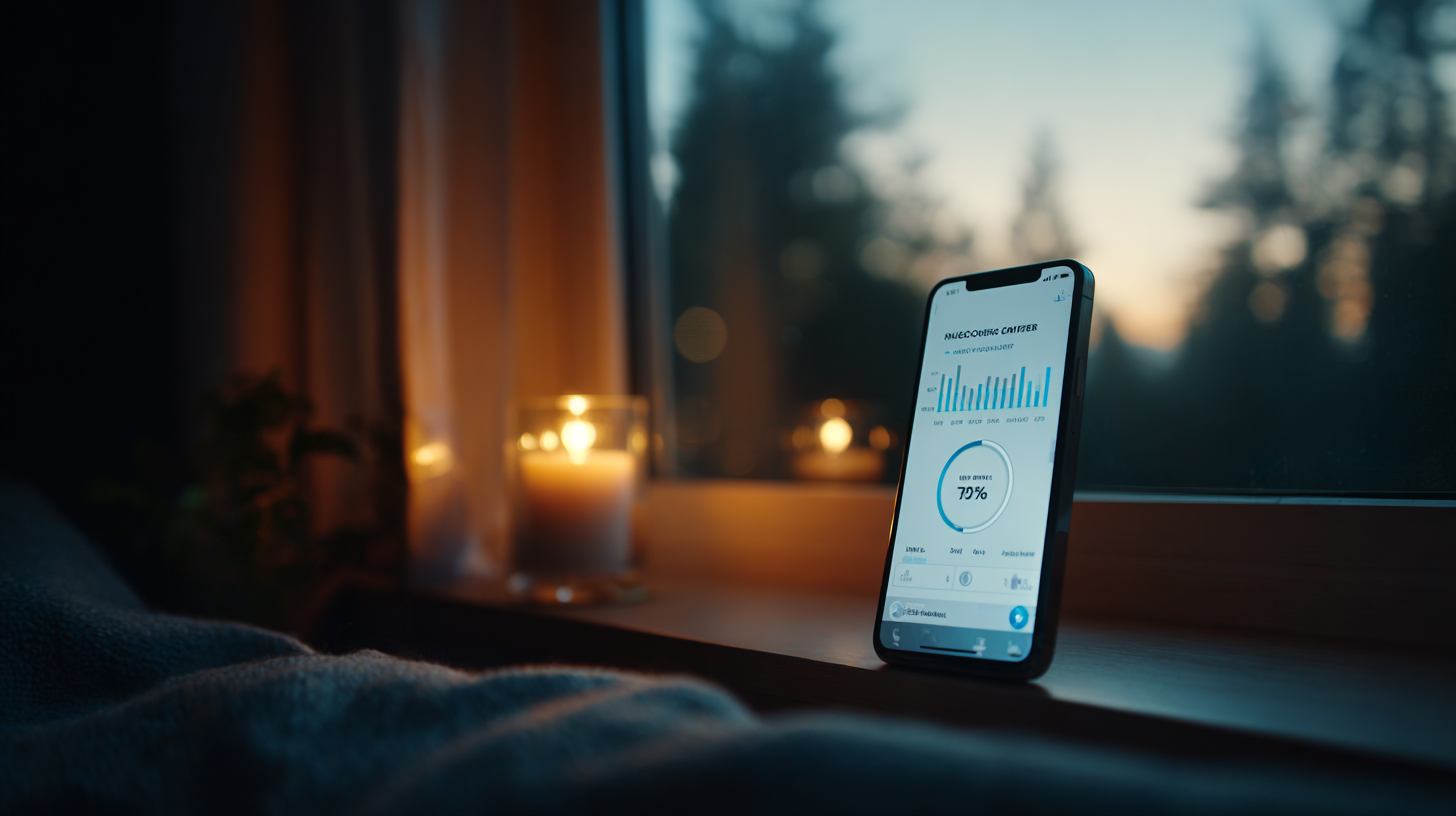
After a time, my friend, the little band on the wrist no longer feels like a marvel. Its silent numbers become familiar, almost dull. That is where the next wave of technology steps in: the screens that speak back, the voices that call your name, the coaches who never tire, because they are made of code. The tracker tells you what you did; the digital platforms and virtual guides urge you toward what you might yet become.
Think of the phone in your pocket as a kind of gym that folds into the hand. Within it live whole worlds of classes, from gentle stretching at dawn to fierce training that makes the lungs burn and the legs tremble. Platforms like Peloton, Apple Fitness+, and countless lesser-known apps offer guided rides, runs, and strength sessions at all hours. Researchers have found that such home-based digital programs, when used steadily, can improve fitness and help people meet activity guidelines (Coughlin et al., Journal of Medical Internet Research, 2016). The body does not care whether it grows strong under a tin roof or a sky of glass, only that the muscles work, the lungs fill, and the blood runs warm and clean.
What makes these platforms different from a mere stack of exercise tapes is their living nature. The classes are updated. The music changes. The coaches speak as if to you, there and then, and the screen sometimes shows other riders and runners scattered across the world. There is a quiet power in this sense of training “together,” even when each is alone in his room. Studies suggest that online group exercise and virtual communities can lift motivation and adherence, especially for those who are otherwise solitary (Maher et al., Systematic Reviews, 2014). A name on a leaderboard may seem a small thing, yet for some it is the push that keeps them from yielding to the chair after a long day.
The virtual coaches, too, have grown bold. They do not only lead classes; they whisper counsel into the daily round. Many apps now ask for your goals and your history, then lay out programs of walking, strength work, or mobility to carry you week by week. Some adjust the load according to how hard your last session felt, or how your heart rate behaved. Others use artificial intelligence to read patterns in your data and suggest gentler days when your recovery lags. Early research indicates that such tailored digital coaching can help users increase their activity and improve cardiorespiratory fitness more than unguided advice (Jakicic et al., JAMA, 2016).
This guidance is a mercy for the one who does not know where to begin. Many souls have stood at the gate of health reform like travelers at a crossroads, with no map, no compass, only a dim sense that something must change. A virtual coach can show the first steps: three brief walks this week, a light session with one’s own body weight instead of heavy iron, stretches to ease a stiff back, a calm voice to say, “You have done enough for today.” For a beginner, such measured instruction can be the difference between starting and surrendering.
Yet there is danger here, too. These platforms are skilled at spectacle. They offer dazzling sets, pounding music, and instructors so full of zeal that they almost shine. The classes are ranked, the achievements posted, the streaks counted. If the heart is not careful, the quiet work of wellness can become a race for badges and public praise. Researchers warn that while gamification and competition can drive short-term engagement, they may also feed unhealthy comparison and exercise dependence in some personalities (Johnson et al., JMIR Serious Games, 2016). It is a thin line between striving for strength and striving to outdo the stranger on the screen.
You will notice, too, that every one of these platforms has a way of counting. They record how many classes you have taken, how often you log in, how many days in a row you have moved. At first, these streaks feel like friendly handshakes. But when a sequence of glowing checkmarks becomes a chain, you may begin to serve it instead of using it. Some grow anxious when a busy day breaks their streak, as if a number on a screen weighed more than the needs of family, rest, or worship. Wisdom is needed here. A missed day of exercise is not a moral failure. The body thrives on regular effort, yes, but it also requires recovery, and life itself has seasons of labor and calm.
Another promise of these digital coaches lies with those who cannot or dare not enter the crowded gym. The elderly man whose joints ache on cold mornings, the woman recovering from illness, the shy youth who feels every eye upon him in the weight room—each may find it kinder to begin where only a simple screen can see. Tele-exercise programs, offered through video calls or on-demand sessions, have shown benefit for older adults and those with chronic disease, improving strength, balance, and confidence (Adams et al., Telemedicine and e-Health, 2013). When the world seems loud and hurried, a quiet room and a patient instructor on the screen can be a door back into movement and hope.
In some places, live virtual coaching has become almost like having a trainer in the next room. You set up your device, and at the appointed hour a real person appears on the screen, watching your form, adjusting your plan, urging you to lift a little more or to rest a little longer. This arrangement can reach those in country towns where gyms are scarce, or those whose duties at home bind them even as the heart longs for change. It blurs the line between distance and closeness. Research on remote coaching for cardiac rehabilitation, for example, has shown that supervised, technology-delivered exercise can be as safe and effective as traditional center-based care for many patients (Anderson et al., Journal of the American College of Cardiology, 2016).
All this convenience carries a quiet temptation: to keep exercise forever indoors, forever mediated by the glowing pane. One may ride a bike that goes nowhere, run upon a belt that never tastes the dust of the path, lift metal in an airless room while the sun pours down unwitnessed outside. There is value in these tools, especially when weather is harsh or surroundings unsafe. But we must not forget that human beings are fashioned for light, air, and living earth beneath the feet. Outdoor activity, away from screens, brings benefits that cannot be wholly replaced by digital means—better mood, sharper mind, steadier nerves (Barton & Pretty, Environmental Science & Technology, 2010). The wise use of technology for fitness will always leave room for the wind, the trees, and the open sky.
It helps to treat these platforms as you would a well-written guidebook. A guidebook can tell you where the road runs, what dangers lie ahead, where the water is sweetest. But it cannot walk for you, cannot feel the ache in your legs, cannot taste the clean air in your lungs. The digital coach is the same. It can outline the training, show the proper form, even speak encouragement at the right moment. But it cannot give you the inner will to lace up your shoes, nor the quiet discipline to keep going when the novelty fades. That strength comes from conviction, from clear purpose, and for many, from faith in a higher calling that bids them cherish the body as a trust.
There is another thread running through all this: the matter of cost. Some of these platforms ask for a steady stream of payments. New equipment, monthly fees, upgraded plans—these can weigh upon a modest household. But you must remember that the simplest forms of exercise remain nearly free. Walking, body-weight strength, stretching, and humble tools like resistance bands or a jump rope bear no subscription. Many public health bodies now offer open, evidence-based routines online, without charge, that rival paid offerings in safety and effectiveness (Piercy et al., US Physical Activity Guidelines, 2018). A person of slender means need not feel barred from wellness because he cannot buy the latest digital marvel.
As the platforms grow clever, they listen more closely. They note when you skip classes, how hard you breathe during intervals, how often you pause the video. Some already adapt in real time; others will soon predict when your resolve is likely to waver and send timely nudges. If the heart is steady and the purpose clear, such tailoring can be a blessing. It can help guard you against doing too much when you are weary, or too little when you have grown idle. But if you yield every choice to the algorithm, you risk forgetting how to read your own body—the weight of your limbs, the depth of your breath, the quiet signals of fatigue and recovery.
In all of this, the same principle that governed the wearables still stands: let technology be a servant, not a master. Use the classes to learn, to be inspired, to find fresh movements that challenge muscles long unused. Welcome the coach’s counsel when it accords with sound sense, with rest, balance, and moderation. But keep the reins of your life in your own hands, guided by clear knowledge of your needs, by the counsel of wise clinicians when required, and by a conscience awake to the higher purposes of health. The best program is not the flashiest one, but the one you can live with in peace—day after day, season after season—without sacrificing the other duties and joys that make life worth living.
In time, you may find that the digital coach and the living world do not contend with one another but can work together. A brisk walk outside can be logged in the app and counted toward your goals. A simple strength routine taught on the screen can be carried into the yard, where you feel the grass beneath your feet while you move. A breathing exercise once followed indoors can later be practiced under the shade of a tree. In this way, the wisdom of the new tools and the healing virtues of God’s creation become partners in a life ordered toward quiet strength and enduring wellness.
Nutrition apps and smart meal planning
Now, my friend, if the devices on our wrists and the coaches on our screens are like tutors in movement, then the apps that sit quiet in our phones and tablets are like stewards of the table. They walk with us into the market, stand beside the stove, and whisper questions over the plate: “What is this food? What does it do to your body? How much is enough?” In an age when one may order a feast with a few taps and scarcely know what is in it, such help can be either a wise counselor or a subtle tyrant, according to how we receive it.
These nutrition apps are many and varied. Some simply record what you eat, asking you to search for a food or scan a barcode. Others go further, estimating calories, protein, fat, sugar, fiber, and a string of nutrients that once only dietitians spoke of. More advanced tools pair with grocery services and recipe sites, building whole meal plans based on your aims—weight loss, better blood sugar, lower blood pressure, or just more wholesome fare for the family table. Studies show that this simple act of recording intake, called self-monitoring, is strongly linked with better success in weight management and dietary change (Burke et al., Journal of the American Dietetic Association, 2011). When a person sees in plain figures what was once hidden in habit, the conscience often stirs.
You may remember times when a day’s eating seemed modest in your own memory. Yet when written out—breakfast, snacks, drinks, sauces, that “small” dessert after supper—the true picture appears. Nutrition apps hold up this mirror with little ceremony. One woman I spoke with believed she “rarely” drank sweetened beverages. After a week with a tracking app, she found that soda, flavored coffee, and bottled teas visited her lips nearly every day. Another man discovered that though he avoided obvious sweets, his beloved white bread, fried foods, and creamy dressings quietly flooded his meals with more calories than his workday ever burned. The app did not scold; it simply recorded. That honest ledger was enough to rouse them to reform.
Where older calorie tables were dry and awkward to use, modern platforms smooth the way. You can scan the barcode of a can or box, and the numbers leap into place. Chain restaurants often have their menus loaded into the system, so that with a few taps you see the cost, not in coins, but in energy and sodium and sugar. Research has found that such clear labeling, when noticed, can influence people toward lighter choices, especially when they are already seeking better health (Sinclair et al., Obesity Reviews, 2013). The wise use of this technology can turn the grocery aisle from a guessing game into a schoolroom where each label is a lesson.
But these same tools do more than reveal excess; they can also expose neglect. Many discover, with some surprise, that while energy intake is high, fiber is low, fruits and vegetables are scarce, and water is a poor second to other beverages. Some apps now display a simple score for diet quality, encouraging more whole grains, legumes, nuts, seeds, and colorful produce. The change is often most striking when a person begins to replace packaged snacks with fresh fruit, raw nuts, and simple homemade foods. The numbers shift: sodium falls, added sugars decline, fiber climbs, and the daily log brightens with greens, oranges, reds, and purples. In such ways the app becomes like a gentle tutor, pointing us toward “the good and the wholesome” at every meal.
Alongside tracking, a great host of recipe and planning apps has risen, promising to free us from the constant question, “What shall we eat today?” These tools allow you to choose the kind of pattern you desire—more plant-based, heart-healthy, budget-conscious, or tailored to diabetes, celiac disease, or food allergies. They then assemble lists of meals, often with step-by-step instructions and automatic shopping lists. For the weary parent trying to feed a household, this can feel like a mercy from heaven. No longer must every evening begin with a blank mind and an empty counter. The plan is set forth; the ingredients are named; the steps are laid out.
Such orderliness is no small thing. Many poor food choices are not driven by active rebellion against sound principles, but by fatigue, haste, and confusion. A worker comes home late, famished and worn. With no plan, the cupboard seems bare, the stove a burden, and the glowing delivery app a siren song. But if a simple, wholesome meal has already been chosen—a pot of beans ready to warm, a tray of vegetables prepared for roasting, whole grain bread at hand—the path of good sense becomes the path of least resistance. Studies on structured meal planning have found that those who plan ahead are more likely to meet dietary guidelines and less likely to rely on fast food or impulsive choices (Ducrot et al., Public Health Nutrition, 2017). When nutrition apps help build that structure, they are serving both appetite and conscience.
Some of these tools now reach into the very shelves of the store. Grocery apps, tied to nutrition guidelines, can flag items that are particularly high in sugar, salt, or saturated fat, or highlight those rich in fiber and micronutrients. A few allow you to filter products by criteria—“whole grain,” “low sodium,” “no added sugar”—and even suggest healthier alternatives when you scan a less wholesome choice. For a new learner who feels lost among the aisles, this is like having a wise dietitian quietly walking beside the cart. Research on such in-store digital aids suggests they can shift purchasing patterns toward healthier options, especially when they are easy to use and based on clear standards (Ni Mhurchu et al., International Journal of Behavioral Nutrition and Physical Activity, 2018).
Yet, my friend, as with the wearables and the digital coaches, the blessing of these apps depends greatly on the spirit with which they are used. If one approaches them merely as instruments for rapid weight loss, the temptation is strong to treat food as numbers alone—calories to cut, grams to fear, targets to hit exactly each day. For some, especially the young and those inclined to anxiety, this can harden into bondage. Research has raised concerns that highly detailed tracking may worsen disordered eating in vulnerable individuals, encouraging obsessive thought about food and rigid rule-keeping instead of balanced, joyful nourishment (Simpson & Mazzeo, Current Psychiatry Reports, 2017).
When a person spends more time logging meals than sharing them, or when the day’s peace rises and falls with the calorie total, the tool has overstepped its rightful place. Food was given not only to sustain life, but also to foster fellowship, gratitude, and simple pleasure taken in moderation. A bowl of hearty soup enjoyed with loved ones, eaten in thankfulness and quiet, nourishes more than the body. If an app leads us to dread the table, to fear every few grams over our assigned budget, we must step back and remember that the highest aim of wellness is harmony, not slavery to figures.
Another snare appears when people chase dietary fashions through their screens. Today, a popular influencer praises a strict plan that banishes whole groups of foods; tomorrow, another hails a different pattern with equal zeal. The apps quickly adapt, offering filters for “keto,” “paleo,” “detox,” or other regimens whose long-term safety is not always established by careful science. Some of these patterns may bring short-term results to certain individuals, especially when they displace obvious excess and refined products. But without wise guidance, they can also lead to nutrient gaps, social isolation at meals, and weariness with constant restriction.
Balanced research continues to uphold a few plain, enduring principles: eat a wide variety of minimally processed plant foods; choose whole grains over refined; favor beans, lentils, fruits, vegetables, nuts, and seeds; use added sugars and rich, fatty foods sparingly; and drink water as the main beverage (US Dietary Guidelines, 2020–2025). The soundest use of nutrition apps is to help us embody these timeless counsels in the daily round—not to chase every new trend that flashes across the screen, but to make steady, humble progress toward simpler, cleaner eating patterns that can be kept for a lifetime.
Likewise, we must guard the privacy of our tables. Many apps now ask for not only what you eat but also where you live, your medical conditions, and your emotional state. Some share data with advertisers and food companies, shaping the offers and coupons that appear before your eyes. It is one thing to receive a reminder to buy oats, beans, and frozen vegetables at a fair price; it is quite another to be constantly pressed with promotions for sugary drinks and ultra-processed snacks, cleverly packaged as “rewards” for your loyalty. Those who use such tools should read their settings carefully, turn off needless data sharing where possible, and remember that no app is free from the pull of profit.
On the brighter side, there is growing evidence that thoughtfully designed digital nutrition programs can help those with serious conditions manage their diets more faithfully. People with diabetes, for example, can use apps that track carbohydrates, blood sugar readings, and medication, sometimes linking directly with blood glucose monitors. Studies have shown that such systems can improve glycemic control, especially when they include personalized feedback from clinicians or health coaches (Hou et al., Journal of Medical Internet Research, 2018). Likewise, individuals with high blood pressure may receive salt-reduction guidance and recipe modifications from hypertension-focused apps, aiding them in lowering their numbers without feeling deprived.
For the person newly told by his physician that his cholesterol is too high or his blood pressure too stubborn, these tools can provide a daily companion in reform. They can suggest how to swap red meat for legumes, butter for olive oil, salty snacks for unsalted nuts and fruit; they can bring to mind simple, hearty dishes like oatmeal, lentil stews, and baked potatoes with vegetables, which have nourished generations without lavish cost. In times past, such changes often required many visits to a clinic or library. Now, a diligent learner may carry a pocket library of heart-healthy recipes and guidelines wherever he goes.
But let us not forget the humbler, offline habits that even the best technology cannot replace. The quiet practice of preparing food at home, from recognizable ingredients, remains one of the surest ways to improve diet quality. Cooking at home is consistently associated with higher intakes of fruits, vegetables, and whole grains, and lower intakes of fast food and added sugars (Wolfson & Bleich, Public Health Nutrition, 2015). Nutrition apps can suggest recipes and teach techniques, but the actual washing, chopping, stirring, and tasting must still be done by living hands. There is a kind of moral education in this work: we learn patience, foresight, and respect for the gifts of the earth.
If you choose to welcome these digital stewards into your kitchen, consider a few simple guardrails. Use tracking as a teacher, not a lifelong master. A season of careful logging—perhaps a few weeks or months—can open your eyes to patterns you never suspected. Once you have learned what portions truly look like, how energy-dense certain foods are, and how to compose a plate rich in plants and modest in concentrated fats and sweets, you may be able to set aside the constant weighing and counting. Periodic check-ins can refresh your awareness without binding you to perpetual record-keeping.
Favor features that build positive habits over those that only punish “mistakes.” Some apps now celebrate days when you meet goals for vegetables, fiber, or water, or when you cook at home several times a week. This approach aligns more closely with the gentle way in which lasting change is made: by strengthening what is good until it crowds out what is harmful. You will find it easier to add a daily salad, a serving of beans, or a piece of fruit than to white-knuckle your way through endless forbiddings. Let the app remind you of what to include, not merely what to avoid.
It is also wise to keep your own body’s signals firmly in view. No screen can feel the warmth of hunger in your stomach, the satisfaction after a well-balanced meal, or the heaviness and discomfort that follow overeating. Some digital plans urge people to eat by the clock or to hit fixed numbers even when the body whispers that it has had enough—or that it has not yet been fed. True dietary reform marries knowledge of nutrients with respect for the God-given sensations of hunger and fullness. If an app commands you to eat when you feel no need, or to stop when wholesome hunger is not yet quieted, you do well to question its counsel.
Finally, remember that these tools, for all their algorithms and glossy screens, are still only aids. They cannot choose your companions at the table, cannot lead your heart in gratitude before the meal, cannot still the restless mind that drives so many to thoughtless snacking. They may point you to better foods, but they cannot set your affections on better purposes. For that, a higher motive is needed—the desire to preserve the body as a trust, to keep the mind clear for duty, to be free from the bondage of appetite so that you may serve with a steady hand and a cheerful spirit. When such a purpose is fixed, nutrition apps and smart meal planning become instruments in that larger work, helping you to arrange your pantry, schedule, and habits in ways that support quiet, enduring health.
So let the phone in your pocket serve as a modest helper at the market and in the kitchen—a reminder to choose the apple over the candy bar, the brown rice over the white, the pot of soup over the bucket of fried food. Let it guide you toward regular meals, simple recipes, and thoughtful portions. But keep the higher reins of choice in your own hands, informed by sound science, by the testimony of your own body, and by a conscience awake to the sacredness of life. In this way, the modern art of smart meal planning can be harmonized with the old paths of temperance, gratitude, and simplicity, leading not to anxious obsession, but to a stable, joyful pattern of eating that nourishes both body and soul.
Sedentary behavior and screen time challenges
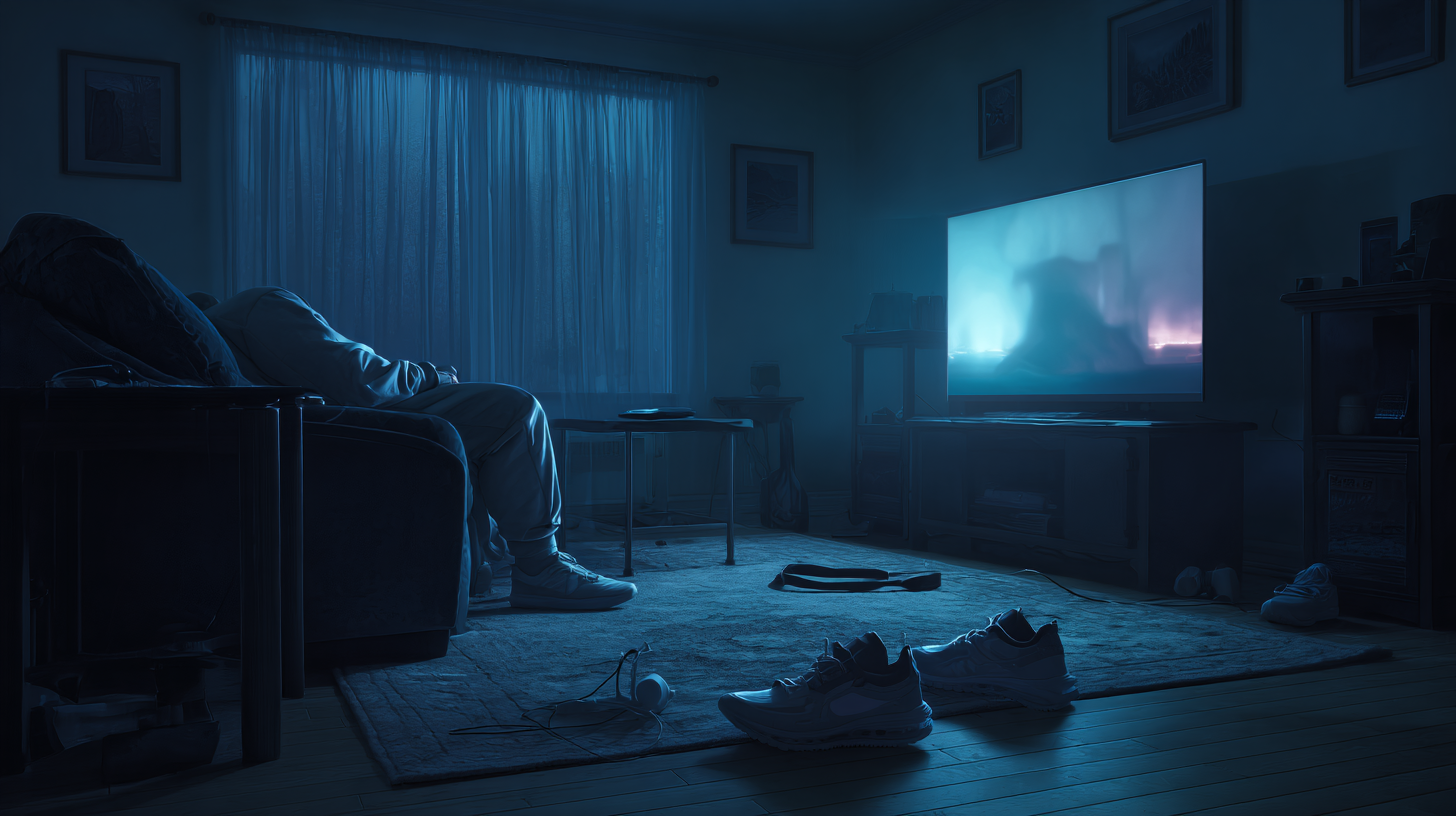
Yet, my dear friend, while all this technology whispers of steps to be taken and vegetables to be eaten, there is another, quieter influence at work—less talked of in advertisements, yet most potent in its power to shape our days. I speak of the hours we spend in our chairs, our eyes fixed upon shining panes of glass. For it is entirely possible for a person to possess the finest devices for wellness, and still to live a life more bound to the seat than any generation before him.
In former times, even those who never once “exercised” in the modern sense walked about their tasks from dawn till dusk—tending fields, sweeping floors, hanging laundry, walking to market, visiting neighbors on foot. The labors of life, though often hard, kept the limbs in constant use. Now, very many of us earn our bread by sitting—before a computer, at a counter, behind the wheel. Work that once demanded the strength of the body now requires chiefly the endurance of the spine in a chair. And when the day’s labor is over, instead of strolling the lane or sitting by the open window, we often pass our leisure in much the same posture, only with brighter pictures and quicker stories upon our screens.
Scientists have given this pattern a solemn name: sedentary behavior—waking time spent sitting or reclining, with very low energy use. They have learned that this is not simply the opposite of exercise, as if an hour in the gym might wipe away ten hours in the chair. Rather, sitting itself appears to bring its own set of troubles: slower blood flow, tighter muscles in some places and weaker ones in others, a dulled response to insulin, and changes in how the body handles fats and sugars. Large studies have found that those who sit for many hours a day, especially in long, unbroken bouts, face higher risks of heart disease, type 2 diabetes, and even early death, quite apart from how much they formally “work out” (Biswas et al., Annals of Internal Medicine, 2015).
Perhaps you have felt some of this in your own frame. After a long stretch at the desk or before the television, the body seems heavy, the mind cloudy, the eyes dry and irritable. Rise up and walk a little, and you may notice that your back protests, your hips feel stiff, and your legs strangely numb, as though they had forgotten their trade. The contrast between a brisk half-hour outdoors and a day of nearly unbroken sitting is like that between a room with windows flung open and one long shut up against the air. Though you may not fall ill at once, something in you knows that this stillness is not quite what we were made for.
Our devices, though they promise health and amusement together, can quietly magnify this problem. If the workday demands eight or nine hours at the computer, and the evening then brings streaming shows, social media, mobile games, or unending news, the total of sitting may stretch to twelve or fourteen hours without much notice. Researchers writing of “screen time” have observed that high amounts of recreational screen use—especially television and passive video watching—are associated with greater risk of obesity, poor sleep, and depressive symptoms, in both adults and children (Stiglic & Viner, BMC Public Health, 2019). The screen does not only sit still; it invites us to sit still along with it.
Children and adolescents are especially vulnerable. Once, their mischief was chiefly outdoors—climbing, running, inventing games with sticks and stones, walking to and from school. Now, for many, a great part of play has moved into the digital realm. Video games, social platforms, and endless clips hold them in a spell. Studies show that many young people in industrialized countries now exceed the recommended limit of recreational screen time—often spending three, five, or even more hours per day in front of entertainment media alone (Twenge & Campbell, Preventive Medicine Reports, 2018). At the same time, their daily moderate-to-vigorous physical activity declines. It is no marvel that complaints of poor fitness, excess weight, and troubled sleep have grown more common.
Even among adults who attend faithfully to their morning walks or gym visits, long spells of sitting may still “slip through the cracks,” as it were. One might rise early, jog dutifully for thirty minutes, and then sit almost without interruption until bedtime. Research suggests that while regular exercise softens some of the harms of prolonged sitting, it does not wholly erase them; there remains an independent effect of how much we sit and how seldom we break it (Ekelund et al., The Lancet, 2016). It is as if the body keeps two ledgers—one for the active hours and another for the idle ones—and both must be considered when we speak honestly of wellness.
There is another, more hidden, cost to our screens: the way they trifle with our attention and steal hours almost without our leave. Have you ever sat down meaning only to glance at one message, one article, one short video, and then lifted your eyes to find that forty minutes, or an hour, has vanished? This is not merely weak character; it is also artful design. Many apps and sites are built to keep us engaged as long as possible, with endless scrolls, auto-playing videos, bright notifications, and clever rewards. Scholars of behavior have warned that such mechanisms can foster a kind of “digital compulsion,” making it harder to rise from the chair or set the device aside, even when we know we have sat long enough (Alter, Irresistible, 2017).
And when screens follow us into the bedroom, the troubles grow yet more serious. The bright light, especially the bluish tones common in phones and tablets, can confuse the brain’s sense of time, suppressing the evening rise of melatonin that helps us feel ready for sleep. At the same time, the content—be it thrilling, upsetting, or merely crowded with information—stirs the mind into a wakeful whirl just when it ought to be quieting. Studies consistently link late-night screen use with delayed bedtimes, shorter sleep, and poorer sleep quality, in both adults and children (Hale & Guan, Sleep Medicine Reviews, 2015). In such cases the device robs us twice—first of movement, and then of rest.
Yet, my friend, we need not accept this quiet bondage as an unalterable fate. The same technology that tempts us to sit can be turned, with a little cunning, into an ally in breaking the spell of stillness. You remember how the wearables and fitness apps can be set to remind us to move? Many allow you to choose an interval—perhaps every hour—at which they gently vibrate or chime if you have not taken a certain number of steps. At first, such nudges may seem impertinent. But research has shown that short “movement breaks” of even one or two minutes every half hour—standing, walking a little, stretching—can improve blood sugar control and reduce insulin and triglyceride responses compared with unbroken sitting (Dunstan et al., Diabetes Care, 2012).
If you work at a desk, you might treat these prompts as you would the old-fashioned clock that once governed factory bells—signals that it is time to rise, refill your water, step outside for a breath of air, or climb the stairs once or twice. Some have found it helpful to place the printer, the wastebasket, or even the phone across the room, so that small tasks require rising rather than rolling in the chair. Others arrange their day so that certain conversations are held while walking—indoors along a corridor, or outdoors when weather and setting allow. Such “walking meetings,” once a novelty, are now recommended in some offices as a way to reduce sedentary time and improve mood and creativity.
At home, the same principle may be brought to bear upon our screen habits. If you enjoy an evening program or a favorite series, you might decide that every new episode—or every set number of minutes—must be “paid for,” as it were, with a short spell of movement. One family I knew made it a rule that before the next show could begin, all must rise to stretch, march in place, or walk two or three laps about the house. Others pair screen time with light chores: folding laundry while listening to an audio sermon or lecture, tidying a room during advertisements, or walking indoors with a simple stepping routine while watching. These are small things, yet they break the long chains of stillness that otherwise wind round us unawares.
For children, especially, clear boundaries are a mercy, not a cruelty. Health authorities such as the American Academy of Pediatrics advise setting firm limits on recreational screen time and ensuring that devices do not displace sleep, physical activity, homework, or family interaction (AAP Council on Communications and Media, Pediatrics, 2016). In practice, this may mean keeping screens out of bedrooms, designating screen-free hours—for instance during meals and the hour before bed—and anchoring each day with at least one period of active play outdoors when possible. You might make use of the very charms of technology by choosing active video games or dance routines that prompt movement, but let them be servants to true play, not its masters.
Of course, there are seasons and situations in which long hours of sitting seem unavoidable—illness, injury, demanding studies or work. In such times, the aim may not be to eliminate sitting, but to make it as gentle as possible on the body. Simple seated stretches, ankle circles, shoulder rolls, and deep breathing can help keep blood and air moving. For those who are able, a standing desk or adjustable workstation can offer the option to alternate sitting and standing through the day; studies suggest that reducing prolonged sitting with such arrangements can modestly improve comfort and reduce fatigue, though they are not in themselves a full substitute for walking (Shrestha et al., Cochrane Database of Systematic Reviews, 2018).
It may comfort you to know that the remedy for sedentary living does not require heroic exertions. Public health guidelines speak not only of vigorous running or strenuous sports, but of many small choices that, added together, restore a more natural rhythm to our days: taking the stairs instead of the lift, walking or cycling short distances instead of driving, rising to speak with a colleague rather than sending yet another message, tending a garden, doing housework with some purpose and briskness, playing simple games with children in the yard. The beauty of these modest acts is that they do not feel like “exercise” at all; they are simply living more actively.
You will find that when sitting is broken more often, and screens are kept within bounds, other graces begin to return almost of their own accord. There is more time for conversation, for reading from a real book, for quiet thought and prayer, for crafts and handiwork that employ the fingers and soothe the mind. Sleep comes more easily when the eyes have rested from bright light and the body has been gently worked. Appetite grows more moderate and wholesome when the day has been punctuated by steps and fresh air instead of only images and information. In this way, the discipline of rising from the chair becomes not a narrow rule but a door that opens into a richer life.
So, let the same prudence you bring to your food and your formal exercise also govern your time in the chair and before the screen. Use your apps and wearables to reveal how much of the day vanishes into sitting, and then choose, with purpose, where you will plant little islands of movement and quiet in that sea. Remember that good health is not measured only by miles run or calories burned, but by the whole pattern of the day—the alternation of work and rest, motion and stillness, focus and release. When technology is pressed into the service of that balance, rather than allowed to unmake it, our devices can help free us from the subtle bondage of the chair and restore us, little by little, to the more active, wakeful way of life for which we were fashioned.
Future trends in technology-enabled wellness
As we cast our eyes toward the coming years, we find that all these scattered tools of technology—wearables, fitness platforms, nutrition apps, even our household devices—are beginning to speak to one another. What once were isolated gadgets are slowly weaving themselves into a kind of personal “health network” that follows us through the day. Your watch may sense a troubled heart rhythm and quietly share that fact with your phone, which in turn may alert a clinician or suggest a calm-breathing session. Your kitchen devices may notice how often you heat prepared meals and encourage you toward simpler, home-cooked fare. The lines between prevention, daily habit, and medical care are blurring into a single, continuous stream.
Already, some systems can take readings from a blood pressure cuff, a glucose sensor, or a sleep-tracking ring and combine them with your movement data to form a more complete picture of your wellness. Algorithms sift through these figures to identify patterns a human eye might miss: a slow creep upward in resting heart rate that hints at mounting stress, or a subtle decline in daily steps that precedes low mood. In the near future, it is likely that many people will receive early warnings from such systems—gentle notices that say, in effect, “Something is changing; consider your sleep, your stress, your food, and, if needed, seek counsel.” Are you ready for a world in which your body’s whispers are translated into data and spoken back to you before illness becomes loud?
Even now, researchers are training artificial intelligence to act as a more attentive guide in this sea of information. Instead of offering the same advice to every user, these systems can tailor recommendations to your history, your preferences, even your daily schedule. One person may receive prompts to break up long afternoons of sitting with brief walks; another may be coached to eat a more substantial breakfast and a lighter late meal to aid blood sugar control. Machine-learning models are already being tested to predict which patients with heart failure or diabetes are most at risk of complications, allowing care teams to intervene earlier (Khera et al., Nature Reviews Cardiology, 2022). If such tools become commonplace, will we allow them to sharpen our judgment, or will we drift into trusting them more than the careful weighing of evidence, conscience, and wise counsel?
Another growing trend lies in the home itself becoming a quiet guardian of health. Smart scales, connected blood pressure monitors, and internet-linked thermometers are but the beginning. “Ambient” sensors—embedded in beds, chairs, doorways, or even lighting systems—are being developed to track movement patterns, sleep, and daily routines without the person needing to press a button. For older adults, these setups may detect subtle changes that suggest increased fall risk, cognitive decline, or the onset of infection days before serious symptoms appear. Imagine a nightlight that brightens slightly when it senses you stirring to prevent a stumble in the dark, or a bathroom mirror that offers a brief health check as you brush your teeth. Does such a home feel like a sanctuary of care to you—or does it stir questions about how much of your private life you are willing to place under gentle surveillance?
As remote care expands, the space between the clinic and the living room will continue to shrink. Telehealth visits that grew common in recent years are now being joined by remote rehabilitation programs, digital mental-health therapies, and app-based coaching for chronic conditions. Clinical-grade wearable patches can record continuous heart rhythms for days, while portable devices can perform basic lung-function tests or electrocardiograms at home. For people in rural areas, those with limited transportation, or those whose strength will not easily carry them to a hospital, this may be a great mercy. Yet it also raises a vital question: will we learn to use this ease of access to support deeper responsibility for our own wellness, or will we grow more passive, expecting distant professionals to solve problems that spring from habits we alone can change?
We also stand at the threshold of more intimate personalization of diet and movement than any earlier generation imagined. Fields like nutrigenomics and microbiome research are exploring how our genes and gut bacteria respond to different foods. Some early studies suggest that two people may show very different blood sugar responses to the same meal, calling into question the old belief that one strict pattern suits all. Already, a few services offer dietary advice based on genetic tests or stool samples; more are sure to follow, promising to “tune” your meals to your body’s unique design. In like manner, training plans may soon be shaped not only by age and fitness level, but by how your muscles, heart, and even your nervous system adapt to various kinds of exercise.
This promise of personalized health support can indeed be used for good—protecting some from needless restriction while helping others find the particular changes that yield the greatest benefit. But it also invites a deeper reflection: how will we keep our sense of shared, simple principles when every app claims to know our special path? Will we cling to the old, well-tested foundations—more whole plant foods, regular movement, sufficient rest, temperance in all things—even as we explore finer personal adjustments? Or will we lose ourselves in a maze of customization, forever adjusting, never settling into a stable, livable rhythm?
Another current running swiftly through the future of technology-enabled wellness is virtualization. Virtual reality (VR) and augmented reality (AR) tools are being used to create exercise experiences, exposure therapies for phobias, pain distraction techniques, and guided relaxation in richly imagined environments. A patient with chronic pain may walk through a serene virtual forest while performing gentle physical therapy. A person frightened of heights may, under a clinician’s care, “practice” facing their fear in graduated steps without leaving the safety of a room. There is even research suggesting VR can help older adults with balance training and reduce their risk of falls by challenging their coordination in controlled ways.
Used wisely, these immersive tools might bring to many a sense of adventure, variety, and hope that simple written instructions never could. Yet they also risk deepening our separation from the physical world that already holds so much healing: the feel of wind on the face, the scent of pine and soil, the play of light on water. If one can climb virtual mountains or walk digital seashores, will one still seek the nearest park or woodland when the day is fair? You may wish to ask yourself: how can such tools serve as a bridge that leads back to real-world activity, rather than a substitute that slowly replaces it?
There is, too, a growing movement to make all of this technology more humane—what some call “ethical” or “minimalist” design. Developers, public health leaders, and even former tech executives are raising concerns about designs that harvest attention and data at any cost. In response, new wellness tools aim to respect limits: they encourage device-free time, simplify interfaces to reduce distraction, and make it easier to understand and control what data is collected and how it is used. Some apps are beginning to celebrate days when you did not log in but were active and present in other ways. Could it be that the wisest wellness technologies of the future will be those that gladly step out of the way, urging you toward people, nature, and quiet rather than trying to capture every spare moment?
Alongside design reform, the question of fairness looms large. Many of the most advanced tools—continuous glucose monitors used for “optimization,” DNA-based diet programs, high-end VR systems, subscription fitness platforms—are costly. There is a real danger that the benefits of these innovations will pool among the wealthy, while those with fewer resources are left with poorer environments, limited healthy food options, and little access to supportive technology. Public health thinkers are therefore asking: how can we harness digital tools to narrow, rather than widen, the gap in health outcomes? Will communities, clinics, and faith groups band together to offer shared access, education, and support, or will each new device simply become one more marker of advantage?
Thinking forward, it is not hard to imagine workplaces, schools, and even cities shaped more deliberately around wellness, with data playing a central role. Employers may offer personalized activity and sleep programs as part of standard benefits, tracking anonymized patterns to adjust lighting, break schedules, or workspace design. Schools could use movement and attention data to structure lessons with more frequent active breaks, helping children learn better while sitting less. City planners may draw on aggregated walking and cycling data to decide where to build safer paths, parks, and crossings. But this vision also presses us to wrestle with privacy and power: who owns this data, who decides how it is used, and how will individuals speak up if the “healthy” design does not fit their needs or convictions?
In the end, the most decisive trend may not be a specific gadget, algorithm, or platform, but the maturing of our own hearts and minds as we live among them. The tools will grow more subtle, more integrated, more persuasive. They will guess our moods, predict our lapses, and offer timely prompts, sometimes before we even feel the desire to change. If we are not careful, we may slowly surrender the habit of deliberate choice, letting the current of suggestions carry us where it will. But if we choose instead to treat each new advance as an opportunity to learn, to question, to align more closely with sound principles rather than fashion, then these same tools can help us grow into more thoughtful stewards of the bodies and days entrusted to us.
So pause, for a moment, and consider: what sort of future are you preparing yourself to inhabit? One in which you drift, surrounded by ever-smarter devices, passively following their prompts? Or one in which you use each new instrument as a lens to understand your life more clearly, then act with purpose—simplifying, setting boundaries, seeking balance, and rooting your choices in something more enduring than the latest update? The trends in technology-enabled wellness are not fixed destinies; they are tools whose moral weight will be shaped by the hands that wield them. Your curiosity, your questions, and your willingness to seek deeper wisdom may prove as influential as any algorithm yet written.
- How will artificial intelligence change personal health and wellness in the next few years?
- Artificial intelligence is likely to make health guidance far more personalized, drawing on your activity, sleep, nutrition, and medical data to offer tailored recommendations. It may help spot early warning signs of trouble, but it will still require your judgment to decide which suggestions truly align with sound, balanced living.
- Should I be worried about privacy when using future wellness technologies?
- Yes, privacy deserves serious attention, because many devices and apps collect sensitive health information that can reveal intimate details of your life. You can protect yourself by reading privacy policies, adjusting data-sharing settings, favoring tools that are transparent and compliant with health regulations, and supporting policies that give individuals clear control over their own data.
- Will virtual reality and augmented reality replace traditional exercise?
- They are more likely to supplement than fully replace traditional exercise, offering variety, motivation, and access for people who might otherwise struggle to start. Even so, real-world movement—walking outdoors, working with your own body weight, engaging with natural environments—provides unique physical and mental benefits that no virtual scene can completely reproduce.
- Can future wellness technologies really prevent disease, or do they just help track it?
- When used wisely, future tools can support true prevention by revealing early changes in sleep, stress, blood pressure, blood sugar, and activity patterns that invite timely lifestyle changes. However, prevention still depends on consistent action—healthy food, regular movement, adequate rest, and prudent medical care—not on tracking alone.
- How can I keep from becoming too dependent on health apps and devices?
- Set clear boundaries from the beginning: decide when you will check data, when you will set devices aside, and which metrics truly matter. Use technology as a teacher for a season, then practice living the learned habits without constant monitoring, returning only for occasional check-ins.
- What if I cannot afford the latest wellness technologies—am I missing out on essential benefits?
- You are not shut out of true health simply because you lack expensive devices; core habits like walking, stretching, simple home cooking, good sleep routines, and stress management remain powerful and essentially free. Many public and nonprofit resources now offer high-quality guidance online at no cost, so you can gain knowledge even without premium tools.
- How can communities and faith groups use future wellness technologies wisely?
- They can share devices and subscriptions, offer group education, and create supportive programs that emphasize balance, privacy, and compassion rather than competition or display. By rooting technology use in shared values—service, moderation, and respect for human dignity—communities can help members discern which tools genuinely promote wellness and which simply add noise.
Ashland Ashland Sabbath Chapel
Beside our live streamed church services, all are welcome to attend our church in person each Saturday beginning 10:00 AM Central Time by going to 2425 Owens Rd., Ashland, AL 36251. There is no cost and any donations are strictly voluntary.
For questions, call +2563547124.