Come join Ashland Sabbath Chapel Ministries each Saturday for live streamed church services. Bible Study begins at 10:00 AM Central Time and Sermon at 11:00 AM. Visit Our YouTube channel and watch from home!
You probably think you know where the salt is. The shaker on the table. The pinch you throw into the pot. But most of the sodium that sneaks into your day doesn’t come from your own hand. It comes quiet and hidden, packed into foods that look harmless, even healthy. That is the trick of it.
In the US, about 70% of the sodium people eat comes from packaged and restaurant foods, not from cooking or the salt shaker at home, according to the CDC and the American Heart Association [1][2]. You can eat what looks like a normal day’s food and walk straight past your daily limit without ever tasting anything “too salty.” That makes knowing where it hides as important as knowing how much you add.
Start with the foods that don’t taste like junk but act like it. Bread, rolls, tortillas, and breakfast cereals. A single slice of bread can have 100–200 mg of sodium. Two sandwiches, a couple of slices of toast, and you’re already halfway to the 1,500–2,300 mg daily range that major guidelines suggest as a reasonable upper limit for most adults [2][3]. It doesn’t feel like a salty meal. It just feels like Tuesday.
Then there is cheese. Not the kind you heap on a party platter, but the quiet slices that slide into your eggs, your sandwich, your salad. Many cheeses carry 150–300 mg of sodium per ounce. Put two slices on a sandwich, add some deli meat, and you have a salt bomb in your hand. Studies tie higher intakes of processed meats and salty cheeses to higher blood pressure and greater risk of heart disease [3][4]. The body keeps score even when your tongue does not.
The big offenders are the obvious ones: deli turkey, ham, bacon, sausage, and hot dogs. These are cured, brined, or smoked, and salt is the backbone of that process. One serving of deli meat can easily carry 500–1,000 mg of sodium, sometimes more [2][3]. You do not need a calculator to know where that leads. Three sandwiches in a week, a weekend pizza, a couple of breakfasts with bacon, and your “moderate” sodium week turns heavy.
But sodium does not only live in meats and cheeses. Look at canned soups, ramen, frozen dinners, and boxed “just add water” meals. Soup can seem like a healthy choice on a cold night. Yet a single can of regular soup can hold 800–1,200 mg of sodium, sometimes enough to cover half a day’s target in one bowl [2]. Frozen entrées and pizzas sit in the same camp. They are made to sit on shelves and in freezers for a long time. Salt is their keeper.
Sauces and condiments are another quiet river of salt. Soy sauce, teriyaki, bottled marinades, ketchup, barbecue sauce, salad dressings, pickles, olives, jarred pasta sauces—these add up quickly. A tablespoon of soy sauce can hold around 900–1,000 mg of sodium. Even “reduced sodium” versions can be high. Ketchup and salad dressings may not taste like the sea, but use them on everything, and they push your tally up. Research on typical American eating patterns shows that condiments and mixed dishes are major sources of sodium, often overlooked in daily nutrition checks [1][2].
Even foods sold with a health halo can be loaded. “Healthy” frozen bowls, veggie burgers, meat substitutes, and high-protein snacks may be packed with salt to make them taste better and last longer. A veggie burger can easily top 300–500 mg, and that’s before the bun, cheese, and sauce. Many plant-based meat substitutes carry sodium levels similar to processed meats. The label might say “plant-powered” or “good for your heart,” but the health story is more complicated once you read the numbers.
Snacks are plain in their intent. Chips, crackers, pretzels, popcorn, nuts roasted with salt, jerky—they are sold to keep your hand reaching back into the bag. It doesn’t take much. A small handful of chips might not look like much, but it can hold 150–250 mg of sodium. Who stops at a small handful? Restaurant appetizers and bar snacks are worse. Salty food makes you thirsty; thirst sells drinks. There is a reason the peanuts on the bar are never unsalted.
Eating out is its own battlefield. Restaurant meals, especially in fast food and casual chains, are often loaded with sodium because salt is cheap, powerful, and consistent. It makes food taste good in a blunt, reliable way. A single burger combo, burrito meal, or large sandwich with fries can blow past 2,000 mg of sodium in one sitting [1][3]. Add a side of soup, a biscuit, or a “healthy” wrap with a salty sauce, and you can hit your entire day’s limit before the afternoon is done. Studies of chain-restaurant menus show that entrées and combo meals are among the highest contributors to sodium in the modern diet [1][3].
There is another layer: sodium in places where you do not expect it at all. Some breakfast bars, flavored yogurts, pancake mixes, and even some sweet baked goods use baking soda, baking powder, or salt for texture and shelf life. They do not taste salty, but they add to the pile. Sports drinks, electrolyte powders, and some “recovery” products include sodium on purpose. That might make sense for athletes who sweat hard for long periods, but many people drink them while barely moving. The sodium goes in, the sweat does not come out.
You can think of the day’s sodium like this: there is the salt you see and the salt you don’t. The salt you see is the shaker and the spoon. The salt you don’t see hides in the bread, the cheese, the sauces, the soups, the snacks, and almost anything that comes in a box, bag, or clamshell from a counter. Public health surveys show that most adults underestimate how much sodium they eat, often by a wide margin [1][2]. That gap comes not from lies, but from blind spots.
Once you know the hiding places, you can start to catch patterns. Maybe it’s two slices of toast, a fast-food lunch, and a frozen dinner. Maybe it’s daily deli meat, restaurant takeout three nights a week, and a habit of eating chips or crackers in front of a screen. On paper, those days look normal. On a lab report, they add up to higher blood pressure, more strain on the heart, and more risk for stroke over time [3][4].
The first move is not to fear salt or live without taste. It is to see clearly. Watch the foods that are made in factories and restaurant kitchens before they reach your plate. Notice how often you lean on canned soup, frozen meals, deli counters, and takeout. And remember this: the sodium that does the most damage is often the sodium you never realized you were eating.
References:
[1] Centers for Disease Control and Prevention. “Sodium and Food Sources.” Updated 2023.
[2] American Heart Association. “Sodium and Salt.” Updated 2023.
[3] U.S. Department of Health and Human Services and U.S. Department of Agriculture. “Dietary Guidelines for Americans, 2020–2025.”
[4] He FJ, MacGregor GA. “Role of salt intake in prevention of cardiovascular disease: controversies and challenges.” Nat Rev Cardiol. 2018.
Smart strategies for grocery shopping and reading labels

When you walk into the store, the battle is already on. The bright boxes and bold words are there to move your hands, not to guard your health. If you want to cut sodium, you have to move slower than the signs. You have to look past the front of the package and let the small print tell you what you’re really buying.
Start with a simple rule: pick up fewer things that come in boxes and more things that look the way they did when they left the ground or the animal. Fresh fruits and vegetables, plain meat, poultry, fish, dry beans, lentils, oats, rice. The more basic the food, the less likely it’s been salted half to death. A bag of apples does not need a label to tell you it’s low in sodium. A frozen “three-cheese, smokehouse, double-bacon” meal does.
When you do buy packaged food—and you will, because you live in the real world—your best weapon is the Nutrition Facts panel. Turn the box or can around. Ignore the health claims on the front for a moment. Look straight at the numbers on the back like you’re reading a weather report and deciding whether to go out.
First, check the serving size. This is where a lot of people slip. If the label says 600 mg of sodium per serving and there are two servings in that tiny package, you are really looking at 1,200 mg if you eat the whole thing. Most of us do. A “half cup” serving of soup means nothing when the can is your lunch. For anything you know you’ll eat all of, double the number in your head if the label pretends you’ll share it.
Next, look at the sodium line and the % Daily Value right beside it. The Daily Value for sodium on most US labels is 2,300 mg. If a food lists 20% DV, that one serving uses up about a fifth of that budget. For most people trying to keep their blood pressure steady, it’s better to aim lower than the label’s target—closer to 1,500–2,000 mg a day—but that % figure is still handy. Under 5% per serving is low. Over 20% is high. When you see 35% or 45% on something like a frozen entrée or a canned soup, you know you’re holding a salt heavy-weight.
Make a habit of comparing brands right there in the aisle. Hold two jars of pasta sauce side by side. One might carry 140 mg of sodium per half cup. Another might have 450 mg for the same amount. Same shelf, same price range, very different story. It’s the same with breads, crackers, cereals, and frozen vegetables with sauces. Those quiet swaps can slice hundreds of milligrams off your day without changing what you actually eat.
When you’re short on time, front-of-package labels can still help, as long as you don’t trust them blindly. Words like “reduced sodium,” “light in sodium,” or “less sodium” only mean the product has less salt than the company’s regular version, not that it’s actually low. A “reduced sodium” soy sauce can still hit 500–600 mg per tablespoon. If the front of the package makes a claim about salt, flip it over and see if the numbers match the promise.
Health halos are strong. “Organic,” “natural,” “gluten-free,” “keto,” “plant-based,” or “heart-healthy” do not automatically mean low sodium. An organic canned soup can still hit 800 mg a serving. A gluten-free frozen pizza can still knock you over 1,000 mg without blinking. If you remember nothing else, remember this: the ingredient list and the numbers on the back are the truth; the front is the sales pitch.
The ingredient list has its own clues. Salt will appear as “salt,” “sea salt,” or sometimes as compounds like “sodium bicarbonate,” “sodium phosphate,” “monosodium glutamate (MSG).” The closer these sit to the top of the ingredient list, the more of them there is in that food. If salt is in the first three ingredients on a cracker, bread, or snack, you know what’s really holding it together.
Canned foods are a good example of how you can steer things. If you buy canned beans, look for “no salt added” or “low sodium” on the label. Turn them around and confirm: no more than 140 mg of sodium per serving is what “low sodium” should mean. If all you can find is the regular version, you can still help yourself—pour them into a colander, rinse them under cold water for 30–60 seconds. That can wash away a fair chunk of the surface sodium. It won’t make them perfect, but it can drop the number enough to matter over a week.
It’s the same with canned vegetables, tomatoes, and broths. There are often three versions sitting together: regular, reduced sodium, and no-salt-added. The regular broth might land at 800–900 mg of sodium per cup. The reduced version might drop to 400–500 mg. The no-salt-added will be close to zero. If you get used to buying the no-salt-added broth and seasoning your soup yourself, you control the salt instead of trusting a factory cook who never met you.
Frozen food can go either way. Plain frozen vegetables—peas, green beans, broccoli, mixed vegetables—are usually naturally low in sodium. The trouble starts when there’s a sauce packet or seasoning blend tucked in. Those “butter sauce,” “cheese sauce,” or “herb and garlic” mixes are heavy on salt. If you buy the plain versions and flavor them at home, you stay ahead of the game. When you do need a frozen pizza or meal, stand there and compare labels. Look for options under 600 mg sodium per serving, and watch the serving size. One small pizza might say “three servings per pizza.” You and I know it’s one serving on a hungry night.
The deli counter is another minefield. Sliced turkey might sound lean and safe, but many brands pack 500–700 mg of sodium into a two-ounce serving—about the amount that goes onto a sandwich. When you’re at the counter, you can ask to see the nutrition sheet, or you can buy prepackaged deli meats where the sodium is printed on the label. There are lower-sodium options out there; they take a little hunting. Another strategy is to skip deli meats most days and use leftovers from a roasted chicken or home-cooked pork tenderloin in your sandwiches instead.
Bread is sneaky. Two slices, two or three times a day, and you have built a quiet river of salt. When you buy bread, flip the loaf over. Look for brands with 120 mg of sodium or less per slice if you can find them. Some “hearty” or “artisan” breads run 200–250 mg per slice; your sandwich becomes a sodium stack before you even add filling. You don’t need to memorize every number in the store. Just get used to putting the higher-sodium loaf back and choosing the lower one that still tastes good to you.
Breakfast foods can be tamed the same way. Oatmeal in a big tub is usually low in sodium. Those flavored instant packets can jump to 250–300 mg each, before you even think about toast. Cold cereals range wildly. Some have almost no sodium. Others, especially the crunchy, cluster-heavy kinds, can pack over 200 mg per serving. If you eat cereal every morning, that difference matters over months and years.
There’s also the trick of trading products out slowly so your tongue adjusts. If you switch from regular soy sauce straight to a low-sodium, barely seasoned alternative overnight, you might feel like you’re eating cardboard. But if you start with “reduced sodium” versions and use a lighter hand, then move down to even lower-sodium sauces over time, your sense of taste will sharpen. This is how the body works. When there is less salt everywhere, you start to notice the real flavor in tomatoes, chicken, beans, and greens again.
Another useful habit is to build a short list of “safe” brands and products that you already know fit your sodium goals. Once you’ve done the label work for a few types of food—say, your favorite tomato sauce, crackers, broth, and bread—you don’t need to reread every brand every week. You just grab your known choices and move on. It turns grocery shopping from a puzzle into a simple routine.
If the numbers feel heavy on your mind, keep it even simpler. In each aisle, ask yourself two questions: “Can I get a plainer version of this?” and “Is there a lower-sodium version on this shelf?” Often, the answer is yes. Plain yogurt instead of flavored. Dry beans instead of salty canned ones, when you have time. Unsalted nuts instead of salted. Tomato sauce with no salt added, then you season it your way. Each small choice chips away at the total without asking you to give up the foods you like.
In the end, shopping with your eyes open is not about fear. It is about control. The store will always be loud. The boxes will always shout that they are natural, wholesome, light, smart, or fit. But the black-and-white label on the back does not shout. It just tells you what you are about to carry home and put into your blood. When you learn to read that quiet voice, you stop guessing about nutrition and start steering it. You walk out of the store not with perfect food, but with better odds, stacked one label, one can, one loaf at a time.
Simple cooking techniques to cut down on salt
In your own kitchen, you hold the power to loosen the grip of salt on your life. The Lord has put into your hands simple means—heat, water, herbs, and the fresh produce of the field—that can nourish without overburdening the heart. When we step away from factory-made foods and begin to prepare more of our meals at home, our health is quietly strengthened, because we are no longer at the mercy of hidden sodium and heavy seasonings. Home cooking is not only an economy of money; it is an economy of strength and years.
One of the first helps is to begin with ingredients that are plain and unsalted. Choose fresh or frozen vegetables without sauces, plain meats and poultry, dry beans and lentils, whole grains like brown rice, oats, and quinoa. When these are your base, you start from near zero in added salt, and every pinch is under your control. Research continues to show that diets rich in such minimally processed foods, lower in sodium, are linked with better blood pressure and reduced risk of heart disease and stroke [1][2]. The difference between a life of tension and one of calmer pulse may be found in these humble, unadorned foods.
As you turn to seasoning, think in layers instead of in a rush to the salt box. Build flavor first with heat. Browning onions, garlic, carrots, celery, or peppers in a small amount of oil before adding water or broth brings out their natural sweetness and depth. This simple step—called sautéing—creates so much flavor that the tongue does not cry out for as much salt. When you toast spices like cumin, coriander, paprika, or chili powder for a minute in the pan, their fragrance is stirred up, and they speak more loudly on the palate, allowing you to season with a lighter hand.
Then there is the quiet power of aromatics. Garlic, onions, scallions, leeks, ginger, and fresh herbs can turn a plain pot of beans or vegetables into something satisfying without leaning heavily on salt. Many traditional cuisines that once made do with little salt depended on such plants for savor. Studies on dietary patterns, such as the DASH (Dietary Approaches to Stop Hypertension) eating plan, show that meals rich in vegetables, fruits, herbs, and spices—and moderate in sodium—help lower blood pressure in a matter of weeks [2][3]. What physicians labor to correct with medicine, the careful housekeeper may help prevent with the contents of her pantry and garden.
Acid is another strong ally. Lemon juice, lime juice, and vinegars (such as apple cider, red wine, or rice vinegar) brighten the flavors in a dish and make it seem more seasoned, even when salt is modest. A splash of lemon over cooked vegetables, fish, or beans, or a drizzle of vinegar in soups and stews near the end of cooking, can awaken the flavors as surely as a shake of salt. Our taste buds often mistake dullness for a need of salt, when what the food truly needs is light and freshness.
Texture also helps. When food is all soft and flat, the tongue seeks more stimulation and sometimes finds it in salt. But when you roast vegetables until their edges are browned and crisp, when you add crunchy raw garnishes like shredded cabbage, radishes, or toasted unsalted nuts, you give the mouth something more interesting to explore. Roasting at a high heat—around 400–425°F—brings out the natural sugars in carrots, Brussels sprouts, sweet potatoes, cauliflower, and many other vegetables. Their sweetness and browned flavor can stand with very little added salt and still satisfy.
Soups, stews, and casseroles are places where extra sodium likes to hide, yet they are also easy places to improve. Use no-salt-added or low-sodium broths as your base—or make simple broth by simmering vegetable scraps and bones yourself, without much salt. Where a recipe calls for regular broth, you can often use half broth and half water, then season with herbs and a little acid. Thyme, bay leaves, rosemary, parsley, oregano, and sage bring depth that salt alone cannot give.
It is wise, too, to add salt later and taste as you go, rather than salting heavily at the beginning. When we add all the salt early, we cannot take it back, and as water cooks away, the salt becomes even more concentrated. Instead, cook your beans, grains, or soups with very little salt, then season gently near the end, tasting after each small addition. This slow, attentive way not only reduces sodium but teaches the tongue to discern more carefully. As spiritual life deepens by watchfulness and prayer, so does physical well-being grow by thoughtful, measured habits at the stove.
Another simple practice is to rely more on herbs and spices than on salt-based seasoning blends. Many store-bought mixes—garlic salt, onion salt, seasoning salt, lemon pepper—are largely salt with a little flavoring. You can create your own mixtures at home using dried herbs and spices without salt at all. For example, mix garlic powder, onion powder, paprika, black pepper, and dried oregano for meats and vegetables; or try cumin, chili powder, smoked paprika, and coriander for beans and roasted sweet potatoes. The American Heart Association encourages the use of such salt-free blends as part of strategies to lower overall sodium intake [1].
If you are used to strong salty flavors, you may need to move gradually, and that is acceptable. Cut the salt in your usual recipes by about one quarter at first. After a couple of weeks, cut it by one third, then by half. Scientific studies show that when people steadily reduce sodium, their taste buds adapt within weeks, and foods begin to taste adequately seasoned with much less salt than before [3]. What seemed bland at first becomes pleasant and natural. This is much like turning from rich stimulants to simpler fare; at first we miss the old excess, but soon we find that nature’s own flavors are enough.
Water is another helper. For ingredients already high in sodium—such as canned vegetables, canned beans, or olives—rinsing and soaking can make a difference. Draining and rinsing canned beans under running water for 30–60 seconds can reduce their sodium content by roughly 30–40%, according to analyses cited by public health agencies [1][2]. Rinsing canned vegetables, pickles, or olives likewise washes away some of the surface salt. It does not make them perfect, but it lightens the load when you have no better option at hand.
When you cook grains and starches, choose plain versions and season them yourself. Rice mixes, boxed macaroni-and-cheese, flavored pasta packets, and instant noodle bowls often come with salty seasoning sachets. Instead, cook plain brown rice, quinoa, barley, or whole-wheat pasta with little or no salt in the water. Toss them afterwards with olive oil, herbs, garlic, lemon, or a spoonful of no-salt-added tomato sauce. In this way you exchange factory seasoning, heavy in sodium, for home seasoning, rich in flavor and better aligned with sound nutrition.
Eggs, too, can be prepared in ways that need less salt than many are accustomed to. Rather than scrambling them with cheese, deli meats, and salted butter, try cooking them in a nonstick pan with a little olive oil, then adding herbs like chives, parsley, or dill, along with fresh vegetables—spinach, tomatoes, onions, or mushrooms. A small sprinkle of cheese on top, instead of stirring a large amount into the eggs, gives a bit of savor without so much sodium. Simple changes in technique like this turn a daily breakfast from a burden on the arteries into a modest, strengthening meal.
Marinating meats and vegetables is another art that allows you to lean less on salt. A marinade of olive oil, vinegar or citrus juice, garlic, herbs, and a small amount of salt or low-sodium soy sauce can impart deep flavor long before heat touches the food. Because the flavors have time to sink in, you can often use far less sodium overall. Grilling or broiling after marinating adds smoky notes, further distracting the palate from any want of salt. In this way, forethought replaces excess.
Beware of adding multiple salty ingredients in the same dish. Cheese, cured meats, commercial sauces, and salty seasonings can quickly stack up. If your recipe includes cheese, consider skipping bacon or ham, and use more vegetables for body and flavor. If you use a bit of soy sauce, hold back on broth that is already salted. Train yourself to count the salty elements before you begin cooking, so you do not unwittingly build a tower of sodium that troubles the circulation later on.
A gentle approach is to keep the salt shaker off the table and season thoughtfully in the kitchen instead. People tend to add extra salt by habit during the meal, not because they have tasted and found it lacking, but because their hand is trained to reach for the shaker. If family members insist on adding salt at the table, encourage them to taste first, then use just a light sprinkle. Studies suggest that a significant share of household sodium can come from discretionary salt, especially when food is tasted only after salt has been added [1]. Breaking this impulse is a small but meaningful victory.
Finally, remember that the kitchen can be a place of quiet reform, not harsh deprivation. Invite your family to taste new herb blends, to notice the sweetness of roasted carrots, the brightness of lemon on green beans, the warmth of cumin in lentils. Share with them why you are making these changes—that a calmer heart, steadier blood pressure, and clearer mind are worth far more than the fleeting shock of salt on the tongue. As we bring our cooking into harmony with the laws of life that God has written in our bodies, we are not only preserving years; we are fitting ourselves for more faithful service. The change begins, very simply, with what we choose to sprinkle into the pot.
References:
[1] Centers for Disease Control and Prevention. “Sodium and Food Sources.” Updated 2023.
[2] American Heart Association. “Sodium and Salt.” Updated 2023.
[3] Sacks FM et al. “Effects on blood pressure of reduced dietary sodium and the Dietary Approaches to Stop Hypertension (DASH) diet.” N Engl J Med. 2001.
Flavorful alternatives to sodium in everyday meals
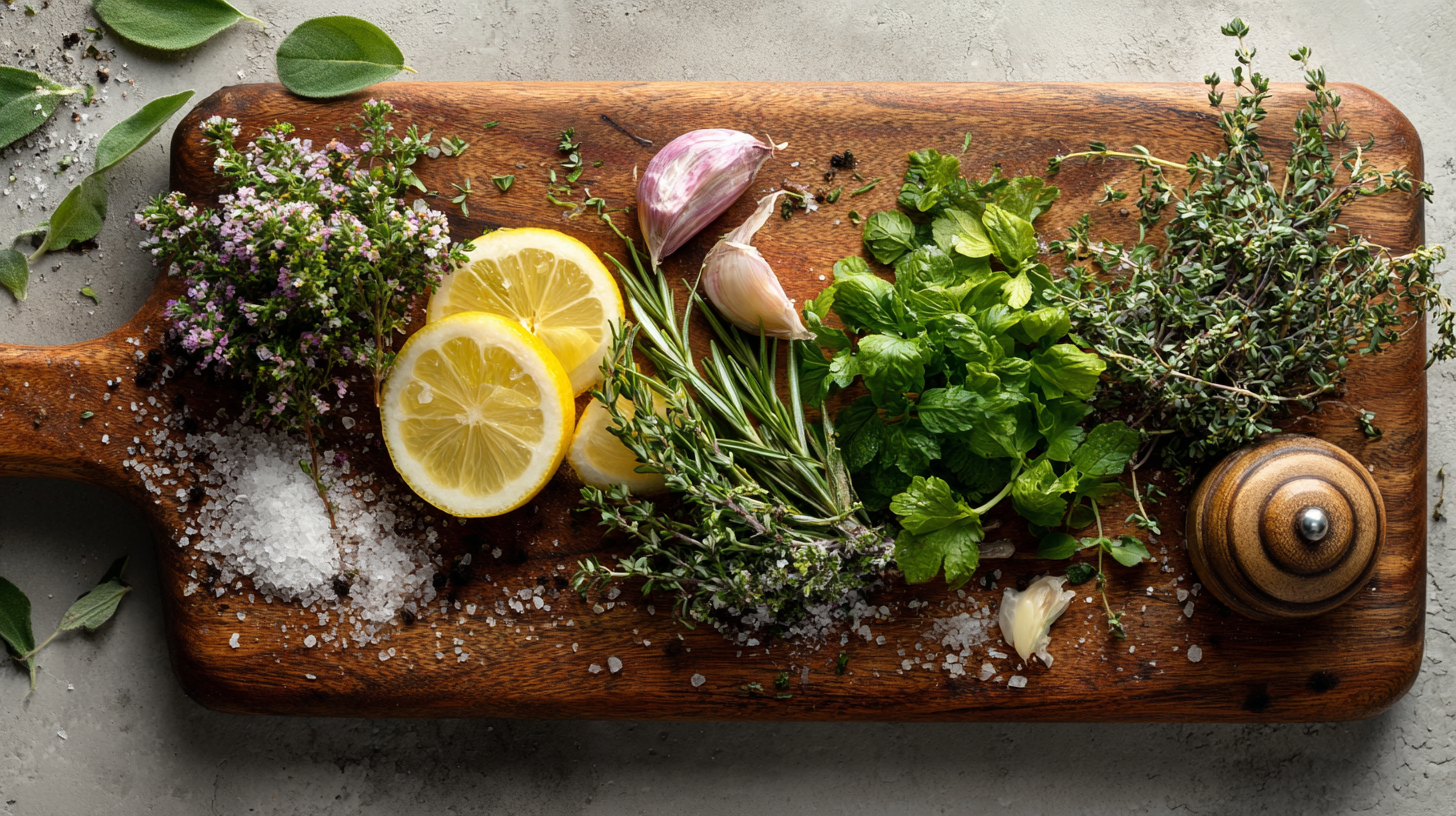
Now, once you have taken some of the salt out of your cooking, the question rises at once: “What shall I put in its place? Must everything be bland?” Not at all. The Lord did not give us taste simply to be dulled by salt. He scattered through the earth many herbs, spices, fruits, and seeds that can bring savor and joy to the table without loading the blood with excess sodium. Modern studies continue to confirm what common sense and experience already teach us—that a diet rich in plant flavors and modest in salt supports better blood pressure, heart function, and overall health [1][2]. We are not left to plainness; we are invited to variety.
Think first of herbs, both fresh and dried. Fresh basil, parsley, cilantro, dill, thyme, rosemary, sage, and oregano can take the place of much of the salt in everyday meals. A handful of chopped fresh herbs stirred into cooked beans or grains at the end gives a bright, living flavor. Dried herbs, if kept in tightly closed jars and not allowed to grow stale, can be powerful too. A simple pan of baked chicken or roasted vegetables, rubbed with garlic, rosemary, thyme, and black pepper, will taste full and satisfying, even when the salt is only lightly used. Research on traditional Mediterranean-style eating patterns, rich in such herbs and moderate in sodium, has shown lower rates of heart disease and stroke [2][3]. The tongue is pleased, and the heart is guarded.
Spices are companions in this same work. Cumin, coriander, paprika, turmeric, chili powder, black pepper, ginger, cinnamon, nutmeg, and cloves each have a voice of their own. A pot of lentils with onion, garlic, cumin, and turmeric, finished with lemon, needs only a small sprinkling of salt, if any, to taste complete. A tray of sweet potatoes with cinnamon and nutmeg seems rich and comforting without a heavy hand on the shaker. Observational studies have even linked regular use of some spices—such as turmeric and chili peppers—with improved markers of inflammation and cardiovascular risk, though more research is still unfolding [3][4]. We do not need to wait for every detail to be proven before we make wise use of what is plainly wholesome.
Then there is the use of citrus. Lemon and lime are some of the most faithful helpers in reducing salt. A squeeze of lemon over fish, beans, greens, or grains brightens the whole dish, fooling the tongue into thinking more salt has been added when it has not. Grated lemon or lime zest stirred into salads, yogurt sauces, or roasted vegetables adds fragrance and lift. Many who have learned this little secret find themselves reaching more often for the lemon half and less often for the salt cellar. Vinegars—such as apple cider, red wine, balsamic, or rice vinegar—work in the same way. A drizzle into soups, stews, and sautés near the end of cooking awakens dull flavors so that only a modest amount of sodium is needed.
Garlic and onions, in all their forms, are almost a full cupboard of flavor by themselves. Fresh garlic, roasted garlic, scallions, shallots, leeks, and chives can turn plain potatoes, beans, or eggs into something that tastes rich and complete. When you slowly cook onions until they are browned and sweet, or roast a head of garlic until it is soft and mild, you gain a depth of flavor that makes heavy salting unnecessary. Studies on vegetable-rich patterns of eating—like the DASH (Dietary Approaches to Stop Hypertension) plan—show that these aromatic plants, used generously in place of salty sauces, contribute to lowered blood pressure and better nutrition outcomes [1][2]. Here again, the simple things prove themselves strong.
Another powerful tool is umami—that deep, savory taste found in tomatoes, mushrooms, and certain fermented foods. We must use care, for many commercial umami-rich products like regular soy sauce and packaged bouillon are high in sodium. But there are gentler ways. Tomato paste, no-salt-added tomato sauce, slow-cooked onions and mushrooms, and small amounts of low-sodium soy sauce or miso can build satisfying savor. You might stir a spoon of tomato paste into a pot of vegetable soup and brown it briefly with the onions; the soup will gain body and richness, and you will not feel the need to add as much salt. Low-sodium soy sauce, used in teaspoons instead of tablespoons and balanced with ginger, garlic, and vinegar, can give stir-fries and marinades a deep flavor without overloading the bloodstream.
Do not overlook seeds and nuts. Unsalted sunflower seeds, pumpkin seeds, sesame seeds, walnuts, and almonds add both flavor and texture. A sprinkle of toasted, unsalted seeds over salads, roasted vegetables, or grain bowls gives a pleasant crunch and a sense of richness. This, too, lessens the craving for salt. Evidence shows that regular intake of unsalted nuts and seeds is associated with better heart health and lower risk of certain chronic diseases when they are used in place of refined snacks [2][4]. The body is better served by these simple gifts than by chips and crackers dusted heavily with salt.
Homemade herb and spice blends are another answer to the question, “What shall I use if I put aside my seasoning salt?” You can mix your own, leaving out the sodium altogether. For a general all-purpose blend, combine garlic powder (not garlic salt), onion powder, black pepper, paprika, and dried thyme or oregano. For a “smoky” mixture to use on beans, potatoes, or grilled vegetables, try smoked paprika, cumin, coriander, black pepper, and a pinch of chili powder. For poultry or roasted vegetables, mix sage, thyme, rosemary, garlic powder, and black pepper. These jars, kept at hand by the stove, will serve you far better than commercial mixes that are mostly salt with a little herb added for color.
There are also simple sauces you can keep ready in the refrigerator that carry much more flavor than sodium. A yogurt-based sauce with plain, unsalted yogurt, garlic, lemon juice, chopped herbs, and black pepper can dress vegetables, fish, or whole grains. A quick sauce of blended roasted red peppers, a little olive oil, garlic, and vinegar can stand in for salty condiments on sandwiches or bowls. Salsa made at home from fresh tomatoes, onions, cilantro, jalapeño, and lime is naturally low in sodium if you are light-handed with the salt; it can take the place of cheese or heavy dressings on eggs, beans, or baked potatoes. In this way, your meals are dressed with color and brightness instead of hidden brine.
For those who are used to bottled dressings and dips, it may seem strange at first to lean on herbs, citrus, and vinegar. But remember, habits of taste are not fixed. They bend under steady practice. Studies show that when people reduce sodium over a few weeks, their sensitivity to salt increases, and they begin to prefer foods with less of it [1][3]. At the same time, they grow more aware of other flavors that were once buried. As you bring more herb, spice, zest, and natural acidity into your cooking, your tongue will find new satisfaction, and the old desire for strong salting will soften.
Another small step is to use naturally flavorful cooking methods. Grilling, roasting, and pan-searing produce browned edges and a slight smokiness that help to replace what salt once supplied. Grilled vegetables brushed with olive oil, garlic, and herbs, roasted chickpeas tossed with paprika and cumin, or pan-seared fish with lemon and dill can be thoroughly pleasing with very little added sodium. Instead of relying on the salt box, you rely on heat and time to draw out the goodness already in the food.
When you sit down to eat, you can also turn your attention to simple garnishes that heighten flavor without adding salt. Fresh chopped herbs, a squeeze of lemon, a spoonful of homemade salsa, a scattering of unsalted seeds, or a grind of black pepper over the plate just before serving can make the meal feel “finished.” This helps especially if the dish was cooked with less salt than you are used to. The mind sees the care put into those finishing touches, and the tongue receives new flavors to attend to.
Some ask about salt substitutes that use potassium instead of sodium. These can help in certain cases, but they are not for everyone. People with kidney disease, those on certain blood pressure medicines, or others with particular medical conditions may be harmed by excess potassium. Major organizations such as the American Heart Association counsel that anyone considering such substitutes should speak with a health professional first [1][2]. For most of us, leaning on herbs, spices, citrus, and whole foods is the safer, steadier path.
Bit by bit, as these alternatives take root in your kitchen, the need for salt fades into the background. You find that the sweetness of a carrot, the sharpness of a radish, the fragrance of basil, the warmth of cumin, and the brightness of lemon are enough. This is not merely a matter of taste; it is a matter of life. The same patterns of eating that lower sodium and bring the blood pressure down—rich in plants, simple seasonings, and modest in processed foods—are consistently associated with longer life and fewer heart attacks and strokes [2][3][4]. You are not only making your meals more interesting; you are lengthening the days in which you can enjoy them.
And once you have put these more natural flavors in their proper place, you will find it easier to plan your meals so that the salt you do use is measured and wise, not scattered carelessly. The table becomes a place where flavor and prudence walk together, where enjoyment of food and care for the body are no longer at war but in harmony.
References:
[1] Centers for Disease Control and Prevention. “Sodium and Food Sources.” Updated 2023.
[2] American Heart Association. “Sodium and Salt.” Updated 2023.
[3] U.S. Department of Health and Human Services and U.S. Department of Agriculture. “Dietary Guidelines for Americans, 2020–2025.”
[4] Schwingshackl L et al. “Food groups and risk of hypertension: a systematic review and dose-response meta-analysis of prospective studies.” Adv Nutr. 2017.
Planning meals and snacks to stay within sodium limits
Living within a sensible sodium limit is far easier when your meals are thought out before hunger presses you toward whatever is quickest and saltiest. Planning does not mean rigid rules; it means deciding in calmer moments what you want your day’s nutrition to look like, so that those choices are not left to advertising and impulse. Instead of asking, “What do I feel like?” at the last minute, you begin asking, “What will truly strengthen my body and guard my health today?” Those are different questions, and they lead to different plates.
A practical starting point is to know your general daily sodium target. Many adults are advised to aim around 1,500–2,000 mg per day, and almost all major guidelines caution against going above 2,300 mg on a regular basis. Once you have a rough number, you can divide your day: perhaps 300–400 mg at breakfast, 500–600 mg at lunch, 500–600 mg at dinner, and room for 200–300 mg in snacks. This is not a law; it is a map. When you sketch your meals with these ballpark limits in mind, you can see at a glance where a restaurant meal or a salty packaged food would overflow the day’s “budget.”
Begin your planning with the foods that are naturally low in sodium—fruits, vegetables, plain grains, beans, unsalted nuts, and simple, unprocessed meats or plant proteins. Build each meal around these, and let any salty ingredients play a small, supporting role instead of being the centerpiece. For breakfast, that might mean oats cooked from dry with fruit and a handful of unsalted nuts instead of instant flavored oatmeal and salty breakfast meat. For lunch and dinner, think of bowls or plates filled mostly with vegetables, beans or lentils, and whole grains, with only a light scattering of cheese, olives, or sauce rather than a blanket of them. In such meals, the “natural” sodium is low enough that you have breathing room for seasonings without crossing your limit.
One helpful approach is to plan a week of dinners at once, choosing recipes that you know are modest in salt or that you can easily adapt. Perhaps you decide on a bean-and-vegetable soup with no-salt-added broth one night, baked chicken or tofu with roasted vegetables another, a big salad with whole grains and a simple olive oil–lemon dressing another, and so on. When you write these out and stack them side by side, you can quickly spot where the sodium might add up—cheese two nights in a row, processed meat, bottled sauces. You can then trade a salty element for something fresher: olives swapped for cucumbers, heavy dressing swapped for lemon and herbs, sausage swapped for beans. Each of these quiet trades bends the week’s total in a safer direction.
If you are used to relying on takeout or restaurant food, consider how many evenings you can reasonably shift toward home-prepared meals without discouragement. Perhaps you start by planning three home-cooked dinners in a week, each one clearly lower in sodium than your usual restaurant order. Make enough for leftovers, and put those into containers as soon as the meal is done. Tomorrow’s lunch is now prepared, and you are not forced into a salty fast-food choice simply because you are tired or hurried. This is how planning multiplies its power: one thoughtful meal can nourish two or three times.
Snacks are often where sodium sneaks in unnoticed. Chips, crackers, flavored nuts, jerky, and packaged “snack mixes” turn idle eating into a steady drizzle of salt. Instead of leaving this to chance, plan your snacks for the week as deliberately as you plan your main meals. Set out choices like fresh fruit, cut vegetables with hummus made from low-sodium or home-cooked beans, unsalted nuts and seeds, plain yogurt with fruit, or air-popped popcorn seasoned with herbs and a little olive oil instead of salty powders. Place these in clear containers or on a certain refrigerator shelf where they are easy to reach. When a craving comes, your eye will fall first on what supports your health instead of on what burdens it.
Another strategy is to think in terms of “anchor meals” that you repeat often because you know they work well for both taste and sodium. Perhaps you have a hearty vegetable-and-bean chili made with no-salt-added tomatoes and careful seasoning; a grain bowl with brown rice, black beans, roasted vegetables, avocado, and a citrus-herb dressing; or a stir-fry built on loads of vegetables, a small amount of low-sodium soy sauce, and plenty of garlic and ginger. Write these down and rotate them. The more familiar you become with a dish, the easier it is to control its ingredients, adjust its salt, and prepare it quickly. Over time, your regular “go-to” meals become safe harbors in a culture of excess sodium.
Planning wisely also means being honest with yourself about the highest-sodium events in your week and preparing around them. If you know you will be attending a church supper, birthday dinner, or restaurant outing on a given day, you can plan your other meals to be especially light in sodium. That might look like a breakfast of fruit, plain oats, and unsalted nuts, and a lunch of a big salad with beans, vegetables, and a simple oil-and-vinegar dressing. You are not “saving up” salt to spend recklessly, but you are softening the overall load so that one richer meal does not push your entire week out of balance. This kind of foresight is a quiet act of stewardship over the body God has entrusted to you.
Leftovers, when planned, are one of your strongest tools for staying within limits. Many people fall into high-sodium eating at lunch because it feels easier to buy something than to prepare it. But if you double a low-sodium dinner recipe and portion the rest into containers, your future self will have a ready meal that is far kinder to the heart than a sandwich piled with deli meat or a salty canned soup. Label those containers with the date and a note of what is inside, so they actually get used. A freezer with several such meals waiting is not just convenient; it is a guardrail against last-minute, high-sodium choices.
When you do need to pack food for work or travel, think about the day’s pattern of flavors and sodium as a whole. If your main dish is a homemade bean-and-vegetable stew that is modest in salt, perhaps your side can be a small piece of cheese or a few olives for contrast. If your sandwich filling is already somewhat salty—like hummus with a little feta—choose a low-sodium bread and pile the sandwich with fresh vegetables instead of extra cheese or processed meat. A simple rule is to allow only one clearly salty component in a meal, keeping everything else low in sodium. This mental “one-salty-item” limit forces you to choose wisely and balance the plate.
It can also help to schedule times in your week when you deliberately prepare basic components that can be turned into various low-sodium meals. On a weekend afternoon or a quiet evening, you might cook a pot of brown rice or quinoa with very little salt, a large tray of roasted vegetables with herbs and a light sprinkle of salt, and a pot of beans or lentils made with no-salt-added broth and strong seasonings. Store these separately. In the days that follow, you can combine them in different ways—grain bowls, soups, salads, wraps—adding citrus, fresh herbs, and small amounts of salty ingredients as needed. Because the foundation of each meal is low in sodium, the little accents on top do not push you over your daily goal.
As you plan, it is wise to bring your family into the conversation, especially if you are the one preparing most of the food. Explain, in simple terms, why you are aiming to reduce sodium—how high blood pressure silently wears on the heart and brain, and how better choices today may spare suffering later. Ask which lower-sodium meals they enjoy the most and build the plan around those. Invite them to help choose herbs, vegetables, and flavors, so that they feel part of the solution instead of feeling that something is being taken away. This shared understanding turns your meal plan from a burden into a family project in caring for one another’s health.
You may find it useful to keep a small written log or digital note where you jot down what you eat and, roughly, how much sodium it contains. Not forever, but for a few weeks while you learn. This is not for guilt, but for clarity. Patterns will emerge: certain restaurant meals that send the day’s intake soaring, particular packaged foods that quietly load each lunch, or days when you thrive on simple, home-prepared meals and feel better as a result. With this knowledge, you can adjust your planning: drop a troublesome food from the weekly list, experiment with a homemade alternative, or limit a favorite high-sodium item to rare occasions.
Over time, planning within sodium limits becomes less about numbers and more about instincts. You begin to “see” the salt behind foods the way a carpenter sees the grain in wood. A frozen entrée that once seemed harmless now looks like a dense package of sodium, and you naturally choose a different path. A bag of chips that once called to you in the store now stands beside a container of unsalted nuts and fresh fruit in your mind’s eye, and you ask, “Which of these will help me live more fully, think more clearly, and serve more faithfully?” These are not small questions; they invite you to think about the long arc of your days, not just the brief thrill of taste.
As you continue to plan meals and snacks with care, you will likely notice changes—perhaps a steadier blood pressure, less swelling in your hands or feet, fewer pounding headaches, or simply a clearer sense of vitality. Let those changes remind you that the body responds to the laws written into it, whether we honor them or not. You stand at a crossroads many times a day, plate in hand. Will you let companies and convenience choose for you, or will you take up the work of shaping your own eating in harmony with sound science and the gentle counsel of conscience? The more you learn, the more you may find yourself thirsting to understand not only sodium, but the whole web of choices that knit together into health or disease.
- How much sodium should I eat in a day?
- Most guidelines in the United States recommend staying under 2,300 mg of sodium per day, and many people—especially those with high blood pressure—benefit from aiming closer to 1,500–2,000 mg. Your exact target may vary, so it is wise to discuss it with a healthcare professional who knows your history.
- Is sea salt or Himalayan salt healthier than regular table salt?
- Sea salt, Himalayan salt, and regular table salt all contain sodium, and they affect blood pressure in much the same way. Trace minerals in specialty salts do not cancel out the risks of high sodium intake, so the key is still to use any salt lightly.
- Can I just stop using the salt shaker and solve the problem?
- Taking the salt shaker off the table can help, but most sodium in modern diets comes from packaged and restaurant foods, not the salt you add at home. For real change, you need to read labels, choose lower-sodium products, and cook more with basic ingredients.
- How quickly will my taste adjust if I cut down on sodium?
- Studies suggest that many people begin to notice their taste adjusting within 2–4 weeks of lowering sodium. As your palate becomes more sensitive, you may find that heavily salted foods start to taste unpleasantly strong.
- Are salt substitutes safe for everyone?
- Salt substitutes that use potassium chloride can lower sodium, but they are not safe for everyone, especially people with kidney disease or those taking certain blood pressure or heart medications. Always speak with your doctor or pharmacist before using them regularly.
- What are some easy low-sodium snacks?
- Fresh fruit, cut vegetables with low-sodium hummus, unsalted nuts or seeds, plain yogurt with fruit, and air-popped popcorn seasoned with herbs are all good options. Planning these ahead and keeping them visible helps you avoid grabbing salty packaged snacks.
- Can I still eat out if I’m trying to reduce sodium?
- You can, but you will need to choose carefully and perhaps eat out less often. Look for grilled items, salads with dressing on the side, and dishes without heavy sauces; you can also ask for your food to be prepared without added salt and take half the portion home to keep your sodium for the day under better control.
Ashland Sabbath Chapel Ministries
Beside our live streamed church services, all are welcome to attend our church in person each Saturday beginning 10:00 AM Central Time by going to 2425 Owens Rd., Ashland, AL 36251. There is no cost and any donations are strictly voluntary.
For questions, call +2563547124.