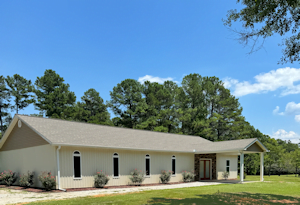
Come join Ashland Sabbath Chapel Ministries each Saturday for live streamed church services. Bible Study begins at 10:00 AM Central Time and Sermon at 11:00 AM. Visit Our YouTube channel and watch from home!
My dear friend, you would be quite diverted, I think, to observe how much quiet exertion is concealed beneath the innocent appearance of gardening. To the casual eye, it is merely a person with a trowel and a watering can; but remain a little, and you will perceive a whole day’s worth of gentle movement, as steady and useful, though not so ostentatious, as any exercise undertaken in the most fashionable gymnasium. Every time you walk from the shed to the farthest flower bed, you are taking steps that your body very politely records, though it may say nothing about it at the time.
Consider, for instance, the simple act of turning the soil. You stoop, you steady your feet, you press the spade into the earth, and you lift. In that modest sequence, your arms, shoulders, back, and legs are all obligingly engaged. Even if the soil is not especially heavy, the repetition of these motions, season after season, makes more difference to your fitness than a single heroic hour of frantic exercise ever could. And naturally, when a stubborn root refuses to yield, you call upon more strength and more resolve, and thus increase the benefit without even noticing the effort, because your mind is wholly taken up with routs and advances, like a general ordering his troops.
Then there is the constant walking—unpretending, but most persevering. You stroll down one path to inspect the roses, and, discovering an unwelcome weed, you must return for the fork; then, halfway back, you recollect that the pruning shears would be equally useful; and so you turn again. Such meanderings may appear trifling, yet they lengthen into a very respectable distance over the course of an afternoon. Unlike a forced march, these steps are agreeable ones, accompanied by agreeable thoughts, and are therefore repeated willingly and often.
Even the more delicate tasks call for a certain amount of movement. As you bend to pinch back a wayward stem or to examine a seedling of doubtful character, you alter your posture; your legs support you, your core adjusts to keep you from toppling into the border, and your arms extend in various directions. Should you be planting bulbs, there is a constant dance of kneeling, rising, reaching, and shifting your weight from one side to the other. Thus, without the least vulgar display of exertion, you perform a most comprehensive series of motions, every one contributing a little to your health.
You know very well that no housekeeper considers the furniture properly arranged until it has been moved at least twice; gardeners are just the same with their pots. Each container must be carried to the sunniest corner, then withdrawn from an unexpected draught, then advanced once more in pursuit of perfection. In the process, your arms and hands become quite accustomed to bearing modest loads—bags of compost, watering cans pleasantly full, and baskets of pruned branches. You are not merely decorating your garden; you are secretly training your body in strength and endurance, like a heroine in a story who discovers, at a critical moment, that she can do more than anyone had suspected.
Nor must we overlook the humble art of weeding, that eternal skirmish between a gardener’s hopes and nature’s exuberance. When you kneel upon the path and reach in among the beans or the lettuces, you are holding your own weight, steadying yourself, extending your arms, and frequently twisting to deposit your captured adversaries in a waiting bucket. Continue at such employment for half an hour, and you will feel most sensibly that it has been an occupation not only of patience, but of exercise as well. Yet, unlike a tedious drill, it offers the constant satisfaction of immediate results: one patch of ground after another cleared and restored to order.
Watering, too, is far from the idle pastime it appears. Whether you prefer the romantic inconvenience of a can or the more modern assistance of a hose, you must walk the length and breadth of your domain, pausing, leaning, turning, and sometimes stretching to reach the pots on a high shelf or the bed behind a shrub. Each of these actions engages your muscles and joints, and because they are useful and necessary, they are performed day after day, until they form a quiet but powerful foundation for everyday strength.
What renders all this activity particularly charming is that your attention is so wholly occupied by the plants—by the color of the leaves, the promise of the buds, the possible improvements to each corner—that you scarcely think of it as exercise at all. There is none of that weary counting of repetitions, none of that dread anticipation of the next painful set. Instead, the body moves in answer to the garden’s demands: a little faster when a storm threatens, a little longer when there is a bed that absolutely must be finished before dusk. In this way, the work adapts itself so naturally to your abilities and your mood that you continue almost without effort, and the benefits accumulate with very little complaint from the mind.
So, while others may sigh over their reluctance to attend organized exercise, you are quietly acquiring the same, or better, advantages in your own yard. You are walking, lifting, bending, stretching, and carrying, all in pursuit of beauty, nourishment, and order. It is the most amiable sort of exertion—steady enough to matter, gentle enough to be sustained, and pleasing enough to be repeated—so that day after day, season after season, the very routine of the garden grows into a most reliable ally for your overall physical well-being.
Cardiovascular health improvements
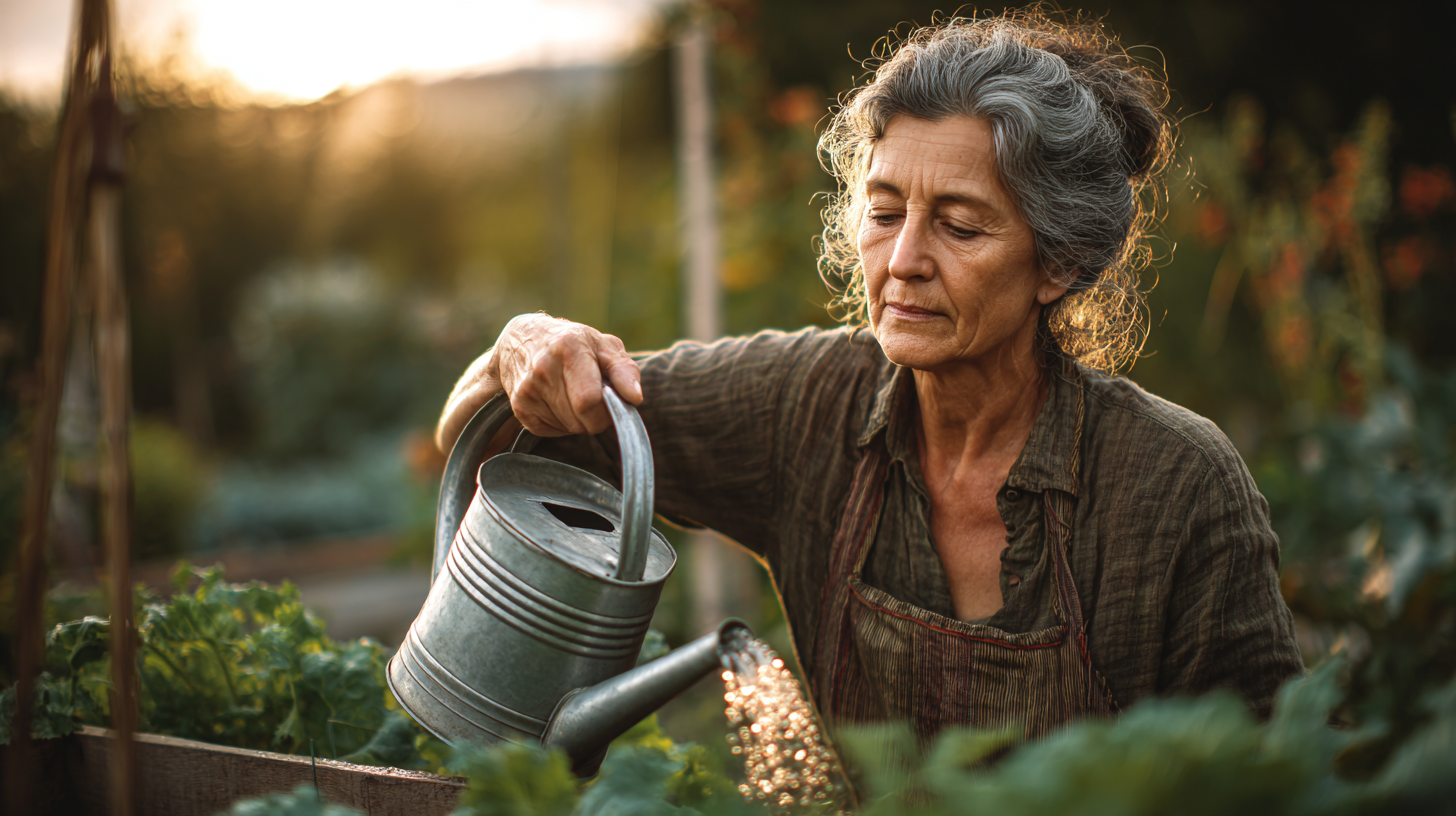
The heart likes steady work, not grand speeches. Out in the garden, it gets exactly that. No trumpets, no applause—just a quiet, persistent rhythm of effort that keeps the blood moving and the whole machine alive. When folks complain that they ought to “do more cardio,” they picture treadmills and flashing numbers. But you and I know a better way. You pick up the hoe, step out into the mild morning air, and your heart begins its day’s lesson without a word.
Think of how the body settles into motion when you walk the garden paths. At first your steps are lazy. You are only going to see whether the beans survived the night. Then you see the beans are fine, but the cabbages are not. So you walk a little farther. The soil is dry. You fetch the watering can, fill it, and carry it back. Your pulse rises, but it does not protest. It is grateful for the work. By the time you have made a few trips, your heart is beating strong and even, like a drum you can trust in a long march.
Doctors, with all their charts and wires, say that the heart loves this sort of steady movement. They give it names—moderate-intensity exercise, heart-rate zones, aerobic conditioning. But we have seen it with our own eyes. A neighbor who once panted after two flights of stairs now moves calmly along the beds, hose in hand, never in a hurry yet never quite still. After a season or two of such days, she walks to the corner store without resting on the way back, and her face is less flushed. The garden taught her heart to work longer without complaint.
There is a quiet power in the way gardening pushes the heart, then lets it rest, then calls it back again. You carry compost; the heart works harder. You pause to straighten your back and look over your work; the heart slows, but not too much. You dig another trench, push the wheelbarrow a few yards more, and it rises again. This little rise and fall is a training ground. Over time, the blood vessels grow more willing, the circulation more smooth. The heart learns that effort will not kill it; it learns to answer work with strength instead of panic.
Even the small chores add up. Pulling weeds along an entire row is no grand adventure, but you move down the line, shifting your weight, standing up to carry a bucket, kneeling again. Your breathing deepens, without you thinking about it. The lungs open like doors left wide for summer. Oxygen rides in the blood to the muscles that need it, and the heart, pleased with the honest job, pumps with a firm, confident beat. This is how health is made—not in a sudden blaze, but in these small, repeated efforts that never seem like much at the time.
You will notice, too, how the heart behaves on different days. On a cool, gray morning, you can work for hours, planting and raking, your pulse content and steady. On a harsh, hot afternoon, you feel it climb faster and warn you to slow down. So you do. You rest in the shade, drink water, and wait for the breath to grow easy again. The garden teaches you to read the signs: a little pounding in the chest, a hint of dizziness, the taste of salt on your lips. You adjust your pace without ceremony. This is not just exercise; it is a lesson in listening to your own body.
There is another thing the specialists like to say: stress is a thief that wears down the heart, day after day, like a river gnawing at its banks. Worry tightens the chest; anger drives the pulse too hard and too fast. You know how the mind races at night over debts and disappointments. But out among the beans and roses, the mind grows quieter. You watch a beetle cross a stone. You hear the small hiss of water in dry soil. You notice a new leaf that was not there yesterday. These small, clear details pull you away from all the useless thinking. The shoulders lower. The jaw loosens. Blood pressure, which lives half its life in our anxieties, has a chance to settle.
That calm is not just a pleasant feeling. It is a shield. A heart that is not harried all day by fear and fret will last longer and work better. You might say that each hour you spend among the rows, with your hands in the dirt and your mind on the next simple task, gives the heart both a challenge and a rest. It works to move your body, but it is spared the cruel prodding of restless thoughts. There is a reason so many older gardeners live long and walk upright. The work is real, but it is never frantic.
The beauty of the whole arrangement is that there is no need for counting anything. No steps, no calories, no heartrate displayed in red digits. You judge the day by the feel of your breath and the look of the beds. You work until the sweat beads on your forehead and your shirt clings a little to your back. When the muscles hum and the heart is beating firm but not wild, you know you have done enough. Then you stop. You sit on an upturned bucket or lean on the spade and look over the ground you have tamed. There is a satisfaction in this that no machine can give you.
All those people who dread “cardio” imagine a sort of punishment. But you, out there with soil under your nails and the sun on your neck, are doing the very thing the doctors would advise, only in a kinder form. You lift, you walk, you bend, you rise. Your heart takes note. Day after day, season after season, it grows more sure of itself. Long walks to town seem shorter. Climbing a hill feels less like a battle. In time, you understand that those quiet hours in the garden were not only growing tomatoes and roses. They were building a stronger, steadier heart that will carry you the long distance of your days.
Strength, flexibility, and balance
You may not think much about it as you tie back a wandering tomato vine or kneel to set a young cabbage in its place, but all the while your body is being gently schooled in strength, in suppleness, and in steadiness. The Lord has so arranged it that the work most necessary for our daily bread and beauty is also most suited to keep our frame in working order. While the world chases after elaborate contrivances for fitness, here you are, with nothing more than a spade and a length of twine, gaining the very qualities that help you stand, walk, lift, and bend safely through the years.
Think first of the strength that is quietly built up in this humble occupation. There is the lifting of soil, of course—those shovelfuls that seem insignificant one by one, but add up to a good day’s labor upon the muscles. When you dig a new bed, turn compost, or carry a pail of water, you are calling upon your arms, shoulders, and back to do honest work. The legs, too, are never idle; they brace you as you lean into the spade, support you as you rise from kneeling, and push the wheelbarrow over uneven ground. No single movement is violent, yet their repetition is like a slow, thorough schooling for the whole body.
Observe a person who seldom exerts herself, lifting a simple bag of soil for the first time. You see the strain in the wrists, the arching of the back, the face twisted in surprise at the weight. But watch that same person after a season of gardening. She bends her knees, keeps the load close, and rises with more assurance. What has changed? Not the soil, but the body. Muscles once timid have learned their task. Grip has strengthened from handling tools and pots. The small muscles of the hands and forearms, so necessary for opening jars or steadying oneself on a stair rail, have been trained by pruning, weeding, and tying. Without fanfare, strength has become a familiar companion.
Yet sheer strength, without flexibility, is a poor guardian. Many injuries come, not because the body cannot lift, but because it cannot bend and stretch as it should. Here again, the garden is a wise teacher. Each day it asks you to move in ways that keep the joints from stiffening into uselessness. You kneel to set a seedling, then reach forward to pat the soil. You stretch one arm high to train a climbing rose, while the other steadies you against the post. You twist gently at the waist to lay pulled weeds into a basket behind you. None of these motions is forced; they arise from the simple need to reach soil and stem. But as you repeat them, the joints remember how to move with ease.
Consider how often you change position in even a single hour outdoors. You crouch low to inspect a leaf, rise halfway to fetch a tool, stand fully to carry it, then bend once more to your task. All this variety prevents the body from growing stiff in one posture, as so often occurs with those who sit long at a desk or sink. The hips, which are so quick to tighten in idleness, are gently opened as you step over a border or stride along the path with a watering can in each hand. The shoulders, instead of curling forward in a permanent hunch, are drawn back as you rake or hoe in a wide, sweeping motion.
Of course, wisdom bids us move thoughtfully. A gardener who flings herself into work without care can strain as easily as one who does nothing at all. But if you learn to listen to the signals God has written into your frame—tightness, fatigue, a sharp protest instead of a dull stretch—you will find that the garden can lengthen your reach a little at a time. Today you bend to the top of the bed; tomorrow, with gentleness and patience, you find you can squat lower or twist a bit farther without discomfort. Flexibility, gained slowly and safely, becomes a precious ally against the stiffness that so often steals away independence in later years.
Strength and flexibility, though, must be joined by balance if they are to serve you well. How many of the accidents that trouble older friends come from nothing more dramatic than a simple misstep—tripping over a small stone, turning too quickly, or reaching for something just beyond their base of support? The garden, if used wisely, trains the body to meet such challenges with steadiness instead of panic. Each time you walk along a narrow path with tools in hand, or step carefully between rows of seedlings without crushing them, you are rehearsing the art of balance.
Notice what happens when you stand on slightly uneven ground to prune a shrub or pick beans. The ankles make small, tireless corrections, the knees soften, the hips adjust, and the core muscles around the abdomen draw in to hold you upright. You may not be conscious of any of this, but your nervous system is holding a constant conversation with the earth beneath your feet. This conversation is what keeps a person from toppling when the soil is soft after rain or when a root lies hidden just below the grass. The more often you practice such small negotiations, the more skilled you become at staying upright when the world is not perfectly flat and smooth.
Even simple tasks can be turned into lessons in stability. When you carry a full watering can in one hand and nothing in the other, your body must resist the pull to one side. The muscles along your spine awaken to keep the shoulders level. You may decide to balance the load by carrying a second can, and in doing so, you ask your body to walk under greater weight while maintaining a straight, sure line. When you kneel and then rise without pushing heavily on your hands, the legs and core learn to work together. These are the very movements that, practiced over time, allow a person to climb stairs, step into a bathtub, or stand from a chair without fear.
There is also much to be said for the way gardening trains the senses, which are so closely tied to balance. You learn to read the ground with your eyes before you step—seeing where the soil dips, where a hose lies across the path, where a stone has worked its way to the surface. You listen to the creak of a board in a raised bed or the slight sliding of gravel beneath your boots. You feel the weight of your own body and the slight sway that comes when you turn too quickly with a full basket. All this quiet practice sharpens the body’s awareness of itself in space, which physicians call “proprioception,” but which you and I simply know as “feeling where we are.”
In time, you may notice changes that seem almost too small to mention, yet are signs of sound health. You find that you can kneel longer without your legs going numb. You stand from the ground with less pushing and puffing. You reach overhead to wipe a high shelf in the kitchen and discover that it no longer feels like such an effort. When you step off a curb or walk across a rough patch of grass, there is a quiet confidence where once there was hesitation. These are the fruits of many unnoticed hours spent stepping, reaching, turning, and rising among your plants.
I have often watched older friends who have kept gardens into their seventies and eighties. Their gait may not be swift, yet it is steady. Their backs may be a little bowed by time, yet they can still bend to pull a weed or lift a small pot without fear of falling. They speak often of the pleasure they find among their flowers and vegetables, but they seldom remark upon the training their bodies receive there. Still, you can see it in the way they move—no hurried, jerking motions, but a certain deliberateness that makes each step safe. The garden has been their school, teaching them, year by year, how to live within their bodies wisely.
There will be days, of course, when the body protests the work more than usual—a twinge in the knee, a stiffness in the lower back after turning too many shovelfuls of soil. These are not signs to abandon the labor entirely, but gentle reminders to adjust it. Perhaps you sit on a low stool for weeding rather than crouching, or break your tasks into smaller portions with rest in between. In this way, the garden teaches moderation as well as movement. It shows you that strength does not grow by constant strain, but by a rhythm of effort and recovery, just as the plants themselves grow by a rhythm of work and rest between day and night.
So, as you go about your tasks with trowel and pruning shears, remember that you are doing more than cultivating plants; you are cultivating your own body. Each careful step along the path steadies your balance. Each stretch toward a high branch loosens your joints. Each shovelful of soil and each bucket carried from tap to bed lays another small stone in the foundation of your strength. Without noise or display, your garden becomes a quiet gymnasium, and you its most faithful student, learning day by day how to carry yourself with firmness, with flexibility, and with grace through all the seasons appointed to you.
Weight management and metabolism
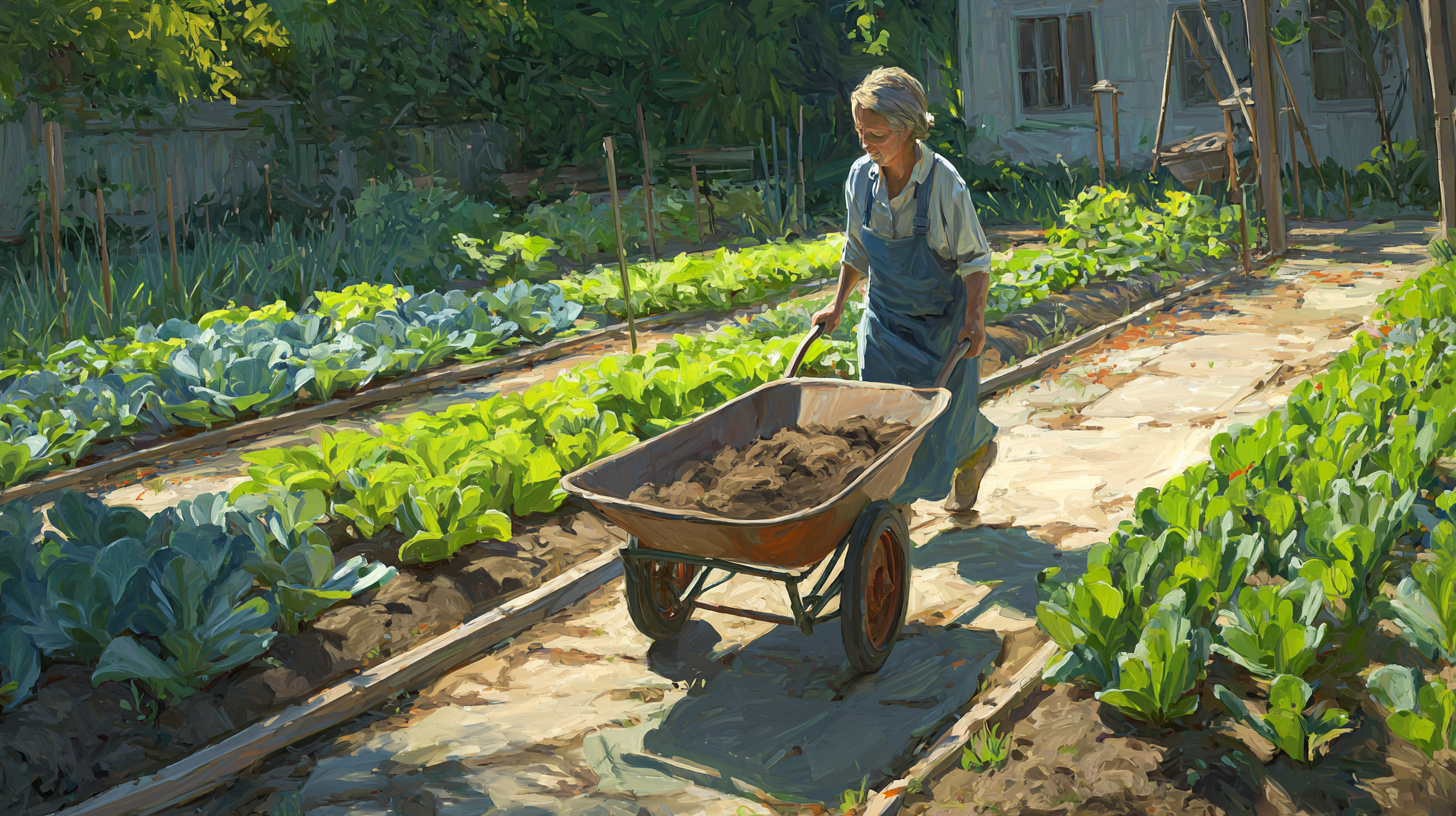
You know how people speak so solemnly of “weight management,” as if it were some grim courtroom where every bite is on trial and every step is carefully counted? Out in the garden, the whole matter becomes far simpler and more merciful. Instead of endless calculations and anxious weighing, you have honest work, wholesome food, and a heart at peace. In such surroundings, the body begins to find its right level, not by force and punishment, but by a steady ordering of appetite, movement, and rest. The garden does not scold you into thinness; it teaches you to live in a way that naturally supports a healthy weight and a more faithful metabolism.
First, think of the quiet energy that goes out of you in an ordinary day of gardening. You do not stand in one spot, lifting metal for the sake of lifting. You are walking from bed to bed, bending and rising, carrying soil, pulling weeds, raking leaves, pushing a wheelbarrow. Researchers have measured these things and tell us that such work often falls into the range of “moderate-intensity physical activity,” the very kind they recommend for controlling weight and improving health—roughly 150 to 300 minutes a week for adults, according to the US Physical Activity Guidelines (US Department of Health and Human Services, 2018). But you and I know it not by minutes and charts; we know it by the gentle ache in the muscles at day’s end and the soundness of our sleep at night.
Every movement you make in the garden calls for fuel. The food you eat is not left idle, turning to stored fat through neglect. It is put to work—converted into the strength to lift a watering can, to kneel and rise again, to haul a bag of mulch across the yard. Even a task that seems small, like deadheading flowers or thinning seedlings, may keep you in motion for an hour or more. Studies have found that regular gardening is associated with lower body mass index (BMI) and reduced risk of obesity, likely because it adds this kind of consistent, low-level exertion to the week without the dread that so often attaches to formal exercise (Zick et al., American Journal of Public Health, 2013). Instead of “burning calories” in some sterile sense, you are spending your energy in a way that beautifies your home and fills your table.
But it is not only the number of calories spent that matters; it is the way the body learns to handle its fuel. Modern living has trained many of us to sit more than we move, and to eat more quickly than we think. The result is often a sluggish metabolism and a constant sense of heaviness. When you take up garden work in earnest, the body receives a different training. Muscles, once idle, begin to draw more glucose from the blood for their tasks. Insulin, that quiet messenger which tells the cells what to do with sugar, begins to work more efficiently. Research has shown that regular physical activity like gardening improves insulin sensitivity and helps regulate blood sugar, which in turn makes it easier for the body to avoid storing excess energy as fat (Colberg et al., Diabetes Care, 2016).
There is a simple way to see this with your own eyes. Think how you feel after a day spent sitting indoors, nibbling on snacks out of boredom. There is a kind of dullness in the limbs and a restlessness in the mind. Now remember how it feels after a morning of pruning, planting, and tidying the beds. You come in with your cheeks warm, your limbs pleasantly tired, and an appetite that is real, not invented. The meal that follows is not piled on top of idleness; it is used to restore what has been truly spent. Over time, such days encourage the body to burn energy more steadily and to store less of it in unhappy places.
Then there is the matter of what the garden leads you to eat. Many who begin with a few herbs or tomatoes soon find themselves adding lettuces, beans, peas, squash, and fruits of various kinds. They become eager, not merely to have enough, but to have enough of the wholesome and the fresh. When a person has tended the soil, sown the seed, watered, watched, and waited, she is far more likely to put those vegetables at the center of her plate. Several studies have observed that home gardeners generally consume more fruits and vegetables and have better overall diet quality than those who do not garden (Alaimo et al., Journal of the American Dietetic Association, 2008). This shift alone—toward foods rich in fiber, water, and nutrients and lower in empty calories—does much to guide the body toward a weight it can carry without distress.
High-fiber foods from the garden do a quiet, faithful work in weight control. They fill the stomach without oversupplying energy, slow the rise of blood sugar after a meal, and help you feel satisfied sooner and longer. A plate heaped with salad greens, cucumbers, tomatoes, and beans sends a very different message to your metabolism than a plate of refined starch and sugar. Instead of a sharp spike and crash, you receive a more even stream of energy. Over weeks and months, this gentler pattern helps your body avoid the constant hunger and cravings that drive so many to overeat. You may find yourself less tempted by heavy, highly processed foods when you know there are fresh, crisp vegetables waiting in your own yard.
Some speak as though the battle for weight must be waged only on the scales and in the kitchen, but you know how deeply the mind is involved. Anxiety, loneliness, and discouragement all drive people to seek comfort in food, especially in those sweet, rich things that give a moment’s relief and then leave the body burdened. The garden offers another way. When the heart is troubled, you take your tools and step outside. The air is cooler than the house; the sounds are gentler than the voices inside your head. The hands are kept busy; the eyes have something living to rest upon—a new leaf, a bird startled from a shrub, a row of seedlings that has survived a storm. This kind of holy occupation, though the world may not call it so, helps to quiet the very impulses that lead to overeating.
You may notice that on days when you have been faithful with your plants, you are less likely to wander aimlessly to the cupboard in the late afternoon or evening. You feel a pleasant weariness that asks for a nourishing meal and then rest, not for heavy treats and more idle hours. Scientists describe this as a reduction in “emotional eating” and “mindless snacking,” often linked to stress and boredom. They have found that time spent in nature, including gardens, can reduce stress hormones and improve mood (Twohig-Bennett & Jones, Environmental Research, 2018). When the mind is calmer, appetite often becomes more honest—closer to true hunger and farther from restless craving.
Of course, there is still wisdom needed in how the work is done. You cannot expect to spend ten minutes pottering with a single plant and call it a day’s exercise, any more than you would expect a single lettuce leaf to make a meal. Yet you also need not toil until you are spent and sore, imagining that only severe labor has value. Aim for a steady, moderate pace—enough that your breathing deepens and your heart knows you are at work, but not so much that you are gasping and faint. If you string together such modest efforts—half an hour in the morning, another in the evening—you will soon find that you are easily meeting, or even exceeding, the activity that physicians say supports weight control and good fitness.
It may be helpful, at least for a season, to think of your tasks in terms of their “weight” upon your body. Digging a new bed or turning compost is like a more vigorous exercise; pushing a wheelbarrow, carrying watering cans, or raking leaves offers a solid, moderate effort; gentle weeding or pruning provides lighter movement that still keeps you from the idleness which so often leads to nibbling and drowsiness. By varying these tasks through the week, you give your muscles and metabolism a wholesome mixture of challenge and recovery. You need no complicated program—only a willingness to work faithfully at what the garden requires, in season and out.
Some will say, “But I am older now, and my weight has been a concern for many years. Can such simple work still help me?” I have seen with my own eyes that it can. There are those who, upon retiring from their employment, at first grow heavier, because their days lose their structure and their steps grow fewer. Yet when they take up a small plot—no more than a modest vegetable bed and a ring of flowers—they begin to come alive in a new way. They go out each morning to see what has changed. They carry watering cans. They pull a few weeds. They sweep a path. They bend as they are able, rest when they must, and return again the next day. Over time, their clothes sit more loosely upon them, their breathing eases, and they speak of garments fitting again that had long been put away.
There will be seasons, too, when the body seems unwilling to let go of its extra stores, no matter how faithfully you work. Do not let this tempt you into discouragement or extreme measures. Remember that weight is only one sign among many of well-being, and that the same gardening that gently trims the excess from some may be busy repairing the deeper machinery in others—improving circulation, calming the nerves, strengthening muscle, and teaching the body once more how to handle its food. The Lord often works in hidden ways before He allows the outward changes to be seen. If you keep to simple, wholesome meals, avoid the enticements of rich, empty foods, and maintain your steady labors, you will be doing your part, and results—in body and in spirit—will not fail to appear in their due time.
So you see, the garden offers a kinder school for weight and metabolism than all the fearful pamphlets and stern programs of the age. It asks you to move, not for vanity, but for harvest; to eat, not for escape, but for nourishment; to rest, not out of sloth, but in preparation for another day’s useful work. In such a life, the body finds its balance more naturally. Pounds gained in seasons of sorrow or neglect may fall away, not in a frantic rush, but in a steady, durable way that does not return as soon as the will grows tired. The soil you tend, the seeds you plant, the tools you lift—all these are allies in bringing your own frame into better order. And as the garden comes under your care, season by season, you will find that your own body, too, is being gently reclaimed from disorder and brought, step by step, toward a sounder, more enduring strength.
Long-term disease prevention through gardening
When we speak of long-term disease, we often do so with a kind of hushed dread, as though our bodies were ticking devices over which we have little say. Yet out among the beds and borders, that story softens. The slow, faithful work of gardening is not merely a pastime; it is a series of quiet votes cast each day in favor of your future health. Every time you push a wheelbarrow instead of pushing papers, every time you walk the garden path instead of scrolling a glowing screen, you lean your life a little away from the common afflictions of our age—heart disease, stroke, diabetes, some cancers, frailty, and the creeping loss of independence.
Physicians speak much now of “lifestyle diseases,” by which they mean troubles that grow, not overnight, but through years of inattention—high blood pressure, stiffened arteries, blood sugar forever running too high, joints aching under loads they were never meant to bear. The very pattern of the garden contradicts this fate. Its motions are regular, but not extreme; its demands are daily, but not merciless. When you give yourself to half an hour here, an hour there, season after season, you are quietly meeting the very prescriptions the experts offer: consistent, moderate movement; time in fresh air and sunlight; food that grew in soil rather than in factories; smaller portions of idleness and fretfulness. You are not merely passing the time; you are shaping the ground in which future disease either takes root or withers.
Consider first the long shadow of heart disease and stroke, which claim so many lives that people speak of them almost as an inheritance. Yet studies across countries have found that those who engage in regular physical activity—such as brisk walking, digging, raking, and carrying—lower their risk of these illnesses in a way no pill can fully imitate. The garden supplies exactly this kind of movement, woven into tasks that matter. When you walk your plot in the morning, hoe a row, or carry watering cans, your blood vessels are gently stretched by increased flow; your heart is taught to beat steadily under load; your blood pressure, over time, tends to settle to kinder levels. These daily lessons, patiently repeated, make plaque less likely to cling to vessel walls and clots less eager to form. You might never see this protection with your eyes, yet it is as real as the roots hidden beneath your cabbages.
Then there is the matter of blood sugar, that quiet river which, when left to rise and fall wildly, carves channels of disease through the whole body. Type 2 diabetes rarely arrives in a single night; it approaches step by step, with years of sitting, of overeating rich, refined foods, of muscles left unused. In the garden, you answer this approach with your own steps. Every time you weed a bed or turn compost, your muscles draw glucose from the blood for fuel. This makes the body’s response to insulin more efficient, so that sugar is ushered into the cells instead of left to drift, corrosive and useless. When the food you grow—beans, greens, tomatoes, berries—takes the place of sweeter, emptier fare, you help even further to flatten the sudden spikes that wear out the body’s systems. In this way, each season of faithful work is like a small wall built against the slow invasion of diabetes.
Some will ask, “Can it truly be so simple? Can walking among my roses and potatoes shield me from such heavy words as ‘metabolic syndrome’ and ‘chronic inflammation’?” Yet the body, like the soil, responds to simple, repeated tending. Metabolic syndrome—the cluster of widened waistline, high blood pressure, disordered cholesterol, and high fasting sugar—is largely born of long idleness, rich food, and unrelieved stress. Out in the beds, you answer each of these in kind. Movement becomes routine, not rare; your meals lean naturally toward fiber and color; your worries soften as your attention is drawn downward to the ground and upward to the sky. Inflammation, that low simmer of the body’s alarm system, often cools when regular activity improves circulation and when diets gain more leaf and root and less grease and sugar. You may not use such words while you hoe, but your body understands the language perfectly.
Think, too, of the bones and joints, those sturdy timbers that must bear you through all your appointed years. Many fear osteoporosis and the slow narrowing of life that comes when fractures and pain make every movement a negotiation. Yet bones are not stone; they are living tissue, constantly remodeled in response to the loads placed upon them. When you lift a bag of soil, step firmly along a path, brace yourself with one foot in the bed and one on the edge, your skeleton receives honest, weight-bearing work. This is precisely what strengthens bone over time and helps delay the thinning that leads to breaks. Muscles, tendons, and ligaments, likewise, grow more reliable with repeated use, so that the small insults of daily life—a misstep, a slip on damp grass—are less likely to turn into lasting injury.
Certain cancers, too, seem less bold in the presence of a life filled with movement and plant-rich food. Researchers have noted that regular physical activity and a diet high in fruits and vegetables are linked with lower risks of colon, breast, and some other cancers. The exact paths are still being traced—improved hormone balance, better control of body fat, a calmer immune system that can recognize and remove dangerous cells more easily. But while scholars continue their careful work, you already hold some of the tools in your shed and on your plate. When you tend a bed of kale or a row of berries, you are not only stocking your kitchen; you are stocking your defenses.
We must speak, too, of the slow erosion of mind and mood that often accompanies age: depression that settles like a fog, memory that frays at the edges, sharpness of thought that seems to dull. These troubles are not always within our control, but we are far from helpless. Stepping into the garden, you ask your brain to do many healthful things at once: to plan and remember, to notice details, to learn from last year’s failures, to solve small puzzles (“Why did the beans flourish here and not there?”). Blood flow to the brain improves with the body’s movement; sunlight helps steady the inner clock that governs sleep and wakefulness; the simple sense of purpose in tending living things pulls against despair. In this way, the garden becomes not only a gymnasium for the limbs, but a schoolhouse for the mind.
Those who keep such a life across many years often show the fruit of it in ways that are easy to overlook. They are less likely to be felled abruptly by a first heart attack, less likely to require strong medicines piled high before their time, less likely to lose their footing and with it their freedom. They may still fall ill—that is given to all flesh—but their bodies often endure treatment better, recover more quickly, and retain more capacity for ordinary tasks. The habits formed with each season—rising to move instead of remaining in the chair, choosing the salad drawn from their own soil instead of the packaged meal, stepping outside to work through worry instead of letting it gnaw them raw—make them more resilient when storms come.
It is tempting, in an age of specialists and scanning machines, to imagine that the power over disease lies almost entirely in the hands of others. Certainly, wise counsel and skilled treatment are gifts to be received with gratitude. Yet there remains a great field—larger than we like to admit—in which your own daily choices are the chief gardeners. How you move, how you eat, how you rest, and where you place your attention will either enrich or exhaust the soil of your body over decades. As you tuck a seed into the ground and wait for what it might become, dare to ask yourself: what harvest is growing, unseen, from the way I live today? If a small packet of seed can, with patience, become a tree, what might years of simple, faithful labor in your own plot make of your future fitness and strength?
Let the very uncertainty of it awaken your curiosity rather than your fear. Instead of asking only, “What if disease finds me?” you might begin to ask, “What defenses can I quietly plant now? How much of my fate is already being written in the hours I choose to sit or to stand, to worry or to work?” Each time you go out with trowel in hand, remember that you are tending two gardens at once—the one beneath your feet and the one within your skin. Both are subject to storms they did not cause, yet both answer generously to patient care. What might change, years from now, if you take that truth seriously today?
- How much gardening do I need to do to see health benefits?
- Even 30 minutes of moderate gardening, such as raking, weeding, or planting, on most days of the week can improve cardiovascular health, blood sugar control, and mood. The key is regularity over years, not heroic effort on rare occasions.
- Can gardening really help prevent serious diseases like heart disease and diabetes?
- Regular gardening combines physical activity, stress reduction, and healthier eating, all of which are proven to lower the risk of heart disease, stroke, and type 2 diabetes. While it cannot guarantee you will never become ill, it can greatly improve your odds and strengthen your body’s ability to cope.
- Is gardening safe for older adults or people with existing medical conditions?
- With proper precautions and guidance from a healthcare professional, most older adults and many people with chronic conditions can garden safely. Adapting tasks, using raised beds or stools, and pacing oneself turn the garden into a gentle, joint-friendly form of exercise.
- What if I don’t have a big yard—can small-scale gardening still improve my health?
- Container gardens on a balcony, a few raised beds, or a shared community plot can still provide meaningful physical activity and fresh produce. The benefits come from regular movement and engagement with living plants, not from the size of the space.
- How does gardening compare to going to the gym for long-term disease prevention?
- Both can be effective, but gardening often feels more purposeful and enjoyable, which makes people more likely to stick with it for years. The combination of strength, endurance, flexibility, and balance built in the garden can rival many formal exercise programs.
- Can gardening help with stress and mental health in a way that affects physical disease risk?
- Time in the garden tends to lower stress, improve mood, and support better sleep, all of which reduce the strain that chronic stress places on the heart, immune system, and metabolism. This calmer internal environment may lower the risk of many long-term illnesses.
- How should I start gardening if I want to use it to protect my long-term health?
- Begin with a small, manageable area and simple crops, and aim to work in the garden for short, regular sessions rather than long, exhausting days. As your strength, confidence, and curiosity grow, you can expand your efforts and let new questions lead you deeper into both the soil and the science of health.
Beside our live streamed church services, all are welcome to attend our church in person each Saturday beginning 10:00 AM Central Time by going to 2425 Owens Rd., Ashland, AL 36251. There is no cost and any donations are strictly voluntary.
For questions, call +2563547124.