
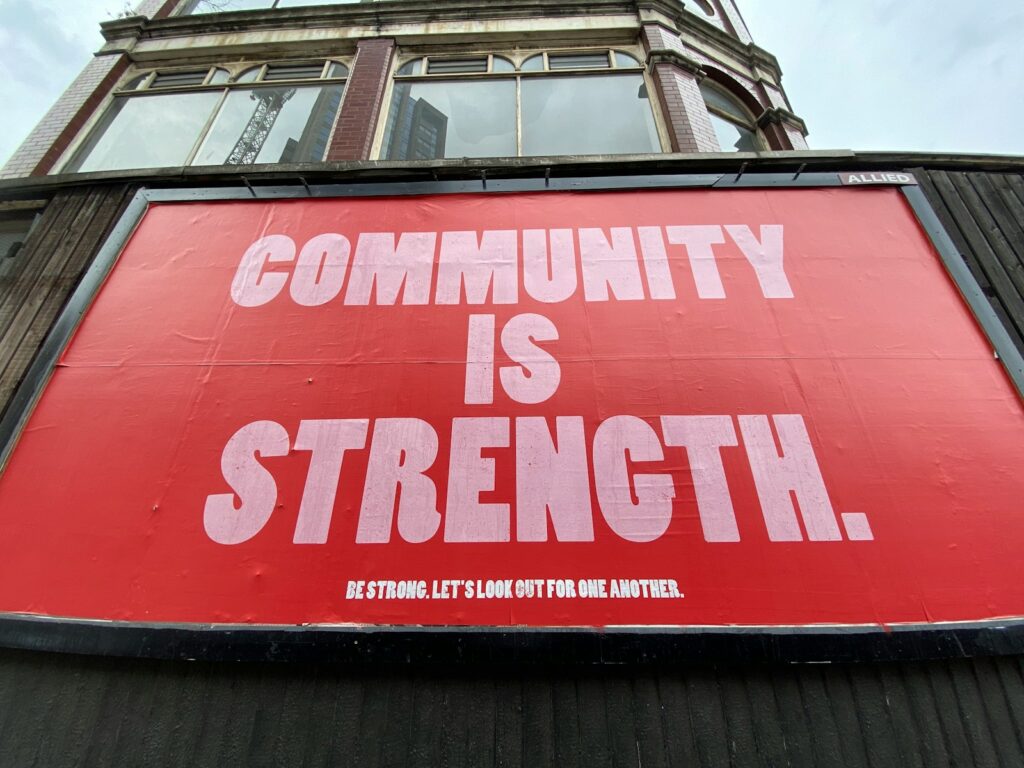
Understanding the Power of Community Connection in a Fast-Paced World
Alright, let’s talk about community connection for a second. It’s one of those things we all crave, even if we don’t always realize it. Whether it’s catching up with old friends, chatting with neighbors, or just feeling like you belong to something bigger, connection makes life richer. But in a world where we’re often glued to screens and rushing from one thing to the next, making those connections can be a bit of a challenge. You might say it’s like trying to keep a fire going in a rainstorm – it takes effort, but the warmth is worth it.
1. What Exactly is Community Connection?
Community connection is more than just knowing a few people in your neighborhood or having a couple of buddies at church. It’s about forming meaningful, supportive relationships that offer a sense of belonging and purpose. It’s those bonds that keep us grounded and give our lives texture, like the threads in a well-worn sweater – each one adding strength and warmth.
At its core, community connection involves shared experiences, mutual support, and a commitment to the well-being of others. It can happen in person, like chatting with someone at a church potluck, or online, like joining a virtual Bible study group. Both forms are valuable, but each has its own set of challenges and benefits.
2. Understanding Community Connections
Now, let’s break it down a bit. There are a few different types of connections you might have within a community:
Physical Connections (Through Ministry) – These are the in-person bonds we form, like the friendships you build in a church small group or the connections you make while volunteering at a community event. They’re face-to-face, often reinforced through physical touch – a handshake, a hug, a pat on the back.
Social Connections (Interpersonal Relationships) – These are the ties we form through shared interests and values, like a group of church members who meet regularly for Bible study or a circle of friends who get together to discuss faith and life over coffee.
Functional Connections – These are connections based on shared goals or responsibilities, like being part of a church leadership team or coordinating a community outreach program. These ties often involve a bit more structure and planning, which is great for those of us who thrive on order and routine.
Digital Connections – With so much of our lives happening online, digital connections are becoming increasingly important. This includes live-streaming church services, participating in online Bible studies, or joining a faith-based Facebook group.
3. Benefits and Community Applications
So, why should you bother building these connections? Well, the benefits are huge. Research has proven that those who interact socially and have a strong community of friends usually more balanced, are generally happier, healthier, and more resilient. They have lower stress levels, a stronger sense of purpose, and better mental health.
For churches, strong connections can lead to more engaged congregations, higher attendance, and a deeper sense of community. It’s not just about filling pews – it’s about creating a space where people feel seen, heard, and valued.
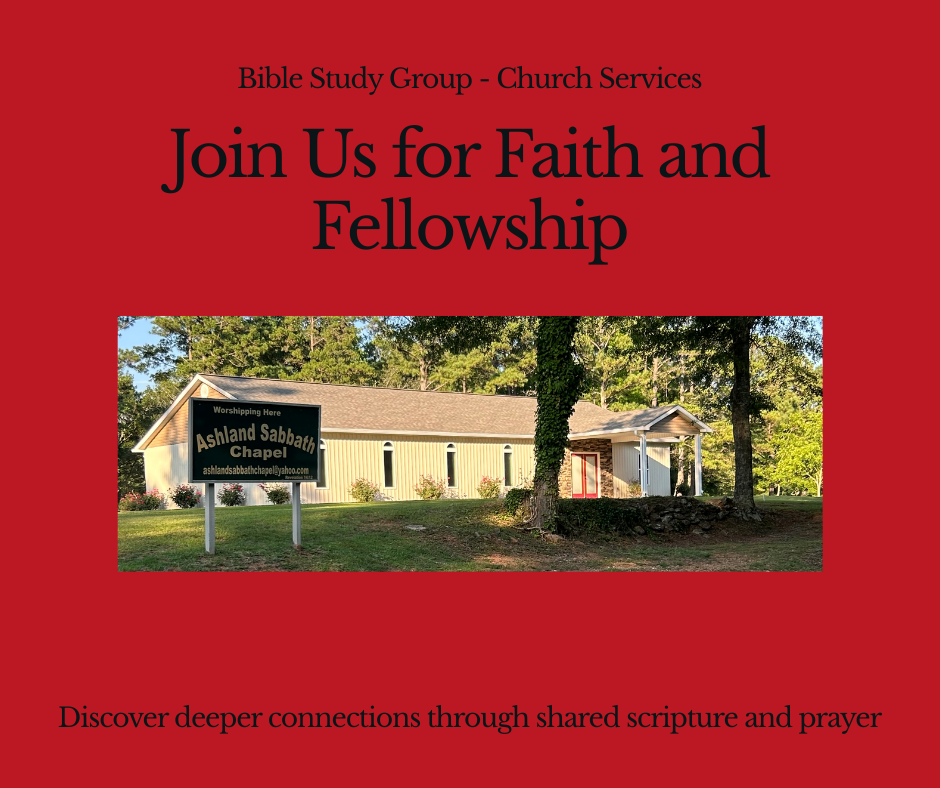
Consider a local church in Ashland, Alabama, that expanded its reach by offering both in-person and online Bible study groups. They found that members who regularly participated in these groups reported higher levels of spiritual growth, greater satisfaction with their church experience, and a stronger sense of community. That’s not just good for the church – it’s good for the individuals involved.
4. Guidelines for Effective Community Connection Usage
If you’re looking to build stronger connections, here are a few tips:
Be Intentional – Don’t just show up to events and expect to make deep connections. Engage with others, ask questions, share your experiences, and follow up afterwards.
Use the Right Tools – For those who prefer a structured approach, digital platforms like Church Online Platform or Tithe.ly can help you stay connected with your faith community, even when you can’t make it to in-person services.
Focus on Quality, Not Just Quantity – It’s better to have a few deep, meaningful relationships than a long list of casual acquaintances.
Get Involved – Join a ministry, volunteer for a service project, or start a small group Bible study. The more involved you are, the easier it is to form lasting connections.
5. Addressing Potential Issues and Risks
Of course, it’s not all sunshine and roses. Building community connections can be tricky. Miscommunication happens. People get busy. Sometimes, technology fails at the worst possible moment, like when your Wi-Fi cuts out right in the middle of a live-streamed sermon.
To avoid these pitfalls, it’s a good idea to have a plan in place. Make sure you’re using reliable technology, set clear expectations for communication, and don’t be afraid to address conflicts head-on. Sometimes, a little uncomfortable conversation now can save a lot of heartache later.
6. Research Summary and Evidence-Based Insights
Studies on community connection consistently show that strong, supportive relationships lead to better physical and mental health, lower stress, and longer life spans. So, if you’re looking for a reason to invest in these connections, there it is – a longer, healthier, happier life.
7. Products and Services Related to Community Connection
If you’re looking to strengthen your connections, consider joining our community at Ashland Sabbath Chapel Ministry. Located in Ashland, Alabama on Owens Rd. Everyone is welcomed and donations are strictly voluntary. Come and share with good folks and good words.
8. Purchasing Options for Connectivity Tools for Online Church
For those in Ashland, Alabama, or anywhere for that matter, we offer free live bible study group and church services every Saturday starting at 10:00 AM central time. You can watch from home at no cost on YouTube.com/@AshlandSabbathChapel. A good resource for building your faith community.
9. Conclusion
At the end of the day, building strong community connections is one of the most valuable investments you can make – both for your own well-being and for the health of your church. It’s about more than just meeting new people. It’s about creating a network of support, encouragement, and shared faith that can carry you through life’s ups and downs.
So, if you haven’t already, maybe it’s time to reach out, get involved, and start building those connections. Who knows? You might just find a second family in the process.

References and Resources
Online Platforms for Connection:
Local Community Resources in Ashland, AL:




Recent Comments