Come join Ashland Sabbath Chapel Ministries each Saturday for live streamed church services. Bible Study begins at 10:00 AM Central Time and Sermon at 11:00 AM. Visit Our YouTube channel and watch from home!
Adventist fiber processing stands out in the realm of textile work, specifically for its unique approaches to utilizing natural fibers. The focus here is on methods and techniques that align with sustainability and ethical practices. In the Adventist community, the preparation of wool and other fibers isn’t just a mechanical task; it carries profound meaning and is woven into a larger narrative of stewardship and care for creation.
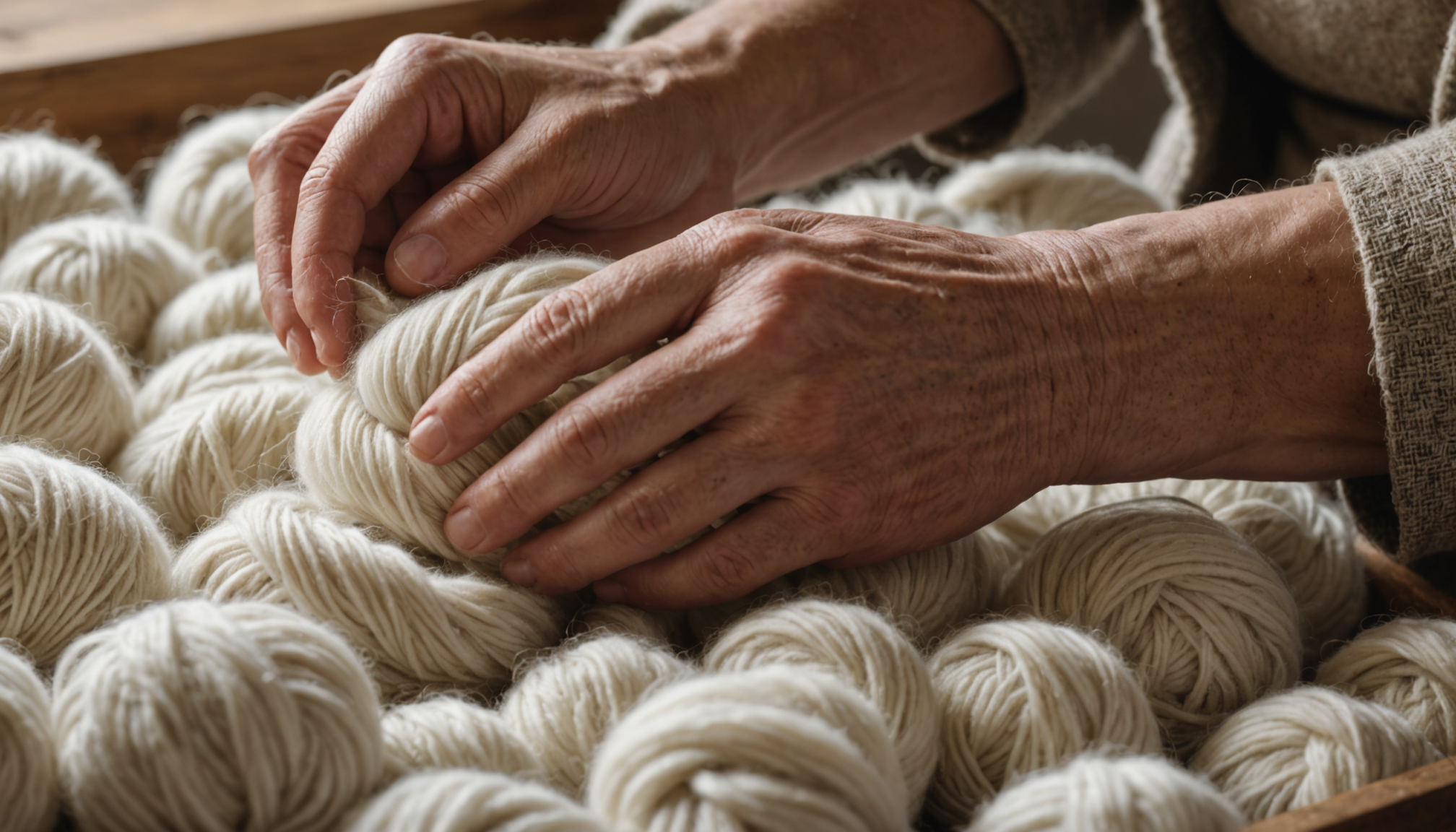
This processing method emphasizes the use of *natural fibers*, which are not only renewable but also biodegradable. By choosing materials like cotton, wool, and hemp, the Adventist method promotes an eco-friendly approach to clothing materials. It respects the earth and encourages a responsible cycle of consumption. Traditional processing methods involve cleaning, carding, and spinning these fibers into yarns suited for various applications, while also being mindful of the environmental impact.
Moreover, the Adventist approach integrates community involvement. Workshops and communal crafting sessions allow individuals to learn the art of fiber processing, fostering a sense of togetherness. In these gatherings, members share techniques that have been passed down through generations, ensuring that the skills remain alive and relevant. This collaborative spirit not only reinforces community bonds but also supports sustainable practices in textile production.
In addition, there is a strong emphasis on education within the Adventist ethos. Children and adults alike are taught the significance of fiber processing, understanding its impact on both their lives and the environment. They learn about *wool preparation*, the intricacies of yarn creation, and how these materials can contribute to a more responsible fashion industry.
Through these practices, Adventist fiber processing becomes more than just an artisan craft; it’s a movement towards creating a conscientious lifestyle. As more individuals recognize the value of sustainable textile work, the principles of Adventist fiber processing are likely to gain even greater traction in wider circles, inspiring a new generation of makers who find purpose in their craft.
Historical Development
As we trace the roots of Adventist fiber processing, we find ourselves entangled in a rich tapestry of history, quite akin to the very yarns these skilled hands produce. It takes us back to a time when the whispers of wise artisans echoed through the valleys, where sustainability was not merely a trend, but a way of life. In those earlier days, the art of *wool preparation* was undertaken with a reverence for both the fiber and the environment. It wasn’t about mass production; instead, it embraced patience and the prudent stewardship of nature’s bountiful gifts.
As the community grew, so too did the methods they employed. The Adventist connection to the land was profound, as if the very fibers sang with stories of their origins. Historical accounts suggest that early practitioners viewed each piece of cloth not merely as a functional product but as part of a divine relationship with creation. They meticulously honed their techniques, learning from the sartorial wisdom passed down through generations, thus weaving a legacy rich in both craftsmanship and ethical responsibility.
Through the ages, *natural fibers* like cotton and wool became the fabric of their existence—quite literally. With the rise of industrialization, competition loomed large, tempting many to forsake their artisanal roots for efficiency. Yet, the Adventist community remained resolute, standing firm in their principles. They selected methods that stayed true to their ethos; rather than succumbing to the allure of synthetic fibers and hurried production lines, they continued to cherish the hands-on approach that embraced simplicity and sustainability.
In those days of yore, communal gatherings sprang forth like wildflowers, blooming brightly in support of this labor of love. Men and women gathered not only to work but to share tales and techniques rambling back to the auld country and even further. These gatherings transformed into celebrations of creativity, where laughter and shared knowledge spun a thread of unity, binding the community together through the common purpose of honorable labor.
As centuries turned, new ideas crept into the fabric of fiber processing, but the Adventist way retained its essence. In varying shades of times gone by, the interplay of tradition and innovation thrived, leading to the incorporation of new techniques while still holding fast to the core values cherished by their forebears. Every twist of the spindle and every pull of the loom became a testament to resilience, reminding those who indulged in this noble pursuit that they were part of something much larger than mere textile work. They were warriors of the earth, champions of sustainable practices, steadfast in their commitment to produce superior clothing materials with a conscience.
Thus, the historical development of Adventist fiber processing emerged not just as a series of methods or techniques but as a profound narrative—woven with threads of community, sustainability, and the wisdom of ages past—that continues to inspire and challenge those who follow in their footsteps.
Techniques and Methods

In the world of Adventist fiber processing, techniques flourish like a wild garden, each one integral to the dance between nature and craft. At the heart of this work is a meticulous attention to detail, a respect for the fiber that often begins its journey in the fields. Wool preparation, for instance, is a labor of love that involves several steps, each one crucial. First, there’s the shearing, where the fleece is carefully harvested from sheep, being wary of the animal’s comfort. It’s a hands-on affair, much like the careful strokes of a painter’s brush on canvas.
After shearing, the wool goes through washing to remove dirt and grease. This stage is simple yet critical; it’s where the fibers begin to reveal their potential. The washing process often employs natural soaps, aligning seamlessly with the idea of respecting natural resources. Once cleaned, the fibers are carded—a technique that transforms the raw wool into soft, airy slivers that pass through the hands like clouds. It’s here that the fibers start to intermingle, establishing the promise of strength and warmth. And oh, how satisfying it is to work with fibers that have soul! Each carded puff tells the story of earth, sun, and sheep.
Then comes the spinning, the part that many find exhilarating. Using spinning wheels or drop spindles, these artisans twist the carded wool into yarn. This act transforms the casual observer into a creator, turning simple fluff into a tangible material. The texture and tension dictate how that yarn feels—soft, robust, or even rustic—tailored to the desired end use. And with each rotation, there is not just movement; there’s purpose. The spinners imprint their rhythm, a heartbeat shared among those crafting in community.
What’s particularly striking about these methods is their accessibility. Workshops frequently pop up within the Adventist community, making these techniques available to anyone willing to learn. During these sessions, seasoned crafters share their secrets, the techniques that have been safeguarded over decades. This exchange of knowledge fosters not just skill but a deeper appreciation of the materials themselves. It’s where the past meets the present, allowing traditions to flow seamlessly from one generation to the next.
Moreover, the innate creativity of the individuals involved shines through in the dyeing process, where color becomes an extension of their personality. Natural dyes extracted from plants, flowers, and minerals imbue the textiles with shades that reflect the beauty of the world outside. The palette of colors serves as a reminder that nothing is wasted; every aspect of processing methods ties back to an ethos of sustainability. The vibrancy of the materials speaks volumes about a commitment to ethical practices, ensuring that the final products are as wholesome as they are beautiful.
Finally, weaving is where all these threads converge into fabric. It’s the culmination of countless hours of skillful labor. Whether one opts for a traditional loom or a simple homemade contraption, the result embodies the spirit of collaboration and care. The pattern chosen can reflect individual stories, community heritage, or simply a love for the craft itself. Each piece of fabric becomes a canvas of expression, with stories stitched into every inch.
Ultimately, these techniques and methods in Adventist fiber processing are woven together into a fabric that represents far more than mere aesthetics. They embody a philosophy deeply rooted in respect for nature, community bonding, and creative expression. As each artisan engages in this intricate dance of fiber and technique, they contribute to a collective narrative, rich with the wisdom of ages past and the promise of sustainable futures. The threads may be spun by individual hands, but the tapestry created speaks of unity, resilience, and a deep connection to the earth.
Applications in Sustainability
In the heart of the Adventist focus on fiber processing lies a commitment not only to craft but also to the profound tenets of sustainability. Each fiber, whether spun from the softest wool or extracted from resilient hemp, carries echoes of the natural world, whispering tales of its origins. Among the rolling hills and verdant fields, the community has woven its practices into a tapestry of environmental consciousness, ensuring that every step taken in the textile work reflects a respect for the Earth.
The applications of this ethos extend far beyond the simple creation of yarn or fabric. Adventist fiber processing seeks to establish a harmonious bond between the materials used and the environment they emerge from. One need only observe the way spindle and loom dance together to appreciate this connection. Through processes rooted in care, artisans embark on journeys that celebrate renewable resources. A lovely example can be found in the revival of natural dyeing techniques, where colors sourced from flowers, plants, and minerals manifest stunning hues, proving that beauty need not come at the expense of the planet. In this way, they cultivate a palette that honors the vibrant ecosystem surrounding them, effectively illustrating that choices made in fiber processing can echo the patterns found in nature itself.
Yet, it is in the spirit of communal effort that the most profound sustainability emerges. Workshops flourish, inviting individuals to engage in hands-on learning experiences where they become part of a lineage that believes in slow, intentional crafting. Children who once entered with only wide-eyed wonder depart with knowledge that encompasses both the intricacies of wool preparation and the broader implications of their craft. They learn the philosophy that each thread spun is a testament to a sustainable future, cultivated in purpose rather than profit.
Moreover, these gatherings prompt discussions about consumption habits and the lifecycle of clothing materials. They encourage a shift away from the fast fashion mentality that grips modern society, where garments are discarded with little thought. Instead, there exists a shared commitment to creating goods that endure; items meant to be cherished, not tossed aside. The fibers interwoven with stories become heirlooms, passed from one generation to the next, evoking memories not just of aesthetic appeal, but of connection to the earth and to one another.
This philosophy extends into the marketplace, where artisans proudly present their crafted goods, each piece a reflection of the process tied to sustainability. Customers are invited to connect to their garments in ways that echo the sacredness of each fiber. Purchasing becomes an act of mindful consumption, a celebratory acknowledgment of the journey that every thread endured before it emerged as a finished product. In this way, the textiles produced do not merely clothe; they also inspire stewardship amongst those who wear them.
Thus, Adventist fiber processing is situated at the crossroads of tradition and vision, marrying the art of creation with a stewardship narrative that seeks to uplift and empower. By promoting sustainability and community engagement through their techniques and methods, these artisans not only forge materials but also cultivate a culture that reveres the world it increasingly tends to overlook. And as such, each project, each communal workshop, and each unique fabric may be seen as a hopeful thread woven into the ongoing story of our relationship with the Earth, binding artistry with environmental consciousness in an unbreakable embrace.
Future Trends and Innovations

As we look ahead to the future of Adventist fiber processing, it becomes apparent that innovation and tradition will continue to intertwine seamlessly, creating exciting prospects for the craft. One area ripe for exploration is the integration of technology with traditional wool preparation methods. For example, individuals may employ looms that blend automation with artisanal techniques, enhancing productivity while maintaining the tactile connection to the handcrafted elements that define the experience. This synergy holds promise for reaching broader markets while preserving the authentic essence of the craft.
Moreover, the world is increasingly recognizing the environmental crises that plague contemporary garment production. This reality opens up a unique opportunity for Adventist fiber processing to mark its distinct path in sustainable textile work. The community’s established practices rooted in natural fibers and ethically sourced materials provide a blueprint for responsible fashion that aligns with global sustainability goals. As awareness grows, there could be a surge in interest from consumers seeking alternatives to fast fashion, fostering demand for handmade, eco-friendly clothing materials produced through conscientious methods.
Education will also play a vital role in the evolution of Adventist fiber processing. Expanding outreach efforts and providing workshops not only introduce newcomers to the art of fiber processing but also serve a larger purpose: instilling a sense of environmental stewardship and respect for traditional crafts in younger generations. These initiatives can cultivate an engaged community of learners who approach textile work with mindful intention, ensuring that the legacy of sustainable practices continues to flourish.
Furthermore, the potential for collaborations between fiber artisans and environmental organizations may lead to groundbreaking projects that highlight the impact of sustainable materials. By partnering to raise awareness about the benefits of using natural fibers and the importance of preserving ecological balance, Adventist fiber processing could harness collective influence to challenge the status quo within the broader textile industry.
As these developments unfold, the essence of Adventist fiber processing remains steadfast, embodying the commitment to both ethical craftsmanship and ecological mindfulness. The vibrancy of colors, the resilience of textures, and the heartfelt stories spun through communal practices continue to call artisans and consumers alike to engage thoughtfully with their choices. With each innovation, the fabric of this tradition grows richer, inviting yet more individuals to ponder their connection to the very fibers that cloak them and the planet that nurtures them.
- What is Adventist fiber processing?
- Adventist fiber processing encompasses the traditional methods of preparing and crafting textiles using natural fibers, emphasizing sustainability and community involvement. The process includes techniques like wool preparation, dyeing, spinning, and weaving, all aligned with ethical practices.
- How does Adventist fiber processing promote sustainability?
- This approach uses renewable and biodegradable materials while educating communities about responsible consumption practices. By focusing on natural fibers and traditional techniques, artisans create long-lasting clothing materials that reduce waste and environmental impact.
- What types of fibers are commonly used in Adventist fiber processing?
- The community primarily uses natural fibers such as wool, cotton, and hemp, which are renewable and eco-friendly. These materials exemplify the commitment to sustainability and ethical craftsmanship in textile work.
- Are there workshops available for learning Adventist fiber processing?
- Yes, many Adventist communities offer workshops that invite participants to learn various techniques of fiber processing, from carding to spinning and weaving. These sessions emphasize community engagement and the importance of preserving traditional crafts.
- How can individuals get involved in Adventist fiber processing?
- Individuals can attend local workshops, join community gatherings, or explore online resources to learn about fiber processing techniques. Engaging with local artisans or groups dedicated to sustainable practices is a great way to start.
- What is the significance of using natural dyes in this craft?
- Natural dyes enhance the beauty of textiles while promoting environmental awareness. Extracted from plants, minerals, and other natural sources, they reflect the commitment to creating vibrant, eco-friendly products without harming the environment.
- How does Adventist fiber processing differ from modern textile manufacturing?
- Adventist fiber processing prioritizes slow, intentional crafting methods, focusing on sustainability and community in contrast to the fast, mass-produced nature of modern textile manufacturing. This approach fosters a deeper connection between the artisan, their materials, and the environment.
Beside our live streamed church services, all are welcome to attend our church in person each Saturday beginning 10:00 AM Central Time by going to 2425 Owens Rd., Ashland, AL 36251. There is no cost and any donations are strictly voluntary.
For questions, call +2563547124.