Come join Ashland Sabbath Chapel Ministries each Saturday for live streamed church services. Bible Study begins at 10:00 AM Central Time and Sermon at 11:00 AM. Visit Our YouTube channel and watch from home!
In the realm of Adventist practice, where the importance of equipment care cannot be overstated, one finds that individuals are often encouraged to cultivate both the mind and the hands through the acquisition of practical knowledge. This notion transcends mere aesthetic appreciation of tools; rather, it embodies a deeper understanding that encompasses both the management and preservation of instruments vital for various tasks. Knowledge of these tools, coupled with a working knowledge of their maintenance, fosters efficiency and ensures longevity, thus allowing practitioners to engage in their tasks with confidence and purpose.
The maintenance of tools, much like the care one would bestow upon a cherished heirloom, necessitates a certain diligence and methodical approach. It is insufficient to simply possess tools; one must also grasp the requisite methods for their upkeep. This involves understanding the specific materials and functions of each tool, which in turn aids in identifying the appropriate repair methods and maintenance schedules. Proper attention to detail in these matters ensures that tools remain functional, reliable, and ready for use when needed most.
Furthermore, there exists a profound sense of community amongst those who share in the Adventist faith; this camaraderie extends into the realm of tool maintenance. Individuals often exchange insights regarding their experiences, thus lending support to one another in the pursuit of skill and knowledge. This relationship not only bolsters practical skills but also enriches the group’s overall approach to shared responsibilities, fostering an environment in which the preservation and care of tools become not just an individual task but a collective endeavor.
Essential Tools for Adventist Practices
In the tapestry of Adventist practices, each tool, wrought from various materials and crafted for specific purposes, speaks to an unbroken chain of tradition and necessity. As one traverses the landscape of these essential instruments, one discovers that each holds a story within its steel and wood, a purpose defined not merely by its physical form but by the hands that wield it and the intention behind its use. From humble hammers to finely honed chisels, these tools serve as extensions of one’s own resolve, a means to foster both creativity and diligence.
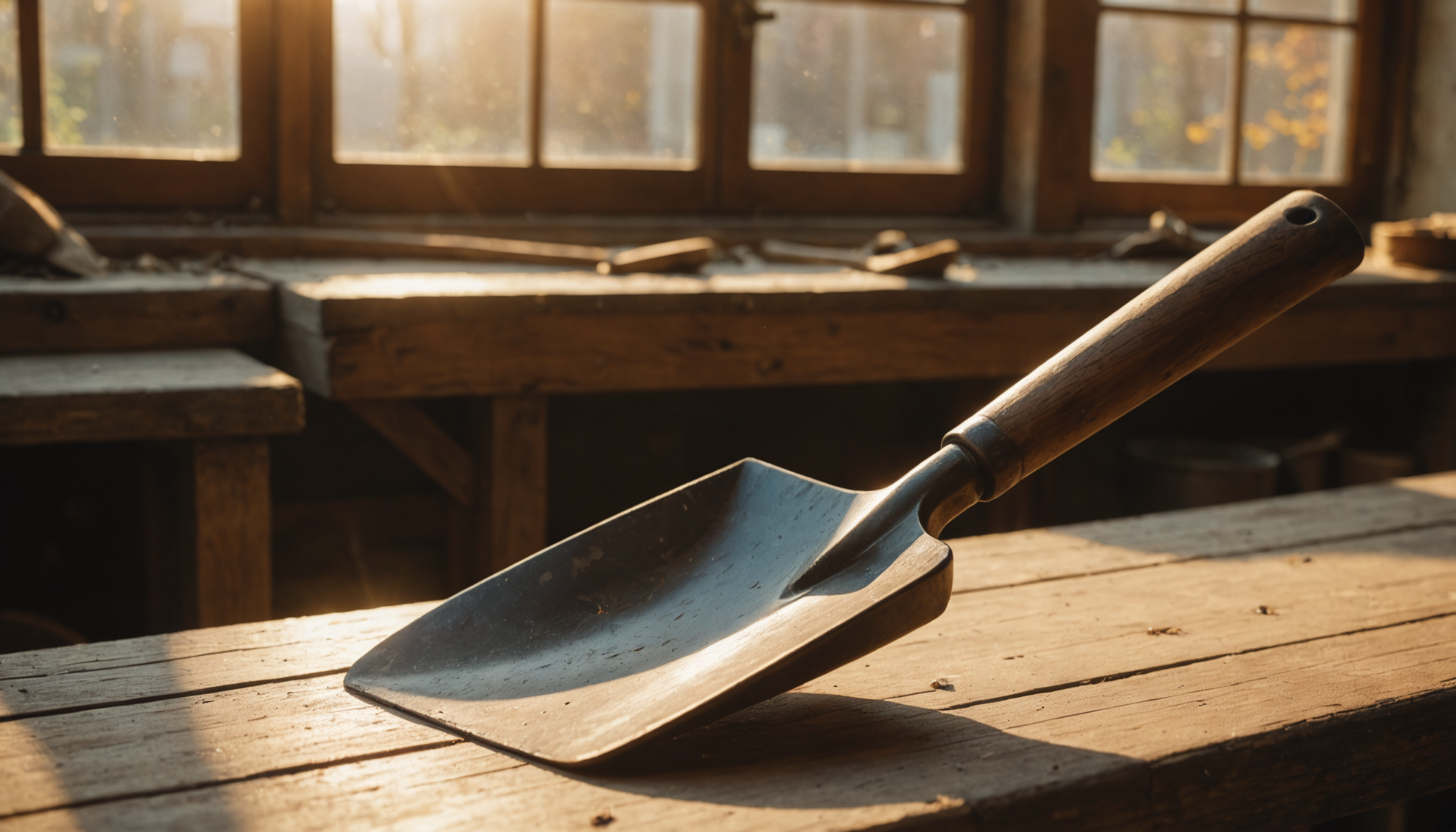
Among the essential tools, the garden spade emerges as a symbol of labor and love, a faithful companion in cultivating the earth. It digs deep, unearthing not only soil but also the collective memory of communities who have tended these lands before. Every stroke reminds the practitioner of their connection to both the earth and their faith, an embodiment of the belief in nurturing not only plants but spirits.
Adventist congregations often emphasize the importance of communal work, transforming the act of maintenance into a shared ritual. Here, one finds the wheelbarrow, sturdy and omnipresent, carrying loads of hope and toil from one area to another. In the hands of many, it becomes an instrument of unity; with each transport of soil or plants, the participants develop not only their practical skills in the realm of physical labor but also their connections with one another.
Equally indispensable is the set of hand tools—screwdrivers, pliers, and wrenches—that breathe life into projects large and small. These tools serve as the bridge that connects intention to action, translating ideas into tangible outcomes. The gentle grip of a screwdriver as it turns, the satisfying click of a plier grasping a stubborn bolt—such actions are imbued with purpose, enabling members to embrace their calling with both vigor and precision.
The importance of proper selection of tools cannot be overstated; it is an act of discernment that reflects a deep understanding of one’s specific needs. This working knowledge shapes the very essence of the Adventist approach, where each individual’s relationship with their tools mirrors their commitment to self-improvement and community enhancement. Choosing the right tool—be it a circular saw for framing or a simple garden hoe—ensures that every project is approached with confidence and care.
Additionally, as they venture into the woods for lumber, craftsmen find solace in the rhythmic dance of the saw, an extension of their hands that translates raw materials into works of utility and beauty. Here too lies the essence of tool preservation; it is the recognition that with each sawing stroke, care must be taken to maintain the blade, to prevent rust, and to sharpen the edge. In this painstaking attention to detail, practitioners cultivate not only their tools but a mindfulness that carries over into every facet of their lives.
Emphasizing the significance of equipment care and the collective wisdom shared among practitioners prepares individuals for the duties ahead. The process of gathering these tools, knowing their names and purposes, intertwines with the very spirit of Adventist values—stewardship, hard work, and community spirit, allowing the unified endeavor of maintenance to blossom into a regular practice, steeped in tradition, knowledge, and faith.
Routine Maintenance Procedures

To navigate the intricacies of maintaining tools effectively, one must engage in a series of routine procedures that ensure each instrument remains in optimal condition, prepared to serve its purpose at a moment’s notice. This endeavor, crucial in a community as devoted to both faith and function, is wrought with the understanding that diligence today lays the groundwork for competence tomorrow.
First among these proactive measures is the inspection of each tool, which ought to become a habitual practice akin to the daily readings of sacred texts. As one examines the machinery, it is imperative to check for signs of wear, corrosion, or damage that may have accumulated over time. Tools employed in physical labor, such as shovels and hoes, are particularly susceptible to the ravages of nature, and thus require vigilant oversight to detect even the slightest imperfections. This careful examination not only preserves functionality but also imparts a deeper appreciation for the craftsmanship involved in their creation.
Once the inspection is complete, the proper method of cleaning surfaces must be employed. A rag, imbued with a modicum of the right oil or solvent, serves as a pleasant reminder of one’s responsibility to these implements. Cleaning is not a mere chore; rather, it is an act of reverence, ensuring that dirt and grime do not become the enemies of efficacy. Each stroke of cloth against metal or wood restores the tool to its former glory, reflecting a commitment to meticulous care and longevity.
Equally important is the sharpening of blades, for dull edges inevitably lead to frustration and inefficiency. This task, requiring both patience and precision, embodies the very essence of tool preservation. A well-sharpened tool not only enhances performance but also enriches the experience of its user. Herein lies the necessity of possessing a working knowledge of various sharpening techniques, tailored to each type of blade or cutting instrument. Whether one employs a whetstone or a mechanical sharpener, the process ought to be approached with due diligence, transforming a mundane task into an artful exercise in craftsmanship.
Moreover, maintaining the tools’ integrity also extends to the appropriate storage of each instrument. As the seasons change, so too must the methods of safeguarding tools against elements that may threaten their existence. It is advisable that practitioners enact strategies such as placing tools in a dry, sheltered location, while also considering protective sheaths for the sharper implements. Such measures are essential in preventing rust and exacerbating issues that could otherwise have been averted through foresight and care.
A frequent yet essential component of routine maintenance is the lubrication of moving parts, which should be conducted at regular intervals. Utilizing suitable oils guarantees that components remain functional and responsive, thereby prolonging the lifespan of the tools conscientiously cherished by their owners. This action must be included within the broader context of preventive care, an approach that mitigates the risk of failure before it even approaches the realm of possibility.
Lastly, it is vital for each individual to engage in periodic reviews of the maintenance schedule, ensuring that all tasks are undertaken with necessary regularity. This systematic approach cultivates not only one’s practical skills but also fosters a shared commitment to the collective stewardship of instruments that serve to enrich both personal and communal endeavors. Through the observance of these routine procedures, the community embarks upon a journey that intertwines the fabric of faith and functionality, underscoring the enduring significance of careful tool maintenance and its commitment to both tradition and progress.
Troubleshooting Common Issues
In the delicate dance of tool usage, it is not uncommon for one to encounter various vexations that require an astute mind and a steady hand to resolve. The challenges inherent in the routine usage of tools often manifest as issues that, if not met with resolve and the appropriate strategies, may lead to frustration or inefficiency. To navigate these trials successfully, one must cultivate a specific working knowledge of the common adversities that tools might present, ensuring not merely rectification but a deeper comprehension of their mechanics and care.
One frequent dilemma that arises in the realm of Adventist tool maintenance is the occurrence of rust, that insidious foe which, if left unchecked, can ravage the elegance and utility of one’s cherished instruments. The attentive practitioner ought to take heed of any signs of corrosion, for these may signal a larger cry for help from tools that have been neglected. An effective remedy involves actively employing a rust remover, which can be as straightforward as vinegar or commercial rust dissolvers, followed by meticulous scrubbing with steel wool. In this endeavor, one should remain ever mindful that regular application of a protective oil post-cleaning may fortify tools against future incursions of rust, thereby embodying the essence of both preventative care and tool preservation.
Next, let us consider the lamentable instance of a blade that has fallen victim to dullness. Such a quandary inevitably leads to compromised performance and increased effort, which is contrary to the virtue of that which is intended to serve us. To remedy this, one must have recourse to the age-old methods of sharpening, employing a whetstone or oil stone to restore the edge to its rightful sharpness. The ritual of bringing life back to the blade through patient honing fosters not just improved functionality, but is an exercise in discipline and dedication—traits highly valued in both craftsmanship and faith. Regular sharpening must be integrated into one’s routine, as the gentle practice of sharpening cultivates a connection between the craftsman and the tool, transforming a mundane task into a delightful engagement with the art of maintenance.
It is also essential to address the frustrating circumstance of a tool becoming inoperable due to mechanical failure—be it a wrench whose jaw has become misaligned or a drill that refuses to turn. Here, the application of knowledge regarding repair methods is invaluable. A careful inspection before any adjustment is to be performed can lead to a clearer understanding of the nature of the malfunction. For instance, tightening screws or bolts that have come loose can restore functionality with minimal effort. Yet, should the tool require a deeper intervention, one may need to consult the wisdom of peer practitioners or literature devoted to tool maintenance. Embracing this community spirit not only assists in the repair processes but ensures each member continues to grow in their practical skills and knowledge base.
Another issue that may arise is the infamous tool withdrawal, wherein instruments, having been subjected to the elements without failings in vigilance, find themselves mired in dirt and debris. The remedy lies in a thorough cleansing ritual, which serves not only to enhance aesthetics but, more importantly, to ensure that all moving parts operate fluidly and without obstruction. A good washing with soap and water, followed by proper drying, will work wonders, encouraging the principle that even tools deserve a semblance of care and respect. Such practice reflects a commitment to stewardship that mirrors the values espoused within the Adventist faith, where cleanliness is indeed next to godliness.
In instances where tools require reassembly or restoration of functionality post-repair, a methodical approach must be followed, harking back to the principle of meticulousness that underscores all endeavors related to equipment care. When reassembling, one should consult any existing manuals, as they often provide invaluable guidance, ensuring that no piece is misplaced and that the restoration is executed correctly. This optimization of the repair process not only reinforces one’s intimate understanding of the tools but also ensures a higher likelihood of successful reuse.
By addressing these common issues with a reflective and informed approach, individuals can cultivate a spirit of resilience in their maintenance practices. The experiences that arise from troubleshooting troubles in tool functionality only serve to deepen one’s appreciation for the devices that aid in labor and creativity, blending seamlessly with the principles of community care and collaboration that are so deeply embedded in the Adventist ethos. Thus, through grace and diligence, practitioners not only establish a reliable arsenal of tools but also fortify their relationships with one another—wielding instruments of not just metal, but of lessons, perseverance, and faith in progress.
Best Practices for Tool Preservation

In the realm of tool preservation, a multifaceted approach is essential for those committed to nurturing the equipment integral to their practices. Every act of maintenance, whether it be cleaning, repairing, or properly storing these instruments, directly contributes to their longevity and effectiveness. Practitioners are urged to develop a systematic routine that not only caters to the immediate needs of their tools but also addresses long-term care, ensuring that each piece remains in optimal condition to support various tasks.
Understanding the specifics of material care can significantly enhance preservation efforts. For example, wrought iron tools benefit from regular applications of oil to combat moisture, while wooden handles may require occasional conditioning to prevent splitting and cracking. It’s this nuanced acknowledgment of each tool’s unique needs that fosters an environment of diligence and appreciation, transforming the act of maintenance into a mindful practice. The importance of such efforts cannot be overstated, as they are reflective of the respect practitioners hold for their instruments, akin to the reverence imparted to spiritual pursuits.
Storage practices also play a crucial role in tool preservation. Tools should be kept in a climate-controlled space, shielded from extreme temperatures and humidity. Hanging tools on walls or storing them in dedicated racks not only promotes visibility but also prevents accidental damage caused by stacking or haphazardly placing them in drawers. During seasonal changes, specific attention should be paid to preventive measures such as applying protective coasts on blades or using desiccants to absorb moisture within storage areas. The care taken in these respects symbolizes a broader commitment to ensuring that tools are always in a state of readiness, reflecting a mindset embedded in stewardship and responsibility.
Moreover, sharing knowledge about proper techniques and practices within the Adventist community can amplify the benefits of tool preservation. Encouraging discussions about repair methods, routine checks, and personal experiences creates a reservoir of collective wisdom, fostering a learning culture. As individuals exchange insights, they not only enhance their practical skills but also fortify communal bonds that cultivate a deeper sense of engagement and support. In this environment, each practitioner becomes not just a caretaker of their tools, but also an active participant in a tradition that values diligence, care, and community.
- What are the best ways to clean my tools?
- Cleaning tools involves removing dirt, grime, and residue after use. Utilizing a brush for heavy debris and a cloth with appropriate solvents can ensure tools are restored to optimal functioning condition.
- How often should I lubricate my tools?
- It is recommended to lubricate moving parts every few months or more frequently depending on usage. Regular lubrication helps prevent rust and ensures smooth operation of mechanical components.
- What should I do if my tool gets rusty?
- To remove rust, utilize a rust remover or a solution like vinegar, followed by scrubbing with steel wool. After cleaning, be sure to apply a protective oil to prevent future rust formation.
- Is it necessary to sharpen my tools regularly?
- Yes, regularly sharpening tools is essential for maintaining their effectiveness and prolonging their life. Dull tools can lead to frustration and unnecessary wear, so integrating sharpening into your routine is beneficial.
- How can I tell if my tools need repair?
- Signs that a tool may need repair include unusual noises, poor performance, or visible damages such as cracks or misalignments. Regular inspections can help identify these issues early.
- What is the best way to store tools?
- Store tools in a dry, climate-controlled environment, utilizing racks or hangers to prevent damage. Avoid stacking tools in drawers where they could be scratched or damaged.
- Can I use any type of oil on my tools?
- It is important to use oils specifically designed for tool maintenance, as they provide the necessary lubrication without causing damage. Refer to manufacturer guidelines for recommendations on compatible products.
Ashland Ashland Sabbath Chapel
Beside our live streamed church services, all are welcome to attend our church in person each Saturday beginning 10:00 AM Central Time by going to 2425 Owens Rd., Ashland, AL 36251. There is no cost and any donations are strictly voluntary.
For questions, call +2563547124.