Come join Ashland Sabbath Chapel Ministries each Saturday for live streamed church services. Bible Study begins at 10:00 AM Central Time and Sermon at 11:00 AM. Visit Our YouTube channel and watch from home!
In a quaint kitchen, sunbeams cascade through the window, illuminating the jars lined meticulously on the wooden shelves. Each jar, fermented in the care of dedicated hands, tells a story steeped in tradition. Adventist vinegar making is not merely an act of concocting a condiment but a harmonious dance of natural products, practicality, and the rich heritage of a community committed to health and sustainability. With a focus on food preservation, every step in the vinegar-making process resonates with a profound respect for the ingredients sourced from nature’s bountiful offerings.
It begins with a simple vision: capturing the essence of fruits and herbs, allowing them to transform through the alchemy of fermentation. Grapes and apples are often the favored fruits, their sweetness morphing into a tangy delight. The individual components—fresh, organic, and free from artificial additives—are selected not just for their flavor but for their role in the broader narrative of household use and wellness. Few things evoke a sense of satisfaction like the knowledge that one can produce a vital ingredient in their kitchen, bridging generations through learned practical skills.
As the liquid is prepared, the magic unfolds. A careful balance of ingredients is stirred together, and one can almost hear the whispers of ancestors echoing in the air. The transformation that occurs is not simply chemical; it is imbued with intention. Adventists, with a deep-seated belief in the healthful properties of organic living, approach vinegar making as a craft—an art form where every bubble and scent bears witness to a philosophy that cherishes what is pure and whole.
With the careful monitoring of temperatures and time, the vinegar matures, developing character as robust as that of its creator. The process demands patience, reflecting the values instilled in the home—a quaint yet profound reminder that the best things in life often take time. Thus, with each batch crafted, the essence of the vinegar becomes intertwined with the spirit of the maker, capturing not just flavors but the stories of the land, the labor, and the leap into the unknown.
When finally poured into display bottles, the vinegar stands not merely as a culinary additive but as a testament to the legacy of Adventist ingenuity. It embodies the delicate union of nourishment and creativity, forever preserving the lessons learned along the way—a poignant reminder that the simplest of acts, such as making vinegar, can ripple through our lives in endless ways. Amid the dash to make the ordinary extraordinary, Adventist vinegar emerges, steadfast, a symbol of commitment to holistic living, and a fierce guardian of traditions meant to endure.
History of Adventist Vinegar Production
The journey of Adventist vinegar production cannot be separated from the broader narrative of food preservation within the context of the Adventist faith. Rooted in the principles of health and wellness, the Adventist community has long embraced the philosophy that the practical skills of food preservation are not merely utilitarian; they also embody a deep respect for God’s creations. Historical records indicate that the practice began in the late 19th century, during a period when the movement’s emphasis on a plant-based diet and holistic health fostered a culture of sustainability and resourcefulness.
One of the key figures in shaping this tradition was Ellen G. White, a co-founder of the Seventh-day Adventist Church, whose writings extolled the virtues of natural products and healthy living. Her influential texts provide a foundational understanding of the relationship between diet and well-being, explicitly advocating for the use of whole foods and homemade condiments like vinegar. Such teachings not only popularized the practice among followers but also highlighted vinegar’s role in enhancing flavor and preserving food, thus intertwining spiritual doctrine with the everyday lives of adherents.
As the community evolved, so did the methods and practices associated with vinegar production. The early practitioners relied heavily on local fruits—apples, pears, and grapes were among the most commonly used, selected not just for their availability but for their preservation properties. Families engaged in communal efforts to process excess harvests, transforming surplus into vinegar as a means of ensuring that berries and apples did not go to waste. This embodied both a practical approach to food preservation and a way to foster connections within the community, reinforcing the Adventist commitment to stewardship and sustainability.
During the 20th century, the practice of vinegar making underwent significant innovation, adapting to changing lifestyles while remaining grounded in tradition. Families began documenting their unique recipes and fermentation techniques, leading to a dissemination of knowledge across generations. This communal sharing of practical skills has allowed newer generations to engage with their heritage, learning the art of vinegar making as a vital component of household use and well-being.
Moreover, as the emphasis on organic and natural products gained traction in the late 20th and early 21st centuries, Adventist vinegar making experienced a resurgence. The community’s longstanding dedication to healthful living aligned perfectly with broader societal trends towards homemade, chemical-free food. As a result, many Adventist families have embraced modern preservation methods, experimenting with various fruits, herbs, and spices while respecting traditional fermentation principles. The notion that vinegar making is both a craft and a means of connecting with nature reflects the enduring legacy of Adventist vinegar production.
Today, the historical practices and beliefs surrounding Adventist vinegar making serve as reminders of the fundamental principles that guide the community—a dedication to health, sustainability, and the transformative power of food. Each batch produced stands as a testament to not just the art of fermentation, but also to the communal spirit that has fostered this unique approach to vinegar across generations, solidifying its place not only within the kitchen but as a cornerstone of the Adventist way of life.
Ingredients and Raw Materials
In the sacred ritual of vinegar making, the selection of ingredients marks the commencement of an intricate symphony, where each note plays an indispensable part in the final composition. It is an art that honors the quality and purity of natural products, reflecting both the profound understanding of the elements involved and the steadfast dedication to health that defines the Adventist tradition. The most cherished of ingredients often include the wholesome fruits that grace the orchards in the autumn months—grapes, apples, and pears—each carefully chosen for their inherent qualities and contributions to the fermentation process.
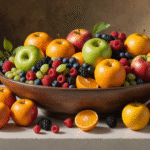
Apples, in myriad varieties, are perhaps the most frequently employed among these fruits. The crispness of the fruit, when juiced and allowed to ferment, yields a vinegar that is both robust and delightful. This vinegar finds itself not merely as an accompaniment but, rather, as a key player in the orchestra of flavors that adorn the table. Grapes, with their rich sweetness, also contribute magnificently to this culinary creation, transforming into a wine-like elixir through an artful journey of transformation. Such selections are not just based on taste but also on their proven efficacy in the realm of food preservation, ensuring that nothing is wasted and that every bite carries meanings reflected in the choices made.
Beyond fruits, various herbs and spices enter the fray, extending the palette of flavor while enhancing the health benefits of the final product. Fresh rosemary, fragrant thyme, and even spicy peppers find their way into mixtures, each fetched from the garden with care and intent. These additions can render the vinegar not only a culinary dynamo but also a potential breath of fresh vitality, reinforcing the Adventist commitment to holistic well-being and enriching the experience of household use in both cooking and medicinal applications.
Another noteworthy aspect of ingredient selection lies in the preference for organic and locally sourced materials. The Adventist belief in sustainability and stewardship harmonizes with the notion that what we consume should align with nature’s offerings. In this light, the choice of ingredients reflects a deeper philosophical commitment to community and the natural world, ensuring that every endeavor from the garden to the kitchen resonates with the spirit of preservation. The careful procurement of these elements celebrates not only the rigorous demands of quality but also a connection to the land, echoing the communal ties that weave through Adventist life.
Moreover, the water used in this sacred process cannot be overlooked; it must be pure and free from contaminants, offering only the best to sustain the fermentation. Such attention to detail underscores the larger ethos that informs Adventist vinegar making—a belief that every aspect of production matters, revealing the profound respect for the ingredients as well as the methods employed. Each choice, from the grapestomping to the careful mixing and monitoring of conditions, is steeped in tradition—a narrative continuously written through practice and dedication.
As these ingredients embark on their transformative journey, it is not merely the act of fermentation that unfolds but also an opportunity for connection. Families gather, sharing in the ritual, imparting knowledge and practical skills to younger generations. This transmission of wisdom—layered with anecdotes and personal touches—ensures that each batch of vinegar encapsulates not just the flavors of fruits and herbs, but also the heartwarming stories and cherished memories that enrich the Adventist way of life.
Fermentation Process
The essence of fermentation lies not merely in the transformation of sweet liquids into tangy, invigorating solutions, but in a delicate interplay of time, temperature, and natural organisms—a symphony performed with both reverence and precision. Within the Adventist tradition, this process embodies a meticulous attention to detail and an unwavering respect for the raw ingredients that lay the groundwork for creation. The journey towards producing vinegar is, thus, one marked by anticipation as one prepares to engage with nature’s own rhythms, allowing the fermentative magic to unfold.
Initially, the base liquid, often derived from freshly pressed juice of apples or grapes, is introduced to a cultured starter known as the “mother.” This emulsion of bacteria and yeast, which may either be sourced from previous batches or crafted anew, serves as a bridge connecting the raw state of the liquid to its final fermented form. The introduction of the mother signifies a powerful moment, as spontaneous transformations begin to occur—a reminder of the delicate balance maintained in the natural world.
During the fermentation process, the sugars present in the juice undergo a magnificent metamorphosis. Here, the enterprising yeast works diligently to convert these sugars into alcohol, generating the preliminary stage that will ultimately give rise to acetic acid through the intervention of acetic acid bacteria. This interplay, unfolding within a controlled environment, demands not only attention but also the embedding of practical skills acquired through years of tradition—a heritage of patience and observation that the community has upheld.
The beauty of this method lies in its simplicity yet sophistication. As the fermentation progresses, myriad factors such as oxygen, heat, and time must be judiciously monitored. A too-rapid progression can lead to undesirable flavors while an overly cautious approach may yield a sluggish outcome. Adventist vinegar makers, drawing from their deep-seated knowledge, ensure that the conditions remain optimal, allowing the flavors to develop fully and the vinegar to mature into its intended profile. This careful orchestration reflects a commitment not only to the craft but also to the healthful and sustainable practices that define their culinary philosophy.
The duration of fermentation may vary widely, with many opting for a period that can range anywhere from weeks to several months. Traditionally, taste tests are integral to this phase; they invite family members to gather, share in the anticipation, and refine the process through collective engagement. It is during these communal moments that knowledge seamlessly bridges generations, where young hands learn the importance of timing, flavor balance, and the ethics of food preservation—the core principles that Adventism celebrates. Each taste fosters a deeper connection to the spiritual underpinnings of their way of life, a testament to the arcane knowledge safeguarded across time.
As the vinegar steeps in its transformative embrace, it gathers nuances that will echo in various culinary applications. Each batch created is a labor of love, distilled into a bottle, carrying with it the essence of the laborious yet joyous fermentation journey. Adventist vinegar thus emerges not merely as a product, but as a living narrative that encapsulates the spirit of dedication and community—a vivid representation of the ages-old commitment to healthful living, resourcefulness, and sustainability.
Health Benefits of Vinegar
The health benefits of vinegar are numerous and compelling, deeply rooted in both tradition and science. Vinegar, particularly when made using organic ingredients, embodies a wealth of nutrients that can contribute positively to wellness. Its primary component, acetic acid, not only imparts that distinctive tangy flavor but also plays a vital role in various health-related applications, serving as a functional addition to the diet.
One of the most significant advantages of vinegar is its ability to support digestive health. It has been observed that vinegar can enhance digestion and alleviate symptoms of bloating and indigestion. When consumed in moderation, it may help facilitate the breakdown of food, enabling better nutrient absorption and promoting a balanced gut microbiome. Additionally, the natural products found in vinegar can aid in maintaining healthy blood sugar levels, a crucial factor for those mindful of their metabolic health. Research suggests that vinegar may contribute to improved insulin sensitivity, potentially benefiting individuals with insulin resistance.
Furthermore, vinegar’s role in food preservation exemplifies its multifaceted contributions. By exhibiting anti-microbial properties, vinegar acts as a natural preservative, inhibiting the growth of harmful bacteria in various foods. This aspect not only enhances the safety and longevity of preserved items but also reinforces the principles of sustainability prevalent within the Adventist community, where minimizing waste and utilizing nature’s bounty form the foundation of household use.
Moreover, vinegar has been noted for its potential cardiovascular benefits. Regular consumption can support heart health by aiding in cholesterol regulation and promoting healthy blood pressure levels. The antioxidants and beneficial compounds present in natural vinegar types, particularly those made from fruits rich in phytonutrients, can help support overall cardiovascular function, aligning perfectly with the Adventist commitment to holistic well-being.
Beyond these tangible advantages, vinegar serves as a gateway to exploring the connection between nutrition, flavor enhancement, and health consciousness. Its diverse culinary applications encourage experimentation with flavors, promoting creativity in the kitchen and encouraging individuals to integrate these health benefits into everyday cooking. Preparing dishes infused with vinegar can potentially transform not only the taste of meals but also the approach toward healthful eating, highlighting the symbiotic relationship between nourishment and well-being.
- What are the health benefits of vinegar?
- Vinegar can support digestive health, help maintain balanced blood sugar levels, and may even provide cardiovascular benefits. Its acetic acid content plays a key role in enhancing nutrient absorption and promoting overall health.
- Can vinegar aid in weight loss?
- Some studies suggest that vinegar may help promote feelings of fullness, thereby potentially reducing overall calorie intake. Incorporating vinegar into meals may assist those looking to manage their weight more effectively.
- Is there a specific type of vinegar that’s healthier?
- Raw, unfiltered apple cider vinegar is often regarded as one of the healthiest options due to its rich content of beneficial enzymes and probiotics. Other types like balsamic or red wine vinegar also offer unique health benefits based on their nutrient profiles.
- How should vinegar be stored for optimal freshness?
- To maintain its quality, vinegar should be stored in a cool, dark place, away from direct sunlight. Make sure to keep the cap tightly sealed to ensure its flavors and properties remain intact over time.
- Can vinegar be used for more than just cooking?
- Absolutely! Vinegar has a variety of uses, including as a natural cleaning agent and as part of beauty routines. Its antimicrobial properties make it effective for disinfecting surfaces, while diluted types can be used as hair rinses or skin toners.
- How much vinegar should I consume daily?
- Moderation is key; typically, 1–2 tablespoons mixed in water is a common recommendation. However, it’s crucial to listen to your body and adjust accordingly based on your health needs and dietary preferences.
- Can vinegar help prevent food spoilage?
- Yes, vinegar’s natural anti-microbial properties make it an effective food preservative. It can help inhibit the growth of bacteria and mold, extending the shelf life of various foods.
Culinary Uses and Recipes
Within the spectrum of culinary endeavors, vinegar emerges as a multifaceted ingredient, transcending its primary role as a mere condiment to become a beloved ally in the kitchen. Adventist families, adhering to principles of health and sustainability, have cultivated a treasury of recipes that highlight not only the versatility of vinegar but also its profound capacity to enhance both flavor and nutritional value in meals.
The array of dishes that benefit from vinegar’s tangy presence is as diverse as the fruits from which it is made. In salads, a simple vinaigrette is transformed from mundane to magnificent with the infusion of homemade apple cider vinegar—or a truly artisan red wine vinegar—where the balance of acidity intertwines effortlessly with olive oil, honey, and a sprinkling of herbs. The vibrant dressing dances over greens, coaxing forth flavors that sing in harmony, elevating not only the dish itself but also the spirit of communal dining.
Moreover, vinegar’s role extends beyond mere enhancement; it is imbued into the very practice of food preservation. Adventist kitchens are replete with jars of pickled vegetables—cucumbers, beets, and peppers, lovingly prepared in the annual ritual of canning. The method provides a practical skill passed down through generations, wherein the vinegar acts as a guardian against spoilage, infusing the produce with a delightful tartness that recalls the summer harvest even in the heart of winter. This tradition not only curtails waste but also encapsulates the essence of sustainability that underscores Adventist living.
In the realm of marinades, vinegar plays a dual role. A mixture of vinegar, essential oils, and spices creates a brine that tenderizes meats, infusing them with intricate layers of taste while ensuring that healthful cooking remains at the forefront. Grilled chicken marinated in a blend of balsamic vinegar, garlic, and rosemary exemplifies this practice, yielding flavorful outcomes that honor both palate and principle. The capacity for vinegar to act as an emissary of flavor manifests delightfully, bridging the gap between robust nutrition and culinary artistry.
Sweets, too, find their unlikely champion in vinegar. Desserts such as pies or cakes can be subtly enhanced through the inclusion of fruit-infused vinegar, a secret ingredient that amplifies the natural sweetness of fruits while imparting a refreshing acidity that invigorates the taste buds. A certain apple pie can transcend the ordinary when prepared with a touch of homemade apple cider vinegar, where the resulting sweetness takes on new dimensions, bridging the conventional with the innovative—a reminder that even in tradition, there lies room for creativity.
For those inclined towards beverages, vinegar emerges as a key ingredient in the creation of shrub drinks—concoctions that combine fruit, sugar, and vinegar, where the result is a tangy, effervescent elixir. These drinks, often served as refreshing mixers or stand-alone beverages, highlight the adaptability of vinegar in modern culinary practices. Indeed, as one sips a homemade shrub, there is an unmistakable connection to the season’s bounty, the fruit harvested at its peak, preserved thoughtfully to nourish both body and spirit.
Thus, as the kitchen flourishes under the stewardship of vinegar, it becomes apparent that each recipe, each dish crafted, is not merely an endpoint but part of a greater narrative of nourishment. The techniques employed—whether in the use of vinegar for pickling, marinating, or enhancing flavors—serve to weave together community bonds while celebrating the enduring traditions of the Adventist lifestyle. With vinegar as their steadfast companion, home cooks transform their creations into testaments of health, sustainability, and the celebration of natural products, ensuring that each meal becomes an experience steeped in meaning and reverence.
Beside our live streamed church services, all are welcome to attend our church in person each Saturday beginning 10:00 AM Central Time by going to 2425 Owens Rd., Ashland, AL 36251. There is no cost and any donations are strictly voluntary.
For questions, call +2563547124.