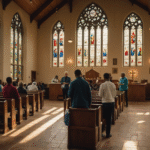
Come join Ashland Sabbath Chapel Ministries each Saturday for live streamed church services. Bible Study begins at 10:00 AM Central Time and Sermon at 11:00 AM. Visit Our YouTube channel and watch from home!
Yarn making, deeply ingrained in the fabric of human civilization, has served not merely as a practical skill but also as a testimony of cultural evolution and community resilience. The history of yarn crafting among the Adventist community reflects a broader narrative that encompasses the significance of fiber craft in times of need. Throughout the ages, yarn production has been intimately linked to domestic life, particularly in rural settings where self-sufficiency became paramount.
In its early days, yarn making provided essential fabric for clothing preparation, especially in preparation for the harshness of winter projects where warmth and utility took precedence over style. Here, the spinning wheel and loom became more than tools; they represented an ethos of perseverance and resourcefulness. For instance, during the Great Depression, many families relied on hand-spinning to create garments from salvaged materials, thus preserving dignity amid economic strife. Such practices were not limited to Adventists, yet they find a unique resonance within the community, emphasizing values of thriftiness and sustainability.
The Adventist faith, with its emphasis on simplicity and community, found in yarn crafting an opportunity to foster interpersonal connections through shared activities. Women would gather in groups, weaving not just fibers but also friendships and support networks. These gatherings became a tapestry of social fabric, where skills were passed down through generations. The ability to spin yarn stood as a metaphor for the weaving together of community identity, binding individuals through shared beliefs and collective challenges.
As history progressed, the significance of yarn making shifted. The advent of industrialization threatened to overshadow these traditional techniques, but Adventists adapted, integrating new tools while maintaining their commitment to practical skills. The resilience of the community persisted in the face of modernity, as they sought to preserve their heritage through this age-old craft. It is a striking illustration of how a simple act, such as making yarn, can embody wider historical patterns and cultural significance, allowing individuals to connect with their past while preparing for an uncertain future.
Amidst the ruins of industrial ambition, the historical significance of this fiber craft illuminates the paths taken by a determined community. Each thread spun and each garment woven emerges as a chapter in a larger story, rich with hardships faced and triumphs celebrated. The narratives embedded in the yarn speak volumes of a collective effort to uphold values of sustainability, resourcefulness, and above all, community solidarity.
Techniques and tools used
To understand the mesmerizing art of yarn making within the Adventist community, one must behold the tools and techniques as though they were the very instruments of a symphony, crafting melodies from mere fibers. The spinning wheel, that venerable contraption, stands at the heart of this endeavor—a wooden sentinel that has anchored many households through seasons of labor and love. With the gentle rhythm of feet on a treadle, one could draw forth strands of wool, cotton, or flax, transforming raw material into something both practical and beautiful, as if harnessing the wind and the sun into a single, tangible thread.
Consider, if you will, the wheel as more than just a tool; it is a partner in the dance of creation. One must learn the delicate balance of tension and feed, paying homage to the fibers as they slip through deft fingers. This is not merely a mechanical act; it is a dialogue with the material, echoing ancient practices where the hands, guided by instinct and intuition, molded the very essence of support and warmth needed for winter projects. How often did a mother, wrapping her child in a lovingly spun yarn, reflect on the generations that had come before her, keeping alive a legacy woven into the fabric of her community?
The crochet hook and knitting needles, too, deserve their place in this narrative, for they are the extensions of a devoted artisan’s hands. Each twist and turn of the yarn becomes a lesson in patience and creativity. The rhythmic clack of needles might remind one of the pulse of the community—steady, reliable, and embedded deeply in the realm of textile work. Patterns emerge, and with them, stories take shape—messages of faith and hope wrapped in colorful skeins, shared among neighbors and friends.
Tools aside, the techniques employed in yarn making reflect a stubborn resilience against the tide of progress. Adventists have adapted, creating stitches and purls that echo the teachings of their faith. Whether by knitting a simple square or crocheting intricate lace, each creation serves a dual purpose: to dress one’s body and to nurture one’s spirit. A common practice is to gather in fellowship, where laughter and discourse intermingle as they share tips and techniques, bridging the gap between the old ways and newfound innovations. Such gatherings resonate with the very foundation of the community—spinning tales while spinning yarn, fostering not only textiles but also bonds stronger than the finest thread.
Tools and techniques are not static; they evolve. In times gone by, wooden hand looms transformed yards of material with the push and pull of woven artistry. Today, amidst the hum of modern convenience, one still finds joy in the rhythm of handcraft. Each passed-down technique, like a cherished family recipe, carries with it whispers of ancestors, teachings etched in the very fibers they work with—a reminder that the art of yarn making captures something far deeper than mere clothing preparation; it embodies the freedom of expression and the heartbeats of a united community.
Thus, the art persists, resilient as the fibers themselves, demonstrating that while the world outside tumbles and turns, the community thread remains intact, sewn into the very fabric of their shared experience. To engage in those practical skills of yarn making is to stand as a testament against the ephemeral, affirming the values of tradition, creation, and togetherness with every spin of the wheel.
Cultural importance in the Adventist community

The cultural fabric of the Adventist community is richly woven with the threads of yarn making, serving as both a literal and metaphorical backdrop to the stories of their lives. Each skein of wool, every ball of cotton, carries not only the weight of utility but also the light of shared traditions and beliefs that bind the community together. On any given evening, one could walk past a modest home and hear the soothing sounds of spinning wheels and the rhythmic clacking of knitting needles, an orchestra of practicality that heralds the arrival of warmth and comfort in both a physical and emotional sense.
Gatherings centered around yarn making are a tapestry of connection, where the act of fiber craft becomes a vessel for communion. It begins simply enough—a group of women sitting together, laughter ringing out amidst the scent of freshly-washed wool, stories shared as freely as the yarn itself. These moments transcend mere activity; they foster friendships steeped in shared experiences and communal challenges. As they create garments not just for themselves but for their families and neighbors, each stitch reinforces their collective ethos of care and compassion. It is here, amid the intertwining fibers, that one discovers the quintessence of the Adventist spirit—a commitment to serving others, embodying the very tenets of their faith through practical skills that cater to the needs of the community.
Throughout history, the importance of clothing preparation within the Adventist lifestyle has served as a reflection of their values. Uniformity in attire often carried with it a deeper meaning—a visible representation of their dedication to modesty and humility. As such, the garments crafted in these intimate circles were not just functional; they became symbols of the community’s beliefs, a seamless interaction of faith and daily life. Of particular significance were the winter projects, where the need for warmth met the expression of love. A hand-knitted sweater or a finely crocheted blanket did more than provide heat; it enveloped one in the collective spirit of care, a reminder that no one in the community need endure cold alone.
In a world that increasingly succumbs to the rush of modernity, the Adventist approach to yarn making remains steadfast, a bulwark against the isolating effects of progress. Community workshops and classes signal an ongoing commitment to this craft, where skills are not merely taught but celebrated. Younger generations are invited into this circle, learning the intricacies of both craft and camaraderie as they are nurtured in a culture that treasures tradition. Techniques passed down from grandmother to mother to child create not just a chain of skill but a legacy of love that stands resilient against the future’s uncertainties.
To the untrained eye, yarn making might seem an antiquated endeavor, a footnote in the grand narrative of industrial accomplishment. But for the Adventist community, it is a profound expression of identity, a reminder of their collective history and spirituality. The very act of spinning, knitting, and sewing becomes a thread that connects one to the past while weaving a collective future. Each handmade garment tells a story, a tapestry of their shared journey through faith, survival, and community solidarity—transforming mere wool into a warm embrace felt by all who wear it.
Sustainability and eco-friendly practices
As the world grapples with the urgent need for sustainability, the Adventist community’s approach to yarn making exemplifies an enduring commitment to eco-friendly practices. Utilizing natural fibers such as wool, cotton, and flax, the community pursues a method of clothing preparation that not only safeguards the environment but also nurtures a profound connection with the earth and its resources. The reliance on locally sourced materials speaks to a philosophy of stewardship, where each piece of yarn spun carries with it a sense of responsibility towards nature.
In a time when fast fashion dominates the marketplace, this commitment to sustainable practices shines brightly. Many Adventist families prioritize the use of organic materials and chemicals-free dyes when engaging in textile work. By opting for natural fibers, they contribute to the reduction of synthetic waste, aligning their crafting practices with the broader ecological principles espoused by their faith. Implementing traditional methods such as hand-spinning and weaving not only reinforces their connection to history but also emphasizes the joy of creating items that are both practical and environmentally conscious.
The practice of recycling is another cornerstone of eco-friendly yarn making. Adventists often repurpose old garments to extract usable yarn or fabric, breathing new life into worn-out textiles. This aligns with the ethos of resourcefulness intrinsic to the community. Instead of discarding what might seem useless, individuals are encouraged to engage in a creative dialogue, where imagination transforms remnants into cherished items. During winter projects, for instance, discarded sweaters can be unraveled and re-spun into new creations, forming a tapestry of sustainability that weaves individual stories into a collective narrative of care for the planet.
Additionally, community gatherings that focus on yarn making often serve as platforms for sharing knowledge about eco-friendly techniques. Workshops held in local churches or community centers foster an environment of learning and collaboration. Participants exchange tips on sustainable crafting, from choosing biodegradable materials to proper care methods that prolong the life of handcrafted items. This communal sharing of practical skills not only empowers individuals but also reinforces a collective commitment to environmental stewardship.
Such gatherings create bonds that deepen over time, with individuals united by their shared dedication to preserving both the traditions of yarn making and the planet’s well-being. In this shared space, the simple act of crafting becomes an opportunity to engage in thoughtful discussions about sustainability, resilience, and the impact of consumer choices. The gentle click of needles or the whirr of a spinning wheel, once merely the sound of creation, transforms into a dialogue about a conscientious future, reflecting values that extend far beyond the realm of textile work.
Ultimately, the Adventist community’s emphasis on sustainability and eco-friendly practices highlights the intrinsic relationship between craftsmanship and environmental integrity. The act of making yarn becomes a statement of purpose, a reaffirmation of the belief that one’s choices matter. By weaving together creativity, tradition, and ecological awareness, Adventists reaffirm their mission not only to craft functional items but also to nurture a harmonious relationship with the earth, ensuring that each project crafted with love bears witness to a commitment that spans generations.
Modern adaptations and innovations

In recent years, the art of yarn making within the Adventist community has experienced a revival driven by a blend of tradition and innovation. With the rise of technology, those engaged in fiber craft have begun to incorporate modern techniques and tools that enhance the art while retaining its fundamental principles. Many community members have embraced social media and online platforms to showcase their projects, offering tutorials and fostering connections that transcend geographical boundaries. These digital spaces serve as vibrant forums where experienced crafters mentor novices, making the craft more accessible and inviting a new generation to participate.
The integration of new materials has also sparked various innovative approaches to yarn making. Alongside traditional fibers, enthusiasts now explore sustainable options such as bamboo, hemp, and even recycled materials transformed into yarn. This diversification reflects a modern aesthetic that complements the community’s core values, allowing for new creative expressions that remain rooted in their commitment to sustainability. As well, technological advancements provide a means of producing high-quality yarn, making the pursuit of textile work not only an eco-friendly choice but also one that caters to a variety of tastes and styles.
Moreover, contemporary yarn makers are experimenting with unique dyeing techniques, embracing natural dyes derived from plants, fruits, and even spices. These methods align seamlessly with the Adventist principles of stewardship and care for the earth, illustrating a beautiful commitment to sustainability. The resultant colors gain depth and character, echoing the vibrant spirit of the community while connecting individuals to nature’s rich palette, creating garments that are not just utility items but wearable art brimming with personal meaning.
The modern landscape of yarn making has also encouraged collaboration beyond the confines of traditional practices. Innovations such as yarn swaps and community projects promote a sense of camaraderie and mutual support, fostering an environment where individuals share resources and artistic insights. Participants in these gatherings extend the legacy of the craft, ensuring that knowledge is shared, techniques are honed, and community bonds are strengthened. It is within these spaces that the dialogue continues, crafting experiences as rich and textured as the yarn itself.
As Adventists weave new strands into their yarn-making practices, they not only preserve an age-old tradition but also engage with the broader questions of sustainability, community, and identity within a rapidly changing world. This dynamic interplay between the old and the new sparks curiosity and challenges perceptions, inviting those involved to ponder their own connections to craft, resourcefulness, and ethical living. The intersection of modern adaptations with enduring traditions compels us to consider how we too might explore our relationships with the materials and communities we engage with, fostering an appreciation for the art of making and the stories woven into every creation.
- What is the significance of yarn making in the Adventist community?
- Yarn making plays a crucial role in the Adventist community as an expression of tradition, sustainability, and community bonding. It reflects values of resourcefulness, care for others, and the importance of crafting garments with personal and spiritual significance.
- What materials are commonly used in Adventist yarn making?
- The Adventist community typically utilizes natural fibers like wool, cotton, and flax. Additionally, there is a growing trend toward sustainable materials, including bamboo and recycled yarns, which align with their ecological commitment.
- How do Adventists integrate modern techniques into traditional yarn making?
- Modern techniques in yarn making involve the use of technology and online platforms for sharing knowledge, while also incorporating innovative materials and dyeing methods. This fusion helps to keep the art relevant and accessible to younger generations.
- Are workshops or classes available for learning yarn making?
- Yes, many Adventist communities host workshops and classes aimed at teaching yarn making techniques. These gatherings not only impart practical skills but also foster fellowship among participants.
- What role does sustainability play in Adventist yarn making?
- Sustainability is integral to Adventist yarn making practices. The community prioritizes the use of natural, organic materials and often recycles old textiles, emphasizing a responsible relationship with the environment.
- Can yarn making be a communal activity?
- Absolutely! Yarn making is often a communal activity in the Adventist community, where individuals gather to create together, share stories, and support one another in their crafting endeavors.
- What impact does yarn making have on community identity?
- The practice of yarn making strengthens community identity by fostering shared traditions and values. It creates a tangible bond among members, symbolizing their commitment to one another and to the tenets of their faith.
Beside our live streamed church services, all are welcome to attend our church in person each Saturday beginning 10:00 AM Central Time by going to 2425 Owens Rd., Ashland, AL 36251. There is no cost and any donations are strictly voluntary.
For questions, call +2563547124.