Come join Ashland Sabbath Chapel Ministries each Saturday for live streamed church services. Bible Study begins at 10:00 AM Central Time and Sermon at 11:00 AM. Visit Our YouTube channel and watch from home!
In the dawn of the Adventist movement, amid the fervor of religious revival, there emerged a parallel pursuit that spoke to the heart of practicality and community sustenance. The early Adventists, in their quest for a self-sufficient lifestyle, recognized the importance of metal working as a vital expression of both faith and daily necessity. This was a time when the world outside their immediate circles was undergoing rapid industrialization, yet within their communities, there was a profound appreciation for traditional craft techniques that emphasized utility and handwork.
The origins of metal working among Adventists were deeply rooted in their values of simplicity and stewardship. As members of the movement sought to live out their beliefs, they embraced a lifestyle that prioritized practical skills over mere consumption. This led to the cultivation of numerous artisans who honed their abilities in crafting tools and everyday items necessary for life, aligning their work with principles of faith and service. Community workshops became places where together, they mastered the art of tool making, forging not just metal but also bonds of camaraderie.
These artisans often found their inspiration in the biblical call to labor, imbuing their creations with a spiritual significance that transcended their mere utilitarian function. As they shaped iron and steel, they mirrored the creation narrative, crafting objects with precision and care, echoing the craftsmanship that defined their existence. Each hammer strike was not just a means of shaping metal; it was an act of devotion, an expression of their commitment to the beliefs they held dear.
The necessity of creating utility items led to innovation, with early Adventist metal workers experimenting and leading to advancements in techniques that merged tradition with burgeoning methods found in the wider world. Buckets, tools, and kitchenware might seem mundane, yet in the hands of those artisans, they became vessels of meaning, tools of sustenance, and symbols of a faith grounded in action.
Thus, the historical context of early Adventist metal working stands as a testament to their identifiably unique approach to craftsmanship, marrying spirituality with functionality, creating a legacy that would inform and shape their community’s identity in ways that echoed through the years to come.
Techniques and tools used in metal fabrication
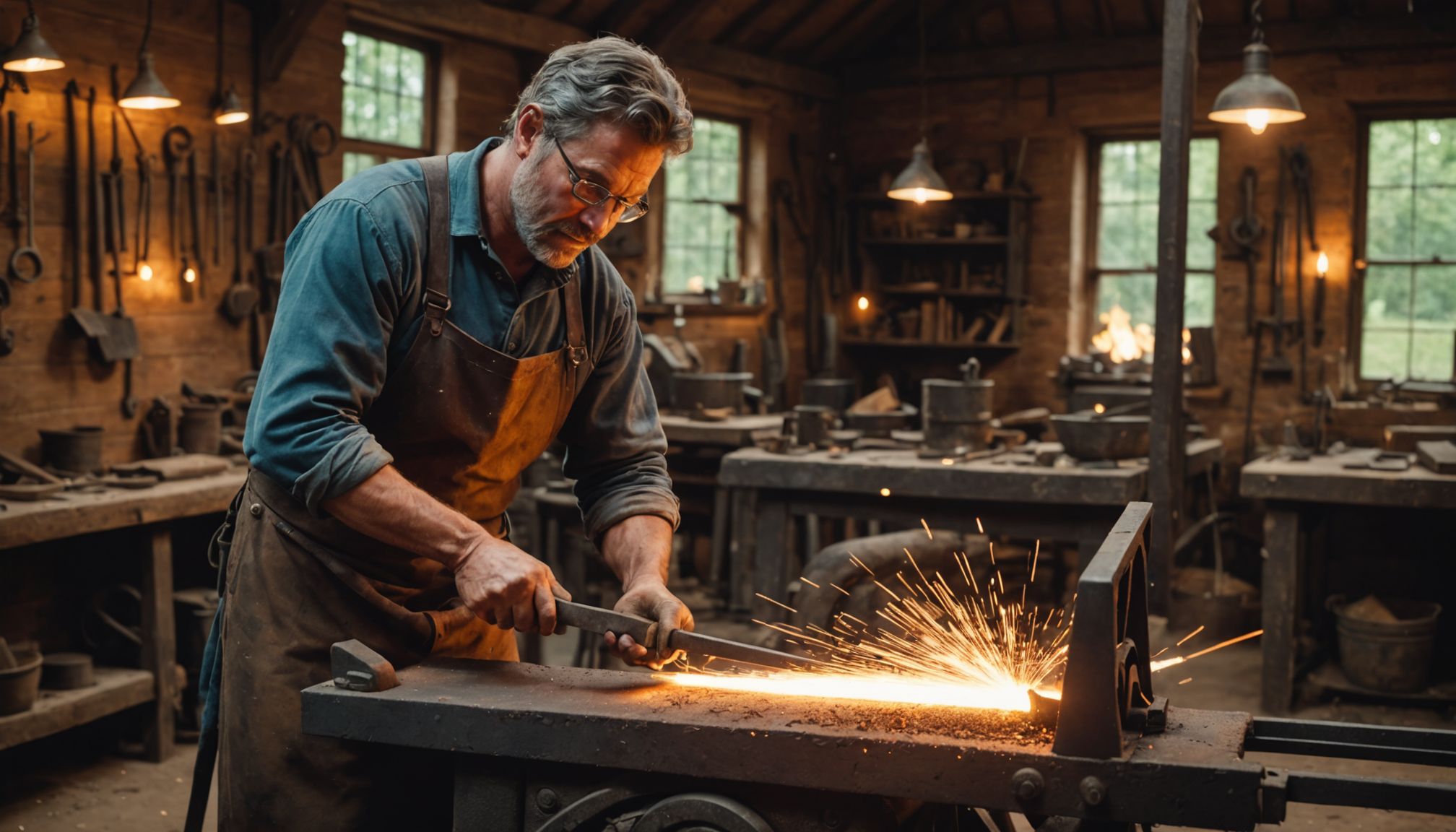
The sound of the hammer meeting the anvil could often be heard echoing through the wooden beams of the workshops. Here, the air was thick with the smell of hot metal and the heat of the forge. Adventist craftsmen, with their sleeves rolled up and brows furrowed in concentration, transformed raw materials into essential utility items. Those men and women, with calloused hands and eyes gleaming with dedication, were not merely fabricating tools; they were shaping their community’s very fabric through the art of metal craft.
At the heart of their technique was a deep understanding of the materials they worked with. Iron and steel, in their elemental forms, were malleable under the right conditions. Adventist blacksmiths employed time-honored techniques and innovative methods, deftly balancing tradition with new ideas. They used the forge not just to heat but to infuse their creations with intention. Every piece—whether a plowshare designed to cultivate the fields or a simple cooking pot—was forged with purpose. It was in their hands that artistry met function.
Among the tools they wielded, the hammer was a symbol of industriousness. Each strike resonated with the rhythm of their beliefs. Pairing the hammer with tongs, they moved with grace and purpose, creating items that bridged the gap between the spiritual and the everyday. The anvil became a stage where not only metal was shaped, but also the morals of their community. This was tool making at its finest, where every product bore witness to a shared commitment to practicality and faith.
Technique varied from artisan to artisan, as personal styles emerged among the group. Some favored the allure of embellishments, incorporating intricate designs that reflected their spiritual narratives, while others focused on robust and utilitarian forms. Yet, all shared a common ethos, resulting in pieces that were as functional as they were meaningful. Items crafted during that era—like garden tools, kitchen utensils, and decorative pieces—became heirlooms, linking generations through the traces of hard labor and heartfelt devotion.
And then there were the tools of the trade itself—besides the hammer and tongs, there were vices and chisels, each selected with purpose. These instruments, worn from use, told stories of long hours and enduring patience. Each crafted item served a dual role: a testament to their skills and a reflection of their values. As the sun dipped low in the horizon, casting a golden hue on the materials, a deep sense of fulfillment warmed their hearts at the sight of their completed work.
Through these techniques and tools, early Adventist metal workers did not simply create utility items for their labor but laid a foundation for a community that cherished craftsmanship. Their metal-fabricating endeavors continued to resonate through the years, echoing a legacy of labor intertwined with spiritual expression that shaped their lives and surroundings.
Impact on the Adventist community

The impact of early Adventist metal working on the community was far-reaching, shaping not only the economic landscape but also fostering a sense of identity that would endure through generations. In the secluded corners of their settlements, metal workers transcended mere craftsmanship to become vital pillars of their society. This intertwining of faith and labor manifested itself in various ways, instilling a communal spirit grounded in mutual support and the shared goal of self-reliance.
As blacksmiths and metal artisans worked diligently, they cultivated not just skills in tool making, but also a way of life that prioritized communal well-being over individual prosperity. The utility items they crafted bore the marks of their labor and devotion, serving as reminders of their collective values. Each piece, from a simple fork to a sturdy plow, held a testament to hard-won knowledge and cooperation. Rather than seeking outside resources, the Adventist community found strength in their own hands, embodying the very essence of what it meant to live out their faith through practical skills.
Moreover, the workshops became sanctuaries where knowledge was shared and generations were connected. Elders imparted their wisdom to youth, teaching them the intricacies of metal craft and nurturing a sense of pride in workmanship. In these spaces, the transfer of skill held a social significance, creating an entwined lineage of artisanship that revered the past while building toward the future. The influence extended beyond mere skill acquisition; it fostered a culture of creativity that celebrated ingenuity, enabling the community to innovate with the materials available to them.
Through their craft, these artisans were not only fulfilling a personal need but also addressing the broader needs of their community. They crafted items that facilitated everyday tasks and enriched the lives of their neighbors—bridging gaps, fostering communication, and enhancing community bonds. Thus, metal working became a vehicle through which the Adventist ideals of service and stewardship were manifested, as each member of the community actively contributed to the flourishing of others.
As their reputation grew, so too did the collaboration between craftsmen. The Adventist metal workers, while distinct in their practices, exchanged techniques and ideas with one another, reinforcing communal ties. This collaboration underscored a collective understanding that metal craft was a form of artistic expression as well as a means of survival. They engaged in a dance of creativity that celebrated both the beauty and functionality of their creations—a harmonious blend of faith and craftsmanship.
In essence, the impact of early Adventist metal working extended well beyond the physical realm. It wove a rich tapestry of community life, where each artisan’s contribution served as a thread binding together a narrative of resilience and identity. Through their work in metal, the early Adventists not only shaped tools but also defined a way of living that upheld their values, ensuring a legacy that would inspire and guide their descendants for years to come.
Notable artisans and their contributions
Throughout the annals of early Adventist metal working, a number of artisans emerged, each contributing a distinct chapter to the evolving narrative of their community’s craft. Among these prominent figures was Samuel Day, a blacksmith whose expertise in tool making not only outfitted farms with essential implements but endowed his creations with a certain elegance that bespoke both functionality and inspiration. In his workshop, the clang of metal and the hiss of steam afforded an auditory backdrop to the enchantments of creation, where each item bore the fingerprints of a man dedicated to both his skill and his faith.
Equally deserving of recognition was Anna Fischer, a renowned metalworker who forged beauty from steel. Hers was a specialty in crafting decorative utility items that exemplified the convergence of art and faith. Her creations—spoons adorned with elegant motifs, lamps that softened the harshness of evening light—became cherished artifacts within many Adventist homes. These items did not merely serve a functional purpose but also conveyed a palpable sense of warmth and community, echoing the sentiments of their maker. Each piece was infused with a spirited devotion that invited narratives and gatherings, encouraging discourse among families about the values woven into their existence.
Another notable artisan was Elias Graves, a master of wrought iron. With a clever hand and a keen eye, he transformed raw iron into exquisite gates and fences, granting not only security but imparting a sense of beauty to many a property within the community. His craftsmanship elevated the mundane to the magnificent, as the artistry of his metal craft adorned even the most humble of abodes. Residents regarded his work as functional yet poetic, a duality much admired, and indicative of the well-rounded nature of Adventist ethos.
Moreover, the contributions of these artisans lay not only in their individual outputs but also in the legacy they imparted to their successors. As the cadre of metal workers expanded, they formed a guild of sorts, protecting and propagating the unique craft techniques they had developed. This collaborative spirit ushered forth a thriving mentorship culture, wherein wisdom flowed seamlessly from elder to apprentice. The atmosphere within the workshops was one of joyous camaraderie, with stories of their journeys resonating through the forge. Craftsmanship became a badge of honor, celebrated among peers during communal gatherings, reinforcing both connections to their heritage and the understanding of their faith’s deep-rooted relationship with labor.
Their contributions transcended mere utility, serving as a moral compass for the community. Artisans like Day, Fischer, and Graves established a standard of excellence that echoed the tenets of service and stewardship espoused by their faith. Each tool they forged, each decorative item they created not only facilitated daily tasks, but also instilled a sense of pride, a recognition that their labor was an extension of their devotion. The items crafted by these notable artisans became heirloom treasures, passed down through generations, carrying with them tales of perseverance and communal spirit.
In examining the influence of these exceptional figures of the early Adventist movement, one finds a tapestry richly woven with threads of artistry, service, and faith. Their legacy remains, not only in the physical manifestations of their creativity but in the abiding values they espoused—values that continue to resonate within the hearts and hands of those who embrace the sacred art of metal working today.
Legacy and evolution of metal working in Adventism

The legacy of early Adventist metal working continues to resonate within the broader context of the movement, manifesting in both cultural identity and practical sustenance. As they navigated the complexities of a changing society, Adventist craftsmen upheld a devotion to practical skills that not only equipped their community with essential utility items but also reinforced the spiritual tenets of their faith. The craftsmanship exhibited in their metal work came to symbolize a deeper narrative, one that intertwined labor with spirituality, innovation with tradition.
Over the years, the early techniques developed by these metal artisans evolved, birthed from a landscape where each generation refined the craft techniques that had been passed down. The aesthetic and functional designs they created began to influence modern interpretations of metal craft, blending contemporary style with the historical symbols of faith and resilience. This continuing evolution highlights the adaptability of the Adventist spirit—each piece a testament to both personal expression and collective heritage. With every hammer strike echoing through the workshops, the values instilled by early artisans became woven into the fabric of not only their immediate community but also the broader narrative of Adventist culture.
Additionally, the communal nature of their craft gatherings persisted, evolving into modern settings where artisans share knowledge, foster creativity, and promote collaboration. The spirit of metal working as a communal enterprise remains vibrant, encouraging new artisans to embrace these practical skills and innovate while remaining rooted in the profound values articulated by their predecessors. As the legacy continues to grow and transform, it provokes curiosity about how the interplay of faith and craftsmanship will shape future generations.
- What is the historical significance of metal working in the early Adventist community?
- Metal working was vital for early Adventists as it provided essential utility items and helped establish self-sufficiency. It also fostered a communal spirit that integrated faith with practical skills.
- Who were some key figures in early Adventist metal working?
- Notable artisans include Samuel Day, who created functional yet elegant tools, Anna Fischer, known for her decorative utility items, and Elias Graves, who crafted beautiful wrought iron gates and fences.
- What techniques did early Adventist craftsmen employ?
- Early craftsmen utilized a variety of techniques involving traditional blacksmithing methods and innovative approaches to forge iron and steel into both functional and artistic pieces, merging utility with aesthetics.
- How did metal working contribute to community identity?
- The craft became a cornerstone of communal life, reflecting shared values of service, cooperation, and creativity. Each crafted item served as a physical representation of the community’s dedication to living their faith through practical means.
- What types of items did early Adventist metal workers create?
- Artisans crafted a wide range of items including farm tools, kitchen utensils, decorative pieces, and functional equipment, all made with a spirit of devotion and utility in mind.
- In what ways has Adventist metal working evolved over time?
- The techniques and designs have adapted to modern styles, while the communal aspect of craftsmanship remains strong, promoting collaboration and innovation among today’s artisans.
- How can I learn more about Adventist metal working today?
- Connecting with local Adventist communities, attending workshops, or exploring online resources dedicated to metal craft can enhance your understanding and appreciation of this rich tradition.
Ashland Sabbath Chapel Ministries
Beside our live streamed church services, all are welcome to attend our church in person each Saturday beginning 10:00 AM Central Time by going to 2425 Owens Rd., Ashland, AL 36251. There is no cost and any donations are strictly voluntary.
For questions, call +2563547124.