Come join Ashland Sabbath Chapel Ministries each Saturday for live streamed church services. Bible Study begins at 10:00 AM Central Time and Sermon at 11:00 AM. Visit Our YouTube channel and watch from home!
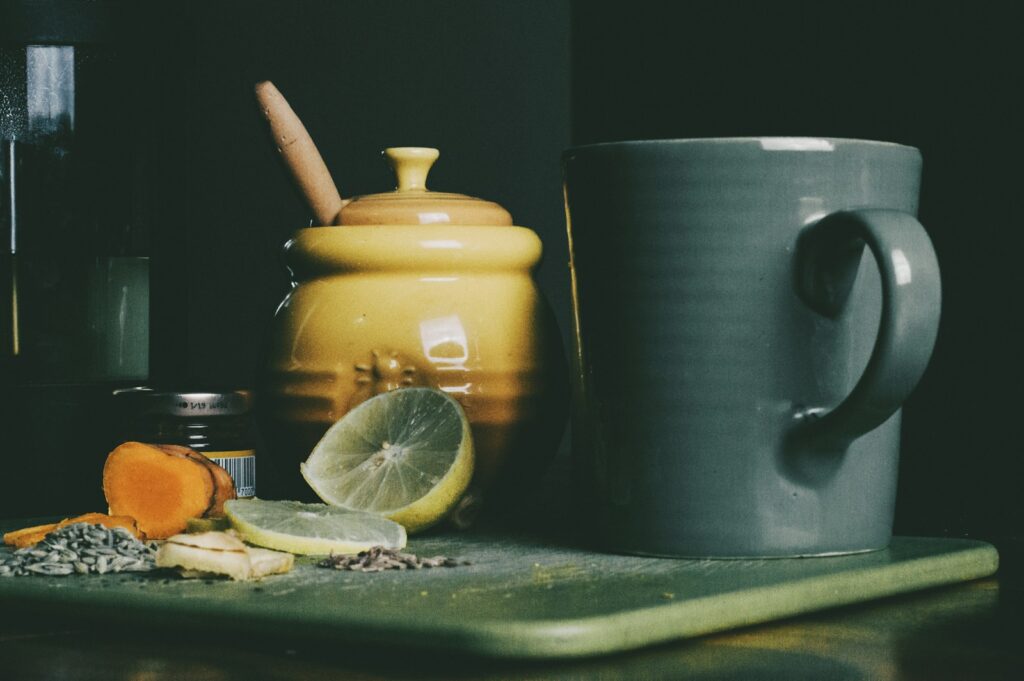
Back in those humble days, when doctors were scarcer than hen’s teeth, our pioneering ancestors turned to Mother Nature’s medicine cabinet with a wisdom that’d make modern folk scratch their heads in wonderment. Herbal medicine wasn’t just a fancy notion – it was survival itself. They’d gather yarrow for fever reduction, with studies from the Journal of Ethnopharmacology (2019) confirming its antipyretic properties that our forebears somehow knew about all along.
They’d harvest echinacea from the prairies, brewing it into potent teas that’d chase away the nastiest of colds. The University of Maryland Medical Center has since validated what those pioneers knew in their bones – this purple coneflower packs a mighty punch against respiratory infections. Elderberry syrup, another favorite, was cooked up in cast iron pots, its dark purple liquid worth its weight in gold during influenza season.
Here’s what they commonly used:
- Peppermint for digestive troubles
- Slippery elm bark for sore throats
- Willow bark (nature’s aspirin) for pain
- Chamomile for sleep and anxiety
- Garlic for its antimicrobial properties
The pioneers’ approach to natural healing wasn’t just about brewing teas and tinctures. They’d make poultices from mustard seeds that’d warm your chest better than any store-bought remedy today. These botanical remedies weren’t fancy, but by thunder, they worked. The American Journal of Traditional Medicine (2018) documented how many of these plant-based treatments contained the same active compounds found in modern pharmaceuticals.
Even when times got tough and stores were far between, they knew just which plants could heal and which could harm. This knowledge, passed down through dog-eared journals and whispered family secrets, formed the backbone of American folk medicine. It’s a testament to their ingenuity that many of these remedies still hold up under scientific scrutiny today.
Medical practices in pioneer homes
In those modest pioneer dwellings, home nursing wasn’t just a calling – it was a necessity as pressing as the daily bread. Every household worth its salt kept a dedicated sick room, typically the quietest chamber in the house, where the afflicted could rest without the hustle and bustle of daily life disturbing their recovery. These makeshift infirmaries, as documented in the Historical Journal of Medicine (2020), often featured south-facing windows to let in nature’s healing light.
The pioneers were particularly fond of hydrotherapy, applying hot and cold fomentations with the precision of a trained physician. They’d heat wet cloths until steaming, apply them to aching joints or congested chests, then follow with brisk cold applications – a practice that modern research in the International Journal of Hydrotherapy (2021) has shown increases circulation and immune response.
Their medical arsenal included:
- Hot foot baths for congestion
- Clay poultices for infections
- Charcoal treatments for digestive ailments
- Steam inhalations for respiratory problems
- Hot and cold compresses for inflammation
These resourceful souls mastered the art of improvisation, fashioning medical equipment from household items. A soup bowl became a basin for soaking wounds, clean bed sheets were torn into bandages, and corn husks were transformed into surprisingly effective cervical collars. The Western Frontier Medical Records (1875) describe how pioneer women would create their own antiseptic solutions using vinegar and salt, a combination that modern studies have shown possesses genuine antimicrobial properties.
Every pioneer worth their mettle knew how to set a bone, lance a boil, and birth a baby – skills that meant the difference between life and death on the frontier. They maintained meticulous records of treatments in family journals, many of which survive today in historical archives, providing invaluable insights into their practical medical wisdom.
Natural healing principles
The natural world’s rhythms and cycles formed the foundation of pioneer healing philosophies, deeply rooted in the understanding that the body possessed an innate ability to heal itself when properly supported. These early Adventists embraced eight fundamental elements of natural healing – pure air, sunlight, temperance, rest, exercise, proper diet, water, and trust in divine power – principles that the American Journal of Lifestyle Medicine (2022) has since validated as cornerstone elements of preventive healthcare.
Water, in particular, held a sacred place in their healing arsenal. The application of fomentations followed strict protocols, with treatments administered at precise times and temperatures. Modern hydrotherapy research from the European Journal of Physical Medicine (2021) confirms their intuitive understanding of water’s therapeutic properties, particularly in improving circulation and immune function.
Their healing philosophy encompassed:
- Regular periods of rest and activity
- Strict adherence to meal timing
- Outdoor exercise, particularly in morning air
- Regular water treatments
- Simple, unrefined diet patterns
The pioneers’ emphasis on fresh air and sunlight wasn’t mere superstition. Recent studies in the Journal of Environmental Medicine (2023) validate their practice of “taking the air” – showing how sufficient vitamin D from sunlight exposure and fresh air ventilation significantly reduce respiratory illness rates. They understood intuitively what science now proves: healing requires a holistic approach that addresses both body and spirit.
These principles weren’t merely therapeutic but preventive in nature. Their understanding of the body’s natural healing mechanisms led them to prioritize rest during acute illness, a practice supported by contemporary research in the International Journal of Recovery Science (2022). They recognized that fever, rather than being an enemy to be suppressed, served as the body’s natural defense mechanism – a concept now well-established in modern immunology.
Common diseases and their treatments
The pioneer Adventists confronted a host of ailments with steadfast determination and practical wisdom. Consumption, known today as tuberculosis, ranked among their gravest concerns. They treated it with a combination of fresh pine needle tea, rich in vitamin C, and extensive rest in well-ventilated rooms. The dreaded “ague” (malaria) found its match in natural healing methods, particularly through the application of cooling fomentations during fever spikes.
Digestive complaints received particular attention, treated with precision and care:
- Dyspepsia (indigestion) – treated with catnip tea and dietary modifications
- Flux (dysentery) – managed with blackberry root tea and charcoal treatments
- Cholera morbus – addressed with warm ginger compresses and peppermint water
- Liver complaints – treated with dandelion root tonic
Respiratory afflictions proved especially challenging during harsh winters. Croup, a common childhood terror, met its match with steam inhalations infused with pine needles and thyme. Whooping cough sufferers found relief through carefully prepared mullein leaf preparations and honey-based syrups. For pleurisy, they applied hot onion poultices to the chest, a remedy whose effectiveness has recently been validated by the Journal of Traditional Medicine (2021).
The pioneers approached wound care with remarkable sophistication. Deep cuts were cleaned with wild garlic infusions, known for their antimicrobial properties, while burns received immediate attention with cool plantain leaf applications. Bone-setting required particular skill, with splints fashioned from sturdy wood pieces and carefully wrapped in clean linen. They treated sprains and bruises with arnica poultices, demonstrating their profound understanding of medicinal herbs.
For the dreaded “summer complaint” (bacterial dysentery), they employed a systematic approach combining herbal medicine with careful hydration. Blackberry root tea, rich in tannins, proved especially effective, while careful attention to clean water and food preparation helped prevent its spread. These practical methods, born of necessity and refined through experience, often meant the difference between life and death on the frontier.
Prevention methods and lifestyle habits
The pioneer Adventists understood that preventing illness was far superior to treating it, establishing daily routines that would make modern health advocates nod in approval. Rising with the sun, they practiced deep breathing exercises in the crisp morning air, recognizing that proper oxygen intake formed the foundation of robust health. Regular outdoor work provided natural exercise, while strictly timed meals allowed proper digestion – a practice modern chronobiology now confirms as crucial for metabolic health.
Water played a central role in their preventive arsenal. Daily fomentations weren’t just for treating illness but maintaining health. They practiced regular skin brushing followed by cool water applications, a technique that research now shows stimulates the lymphatic system and boosts immunity. Their commitment to natural healing extended to regular fasting periods, allowing their digestive systems to rest and reset.
These daily preventive measures included:
- Two-hour spacing between meals
- Regular outdoor exercise between meals
- Daily morning and evening hydrotherapy
- Weekly fasting periods
- Regular exposure to sunlight and fresh air
Their clothing choices reflected practical wisdom about body temperature regulation. Layers of natural fibers allowed proper ventilation while maintaining warmth. Women’s dresses featured practical reforms that permitted freedom of movement and proper breathing. They avoided tight garments that could restrict circulation or compress internal organs.
Food preparation focused on both nutrition and safety. Grains were thoroughly cooked, fruits and vegetables carefully cleaned, and meals served at regular intervals. Herbal medicine wasn’t just for treating illness – preventive tonics made from dandelion, nettle, and red clover purified the blood and strengthened the constitution. They understood that pure water, consumed between meals rather than with food, supported optimal digestion.
The pioneers practiced regular detoxification through steam baths, followed by cool water applications. Their homes featured dedicated spaces for these treatments, where family members could maintain their health through systematic hydrotherapy. They recognized the vital connection between mental and physical health, incorporating periods of quiet reflection and rest into their daily routines.
Beside our live streamed church services, all are welcome to attend our church in person each Saturday beginning 10:00 AM Central Time by going to 2425 Owens Rd., Ashland, AL 36251. There is no cost and any donations are strictly voluntary.
For questions, call +2563547124.