Come join Ashland Sabbath Chapel Ministries each Saturday for live streamed church services. Bible Study begins at 10:00 AM Central Time and Sermon at 11:00 AM. Visit Our YouTube channel and watch from home!
In the dim light of early dawn, where the earthy scent of unrefined grain mingles with the crispness of morning air, one can almost hear the whispers of those who came before—pioneers in their kitchens, skilled artisans of bread, familiar with the rhythms of dough and the practical skills required to transform humble ingredients into life-sustaining sustenance. Each day, as the sun rose higher, illuminating not just the sun-kissed fields but the ambition and determination of these early Adventists, the pounding of grains would resonate through their modest homes. Grain was not merely a commodity; it symbolized vitality, an essence that would sustain families on their arduous journeys across uncharted territories.
These pioneers embraced methods grounded in necessity and fueled by faith. They understood that whole grain was of utmost importance—not just for its physical nourishment but for the deeper connection it fostered among the community. With hands dusted in flour, they would sift through their meager supplies: wheat, barley, and oats, remnants of earlier harvests. The act of breaking the grains down, grinding them into flour with makeshift mills or mortars and pestles, became a daily ritual, a performance that united human effort and nature’s gifts.
In their pursuit of sustaining life, they honed their baking methods, evolving with the seasons and the materials at hand. Fires were kindled, embers glowing like the sun’s tender eye, and ovens were crafted from clay and stone, arching like the ceilings of their dreams. The bread they produced was rich and hearty, a reflection of their surroundings, nourishing both body and spirit, each loaf a testament to their resilience. In these ovens, not just bread was baked, but hope, laughter, and stories—sometimes woven together in the softness of dough, sometimes speckled with the grains of hardship.
Through trial and error, the path of innovation unfolded. From the original necessity of daily bread evolved variations tailored to their dietary needs and preferences. They began experimenting with herbs and seeds, incorporating what they could gather from the earth—sunflower seeds, flax, or the tang of wild garlic, transforming plain bread into a canvas of flavor and sustenance. Innovation sparked around the communal tables, where sharing recipes became as cherished as the bread itself.
The heart of “bread making” was not solely in the act itself but in the communal envelopes of warmth that surrounded it, creating bonds among families and friends, teaching generations the value of hard work and the sweetness of reward. Each crust that crackled, each crumb that fell, captured the essence of their struggles and triumphs, forever cherished in the echoes of their kitchens.
Ingredients for traditional adventist bread
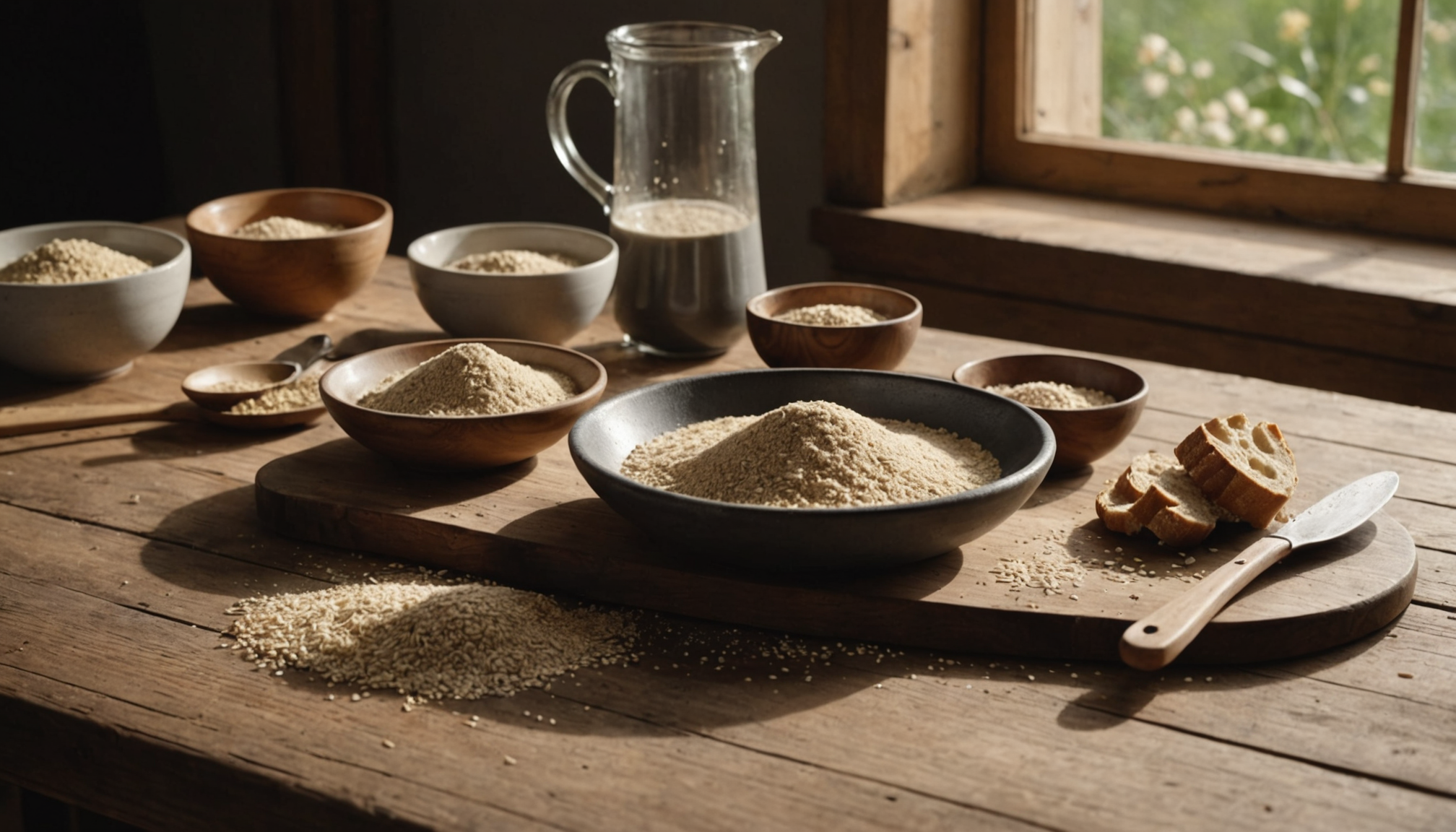
In the tender assemblage of ingredients that would eventually meld into the life-affirming loaf, one cannot overlook the essentiality of whole grain—a cornerstone of traditional Adventist bread making. Whole grain, with its robust flavor and nourishing properties, has historically served not merely as sustenance but as a symbol of health and vitality within the community. The hearty grains such as wheat and rye, carefully selected from their earthly abode, bring with them a legacy of agricultural practice, an homage to the land that nourished their forebears.
To this end, the water—often drawn from the cool, clear streams that wound through the valleys—was not just a mere liquid; it became the very essence that binds the dry ingredients, allowing the dough to rise and flourish. Yeast, a minute organism that so deftly converts sugar into carbon dioxide, was essential as well, celebrated for its transformative abilities. Just as the pioneers gathered the strength to endure their trials, so too did the yeast lend resilience to their bread, nurturing it to achieve its fullest potential.
Within these humble kitchens, salt emerged as more than a seasoning; it carried with it the history of trade and exploration. A small handful of salt not only enhanced the flavor of their daily bread but also acted as a natural preservative, allowing this staple to sustain them through hard times and long journeys. Additionally, the inclusion of nutritious seeds, like flax and sunflower, would not go unnoticed, for these tiny additions enriched both the bread and the lives of those who partook of it, contributing fibers and oils that strengthened their bond with nature.
Further to these essentials, the introduction of simple sweeteners, such as honey or molasses, provided layers of sweetness, eliciting joy and comfort amidst the struggles of daily life. The sweetness offered by these ingredients served as an unexpected celebration during meal times, lifting spirits and creating a familial bond that fortified the fabric of their Community.
It is worth noting that the judicious selection of these elements not only demonstrated practical skills but also reflected a profound respect for nature’s offerings. Each ingredient was a testament to the pioneers’ philosophy of living—prioritizing health, community, and sustenance in a world teetering on uncertainty. They did not merely bake; they crafted, nurtured, and cultivated a living art, revealing their wisdom through their choice of ingredients that transformed mere flour and water into life-enriching loaves.
Thus, as they gathered these vital components, they became stewards of a tradition that spoke to the heart of their existence. Each measure taken, each grain chosen, was rooted in a purpose that allowed them not just to survive but to celebrate life itself—where every loaf was emblematic of their shared journey, every bite a fond reminder of their commitment to health, community, and the richness of their shared history.
Step-by-step bread making process

To embark upon the sacred endeavor of bread making, one must first gather the essential ingredients and tools, for these are the allies on this culinary journey. The initial step is to procure whole grain flour, ideally freshly milled from wheat or other hearty grains. This flour becomes the foundation upon which the bread is constructed, embodying both nourishment and flavor. It is within this flour that the spirit of the grain resides—each granule tells the story of the sun, the soil, and the labor that brought it to life.
Next, the process demands the careful measurement of water, introducing life into the otherwise dry mixture. Water, drawn from local springs or perhaps from the rain-soaked earth, must be warmed slightly—not boiling, but respecting the delicate balance required for yeast activation. This humble element will not only provide hydration but will also bind the ingredients, creating a cohesive mass capable of transformation.
As the flour and water come together, a sprinkling of yeast will introduce its miraculous capabilities. Either sourced from the previous day’s batch or nurtured in small quantities, yeast flourishes in its warm environment, inviting the dough to rise and develop its character. A few moments of patience are required here, allowing the yeast to awaken, as it prepares to perform its duty in crafting the airy texture that defines good bread.
At this juncture, salt enters the scene—not merely a flavor enhancer but a necessary companion to the yeast. As the dough is kneaded, the salt works to strengthen the gluten structure, lending elasticity to the bread while subtly controlling the fermentation process. With hands dusted in flour, the kneading becomes a rhythmic dance, folding and turning, a labor of love that puts the baker’s practical skills to the test.
Once the dough reaches the desired consistency, soft yet elastic, it is left to rise—a moment of stillness amidst the bustling kitchen. Covered in a cloth and placed in a warm corner, the dough will swell, awakening to its potential. This waiting period is not merely an interlude; it is a time for reflection, mirroring the patience the pioneers cultivated in their lives.
After the dough has doubled in size, it is time for shaping. The baker gently deflates it, releasing the trapped air as they shape it into loaves or rolls. The division of the dough often holds symbolic significance—for it is not just about creating bread for oneself but sharing the bounty of the earth with family and community. Each loaf represents an invitation to gather around the table, to share in sustenance and fellowship.
The loaves are then set aside once more, allowing them to proof—this second rise is crucial for achieving a light and airy texture. During this time, the heat of the oven is prepped, an ancient fixture that has warmed kitchens for generations. Wooden peels or stone slabs, once relics of past baking experiments, are utilized to transfer the loaves to the oven’s embrace.
Once baked, the loaves emerge cloaked in a golden, crusty exterior, their aroma permeating the air. The moment of slicing into the freshly baked bread reveals a tender interior, warm and inviting. The texture, as light as a feather yet substantial enough to bear the weight of responsibility, reflects the care and intention woven through each step of the process.
This step-by-step dance of bread making transforms raw ingredients into not just food but into a symbol of connection—a bond forged through shared tradition, where each loaf tells a story of the hearts, hands, and hopes that created it. It is through this process that the sacred art of bread making flourishes, a testament to the resilience of the human spirit, nourishing both body and soul in the simplest yet most profound of ways.
Baking techniques and tips
The process of baking is as crucial as the kneading of dough, a dance of heat and timing that requires both awareness and intuition. Before setting the loaves into the oven’s embrace, the baker engages in a ritual of preparation. The oven must be preheated with precision, allowing the air inside to transform into a haven of warmth—a sacred temperature that invites the dough to flourish. An ideal baking temperature typically hovers around 375 to 425 degrees Fahrenheit, but each baker learns to listen to the whispers of their equipment, adjusting as necessary, understanding that no two ovens are identical.
Once the loaves are placed on the baking stone or tray, one must observe the surface. A gentle steam can be introduced through a quick spray of water, creating an environment that encourages the crust to develop a robust character. This humidity at the outset supports not only the rise of the loaf but also accents the texture, yielding a crust that is crackly and golden while still tender within. The balance of crust and crumb transforms the humble loaf into a work of art.
The monitoring of time is essential. A baker must harmonize intuition with a watchful eye, gauging the loaves as they rise and begin to brown. The scent of sweet, warm bread fills the kitchen, a fragrant reminder of life’s simple joys and the daily bread our bodies crave. The emergence of the bread from the oven marks a transformative moment—one of celebration, where the room ignites with the spirit of the feast that is to follow.
Upon cooling, the bread’s flavor deepens, and the texture settles. Cutting into a fresh loaf reveals an interior that is airy yet substantial, evidence of the meticulous practice employed at every step—where practical skills met aspiration. Each slice, buoyed with the nurturing essence of whole grain, invites the addition of butter or homemade preserves, spreading joy in its simplicity.
Whether it was the fires of a communal oven or the heat of a hearth shared among neighbors, the significance of baking extends beyond nourishment; it nurtures relationships. It is in this moment, as families gather to share the fruits of labor, that the true value of bread is realized. Recipes, like stories, are passed down, embodying the legacy of those who came before, intertwining the act of baking with cultural and familial bonds that reinforce the fabric of community.
With these methods, the adventist approach to baking not only honors tradition but encourages creativity. The inclusion of seeds, herbs, and grains spurs variations—each loaf an experiment, every meal a unique celebration. This sacred ritual of bread making stands testament to the enduring nature of our connection to food and community, where each loaf remains a symbol of unity forged within the heat of the oven, echoing the heartbeat of generations past and present.
Cultural significance of adventist bread

In the heart of Adventist culture, bread occupies a cherished space that transcends mere sustenance; it becomes a vessel for community and tradition. The act of bread making has historically woven the fabric of family gatherings and potlucks, transforming daily bread into a communal feast that invites all to partake in the fruits of labor. It is not simply about nourishing the body; it acts as a cultural runtime that encapsulates values of sharing, caring, and kinship. Each loaf baked is a reflection of a family’s heritage, a link to generations past and a celebration of the present.
Every slice carries with it stories—the laughter around the kitchen table, the passing down of recipes from grandmother to grandchild, and the warmth that envelops friends and neighbors as they break bread together. The importance of these moments cannot be understated; food has a way of inviting connection, fostering dialogues rich with history and hope. Within the walls of their homes, Adventists learned that bread was more than physical nourishment—it became a symbol of their faith and communal resilience, echoing the teachings of togetherness and benevolence in their spiritual lives.
In many communities, the baking of whole grain bread has been seen as a manifestation of stewardship and responsibility towards health. Pioneers adhered to a philosophy that emphasized wholesome ingredients, treating the sourcing of grains as an extension of their care for both body and spirit. By choosing nutritious food, they not only fed their families but inspired them to appreciate the labor behind each loaf. The recipes crafted over the years serve as treasure maps, leading back to the simple knowledge of practical skills passed down through the ages, reinforcing dietary wisdom through generations—a legacy as vital as the bread itself.
As this tradition flourished, it sparked innovations in baking methods that remain celebrated in Adventist kitchens today. The incorporation of seeds, nuts, and herbs into their loaves has transformed common recipes into delicious expressions of creativity. These variations tell their own stories, highlighting adaptations that reflect personal and local tastes, tying the past to the current culinary landscape. Each twist of flavor opens the door for experimentation, inviting bakers to explore and expand the community’s palate.
Amidst the challenges of life, the simple act of making bread binds individuals together, marking family milestones and communal celebrations. Whether through a special loaf crafted for a birthday or bread shared at a church potluck, these moments reinforce the values embedded within the community. The warmth that arises from breaking bread acts as an invisible tether among individuals; it encourages a spirit of generosity, hospitality, and togetherness in every corner of the gathering.
- What are the health benefits of whole grain bread?
- Whole grain bread is packed with fiber, vitamins, and minerals, making it a healthier option compared to white bread. The high fiber content aids digestion, supports heart health, and can help maintain stable blood sugar levels.
- How can I incorporate more nutritious ingredients into my bread?
- Consider adding seeds such as flax or sunflower, grains like oats, or even herbs and spices to your bread recipes. These ingredients not only enhance flavor but also increase the nutritional value of the bread.
- Can I make bread without yeast?
- Yes, yeast-free breads, such as soda bread or quick breads, rely on chemical leaveners like baking soda or baking powder. These alternatives can yield delicious results with less rising time.
- What are some common mistakes when baking bread?
- Common mistakes include not measuring ingredients accurately, inadequate kneading, and improper oven temperature. These errors can lead to dense or unevenly baked bread, so following techniques closely is essential.
- How can I tell if my bread is baked properly?
- A perfectly baked loaf will have a golden-brown crust and sound hollow when tapped on the bottom. Additionally, the internal temperature should be around 190-210 degrees Fahrenheit for many recipes.
- What is the significance of breaking bread in gatherings?
- Breaking bread symbolizes unity and community. It brings people together, fostering relationships and conversations that honor the spirit of sharing and camaraderie within gatherings.
- How do I store homemade bread to keep it fresh?
- Homemade bread is best stored at room temperature in a paper bag for short-term use. For longer storage, wrap it in plastic and freeze to preserve freshness, allowing it to thaw naturally before serving.
Beside our live streamed church services, all are welcome to attend our church in person each Saturday beginning 10:00 AM Central Time by going to 2425 Owens Rd., Ashland, AL 36251. There is no cost and any donations are strictly voluntary.
For questions, call +2563547124.