Come join Ashland Sabbath Chapel Ministries each Saturday for live streamed church services. Bible Study begins at 10:00 AM Central Time and Sermon at 11:00 AM. Visit Our YouTube channel and watch from home!
In the late 19th century, a curious wave of what we might call *health reform* swept across the United States. Imagine folks meandering down Main Street, clutching their graham crackers—those delightful, crunchy bits that had the audacity to be both tasty and virtuous. At the heart of this movement stood the Seventh-day Adventist Church, a group of devout individuals who were determined to marry their spiritual beliefs with a wholesome way of living. Their dietary principles didn’t just pop up overnight; they were rooted in a blend of biblical teachings, a sprinkle of science, and a dash of good old-fashioned common sense.
You see, the Adventists embraced a notion that was as fresh as the produce at a summer farmer’s market: the idea that what we put into our bodies has a direct impact on our overall health and spirit. It was a time when the medical community was just beginning to understand the perks of plant-based nutrition. They believed that vegetarianism wasn’t merely a dietary choice but a higher calling—a way to honor the temple of the body as it was preached in scripture. The likes of Ellen G. White, one of the founders of the Adventist Church, championed the cause, nudging folks toward embracing whole grains, fruits, and veggies while steering clear of the meats that might weigh them down like a stone in a pocket.
This was no small feat in a society that was happily indulging in the sizzling delights of steaks and fried chicken. The Adventists, however, forged ahead, setting a precedent that would ripple through generations. Their bold steps in dietary reform pushed the envelope, melding spirituality with health, and opening avenues for social change through better eating habits. As the 20th century rolled in, these principles became not only a hallmark of the Adventist faith but also a beacon for countless others seeking to unshackle themselves from the heavy chains of unhealthy diets.
Key dietary guidelines and restrictions
As the sun began to rise over the horizon of this burgeoning health movement, Adventists crafted a tapestry of dietary guidelines that were both practical and profound. At first glance, these principles might have seemed like mere restrictions, a laundry list of don’ts drawn from pages of celestial wisdom. However, to their minds and hearts, these guidelines were less about limitation and more about liberation from the shackles of indulgent feasting that had the potential to lead one astray. Picture a gathering of community members, the aroma of wholesome, hearty meals wafting through the air, as they shared tales of good harvests and bountiful crops, while animatedly discussing their culinary choices.
Among the tenets that the Adventists held dear was the revered practice of vegetarianism. The avoidance of meat, they believed, was a noble path that aligned with the ideals of compassion and stewardship. In stark contrast to the clamor of frying pans sizzling with flesh, the Adventists opted for a diet rich in whole grains, fruits, and vegetables. “Why fill one’s plate with the specters of life taken too soon when nature’s bounty offers such vibrant alternatives?” they might have pondered over a shared meal. The Adventist diet encouraged the consumption of wholesome staples: from fluffy whole grain bread that could make even the most cynical diner’s heart flutter, to colorful salads that sang with the joy of freshly picked produce.
Of particular note was their aversion to processed foods, the likes of which made many an eager stomach rumble with desire. Instead of succumbing to the siren calls of sugary snacks and artificially flavored concoctions, they espoused the virtues of simple, pure foods that could nourish both body and spirit. In this vibrant world, the simplistic graham cracker became not just a dessert but a symbol of their promise to uphold health reform that celebrated moderation and natural sweetness without a trace of artificiality.
In solidarity with their quest for wellness, they also took to heart their battles against stimulants like alcohol, caffeine, and tobacco, which they saw as undue burdens on the body and soul. Their belief was simple yet profound: to maintain a clear mind, one must also keep a healthy body, for both were intricately tied to one another, much like a two-headed coin. This reformist zeal extended to culinary practices, where the Adventists sought to embrace wholesome cooking methods—steaming, baking, and kindling flames of a good conscience through wholesome preparations.
This carefully sewn fabric of dietary guidelines and restrictions walked hand in hand with a philosophy that promoted not just personal health but community health as a whole. Every meal shared was an opportunity to reaffirm their commitment to spiritual and physical well-being, creating bonds of fellowship over the beautifully vibrant dishes that graced their tables. Such was the infectious nature of their principles that, like ripples on a pond, they soon spread far beyond the confines of their churches, inspiring others to reconsider their own choices and embark on a similar journey toward healthier living.
Importance of plant-based nutrition

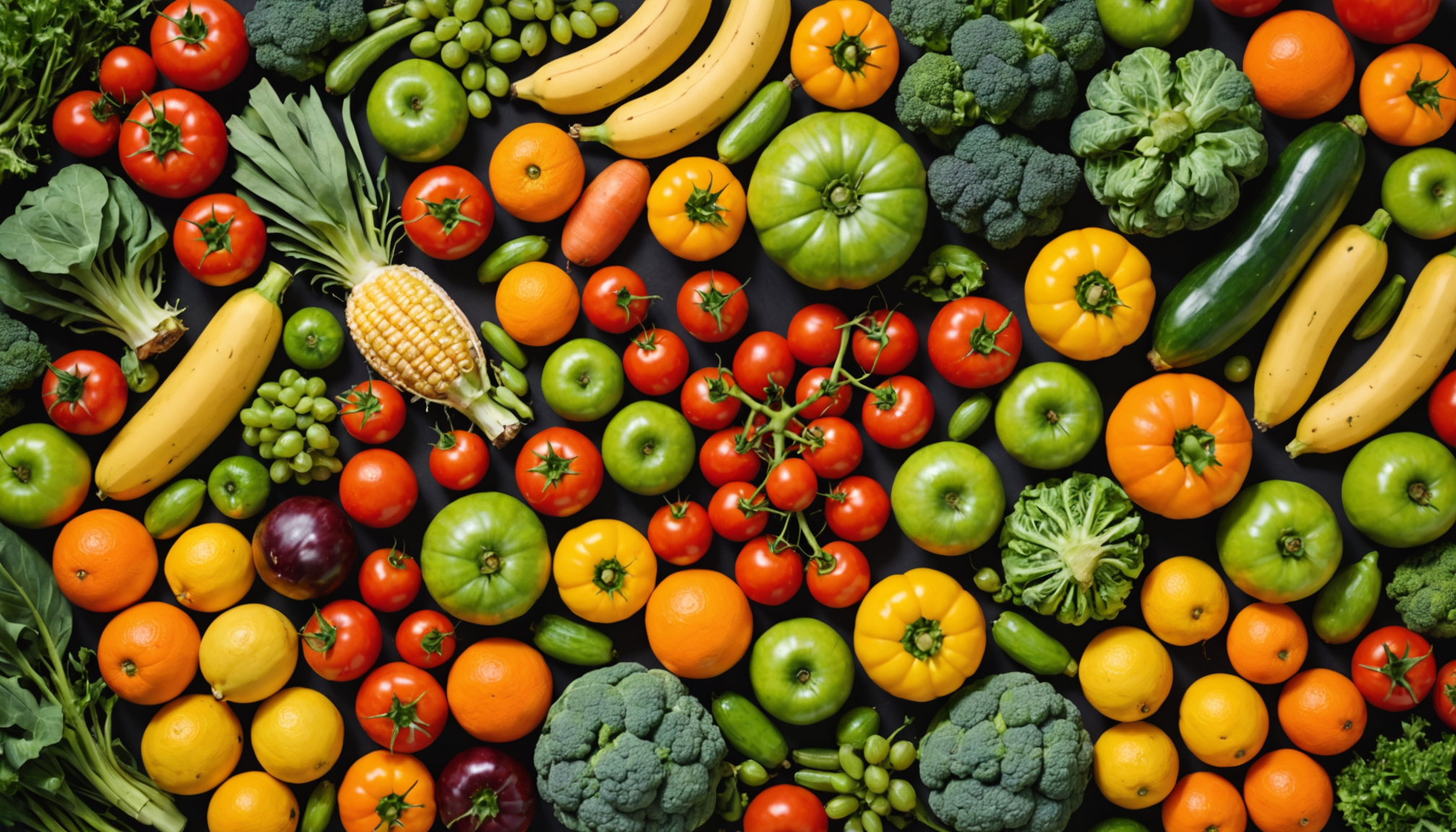
The heart of Adventist dietary principles beats strongest in the appreciation of plant-based nutrition. It’s not just about being a vegetarian for the sake of it, but rather a call to embrace the vibrant spectrum of life that nature offers. Imagine for a moment a feast where the centerpiece is a colorful display of fruits and vegetables, like a painter’s palette bursting with every shade of the rainbow. From crunchy carrots to succulent tomatoes, the meticulous attention to the plant kingdom is a celebration of life itself. This is where the Adventist ethos shines, emphasizing that each morsel taken from nature’s bounty not only feeds the body but revitalizes the spirit.
Why is this focus on plant-based nutrition so vital? Well, the empirical evidence is as rich as a well-cooked pot of lentils. Research has consistently shown that diets abundant in fruits, vegetables, and whole grains can lower the risk of chronic diseases such as heart disease, diabetes, and certain cancers. “Eat your greens!” falls trippingly off the tongue for good reason; an array of nutrients packed into leafy wonders comes with numerous benefits that echo through the corridors of health. Adventists recognize that this isn’t just dietary advice but a profound understanding of how to cultivate longevity and wellness. Just like the ever-present graham cracker—a simple yet wholesome treat—these dietary choices are not merely about sustenance; they’re about thriving in a world bustling with choice.
The principles of vegetarianism celebrate compassion, not just for oneself but for all living beings. By choosing a diet centered around plants, adventists align their consumption with ethical choices that minimize harm and promote a gentler footprint on the Earth. The fields and gardens that yield their food represent not just a source of nourishment but a connection to the cycles of life, reminding them that every meal can be a small act of stewardship. This reverence for the planet and its creatures adds a spiritual layer to their eating habits, intertwining their dietary choices with the deeper values of their faith.
The elements of plant-based nutrition also extend into the kitchen, where creativity flourishes. Adventists have long embraced the art of cooking that showcases these ingredients. Think hearty vegetable stews bubbling in cast iron pots and wholesome grain salads that make you swoon with their simplicity. Instead of relegating meals to the mundane, these choices invite an exploration of flavors—spices dancing together, aromas wafting, and laughter mingling with the steam rising from the table. Each meal crafted becomes a testament to the notion that healthy eating doesn’t have to be a chore; it can be a joyous and fulfilling adventure.
Moreover, the social aspect of sharing plant-based meals cannot be overstated. Picture a gathering of kindred spirits lounging under the shade of a sprawling oak, a picnic spread before them that sparks chatter and laughter. The act of sharing plant-centered meals fosters community bonds that go beyond mere nourishment. It cultivates a sense of camaraderie, a celebration of fellowship rooted in shared ideals of health and well-being. In this way, each meal transforms into an opportunity to promote a collective journey towards health reform, positively impacting not just individual lives but also the larger community.
Thus, the importance of plant-based nutrition shines not merely as a dietary trend but as a vibrant tapestry woven into the fabric of Adventist life. These choices resonate deeply, supporting both the physical and spiritual dimensions of existence and inviting others to join in this colorful feast of health and vitality. From the heart of their kitchens to the warmth of their communities, the bounty of plants serves as a bridge—one that links the ideals of the Adventist faith to a broader, universal quest for a healthier world.
Health benefits of following adventist principles
Embracing the tenets of Adventist dietary principles yields a cornucopia of health benefits that extend well beyond the dinner plate. Picture, if you will, the kind of vitality that comes from enjoying a livelihood rich in the colors and flavors of the vegetable kingdom. Those who adhere to these principles, particularly the practice of vegetarianism, often find themselves wandering the splendid paths of remarkable health—paths typically lined with the lush greenery of life-affirming foods. Therein lies the first significant advantage: a hearty, plant-based diet inherently brims with nutrients, vitamins, and antioxidants that vouchsafe a sturdy defense against the onslaught of chronic diseases. No myths or fables here—studies have persistently shown that individuals who favor such diets have reduced risks of heart disease, high blood pressure, and certain types of cancer, tending to live longer lives and often with a bright twinkle in their eye.
Moreover, one cannot dismiss the unequivocal fact that the consumption of whole grains invites an abundance of fiber—an unsung hero in the narrative of our health. Fiber, dear friends, is akin to a friendly custodian working diligently within the digestive corridors, clearing away the debris and ensuring that all systems operate with maximum efficiency. This guardian of the gut not only aids in digestion but also plays a part in keeping blood sugar levels stable, throwing a lifeline to those battling diabetes. And as anyone who has dabbled in the art of baking and shared warm graham crackers fresh from the oven knows, the pleasures derived from wholesome whole grains extend into the realm of delightful taste.
With each delightful bite of wholesome beans, vibrant veggies, and hearty grains, the body not only receives its sustenance but also bolsters immunity and enhances overall health. Thus, it stands to reason that the heart, lungs, and myriad organs revel in their enhanced functionality when liberated from the burden of excessive animal fats and processed foods. A body nourished by these soul-soothing choices sets the scene for whimsical adventures in health; fatigue gives way to vigor, and lethargy is banished by newfound energy. Fellowships around tables become celebratory gatherings as members of the Adventist community unite in witnessing this transformation, sharing stories of rejuvenation that echo louder than any sermon.
Furthermore, let us not forget the joyful simplicity of meals prepared with love—those that harken back to the notion of health reform. The act of honoring one’s body with wholesome fare—be it a savory vegetable soup simmered just right or a salad bursting with the fresh crunch of seasonal produce—creates a resonance that is both deeply satisfying and spiritually uplifting. This harmonious marriage of health and taste sends ripples through the community, influencing others to partake in the adventure of better living.
And in the grand theatre of life, the benefits extend beyond the individual to envelop entire communities like a warm embrace. Adventist culinary gatherings, replete with the bounty of plant-based nutrition, foster connection and kinship among those who share in the delight of good health. They become living examples of how collective adherence to healthful practices nurtures not just the body but also the spirit and camaraderie. In the lively exchanges filled with laughter and connection, one finds the heart of the Adventist principles pulsating robustly, offering not just meals, but a culture of wellness that is impactful and enduring.
In essence, the health benefits that emerge from following the Adventist dietary principles resonate heartily within the tapestry of existence, fortifying individuals and communities alike. The virtues of vegetarianism, whole grains, and those hearty graham crackers are manifestations of a lifestyle that champions both vigor and compassion. The intertwining of these values cultivates a garden where health flourishes abundantly, inviting all to partake in a rich harvest of vitality and joy.
Contemporary applications and revitalization of dietary practices

In the contemporary world, the revival of Adventist dietary practices reflects a growing interest in health reform and plant-based nutrition. Whether through potluck gatherings or communal cooking classes, these principles are not only preserved but reshaped, inviting new generations to explore their depth. The digital age offers a platform for enthusiasts to share recipes and experiences, weaving together a community that transcends geographical boundaries and societal norms. Imagine scrolling through an online forum and encountering vibrant images of graham crackers crafted from wholesome ingredients, each a labor of love, telling the stories of those who prioritize both health and tradition.
Moreover, many Adventist organizations today are pioneering health initiatives, focusing on educating individuals about nutrition, cooking, and holistic living. Workshops showcasing the versatility of whole grains—transforming them into beautiful, hearty meals—are increasingly popular. Participants are encouraged to explore rich, diverse flavors while simultaneously fostering an awareness of their relationship with food. Young families incorporate these dietary guidelines into their daily lives, crafting meals that are not only nourishing but also celebratory. Perhaps one evening, they will sit down together, a rainbow of plant-based dishes adorning their table, each vibrant plate becoming a canvas for discussion about health, spirituality, and well-being.
The advent of technology further enhances this revitalization. Social media platforms can amplify the conversation, allowing travelers to document locally inspired variations of vegan dishes influenced by their own cultural backgrounds. The celebrated Adventist practice of vegetarianism is woven into countless narratives, expanding its reach as more individuals seek plant-based diets for health and ethical reasons. The values once cultivated in humble kitchens are now being explored in global wellness movements, showing how deeply ingrained these principles have become within society.
And as cafés and restaurants embrace these dietary guidelines, they invite a sense of community, elevating the dining experience through wholesome offerings. Menus filled with whole grains, fresh vegetables, and tantalizing plant-based options create safe havens where individuals can nourish their bodies in alignment with their values. Picture enjoying a savory bowl of quinoa and kale while hosting a lively discussion about sustainability, spirituality, and personal journeys toward wellness. The food transcends nourishment; it transforms interactions into shared experiences, infusing gatherings with purpose and intention.
Through these contemporary applications, Adventist dietary principles remain a vital part of the conversation around health and well-being. They challenge us to think about what we choose to bring to our tables—an opportunity to re-decide how our meals can reflect our values. As the world becomes more aware of the health implications of dietary choices, these age-old practices shine brightly as an enduring beacon of holistic living.
- What are the key dietary principles of the Adventist faith?
- The key dietary principles include a strong emphasis on vegetarianism, avoidance of processed foods, and the consumption of whole grains, fruits, and vegetables. Adventists believe that what we eat significantly affects both our physical and spiritual well-being.
- How does plant-based nutrition benefit health?
- Plant-based nutrition is associated with reduced risks of chronic diseases such as heart disease, diabetes, and certain cancers. Diets rich in fruits, vegetables, and whole grains provide essential nutrients and antioxidants that promote longevity and vitality.
- Can Adventist dietary principles fit into modern lifestyles?
- Absolutely! Many contemporary Adventists adapt these principles by incorporating them into regular family meals, exploring diverse cuisines, and sharing recipes through social media. This flexibility allows for a rich interpretation that fits today’s world.
- What role does community play in following these dietary principles?
- Community is pivotal as it fosters support, connection, and shared experiences. Adventist gatherings and potlucks not only offer nourishment but create a sense of belonging and shared values around health and wellness.
- How can I start incorporating Adventist dietary principles into my meals?
- Start by introducing more whole grains, fresh fruits, and vegetables into your daily diet while slowly reducing processed foods and meat. Experiment with new recipes that highlight plant-based ingredients and enjoy the versatility they offer.
- Are there any resources available to learn more about Adventist dietary practices?
- Yes, numerous books, online articles, and educational workshops focus on Adventist dietary practices and health reform. Many local Adventist churches also offer cooking classes and nutritional seminars open to the community.
- Is vegetarianism the only option within Adventist dietary principles?
- While vegetarianism is highly encouraged, Adventists also promote moderation and health-conscious choices. Some individuals may choose to include limited amounts of meat based on personal health needs or cultural practices, highlighting the importance of individual choice.
Beside our live streamed church services, all are welcome to attend our church in person each Saturday beginning 10:00 AM Central Time by going to 2425 Owens Rd., Ashland, AL 36251. There is no cost and any donations are strictly voluntary.
For questions, call +2563547124.