
Come join Ashland Sabbath Chapel Ministries each Saturday for live streamed church services. Bible Study begins at 10:00 AM Central Time and Sermon at 11:00 AM. Visit Our YouTube channel and watch from home!
In the era of early Adventists, the emphasis on an active lifestyle was paramount. This commitment to physical vigor was deeply intertwined with their health principles, shaped by a belief in the holistic connection between body, mind, and spirit. Early Adventists adopted a routine that prioritized consistent physical activity, which they regarded as essential for both health and spiritual fulfillment.
A typical day for these individuals often included a range of outdoor work that not only kept them physically fit but also connected them to nature. Gardening, farming, and tending to animals were common activities, allowing them to engage with the land and labor manual jobs that sustained their communities. This adherence to hard work was not merely practical; it also reflected their values of diligence and perseverance.
The Adventist health message encouraged a variety of activities that aligned with their beliefs. Many participated in group exercises such as walking or hiking, activities that fostered community bonds. These social aspects of physical activity were vital, as they provided not only physical benefits but also emotional support and a sense of belonging among community members.
Moreover, early Adventists viewed exercise as a means to prepare the body for spiritual pursuits. They believed that physical health was a prerequisite to spiritual clarity, and thus incorporated regular exercise into their daily routines as a way to achieve a higher state of being. This perspective positioned physical activity as both a practice of discipline and an act of faith.
The exercise habits of early Adventists were characterized by a strong commitment to regular physical activity, which integrated outdoor labor and communal engagement, reflecting their holistic approach to health and spirituality.
Historical context of early adventist health practices
The roots of early Adventist health practices can be traced back to a confluence of social, religious, and ideological movements that marked the 19th century. The period was fraught with a burgeoning awareness of health and well-being, propelled in part by the industrial revolution that transformed communities and lifestyles. Amidst this transformation, the Adventist movement emerged as not merely a sect of Christianity, but as a beacon of progressive health principles—a devotion that sought to harmonize the human body with divine intent.
Central to their beliefs was the notion that a healthy body was integral to the spiritual experience. This assertion was not made lightly, for it arose from a profound understanding that neglecting physical well-being could impede one’s spiritual journey. The founders of the Adventist church, figures such as Ellen G. White, advocated for an *active lifestyle* that encompassed both physical activity and mental acuity, presaging a form of health consciousness that was distinctly ahead of its time. They urged their followers to view health as a sacred trust, deserving of careful stewardship through proper nutrition, exercise, and, significantly, community engagement.
During this era, the practice of *outdoor work* was revered not merely as a necessity for subsistence, but as a valuable opportunity for physical expression and communion with creation. By tending gardens, engaging in farming, and promoting manual labor within their communities, early Adventists cultivated a profound appreciation for the natural world. Such *physical activities* imbued their daily lives with purpose and satisfaction, reinforcing their connection to God’s creations while simultaneously fostering a robust physical constitution.
In these ventures, the Adventists found a blend of labor and leisure; it was through their outdoor pursuits that they nurtured relationships with one another and with nature. Correspondingly, they viewed these activities as platforms for spiritual learning and growth, where the act of labor became a metaphorical journey towards heavenly aspirations. This unique perspective reshaped the prevailing attitudes of their contemporaries, challenging the notion that spiritual concerns were relegated to an otherworldly realm, independent of physical existence. Instead, they presented a compelling case for the interdependence of body and spirit, echoing across generations in the understanding of health principles as holistic and comprehensive.
The historical context of early Adventist health practices illustrates a rich tapestry of belief that interwoven physical activity with spiritual fortitude, marking a distinct philosophical approach that remains relevant in discussions about health and spirituality even today. In reflecting upon their legacy, it becomes clear that the Adventists strived not merely for survival through physical means but sought a vibrant existence, where every exertion of strength was a step towards divine communion.
Physical activities embraced by early adventists

The physical activities embraced by early Adventists were a testament to their philosophy of integrating labor, leisure, and spirituality into a cohesive lifestyle. These individuals engaged in various forms of physical activity, consciously choosing to intertwine their daily existence with the rhythms of nature. Their commitment to an active lifestyle was not merely a reflection of personal health goals, but rather an embodiment of their shared values—a representation of community, faith, and a quest for spiritual elevation.
Central to their daily routines was outdoor work, which transcended the boundaries of obligation and became a profound expression of their beliefs. Fields tilled, gardens cultivated, and livestock tended to became sacred acts, grounding them in the cycle of creation and renewal. Each task undertaken was infused with meaning, for they believed that engaging with the earth served a dual purpose: it nurtured their bodies and enriched their spirits. A simple act of planting could evoke thoughts of divine providence, a reminder of their role as stewards of God’s creation.
Additionally, the Adventists embraced traditional forms of physical labor, which can be seen as a counter-narrative to the industrial alienation burgeoning in the society around them. Through manual labor, they cultivated not only their crops but also their character, finding strength and purpose in the toil that many might have viewed as mundane or beneath them. This alternative to urban life fostered a strong sense of identity; each sweat-streaked brow and calloused hand told the story of commitment to their ideals.
The communal aspect of these activities cannot be overstated. Many Adventists took to group exercises, relishing the opportunity to connect with fellow believers. Walking along forested paths or hiking in the hills not only promoted physical health but served to forge deep bonds among participants. The act of exercising together became a sacred ritual—an affirmation of shared faith and mutual support. In these gatherings, the laughter and camaraderie echoed harmoniously with the rustling leaves and chirping birds, creating a sanctuary of both body and spirit.
Moreover, early Adventists were pioneers in promoting certain physical education practices that were considered innovative for their time. They recognized that movement was not limited to labor alone; rather, it encompassed play, sport, and organized exercise that contributed to personal and communal well-being. Activities such as team sports and games of skill were encouraged. They understood that joy and recreation were essential components of maintaining health principles, ushering in a more rounded approach to physical fitness.
This juxtaposition of hard work and communal activity revealed a unique dynamic in their lives. They approached physical exertion as an art form—each action deliberate and infused with purpose. The rigor of their pursuits fostered not only robust health but an unwavering mental fortitude, allowing them to face the tribulations of life with resilience.
In the grand tapestry of their existence, the physical activities of early Adventists emerged as vibrant threads that wove together their ideals, practices, and spiritual quests. Every moment spent in active engagement with their environment was a step toward enriching both their lives and the lives of those around them. In these laborious yet fulfilling endeavors, they found pathways that led them closer to both community ties and divine grace, embedding their lifestyle in a legacy of holistic health principles that resonate to this day.
The role of exercise in spiritual well-being
The intersecting realms of physical activity and spiritual well-being in the lives of early Adventists present a profound understanding of their holistic philosophy. For these individuals, engaging in outdoor work was not merely a means to an end; it was an essential expression of their faith and an act of devotion to both body and spirit. As they toiled under the sun, the rhythm of their labor mirrored a deeper rhythm of existence—an echo of divine creation that infused their days with significance.
In the formative years of the Adventist movement, the conviction that physical activity facilitated spiritual clarity was widespread. Each act of strenuous engagement served as an avenue toward a transcendent experience, fostering a sense of connection to something greater than oneself. This belief held that the strength found in manual labor was not only physical but also symbolic of spiritual fortitude. It was within the labor of their hands that they discovered the divine presence, each task a prayer, each drop of sweat a testament to their commitment not only to health principles but also to the pursuit of a higher calling.
The communal aspect of their exercise routines contributed significantly to this intertwining of physical and spiritual health. As they gathered for group activities, the bonds forged in shared exertion became the fabric of community life, each laugh and shared struggle a reminder of the collective journey towards a profound spiritual purpose. Walking together, hiking through wooded paths, their conversations danced between the mundane and the sacred, illustrating how faith can flourish in shared experiences of movement and stillness alike. This relational dimension of exercise provided not only a support network but also a spiritual fellowship that nourished their individual and collective identities.
Furthermore, the benefits of their active lifestyle extended beyond mere physical fitness; they cultivated an awareness of the profound link between mental clarity and bodily health. Early Adventists posited that by maintaining their physical strength through consistent exercise, they prepped their minds for deeper contemplation, unlocking spiritual insights that might otherwise remain shrouded. This intricate relationship between the body and the spirit formed the bedrock of their health teachings, illustrating the efficacy of an embodied faith that transcended intellectual understanding alone.
In quiet moments after labor, as the sun dipped below the horizon, the peace that enveloped them provided an invitation to reflect. Such moments bore witness to the truth that spiritual well-being was a rhythmic interplay between the tangible exertions of their lives and the intangible assurances of their faith. The quietude following a day of hard work created a canvas for gratitude, reinforcing the sentiment that every act of physical devotion brought them nearer to divine grace.
The role of exercise in spiritual well-being was, therefore, a profound element of early Adventist philosophy, harmonizing the demands of the body with the aspirations of the spirit. This thoughtful interplay invited a rich exploration into how they understood existence—where every exertion of strength echoed in their hearts as they navigated the complexities of life with faith as their guiding principle. In embracing both exertion and contemplation, early Adventists crafted a legacy that resonates within modern health discourses, reminding us that true wellness is an integrative practice, enveloping all facets of human existence.
Comparative analysis with contemporary exercise trends
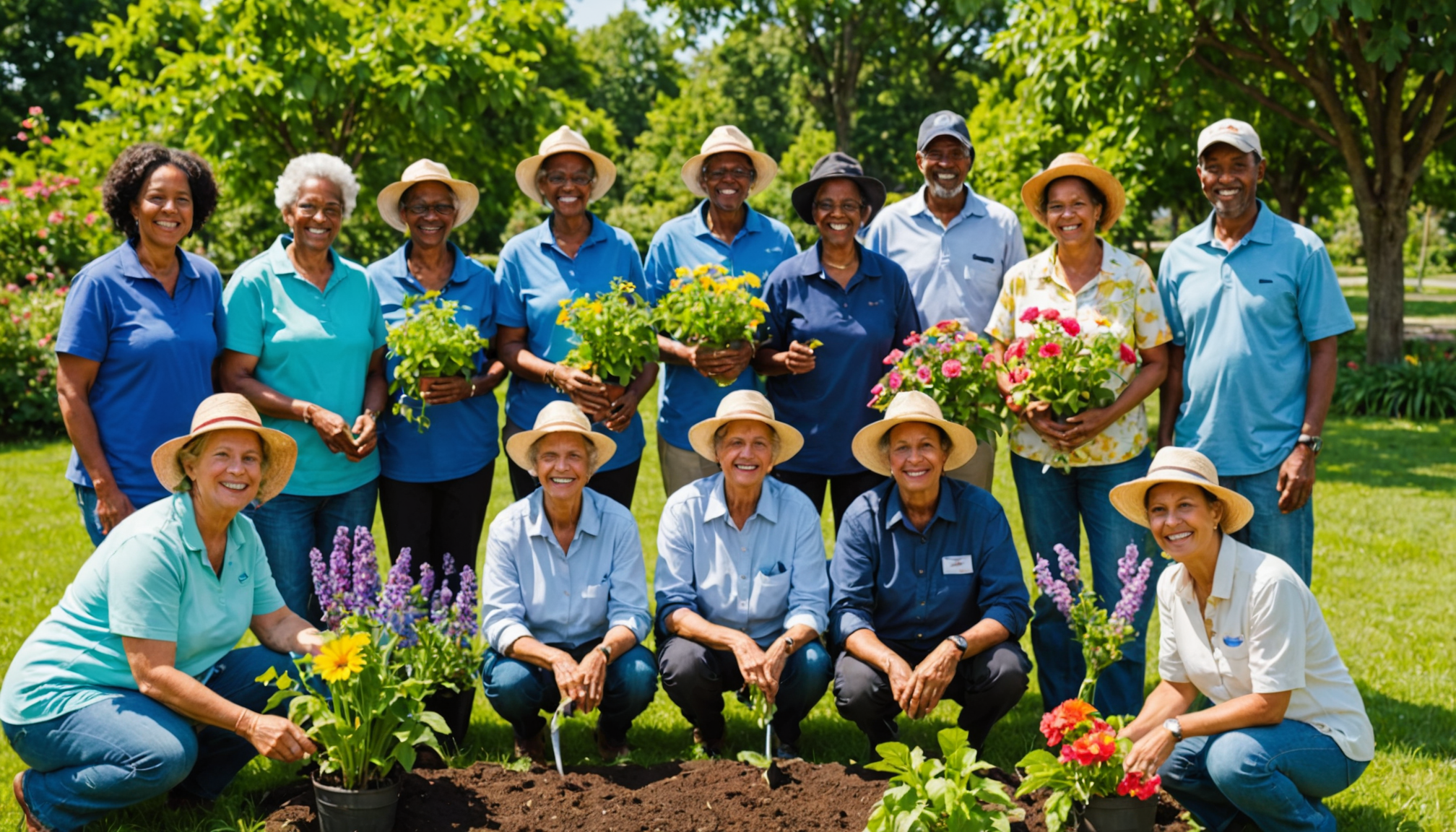
In examining the exercise habits of early Adventists, one cannot help but notice a striking divergence from contemporary exercise trends prevalent today. In contrast to the often individualistic and goal-oriented approach adopted in modern fitness culture, early Adventists maintained a communal and holistic perspective on exercise that emphasized physical activity as an integral aspect of life intertwined with spirituality and community. Their routines, characterized by outdoor work and cooperative endeavors, fostered not just personal health, but also a collective well-being that echoed their beliefs in the connection between body, mind, and spirit.
Today, the landscape of fitness is often dominated by the pursuit of aesthetics and performance metrics. Individuals are frequently drawn into a cycle of gym memberships, training programs, and diet plans that prioritize results over experiences. Yet, early Adventists valued the journey over the destination, viewing physical activity as a sacred expression of faith rather than a chore to complete or a checkbox on a list. Their preference for engaging in manual labor or participating in group exercises emphasizes a lifestyle rich in authentic interactions and simple pleasures, a stark contrast to the sometimes isolating nature of modern exercise trends.
Moreover, contemporary society has a tendency to commodify health principles, promoting products and fads that promise quick fixes rather than fostering a sustainable sense of well-being. Early Adventists resisted such enticements by grounding their practices in spiritual purpose—a deliberate choice to embrace a mode of living that celebrates health as a divine gift rather than a transactional endeavor. This philosophy champions the idea that maintaining an active lifestyle is inherently linked to our spiritual journeys, where every act of physical effort serves to empower both the individual and the community.
Reflecting upon these differences raises pertinent questions about the motivations that drive today’s exercise habits. Are they fostering genuine fulfillment or merely fulfilling societal expectations? What lessons from the early Adventists can be applied to cultivate a more integrated understanding of health, one that appreciates the joy of movement and the importance of communal support in our wellness journeys? Engaging with these inquiries invites us to rethink our own relationships with physical activity and its profound potential not just for better health, but for deeper spiritual connection and community engagement.
- What were the main forms of physical activity embraced by early Adventists?
- Early Adventists engaged in various forms of physical activity, including outdoor work such as gardening, farming, and tending to livestock. They also participated in group exercises like walking and hiking, which fostered community bonds.
- How did exercise relate to their spiritual beliefs?
- Early Adventists viewed exercise as integral to spiritual well-being, believing that physical activity prepared the body for spiritual pursuits. They saw manual labor and outdoor work as expressions of faith and devotion, reinforcing their connection with God.
- In what way were early Adventist exercise habits different from today’s trends?
- Unlike many contemporary fitness practices that often focus on individual results, early Adventist exercise habits prioritized communal engagement and holistic health. Their physical activities were not merely routine but were deeply tied to their spiritual and communal lives.
- Did early Adventists emphasize any specific health principles?
- Yes, early Adventists emphasized a holistic approach to health, advocating for balanced living through proper nutrition, regular physical activity, and community involvement. They believed these principles were essential for both physical and spiritual well-being.
- How did group exercises impact their community?
- Group exercises were essential to building strong community ties among early Adventists. These activities fostered social interactions, emotional support, and a shared sense of purpose, enriching their collective spiritual journey.
- What role did outdoor work play in their daily lives?
- Outdoor work was central to the daily lives of early Adventists, as it provided not only physical fitness but also a deeper sense of connection to nature and divine creation. They engaged in labor as an act of stewardship over the earth, reinforcing their faith and ideals.
- Why is it important to study early Adventist exercise habits?
- Studying early Adventist exercise habits allows us to draw lessons from their integrative approach to health that can inform our own wellness journeys today. Reflecting on their values can inspire a more communal and spiritually fulfilling relationship with physical activity.
Legacy and influence on modern health movements
The legacy of early Adventists manifests itself profoundly in modern health movements, where their principles and practices resonate through contemporary discussions on holistic well-being. The blueprint laid by these individuals serves as an enduring reminder of the intricate dance between physical activity and spiritual fulfillment. Today, health trends increasingly prioritize a holistic approach, recognizing the interconnectedness of body and spirit, much like the early Adventists did over a century ago.
In recent years, the shift towards *wellness*—encompassing physical fitness, mental health, and nutrition—echoes the early Adventist vision of health as a sacred pursuit. The reinvigoration of community-driven activities, such as group fitness classes and communal gardens, can be traced back to the Adventist emphasis on shared physical endeavors. These initiatives help foster connections akin to those experienced by the early Adventists, wherein physical activity becomes a shared expression of values, mutual support, and spiritual journeying.
Moreover, the movement towards mindful eating, sustainable living, and ecological stewardship draws upon the Adventist approach of viewing health not merely in terms of individual benefit but as a communal responsibility. The early Adventists’ dedication to outdoor work and manual labor as forms of worship intertwines seamlessly with today’s growing advocacy for natural and organic lifestyles, promoting food that nourishes the body and soul alike.
The popularization of fitness trends that celebrate the joy of movement, from yoga to nature hikes, reflects a resurgence of the understanding that exercise is not solely for aesthetic or performance-related goals. Instead, it offers opportunities for introspection, connection, and spiritual enrichment—ideals integral to early Adventist life. This shift marks a profound societal realization: that nurturing the body can indeed amplify the vibrancy of the spirit.
As we delve deeper into these modern manifestations, the legacy of early Adventist health principles shines through as instructive and timeless. Their model of integrating *physical activity* with spiritual and community well-being resonates loudly in today’s quest for balance. In a world often fragmented by fast-paced living and digital disconnection, the communal, active lifestyle espoused by early Adventists serves as an antidote, inviting us to reclaim our shared humanity through the cultivation of both body and spirit. Such an embrace of interconnectedness acknowledges that even amidst contemporary challenges, we can find inspiration in the past, guiding us toward a more harmonious understanding of health and life.
Beside our live streamed church services, all are welcome to attend our church in person each Saturday beginning 10:00 AM Central Time by going to 2425 Owens Rd., Ashland, AL 36251. There is no cost and any donations are strictly voluntary.
For questions, call +2563547124.