Come join Ashland Sabbath Chapel Ministries each Saturday for live streamed church services. Bible Study begins at 10:00 AM Central Time and Sermon at 11:00 AM. Visit Our YouTube channel and watch from home!
My dear friend, you will laugh at me, perhaps, when I confess that I look upon a market stall in full color very much as some ladies regard a ball-room: I immediately calculate the prospects for delight, stamina, and good spirits. Nothing, I assure you, recommends itself more persuasively than seasonal produce, because nature, in her quiet, obstinate way, arranges the very fruits and vegetables we most require, at the very moment we most require them.
Consider how often we speak of healthy eating, and yet how seldom we attend to the timeliness of what we place upon our plates. A strawberry in June is a lively creature, rich in flavor and goodness; the same poor fruit in January, carried halfway across the globe, is but a pale imitation of its summer self. When plants grow in their proper season, in the soil and climate that suit them best, they tend to be richer in vitamins, minerals, and all those subtle compounds that modern science exalts and gives complicated names to, but which our grandmothers simply called “what keeps you well.”
There is a certain elegance in this arrangement. As the sun shifts, so do our needs. When light grows stronger and the days lengthen, the earth offers tender greens and sprightly shoots, enlivening the blood and gently rousing us from the heaviness of winter stews. In the height of heat, juicy fruits and crisp vegetables arrive, carrying water, natural sugars, and salts in such proportions as to refresh without overwhelming. Then as the year inclines towards chill and early dark, sturdier roots and robust leaves step forward, prepared to fortify us with more substantial nutrition. It is as though the fields have consulted your constitution personally and devised a menu just for you.
You will perhaps say, “But one may, if one chooses, purchase any fruit or vegetable in any month.” And it is quite true; our shops are now so obliging that they will present you with an April tomato in November, a January peach in June, and all manner of curiosities at every time of year. Yet those travelers—banished from their native season—often pay a price in taste and in nourishment. Plucked before their full maturity, hurried in storage, and pampered with artifice that they might survive the journey, they are rather like a guest who has been obliged to rise too early and then driven too far: able to make conversation, perhaps, but not at their most charming.
When fruits and vegetables are allowed to ripen as they please, in open fields or carefully tended gardens, the sun encourages the development of their natural sweetness and the deepening of their color. These rich hues—ruby, emerald, amber, violet—are not mere decoration. They signal the presence of protective compounds that help the body manage stress, repair small injuries, and resist any number of misfortunes. Thus, the brighter and more fragrant your plate, the more likely it is that your body receives quiet, constant assistance in staying well.
There is, too, a delightful simplicity in aligning one’s table with the turning of the year. When you follow the seasons, your meals vary almost without effort. Spring’s gentle bitterness, summer’s abundant juice, autumn’s earthy sweetness, and winter’s slow, comforting depth all appear in their turn, keeping your appetite curious and your body well supplied with differing forms of nourishment. Instead of scolding yourself into better habits, you may simply stroll through the market and allow the most plentiful, freshest offerings to guide your choices. In this way, good sense arrives in the guise of pleasure.
Think, for instance, of the economy of such a plan. Foods in season are commonly less dear, for the very good reason that they are abundant and near at hand. You pay less for produce that has not had to cross oceans or endure warehouses, and in return you receive items that taste brighter, spoil less quickly, and sit more kindly on the stomach. It is a bargain any practical person must approve: you save your purse, and your body collects the profits in energy, cheer, and grace of movement.
Nor should we neglect the subtle companionship formed between ourselves and the land when we eat what is growing at that very moment. To slice a crisp apple in the first breath of cool weather, or shell peas while the air still carries the shy softness of early spring, is to feel, in some humble way, that one is keeping company with the season itself. Such small observances steady the mind, which, as you know, can become quite agitated by the pace of modern life. Regular, seasonally attuned meals serve as a gentle reminder that time has its own dignity and that we are not entirely at the mercy of our busyness.
So if ever you feel uncertain how to manage your health without resorting to endless rules and admonitions, you might begin with a very modest resolution: to look first at what the season is offering. Ask yourself which fruits and vegetables seem to be everywhere, in good color and sensible price, and let them claim a generous portion of your plate. In doing so, you are not only providing excellent support to your body; you are also entering into a kind of quiet agreement with nature, who has been arranging such matters long before any of us resolved to eat better. And once this little habit is in place, it becomes quite natural to notice how each time of year brings its own special provisions for renewal, vigor, and comfort, which we may very gladly accept.
Spring fruits and vegetables for renewal
Now, when the earth begins to shrug off her winter cloak, it is a wise soul who pays attention to what first appears upon the fields and in the gardens. Spring is not a season for heavy indulgence, but for gentle clearing and fresh strength. The very look of the stalls at this time—tender greens, bright sprouts, first little berries—suggests that the body is invited to awaken, but not yet to feast as in midsummer. Nature seems to say, “Let us tidy the house before we hang the garlands.”
You know how the spirit often feels in March and April: somewhat dull from the heavier dishes of winter, yet not altogether eager for the scorching sun of July. In just this interval, seasonal produce steps forward with surprising wisdom. The first greens carry a mild bitterness that encourages the body’s own cleansing processes, while the young roots and shoots provide energy without the burden of excess. This is the season for renewal—quiet, steady, and most effective when we consent to work with it rather than against it.
If you stand before the spring vegetables and hardly know where to begin, think first of the leafy things. Spinach, romaine, baby kale, arugula, and all their cousins appear in generous abundance. These tender leaves are rich in folate, vitamin K, vitamin C, and iron, all deeply necessary for building healthy blood and lifting fatigue. Prepare them simply and you will notice how they lighten the step. A salad of mixed spring greens, dressed only with a little olive oil, lemon, and a pinch of salt, will often refresh a weary afternoon more thoroughly than any sweet or stimulant. The body recognizes such fare as precisely what it has been awaiting.
Do not overlook asparagus, that herald of the new year’s table. It thrusts itself out of the soil with a vigor that seems almost impatient, and it brings with it a beneficial combination of fiber, folate, and natural compounds that encourage the kidneys and liver in their work. Lightly steamed or roasted with a brush of oil, asparagus has a way of satisfying without weighing one down. If, after a winter of heavier meats and breads, you feel the system somewhat burdened, a few days of meals built around these fresh spears, with wholesome grains and a modest portion of protein, can bring notable relief.
Equally valuable are the young peas—whether sweet peas in the pod, snow peas, or the simple garden variety. They are modest little globes of nutrition: providing plant-based protein, B vitamins, and fiber in a mildly sweet form that offends no delicate stomach. Shelling peas at the kitchen table is pleasant work; one finds that the mind rests as the fingers labor. A bowl of peas simmered gently with a handful of new carrots and a sprig of fresh herb makes a dish that is both comforting and remarkably strengthening, well suited to those convalescing after illness or shaking off the languor of late winter.
And then, my friend, we come to the first fruits of the year, which seem almost too delightful to be wholesome—but wholesome they are. Strawberries, when they are in their true season, are not the hard, tasteless travelers we so often see in cold months, but soft, fragrant, and vividly red. In that color resides a rich store of vitamin C and protective plant compounds that support the skin, assist the immune system, and bring a sparkle to the eyes. To enjoy a small bowl of ripe, local strawberries after a simple spring supper is to understand how healthy eating need never feel like deprivation.
Alongside these, there are the first rhubarb stalks, sharp and tart, which pair so beautifully with those same strawberries. Rhubarb, properly prepared, offers fiber and certain antioxidants that assist digestion. If you sweeten it with moderation and rely more upon the fruit’s own character than upon sugar, a stewed combination of rhubarb and berries can serve as a pleasantly refreshing dessert that does not overtax the system. In this way, the spring fruits train our appetites to be content with simple, natural sweetness rather than the heavy confections that so often bring discomfort.
We must speak also of the humble spring onion, the young leek, and their relations. These gentle members of the onion family arrive early and do valuable work in supporting circulation and digestion. Their subtle sharpness stimulates the appetite without provoking it, and they contribute sulfur compounds that help the body manage everyday strains. A soup of leeks and potatoes, made lighter for spring with more leeks than potatoes and a quantity of green herbs, can be a wholesome evening meal when the weather is uncertain and the evenings still hold a chill.
Herbs themselves come back to life in this season, and they are not merely decoration. Parsley, cilantro, dill, chives, mint—these fresh leaves are rich in vitamins and small but meaningful amounts of minerals. They help to brighten dishes without the need for excess salt or fat. A generous handful of chopped parsley stirred into grains, salads, or soups adds both flavor and quiet support to the body’s restorative efforts. A simple infusion of fresh mint leaves in hot water calms the digestion and gently lifts heaviness after a meal.
You might observe, by now, a pattern in this spring abundance. The foods of this season tend toward lightness, vivid color, and a touch of bitterness or tartness. Each of these qualities serves the purpose of renewal. The lightness relieves the system of unnecessary burden; the color signals the presence of compounds that guard the cells; the gentle bitter and sour notes nudge the organs of elimination to do their work more thoroughly. When we align our table with these tendencies, we find that our own energy becomes cleaner, steadier, and more cheerful.
There is also a practical way in which spring fruits and vegetables assist us: they make it easier to amend unwise winter habits without great drama. Instead of declaring war upon every indulgence at once, one might simply determine that, during these months, some form of fresh seasonal produce will appear at each meal. In the morning, perhaps a handful of berries with your usual fare; at midday, a generous salad of mixed greens or a broth filled with vegetables; in the evening, a plate in which the asparagus, peas, or early carrots occupy as much room as the meat. By this quiet arrangement, the richer foods naturally diminish without your having to rail against them.
You may say, “But I have not the time to contrive elaborate dishes.” There is no need for elaboration. Spring produce is at its best when left nearly alone. Wash the greens well, dry them, and toss with a simple dressing. Roast asparagus and carrots together on a pan with a modest anointing of oil and a sprinkle of salt until they are just tender and slightly browned. Steam peas for a brief moment and finish them with a little lemon and herb. These preparations require more attention than skill, more willingness than ingenuity. The reward is a plate that pleases the eye, comforts the conscience, and strengthens the frame.
One further blessing attends the spring table: it quiets those restless cravings that so often trouble the mind. The body, when supplied with adequate vitamins, minerals, and clean, lively food, becomes less insistent upon the heavy, the greasy, and the excessively sweet. Many who complain of constant desire for this or that treat have simply never given themselves a fortnight of consistent, seasonally appropriate meals. Allow the spring greens, peas, berries, and herbs to occupy your table for such a period, and notice whether the old clamor for inferior fare does not subside of its own accord.
Thus, by giving respectful attention to what the garden and market offer in these months of awakening, we allow spring to do in us what it is doing all around us: to cleanse gently, to revive quietly, and to prepare the way for the greater exertions of the hot season to come. The discipline is small—merely to choose what is fresh and timely—but the gain in clarity of mind, lightness of body, and steadiness of spirit is not small at all. In these simple spring bowls and plates, you will find that nature has already drawn up a kind and thoughtful plan for your renewal, if only you will sit down and partake of it.
Summer harvests for hydration and energy
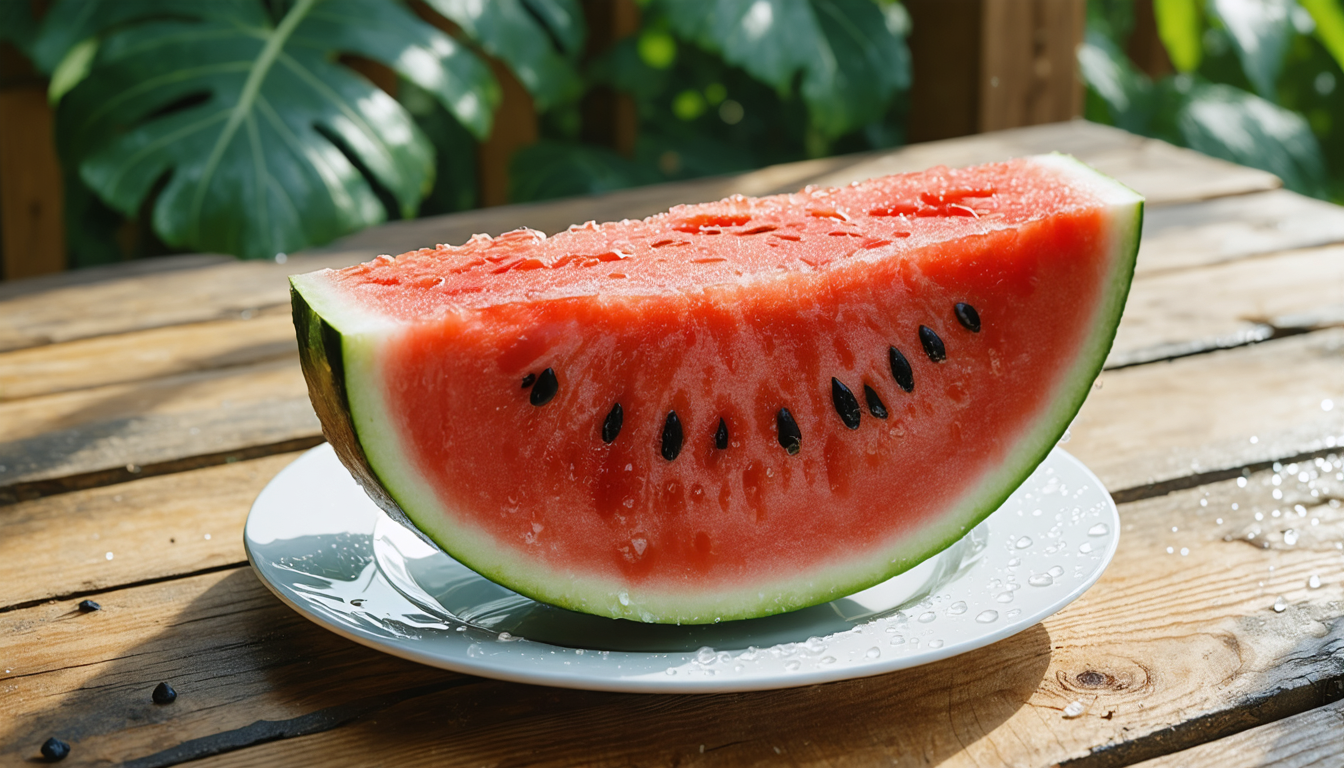
Then the heat settles in, and the world begins to shimmer. The sun is no longer an affectionate visitor but a commander, and he drains a man through his skin. This is the season when the body loses water with every breath, and when weariness creeps in, even after small exertions. Here again, nature is shrewd. She does not hand us heavy roasts and thick stews in July. She gives us juice. She gives us crunch. She gives us fruits and vegetables that carry water, salts, and gentle energy in every bite, and if we listen to her, healthy eating becomes almost effortless.
In the thick of summer, you can nearly live out of a melon. Watermelon, cantaloupe, honeydew—these are not mere desserts; they are canteens disguised as pleasure. Watermelon in particular is mostly water, but it is not the thin, indifferent water of a glass. It comes with potassium, a touch of natural sugar, and plant compounds that cool the body from the inside. A cold slice after walking in the hot afternoon does more good than any fancy drink. If you cube it and keep a bowl in the refrigerator, you will find yourself returning again and again, and each time your thirst and fatigue will be brought down a degree.
Cucumbers do much the same work, though more quietly. They are nearly all water, yet they carry small but useful bits of vitamins and minerals and a mild, clean taste that never offends. A plate of sliced cucumber with a pinch of salt and a little vinegar is a very plain thing, but on a hot day it may save you from the headache and dullness that come when the body has lost more fluid than you realized. Tossed with tomatoes and a thread of olive oil, they make a salad that is pure common sense disguised as refreshment.
Tomatoes, when they are true summer tomatoes and not the pale impostors of winter, are one of the great gifts of seasonal produce. They are rich with vitamin C and a particular pigment that helps protect the body’s cells from the wear and tear of heat and sun. When you slice a ripe tomato and see the deep red, feel the softness giving way under the knife, and taste the sharp, sweet juice, you know you are not eating a mere decoration. A simple plate of tomatoes, oil, salt, and torn basil with a hunk of bread can stand in for a whole meal when the air is too heavy for cooking.
All around the same time come the berries in their generous waves. Blueberries, raspberries, blackberries—little dark and bright things that stain the fingers and tongue. Their deep color is a sign of the protective compounds they carry, which help the body manage the quiet damage of heat, sun, and strain. They are light in calories but strong in nutrition, and they ask almost nothing of you in return. Rinse them, pour them into a bowl, and they are ready. Stir a handful into plain yogurt and you have made a breakfast or snack that steadies the blood sugar and carries you longer than any sugared pastry or drink.
Stone fruits follow: peaches with their soft skins and tender hearts, nectarines, plums, cherries. These are not solemn foods. They drip down the wrist and demand a napkin. Yet beneath the fun of them lies serious work. They offer vitamins A and C, fiber, and enough natural sugar to replenish the muscles without driving the body into the jittery peaks and crashes of sweets from a packet. A peach eaten cold from the icebox on a blazing afternoon is a small event. It comforts the mouth, revives the spirit a little, and makes you feel you can continue with the day.
If you are the sort who loses appetite in the heat, remember the salads that can be built from these summer things without ever lighting the stove. Mix tomatoes, cucumbers, sweet peppers, and herbs, with perhaps a scatter of olives or beans. Add slices of peach or a handful of berries to a bowl of greens and nuts. These mixtures provide water, fiber, vitamins, and the right touch of fat or protein to carry the energy along. They are easy to chew, easy to digest, and they leave you feeling lighter instead of beaten down after a meal.
On the vegetable side of summer, the vines do not rest. Zucchini and other summer squashes appear so abundantly that gardeners sneak them onto neighbors’ doorsteps. Do not despise them for their eagerness. Their flesh is mild and moist, with fiber and modest stores of vitamins that support digestion and steady energy. Sliced and quickly sautéed with a little oil and garlic, they cook in minutes and do not heat the kitchen overlong. Shreddled raw into a salad, they add bulk and freshness without any heaviness at all.
There is also the corn, golden and insistent, which seems to belong to long evenings and grills and the good kind of tired that comes after a whole day outside. Fresh corn carries natural sugars, yes, but also fiber and B vitamins that help the body turn food into usable energy. If you eat it from the cob, with just a little salt and perhaps a touch of butter or oil, it will satisfy in a very straightforward way. Paired with beans, tomatoes, and peppers in a salad, it becomes a dish that can carry you through work and play without the sleepiness that follows a heavy plate.
Peppers in their many colors show up in this same season. The red and yellow ones, when allowed to ripen fully on the plant, are particularly rich in vitamin C and other protective compounds. They crunch like good news and carry water and brightness into any dish. Slice them into strips and eat them raw with hummus, or toss them on the grill beside the corn and zucchini. Their sweetness is their own, needing no sugar to help it along.
Do not forget the herbs and greens of summer. Basil, cilantro, mint, and their friends thrive in the heat, and a handful of them can lift a simple dish of beans, grains, or vegetables into something you look forward to. They bring concentrated flavor with an almost negligible burden of calories, which means they help you rely less on heavy sauces and excess salt. A few leaves of mint in cold water, with a slice of cucumber or lemon, make a drink that tastes more luxurious than any bottled thing and quietly tempts you to drink enough throughout the day.
If you work or exercise in the heat, the question of energy becomes plain. You sweat, you tire, you reach for something quick. Here is where summer fruits are clever allies. A banana, though not strictly a local treasure in many places, is plentiful in this season and carries potassium and carbohydrate in a ready-made package. Paired with a handful of berries or a slice of melon, it refills what the body has spent in a form gentler than the bright liquids and bars that shout from every shelf. A small bowl of yogurt with fruit, or a simple smoothie of frozen berries and water or milk, does the same job with more grace and fewer unwanted extras.
The beauty of these hot-month foods is that they naturally pull you toward better choices. When peaches are ripe and tomatoes are honest, when watermelon is sweet and cucumbers are cold and crisp, it takes no discipline to choose them over something wrapped in foil. The market itself becomes your ally. If you begin each summer day by asking, “What fresh thing can I keep at hand?” and then stock a bowl of fruit or a container of salad in the refrigerator, you will find that your pattern of healthy eating settles into place with less struggle than at any other time of year.
And when the evenings lengthen and the air, though still warm, begins to carry a hint of coming change, the same stalls that overflowed with berries and melons start to offer sturdier faces—squash that can be stored, apples with a little snap of cool in their flesh, early roots and darkening greens. The bright, watery foods that kept you standing in the heat begin to make room for those that will brace you for the first cool winds and the small, invisible battles of the colder months. In this way, summer’s easy abundance leads naturally into the deeper strength that the next season quietly requires.
Fall produce for immune support
When the days shorten and the evenings gather themselves about our homes a little earlier, I always feel that autumn speaks softly to our health in a special way. The heat and glare of summer are behind us, yet the severe cold has not fully drawn near. It is a season of preparation, and the earth knows it. Look at the markets then: baskets of apples and pears, heaps of squash, cabbages tight as drums, onions, garlic, and humble roots dusted with soil. This is not a frivolous abundance. It is a thoughtful one, designed, I am persuaded, for the very work of strengthening the body’s defenses before the harsher months arrive.
You know how in fall the coughs begin in the schoolroom, and the colds make their first visits to the household. We often run to the apothecary at such times, yet the Lord has already lined the fields and orchards with “little apothecaries” that ask no fee except a bit of attention. If we will let seasonal produce take its rightful place upon our tables in these weeks, we shall discover that we can meet many a winter ailment with sound blood, steady nerves, and a quiet, well-supplied immune system.
Think first of the apple, which is perhaps the plainest of fruits and yet among the wisest. When the air turns crisp, the apples do also. Their flesh holds fiber that nourishes the beneficial life within the gut—those unseen helpers that science now recognizes as closely tied to our immune strength. Apples bring vitamin C and a host of protective compounds tucked just under the peel, so I beg you, do not be too quick to discard it. An apple eaten out of hand in the afternoon steadies the appetite, keeps the bowels faithful in their duties, and spares one the late-day craving for heavy, unwholesome sweets.
Pears come along as gentle companions to apples, softer and more yielding, suitable especially to the very young and the elderly, whose teeth or digestion may not welcome tougher fare. Their sweetness is mild, their fiber kindly, their effect upon the body both soothing and strengthening. A baked pear, with nothing more than a sprinkle of cinnamon, can be a wholesome dessert that comforts the throat and chest on a cool evening far better than any sugared confection from the shop.
You will notice, as you walk among the stalls, that the colors of autumn fruits and vegetables deepen. Where summer shouted in bright pinks and greens, fall speaks in oranges, golds, and rich purples. These are not mere ornaments. The deep orange of pumpkins, butternut squash, and sweet potatoes signals a wealth of vitamin A in a form the body can use to keep the linings of the nose, throat, and lungs strong and moist. These linings are the first gatekeepers against disease. When they are well nourished, they are less easily irritated and invaded.
A simple tray of roasted cubes of butternut squash or sweet potato, with a modest brushing of oil and herbs, becomes, in truth, a quiet medicine. Served alongside beans or lentils and a green vegetable, it furnishes energy that is slow and steady, not rushed and anxious. Children, especially, will often accept these golden foods eagerly, and in feeding them thus you are laying up protection in their very tissues against the colds and sore throats that circle about their schools and playgrounds.
Pumpkin, too, deserves a place more noble than the once-a-year indulgence of a sugar-laden pie. Its flesh, made into a simple soup with onions, carrots, and a potato or two, seasoned without excess, offers warmth, fiber, and the same strengthening effect upon the mucous membranes. If you stir in a little pureed white bean instead of cream, you will find the soup rich enough, and you will have married vegetable protein with protective vegetable color in a way that honors both health and good sense.
Let us not neglect the brilliant cruciferous vegetables that come into their own in the cool air. Cabbage, Brussels sprouts, broccoli, and cauliflower all grow sweeter and more tender after a touch of frost. These humble heads and florets abound in compounds that help the body’s own cleansing systems—especially the liver—manage the waste and strain of daily living. When these organs are supported, the immune system is not so burdened and can attend more faithfully to its true work: identifying and resisting what does not belong.
A pot of cabbage soup, made strong with carrots, onions, a handful of beans, and perhaps a little barley, may seem to some like poor fare. Yet eaten regularly, such dishes supply excellent nutrition for the white blood cells that stand guard within us. Steamed or roasted Brussels sprouts, lightly browned and simply seasoned, bring fiber, vitamin C, and those same cruciferous compounds onto your plate in appealing form. Many who once scorned these vegetables only needed to meet them cooked with care, rather than boiled into surrender.
Speaking of vitamin C, fall is scarcely stingy with it. Besides apples, pears, and cabbage, there are the citrus fruits that begin to appear in late autumn: oranges, tangerines, grapefruits. Though they may travel from warmer climates, they are in their rightful season at this time, and their sharp, bright juice is like a little sermon against discouragement. A daily orange, taken instead of a candied treat, helps keep the immune cells supplied without burdening the blood with refined sugar, which so easily weakens the body’s defenses.
In this same season the allium family—onions, garlic, leeks—seems to multiply itself in every good household. I have often thought that a pantry well-stocked with these is like a family furnished with quiet, faithful friends. Garlic, in particular, carries within it strong, natural compounds that act against unwelcome microbes and support circulation. If you will include moderate amounts of garlic and onion in your soups, stews, and roasted vegetables, you will be adding not just flavor but a daily shield for the body.
Consider, for example, a simple pan of roasted roots: carrots, beets, parsnips, and onions, all cut into similar pieces, tossed with a modest measure of oil, a few crushed cloves of garlic, and some herbs, then roasted until sweet and tender. Such a dish supplies an array of vitamins, minerals, and protective plant substances that help rebuild red blood cells, nourish the gut, and lighten the work of your immune system. The beets, in their deep red, offer special support to circulation; the carrots bring vision-protecting compounds and fiber; the parsnips contribute gentle sweetness and further nourishment. There is nothing fussy here, yet the result is almost a little pharmacy laid upon the table.
Dark leafy greens also remain our allies as the leaves fall from the trees. Kale, collards, chard, and mustard greens are often sweetest after the first cold nights. These greens are rich in vitamins A, C, K, and certain minerals that are essential for healthy blood clotting, bone strength, and immune resilience. Lightly sautéed with onions and a handful of beans, or simmered into a stew, they support the body in warding off illness, and they help counterbalance the heavier foods that are so temptingly offered during autumn gatherings.
Some will say, “But the holidays are near, and there will be pies and sweet breads, and I cannot always be strict.” I would not have you live under a cloud of prohibition. Rather, I urge you to let healthy eating in this season rest upon a generous base of fruits and vegetables. When half your plate is filled with roasted squash, greens, and roots; when an apple or pear precedes the dessert; when there is a bright salad even beside the richer dishes—then the body is better able to endure an occasional indulgence without such lasting harm.
There is a quiet art in using autumn foods to soften the edge of temptation. Keep a bowl of fresh apples on the table where the family gathers. Place a jar of sliced carrots and celery in water in the refrigerator, ready for quick eating. Prepare a large pot of vegetable-rich soup at the beginning of the week, so that when you are tired and inclined to reach for something careless, you can instead reheat a portion of nourishment already waiting. In this way, you let the season’s abundance stand between you and many unwise choices.
Do not overlook the comfort aspect of these autumn gifts. The mind, as surely as the body, is affected by the coming darkness and cool. A warm bowl of soup fragrant with onion, garlic, herbs, and sweet root vegetables does more than fill the stomach; it reassures the heart. When the mind is steadied and the nerves are calmed, the immune system, too, is favored. Much sickness takes advantage of our worn-out hours. To sit down to a wholesome, seasonally prepared meal is to offer both body and spirit a place of rest.
If you keep children, teach them in these months to look with affection upon the fruits and vegetables of fall. Let them help wash apples, stir the pot of soup, or arrange sliced carrots and peppers on a plate. When they handle real food with their own hands, they are more inclined to eat it with good will. You are not simply feeding them for the day; you are shaping their trust that the earth’s simple offerings are enough to keep them strong. This is one of the best lessons any parent can pass on.
And think of the aged ones among us, whose defenses may not rise so swiftly as in younger days. A soft baked apple, a bowl of pureed squash soup, mashed sweet potatoes with a drizzle of oil, stewed greens finely chopped—these are merciful foods. They require little chewing, yet they deliver vitamins, minerals, and gentle energy that keep the lungs, heart, and blood in better condition to resist illness. A tray of such dishes is a more loving gift than any delicacy that burdens digestion and overworks the heart.
All these autumn blessings are not complicated to obtain. They are the very things most abundant and least costly when the leaves are turning. You need not chase after rare tonics and costly remedies when the Lord has piled up, in honest heaps, the apples, squash, cabbages, onions, and roots that furnish steady, daily support. The discipline lies chiefly in choosing them often and preparing them with thoughtful simplicity, rather than leaning upon the quick satisfactions that so soon leave us dull and unguarded.
As you look upon the colors of fall—gold in the field, crimson in the trees, purple in the grapes and beets—remember that your own body is entering a season of testing. Colds, flus, and other troubles circle like birds, seeking a place to land. Let your table declare, quietly but firmly, that they will not find easy perching there. An apple in the hand, a bowl of cabbage soup, a helping of greens and roasted roots—these are not grand gestures, but they are daily acts of wisdom. In the faithful use of autumn’s seasonal produce, you are, each day, building a shelter of strength within yourself and those you love, brick upon brick, meal upon simple meal, against the winds that are surely on their way.
Winter staples for warmth and resilience
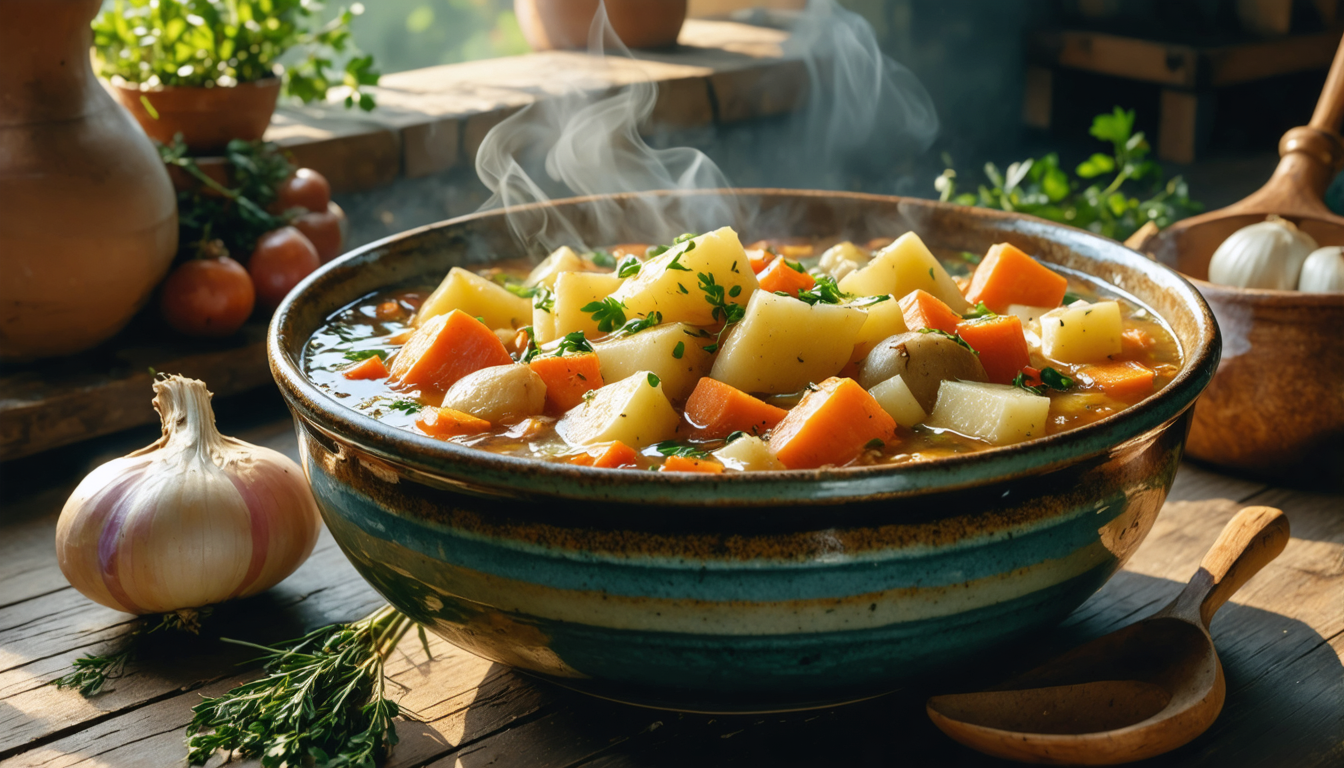
When the true cold sets in and the wind begins to pry into every crack of the house, it is no longer enough merely to be refreshed; one must be sustained. At such times the body, like the hearth, asks for a slow, steady burn rather than a quick flare. Here again, seasonal produce proves itself a quiet genius. The markets grow plainer, perhaps, but also more earnest: potatoes and carrots, cabbages and onions, dense squashes, sturdy apples that have kept their character in storage. Nothing frivolous; everything designed to build warmth and resilience from the inside out.
Think first of the root vegetables, which spend their lives buried in the dark and, in return, offer us a particular kind of strength. Potatoes, carrots, parsnips, turnips, beets—all of them hold slow-burning starches and fibers that keep the body’s inner fire from sputtering. Unlike the quick sugars that blaze and vanish, these roots release their energy gradually, helping you maintain your warmth during long, cold days. A bowl of root-vegetable stew, thick with carrots and potatoes, seasoned with onion and herbs, can carry you through an afternoon that would otherwise send you shivering back to the kitchen in search of something more.
Beets, with their deep crimson flesh, offer special favor to winter-weary circulation. Their pigments and minerals support the movement of blood, which is precisely what you need when fingers and toes are inclined to go numb in the cold. Roasted beets alongside carrots and parsnips, drizzled with a little oil, become a dish that is both sweet and strengthening, encouraging the blood to move more freely and distributing warmth more evenly through the body. Have you ever noticed how different you feel after such a meal, compared with the aftermath of a sugary pastry and coffee?
Winter squashes—acorn, kabocha, delicata, and their cousins—are another form of stored sunshine. Their firm shells and orange or golden flesh hold not only comfort but ample vitamin A and other protective compounds that help keep the linings of the nose and lungs in good repair. When these linings are strong, they resist the assaults of cold air and wandering germs more capably. A simple baked squash, its flesh scooped and mashed with a little salt and perhaps a splash of broth or oil, needs no elaborate treatment to do its work of quiet fortification.
Then there is cabbage, which I am persuaded is one of winter’s most faithful friends. It looks modest, even severe, but beneath its pale leaves lies a surprising wealth of vitamin C, fiber, and those cruciferous compounds that encourage the body’s own cleansing and repair. When fresh, cabbage can be finely shredded into salads or slaws to bring a crisp brightness to the heavy table. When the cold bites harder, it may be cooked slowly into soups or braises, turning sweet and tender and delivering its nutrition in a more comforting form.
Fermented cabbage—sauerkraut and its kin—adds another layer of help. The natural fermentation fills it with beneficial microbes that support the gut, where much of the immune system quietly resides. A small serving of such tangy cabbage beside a winter stew does more than please the tongue; it reinforces those unseen defenses that guard you when every passerby seems to be coughing. Have you considered that a humble spoonful of kraut may be as valuable as any pill you might be sold for “immune support”?
Onions, garlic, and leeks remain indispensable in this season. The cold months are, in a sense, their rightful kingdom. Garlic in particular has long been esteemed for its natural compounds that act against unwelcome microbes and support healthy circulation. A winter kitchen that begins most dishes with onion and garlic in the pan is, without fanfare, building a daily shield against infection and fatigue. A leek-and-potato soup, for example, is not merely soothing to the throat; it is also a small garrison of protective elements in a single bowl.
Do not suppose that winter is entirely devoid of freshness or color. Citrus fruits—though they travel from milder climates—stand in honorable partnership with cold-weather meals. Oranges, grapefruits, and tangerines bring a concentrated supply of vitamin C and bright, cheering flavor just when spirits and defenses tend to droop. A simple orange eaten after a hearty, vegetable-rich supper helps balance the heaviness of the meal and lends its support to the immune system without the burden of refined sweets. Are you perhaps neglecting these small but potent allies because they seem too ordinary to be powerful?
Dark leafy greens do not wholly retire in winter, either; they simply change their manner. Kale, collards, and hardy chards stand stalwart in frosty fields, their leaves toughened but not embittered, sometimes even made sweeter by a touch of cold. These greens carry iron, calcium, and vitamins A, C, and K—nutrients that keep the blood strong, the bones steady, and the immune system ready. Simmered slowly with beans and a heel of onion, they produce a dish that feels almost like wool for the inside: warming, insulating, reliable.
Legumes—beans, lentils, and peas—deserve a place beside these winter vegetables, for they, too, are seasonal in their way. Harvested earlier and stored dry, they wait patiently for the months when the earth offers less above ground. Their plant-based protein and fiber make them excellent companions to roots and greens, creating meals that satisfy for hours. A pot of lentil soup with carrots, celery, onion, and a handful of chopped greens is, in the realm of healthy eating, something like a faithful old coat: never fashionable in the gossiping sense, yet exactly what you need when the wind rises.
Whole grains such as oats, barley, and brown rice also come into their own now. Porridge in the morning might seem old-fashioned, but it provides a slow, steady release of energy, preventing the mid-morning chill and faintness that so often drive one to poor choices. Stirring grated apple or carrot into oats, or serving barley with roasted roots and cabbage, allows these grains to join hands with winter’s seasonal produce, forming meals that are both warming and stabilizing. Why should we despise these simple patterns merely because they lack the spectacle of more modern fashions?
There is another aspect of warmth and resilience that we rarely discuss: the warmth of community and the resilience of the mind. Winter tends to isolate. Yet the foods of this season lend themselves particularly well to large pots and shared tables. A big pan of roasted root vegetables, a generous pot of bean-and-greens stew, a cabbage-and-barley soup—these invite company. When we eat wholesome, seasonally grounded meals together, we nourish not only the body but the social bonds that help carry us through dark months. Have you noticed how much braver the heart feels after a simple shared supper?
The rhythm of winter eating also encourages a certain reflection. Without the constant distraction of novelty at the market, you have the chance to deepen your relationship with a smaller set of ingredients. How many different ways can you prepare cabbage, potatoes, and beans before you grow bored? How might you season them, combine them, or present them so that each meal feels distinct? In exploring these questions, you train your palate to appreciate subtler satisfactions and your mind to value steadiness over constant stimulation.
Some will argue that winter’s plainness makes it only natural to lean on rich, heavy fare and plentiful sweets. But what if those cravings are not inevitable, only habitual? When your meals are grounded in honest roots, sturdy greens, legumes, and a bit of citrus brightness, the body’s deeper needs are met, and the call for constant indulgence often quiets. Could it be that your “winter cravings” are in part the protest of a system underfed in true nutrition and overfed in empty comforts?
It is not necessary to ban every treat; it is necessary to build a foundation strong enough to bear them. Let the daily fare revolve around these winter staples that warm and fortify—roots, squash, cabbage, onions, beans, greens, and grains. Then a slice of cake at a gathering or a sweet drink on a cold afternoon becomes an accent instead of a daily burden. If you begin to see each winter plate as a question—“Will this help me stand steady in the cold, or will it steal from my strength?”—how differently might you choose?
As you move through the short days and long nights, consider conducting a quiet experiment. For a fortnight, allow your meals to be ruled chiefly by what the season honestly offers: a morning porridge with fruit, a midday soup of beans and greens, an evening tray of roasted roots and squash, a daily citrus, and perhaps a spoonful of fermented vegetables. Notice how your energy, mood, and resistance to illness respond. You may find, to your surprise, that winter, which once seemed only an adversary, becomes a tutor—teaching you endurance, gratitude for simplicity, and a deeper trust that nature has not forgotten you, even in the coldest months.
- Why is it important to eat seasonal produce in winter instead of relying on imported foods?
- Winter seasonal produce is harvested closer to its natural time, so it often contains more intact nutrients and better flavor than off-season imports. Relying on local or regional winter crops also supports your environment and economy while gently guiding you toward meals that match your body’s cold-weather needs.
- Which winter vegetables are best for supporting my immune system?
- Cabbage, kale, collards, Brussels sprouts, onions, garlic, and citrus fruits are especially helpful for immune resilience. They offer vitamin C, vitamin A, protective plant compounds, and fibers that support the gut, where much of your immunity quietly lives.
- How can I get enough fiber and vitamins when fresh options seem limited in winter?
- Roots (carrots, beets, parsnips), winter squash, cabbages, hardy greens, beans, lentils, and whole grains are all rich in fiber and key vitamins. Combining them in soups, stews, and roasted dishes can make winter meals both comforting and densely nourishing.
- Are frozen fruits and vegetables a good choice during the winter months?
- Frozen produce can be an excellent ally, because it is usually picked at peak ripeness and quickly preserved, retaining much of its nutrition. Using frozen berries, spinach, or mixed vegetables alongside fresh winter staples can broaden your options without abandoning seasonal sense.
- How do winter staples help with warmth and energy compared to lighter summer foods?
- Winter roots, squashes, legumes, and whole grains provide slower-digesting carbohydrates and fibers that keep your blood sugar steadier and your internal “fire” burning longer. In contrast, summer’s watery fruits and vegetables focus more on cooling, quick hydration and lighter energy.
- Can I still practice healthy eating in winter if I have little time to cook?
- Yes; winter staples lend themselves well to simple, large-batch cooking. A single pot of bean-and-vegetable soup, a tray of roasted roots, or a big bowl of shredded cabbage salad can provide several quick, reheatable meals that keep you aligned with the season.
- How can I teach my family, especially children, to enjoy winter vegetables?
- Involve them in washing, chopping (as appropriate), and seasoning roots, squashes, and cabbages, and offer these foods in friendly forms like soups, oven fries, or roasted “rainbow” trays. When children help prepare real food and taste it repeatedly in pleasant settings, they begin to associate winter produce with comfort and care rather than obligation.
Beside our live streamed church services, all are welcome to attend our church in person each Saturday beginning 10:00 AM Central Time by going to 2425 Owens Rd., Ashland, AL 36251. There is no cost and any donations are strictly voluntary.
For questions, call +2563547124.