Come join Ashland Sabbath Chapel Ministries each Saturday for live streamed church services. Bible Study begins at 10:00 AM Central Time and Sermon at 11:00 AM. Visit Our YouTube channel and watch from home!
When you and I talk about eating well, we are not dealing in mysteries, but in the plain, everyday gifts God has set upon our tables. The body, fashioned with such wisdom, asks not for fancy schemes but for simple, faithful care. At the very foundation of that care stand three principal nutrients: proteins, carbohydrates, and fats. These are the great laborers that keep the heart beating, the muscles working, and the mind clear. If we understand their offices, we are better prepared to choose our food in a way that supports a truly balanced diet and enduring health.
Think of protein as the builder and repairer of the house in which your soul dwells. Every muscle fiber, every strand of hair, every bit of your skin, and much of your blood and immune system bear the mark of protein’s quiet work. The scientific testimony is clear: adequate protein intake is essential for maintaining lean body mass, supporting immune defense, and aiding recovery from daily wear and tear and from illness (Institute of Medicine, 2005). Without enough of it, the body begins to tear down its own tissues to meet its needs, and strength is slowly squandered.
Good sources of protein are scattered generously throughout creation. Legumes such as beans, lentils, and peas; nuts and seeds; whole grains; and, for those who use them, dairy and eggs, are all rich in these vital building blocks. Plant foods, when wisely combined across the day—such as beans with rice, or hummus with whole-grain bread—can supply all the essential amino acids the body cannot make for itself (FAO/WHO, 2007). This is no burdensome task; it is simply a matter of variety. When a plate bears several wholesome plant foods, you may be confident that the body is receiving what it requires.
Yet, as with many blessings, excess can become a snare. Diets overloaded with protein, particularly from fatty meats and processed animal products, have been associated with higher risks of cardiovascular disease and certain cancers (Richter et al., 2015). Moreover, very high protein intake may burden the kidneys in susceptible individuals. The aim is not to swing to extremes, but to supply enough protein to maintain vigor, without crowding out other important foods. Moderation and variety, not indulgence, safeguard health.
Now let us turn to carbohydrates, which so many in our day have unjustly feared. Carbohydrates are the body’s chief source of ready energy, especially for the brain and nervous system. When you feel clear-headed and able to labor with steadiness, you are often tasting the fruit of well-chosen carbohydrates. Current research affirms that whole, unrefined carbohydrate sources—whole grains, fruits, vegetables, and legumes—are linked with lower risks of obesity, type 2 diabetes, and heart disease (Slavin, 2013).
The difficulty lies not in carbohydrates themselves, but in their refinement. White flours, added sugars, and polished grains have been stripped of much of their fiber, vitamins, and minerals. They raise blood sugar quickly, and then let it fall, leaving one weary and craving more. In contrast, whole grains like oats, brown rice, quinoa, and whole wheat, along with fruits and vegetables in their natural form, release energy more gently, sustaining the body and guarding against the wide swings of appetite and mood. Fiber, abundantly supplied by these unrefined foods, also supports healthy digestion and helps maintain beneficial blood cholesterol levels (Anderson et al., 2009).
If you wish to treat your body kindly, you will not cast aside carbohydrates altogether, but will seek them in their simplest, least-altered forms. Sweetened drinks, candies, and white breads may tantalize the tongue, yet offer little true strength. They are like chaff blown by the wind, leaving the granary empty. The wise course is to fill the plate chiefly with whole grains, fruits, and vegetables, using sweets only rarely and in small amounts.
Fats, too, often bear a bad name, yet they are indispensable companions in the work of health. Fat provides concentrated energy, cushions vital organs, helps the body absorb fat-soluble vitamins (A, D, E, and K), and forms part of every cell membrane in your body. Certain fats, particularly omega-3 fatty acids, support heart and brain function (Mozaffarian & Wu, 2011). The question is not whether we shall take fat, but what kind and in what measure.
In the abundance of modern markets, we meet both helpful and harmful fats. Unsaturated fats, found in nuts, seeds, avocados, olives, and many plant oils, have been associated with improved heart health and better blood lipid profiles when they replace saturated and trans fats (Mensink et al., 2016). On the other hand, diets rich in saturated fat—especially from fatty meats and high-fat dairy—and in artificial trans fats from partially hydrogenated oils have been linked with increased risks of heart disease (Mozaffarian et al., 2006).
To walk safely, we ought to incline toward fats that come naturally packaged in whole foods. A handful of nuts, a spoonful of seeds on your porridge, a slice of avocado, or a drizzle of olive oil on vegetables can furnish the body with what it needs without burdening it with excess. Highly processed snacks, deep-fried foods, and baked goods laden with shortening or hidden oils are less faithful friends. Their pleasant taste may conceal a quiet undermining of the arteries over time.
These three macronutrients—protein, carbohydrates, and fats—are meant to work in harmony, not in competition. A plate that is dominated by any one of them to the neglect of the others soon reveals its imbalance in tiredness, weight gain or loss out of measure, and a decline in vigor. Studies of traditional dietary patterns, such as the Mediterranean-style diet, show that when people eat a variety of whole plant foods, with modest portions of fats and proteins and an abundance of whole carbohydrates, they enjoy better heart health and longer life (Willett et al., 1995; Estruch et al., 2013).
In daily practice, this means letting whole plant foods form the bulk of your meals: grains, beans, peas, lentils, fruits, vegetables, nuts, and seeds. Protein can be drawn chiefly from legumes and nuts, carbohydrates from whole grains and fruits, and fats largely from nuts, seeds, and olives. When these are chosen with care and eaten in proper measure, the body’s needs are met without excess. There is no need for elaborate counting of grams at every meal; rather, let the principles of simplicity, variety, and moderation guide your hand.
It is also well to remember that your needs may differ from those of another. A child in a season of growth, a woman with child, a laborer in the field, and an older person with fewer earthly tasks to perform will not require the same portion of each macronutrient. Authorities such as the Dietary Guidelines for Americans recommend that, across the day, most adults obtain roughly 45–65% of their calories from carbohydrates, 10–35% from protein, and 20–35% from fat, with adjustments according to age, activity, and health status (USDA & HHS, 2020). These ranges are broad enough to allow for personal and cultural preferences while still supporting sound health.
- Let a variety of whole, minimally processed foods provide your proteins, carbohydrates, and fats.
- Favor plant-based proteins and unsaturated fats, while limiting refined grains, added sugars, and saturated and trans fats.
- Adjust portions of each macronutrient to your stage of life, level of activity, and particular health concerns, seeking counsel from a qualified health professional when needed.
As you look upon your plate, remember that these macronutrients are not enemies to fight, but servants to direct. When wisely chosen and thoughtfully combined, they supply the strength to labor, to think clearly, and to serve others with a ready mind. In this way, even the ordinary act of eating becomes an instrument for preserving the precious gift of health, and for fitting the body to carry out the duties placed before you each day.
Vitamins and their role in body functions
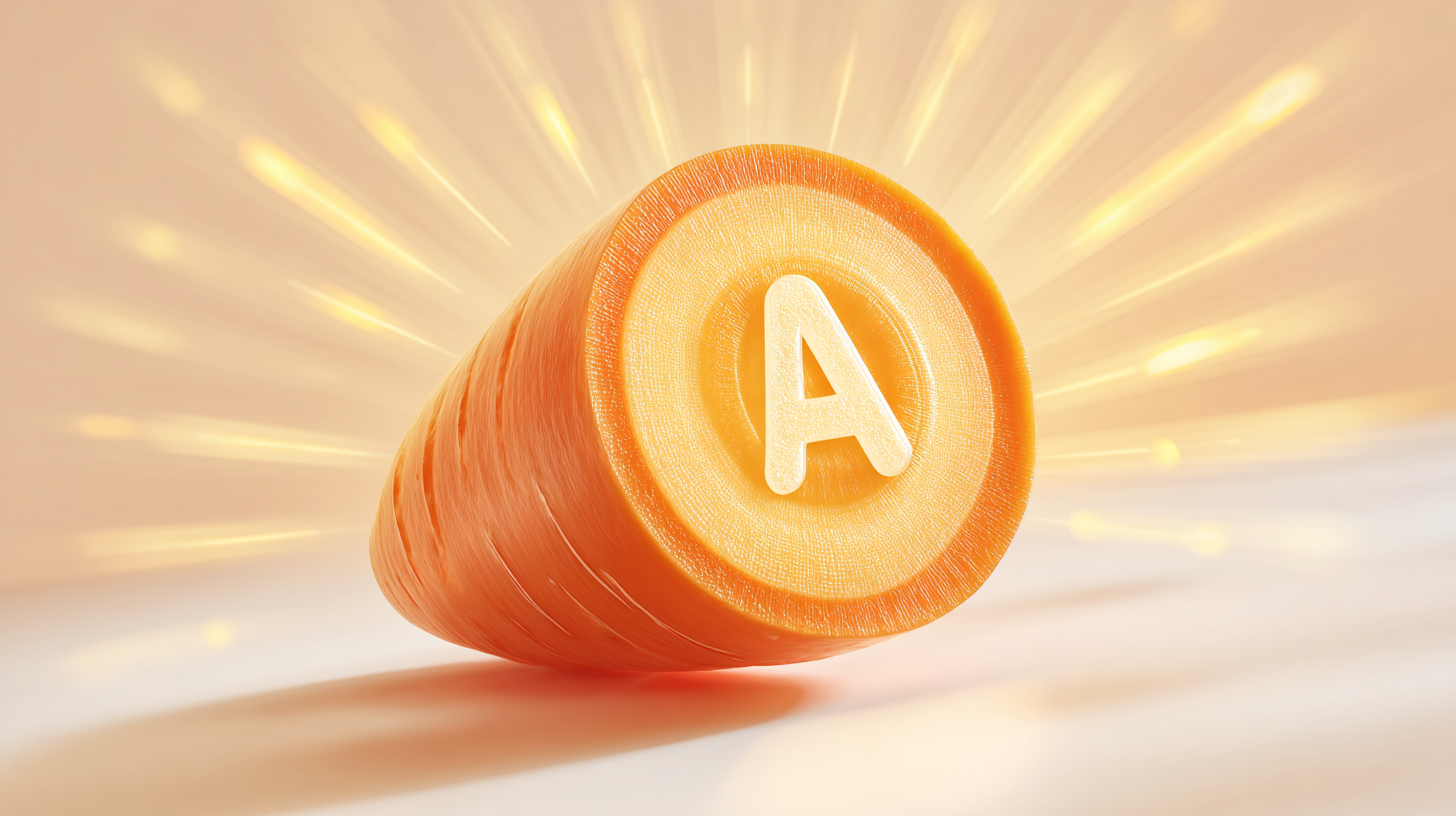
You and I have spoken of the great laborers—proteins, carbohydrates, and fats—but these alone do not finish the work. A house may have sturdy beams and solid walls, yet if the windows are shut and the air never comes in, those who dwell there will not flourish. So it is with the body. Alongside the macronutrients stand a company of quieter helpers, the vitamins. They do not supply much energy nor build great structures, yet without them, the whole machinery falters. They are small in quantity, but mighty in influence, touching nearly every function that preserves strength and health.
Consider first the vitamins that keep the eyes clear, the skin sound, and the defenses of the body awake. Vitamin A</strong) is needed for normal vision, especially in dim light, and for the proper maintenance of the skin and the linings of the respiratory and digestive tracts. When this vitamin is lacking, the eyes grow dry, night vision fails, and the body becomes more open to infection. We do not need to chase rare foods to obtain it; the Lord has spread it generously in carrots, sweet potatoes, winter squash, dark leafy greens, and apricots, in the form of beta-carotene, which the body can convert to vitamin A as needed. When the plate bears an abundance of orange and deep green vegetables, this need is usually well supplied.
Hand in hand with vitamin A walk the vitamins that guard our tissues from the slow injuries of daily living. Vitamin C, found in citrus fruits, berries, peppers, tomatoes, and cruciferous vegetables like broccoli, serves as an antioxidant, helping to protect cells from damage and to support the immune system. It is also needed to form collagen, the connective tissue that holds skin, blood vessels, and bones together. In past centuries, sailors deprived of fresh fruits and vegetables suffered scurvy, with bleeding gums and poor wound healing. Their sufferings testify to what happens when this quiet helper is absent. Today, those who live mostly on refined foods and few fresh fruits and vegetables may not develop severe scurvy, yet they can experience poorer healing and greater susceptibility to illness.
Another pair of vitamins, vitamin E and vitamin K, work somewhat behind the scenes. Vitamin E, present in nuts, seeds, and vegetable oils, also acts as an antioxidant, helping to guard the integrity of cell membranes. It is often plentiful in a diet that includes a modest handful of nuts or seeds each day and uses unrefined plant oils sparingly in place of solid fats. Vitamin K, which plays a vital role in blood clotting and in the regulation of bone metabolism, is richly supplied in green leafy vegetables such as kale, collards, spinach, and turnip greens. A table that regularly bears cooked greens and salads rarely suffers want of this nutrient.
Let us then turn to the vitamins that sit at the crossroads of energy and nerve function. The body’s “spark plugs,” if you will, are the B vitamins. They do not give energy in themselves, but they help the body unlock the energy stored in carbohydrates, fats, and proteins. Without them, even the finest food cannot be fully used. Thiamin (B1), riboflavin (B2), and niacin (B3) all participate in the chemical pathways by which the cells convert food into usable fuel. Deficiencies of these can lead to fatigue, poor appetite, nerve problems, and skin disorders. Whole grains, legumes, nuts, and seeds God has given as abundant sources, and many breads and cereals are fortified to help prevent deficiency where diets are poor.
Vitamin B6 helps the body use amino acids, the building blocks of protein, and assists in the formation of neurotransmitters that influence mood and nerve function. It is found in whole grains, potatoes, bananas, beans, and nuts. Folate (folic acid) is crucial for forming new cells and for the proper closure of the neural tube in early pregnancy. When a woman enters pregnancy with too little folate, the child is at higher risk of serious birth defects of the brain and spine. This knowledge has led many nations to fortify refined grain products with folic acid, and expectant mothers are often advised to take a supplement. Yet the Lord has already provided folate in abundance in dark leafy greens, beans, peas, and oranges. When these are a common part of the diet, they stand as a hedge against deficiency.
Of all the B vitamins, vitamin B12 deserves special mention, for here we must be particularly watchful. B12 is essential for proper nerve function and the formation of healthy red blood cells. A lack of it can lead to anemia, numbness or tingling in the hands and feet, difficulty walking, and even changes in memory and mood. This vitamin is found naturally in animal-derived foods such as dairy, eggs, and meats. Those who choose a fully plant-based diet receive little or none of it from unfortified plant foods. For such individuals, fortified foods (like certain plant milks and breakfast cereals) or a reliable B12 supplement are not luxuries but necessities. To neglect this is to invite a slow, often unnoticed decline. A balanced diet can certainly be plant-based, but it must be intelligently planned, with B12 given its due place.
We should also speak of the vitamins that govern the strength of bones and the handling of calcium. Vitamin D stands at the front here. It helps the intestines absorb calcium and phosphorus, minerals needed for firm bones and teeth. Deficiency in children leads to rickets, with soft and bowed bones; in adults it contributes to osteomalacia and can worsen bone loss. The body can produce vitamin D when the skin is exposed to sunlight, yet modern living often keeps people indoors, and in many regions the sun’s rays are weak during winter months. Fatty fish and fortified foods such as dairy, plant milks, and some breakfast cereals can supply some vitamin D, but even with these, many adults fall short. For some, particularly those living far from the equator, those with darker skin, or those who remain covered when outdoors, a vitamin D supplement, taken under wise counsel, may be needed to maintain sound levels.
Together with vitamin D, vitamin K and several of the B vitamins, particularly B6 and B12, work indirectly for bone and heart health by influencing how the body uses calcium and manages homocysteine, a compound linked with cardiovascular risk when elevated. Thus, the vitamins do not act in isolation but in concert, each one contributing a part to the grand harmony of a well-ordered body.
In light of all this, it is plain that vitamins are not ornaments, but necessary nutrients without which a truly balanced diet cannot be said to exist. The encouraging thing is that the same pattern of eating that guards against excess and disease also tends to supply these vitamins in due measure. A table regularly furnished with whole grains, beans and lentils, a variety of vegetables (especially the dark green and the deeply colored), fresh fruits, nuts, and seeds will, for most people, provide ample amounts of vitamins A, C, E, K, and the majority of the B family. Thoughtful additions or fortifications are then needed chiefly for vitamin B12, vitamin D, and, in some cases, folate for women of childbearing age.
You may ask whether it is necessary to gather a multitude of bottles and capsules to secure these blessings. For most in ordinary health, the foundation should be food, not pills. The evidence from many investigations shows that people who consume vitamins as part of whole foods enjoy better outcomes than those who rely heavily on supplements while continuing to eat poorly. Whole foods carry, alongside vitamins, a host of other helpful compounds—fiber, phytonutrients, and minerals—that work together in ways we only partly understand. Supplements can be useful when a deficiency has been identified, when exposure to sun is very limited, or when certain foods are avoided for conscience, culture, or health reasons. But they are meant to support, not to replace, a sound diet.
If you wish to bring these truths into simple daily practice, you might look over your meals with a few questions in mind. Do your days usually include at least one or two servings of dark green vegetables, such as spinach, kale, collards, or broccoli, for folate and vitamins A, C, and K? Are there brightly colored fruits and vegetables—orange, red, purple—like carrots, sweet potatoes, berries, and peppers, to supply vitamin C and carotenoids? Do you partake of whole grains and legumes regularly, for B vitamins? Have you considered your personal need for B12 and vitamin D, in light of your pattern of eating and time in the sun? By calmly examining these points and making small, steady changes, you can greatly strengthen the body’s defences and support long-term health.
As we move forward from these quieter helpers of the body, it is natural to consider their close companions—the minerals that form the frame of the bones, carry oxygen in the blood, and govern many of the chemical processes that sustain life. Just as the vitamins direct and assist the macronutrients, so the minerals lend structure and order to the whole system. When we understand their part, we are better prepared to see how all these elements, working together, uphold the gift of life entrusted to our care.
Minerals for structural and metabolic health
When we speak of minerals, we are talking about the very “bones” of the earth woven into the fabric of your body. These quiet helpers do not draw as much attention as the proteins or the bright-colored fruits on your plate, yet without them, the whole structure and working of the body would come to confusion. The Lord has so ordered it that the dust of the ground, fashioned into grains, fruits, vegetables, nuts, and seeds, should provide the very elements that give firmness to the bones, beat to the heart, and calm to the nerves. To neglect these nutrients is to build a house upon sand; to seek them in their proper sources is to lay hold of one of the surest supports of lasting health.
Think first of the minerals that form the frame and pillars of the body. Calcium is chief among these. Most of the calcium in your body is stored in the bones and teeth, giving them hardness and resilience. A smaller portion circulates in the blood, carefully regulated, helping your muscles contract, your nerves transmit signals, and your blood clot when you are wounded. When the diet is poor in calcium, the body, in its mercy, draws from the bones to keep blood levels steady, much as one might pull bricks from a wall to shore up a crumbling stair. For a time, the house still stands, but its strength is secretly undermined. Over years, this slow borrowing leads to bones that are porous and easily broken—what we call osteoporosis (NIH, 2018).
The answer is not found in a single food or a single glass of milk, but in a steady, daily supply of calcium-rich foods. Many have thought dairy to be the only reliable source, yet the Creator has provided plentiful plant sources: fortified plant milks, calcium-set tofu, collard greens, kale, turnip greens, broccoli, almonds, sesame seeds and tahini, as well as fortified orange juice. Where these are used regularly, and vitamin D is not neglected, the needs of bones can be well met, even in those who do not take dairy. Research supports that adequate calcium intake, especially when combined with vitamin D and weight-bearing exercise, helps maintain bone mineral density and reduce fracture risk (Weaver et al., 2016).
Calcium does not labor alone. Phosphorus joins it in building the mineral matrix of bones and teeth. It also plays a central role in energy metabolism—forming part of ATP, the “energy currency” of the cell—and participates in the body’s buffering systems that keep blood pH within narrow limits. Most people who eat enough calories receive ample phosphorus, for it is found in abundance in legumes, nuts, seeds, whole grains, and, for those who use them, dairy and meats. The greater danger today is not shortage but excess from highly processed foods and cola beverages rich in phosphates. When phosphorus intake is high while calcium intake is low, it may disturb the balance that favors bone strength, and in those with diseased kidneys, it can contribute to serious complications (Calvo & Uribarri, 2013). Thus, moderation and the use of simple, unrefined foods remain the safest path.
Another mighty worker is magnesium, often overlooked, yet active in more than 300 enzyme systems throughout the body (NIH, 2022). It helps regulate muscle and nerve function, supports a steady heartbeat, assists in blood sugar control, and contributes to bone structure alongside calcium. Some have compared magnesium to the “oil” that keeps the machinery running smoothly. When the diet is deficient, people may experience muscle cramps, fatigue, irregular heart rhythms, or increased blood pressure. Fortunately, the foods that most truly bless the body are rich in magnesium: dark leafy greens, beans and lentils, nuts and seeds, and whole grains. When one sets aside refined flours, polished rice, and sugary snacks, and instead fills the plate with these wholesome foods, magnesium needs are often supplied without special effort.
From the pillars of the body we turn to the minerals that carry life’s very breath. Iron is at the heart of this work. It forms a key part of hemoglobin, the protein in red blood cells that binds oxygen in the lungs and delivers it to every tissue. It is also found in myoglobin in muscle and in many enzymes that manage energy and immunity. When iron intake or absorption is too low, the body gradually runs short. The blood becomes poor in hemoglobin, and anemia develops. The signs of this are familiar: weariness out of proportion to one’s labor, pale skin, shortness of breath on exertion, and in some, headaches or a restless desire to chew ice or earth. Iron deficiency anemia remains one of the most common nutritional deficiencies worldwide, especially among women of childbearing age and young children (WHO, 2020).
There are two principal forms of iron in food: heme iron, found in animal flesh, and non-heme iron, found in plant foods and fortified products. The body absorbs heme iron more readily, yet this does not mean that those who choose a plant-based pattern must be anemic. God has provided ample non-heme iron in beans, lentils, peas, soy products, pumpkin seeds, sesame seeds, nuts, quinoa, oats, and dark leafy greens. Whole-grain breads and iron-fortified cereals can also contribute substantially. The key lies in pairing these foods with sources of vitamin C—such as citrus fruits, berries, tomatoes, bell peppers, and cabbage—which has been shown to enhance the absorption of non-heme iron (Hallberg et al., 1989). At the same time, it is wise to limit tea and coffee at mealtimes, as the tannins they contain can reduce iron absorption.
You will notice a recurring theme: the more we rely upon simple, whole, plant-based foods in variety, the more the needs of a balanced diet are met in quiet harmony. The Creator’s plan is not burdensome; it is we who complicate it with indulgence and neglect.
Beside iron stands zinc, another mineral of great importance, though used in smaller amounts. Zinc participates in hundreds of enzyme reactions, supports the immune system, aids in wound healing, and contributes to normal growth and development. It is also involved in taste perception and reproductive health. Deficiency can lead to poor appetite, slow growth in children, delayed wound healing, and increased susceptibility to infection (Prasad, 2013). Good sources include beans, lentils, chickpeas, nuts, seeds (especially pumpkin and sesame), whole grains, and, for those who use them, dairy and eggs. Because phytates in whole grains and legumes can reduce zinc absorption, those relying heavily on plant sources do well to use traditional methods such as soaking, sprouting, fermenting, and leavening with yeast. These practices, long known in many cultures, reduce phytate content and make zinc and other minerals more available to the body.
Copper often travels in company with iron and zinc. It helps form red blood cells, supports immune function, and is involved in the formation of collagen and the maintenance of nerve cells. Though true deficiency is rare, it may occur in those who rely heavily on refined foods. Nuts, seeds, whole grains, legumes, and cocoa are good sources. Again, a diet rich in unrefined plant foods naturally supplies what the body requires.
We must also speak of the minerals that govern the flow of water and the beat of the heart—what we might call the body’s “electrical system.” Sodium, potassium, and chloride are known as electrolytes. They help maintain fluid balance, acid–base balance, and normal nerve and muscle function. The body is wonderfully constructed to keep these in proper proportion, yet modern habits have greatly disturbed this balance.
Sodium, in the form of salt, is necessary for life. Without it, the body cannot properly regulate fluid volume or nerve conduction. But the need is small, and the danger lies in excess. Diets high in sodium, especially from salty processed foods—breads, canned soups, snacks, fast foods, cured meats—have been strongly associated with elevated blood pressure and increased risk of heart disease and stroke (He et al., 2013). Many people in developed nations consume far more sodium than their bodies can bear with safety. The Dietary Guidelines for Americans counsel most adults to limit sodium to less than 2,300 milligrams per day, and even lower for those with hypertension or cardiovascular disease (USDA & HHS, 2020).
By contrast, potassium often runs short in modern diets, though it is essential for maintaining normal blood pressure, supporting proper muscle function, and helping counterbalance the effects of sodium. Higher potassium intake from foods has been linked with lower blood pressure and reduced risk of stroke (Aburto et al., 2013). Potassium is richly supplied in fruits, vegetables, beans, lentils, and potatoes, especially when baked or boiled with skins on. When the table is well furnished with these foods, and when salty, processed products are kept in their proper, limited place, the body’s sodium–potassium balance is gently restored, and the heart is relieved of a heavy burden.
Another humble but vital mineral is iodine. Though required in only tiny amounts, it is indispensable for the making of thyroid hormones, which regulate the body’s metabolic rate, influence growth and brain development, and help maintain normal body temperature. Where iodine is lacking in the soil, and thus in locally grown foods, people are prone to goiter (enlargement of the thyroid gland), hypothyroidism, and, in unborn and young children, impaired cognitive development (Zimmermann & Boelaert, 2015). To guard against this, many nations have adopted the use of iodized salt. For those who employ very little salt, or who use specialty salts that are not iodized, iodine can also be obtained from sea vegetables (such as nori and dulse, used in moderation), dairy, eggs, or supplements. Here, knowledge is a duty; we must learn what is in the foods we choose, lest we unknowingly deprive the body of what it quietly needs.
Closely related to iodine in its work is selenium, a trace mineral that forms part of antioxidant enzymes and supports thyroid hormone metabolism and immune function. In some regions, soil selenium is low, and the foods grown there are correspondingly poor sources. Brazil nuts are among the richest known plant sources; even one or two nuts can supply a full day’s requirement, and often more. Whole grains, legumes, and seeds also provide selenium, though in varying amounts depending on the soil. Because both deficiency and excess can be harmful, selenium should not be taken in large supplemental doses without counsel, but sought chiefly in food (NIH, 2021).
We should not forget manganese, chromium, molybdenum, and other trace minerals, which serve as cofactors for enzymes involved in metabolism, antioxidant defense, and blood sugar regulation. These are needed only in very small quantities, and they are readily obtained when one chooses a variety of whole grains, legumes, nuts, seeds, and vegetables. It is seldom necessary to seek them individually; they come bound up in the simple, natural foods that God has provided.
As you consider this company of minerals, you may feel, for a moment, overwhelmed by their number and their varied tasks. Yet the path of duty is not complicated. The same pattern of eating that supports strong bones, a sound heart, and a clear mind is the pattern that supplies these minerals in due proportion. The dangers arise when we depart from simplicity, leaning heavily on refined and processed foods, taking in excess sodium, phosphorus additives, and poor-quality fats, while neglecting the fruits, vegetables, and whole grains that bear so many of the body’s essential elements.
If you wish to bring order into your daily practice, you might quietly examine your meals with a few thoughtful questions:
- Do your days usually include some source of calcium beyond what is found in refined flours—such as fortified plant milks, tofu, leafy greens, or nuts and seeds?
- Are beans, lentils, or peas a frequent part of your meals, providing iron, zinc, magnesium, and other minerals along with protein?
- Does your table regularly bear fruits and vegetables of many colors, furnishing potassium, magnesium, and trace minerals?
- Have you considered your need for iodine and selenium, especially if you avoid iodized salt or live in an area with poor soil content?
- Is the saltshaker modestly used, and are processed, salty foods kept for rare occasions rather than daily fare?
By patiently attending to these questions, not in a spirit of fear but of faithful stewardship, you may greatly strengthen the very frame and workings of your body. A diet rich in whole plant foods, with modest, well-chosen additions where needed, will lay a sure foundation for health. As we move forward to consider other aspects of a truly balanced diet, remember that every simple, honest meal—of grains, fruits, vegetables, nuts, and seeds—can be a means of grace, preserving the body in soundness and fitting it for the duties of each day.
Hydration and the importance of water

Friend, if ever there was a gift we take for granted, it is water. We may weigh and measure our foods, count vitamins and minerals, and speak of proteins and grains, yet overlook the very element without which none of these can serve us. The body, so fearfully and wonderfully made, is composed of roughly 50–70% water, depending on age and body composition (Popkin et al., 2010). Blood, lymph, digestive juices, the cushioning fluid around the brain and joints—all are largely water. When this supply runs low, the machinery does not halt at once, but it labors under a hidden burden. Thoughts grow dull, the temper becomes more easily stirred, and the organs, compelled to work with scant moisture, become more liable to disease. In caring for our health, we must not neglect this most common yet most precious of God’s gifts.
Water acts as the great transporter and cleanser of the body. It carries nutrients from the digestive tract into the blood, and then into each waiting cell. It dissolves minerals and water-soluble vitamins so that they may be used, and it helps remove the wastes that result from the body’s constant work. The kidneys, those faithful servants, depend on adequate water to filter the blood and excrete urea, toxins, and excess salts. When fluids are consistently low, the urine grows concentrated, the risk of kidney stones increases, and, over years, kidney function may be impaired (Cheungpasitporn et al., 2016). In much the same way that a stream keeps a valley fresh, so water flowing through the body carries away what would otherwise stagnate and bring harm.
Think also of the part water plays in regulating body temperature. As you labor, whether in household tasks, in the garden, or at other duties, your body produces heat. To keep your temperature within safe limits, sweat is brought to the surface of the skin, and as it evaporates, heat is carried away. This simple process, ordained in wisdom, depends utterly on adequate hydration. In hot weather or with heavy exertion, when sweat losses are great, a failure to replace that water can lead to heat exhaustion or even heat stroke—conditions in which confusion, dizziness, and collapse may occur (Sawka et al., 2007). Many who suffer in the heat do not recognize that the humble remedy lay, in part, in a glass of cool water taken before thirst became urgent.
The brain, too, feels deeply the want of water. Even mild dehydration—losses of as little as 1–2% of body weight—has been shown to impair attention, memory, and mood in both children and adults (Adan, 2012). You may have noticed on some days that irritations seem sharper, decisions come harder, and tasks feel heavier. Often, there has been not only lack of rest, but lack of water. The blood becomes slightly thicker, flow may be less free, and the brain cells, sensitive as they are, do not function at their best. In such times we are tempted to reach for stimulant drinks, yet many would find clearer thinking and calmer nerves simply by drinking an adequate amount of plain water at regular intervals.
Nor should we forget the part of water in digestion. From the moment food enters the mouth, saliva begins its work. Later, in the stomach and intestines, digestive juices further break down the meal into forms the body can use. All of these fluids are water-based. Fiber, which we so rightly value, depends on water to perform its mission. When fiber from fruits, vegetables, whole grains, and legumes mingles with sufficient water, it forms a soft, bulky mass that moves easily through the intestines, helping prevent constipation and supporting a healthy community of gut bacteria (Slavin, 2013). But if water intake is low, that same fiber can become dry and hard, leading to discomfort and strain. So you see, even the best-chosen foods cannot serve us fully if we deny them the water with which they are meant to work.
You may wonder how much water the body truly needs. There is no single measure that fits every person, for the need varies with age, body size, activity, temperature, and health conditions. Yet, general guidance from health authorities suggests that, for most healthy adults in a temperate climate, total water intake (from beverages and foods combined) of about 2.7 liters per day for women and 3.7 liters per day for men is a reasonable goal (Institute of Medicine, 2005). A good portion of this is supplied by foods, especially fruits and vegetables, which may be more than 80–90% water by weight. So the practical counsel often given—about 6 to 8 cups of fluids daily—is a fair starting place for many, to be increased with heavy work, hot weather, or pregnancy and breastfeeding.
Instead of being ruled by rigid numbers, it is often safer to listen to the quiet indicators the body provides. Pale, straw-colored urine generally signals adequate hydration, while dark, strong-smelling urine is a sign that more fluid is needed. Thirst, too, is a safeguard, though in some—particularly older adults—it may not be keenly felt, and so it is wise to drink at regular times even when one does not feel very thirsty. Those with certain heart or kidney diseases must be guided by their physician regarding fluid intake. But for most people, cultivating a habit of drinking water steadily through the day, beginning soon after rising, will do much to maintain sound health.
At this point, some will ask, “Must it be water? May not coffee, tea, and sweetened drinks serve the same purpose?” While nearly every beverage contributes some fluid, not all are equally helpful. Many soft drinks and energy drinks are laden with added sugars, which add unnecessary calories, promote tooth decay, and are linked with obesity, type 2 diabetes, and heart disease (Malik et al., 2010). To rely on such drinks for hydration is to mingle a blessing with a curse. Diet sodas, though low in calories, often perpetuate a taste for intense sweetness and add no nourishing nutrients. Caffeinated beverages, such as coffee and many teas, provide water, yet in excess may disturb sleep, increase anxiety in some, and, through their stimulating effect, encourage the very habits of overwork and late hours that wear down health.
By contrast, plain water stands free from these entanglements. It refreshes without overstimulating, cleanses without burdening the organs with additives, and carries no hidden sugars. Unsweetened herbal teas may also be used moderately, especially those that are mild and non-irritating. But we should be careful not to depend on flavored or sweetened beverages to coax us into drinking. The taste for water can be cultivated, just as the taste for wholesome foods can be. A slice of lemon or cucumber, or a few sprigs of fresh mint, may be added if this encourages you to drink more, yet the goal is to learn to find satisfaction in the simple, unadorned gift.
There is also wisdom in the timing of our drinking. Taking generous amounts of water between meals helps maintain hydration without unnecessarily diluting the digestive juices at mealtimes. A cup or two of water on rising in the morning awakens the system and helps replace the moisture lost through breathing and perspiration during the night. Another glass an hour or so before each meal can prevent the mistake of using food to satisfy what is, in truth, thirst. During meals, small sips to moisten the mouth are usually sufficient for those in ordinary health, while large volumes of cold beverages taken with food may cool and weaken digestion in some. In the later evening, it is often best to drink more sparingly, especially for those who are disturbed by frequent waking at night.
We do well, too, to remember that many wholesome foods are themselves rich in water. Fruits such as oranges, melons, grapes, and berries; vegetables like cucumbers, lettuce, tomatoes, and zucchini; and brothy soups made from vegetables and legumes all contribute to hydration. When one follows a pattern of eating abundant fruits and vegetables as part of a balanced diet, the burden of drinking large amounts of fluid is lightened. This is another instance where the Lord’s plan is harmonious: the same foods that supply vitamins, minerals, and fiber also help keep the body well supplied with water.
With all this, it is possible to err on the other side by drinking far beyond the body’s needs in a short time, particularly plain water without adequate salts. This can, in rare cases, lead to hyponatremia, a condition in which the sodium level in the blood becomes dangerously diluted, causing headache, confusion, and in severe cases, seizures (Verbalis et al., 2013). This is most often seen in endurance athletes who consume excessive water while losing large amounts of sodium in sweat. For most people in ordinary life, such a danger is small, yet it reminds us that even good things are best used with temperance. The aim is steady, adequate intake—not extremes of neglect or excess.
Different seasons of life also bring different considerations. Infants receive nearly all the water they need from breast milk or properly prepared formula; plain water should not be given in large quantities to very young babies except under medical advice. Children, busy at play and often forgetful of thirst, may need gentle reminders to drink water, especially in warm weather. Older adults may have a reduced sense of thirst or may cut back on fluids to avoid frequent trips to the bathroom; yet they are also more vulnerable to dehydration, which can quickly lead to confusion and weakness. For them, small, frequent servings of water or other unsweetened fluids, offered throughout the day, are especially helpful.
Those who labor physically—farm workers, construction workers, athletes, or anyone engaged in heavy tasks—must be particularly careful. When sweat losses are great and prolonged, water alone may not be enough; some replacement of electrolytes, especially sodium and potassium, becomes necessary to maintain proper fluid balance and prevent cramping or faintness. In such cases, lightly salted foods, fruits, and vegetables, or an appropriate oral rehydration solution may be useful (Sawka et al., 2007). But here again, we should avoid commercial sports drinks that are high in sugar and unnecessary additives when simpler means will do.
If you wish to bring these truths into daily practice, you might begin with a few simple habits. Keep a clean glass or bottle of water where you can see it during your day’s work, and drink from it regularly, not waiting until thirst becomes urgent. Choose water first whenever you sit at table, letting other beverages be rare and modest. When you feel an afternoon slump or a clouding of thought, pause and take water, then give the body a few moments; you may find that both mind and body respond more kindly than if you had turned at once to strong drink or heavy foods. And as you increase your intake of fiber-rich foods—whole grains, beans, fruits, and vegetables—let your water intake rise gently with them, that these blessings may work together and not against one another.
In all our studying of nutrients and food groups, we must keep in view that water is the silent partner in nearly every process of the body. It softens the path for the blood, steadies the temperature, assists in digestion, and carries away refuse. When we neglect it, other reforms cannot fully bear their fruit. But when we honor this simple provision, choosing plain, pure water in place of sugared and stimulating drinks, we give the body a kindness it quickly repays in clearer thought, steadier nerves, and more enduring strength. Thus, as we seek a truly balanced diet, let us account not only for what lies upon the plate, but also for what stands beside it in the humble glass of water, and use this gift faithfully in the service of sound health.
Balancing nutrients for different life stages
As the years pass, the same God-given body walks with you through very different demands. The infant’s rapid growth, the child’s ceaseless activity, the youth’s surging energy, the mother’s or father’s heavy responsibilities, the worker’s long days, and the older person’s quieter pace—all ask for the same essential nutrients, yet not in the same amounts nor proportions. To imagine that one pattern of eating, fixed once for all, can suit every age is to close our eyes to both science and experience. A truly balanced diet bends and adjusts with the seasons of life, acknowledging the changing needs of bones, muscles, hormones, and the mind itself.
In the earliest months, an infant’s needs are best met by the nourishment that has been provided in astonishing wisdom: human breast milk, or when that is not possible, an appropriate infant formula. Here the balance of proteins, fats, and carbohydrates is tailored for rapid growth, brain development, and immature digestive systems. The infant does not need added salt, sugar, or heavy foods; these only burden tender organs. When solid foods are introduced, usually around six months, they should first supply iron and zinc—nutrients that begin to run low in stores at this age. Iron-fortified infant cereals, mashed beans or lentils, and pureed vegetables and fruits are simple, fitting beginnings. How different this is from the common practice of offering sweets and processed snacks; yet early tastes often shape later desires, and this season is a precious chance to incline the appetite toward wholesome fare.
As children grow into the early school years, their bodies and brains are building at a remarkable rate. They require steady energy for movement and learning, along with protein for growth, calcium and vitamin D for bones, and iron for healthy blood. Here, the danger is often not lack of food, but a surplus of the wrong kind—sugary drinks, salty snacks, and refined grains that crowd out the better things. A child’s plate should still be simple: fruits, vegetables, whole grains, beans, and modest amounts of healthy fats and, if used, dairy or fortified alternatives. Regular meal and snack times, with water as the main drink, help prevent the constant nibbling that dulls appetite for nourishing foods. Parents and caregivers do well not merely to command, but to model, sitting down to the same wholesome foods and allowing children to see that these are not punishments, but daily mercies.
Entering adolescence, the demands increase again. Growth spurts, the onset of menstruation in girls, and intense physical and mental activity place heavier claims on the stores of energy and nutrients. Boys often need more total calories and protein to build muscle and support height increases; girls especially need iron to replace menstrual losses and to prevent anemia, which can sap strength and concentration. Both sexes require ample calcium, vitamin D, and vitamin K during these years of peak bone building, when the foundation for lifelong bone strength is being laid. Yet this is also a time when many young people skip meals, rely on fast food, or experiment with unbalanced diets in pursuit of a certain body image. Here, careful teaching is vital: to show that a sound, plant-rich pattern of eating supports clear skin, stamina, and stable mood far better than extreme restrictions or faddish regimens. You might ask the young person in your life: on what fuel do you expect your mind and body to run as you face study, work, and temptation? The question is not trivial; it reaches into character itself.
In the years of early and mid-adulthood, needs become somewhat steadier, yet they are easily neglected amid work, family, and stress. The body may no longer cry out for food with the intensity of youth, but its tissues are constantly being repaired and renewed. Here the chief concern often shifts from growth to preservation: maintaining a healthy weight, steady blood sugar, sound blood pressure, and resilient arteries. Whole grains, legumes, vegetables, fruits, and nuts—foods rich in fiber, antioxidants, and unsaturated fats—become powerful allies in preventing the slow accumulation of damage that leads to heart disease, diabetes, and certain cancers. Too often, however, the hurried adult life leans on processed foods, excess salt, and sugary drinks. The question then presses: Are your daily choices quietly building up disease that will trouble you in later years, or are they strengthening the frame for long and useful service?
For women in their childbearing years, a few special points call for attention. Adequate folate before and during early pregnancy is crucial to reduce the risk of serious birth defects of the brain and spine; this nutrient is richly found in dark leafy greens, beans, peas, and fortified grains, but often requires a supplement as well, started before conception. Iron needs rise during pregnancy, as the body builds more blood and supports the growing child; deficiency here leads to fatigue in the mother and increases risks at birth. Protein, calcium, iodine, and omega-3 fats (derived from sources such as flaxseeds, chia seeds, walnuts, and certain fortified foods) all have roles in the child’s development. Many expecting or nursing mothers find it helpful to consult a knowledgeable health professional to review their diets, not out of fear, but out of a sense of sacred trust; another life is being shaped, cell by cell, from the food she chooses.
As the later decades approach, the pattern must bend again. Basal metabolism generally slows, and physical activity often diminishes, so total calorie needs drop. Yet the need for many vitamins and minerals does not fall in equal measure; in some cases, it increases. Older adults thus face a delicate task: to take in fewer calories, but with greater nutrient density. This calls for a plate rich in vegetables, fruits, and legumes, with whole grains, nuts, and seeds in moderate amounts, and highly processed sweets and fats kept to a minimum. Protein becomes particularly important to help prevent the gradual loss of muscle mass (sarcopenia) that robs many of strength and independence. Distributing protein fairly evenly across meals—drawing from beans, lentils, tofu, tempeh, nuts, seeds, and, if used, eggs or dairy—can help maintain muscle and function.
Older adults also face changes in digestion and absorption. Stomach acid production may decrease, affecting the uptake of vitamin B12, iron, and calcium. The sense of thirst may be blunted, raising the risk of dehydration, and dental problems can make it harder to chew fibrous foods, leading some to abandon fruits, vegetables, and nuts. Here, a little thoughtful adaptation can preserve both pleasure and health: cooked vegetables, stewed fruits, blended soups, soft whole grains like oatmeal or millet, and ground or finely chopped nuts and seeds can deliver powerful nutrition in an easy-to-eat form. Regular checks of vitamin B12 and vitamin D status are wise, with supplements used as needed. The aim is not merely to add years, but to keep those years as strong and clear-minded as possible.
Illness, injury, and chronic conditions can appear in any season of life, further modifying nutrient needs. A person healing from surgery or infection may require more protein and calories for a time. Someone with kidney disease may need to limit certain minerals, such as sodium, potassium, or phosphorus, even while still seeking adequate overall nourishment. Those with celiac disease must avoid gluten-containing grains yet still supply themselves with the fiber, B vitamins, and minerals found in gluten-free whole grains and legumes. In such situations, the counsel of dietitians and physicians is more than a formality; it is often the difference between slow recovery and ongoing decline. Yet even here, the central pattern holds: a generous variety of simple, unrefined plant foods, thoughtfully adjusted, forms the safest base.
When you step back and look at these different stages—infancy, childhood, youth, adulthood, older age—you may notice that no single “ideal” plate remains fixed across the entire journey. Instead, the proportions of the same basic foods shift like the light across a field at different hours of the day. More energy and protein in periods of rapid growth and heavy labor; more calcium and vitamin D in bone-building years; more attention to fiber, antioxidants, and blood sugar in midlife; more nutrient density and protein preservation in the later decades. The wise question, then, is not “Which diet shall I follow forever?” but “What does faithful stewardship of my body require in this season, with my age, my work, and my present condition?”
If you wish to begin aligning your eating pattern with your stage of life, you might quietly ask yourself a few searching questions. Are you, or those under your care, in a period of growth, pregnancy, or recovery where extra protein, iron, and folate are needed? Have you reached an age where bone health should be guarded more deliberately with calcium-rich foods and vitamin D? Has your activity decreased without a similar adjustment in portion sizes and sweets? Have you considered whether your present pattern of eating will support you not only this week, but ten or twenty years hence? Let these questions stir not anxiety, but a patient desire to learn and to adjust, step by step.
In the end, the call is not merely to follow rules about food, but to cultivate understanding. When you grasp how different life stages alter your needs, you are less easily swept away by one-size-fits-all fads and more equipped to discern what is wise for you, now. Let it trouble you, in a good way, that so many drift through the years without ever asking what fuel best suits the work assigned to their present age. And let it awaken in you a thirst to study, to observe your own body, to seek sound counsel, and to bring your daily meals into harmony with the season of life you are in. The same God who supplied grains and fruits, legumes and seeds, also appointed times and stages; our part is to match His provisions to our present needs with thoughtful, teachable minds.
- How do nutrient needs change as we age?
- In childhood and adolescence, calorie and protein needs are higher to support rapid growth, while older adults often need fewer calories but more nutrient-dense foods and adequate protein to preserve muscle and bone. At every stage, vitamins and minerals remain essential, but the amounts and priorities—such as calcium and vitamin D for bones or iron for growth and pregnancy—shift with age.
- What should I focus on nutritionally during pregnancy?
- Pregnancy increases needs for calories, protein, iron, folate, iodine, and some other nutrients to support both mother and child. A largely plant-based, whole-food pattern, combined with prenatal supplements as advised by your clinician, can help ensure a safe, well-nourished pregnancy.
- How can I support healthy growth in children and teens?
- Offer regular meals and snacks built from whole grains, beans and lentils, fruits, vegetables, nuts, and seeds, limiting sugary drinks and highly processed snacks. Teens in particular need sufficient calories, protein, calcium, vitamin D, and iron to support growth spurts, bone building, and, in girls, menstrual blood losses.
- Do older adults really need more protein?
- Yes, research suggests that older adults benefit from slightly higher protein intake, spread across meals, to help prevent muscle loss and maintain strength and function. Plant-based sources like beans, lentils, tofu, tempeh, and nuts can provide this protein when eaten consistently and in adequate portions.
- How do I adjust my diet if I become less physically active with age?
- As activity decreases, total calorie needs usually fall, so it helps to reduce portion sizes of energy-dense foods (fats, sweets, refined grains) while keeping or even increasing vegetables, fruits, and legumes. This preserves a high intake of essential nutrients while avoiding gradual weight gain and its health consequences.
- Are supplements necessary at different life stages?
- Supplements can be helpful in specific situations—such as folic acid before and during early pregnancy, vitamin D and B12 for many older adults, or iron for those with documented deficiency. However, the foundation of a balanced diet at every age should be varied, minimally processed foods, with supplements used to fill genuine gaps rather than to replace sound eating.
- How can I tell if my current eating pattern fits my life stage?
- Consider your age, activity level, and any health conditions, then compare your usual meals with general guidance for your group (for example, bone-building nutrients in youth, heart and blood sugar support in midlife, and protein and nutrient density in older age). If you are unsure, a registered dietitian can help you evaluate your intake and tailor a plan that meets your present needs.
Beside our live streamed church services, all are welcome to attend our church in person each Saturday beginning 10:00 AM Central Time by going to 2425 Owens Rd., Ashland, AL 36251. There is no cost and any donations are strictly voluntary.
For questions, call +2563547124.