Come join Ashland Sabbath Chapel Ministries each Saturday for live streamed church services. Bible Study begins at 10:00 AM Central Time and Sermon at 11:00 AM. Visit Our YouTube channel and watch from home!
The early Adventist homesteading methods were largely influenced by the religious and philosophical beliefs of the movement, which emphasized a return to simple living and reliance on divine providence. This approach was characterized by self-sustaining practices that prioritized not only the physical needs of the community but also their spiritual and moral well-being. Adventists viewed agriculture as a means of cultivating both the land and the soul, integrating their religious convictions with their farming practices.
Key to their methods was the idea of sustainable farming, where the land was not merely a resource to be extracted but a living system to be respected and nurtured. Early Adventists were among the pioneers of organic farming, utilizing natural fertilizers such as compost and green manure to maintain soil fertility. Methods such as crop rotation and companion planting were employed to ensure the land could continue to provide sustenance year after year without depleting its resources.
Moreover, their principles of land management emphasized the importance of local ecosystems and biodiversity. The techniques adopted favored a holistic view of agriculture, one that saw the interconnection between crops, livestock, and the surrounding environment. Adventists often raised various crops alongside livestock, which not only maximized their yields but also created a balanced agricultural system where waste products from one part of the farm contributed to the health of another.
Their commitment to a sustainable lifestyle extended beyond individual farms. Many Adventist communities practiced a form of resource sharing, pooling together tools and knowledge to enhance productivity. This communal approach fostered a strong sense of cooperation and mutual support among families, enabling them to thrive in isolated areas where conventional resources were scarce.
In this context, early Adventist homesteading methods represent a significant chapter in the evolution of agrarian practices. By merging religious ideology with practical agriculture, they laid a foundation for approaches that would resonate with future generations committed to eco-friendly and sustainable living principles.
Historical context of adventist homesteading
The advent of Adventist homesteading transpired during a time when the American landscape was shifting beneath the feet of its citizens, influenced by the twin specters of industrialization and urbanization. As communities were enticed by the bright lights of burgeoning towns, a counter-movement emerged, rallying around the virtues of simplicity and self-sustaining rural living. It was amid this clamor for more profound values that the early Adventists carved their niche, seeking refuge in the soil and the faith they held dear.
The historical backdrop set the stage, not merely as a canvas but as a crucible for their beliefs. The mid-19th century in America was replete with discontent; economic upheavals and social change stirred the populace, prompting many to reevaluate their life choices. Amid this tumult, the Adventist movement blossomed, insisting that true fulfillment arose not from material wealth but from a deeper connection to the land and to one another. They turned away from the distractions of urban life towards agricultural work, chasing not only survival but what they deemed a higher purpose.
The pioneers of this movement were often influenced by the Second Great Awakening, a revivalist wave that swept through the United States, promoting self-examination and a return to faith-based living. They viewed rural homesteading not simply as a means of sustenance but as a divine calling. The fields they tilled were not individual plots of land; they were sacred ground, meant to strengthen one’s bond with God and foster community spirit. In this light, farming practices transcended the trivialities of mere crop yield—they became acts of worship.
As they tilled the soil, the Adventists faced various challenges unique to their historical context. The land was often rugged and unyielding, but it was imbued with potential and promise. Settlers were tasked with devising innovative strategies to wrest agriculture from the fringes of practicality to the heart of their communal society. Such resourcefulness birthed techniques that would ensure soil management remained central to their ethos. They understood that every handful of soil was replete with life, a living entity that required stewardship, not exploitation.
This era also coincided with increased efforts at land reform and the expansion of the Homestead Act of 1862, which sought to promote agricultural development across the burgeoning nation. The Adventists seized this opportunity, pioneering their distinct approach to land management that often stood in stark contrast to conventional practices of their contemporaries. While others prioritized cash crops and monoculture, they cultivated diverse gardens brimming with fruits and vegetables, often using methods that balanced the competing demands of land and labor.
Through hard labor and unwavering faith, Adventist homesteaders thrived despite the odds, establishing communities founded on well-defined agricultural principles that emphasized harmony with nature and social responsibility. Their historical context did not dictate their destiny; rather, it molded their resolve to forge a path that aligned with their values, blending the sacred with the practical, the communal spirit with personal perseverance. In this fertile soil, both literally and metaphorically, their legacy of sustainable practices blossomed, continuing to influence generations not yet born.
Principles of sustainable agriculture
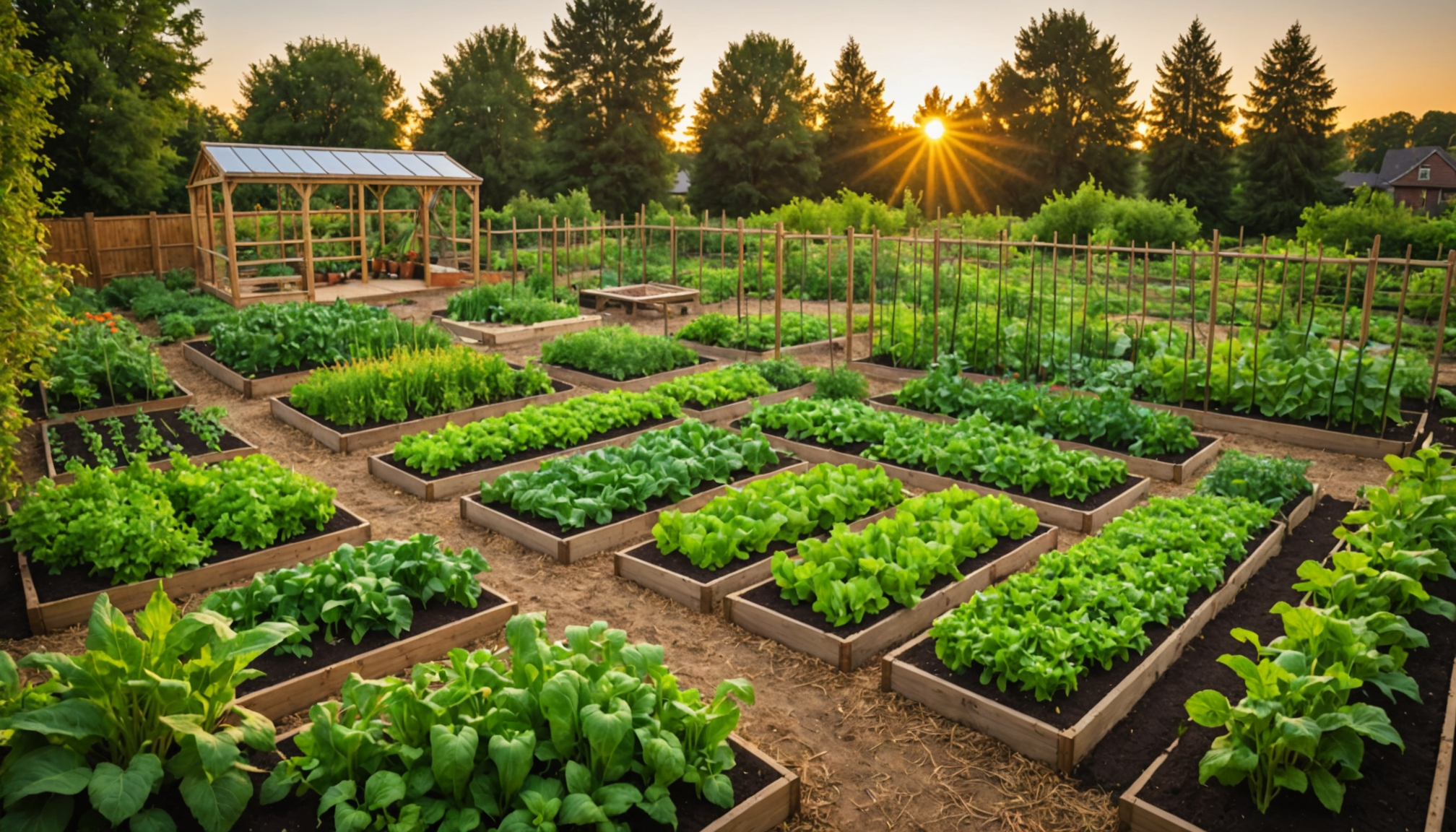
The foundation of sustainable agriculture in early Adventist homesteading was built upon principles that diverged from the mainstream agricultural practices of the time. This approach required a holistic understanding of the complex interrelationships within ecosystems, recognizing that successful farming was not merely about maximizing yield but about ensuring the well-being of the land for future generations. Self-sustaining methods were central to their agricultural philosophy, embodying a commitment to stewardship that emphasized conservation and responsible land management.
Integral to this sustainable vision was the practice of diversity in crops. Adventists championed polyculture over monoculture, observing how a mixture of plants promoted soil health and reduced the risks associated with crop failure. By planting a variety of species together, they created a resilient agricultural system capable of withstanding pests and diseases. For instance, combining legumes with grains allowed for natural nitrogen fixation, enriching the soil while minimizing the need for synthetic fertilizers, which were often unavailable or viewed as contrary to their beliefs.
Soil preservation techniques were diligently practiced, emphasizing the importance of maintaining the land’s fertility and structure. Farmers practiced crop rotation, strategically alternating which crops were planted each season on the same plot of land. This practice not only prevented nutrient depletion but also interrupted pest cycles, contributing to long-term sustainability. Cover cropping during fallow periods further protected the soil from erosion and degradation, illustrating a profound respect for the land as a living entity that required continual care.
Additionally, the early Adventists recognized the need to minimize disruptions to the natural ecosystems they inhabited. They employed methods that were sensitive to the local climate, soil types, and native flora and fauna. Through careful observation and adaptation, they learned which crops thrived in their specific environments, a knowledge passed down through generations. The blending of their faith with their agricultural work lent a purposeful drive to these practices, creating a farming culture that prioritized meaningful labor and the health of the planet.
Moreover, the importance of community in these sustainable practices cannot be overstated. Early Adventist settlers understood that their success depended not only on individual efforts but also on communal support. The act of sharing resources, tools, and knowledge was embedded in their daily lives. They often convened to exchange agricultural techniques, discuss challenges, and promote cooperative farming ventures. This community-based approach further reinforced their sustainable practices, as collective efforts yielded greater benefits than isolated pursuits.
The principles of sustainable agriculture adopted by early Adventist homesteaders represented a profound commitment to ensuring the health of the land while also fostering a strong sense of community. Their agricultural practices were not just methods of survival but expressions of faith, deeply intertwined with their spiritual beliefs. Through a blend of respect for the earth, innovative farming practices, and cooperative community efforts, they established a legacy that continues to inspire modern approaches to agriculture aimed at sustainability.
Techniques for soil preservation
In the delicate balance that defines the relationship between land and labor, early Adventist homesteaders cultivated their soil with a reverence that transcended the mere act of farming. Techniques for soil preservation were not just practicalities; they were deeply rooted in the understanding that the earth, when treated with respect, offers not only sustenance but a connection to the divine. The Adventists perceived their agricultural work as a spiritual undertaking that demanded both ingenuity and humility.
Among the foundational practices was the rigorous application of crop rotation, a method that inherently understood the life cycles of the land. Through alternating crops, Adventists effectively replenished soil nutrients, disrupted patterns that could lead to pest infestations, and marveled at the land’s response to such careful stewardship. This technique, so logical in its ecological wisdom, was emblematic of their approach to land management; it reflected a commitment to self-sustaining methods that sought harmony rather than domination.
Moreover, the use of organic matter as fertilizer elevated their farming practices to a higher plane of ethical responsibility. Instead of relying on synthetic chemicals, which were scarce or nonexistent in their isolated settings, they turned to natural solutions, such as composting kitchen scraps and animal manure. This practice not only enriched the soil but also fostered a cyclical respect for life, where waste from one system became nourishment for another, building an ecosystem that thrived on reciprocity.
Cover crops further exemplified their intricate understanding of soil health. During periods when fields lay fallow, the Adventists would sow crops like rye or clover. These plants held the soil in place, preventing erosion, while simultaneously adding organic matter and nutrients back into the earth once tilled under. Such actions mirrored the very essence of their faith—an acknowledgment that all creation is interconnected, and taking care of the land was akin to honoring a sacred trust.
Yet, the methods of soil preservation did not rely solely on individual initiative; they flourished within a community context. The early Adventists cultivated not only their fields but also their social networks, sharing techniques and experiences that enriched the collective knowledge. This communal approach not only enhanced agricultural productivity but fortified a sense of belonging, where the success of one was entwined with the success of all. The act of coming together to share tips on cover cropping or composting reinforced the spirit of collaboration, further entrenching sustainable practices at the heart of their rural living.
In addressing the needs of their land, Adventists demonstrated a profound awareness of the balance required to maintain ecological integrity. Their commitment to fostering soil health was more than a matter of agricultural efficiency; it was a way to emulate divine principles in their daily lives. Each application of manure or rotation of crops was an act of faith—a promise that their labor and love would yield not just crops but a legacy of stewardship that would echo through generations.
As they engaged with the land in this sanctified manner, every furrow turned reflected a deeper understanding—one that recognized that soil is not merely an inert medium for planting but a vibrant, living organism that demands care. The preservation techniques of early Adventist homesteaders resonate with a truth that continues to inspire: that in nurturing the earth, we nourish not only our bodies but also our spirits, cultivating a connection with life that is both sacred and profound.
Community and resource sharing

At the heart of early Adventist homesteading practices lay a profound commitment to community and resource sharing, elements that were indispensable for their success and resilience. Hungry for a life that transcended mere survival, these settlers understood that agriculture was inherently a cooperative endeavor. In an era of isolated living, the scarcity of resources often necessitated collaboration, inspiring a spirit of unity that became fundamental to their way of life. Rather than viewing farming as a solitary task, they recognized it as a collective responsibility, weaving relationships and partnerships into the very fabric of their rural existence.
Within these communities, tools and equipment were often shared among members, allowing families to access resources that would have been financially prohibitive on an individual basis. This collective ownership model not only promoted efficiency but also strengthened social bonds, as families came together to lend a hand during planting or harvest seasons. The act of gathering to work the fields became a social affair—one infused with prayer, singing, and the shared belief that they were not just cultivating the land but also each other’s spiritual and physical well-being.
The sharing of knowledge and techniques was equally vital. With various environmental challenges shaping their agricultural endeavors, Adventists relied on communal meetings and impromptu gatherings to exchange valuable insights about their farming practices. These conversations often revolved around crop rotation, soil preservation techniques, and natural pest control methods, enabling communities to learn from one another’s experiences. Such an exchange not only fostered a culture of continuous improvement but allowed them to adapt their methods to their local conditions, ensuring that their self-sustaining approaches remained effective over time.
Moreover, this kinship was visible in initiatives like community gardens or cooperative growing projects, where multiple families banded together, planting a diverse array of crops to enrich the soil while also their collective harvest. This practice not only served the immediate nutritional needs of the community but also helped safeguard against crop failures, as having a variety ensured that some produce thrived even when others might falter. Each harvest was not just a personal accomplishment; it was a shared victory that reaffirmed their commitment to togetherness and cooperation.
The reliance on communal knowledge and resource sharing also extended to spiritual practices, where the act of gathering for prayer and guidance was a regular occurrence. These meetings served as both a means of spiritual sustenance and an avenue for discussing agricultural work and landscapes. The intersection of faith and practical land management rendered their gatherings not only significant socially, but sacred, as they collectively sought divine guidance in their farming endeavors. In this way, the early Adventists cultivated a lifestyle where faith and community intertwined seamlessly, rooted in the belief that caring for the land was an extension of their devotion to God and one another.
This model of cooperation and shared resources echoes into contemporary discussions about sustainable living and community engagement in agriculture. The spirit of mutual aid established by these early settlers invites reflection on how modern society can reclaim the wisdom of communal support, demonstrating that even today, we can harvest not just crops, but also connections that bind us—nurturing not only the earth but the relationships that sustain us.
- What were the primary goals of early Adventist homesteading?
- The primary goals revolved around sustainable living, spiritual fulfillment, and community building. Early Adventists sought not only to cultivate land but also to create a harmonious existence that aligned with their beliefs and values.
- How did early Adventists practice resource sharing?
- Resource sharing among early Adventists included pooling tools and equipment, sharing technical knowledge, and collaborating on community projects. This communal approach fostered a sense of unity and reinforced their agricultural efforts, making them more resilient.
- What role did spirituality play in their farming methods?
- Spirituality was integral to their methods, with farming being viewed as an act of worship. Each farming practice was infused with a sense of divine stewardship, reflecting their belief that caring for the land was a means of honoring God.
- How did the community support each other during difficult times?
- Communities often came together during planting or harvest seasons to lend support and help one another. These collective efforts not only eased labor burdens but also reinforced social bonds during challenging times.
- What techniques did early Adventists implement for sustainable agriculture?
- They practiced diverse cropping, crop rotation, and the use of organic fertilizers. These techniques emphasized ecological balance, ensuring the land remained fertile and capable of delivering sustenance without exploiting its resources.
- How did early Adventists adapt to local environmental challenges?
- They shared knowledge through community meetings and discussions, enabling them to learn from each other’s experiences and adapt their practices to local conditions. This collaboration helped ensure they could respond effectively to their unique agricultural challenges.
- What lessons can modern society learn from early Adventist homesteading?
- Modern society can learn the importance of community collaboration and sustainable practices in agriculture. By rekindling communal support and shared responsibility, we can cultivate both environmental health and stronger social ties.
Legacy and impact on modern practices
As the sun cast its warm embrace over the fields, the fruits of early Adventist homesteading began to intertwine seamlessly with the very fabric of modern agriculture. The legacy of these pioneers, who approached their agricultural work not merely as a means to an end but as a profound expression of their beliefs, has indelibly shaped contemporary practices, particularly in the realms of sustainable land management and community resilience. Their commitment to self-sustaining farming practices reverberates through the generations, echoing the steadfast principles they lived by amidst the trials and tribulations of their time.
One cannot overlook the extraordinary foresight of these early settlers, whose understanding of ecological balance laid the groundwork for modern sustainability movements. They embraced an agricultural philosophy that encouraged diversity—both in crops and in the methods used to cultivate the land. This principle of polyculture has gained renewed attention in a world increasingly aware of the dangers of monoculture, illustrating how the wisdom of yesterday can inform the practices of today. The vibrant gardens that flourished under the hands of Adventists speak not only to their survival but to their recognition of each plant’s unique role within the ecosystem, a lesson that current farmers are beginning to grasp anew.
Their techniques for soil preservation, including crop rotation and organic fertilization, stand as a testament to an understanding of the land as a living entity deserving protection and care. In the modern context of climate change, where soil degradation poses a significant threat to food security, the strategies employed by the Adventists have proven prescient. The reverence with which they treated their soil, viewing it as sacred ground, resonates with current movements advocating for regenerative agriculture—tactics that enhance soil health while ensuring that it remains viable for future generations. The connection between spirituality and stewardship observable in their practices serves as an inspiration for today’s farmers, marrying faith with ecological responsibility.
The spirit of cooperation among Adventist communities had lasting implications for social frameworks within agriculture. Their resource-sharing initiatives and cooperative endeavors laid crucial foundations for modern cooperative farming and community-supported agriculture (CSA) programs. Just as families banded together to share tools and knowledge, allowing them to thrive in an otherwise unforgiving landscape, present-day communities benefit from the same ethos of collaboration. In an era when individuals may feel isolated by the challenges of modern life, the bonds forged through communal agricultural efforts yield not just produce, but fellowship—a vital reminder that we are stronger together.
Adventist homesteaders exemplified a holistic approach to farming, where the land, the crops, and the people were all interconnected. This is a message that resonates profoundly today, as modern agriculture grapples with the environmental and ethical implications of industrial farming methods. The call for a return to values that honor both the land and the spirit finds a powerful voice in their legacy, urging a move towards practices that restore rather than exploit. Their commitment to self-sufficiency can inspire individuals and communities striving to reconnect with the earth in a meaningful and sustainable manner.
In recognizing the impact of early Adventist practices on contemporary agricultural work, we unveil a rich tapestry woven with the threads of tradition, innovation, and community solidarity. The lessons learned from these pioneers compel us not only to reflect on how we farm but to consider how we might cultivate connections—not only with the land but with each other. Their legacy continues to bloom, inviting each of us to nurture our responsibility towards stewardship, sustainability, and the shared abundance of our collective labor.
Beside our live streamed church services, all are welcome to attend our church in person each Saturday beginning 10:00 AM Central Time by going to 2425 Owens Rd., Ashland, AL 36251. There is no cost and any donations are strictly voluntary.
For questions, call +2563547124.