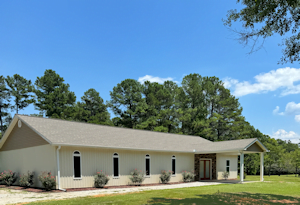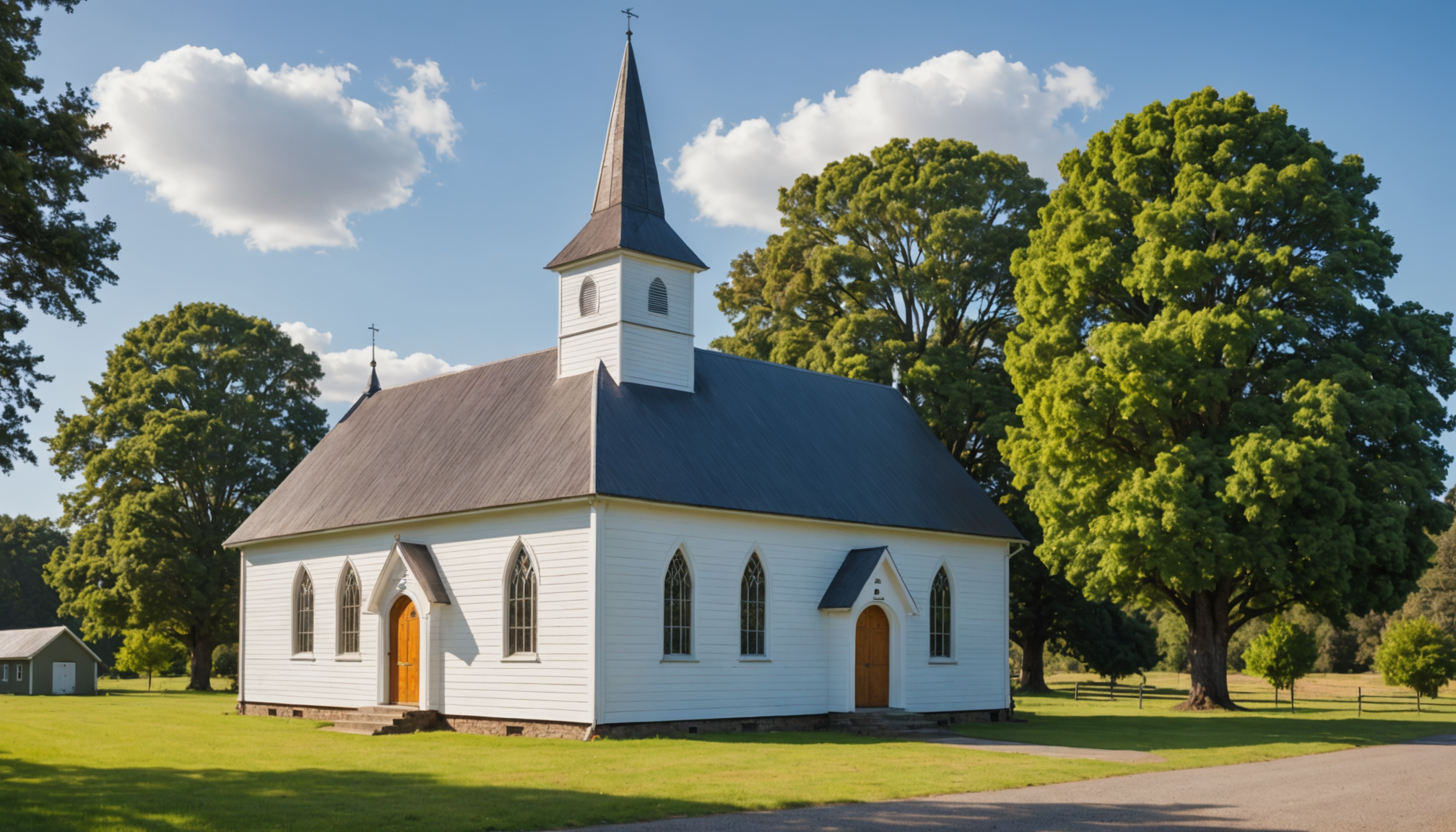
Come join Ashland Sabbath Chapel Ministries each Saturday for live streamed church services. Bible Study begins at 10:00 AM Central Time and Sermon at 11:00 AM. Visit Our YouTube channel and watch from home!
The early Adventist church buildings, often referred to as meeting houses, represented a pivotal development in the architectural landscape of the 19th century. These structures were typically characterized by their simple architecture, which not only reflected the theological tenets of the movement but also catered to the practical needs of local worship communities. Constructed primarily from local materials, these buildings were designed for functionality rather than extravagance, ensuring that the focus remained on worship and fellowship.
Construction methods during this era varied significantly based on geographic location and available resources. Many churches were built using timber framing, a method well-suited for the wooded landscapes of North America. In other regions, brick and stone were more prevalent, illustrating the adaptability of the church to different environments. Such diversity in building techniques provided a unique reflection of the communities they served, as the choice of materials often corresponded to local economic conditions and cultural influences.
The interiors of these pioneer Adventist churches were typically minimalistic, illuminated by simple stained glass or plain glass windows that allowed natural light to filter into the worship spaces, enhancing the solemnity of gatherings without overwhelming the congregants with visual excess. Sanctuaries were designed to accommodate prayer meetings and larger assemblies, with an emphasis on inclusivity that encouraged participation from all members of the congregation.
Notably, some of these buildings also included educational facilities, underscoring the Adventist commitment to education as part of their spiritual mission. This multipurpose use highlighted the community-oriented nature of the denominations, making the meeting houses not just places of worship, but central hubs of social interaction and spiritual growth.
Through their construction and design, pioneer Adventist church buildings have left an indelible mark on the architectural heritage of the regions in which they were established, embodying both a historical narrative of resilience and a testament to the enduring nature of communal faith.
Historical significance of pioneer adventist churches
The historical significance of pioneer Adventist churches extends far beyond their physical structures, as these meeting houses emerged as vital centers of community life during a tumultuous period in American history. Established in the wake of the Millerite Movement of the 1840s, these churches represented a response to the perceived spiritual needs of the time, fostering a sense of belonging and offering a collective identity to a growing yet scattered congregation. In doing so, these structures not only served as places of worship but also as symbols of hope and cohesion within the communities they inhabited.
These gatherings took on particular importance in the context of the social upheaval of the 19th century, when waves of immigration and rapid industrialization transformed rural landscapes into burgeoning urban centers. In many cases, the churches became sanctuaries for individuals searching for connection amidst the anonymity of urban life. The advent of the railroad facilitated the movement of people and ideas, making these meeting houses accessible to a broader audience and ensuring that the teachings of the Adventist faith reached far and wide. This accessibility allowed the movement to flourish, as believers congregated not just for worship but also for fellowship, education, and mutual support.
The design elements of these pioneer churches further underscore their functional yet profound contribution to community identity. Characterized by their simple architecture, these buildings were devoid of ostentation, reflecting the Adventist belief in humility and the pursuit of spirituality over material wealth. Large worship spaces accommodated both formal services and informal gatherings, encouraging a participatory model of worship that was at odds with the rigid structures of traditional Christianity. As a result, the sanctuary design often included movable seating arrangements, which facilitated a communal spirit and allowed for dynamic engagement among congregants.
Moreover, the historical significance of these congregations can be seen in their role as educational institutions, with many churches housing schools or nurseries. This emphasis on learning combined with worship underscored the Adventist commitment to not only spiritual but also intellectual development. The integration of educational facilities within the church premises provided a space where young minds could be nurtured, reinforcing the ideology that faith and knowledge were inherently linked.
Notable examples, such as the Battle Creek Tabernacle in Michigan, illustrate the early Adventist approach to constructing spaces that encapsulated their ethos. Built in 1863, this building served as both a church and a conference center, accommodating large gatherings that became a hallmark of Adventism. The architectural choices made during its construction reflect a deliberate effort to blend utilitarian function with inclusivity, demonstrating how these meeting houses could serve multifaceted roles within the community.
Thus, the pioneer Adventist churches stand as enduring testaments not just to a specific faith, but to larger themes of resilience, community-building, and the quest for identity amid changing social landscapes. By fostering a sense of community through simple architecture and accessible worship spaces, they played an essential role in shaping the lives of those who gathered within their walls, echoing the spiritual aspirations and communal aspirations of their congregants throughout history.
Architectural styles of early adventist structures
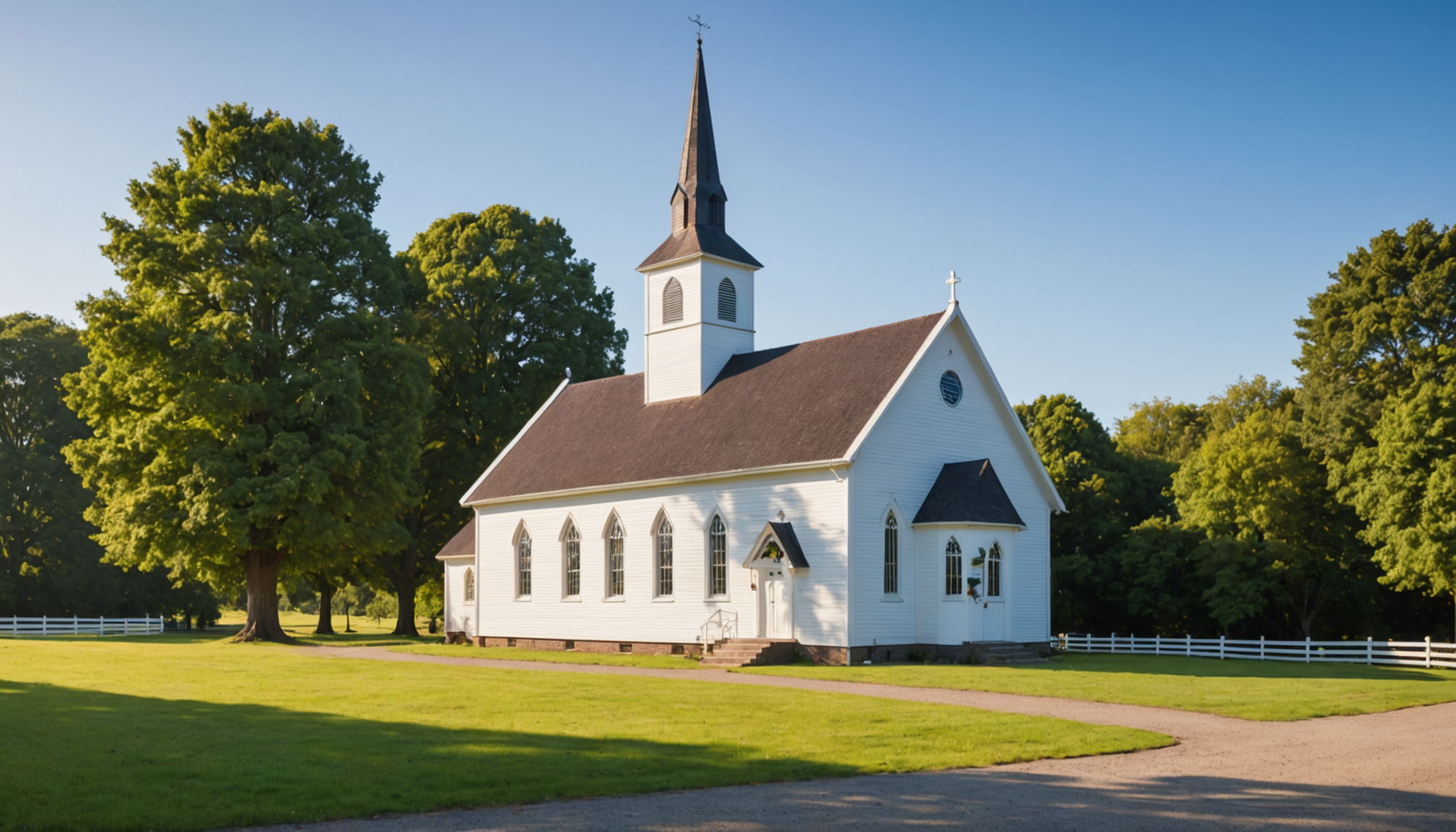
The architectural styles of early Adventist structures were profoundly influenced by the prevailing cultural and geographical contexts, resulting in a distinctive set of features that characterized their design. Within the broad spectrum of these meeting houses, one encounters an amalgamation of simplicity and functionality, which is emblematic of the Adventist ethos. Often constructed with a focus on community needs, the architecture reflected an earnest approach to serving the spiritual requirements of congregants rather than indulging in ornamental embellishments.
In many instances, the structures exhibited a blend of local vernacular styles with commonly recognized architectural principles. For example, in regions where Gothic Revival was prevalent, one might observe pointed arches and steeply pitched roofs, while in areas influenced by New England colonial styles, the use of symmetrical shapes and clapboard siding could be discerned. Such elements conveyed a sense of familiarity and approachable sanctity to worship spaces, making them inviting to congregants who sought solace and connection within their walls.
The choice of construction methods was also a deliberate nod to the pragmatic needs of the community. In rural areas, where resources could be limited, timber framing emerged as the favored technique, permitting both speed in construction and an alignment with the natural surroundings. The use of locally sourced materials not only reduced costs but also fostered a particular bond between the church and its environment. In regions with abundant clay or stone, churches were constructed of brick or fieldstone, displaying sturdiness that signified the aspiration of the congregation for permanence and stability in their faith journey.
Moreover, the interior arrangements of these pioneer structures reflect the pragmatic nature of their outfits. The sanctuary design was notably adaptable. Many meeting houses featured pews that could be rearranged, facilitating a flexible space where both formal services and informal gatherings could occur seamlessly. This adaptability allowed for an intimate atmosphere, emerged from the impromptu sharing of faith, and supported communal interaction among diverse congregants, fostering a spirit of unity and togetherness.
The interiors were typically devoid of ostentatious decoration and instead focused on essential elements that enhanced the worship experience. Simple stained glass windows often depicted biblical scenes that captivated the imagination without overwhelming the senses, ensuring that the emphasis remained on the spiritual endeavors of the congregation. Thus, the minimalist design was not only a reflection of the Adventist philosophy of humility but also an intentional choice to promote contemplation and reflection among attendees.
The architectural styles of early Adventist church buildings serve as an enduring emblem of the community’s commitment to faith and fellowship. By synthesizing local construction methods, functional designs, and a spirit of simplicity, these meeting houses transcended mere physical structures to become vital centers of communal worship and interaction, embodying the very essence of the Adventist mission in their architectural language.
Notable pioneer adventist church locations
Amidst the tapestry of the early Adventist movement, certain locations emerged as beacons of faith, representing the zeal and dedication of the congregants therein. Among these notable sites are the meeting houses that served not merely as structures of wood and stone, but as sanctuaries that nurtured the spirit and fostered community ties. One such significant location is the Battle Creek Tabernacle in Michigan, with its venerable history echoing through the annals of Adventist heritage since its construction in 1863.
This revered site was not only a meeting house but also a conference center, where the ethos of the Adventist community found expression in its diverse functions. The tabernacle, embodying the simple architecture quintessential to early Adventist designs, was constructed to host large gatherings, reinforcing the communal nature of worship that characterized the movement. Here, the faithful congregated, drawing strength from one another in spiritual unity, marking the establishment of a shared identity among believers.
In a similar vein, the Otsego Seventh-day Adventist Church in Michigan, erected in the latter part of the 19th century, stands as an emblem of regional commitment to faith. This church, with its sturdy construction methods utilizing local timber, reflects the community’s resourcefulness and connection to the surrounding landscape. The simplicity of its design harkens back to the fundamental principles of the Adventist doctrine, ensuring that the focus remains on worship rather than the allure of architectural extravagance.
Further afield, the historic site of the San Francisco Adventist Church denotes another remarkable chapter in the landscape of early Adventist worship spaces. Established during the tumultuous period of westward expansion, this congregation benefitted from the influx of new members seeking spiritual solace amid changing times. The structure’s sanctuary design promoted an inclusive atmosphere, where diverse backgrounds converged in mighty fellowship, illustrating the dynamic nature of early Adventist community life.
Equally noteworthy is the East Oakland Seventh-day Adventist Church in California, integral to the development of the denomination on the West Coast. Through its architectural form, the church embodies the spirit of accessibility and community engagement, traits admired and sought after by congregants who wished to experience spiritual growth together. This meeting house became a pivotal locality for the spreading of educational initiatives, mirroring the Adventist commitment to the intertwining of learning and faith.
Each of these locations serves as a cornerstone of the Adventist legacy, encapsulating the enduring dedication to faith, community, and fellowship. The buildings themselves, with their unassuming elegance and fortitude, tell stories of resilience forged through shared struggles and triumphs. They stand as living testaments to the zeal of those early believers who sought not only to worship but to found a collective identity that would endure across generations.
Community impact of pioneer adventist churches
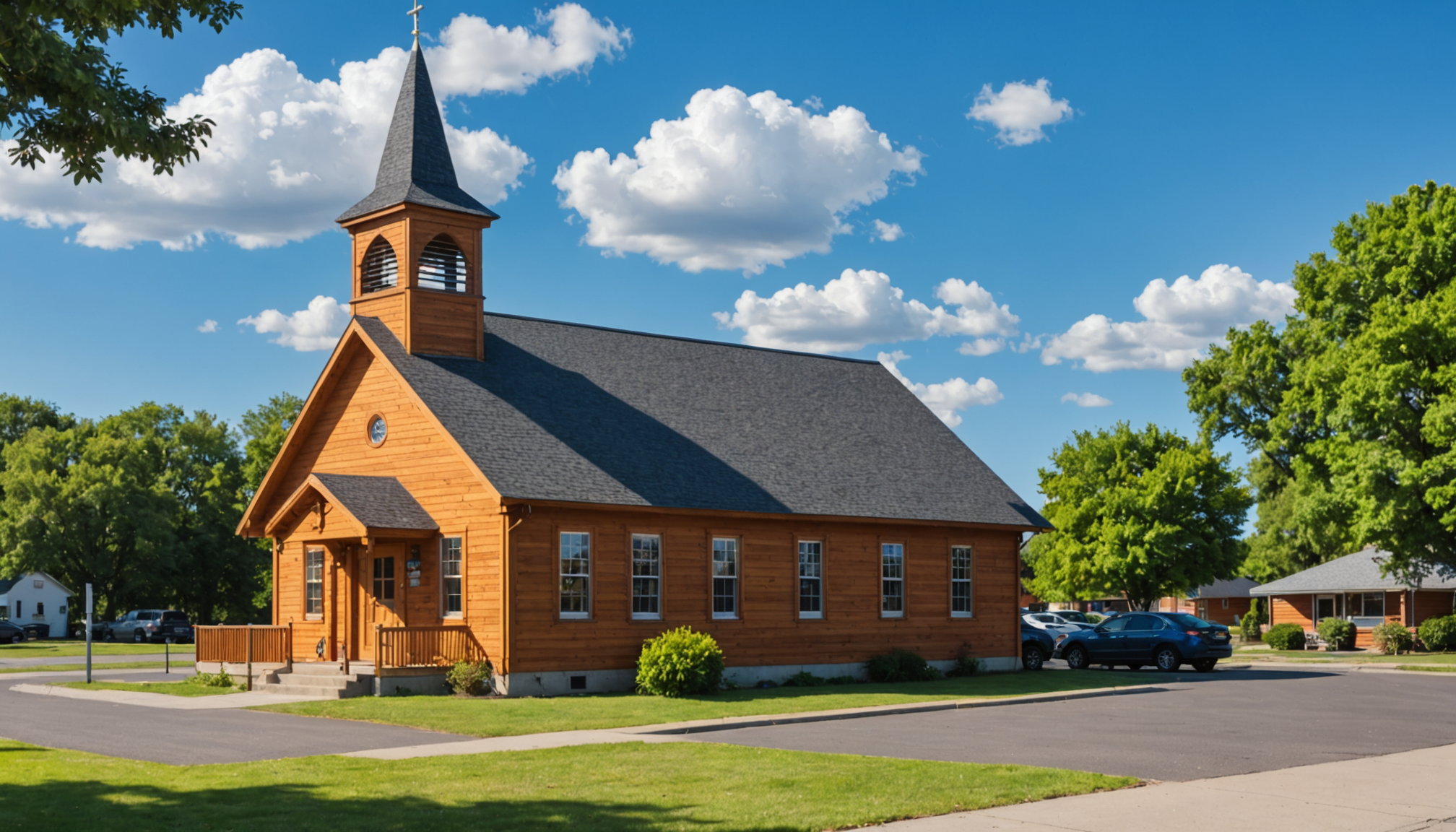 Pioneer Adventist churches significantly shaped their communities by acting as more than just places of worship; they transformed into vital social hubs that fostered connections among members. In many towns, these meeting houses became the epicenter of community life, hosting not only religious services but also educational programs, social gatherings, and support networks. Their simple architecture reinforced the idea that the focus should be on communal life and spiritual togetherness rather than materialism and extravagance.
These sanctuary designs, with flexible layouts and adaptable seating, encouraged participation from all congregants, thereby promoting an inclusive atmosphere and fostering a strong sense of belonging. This architectural choice allowed for diverse worship experiences and social interactions, underlining the philosophy of communal faith at the heart of Adventist practice. As congregations gathered in these spaces, bonds were formed that often transcended the walls of the church, leading to deeper connections that enriched community life.
Moreover, early Adventist church buildings often became representations of hope and resilience in their towns, especially during periods of social upheaval or economic hardship. They provided a refuge where individuals could not only seek spiritual nourishment but also find companionship and support during challenging times. The commitment to education manifested in the integration of schools and community resources within these meeting houses, further emphasizing the central role that these structures played in the social fabric.
As such, the impact of pioneer Adventist churches rippled through their surrounding communities, creating lasting effects on local culture, education, and community spirit. They not only facilitated collective worship but also nurtured relationships, fostered education, and instilled a sense of purpose and identity among believers, effectively aligning faith with community activism.
- What role did pioneer Adventist churches play in their communities?
- Pioneer Adventist churches served as crucial centers for community life, offering spaces for worship, education, and social gatherings. They fostered relationships among members and provided support networks during challenging times.
- How did the architectural design of these churches reflect their values?
- The simple architecture of pioneer Adventist churches emphasized humility and community over extravagance. Flexible sanctuary designs encouraged participation and inclusivity, embodying the spirit of communal faith.
- Were educational facilities common in these church buildings?
- Yes, many pioneer Adventist churches integrated educational facilities, demonstrating the denomination’s commitment to combine spiritual and intellectual development. This allowed churches to serve as hubs for learning and community engagement.
- What construction methods were typically used for these churches?
- Pioneer Adventist churches were usually constructed using local materials, with timber framing favored in wooded areas and brick or stone employed in other regions, allowing them to adapt to varying geographical conditions.
- How did these churches adapt to social changes in the 19th century?
- Pioneer Adventist churches adapted by providing a sense of community amid social upheaval and migration, offering refuge and support for individuals seeking connection during times of rapid change.
- Are there any notable pioneer Adventist churches still in existence?
- Yes, many notable pioneer Adventist churches, such as the Battle Creek Tabernacle and the Otsego Seventh-day Adventist Church, still stand today, serving as historical landmarks reflecting the endurance of the Adventist community.
- What legacy have these churches left on modern Adventist congregations?
- The legacy of pioneer Adventist churches continues to influence modern congregations, inspiring a focus on community engagement, accessible worship, and the integration of faith with social initiatives in contemporary church practices.
Preservation and restoration efforts for historical buildings
The endeavor to preserve and restore historical buildings, particularly those that once served as meeting houses for pioneer Adventist congregations, remains a task of both reverence and determination. Across the nation, many of these structures, originally built in the spirit of community and faith, have faced the relentless march of time, threatening their very existence. Yet, dedicated groups and individuals have stepped forth with a mission to safeguard these architectural embodiments of shared history.
In many cases, preservation efforts have been initiated by local churches and community organizations possessing a profound connection to their heritage. These groups recognize that the value of such buildings lies not merely in their physical presence but in the stories they encapsulate and the myriad lives touched within their walls. Each restoration project becomes a labor of love, involving meticulous research into original construction methods, materials, and styles to ensure that any renovations remain true to the structures’ historical integrity.
For instance, when focusing on the Battle Creek Tabernacle, preservationists took great care to study contemporary architectural designs and find suitable materials that mirrored its original timber framework. This approach exemplified the commitment to uphold the simple architecture characteristic of pioneer Adventist buildings. Such methodologies not only help to maintain the aesthetic quality of these churches but also support a broader narrative that connects present congregations to their roots.
Moreover, the community impact of restoration projects often extends beyond the mere physical preservation of the church walls themselves. Revitalized meeting houses can become bustling hubs once more, drawing in newer generations who champion the values of their forefathers. This rejuvenation fosters a sense of continuity and belonging, encouraging both old and new congregants to gather once again within those sacred sanctuary designs.
Efforts to secure funding for restoration projects frequently involve partnerships with historical societies and grants aimed at architectural conservation. Communities often rally together, organizing events not only to raise funds but also to raise awareness about the importance of preserving their local heritage. Such initiatives highlight not only the architectural significance of these buildings but also their role as crucial social centers that symbolize faith and resilience over the years.
As these brave efforts unfold, it becomes evident that the healing of these historic sites goes beyond the physical repairs; it embraces the rekindling of faith among congregants and the rejuvenation of communal ties. Each restoration stands as a beacon, inviting all to reflect on their shared history and carry forward the values of service, inclusivity, and worship that these buildings were originally designed to uphold. Thus, in the ongoing preservation of pioneer Adventist church buildings, one finds a commitment to honoring the past even as the present continues to evolve.
Beside our live streamed church services, all are welcome to attend our church in person each Saturday beginning 10:00 AM Central Time by going to 2425 Owens Rd., Ashland, AL 36251. There is no cost and any donations are strictly voluntary.
For questions, call +2563547124.