
Come join Ashland Sabbath Chapel Ministries each Saturday for live streamed church services. Bible Study begins at 10:00 AM Central Time and Sermon at 11:00 AM. Visit Our YouTube channel and watch from home!
In the early days of the Adventist movement, child rearing was approached with a unique blend of earnestness and innovation, marked by an adherence to principles that reflected a deeply held belief in the importance of moral training. These early practitioners, often inspired by the writings of Ellen G. White, sought not only to guide their children towards religious piety but also to instill in them a solid foundation of character building that would serve as a bulwark against the temptations of a rapidly modernizing world.
Adventist families were known for their commitment to family worship, which was not merely a ritual but a cornerstone of daily life. Gatherings would typically involve Scripture reading, singing hymns, and praying together, creating an atmosphere steeped in spirituality that permeated the household. This practice was designed not just to nurture faith, but also to cultivate a sense of community and belonging within the family unit. Children were encouraged to participate actively, developing their own spiritual identities from a young age.
Discipline methods in Adventist homes were likewise rooted in a philosophy that favored love and reasoning over harsh punishment. Parents were often seen as guides rather than authoritarian figures, using methods that aimed to correct behavior through understanding rather than fear. This nuanced approach to discipline emphasized the importance of teaching children the consequences of their actions and instilling values such as respect, responsibility, and empathy.
Moreover, practical education played a critical role in the upbringing of Adventist children. Emphasis was placed on not only academic knowledge but also on life skills that would serve them well in adulthood. This included training in areas such as agriculture, home-making, and community service, promoting the idea that true education extends beyond mere books and classrooms. Parents and educators worked hand-in-hand to ensure that children not only learned about their faith but also how to apply it practically in their daily lives, thereby fostering a well-rounded character in the next generation.
As Adventist families traversed the challenges of their time, their pioneering practices of child rearing reflected a profound understanding of the delicate interplay between upbringing and the broader societal influences. Through their ideologies of moral training, family worship, and holistic education, they endeavored to prepare their children not just for personal success, but for a life of service to their community and commitment to their beliefs.
Theological foundations of Adventist parenting
The Adventist approach to parenting is deeply rooted in a theological framework that emphasizes the intrinsic connection between faith and daily living. Central to this perspective is the belief that children are not merely raised in a vacuum but are nurtured within a spiritual context that shapes their identities and moral compasses. Drawing upon biblical principles, Adventist parents see their roles as stewards of both their children’s spiritual growth and their physical well-being.
A key tenet of this theological foundation is the concept of moral training. This is not merely about instilling rules or prohibitions but is viewed as a lifelong journey in cultivating a Christ-like character. Parents are tasked with the complex responsibility of modeling values such as integrity, kindness, and humility. For example, the parable of the Good Samaritan is often highlighted in Adventist homes, serving as a reference point for teaching empathy and compassion. Through storytelling and practical examples, parents encourage their children to engage with these values, urging them to look beyond themselves and to serve others in their communities.
The Adventist emphasis on family worship further solidifies this theological understanding. The rituals and routines surrounding family worship are designed to reinforce the teachings of the faith in a nurturing environment. During these gatherings, parents articulate their expectations and share insights rooted in scripture, reinforcing the belief that spiritual growth is intertwined with everyday experiences. This practice allows children to see their family’s faith in action, knitting together the threads of morality, spirituality, and practical living. The collective worship experience builds a sense of identity, fostering community bonds while simultaneously connecting the family to the larger Adventist faith.
Additionally, there is a belief among Adventists that children are divinely entrusted to their parents, which intensifies the sense of responsibility in child rearing. This notion gives rise to a system of discipline methods that prioritizes understanding and affection over fear and retribution. Punitive measures are intentionally diminished, as parents focus on teaching rather than punishing. For instance, a child who exhibits unkindness might be encouraged to reflect on their actions and the impact they have on others, thus integrating moral lessons into their emotional development.
The interplay between faith and practical education is also a vital aspect of Adventist parenting. Parents are not only concerned with spiritual nurturance but also with equipping their children with the knowledge and skills necessary for successful and meaningful lives. This practical education often encompasses a variety of activities, including gardening, cooking, and community service. Such initiatives not only provide children with the skills they need to thrive but also instill a sense of responsibility towards the environment and others, reinforcing the values learned through moral training.
In this multifaceted approach, the theological foundations serve as both a guide and a framework for Adventist families, shaping their practices around the dual goals of spiritual and practical development. By nurturing character through consistent teaching, engaging family worship, and thoughtful discipline methods, Adventist parents strive to create an environment where their children can grow into resilient individuals who embody the principles of their faith.
Health and nutrition principles for children

Health and nutrition principles have held a place of significance in the upbringing of Adventist children, woven intricately into the fabric of their holistic approach to child rearing. Within this community, the belief that the body is the temple of the Holy Spirit has influenced practices from family tables to gardens, fostering a lifestyle that prioritizes health as a divine responsibility. The threads of moral training and character building extend not only to spiritual and mental development but also to physical well-being, thus creating a comprehensive paradigm for nurturing children.
Meals in Adventist homes were not casual affairs; rather, they were steeped in intention and rich with tradition. Families would gather around their tables, not simply to share food but to engage in family worship where discussions about health, nutrition, and the importance of a wholesome diet became integral to their gatherings. Key ingredients consisted of whole grains, fruits, and vegetables—choices that were seen as natural ways to honor God’s creation. The lifestyle advocated by early Adventists emphasized that what one consumed directly impacted one’s character and spiritual clarity. Children learned to appreciate the relationship between nourishment and wellbeing through the stories shared by their parents while sharing meals, fostering an understanding that linked physical health with spiritual vitality.
The emphasis on a vegetarian diet in many Adventist homes was inspired by Ellen G. White, whose writings often highlighted the benefits of plant-based eating. Parents, acting as custodians of knowledge, taught their children that maintaining a healthy body facilitated a healthy mind and spirit. Festivals and communal meals celebrated this lifestyle, where the sharing of nutritious dishes reinforced bonds among families and the church community. Such gatherings became moments of practical education, where children could witness firsthand the principles of health being incorporated into their everyday lives. Here, the act of preparing and sharing food transformed into a dynamic lesson not just in health, but in responsibility, creativity, and communal support.
Alongside proper nutrition, Adventist parents instilled the value of physical activity. Much like their forebears, who cultivated gardens to feed their families, children were encouraged to partake in outdoor activities, whether through farming, hiking, or organized sports within the church community. These endeavors were viewed as opportunities for discipline methods that foster resilience and teamwork, imbuing children with skills that extended beyond the confines of physical fitness. Learning to work together in the fields or playing in the local sports teams taught children lessons about cooperation, perseverance, and the joys of community involvement, ensuring that health remained a holistic endeavor.
Furthermore, the Adventist approach to health transcended dietary concerns to embrace overall wellness. The principles of temperance and moderation were discussed and embraced within family settings, teaching children to navigate choices that affected their health and wellbeing. This was not merely a list of dos and don’ts, but rather a comprehensive lifestyle philosophy rooted in spirituality and moral grounding. Conversations about mental health and emotional well-being became commonplace, framed within a context of shared faith and mutual support. The familial environment turned into a nurturing space where children felt safe to express their struggles, learning early the importance of seeking both spiritual and physical support in times of need.
In a world increasingly consumed by fast food and convenience, Adventist families made conscious choices to engage actively in their health practices. Children internalized the principles of their upbringing, ultimately realizing that they were not just vessels of faith but also caretakers of their own bodies. Through the lens of health and nutrition, the Adventist commitment to character building found new expression, crafting individuals who, well nourished in body and spirit, were empowered to embrace their roles within the church and the wider community, anchored in the knowledge of their unique purpose and the high value placed on their well-being.
Educational approaches in Adventist families
In the intricate tapestry of Adventist family life, education unfolded as a vital thread, interwoven with the ideals of moral training and character building. Parents, keenly aware of their stewardship responsibilities, sought to engage their children not merely through formal schooling but through a holistic approach that assimilated practical education into the very fabric of daily existence. Education for these families was not confined to the walls of an academic institution; instead, it blossomed within the sanctuary of the home, often intertwined with the rhythms of family worship and the values espoused within the community.
As the sun would rise each day, illuminating the modest abodes of Adventist families, the promise of knowledge was embraced with fervor. Morning gatherings, infused with Scripture readings and heartfelt discussions, became the bedrock of learning. Parents would seize these opportunities to impart not only the teachings of their faith but also to emphasize the importance of learning in all its forms. From the interpretation of parables that spoke of wisdom to discussions revolving around personal responsibility, children were taught to anticipate education as a lifelong journey rather than a mere accumulation of facts.
One particularly cherished method that Adventist families employed was the integration of life skills into children’s daily routines. Parents recognized that true education extended beyond the mere recitation of dates or arithmetic; thus, they ardently involved their offspring in the workings of the household. A child would be gently urged to participate in the rhythm of domestic life, whether it was tending a vegetable garden or assisting in the preparation of wholesome meals. Such practices provided invaluable lessons in responsibility and cooperation, fostering a sense of belonging and contribution to the family unit. Through these daily endeavors, children learned the fundamental principle of stewardship, a guiding tenet of their upbringing that resonated with both their educational pursuits and their moral training.
Moreover, the diversity of educational experiences was embraced with enthusiasm; children would often accompany their parents on excursions to visit community members, engaging in acts of service. This experiential learning not only cultivated a sense of empathy for those less fortunate but also reinforced the principles of teamwork and compassion instilled through family worship. Pioneering parents understood that practical education came alive in the presence of genuine human connection. These outings served to blend spiritual instruction with real-world application, enabling children to see, firsthand, the impact of their actions upon others and their communities.
Additionally, the Adventist approach to education was characterized by a commitment to encouraging critical thinking and inquisitiveness. Parents, rather than prescribing strict doctrine, encouraged children to ask questions, thereby fostering a healthy dialogue that nurtured a love for learning. A young boy may have queried the meaning of a particular Scripture, and instead of offering a single answer, his father would delight in exploring the passage together, providing context and allowing the child’s thoughts to flourish. This inquiry-based model not only deepened the child’s understanding of their faith but also cultivated the confidence to think independently and seek knowledge across various subjects.
At the heart of Adventist education was the profound understanding that children were not just vessels to be filled but rather active participants in their learning journeys. The emphasis on morality and practical education through everyday life created an enriching environment that fostered character building and life-long learning. Thus, education in an Adventist family was a harmonious blend of intellectual growth, spiritual development, and moral nurturing—a wonderful testament to their commitment to raising not only knowledgeable individuals but also compassionate and responsible members of society.
As evenings descended over the rustic homes of these families, the tradition of family worship would often flow into discussions that encouraged reflection on the day’s lessons, whether they stemmed from scholarly pursuits, household duties, or the nurturing of friendships. This intimate setting allowed both children and parents to celebrate the amalgamation of their educational experiences, reinforcing the notion that learning was indeed a communal journey—a shared endeavor sanctified by faith and united by love.
Community support and involvement in child development
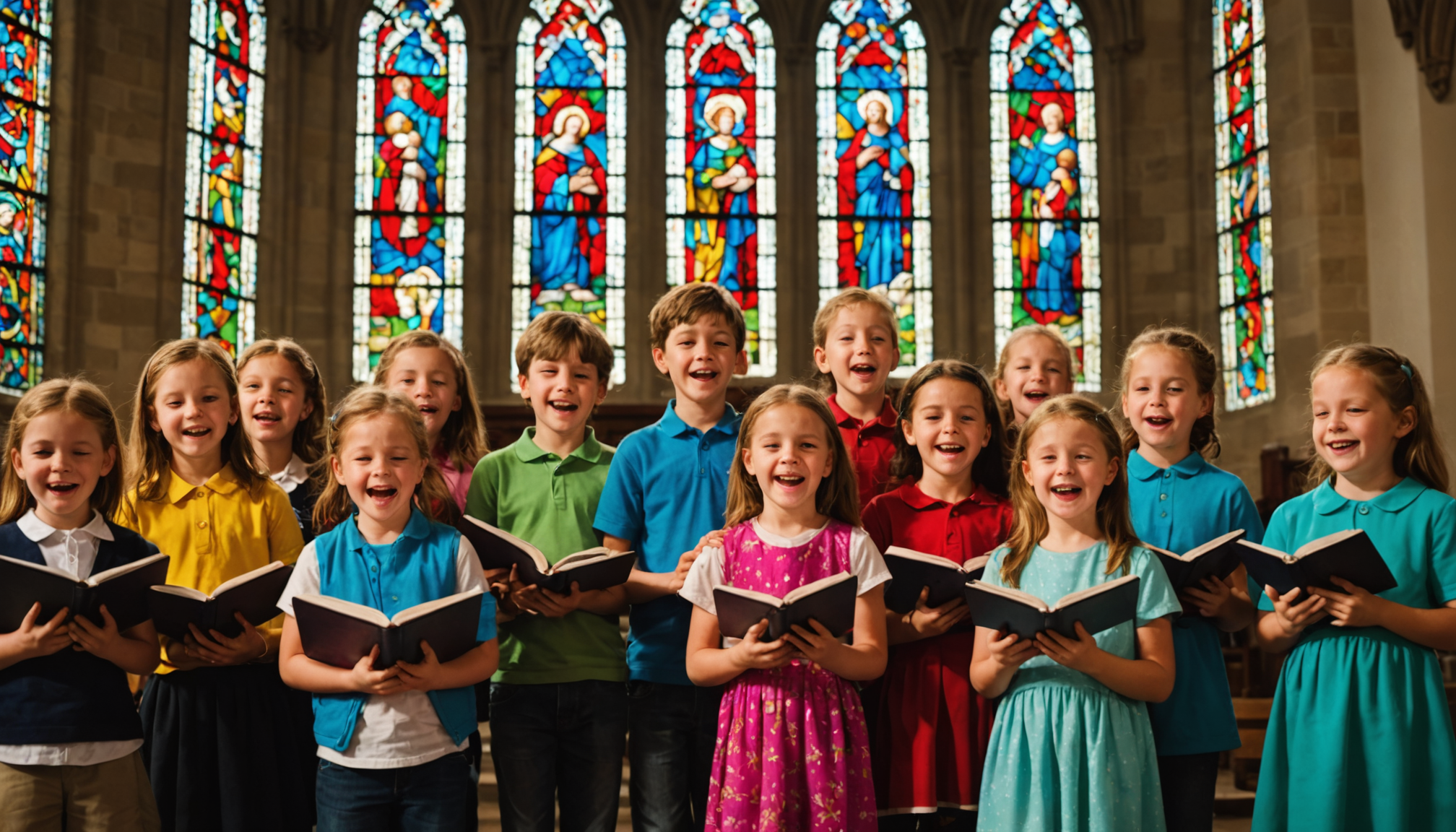
Community support and involvement were central to the fabric of Adventist child raising, understanding that raising children is not merely the obligation of parents but a collective responsibility that extends to the entire congregation. This perspective cultivated a sense of belonging, where families engaged not only with one another but also with the larger church community. Regular church gatherings and activities were designed to reinforce the values instilled at home, creating an environment rich in moral training and continuous learning.
Children witnessed firsthand the power of community during collective worship experiences, where families would gather not only for spiritual enrichment but for shared activities that deepened their connectedness. In these moments, children were encouraged to participate actively, whether through singing hymns, sharing testimonies, or engaging in group prayers. Such gatherings helped solidify their understanding of family worship as an integral part of communal life, fostering a sense of security and unity within the context of their faith.
Moreover, Adventist communities prioritized mentorship and support for families through various programs that involved congregational members. For instance, older community members often took on roles as mentors, providing guidance to parents and nurturing children in spiritual matters. This practice promoted an understanding of discipline methods that aligned with Christian principles, allowing children to benefit from multiple perspectives and experiences. Elders shared their insights and wisdom from years of parenting and lived faith, further enhancing the character-building processes within families.
Cooperative initiatives, such as communal gardening projects and neighborhood outreach, also played a significant role in the upbringing of Adventist children. Parents collaborated with other families to teach children about the importance of service, community, and stewardship of resources. This hands-on involvement in practical education offered children opportunities to learn the significance of teamwork, responsibility, and empathy, enriching their moral foundation through real-world experiences. Children learned that their roles transcended their own homes, and that they were part of a larger mission to care for others and nurture their environment.
The gatherings and initiatives of the community were akin to an extended family that enveloped each child within layers of care and accountability. As children interacted with peers and adults alike, the lessons learned at home found resonance in the broader context of shared values and moral teachings, thus reinforcing the principles of Adventist faith. This intertwined support system ensured that children received comprehensive guidance that contributed to their growth and development, making them aware that they were never alone in their journeys. The intricate web of community involvement continually reminded children that their identities were shaped not only by their immediate families but also by the beliefs and teachings upheld by their church community.
- What core beliefs influence Adventist child rearing?
- Adventist child-rearing practices are rooted in the belief that children are entrusted to their parents by God, leading to a focus on moral training, spiritual growth, and character building through everyday practices.
- How important is community support in raising Adventist children?
- Community support is vital in Adventist upbringing, providing mentorship and shared experiences that reinforce parental teachings and promote values of service, cooperation, and belonging.
- What role does family worship play in Adventist homes?
- Family worship serves as a cornerstone of daily life in Adventist homes, fostering spiritual education and creating opportunities for parents to instill values and lessons in their children.
- How do Adventist families implement discipline methods?
- Discipline methods in Adventist homes focus on love, understanding, and guiding children through moral lessons rather than punitive measures, aligning with the belief of teaching rather than punishing.
- What educational approaches are utilized in Adventist families?
- Adventist families emphasize practical education intertwined with moral teachings, involving children in household responsibilities and community service to foster skills and character development.
- What dietary principles do Adventist families promote for children?
- Many Adventist families advocate for a plant-based diet rooted in health and wellness principles, emphasizing the importance of physical health as part of overall spiritual and moral nurturing.
- Why is character building emphasized in Adventist parenting?
- Character building is seen as essential in Adventist parenting because it prepares children to navigate life’s challenges with integrity, empathy, and a commitment to their faith and community.
Ashland Sabbath Chapel Ministries
Beside our live streamed church services, all are welcome to attend our church in person each Saturday beginning 10:00 AM Central Time by going to 2425 Owens Rd., Ashland, AL 36251. There is no cost and any donations are strictly voluntary.
For questions, call +2563547124.