Come join Ashland Sabbath Chapel Ministries each Saturday for live streamed church services. Bible Study begins at 10:00 AM Central Time and Sermon at 11:00 AM. Visit Our YouTube channel and watch from home!
The methodical approach to travel adopted by the early Adventists reveals an engaging tapestry woven from aspiration and determination. Pioneers of the faith, emerging from various backgrounds steeped in the fervor of the mid-nineteenth century, embarked upon extensive journeys that would serve as the backbone of their evangelistic endeavors. These brave souls, often equipped with little more than a fervent spirit and an unwavering belief in their mission, navigated diverse terrains and socio-cultural landscapes, setting the stage for what would become a hallmark of their religious practice.
Among the most notable techniques employed during these formative years was the practice of circuit preaching, which involved itinerant ministers traveling across vast distances to share the tenets of their faith with congregations that awaited their guidance. These faithful bearers of the message would often traverse challenging routes, relying on the mode of horse transport prevalent at the time. This method, while noble, did not come without its own set of impediments, including the inherent travel hardships that would test both their resolve and endurance.
Indeed, each missionary journey was a complex undertaking that demanded not only physical stamina but also deep spiritual fortitude. The completion of their *evangelistic tours* was often met with tremendous obstacles—harsh weather, treacherous paths, and sometimes hostile territories. Yet, the rewards of connecting with eager listeners overrode the difficulties faced. Those pioneers understood that each stop along their journey was not merely a point on a map but a vital thread in the greater narrative of spreading their doctrine.
Such eclectic travel methods, steeped in both practicality and yearning, illustrate the indomitable spirit of the early Adventists. They fashioned a legacy of movement that moved beyond the mere act of traveling; it enveloped the essence of their mission, a fervent yearning to disseminate enlightenment in a world often shrouded in obscurity.
Historical Context of Adventist Travel
In reflecting upon the avenues through which the early Adventists threaded their narratives across the landscape of a burgeoning nation, one cannot overlook the profound historical context that frames their journeys. Emerging primarily in the wake of the Second Great Awakening, these pioneers were not merely navigating physical space; they were traversing a rich tapestry of religious fervor, sociopolitical upheaval, and cultural exchange. The backdrop against which their journeys unfolded was characterized by a fervent quest for spiritual truth and a desire to escape the constraints imposed by established religious institutions. Such a milieu cultivates an atmosphere ripe for exploration, both of the self and of the broader world.
The burgeoning belief in individual interpretation of scripture galvanized many to seek out a faith that resonated more deeply with their conscious and moral frameworks. The Adventist movement, emerging from this crucible of spiritual exploration, found its members eager to spread their message—a mission that often necessitated long and arduous journeys. The utilization of circuit preaching emerged as a particularly effective strategy, allowing these early missionaries to reach heterogeneous congregations scattered across vast and often hostile expanses. With each preaching engagement, they wove together disparate threads of community, forming a collective narrative enriched by diverse experiences and perspectives.
Simultaneously, the historical context was one marked by rapid development. The expansion of railroads and eventual emergence of automobiles revolutionized travel, yet the Adventist pioneers often relied on more traditional means such as horse transport. This reliance on equine partners was not merely a practical choice but also a philosophical one, reinforcing their connection to the simplicity and humility espoused in their spiritual doctrine. Each horse was not just a vehicle; it was a companion in the struggles and victories of the missionary journey—enduring together the travel hardships that arose, forming a bond of perseverance and faith.
Moreover, the societal dynamics of the time posed their own challenges. The geography of America bore witness to vast differences in regional customs and the complexities of diverse belief systems. As these Adventist missionaries embarked on their *evangelistic tours*, they frequently encountered suspicion, skepticism, and sometimes outright hostility. The historical context thus imbued their travels with an added layer of significance, as they championed the principles of their faith amidst a cacophony of competing ideologies. Each leg of their journey became not only a physical undertaking but also a profound engagement with the currents of social change that shaped America during the late 19th century.
Consequently, the narratives woven through these travels underscore the critical role that context plays in shaping belief systems and actions. The challenges encountered did not merely serve to hinder; rather, they became catalysts for growth, fostering a spirit of resilience within the movement that propelled further exploration and deeper connections. Early Adventists thus carved out their place in history not only as dutiful practitioners of their faith but also as dynamic participants in the grand story of a people striving towards enlightenment amidst the shifting sands of their time.
Modes of Transportation Used by Adventists
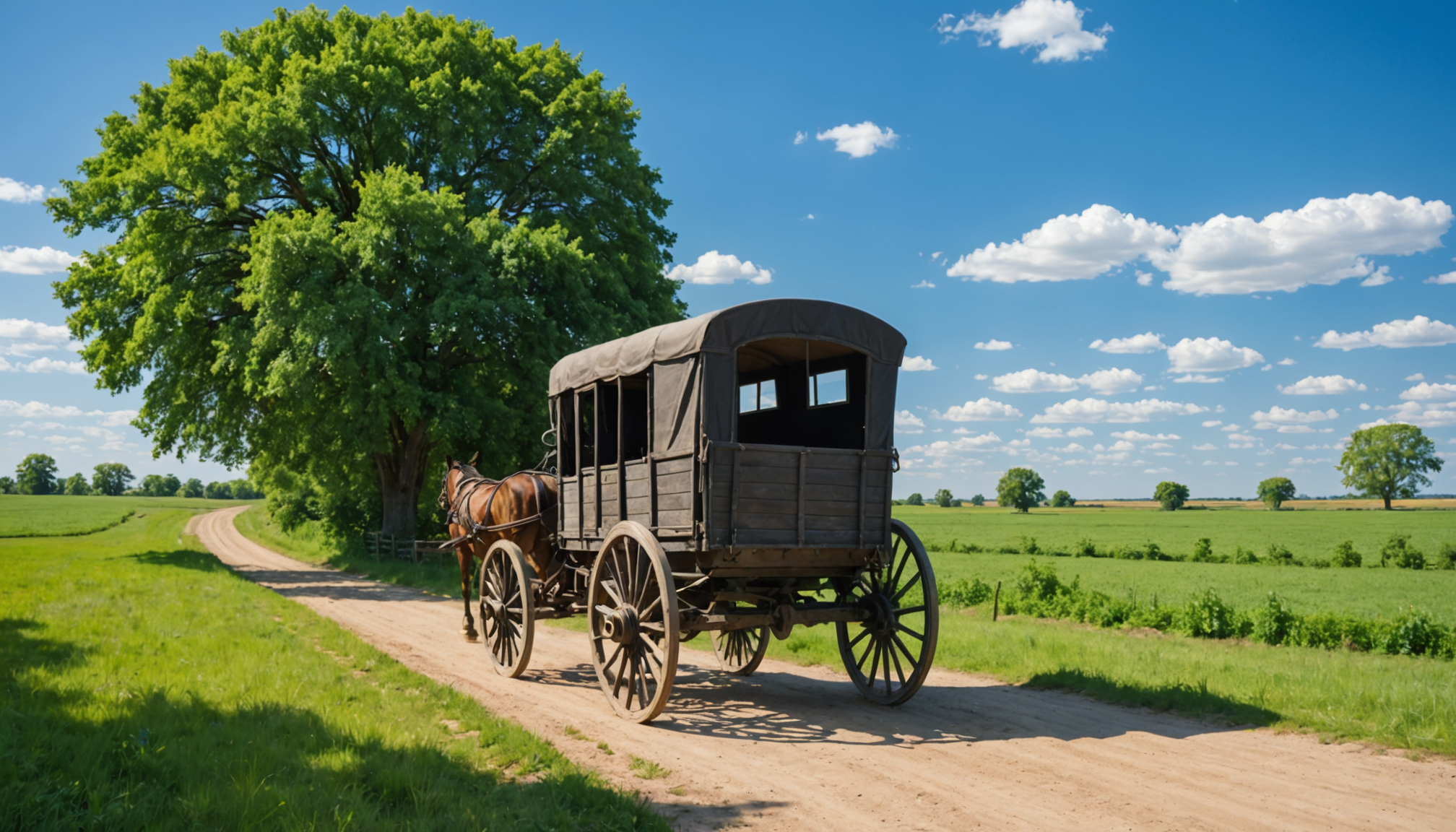
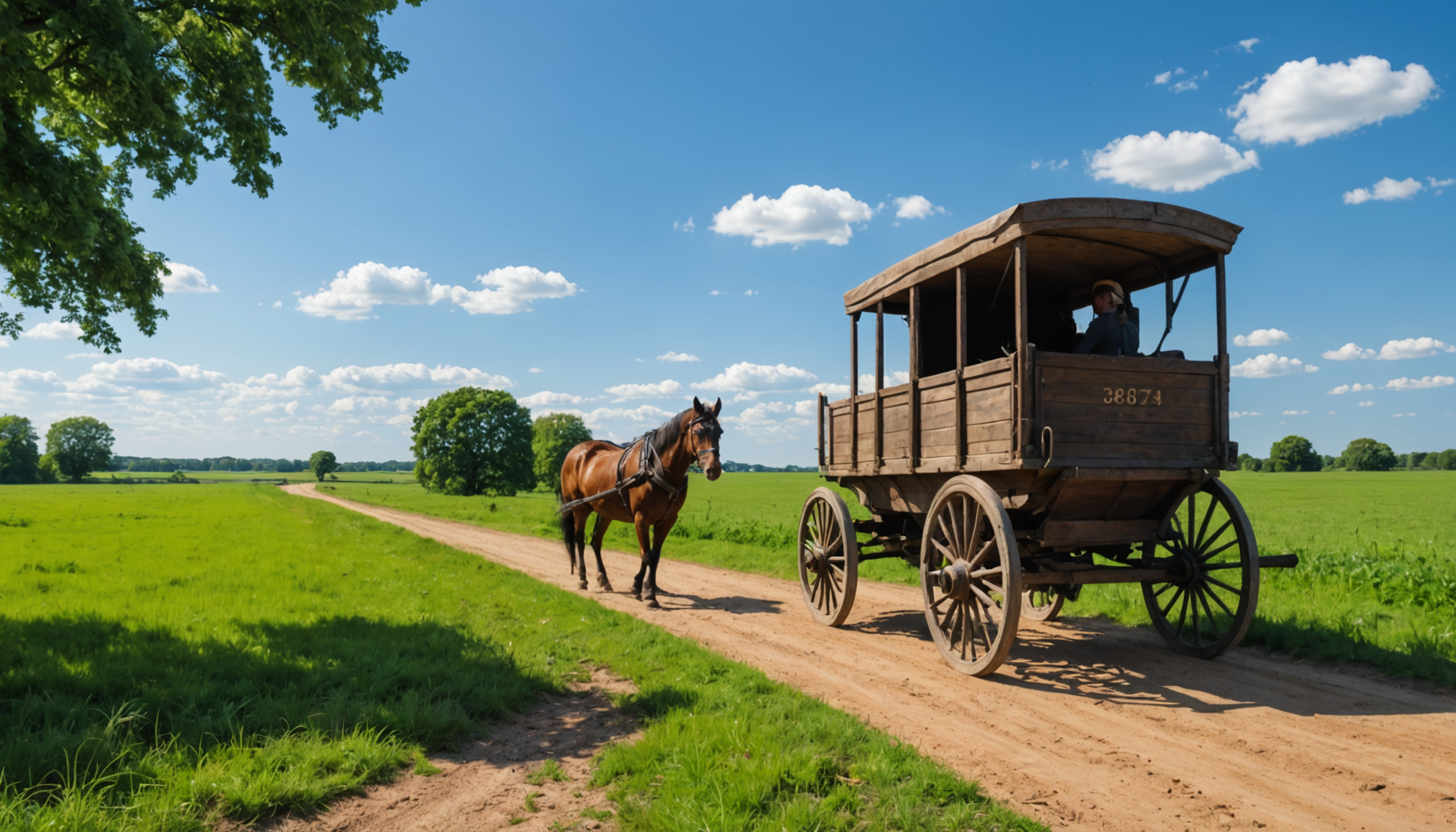
As the early Adventists embarked on their journeys of faith, they adopted a variety of transportation methods that were not only essential for their outreach but also reflective of the era they navigated. The dominant mode of transportation was horse transport. Horses provided the freedom to traverse the vast American landscapes, enabling missionaries to reach remote communities that might have remained untouched by the fervor of their message. This reliance on horses was not merely practical; it embodied the principles of simplicity and humility central to Adventist beliefs.
In addition to horses, many pioneers utilized carriages and wagons. These vehicles allowed them to carry their belongings, literature, and even supplies for those in need along their routes. The sturdiness and versatility of these means of transport made them suitable for the various terrains encountered during the journeys, from muddy country roads to rocky trails leading into uncharted territories. The experience of traveling by wagon also fostered camaraderie, as fellow travelers often joined together in their evangelical missions, transforming each trip into a collective enterprise.
As advancements in technology emerged, the increasing availability of railroads began to change the landscape of travel. While many Adventist leaders initially embraced horse transport for its symbolic value, they gradually incorporated trains into their journeys. Railroads allowed for quicker movement between major metropolitan areas, which meant that large gatherings, such as camp meetings, could draw crowds that would have been otherwise difficult to assemble through slower methods. These interactions were pivotal, as they often served as focal points for widespread evangelistic tours, where the foundational beliefs of the Adventist faith could be shared with a broader audience.
Despite the many modes of transportation available, the journeys were formidable and fraught with travel hardships. The early Adventists faced unpredictable weather, rugged terrain, and the ever-present possibility of mechanical failure, particularly with the advent of new technologies. Not to mention, the societal obstacles encountered along the way could be disheartening. These included skepticism from established religious groups, cultural resistance from indigenous populations, and sometimes the hostility of local communities. Each of these challenges tested the mettle of the missionaries, who remained steadfast in their commitment to circuit preaching.
The varied modes of transportation, with their unique advantages and challenges, played an integral role in shaping the identity of the Adventist movement. The resilience required to navigate the complexities of travel not only reinforced the missionary spirit but also fostered a sense of purpose and unity among the early Adventists. Their journeys across the country were not merely about reaching their destination but were profound engagements with people and places that would leave a lasting impact on their mission and message.
Challenges Faced During Journeys
The nature of the journeys embarked upon by the early Adventists was not devoid of formidable challenges. Each step taken along the rugged paths of their missionary endeavors was invariably accompanied by tribulations that tested their collective resolve. The unpredictable elements of nature played a significant role, with snowstorms in winter and torrid heat in summer often thwarting their progress. For a pioneer accustomed to the gentle sway of their steed beneath them, the brutality of an unexpected tempest could spell disaster, leading to delays and even perilous situations that would make even the most steadfast heart quail.
The very essence of their undertaking was laced with the necessity for adaptability, as brother missionaries confronted not only the fickleness of weather but also the vagaries of terrain. Navigating through swamps and over rocky hills, those who chose horse transport often found themselves at the mercy of the elements, becoming quite acquainted with the gritty realities of travel hardships. The encumbrance of mud-clogged trails could render even the most spirited horse unable to proceed, forcing the ministers to consider alternative routes and the forsaking of the familiar, comfortable paths.
A further vexation arose in the form of societal and cultural challenges. The early Adventists frequently traversed territories that were unwelcoming, where their tenets might be met with skepticism if not outright hostility. Encounters with those unmoved by their faith could be discouraging, as some community members perceived these itinerant preachers as intruders rather than harbingers of truth. The vibrant tapestry of diverse beliefs necessitated a delicate balance of diplomacy and forthrightness, compelling the missionaries to engage in nuanced discourse as they endeavored to share their faith amidst the cacophony of opposing ideologies.
Additionally, the material needs of travel posed their own obstacles. Supplies were often limited, and the need to sustain themselves and their horses during extended missionary journeys demanded resourcefulness. A stop at a small village or farm could lead to opportunities to gather provisions, but such interactions required patience and humility. Did the farmers possess sufficient grain, or were they able to spare some water from their wells? These encounters, while often challenging, forged connections that would further the intent of evangelistic tours, transforming obstacles into moments of grace and the sharing of stories.
Moreover, prevailing attitudes toward women in public life during this period presented additional impediments. Female pioneers faced unique challenges, often requiring the full strength of both their fortitude and ingenuity to navigate the expectations of the day. Those who embarked on missionary journeys were motivated by a sense of purpose as fervent as their male counterparts, yet they often had to contend with societal restrictions that limited their freedom to travel alone and speak openly in many communities. This dynamic, while a trial, also engendered a spirit of camaraderie among the early Adventist women, who supported one another in their sacred mission.
<pUltimately, every hardship faced served as a testament to the unwavering spirit and perseverance of these early Adventists. The weight of their challenges—be they born of nature, society, or culture—revealed the depth of their commitment to a cause that transcended personal comfort. Each trial transformed into a tale of triumph, as they ploughs onward, embracing their convictions with a zeal that illuminated the way forward for both themselves and the communities they sought to uplift. The rigors of travel thus proved to be not merely obstacles, but vital episodes in the heartening narrative of a faith that pondered neither ease nor safety but rather the boundless hope extendable through its advocacy.
Key Figures in Adventist Travel History
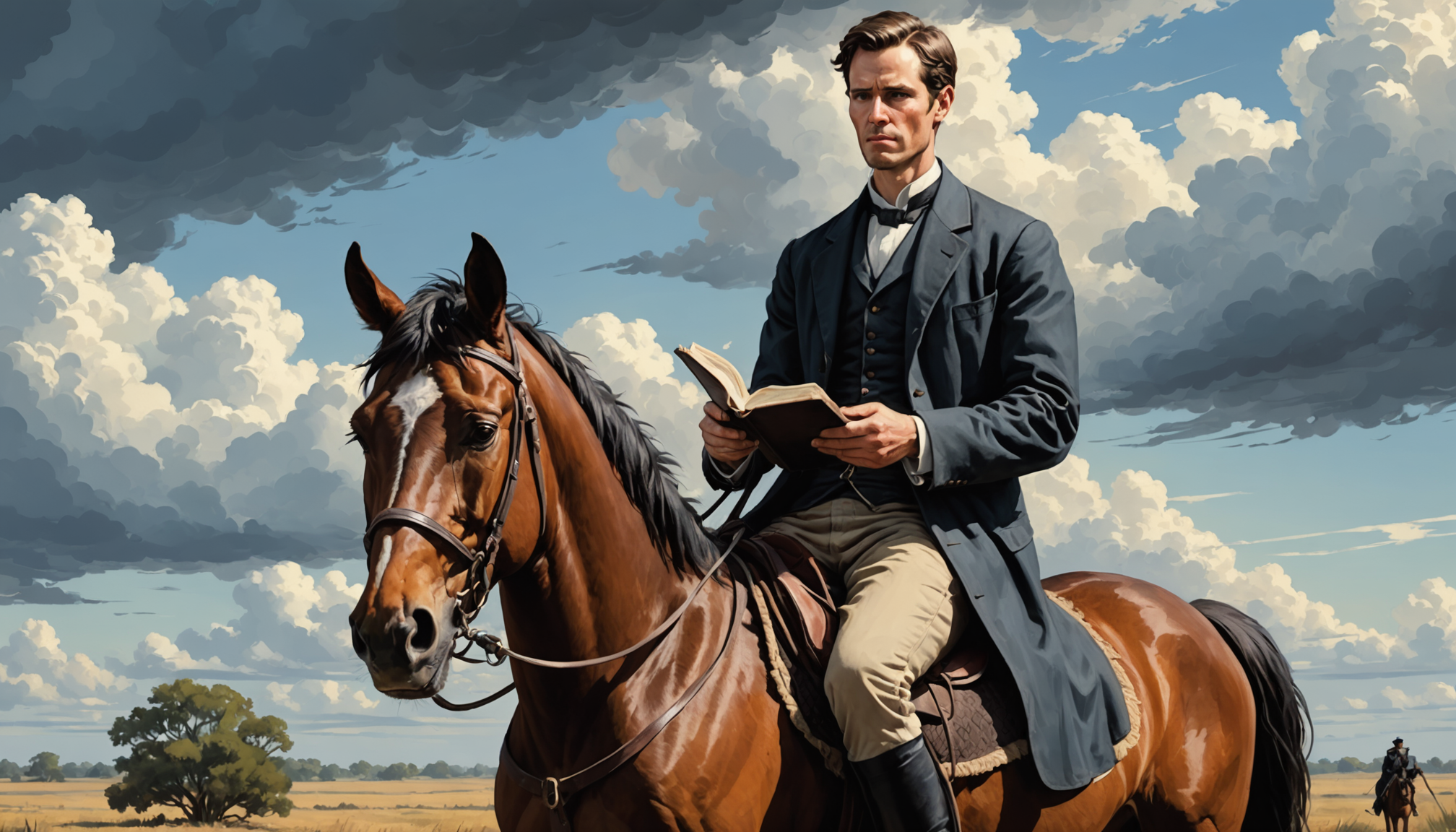 The figures who emerged as key players in the tapestry of Adventist travel history not only shaped the methods and modes of transportation used but exemplified the spirit of resilience and commitment inherent to the movement. Among these notable individuals, the pioneer missionary James White stands out, often remembered for his tireless efforts to spread the Adventist message across vast expanses. White’s journeys were marked by rigorous itineration, frequently moving between communities and establishing churches, all while facing the inherent travel hardships of the time. His unwavering conviction and dedication to circuit preaching led to the formation of a cohesive community of believers, creating a network that would sustain the growing Movement.
Another vital figure is Ellen G. White, whose writings and guidance not only inspired many but were often disseminated throughout the very journeys undertaken by her fellow missionaries. Her emphasis on the importance of personal testimonies and the transformative power of communal worship galvanized those around her, reinforcing their resolve to travel into uncharted territories. Ellen’s own experience traveling alongside her husband provided her with unique insights into the challenges faced by traveling evangelists, enabling her to articulate the need for both spiritual and practical preparations during missionary journeys.
John Andrews, the first official missionary to Europe from the Adventist movement, further expanded the horizons of Adventist travel. With his proficient language skills and academic rigor, he broke new ground in spreading the faith to foreign shores. His extensive travels were marked by an adherence to horse transport, navigating the complex and often turbulent socio-political landscapes of 19th-century Europe. Andrews’ efforts reflected a strategic understanding of the cultural contexts he encountered, evidencing how early Adventist figures adapted their methods to communicate their message effectively.
Additionally, the role of J.N. Andrews, one of the first traveling evangelists, underscored the importance of personal sacrifice and tireless work in the face of adversity. His courage during prolonged travels, often facing skepticism and hostility, exemplified the spirit of perseverance that defined many of his contemporaries. The networks he established not only facilitated the spread of Adventism but also nurtured relationships with diverse communities, showcasing how each journey fostered connections that deepened the movement’s reach.
The nature of these key figures indicates a broader narrative woven into the fabric of Adventist history, one characterized by hardship, resilience, and an unwavering commitment to the mission. The challenges and trials faced during their circuit preaching established a framework for future generations, paving the way for the growth and development of the Adventist community across the globe. Their journeys became not mere acts of travel but profound expressions of faith, illuminating the power of their dedication in fostering spiritual connections and building a legacy that transcends time.
- What transportation methods did early Adventists use?
- Early Adventists primarily relied on horse transport, carriages, and wagons for their journeys. As technology advanced, they began incorporating railroads, allowing them to reach larger audiences more swiftly.
- Who were the key figures in Adventist travel history?
- Notable figures include James White, Ellen G. White, and J.N. Andrews. Each played significant roles in shaping the missionary efforts and expanding the reach of the Adventist movement through their travels.
- What challenges did early Adventists face while traveling?
- Travel hardships included adverse weather conditions, difficult terrain, limited supplies, societal skepticism, and cultural resistance. These challenges tested their resolve but also fostered resilience and community bonds.
- How did circuit preaching contribute to Adventist expansion?
- Circuit preaching allowed itinerant ministers to reach widely dispersed communities, effectively sharing their message across vast distances. This method helped establish congregations and foster a sense of community among believers.
- Why was horse transport significant to Adventist travel?
- Horse transport symbolized the simplicity and humility central to Adventist beliefs. It enabled missionaries to navigate remote areas while fostering a deeper spiritual connection to their journeys.
- What impact did railroads have on Adventist travel?
- Railroads revolutionized travel for Adventists by allowing quicker movement between major locations, facilitating large gatherings and camp meetings, and thus broadening the effectiveness of their evangelistic tours.
- How did the societal context affect early Adventist journeys?
- Societal dynamics posed challenges such as skepticism from established religious communities and cultural barriers. Early Adventists navigated these complexities carefully to share their faith without inciting hostility.
Impact of Travel on Adventist Missions
The impact of travel on Adventist missions is a subject that intertwines with the very fabric of the denomination’s history. As early Adventists embarked on their various journeys, they not only spread the tenets of their faith but also facilitated a profound transformation within the communities they visited. Each expedition served as a conduit for the dissemination of messages that resonated with the spiritual aspirations of an America grappling with its identity in a rapidly changing world.
At the heart of this missionary effort lay the practice of circuit preaching, a method that allowed itinerant preachers to traverse extensive distances, connecting with disparate congregations. This approach was particularly effective in reaching individuals who might have been overlooked by established religious institutions. The mere presence of a traveling minister embodied hope—an intangible yet potent force that galvanized support for Adventist ideals. Adherents were not just passive recipients of doctrine; they became active participants in a larger narrative of spiritual awakening, often inspired by the messages delivered during evangelistic tours.
As these missionaries journeyed through rugged landscapes, they became symbols of resilience. The difficulties they faced on the road, often referred to as travel hardships, did not deter them. Instead, such challenges deepened their resolve and provided poignant stories to share. Harsh weather, treacherous terrain, and the need for sustenance often turned a simple preaching engagement into an odyssey of fortitude. For instance, one can imagine a minister enduring relentless rain on a muddy road, yet when finally reaching a small settlement, the joy of sharing the gospel transformed the struggle into something sacred. These moments forged ties within communities, establishing bonds that nurtured spiritual growth.
Furthermore, the impact of travel extended beyond immediate conversions or church gatherings. Each journey established a historical footprint, allowing the narratives of early Adventists to resonate across generations. The principles of faith they espoused were interwoven with the stories of perseverance, effectively crafting a legacy that would foster ongoing movements and debates within American religious life. The memoirs of these pioneers, encapsulating their religious fervor and personal trials, would later serve as vital educational resources for new generations of believers. By documenting their trials and triumphs, the early Adventists contributed a rich tapestry of experience that informed the evolution of their church’s mission.
Additionally, the geographical spread facilitated by these missionary journeys heralded an era of cultural exchanges. Adventists encountered diverse belief systems and cultural practices, inviting both challenges and the potential for dialogue. Their willingness to engage respectfully allowed the movement to adapt and find resonance in varied contexts. This pursuit of understanding underscored a fundamental tenet of the Adventist journey—the vision of sharing a message of hope while nurturing the humanity in every interaction.
The legacy of those traveling preachers is thus profound; their influence is palpable not only in the churches established but in the enduring community spirit they fostered. With each circuit they traveled, they redefined the boundaries of their faith, pushing against the limits imposed by their era. Their journeys became emblematic of the powerful intersection between travel and mission, showcasing how dedicated individuals could catalyze significant spiritual tides by merely choosing to embark on a journey. In navigating both the physical and spiritual landscapes, they left an indelible mark on history, asserting the vital role that travel plays in the ongoing evolution of belief.
Beside our live streamed church services, all are welcome to attend our church in person each Saturday beginning 10:00 AM Central Time by going to 2425 Owens Rd., Ashland, AL 36251. There is no cost and any donations are strictly voluntary.
For questions, call +2563547124.