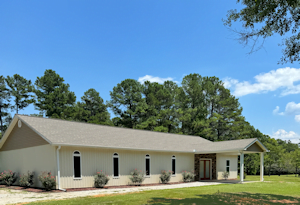
Come join Ashland Sabbath Chapel Ministries each Saturday for live streamed church services. Bible Study begins at 10:00 AM Central Time and Sermon at 11:00 AM. Visit Our YouTube channel and watch from home!
The early Adventist camp meeting culture emerged as a distinctive phenomenon in the religious landscape of the 19th century, fueled by a fervent desire for *spiritual retreats* and communal connections among believers. As individuals seeking solace from the bustling world congregated, these outdoor gatherings transformed into vibrant epicenters of faith, dialogue, and social interaction. The notion of camp meetings was not merely a gathering of the faithful; it represented a compelling revival of religious enthusiasm and a precursor to modern conventions where one could immerse oneself in collective worship, reflection, and fellowship.
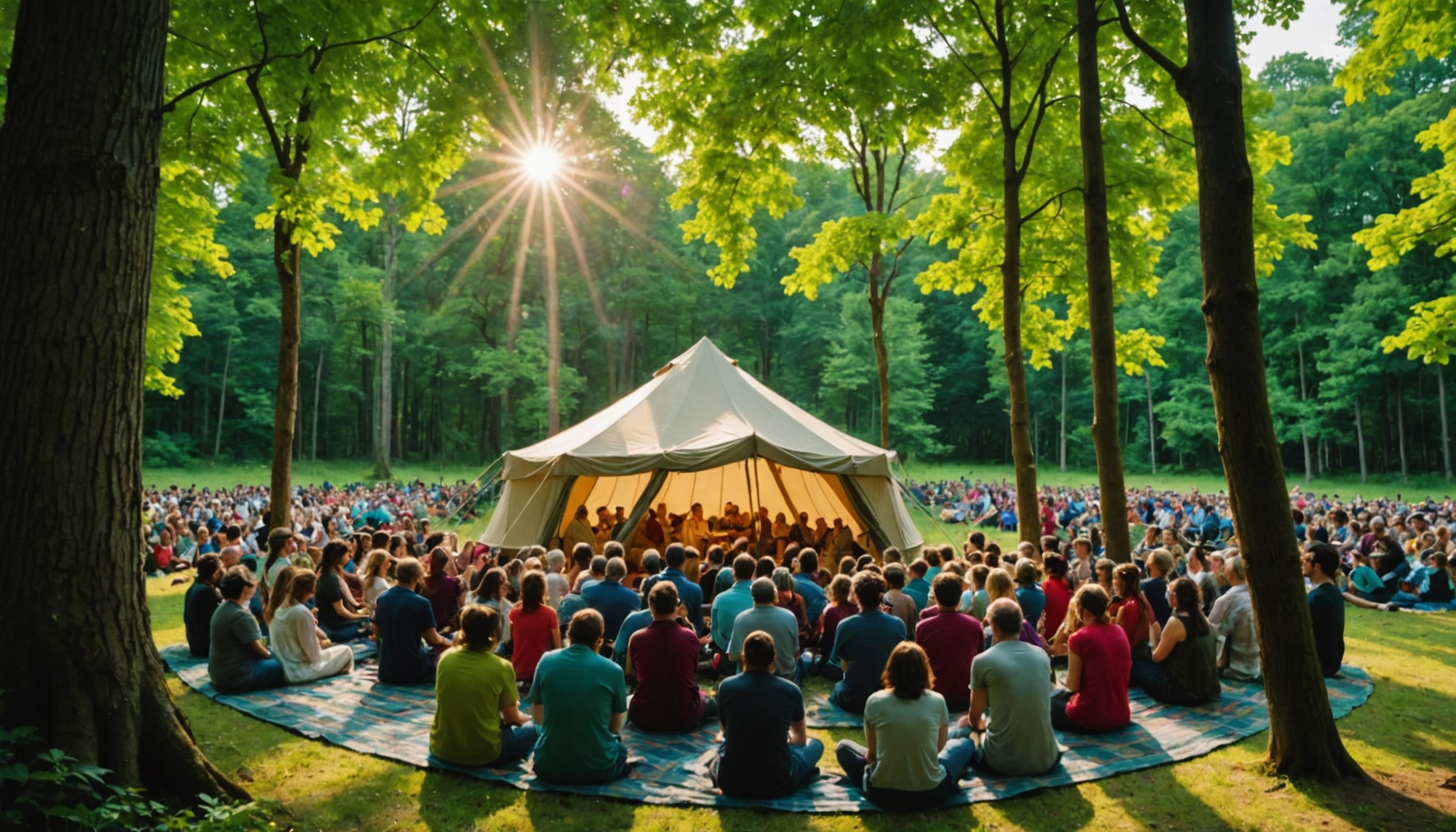
Under the expansive canopy of the skies, these meetings often took place in open fields or under large tents, accommodating various activities that brought men and women together in their quest for divine connection. The *tent services*, extravagantly adorned with simple frills, served as the heart of these gatherings, while a palpable sense of anticipation filled the air, charged by the promise of spiritual renewal. Weathered souls, weary from life’s trials, would pack their provisions and journey miles, drawn by the magnetic pull of shared faith and communal prayer.
Over the years, the camp meeting phenomenon played a pivotal role in shaping the character of the Adventist movement. With their emphasis on unity and communal worship, these gatherings fostered an environment where individuals could engage in profound discussions concerning faith, prophecy, and the principles that formed the basis of their beliefs. The allure of revival meetings promised not just emotional uplift but a reaffirmation of convictions amidst a rapidly changing world, as fervent speakers delivered impassioned sermons under the watchful eye of the Almighty.
In summation, the early Adventist camp meeting culture blossomed into a cornerstone of spiritual life that married devotion with community, laying the groundwork for practices that would transcend generations. Through the lens of these gatherings, one could witness the enduring power of *community fellowship*, strengthened by shared experiences and mutual encouragement in the faith, a legacy that continues to resonate in today’s religious expressions.
Historical context of camp meetings
The historical milieu in which the early Adventist camp meetings flourished cannot be overstated, for they arose during a time rife with social and religious upheaval. The 19th century, marked by the rapid industrialization of American society, ushered individuals into urban centers often bereft of the comforting familiarity of rural life. In these expanding cities, a palpable yearning for community and spiritual sustenance burgeoned, compelling many to seek an outlet for their faith. With the specter of change looming ever nearer, the call for *spiritual retreats* became a clarion call for those adrift in an increasingly impersonal world.
As tensions between various denominational beliefs grew, many found the camp meeting an attractive alternative to the rigid structures of traditional worship. These gatherings, often held in the idyllic embrace of nature, offered a sanctuary for those wishing to engage in a more personal communion with God away from the influences of modernity. It was during such *outdoor gatherings* that the *tent services* emerged, providing a sheltered haven for preaching and fellowship, effectively combining the necessity for public outreach with the intimacy of communion. Here, one could find both solace and challenge, as the vibrant exchanges of ideas brought to light both fervent beliefs and deep-seated doubts.
The camp meetings became a unique melting pot of diverse backgrounds, converging believers from various walks of life, each drawn by the magnetic allure of spiritual revival. This often laid the groundwork for what would be termed *revival meetings*, where impassioned preaching would inspire a remarkable transformation in the hearts and minds of attendees. The atmosphere was electric—the pulpit serving as a stage where preachers could wield their words like instruments of change, coaxing souls to awaken to a deeper understanding of their faith. Congregants, entranced by the spirited sermons, found themselves swept away in a tide of communal fervor, encouraged by the shared hope of salvation.
Moreover, the burgeoning community fellowship that blossomed during these meetings could not be overlooked. As individuals gathered to engage in prayer, hymn singing, and communal meals, a kinship was forged—one that transcended social divides. The informal nature of these assemblies allowed for interactions that nurtured friendships and collaboration. The centrality of meals shared in community offered nourishment not only to the body but also to the spirit, reinforcing bonds amongst believers and fostering a sense of belonging that would resonate long after the last note of the hymn faded into silence.
<pUltimately, the historical context of early camp meetings stands as a testament to the interplay of faith and community in an era of great change. In the throes of uncertainty, these gatherings provided a robust framework for believers to explore their spirituality in a supportive environment, ushering in a renewed commitment to their faith. Thus, it became abundantly clear that such gatherings were not mere events on the calendar but rather the seedlings of a vibrant movement poised to flourish in the hearts of many.
Key features of early camp meetings
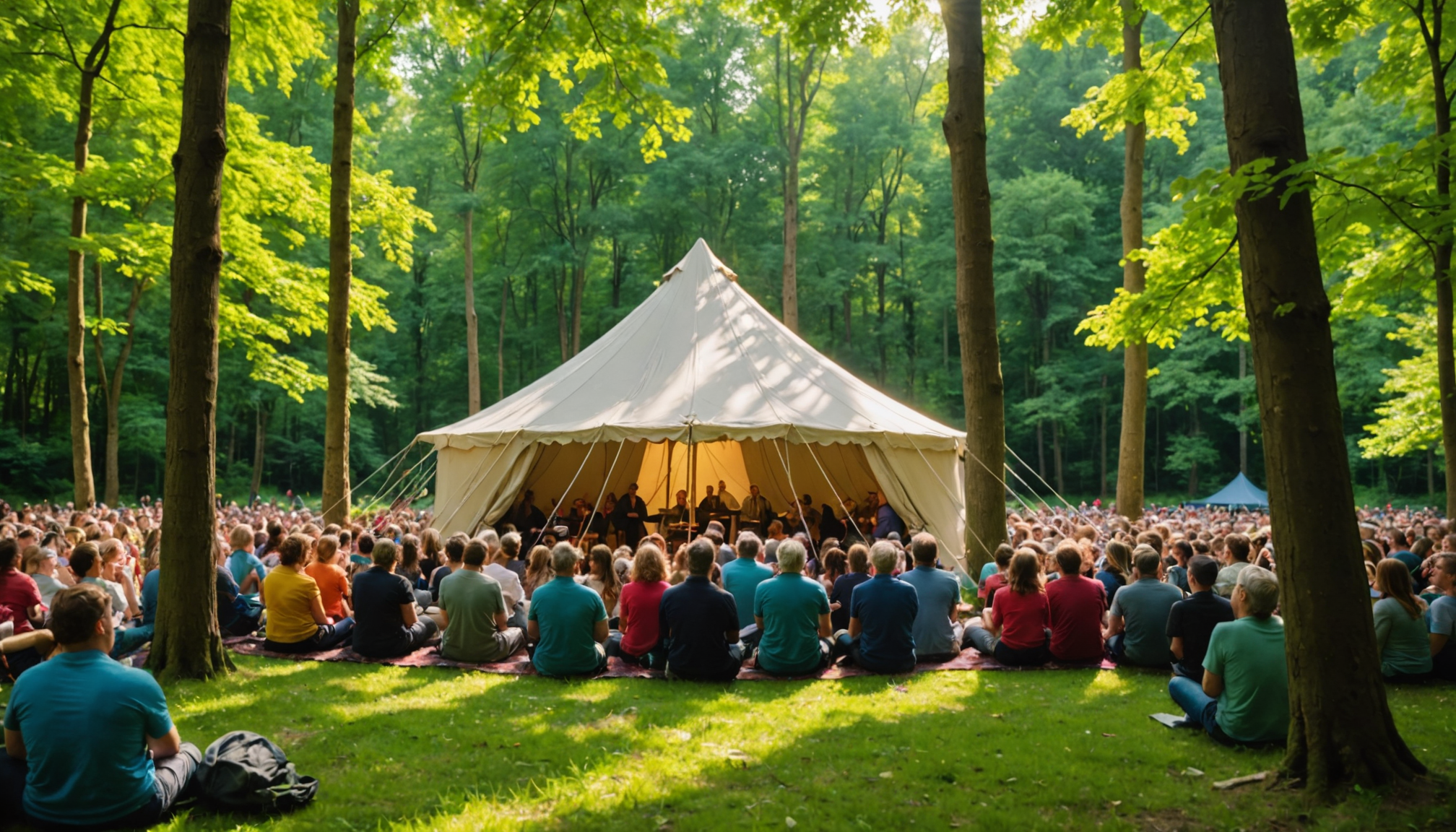
Key features of early Adventist camp meetings included various elements integral to fostering an atmosphere rich with spiritual fervor and communal engagement. At the core of these gatherings lay the *tent services*, which served as the primary venue for preaching and worship. These large canvases, often set up in natural settings, created a sanctuary that was accessible to all, regardless of social standing. Inside these tents, the air hung thick with the scent of fresh earth and the sounds of impassioned preaching, as speakers delivered messages meant to stir the hearts of the faithful. The setup encouraged a connection with nature, framing the spiritual experience within the beauty of God’s creation.
A typical camp meeting was not merely about sermons and prayers; it involved several activities that contributed to a dynamic, multi-faceted experience. Participants engaged in *outdoor gatherings* where they could partake in singing hymns that echoed through the trees, igniting a sense of unity and collective joy. These communal songs often served as both a form of worship and an expression of shared beliefs, enveloping attendees in a rich auditory tapestry that transcended individual hearts to bond the community. The participatory nature of this music offered a poignant contrast to the more structured forms of worship often found in traditional church settings.
In addition to spiritual practices, the camp meetings embraced fellowship as a vital component of their structure. Individuals gathered for communal meals, shared stories, and engaged in spirited conversations that could last late into the night. These moments were critical for forming relationships among believers. As participants gathered around the fire, laughter and testimony filled the evening air, often accompanied by the strumming of guitars or banjos. Such interactions helped cultivate an atmosphere where believers could express doubts, share insights, and encourage one another in their walks of faith. This *community fellowship* was not only a social highlight but also served to strengthen the resolve of each individual in their spiritual journey.
Moreover, the physical presence of these camp meetings—set against the backdrop of nature—profoundly impacted the overall experience. Participants consistently noted the significance of being away from the distractions of daily life, allowing for introspection and spiritual renewal. The structure of the meeting permitted ample space for personal reflection, prayers, and commitments made under the vast open skies, symbolizing a powerful connection to the divine. This retreat-like quality of the camp meetings encouraged participants to engage more fully with their faith, fostering a profound sense of belonging to a movement larger than themselves.
The early Adventist camp meetings were defined by multiple features that fostered a unique spiritual experience, rooted in sermons, music, community interactions, and an engaging environment that allowed believers to cultivate their relationships with God and one another. Each element contributed to the overall success of these gatherings as they stood as a beacon of hope and revival in an era marked by change and uncertainty.
The role of music and worship
Music and worship served as the lifeblood of early Adventist camp meetings, intertwining the souls of participants in a melodic embrace that echoed far beyond the confines of the tent services. At the very heart of these gatherings lay an unyielding belief in the power of song as an instrument of divine communication—a medium through which the faithful might express their innermost yearnings and collectively elevate their spirits toward the heavens. The melodies that rang out under the open sky were not mere tunes; they encapsulated the fervor and enthusiasm of a community yearning for connection with God and each other.
Singing hymns during these outdoor gatherings was a ritualistic practice that enriched the overall atmosphere, transforming it into a vibrant tapestry of faith and fellowship. Participants often found themselves swept up in the joyous chorus, their voices intertwining in a celebration of shared beliefs and community identity. The selection of hymns was deliberate, drawing from a repertoire that spoke to the hearts of the attendees, as they resonated with themes of redemption, hope, and the promise of eternal life. This collective singing served not only to uplift the spirit but to solidify a sense of belonging among congregants, creating an audible bond that transcended individual concerns.
Impassioned preaching complemented the musical offerings, delivering messages that were frequently interspersed with the sung praises of the faithful. The sermons, often characterized by ardent zeal, were designed to kindle the flames of revival and personal reflection. Preachers, positioned at the pulpit within the bustling tent services, wielded their words with fervor, crafting narratives meant to stir the hearts of their listeners. In turn, these narratives would often inspire spontaneous moments of worship, where congregants would break into song or exclaim their commitment to the faith, further energizing the atmosphere with their shared convictions.
The communal aspect of music at these camp meetings cannot be overstated. It was not uncommon for evenings to slide into spirited gatherings around a campfire, where believers melded their voices in harmonious renditions of beloved hymns. Such informal gatherings provided an ideal platform for spontaneous expression, allowing participants to share their personal testimonies interwoven with the melodies that echoed their experiences. The stories told around the flickering flames were punctuated by laughter and song, encapsulating a fellowship that was both personal and communal. This bond—strengthened by the melodies that danced in the summer air—was instrumental in nurturing relationships that formed the backbone of the Adventist community.
Moreover, the emphasis on music and worship served as a foundational pillar of the Adventist identity during a time when many sought meaning amidst societal changes. The act of singing together was perceived as a divine communion, a reflection of their collective hopes and aspirations. As such, it became a true hallmark of revival meetings, where joyful noises formed a kind of sacred language understood by all. The music, rich with fervor, often became the means through which the spiritual retreat unfolded, allowing individuals to immerse themselves in the experience and revel in the unity that such expressions fostered.
It is clear that the role of music and worship in early Adventist camp meetings was not merely ancillary; it was central to their very essence. The songs sung, combined with the passionate preaching, crafted an environment imbued with spiritual significance, where community fellowship flourished and individuals were invited into deeper connection with one another and the divine. This rich interplay of music, worship, and social interaction laid the groundwork for a vibrant community that would endure the test of time, evolving yet remaining rooted in the traditions established during those formative gatherings.
Community and social dynamics
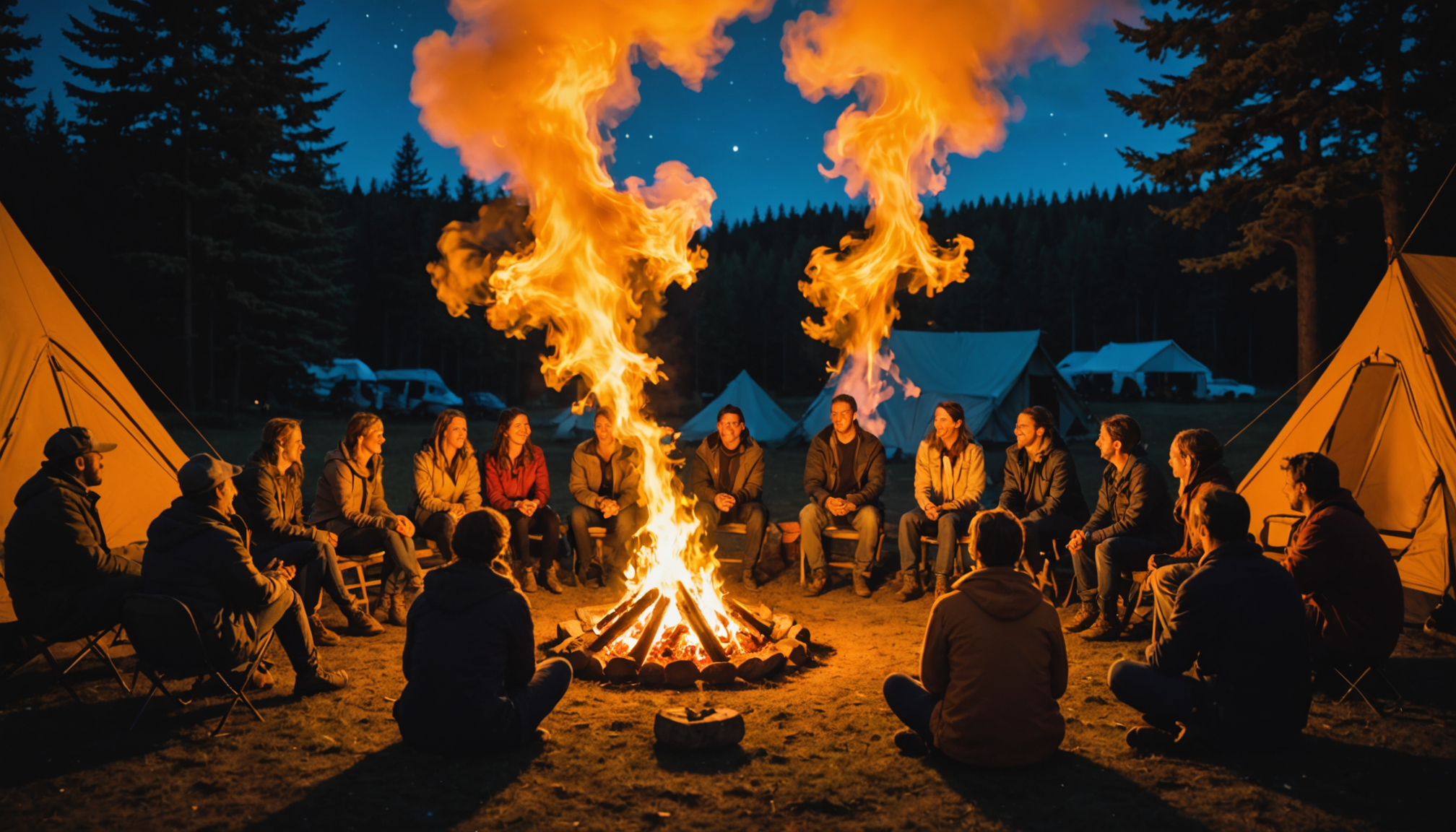
The early Adventist camp meeting culture thrived on the intricate web of community and social dynamics that permeated each gathering. It was within the framework of these vibrant outdoor gatherings that an unparalleled sense of belonging emerged, as believers, drawn from diverse backgrounds, united under the banner of faith. The fellowship manifested in countless ways—from shared meals and spirited conversations to collective prayers and hymns. This rich tapestry of interactions fostered a nurturing environment that transcended individual experience, allowing each person to feel both seen and supported.
As participants settled in for the duration of the meetings, the atmosphere was invigorated by the blend of excitement and anticipation. Tent services provided a communal space not only for preaching but also for building relationships and establishing networks among attendees. Bonds formed in these settings often lasted long beyond the camp meeting itself, as individuals left with newfound friendships and a strengthened resolve in their beliefs. Moreover, the informal nature of the gatherings allowed for meaningful discourse surrounding faith, prophecy, and personal experiences, enabling attendees to grapple with questions and share insights freely.
The community fellowship at camp meetings also encouraged the involvement of families and children, creating a multigenerational aspect that enriched the environment further. Parents were not merely observers; they engaged in activities alongside their children, from storytelling to singing, thereby passing down traditions and instilling a sense of heritage. This shared experience became a staple of Adventist identity, as attendees participated in cultivating a spiritual legacy that honored familial ties and collective faith journeys.
Furthermore, these outdoor gatherings provided an antidote to the isolation often experienced in an increasingly fast-paced and industrialized world. Many attendees may have arrived as individuals or part of small groups, but they left feeling woven into a larger tapestry of faith. The camp meeting experience served as a catalyst for a sense of belonging—a vertical and horizontal connection among God, their community, and fellow believers. As they laughed, cried, and worshipped together, an unspoken pact emerged: each participant was responsible for upholding the faith and supporting one another in their spiritual pursuits.
The interactions at these gatherings were colored with warmth, laughter, and sometimes vulnerability, providing a safe harbor where doubts could be expressed openly. Engaging in discussions around late-night campfires, individuals often shared testimonies that reflected both their struggles and triumphs, thus facilitating an atmosphere of mutual encouragement. This dynamic helped cultivate a culture of support, emphasizing the importance of community in believers’ spiritual journeys and reminding them that they were not navigating their faith alone.
- What were the main purposes of early Adventist camp meetings?
- The main purposes included fostering spiritual growth, providing communal worship experiences, and creating a supportive environment for believers. These gatherings also served as a platform for revival, encouraging participants to deepen their faith.
- How did the community dynamics at camp meetings differ from traditional worship?
- Community dynamics at camp meetings were more inclusive and informal, allowing for personal interactions and shared experiences among participants. Unlike traditional church settings, these gatherings facilitated direct communication and relationship-building.
- What role did music play in the camp meetings?
- Music was central to the camp meetings, with communal singing serving as both worship and a vehicle for expressing shared beliefs. The hymns created a sense of unity and allowed believers to connect emotionally and spiritually.
- How did family involvement look at these gatherings?
- Families participated actively, engaging in worship, storytelling, and shared meals together. This involvement helped pass down traditions and strengthen familial ties within the context of a broader religious community.
- What impact did camp meetings have on individuals’ faith?
- Camp meetings often reinvigorated individuals’ faith, providing opportunities for reflection, confession, and spiritual renewal. Many left with a deeper commitment to their beliefs and a stronger sense of belonging.
- Can we still see the influence of camp meetings in modern worship practices?
- Yes, elements of camp meetings, such as communal singing, fellowship meals, and outdoor worship events, have enduring influence in modern churches and religious gatherings, fostering a sense of community and collective worship.
- What challenges did early Adventist camp meetings face?
- Early Adventist camp meetings faced challenges such as societal skepticism about revivalism, logistical issues related to organizing large gatherings, and tensions with established churches resistant to their itinerant model of worship.
Impact on adventist identity
Now, if we spiral down to the heart of the matter, we can’t turn a blind eye to how these early camp meetings shaped the very fabric of Adventist identity. For many who partook in these sacred gatherings under the open skies, the experience was nothing short of transformative. Imagine, if you will, a sea of faces, all drawn together by an irresistible urge to seek solace and renewal—a collective yearning for something higher than themselves. This wasn’t just a casual rendezvous; it was akin to a spiritual awakening, a revival that resonated within the depths of their souls and forged a tangible sense of purpose.
One of the most critical aspects of this burgeoning identity was the *community fellowship* that blossomed as folks gathered around the tent services. Each person—whether a well-heeled farmer or a humble shoemaker—contributed their unique thread to the intricate tapestry of faith being woven right before their eyes. In those sun-dappled evenings under painted skies, barriers seemed to fade, leaving behind a camaraderie born from shared experiences, struggles, and aspirations. Here, the believer’s identity morphed from individualistic pursuits into a collective imprint powered by unity and mutual support.
In these outdoor gatherings, the act of coming together for worship, singing in one voice, and sharing personal testimonies hammered home the facets of an Adventist identity that transcended mere belief. It engaged participants, turning passive listeners into active participants in the unfolding drama of their shared faith. Those nights spent huddled around crackling campfires, singing hymns that seemed to rise with the smoke and hover in the night air, became indelible moments that not only built friendships but highlighted the significance of belonging to something grander than any one individual. Pollyanna optimism, if you will, but in the most sincere and heartfelt way.
The *revival meetings* played a peculiar part in this story—like a contagious fever that spread through the gathered crowd. They didn’t simply aim to revive individual spirits; they ignited a movement, invigorating the collective confidence of the community. When preachers posed those stirring questions from the pulpit, they weren’t just talking to a sea of faces but inviting each soul to reflect on their journey, making the experience deeply personal yet palpably communal. The response was often a swell of emotion; hands raised, voices joining in fervent agreement—a visible manifestation of transformed hearts clamoring for a committed identity.
Like a gentle current, the impact radiated outward, affecting how these newly bonded individuals viewed the world around them. They began to see themselves as part of an evolving mission—a mission that emphasized the importance of collective belief and action. Each act of worship, each hymn, knit them closer to one another, rooting them in a faith that was not only about personal salvation but about communal responsibility. The gatherings transformed into a deliberate rehearsal for a life lived together in faith, fostering principles that would burgeon into the guiding tenets of Adventist beliefs.
Throughout their lives, these camp meetings sowed the seeds of identity that adhered firmly to their hearts. The witty exchanges between believers, the stories shared over plates of hearty food, and the laughter that echoed in the woods forged bonds that remained strong despite the trials one might face outside of those cheerful gatherings. Indeed, it became clear that the essence of what it meant to be Adventist was not merely a matter of doctrine but rather a vibrant expression of shared life in faith.
These *spiritual retreats* served not simply as a respite from the mundane but as an invigorating plunge into the richness of community, underscoring the significance of shared beliefs. Each camp meeting became a chapter in the story of Adventist identity, lovingly crafted through engagements that lasted long after the last hymn had been sung. They set the stage for a movement that would not only persevere but thrive, buoyed by the connections forged in those lingering, starlit nights. So, whether by the flicker of a campfire or the sound of a unified choir, each participant carried the mantle of their faith forward—a legacy that melded together personal devotion with a rich communal life.
Beside our live streamed church services, all are welcome to attend our church in person each Saturday beginning 10:00 AM Central Time by going to 2425 Owens Rd., Ashland, AL 36251. There is no cost and any donations are strictly voluntary.
For questions, call +2563547124.