Come join Ashland Sabbath Chapel Ministries each Saturday for live streamed church services. Bible Study begins at 10:00 AM Central Time and Sermon at 11:00 AM. Visit Our YouTube channel and watch from home!
The observance of the Sabbath among early Adventists was marked by a distinct sense of purpose and profound commitment. These individuals regarded the Sabbath as a rest day, a divinely ordained time dedicated to worship, reflection, and familial bonds. The practices during this time were rooted deeply in their convictions and were characterized by a series of ritualistic activities designed to honor and sanctify the day.
Preparation for the Sabbath commenced on Friday, a practice known as Friday preparation. This involved not only the completion of household tasks but also spiritual readiness. As the sun began to set on Friday, families would gather to partake in evening meals, share scripture, and reflect on the significance of the day ahead. This emphasis on preparation highlighted the seriousness with which early Adventists viewed the transition from the secular to the sacred. As dusk approached, it was common for families to light candles and engage in prayer, creating an atmosphere conducive to worship.
With the arrival of sunset, the Sabbath formally commenced, ushering in a period of tranquility and reverence. The traditions of sunset worship became a hallmark of their practice, where the faithful would engage in communal worship services that often included singing hymns, prayer, and sermonizing. These gatherings served not only as a method of worship but also as a means of fostering community ties, reinforcing the collective identity of the Adventist congregations.
Throughout the day, the activities were deliberately oriented toward spiritual enrichment and familial engagement. Families often participated in outdoor activities, which were seen as reflections of God’s creation, strengthening their appreciation for nature. This engagement fostered a sense of community and reinforced the significance of the Sabbath as a time not merely for abstaining from labor but for embracing life’s joys in the presence of one’s loved ones.
The observance of the Sabbath amongst the Adventist pioneers was therefore not merely ritualistic; it represented a lifestyle choice that sought to carve out sacred spaces in a world often dominated by labor and distraction. This sanctified time formed the foundation of their spiritual practice and nurtured a strong community ethos, shaping their identity as a people devoted to both their faith and each other.
Historical significance of the Sabbath
The historical significance of the Sabbath for early Adventists cannot be overstated; it was the heartbeat of their communal life, echoing through each prayer and song sung during cherished sunset worship. This divinely mandated rest day was not merely a pause from the hustle of daily tasks but a profound reminder of their faith and commitment to God’s commandments, offering a sanctuary from the chaos of the outside world. It served, in many ways, as an anchor, tethering their families and their hearts to a sacred rhythm ordained by divine design.
As the sun dipped below the horizon on Friday, signaling the transition into sacred time, families would set aside their work and immerse themselves in the spirit of anticipation. The rituals of Friday preparation became almost sacred in their own right, as families turned their homes into havens of tranquility. With each chore completed, there was an unspoken acknowledgment of the importance of spiritual readiness, an invitation to step away from the frantic pace of life and enter into a space dedicated entirely to worship and reflection.
The essence of this day was embedded in the very fabric of their lives. It was common for families to engage in lively discussion around the meal table, each member contributing a favorite scripture or sharing insights from recent sermons, reinforcing their collective identity as an Adventist community. This act of bonding over the sacred writings deepened their faith and helped cultivate a sense of belonging. As the sun’s rays faded, the soft glow of candlelight offered a meditative backdrop, creating an ambiance that called for introspection and reverence.
Within these communal gatherings during sunset worship, there wasn’t just the resonance of voices raised in harmony but the warmth of shared experiences—a tapestry woven from stories of trials, triumphs, and unwavering faith. It was a time to rejoice, to lift one another up, and to foster relationships not only with God but with each other, reinforcing the community’s strength. Families would often share their plans for the Sabbath afternoon, plotting hiking trips or family activities that took them into the embrace of nature, a celebration of the Creator’s handiwork that surrounded them.
For early Adventists, the Sabbath represented more than just a ‘day off’; it was a unique cultural expression that solidified their identity as a distinct and devoted group. This sacred time became a powerful testament to their beliefs and aspirations. In the midst of societal pressures and the insistence on productivity, they carved out a sanctuary that encouraged rest, connection, and divine worship. A rest day, indeed, but bursting with life, joy, and the spirit of togetherness, it was an opportunity to reconnect not only with God but also with the beauty of life itself, unfettered by the mundane. Thus, the observance of the Sabbath was deeply embedded in their history, a legacy of love, devotion, and an unwavering commitment to their Maker and fellow believers.
Key practices among early Adventists

The early Adventist pioneers engaged in a range of practices that exemplified their profound reverence for the Sabbath. It was in these observances that one could witness a structured approach to devotion, woven seamlessly into the fabric of their daily lives. As the sacred time commenced, the activities were deliberately selected to enhance spiritual connection and fellowship among families and within the broader community.
The practice of Friday preparation stood as a testament to their unwavering devotion. This essential ritual commenced at the close of the week, where the anticipation for the Sabbath would gently blend household duties with spiritual fortitude. Families endeavored to prepare not merely the physical aspects of their homes but also their hearts and minds, ensuring that all distractions were set aside as they transformed their abodes into sanctuaries of peace and worship. It was common for households to engage in joyful preparations, including cooking special meals that would be relished during the Sabbath, further heightening the sense of anticipation and familial togetherness.
As Friday evening shadows lengthened, the experience of sunset worship became an integral aspect of Sabbath observance. The gathering of families and individuals within their respective congregations was marked by a shared commitment to sanctify the beginning of this holy day. In these communal settings, congregants would partake in hymns that echoed through the air like sweet-smelling incense, accompanied by prayers that lifted their collective spirits toward the divine. The sermons delivered during these gatherings often served not only to enlighten the faithful but also to strengthen the bonds within the community, as they shared their interpretations of scripture and testimonies that spoke to the heart of their faith.
Throughout Sabbath, there existed a conscious effort to indulge in family activities that celebrated both their relationship with God and with one another. Unlike the preceding days characterized by toil and exertion, this day unfolded as a sanctuary where families immersed themselves in nature’s wonders. Gatherings often consisted of leisurely walks amidst verdant landscapes or picnics under the canopy of a vast sky, with laughter and joyous conversations reflecting the beauty of the day. These shared experiences were not simply recreational; rather, they fostered a spirit of unity and understanding, reinforcing that the Sabbath was a time to rejuvenate not only the spirit but also the bonds of kinship.
Such careful observance of the Sabbath illustrated the essence of the early Adventist identity. It was through these customary practices that they distinguished themselves from the surrounding society, which often rushed toward the relentless pursuit of daily labor. They proclaimed their faith not merely through words but through actions that dictated their lifestyle—a lifestyle that revered rest, cherished community, and sought to honour the sacred. In these carefully curated moments of shared spirituality and joy, the Sabbath blossomed into a profound expression of their commitment to uphold the principles of their faith as they navigated the complexities of life.
Theological foundations of Sabbath observance
The theological underpinnings of Sabbath observance among early Adventists were both profound and multifaceted, rooted deeply in the convictions derived from Scripture and the ideal of divine rest. These pioneers approached the Sabbath not merely as a day marked by the cessation of labor but as an embodiment of their covenant with God—a sacred time instituted at creation, as recounted in the Book of Genesis, where the Almighty, having completed His creative work, rested on the seventh day and sanctified it (Genesis 2:2-3). This scriptural foundation served as the bedrock of their beliefs, leading them to a conscientious observance that went beyond the mundane and sought to emulate divine intention.
The significance of the Sabbath extended to the very essence of their faith. For early Adventists, it was not simply a break from the daily toils but an invitation to enter into a covenant relationship with God. The observance was understood to be aligned with the fourth commandment, which enjoined rest and remembrance, echoing the call to set aside worldly distractions to draw nearer to the Creator (Exodus 20:8-11). Early Adventists saw their Sabbath observance as a powerful testimony to their faith, affirming their belief in God’s law and their commitment to uphold it in a world that often leaned towards secularism and relentless productivity. In this sense, the Sabbath was both a declaration of belief and a refuge amid life’s disquietudes.
Moreover, the early Adventists enriched their Sabbath experience through rituals that reflected their fervent intensity of faith—rituals that required preparation and anticipation. The practice of Friday preparation became a vital aspect of their observance, signifying a transition from the unholy hustle of the week to the sanctification of divine time. This period of preparation allowed families to engage in introspection and spiritual readiness, creating an atmosphere of reverence that prevailed through the evening, culminating in the cherished sunset worship. As the sun dipped below the horizon, the act of gathering together, sharing prayers and hymns, transformed into a communal act of worship, uniting families in expressions of faith that bespoke their commitment to the divine.
In addition to the preparatory practices, the philosophical core of Sabbath observance resonated with the broader themes of rest and restoration. It highlighted a deliberate pause to honor not only God but also the intrinsic value of human connection. This rest day was indeed an embrace of life’s simple pleasures—where families would embark on family activities that solidified their bonds and fostered a shared joy. These activities were done in the splendor of nature, designed to reflect the beauty and creativity of God’s handiwork, reinforcing the belief that to partake in such gatherings was to touch the divine.
Through these theological reflections and practices, the early Adventists found themselves woven into a rich tapestry of faith and community. The Sabbath was a sacred testament to their beliefs, an opportunity to draw strength from divine presence and each other, fostering a distinctive identity that stood firm in a world that often neglected the sanctity of rest. Thus, through the lens of their resurrection faith, they viewed the Sabbath not merely as a day off, but as a divinely appointed time to rejoice, connect, and regenerate—an echo of God’s own rest, inviting them into a joyful communion that transcended the ordinary flow of life.
Cultural expressions of Sabbath in pioneer communities
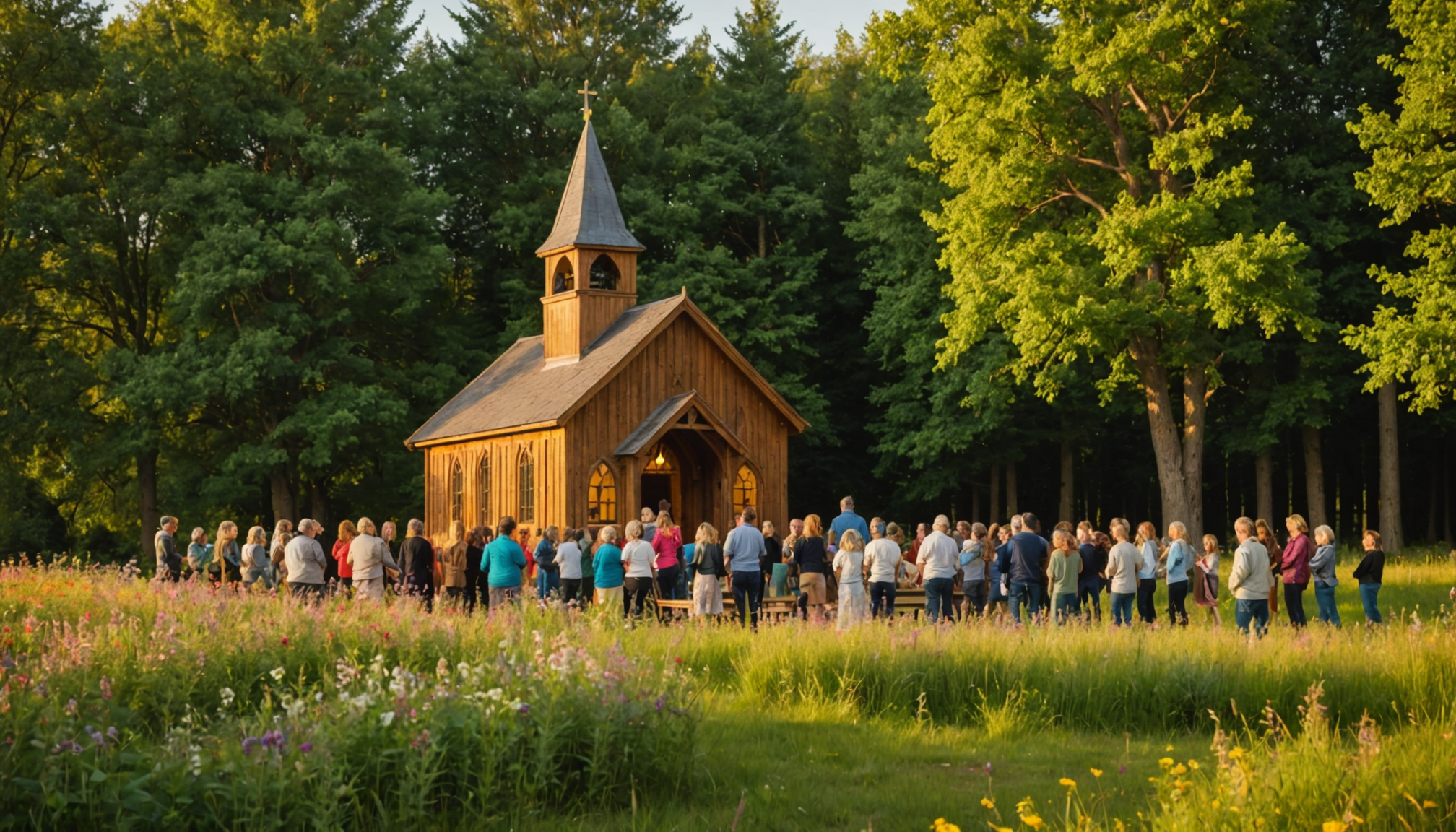
Cultural expressions of Sabbath in pioneer communities were replete with both shared traditions and unique practices that reflected their deep-seated faith and communal bonds. As the early Adventists sought to cultivate a distinct identity rooted in their beliefs, the Sabbath became a vivid tapestry woven with the threads of familial love, communal worship, and nature appreciation. The rituals and activities undertaken during this sacred time served not just as observances of a day but as affirmations of their commitment to a way of life grounded in spiritual values.
On Sabbath, every element of life assumed a sacred quality. Families, after completing their Friday preparation, would enter into a day replete with joyous activities that honored both their Creator and communal ties. Outdoor adventures were common, with families engaging in picnics or leisurely walks to appreciate the beauty of God’s creation, fostering a sense of awe and gratitude for the world around them. These experiences emphasized rest and rejuvenation, demonstrating how the rest day was a vital component of the Adventist lifestyle, presenting a stark contrast to the laborious demands of the week.
Sunset worship during the Sabbath was another pivotal communal practice, as it provided an opportunity for collective gathering and spiritual renewal. The evening rituals became a cherished time of singing, prayer, and reflection, reinforcing the importance of community in their spiritual lives. Gatherings were marked by heartfelt testimonies, scriptural readings, and an outpouring of gratitude, allowing families and friends to unify in their worship. Such moments helped to solidify their cultural identity and create a lasting legacy that would transcend generations.
The Sabbath was not merely an exercise in religious observance; it was a holistic expression of their beliefs, marked by familial closeness, reverence for God, and delight in communal life. These practices cultivated a rich environment within which family members nurtured each other’s spiritual growth while reinforcing their collective identity. The engagement in nature, the act of preparation on Friday, and the joy found in sunset worship became enduring elements of their lives, celebrating the sacredness of time set apart for communion with the divine and each other. Thus, the Sabbath stood as a testament not only of belief but as a cultural hallmark of early Adventist life, shaping who they were and how they related to the world around them.
- Why is the Sabbath important to Adventists?
- The Sabbath is considered a day of rest, worship, and spiritual rejuvenation among Adventists. They believe it is a divine mandate established by God, providing a time to connect with Him and foster community ties.
- How do early Adventists prepare for the Sabbath?
- Preparation typically begins on Friday, where families complete household tasks and engage in spiritual readiness. This involves setting aside time for scripture reading, prayer, and often sharing a special meal to invite the sacred atmosphere of the Sabbath.
- What activities are recommended for Sabbath observance?
- Common activities include attending sunset worship services, engaging in family outings, participating in nature walks, and enjoying meals together. These activities are aimed at fostering a sense of community and deepening spiritual connections.
- How did pioneer Adventists incorporate the Sabbath into their community life?
- The pioneers used the Sabbath to strengthen community bonds through shared worship, communal meals, and discussions about faith. These gatherings reinforced their collective identity and commitment to their beliefs.
- What role did nature play in Sabbath practices?
- Nature was seen as a reflection of God’s creation, providing a backdrop for restful and rejuvenating activities. Families would often engage in outdoor leisure, which fostered appreciation for the divine and strengthened familial ties.
- How does the Adventist understanding of Sabbath differ from other Christian denominations?
- Adventists observe the Sabbath on Saturday, the seventh day of the week, emphasizing its role as a day of rest mandated by the fourth commandment. This contrasts with many other denominations that observe Sunday as a day of worship and rest.
- What is meant by ‘sunset worship’ in the context of the Sabbath?
- Sunset worship refers to communal gatherings that take place at the beginning of the Sabbath, marked by singing, prayer, and devotion. This ritual is significant for transitioning into the sacred time of Sabbath and fostering community spirit.
Ashland Ashland Sabbath Chapel
Impact of Sabbath practices on Adventist identity
The steadfast observance of the Sabbath profoundly shaped the Adventist identity, serving as a beacon that illuminated their collective purpose and sense of community. Within the precincts of sacred time, these early believers found not only respite from their worldly labors but also a deliberate structuring of their lives that emphasized spiritual growth and familial bonding. The observance of this rest day became a unique marker of their faith, delineating them from other groups and grounding them in their commitment to uphold divine principles.
The rituals associated with Sabbath observance underscored the inherent value they placed on togetherness and communion. In preparation for this sacred time, the act of Friday preparation assumed a significance that transcended mere logistical necessity. It was a time of gathering insight, prayers, and anticipation, wherein families united in their efforts to prepare both their homes and their hearts. This transition from the frenetic pace of the week to the tranquil embrace of the Sabbath reflected a conscientious effort to infuse their everyday existence with devotion and reflection.
As the sun descended and the ethereal glow of candlelight filled their homes, the commencement of sunset worship marked a vital juncture in the lives of these believers. This communal gathering became a cherished practice, one that facilitated not just the sharing of faith but also the intertwining of lives and stories. Each hymn sung during those sacred moments resounded as a testament to their shared journey, a collective narrative underscored by the harmonies of faith. The sermons and prayers offered during these gatherings encouraged both individual reflection and community cohesion, allowing them to articulate their beliefs and aspirations as a unified body.
Furthermore, the activities undertaken throughout the Sabbath reinforced an identity rooted in familial love and nature’s embrace. Family activities, whether a leisurely walk through the verdant landscapes or engaging in playful pursuits, served as joyful declarations of their faith. It was as if nature became their sanctuary, urging them to appreciate the Creator’s handiwork even as they observed the holiness of the day. Such joyful engagements echoed their belief that the Sabbath was not merely a time for rest, but an opportunity to cultivate relationships—both divine and human—that flourished outside the pressures of daily life.
Thus, as they honored the Sabbath, these pioneers reinforced their commitment to a lifestyle enriched by faith, community, and respect for divine ordinance. The practices they upheld were not simply rituals; they were vital expressions of their identity, creating a rich heritage that underscored their shared values and fervent dedication. Within that sacred time, they forged a resilient social fabric, imbuing their lives with meaning, purpose, and a profound sense of belonging in a world often marred by disarray. The Sabbath thus emerged as a cornerstone of their faith, shaping them as a distinct community steadfast in their convictions and united in their devotion.
Beside our live streamed church services, all are welcome to attend our church in person each Saturday beginning 10:00 AM Central Time by going to 2425 Owens Rd., Ashland, AL 36251. There is no cost and any donations are strictly voluntary.
For questions, call +2563547124.