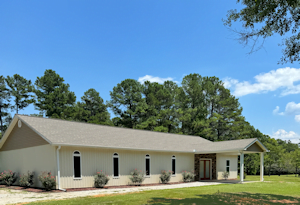
Come join Ashland Sabbath Chapel Ministries each Saturday for live streamed church services. Bible Study begins at 10:00 AM Central Time and Sermon at 11:00 AM. Visit Our YouTube channel and watch from home!
The construction methods employed in the context of the Adventist faith are distinctive, intertwining practicality with the modesty and simplicity that the principles of the movement advocate. These methods reflect a deep-seated commitment to values that prioritize functionality and community over ostentation. Notably, church buildings are often designed to serve multiple purposes, incorporating features that facilitate both worship and various community activities. This multifunctionality is a significant hallmark of Adventist architecture, emphasizing the role of the church as a central hub for community life.
In the realm of facility planning, the emphasis is placed on creating structures that are conducive to inclusivity, safety, and accessibility. The layout of these constructions is typically straightforward and intuitive, allowing congregants easy navigation and engagement with the space. The use of simple design elements assists in fostering a welcoming atmosphere, inviting participation without overwhelming complexity. Consequently, such architectural choices not only reflect the values of the Adventist community but also promote an environment where individuals feel comfortable and at ease.
Moreover, the practical architecture employed in Adventist building construction integrates both aesthetic and functional considerations. Structures are designed with an understanding of the diverse needs of the community, receiving input from members during the planning stages to ensure that the resulting buildings serve the congregation effectively. This participatory approach fosters a sense of ownership among community members, reinforcing their connection to the church and its activities.
Among the building techniques favored in Adventist construction are the use of durable materials and energy-efficient systems, which reflect a commitment to sustainability while enhancing the longevity of the structures. Preference is often given to local resources, which not only contributes to the local economy but also aligns with the Adventist ethos of stewardship of God’s creation. As such, many Adventist buildings are characterized by their resilience and simplicity, embodying the belief that less can indeed be more when it comes to creating sacred and communal spaces.
Overview of Adventist construction principles
Central to the ethos of Adventist building construction is a steadfast adherence to principles that evoke not only a sense of harmony with the natural world but also a profound respect for the community’s needs. Foremost among these principles is the idea of practical architecture, which seeks to meld utility with aesthetic appeal in a manner that does not detract from the fundamental mission of the church. This pragmatic approach manifests in designs that compliment their surroundings and, in their function, serve both sacred and secular purposes. The church buildings erected under this philosophy stand as testaments to the belief that spiritual pursuits and communal responsibilities need not be at odds but rather can be elegantly intertwined.
The architectural choices made by those within the Adventist tradition often reflect an awareness of the delicate balance between form and function. For instance, facility planning is executed with meticulous attention, ensuring that each aspect of the building caters to the multi-faceted demands of church life. Spaces are designed to encourage participation in various congregational activities, thereby transcending the conventional notion of a church solely as a place for worship. Community rooms, kitchens, and educational facilities are incorporated seamlessly into the overall structure, emphasizing that these edifices are not merely places to gather on the Sabbath but are in fact vibrant centers of community life throughout the week.
An appreciation for simplicity is another guiding principle, as evident in the focus on simple design elements that provide both elegance and functionality. Such designs maintain a visual clarity, eschewing unnecessary adornments in favor of a more streamlined approach. This aesthetic simplicity invites individuals from all walks of life to engage without intimidation, fostering an environment where everyone feels welcome. The thoughtful integration of natural light and open spaces further enhances the warmth of these buildings, nurturing a sense of belonging within the congregation.
Moreover, there exists a conscientious effort to incorporate sustainable practices into every layer of construction, aligning with the Adventist commitment to stewardship of the earth. The selection of materials often leans toward eco-friendly options, which not only diminish the overall environmental impact but also resonate with the values espoused by the community. In this way, Adventist building practices exemplify a profound respect for creation, aligning the act of building with the sacred responsibility of caring for the world entrusted to humanity.
In essence, the overarching construction principles of the Adventist community encapsulate a graceful interplay between the sacred and the practical, ensuring that each church building is not merely a physical structure but a living embodiment of the faith’s values, communal spirit, and commitment to sustainability. This synthesis serves as a model for future endeavors, inviting others to reflect upon their own construction approaches as they engage with the fundamental truths of community, stewardship, and worship.
Materials commonly used in Adventist buildings
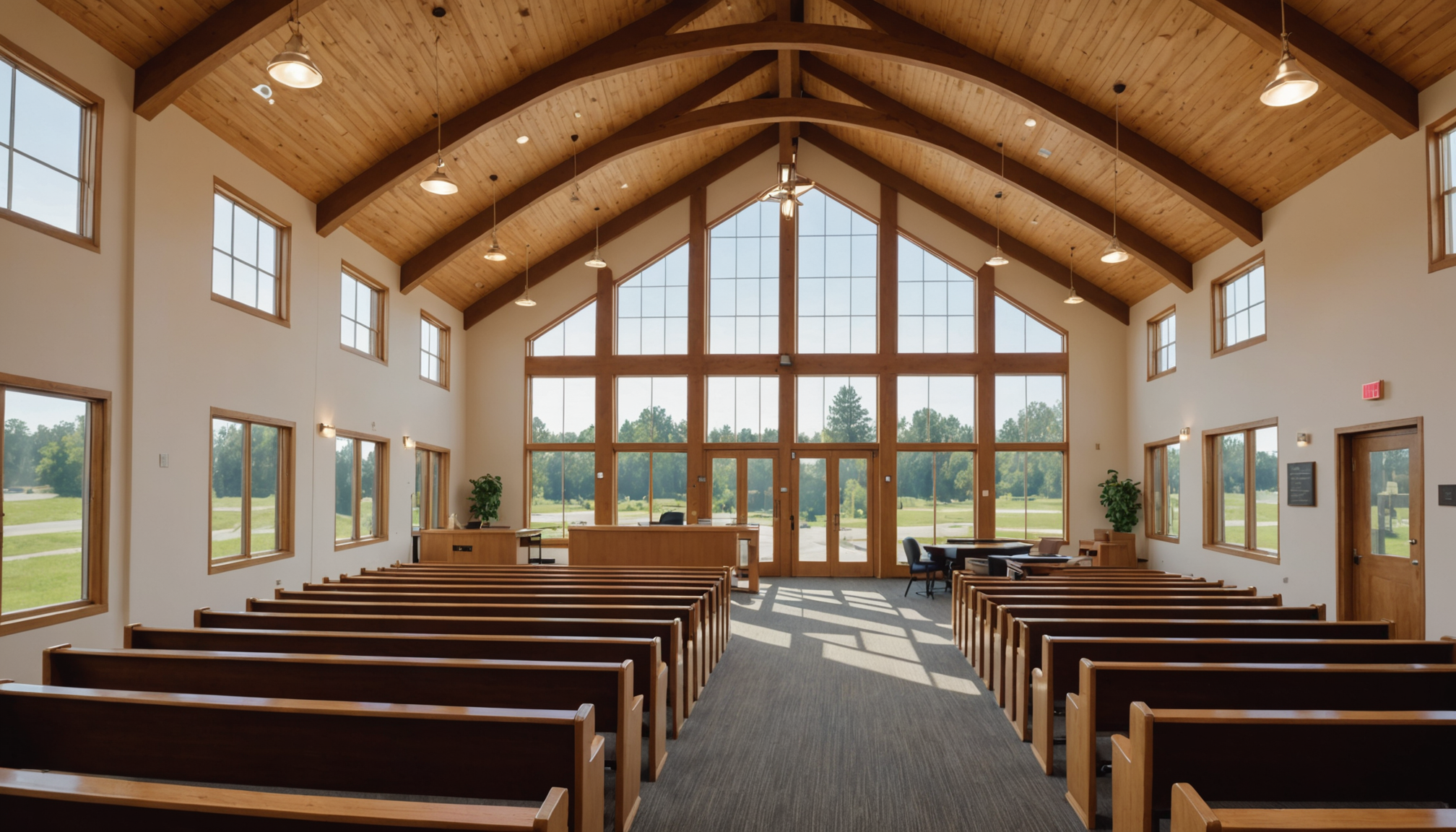
In the realm of Adventist building endeavors, a rich tapestry of materials is woven together, forming the very backbone of structures that not only reflect the faith’s principles but also ensure durability and functionality. Emphasis is placed on the careful selection of resources that resonate with the values of simplicity and sustainability. The materials chosen for church buildings bear significant weight, as they must withstand the test of time while offering a setting that nurtures community engagement.
To begin with, the use of locally sourced materials stands in stark contrast to the penchant for lavish, imported goods commonly found in the construction of ostentatious edifices. Local timber, stone, and masonry are favored not only for their environmental benefits, as their transportation leaves a smaller carbon footprint, but also for their ability to harmonize with the surrounding landscape. Such materials provide a sense of belonging to the community, linking the structures to their roots and offering a familiar touch that resonates with congregants.
Among the most favored construction materials is wood. Its availability, sustainability, and versatility make it a prevalent choice for both aesthetic and structural applications. Wood lends itself to a variety of finishes and forms, enabling the creation of not only resilient beams and trusses but also the inviting warmth of interior spaces. An embrace of wood within church buildings is emblematic of an approach wherein the tactile and natural characteristics of the material complement the spiritual atmosphere, fostering a tranquil environment conducive to worship and fellowship.
In addition to wood, the inclusion of earth-appropriate materials such as adobe, rammed earth, or straw bales aligns with both practical architecture principles and the commitment to sustainable practices. These materials offer excellent insulation properties, thereby reducing energy consumption and creating comfortable shelter for congregants year-round. Their inherent beauty, often characterized by natural hues and textures, introduces an element of simplicity that resonates deeply with the Adventist ethos.
Furthermore, modern sustainable practices have ushered in the use of recycled and repurposed materials in Adventist construction. By repurposing existing structures or materials, congregations not only honor the principle of stewardship but also mitigate waste, demonstrating an innovative spirit that aligns with their core beliefs. Such resourceful practices encourage creativity in design and construction, allowing Adventist builders to craft spaces that reflect both their mission and their commitment to responsible living.
When it comes to facility planning, the materials chosen play a crucial role in the building’s overall functionality. For instance, the integration of natural light is maximized through the use of large windows and open spaces, employing glass that is both energy-efficient and inviting. These design elements serve to illuminate interiors while reducing reliance on artificial lighting, drawing attention to the beauty of the outside world and its connection to the spiritual journey of the community.
Ultimately, the materials employed in Adventist buildings do more than merely constitute physical structures; they embody a philosophy rooted in sustainability, simplicity, and communal authenticity. Each selection bears the mark of careful consideration, urging those who walk through the doors of these edifices to appreciate not only their beauty but also the intentionality behind their construction. In this way, the materials go beyond their functional roles, serving as a testament to the faith’s enduring values and the steadfast commitment to building a sanctuary that is both a home and a beacon for its inhabitants.
Sustainable practices in Adventist architecture
In the pursuit of sustainable practices within Adventist architecture, a multifaceted approach emerges, intertwining long-held values of stewardship with forward-thinking design principles. Central to this vision is the conscientious selection of materials and methodologies that minimize environmental impact while maximizing the utility inherent in church buildings. This alignment resonates deeply with the Adventist commitment to caring for creation, marrying ecological responsibility with the necessity for functional spaces that serve communities effectively.
One primary area of focus is the incorporation of energy-efficient systems throughout the construction process. By prioritizing renewable energy sources like solar panels, Adventist facilities can significantly reduce their reliance on non-renewable power. Employing sustainable energy solutions not only supports local governments’ initiatives for greener living but also models responsible stewardship for congregants and the surrounding community. This emphasis on energy-efficient technology aligns seamlessly with the principles of practical architecture that define Adventist construction.
The practice of water conservation is another critical component in the movement towards sustainability within Adventist architecture. Rainwater harvesting systems, which capture natural precipitation for use in irrigation and plumbing, exemplify a pragmatic approach to resource management. Such systems reduce the overall demand on municipal water supplies and promote an understanding of the vital importance of water conservation in fostering a sustainable future. As educators, Adventist facilities become examples of how ethical practices can directly inform communal living.
Building orientation can also play a pivotal role in enhancing sustainability. By strategically positioning church buildings to take advantage of natural light and prevailing winds, designers can significantly mitigate the need for artificial heating and cooling systems. The judicious use of passive solar design reflects a profound understanding of the local climate and topography, allowing the structures to coexist harmoniously with their environment. This attention to location and layout ensures that functionality remains at the forefront, underscoring the idea that simplicity in design does not equate to a lack of sophistication.
Moreover, the trend towards adaptive reuse of existing structures stands as a testament to the resourcefulness and creativity embedded within the Adventist ethos. Rehabilitating older buildings to serve new community purposes honors the history and narrative of the place while simultaneously curbing the demand for new construction. Such practices resonate with congregational values, as they emphasize the significance of heritage and continuity within the ever-evolving context of community life, ultimately reinforcing a sense of belonging among congregants.
The emphasis on sustainability in Adventist architecture extends beyond physical materials and construction techniques; it also permeates the very culture surrounding facility planning. Educational initiatives that focus on environmental stewardship further embed these principles within the community, encouraging congregants to adopt similar sustainable practices in their personal lives. By fostering awareness and engagement, the Adventist community cultivates a legacy of responsible living that transcends the confines of church buildings and permeates everyday interactions.
Through such intentional efforts, Adventist architecture becomes a vibrant expression of the faith’s core tenets. It encapsulates a commitment to simplicity, functionality, and sustainability, reflecting a profound understanding of the responsibility that accompanies the act of construction. Each building thus stands as a living representation of the Adventist vision—promising not only a space for worship but also a sanctuary that nurtures a sustainable future, embodying the very principles upon which it was built.
Design considerations for community spaces
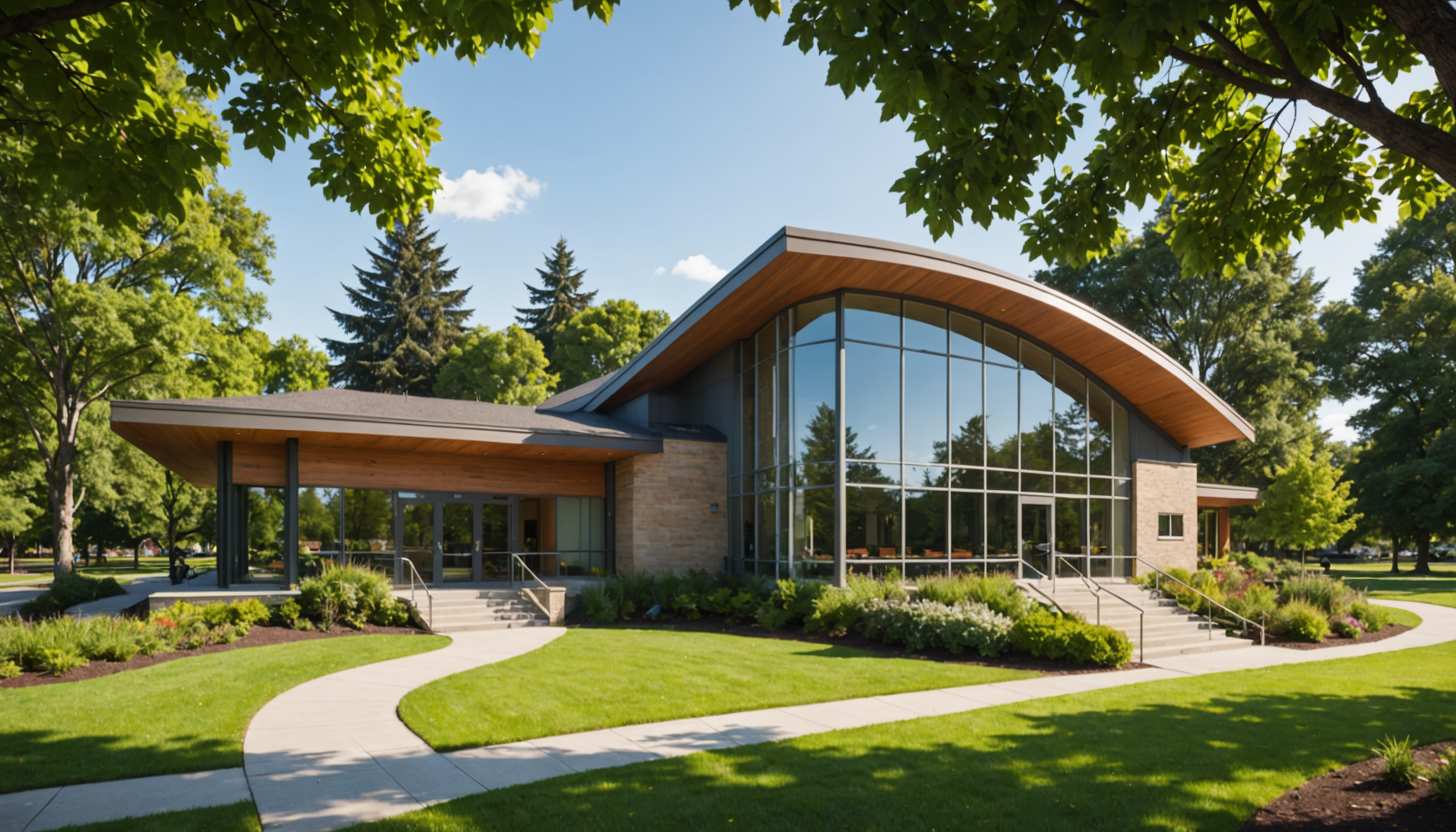
In the context of designing community spaces within Adventist church buildings, several key considerations emerge that reflect the core values of the community. The architectural layout and facility planning are approached with careful thought, seeking to create environments where members can gather, learn, and connect. It’s paramount that these spaces foster a sense of belonging and inclusivity, allowing individuals to engage in various communal activities beyond traditional worship services.
Flexibility stands out as a prominent feature in the design of these spaces. Rooms are often created with multifunctionality in mind—allowing for seamless transition from worship gatherings to social events, educational programs, or outreach initiatives. This adaptability underscores the importance of practical architecture, ensuring that the facilities serve the dynamic needs of the congregation while minimizing unnecessary construction costs. By prioritizing these elements in the design phase, church buildings can transcend their initial purpose, becoming true community hubs.
Moreover, the integration of natural elements within the design not only enhances the aesthetic quality but also aligns with the Adventist commitment to stewardship of the environment. Features such as large windows to maximize natural light and the inclusion of green spaces for outdoor activities encourage congregants to appreciate and connect with creation. Such simple design principles ensure that the architecture complements its environment, creating serene settings that invite congregants to reflect, share, and grow together.
Equally important is the consideration of accessibility in facility planning. Ensuring that church buildings are welcoming to all individuals, regardless of physical ability, is a fundamental aspect of the Adventist faith. Thoughtful design elements such as ramps, wider door frames, and accommodating restrooms are essential to creating an inclusive environment. This commitment to accessibility speaks volumes about the community’s values, affirming that each individual holds intrinsic worth and deserves a space where they can participate fully.
The exposure of the church buildings to the surrounding community also bears significance. Many designs incorporate elements that create a visible and inviting atmosphere, reinforcing the message that the church exists not solely for its members, but also as a resource for the community at large. This transparency invites curiosity and encourages non-members to engage with the church’s mission, further solidifying the congregation’s role as a beacon of hope and service.
Ultimately, designing community spaces within Adventist architecture is a testament to the faith’s dedication to fostering strong relationships, inclusivity, and environmental consciousness. Through thoughtful planning and design, these church buildings are crafted to serve as nurturing environments where faith and community converge, inviting all individuals to partake in the life of the church.
- What are the key principles of Adventist building construction?
- The key principles include practicality, simplicity, sustainability, and community engagement. Buildings are designed to be multifunctional and to blend harmoniously with their surroundings while remaining inclusive and welcoming.
- How do Adventist churches incorporate sustainability in their construction?
- Sustainability is integrated through the use of eco-friendly materials, energy-efficient systems, and practices like rainwater harvesting. These efforts reflect a commitment to stewardship of the earth while enhancing the longevity and functionality of the church buildings.
- What materials are commonly used in Adventist church buildings?
- Common materials include locally sourced wood, earth-appropriate materials like adobe, and repurposed elements. The focus on local resources minimizes environmental impact and fosters a sense of connection to the community.
- How does facility planning promote community engagement?
- Facility planning promotes community engagement by creating versatile spaces that serve various purposes—from worship to educational programs. This multifunctional design encourages participation and fosters a vibrant community life.
- What role does accessibility play in Adventist architecture?
- Accessibility is a priority in Adventist architecture to ensure that all individuals, regardless of their physical abilities, can participate fully in church life. This includes features such as ramps and wider doorways, reflecting the community’s commitment to inclusivity.
- Why is natural light important in church building design?
- Natural light enhances the aesthetic quality of church spaces, promotes energy efficiency, and creates a warm, inviting atmosphere. It connects attendees to the outside world, enriching their experience during worship and community activities.
- How do Adventist buildings reflect the community’s values?
- Adventist buildings reflect the community’s values through their designs, focusing on simplicity, practicality, and sustainability. This intentional architecture nurtures relationships, fosters inclusivity, and embodies a commitment to environmental stewardship.
Case studies of notable Adventist constructions
Within the modest yet captivating realm of Adventist architecture, several prominent examples stand as beacons of innovation and community spirit. Each case story unfolds like a narrative of commitment and vision, bearing testimony to the harmonization of design, function, and faith. One such notable example is the Riverside Church located in the heart of a bustling community. This church building exemplifies the Adventist principles in its careful blending of practical architecture with a warm ambiance that invites all who pass through its doors.
The Riverside Church serves not only as a sacred space for worship but also as a vibrant hub for various community events. An architectural feature that distinguishes this building is its grand common area, where high ceilings and large windows allow natural light to flood the space, reflecting a commitment to the integration of the outside world with the inside of the church. This layout not only fosters a sense of openness and connection but also emphasizes the principle of multifunctionality, as the space accommodates worship services, educational sessions, and communal gatherings within a single setting.
Furthermore, the construction of Riverside Church prominently incorporates locally sourced materials—timber from nearby forests and stone from local quarries—as a choice that resonates deeply with the community it serves. This mindful selection of resources communicates a profound respect for the environment while embodying a commitment to simplicity. The church thus stands as a testament to the intrinsic connection between faith and stewardship, branding itself as not only a place of spiritual growth but also as a pillar of community sustainability.
Another remarkable case study is the Greenfield Adventist Community Center, which reflects a thoughtful approach to facility planning. Anticipating the needs of a diverse congregation, it features adaptable spaces that can be easily reconfigured for a myriad of events, from cultural celebrations to health workshops. The design embraces the essence of practical architecture, emphasizing clarity and ease of use while promoting social interaction. The brightly colored walls and engaging artwork evoke a sense of liveliness, inviting members of all ages to participate fully in the life of the community.
The Greenfield center further illustrates the Adventist commitment to sustainability by incorporating advanced ecological technologies such as rainwater harvesting and solar panels. These innovations educate congregants about environmental responsibility, seamlessly intertwining spiritual teachings with practical applications. The design choices reflect a future-oriented ethos that looks beyond the immediate needs, aiming to cultivate a community that is aware of and active in its stewardship of the earth.
Indeed, every corner of these church buildings is imbued with a narrative of care and purpose—a testament to the Adventist faith’s emphasis on creating spaces that are not simply venues for worship but are, rather, extensions of the community’s values. Each case study reveals a commitment to foster relationships, promote inclusivity, and encourage environmental stewardship. In traversing the thresholds of these edifices, one encounters a living expression of faith, crafted with mindful intention and a resolute dedication to the principles that guide the Adventist community.
Beside our live streamed church services, all are welcome to attend our church in person each Saturday beginning 10:00 AM Central Time by going to 2425 Owens Rd., Ashland, AL 36251. There is no cost and any donations are strictly voluntary.
For questions, call +2563547124.