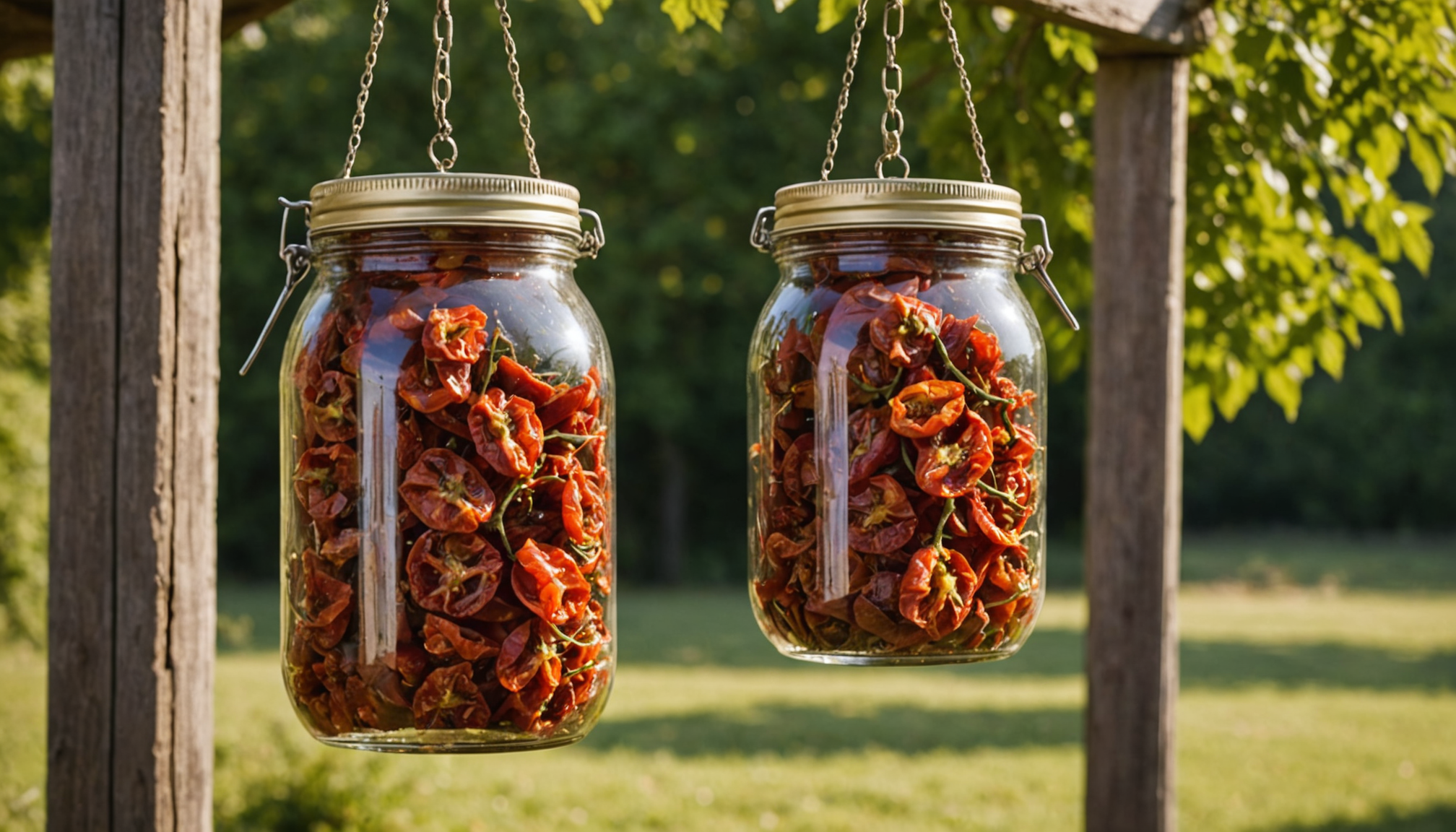
Come join Ashland Sabbath Chapel Ministries each Saturday for live streamed church services. Bible Study begins at 10:00 AM Central Time and Sermon at 11:00 AM. Visit Our YouTube channel and watch from home!
Throughout the annals of human existence, the need for sustenance to endure during the frosty months has burgeoned into a remarkable pursuit of ingenuity among our predecessors. In particular, among the community of pioneers adhering to the principles of the Adventist faith, the methods of food preservation have evolved into an artful array of techniques. These practices were imbued with the overarching understanding of both health and the sanctity of natural resources.
Canning methods emerged as an innovative response to the perennial challenge of ensuring edibles would not succumb to the ravages of time and decay. This technique, which involves sealing food within airtight containers and subjecting them to heat, served as a remarkable deterrent to spoilage. Canning was not merely an answer to the plight of *winter preparation*; it became a conduit for the preservation of nutritional values, allowing families not only to sustain themselves but also to thrive even in the harshest of climates.
Equally notable are the drying techniques adopted by these early custodians of sustenance. The simple act of removing moisture from fruits, vegetables, and meats rendered them invulnerable to the corrosive effects of decay. This method, often accompanied by the sun’s warm embrace, allowed for *harvest preservation* that balanced practicality with the flavors inherent in nature’s bounty.
Storage solutions became a fundamental aspect of these preservation methods. The ingenuity displayed in the creation of root cellars and cool stores provided an ideal environment for maintaining the freshness of produce, thus extending the harvest well into the desolate winter months. Such foresighted measures not only facilitated sustenance but also fostered a sense of communal resilience, epitomizing the very spirit of pioneering survival.
In contemplating the endeavors of these early Adventists, one observes a profound respect for the interconnectedness of life, sustenance, and health. Their methods of food preservation stand as a testament to their resourcefulness and an enduring legacy that continues to inform contemporary practices in an ever-evolving landscape of nutritional science.
Historical significance of adventist practices
The historical significance of Adventist practices in food preservation extends well beyond mere sustenance; it is deeply intertwined with the ethos of a community that prioritized wellness and environmental stewardship. Adventists, guided by their belief in holistic health, considered food preservation not just a practical necessity but a moral imperative. Their innovative approaches were often ahead of their time, emphasizing the importance of maintaining wholesome, nutrient-dense foods that were in harmony with natural laws.
Within the framework of harvest preservation, these early practitioners understood the value of agriculture not merely as a means of producing food but as a vocation aligned with divine principles. The careful preparation and storage of seasonal crops reflected a broader worldview, one that acknowledged the cyclical nature of life and the need to respect the earth. They recognized that the bounty of the harvest had a purpose, one that extended into the winter months, when fresh produce was scarce. Hence, their *winter preparation* rituals were not only practical in their design but imbued with a sense of reverence for the sustenance provided by the land.
In terms of cultural heritage, the significance of these methods cannot be overstated. Many Adventists brought their techniques with them as they traversed new lands, effectively sharing their knowledge and practices with diverse communities. This act of dissemination introduced methods such as *canning*—which was revolutionary in its ability to retain food quality over time—to a wider audience. Furthermore, the principles that underpinned these practices fostered an ethos of innovation. For example, using natural preservatives alongside canning methods ensured that the health of individuals was maintained, while also minimizing waste, a testament to their respect for all living things and the resources provided by nature.
Moreover, the collaborative endeavors to create sustainable food systems solidified community bonds. Adventist gatherings often centered around the sharing of knowledge on *drying techniques* and food storage methods. These shared experiences not only facilitated survival but also cultivated an identity rooted in mutual support and collective well-being. The importance placed on preserving food became emblematic of a larger narrative about the Adventist commitment to health, faith, and community.
In its deeper implications, the legacy of these food preservation practices resonates with contemporary society, urging members of the present day to reflect upon their relationship with food and the environment. The foundational beliefs of the Adventist community regarding the sanctity of health, sustainability, and respect for natural resources continue to inspire modern approaches to nutrition and ethical food systems. Thus, what began as a necessity among pioneers evolved into a rich tradition that influences current practices, encouraging a return to more thoughtful and sustainable methods of living.
Techniques and innovations in preservation
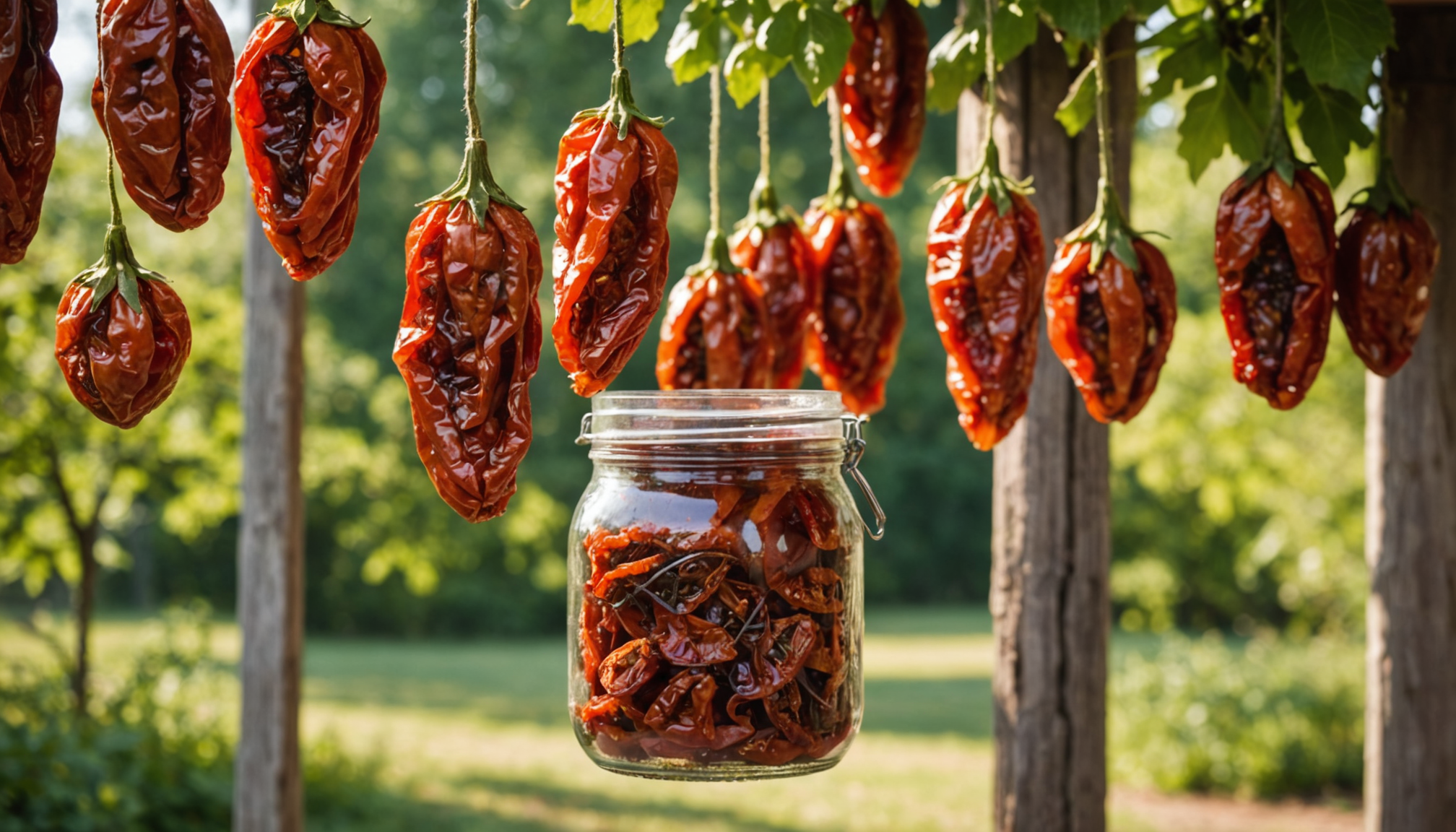
The techniques and innovations employed by the pioneers in food preservation were as varied as the landscapes they inhabited. Each method reflected not only a need to sustain life but also a deep respect for the earth and its cycles. Among these techniques, canning methods began to shine through as a revelation. Enclosing fruits, vegetables, and meats in glass jars, then heating them to create a vacuum, allowed families to enjoy the taste of summer long after the last leaves had fallen. It was not merely soldiering through the cold months; it was the art of capturing nature’s treasure and cherishing it. As they sealed those jars, they sealed memories too, intertwining the past with their survival in the present.
Continuing the theme of ingenuity, drying techniques emerged as a practical necessity that only years of experience could refine. Imagine the sun-dried tomatoes hanging bright on a line, their flavor intensified under the warm rays, or the sweet slices of peaches transitioning from fresh summer bounty to chewy nuggets of delight. This method, straightforward yet effective, transformed the perishability of produce into something enduring. The pioneers knew that removing moisture was key to thwarting the decay that chased after every fruit and vegetable. Benefits extended beyond mere preservation; they created opportunities for creativity within the kitchen. What was once ordinary became extraordinary through the lens of drying, turning forgotten scraps into savory snacks.
Storage solutions played a crucial role in these preservation strategies. The creation of root cellars became a common feature in many Adventist homes, constructed with care and purpose. These cool, dark environments helped to extend the life of root vegetables, ensuring that enough potatoes and carrots remained through the frostbitten months. The act of digging into the earth to access sustenance mirrored a profound understanding of nature’s cycles—a relationship built on respect and gratitude. Here, winter preparation shifted from a chore into a sacred ritual that acknowledged the necessity of preparation and foresight.
As Adventists shared their practices and techniques, they didn’t just impart knowledge; they wove a tapestry that held their community together. It was less about individual survival and more about collective resilience. Techniques were passed from one generation to the next, each family infusing their flair into familiar recipes and methods. The act of gathering for canning parties, trading tips on the best drying techniques, and maintaining shared storages only deepened the bonds forged through shared labor and devotion. Each jar that they canned together stood not merely as a reflection of their readiness for winter but as a symbol of their unity.
This continuous cycle of innovation in food preservation spoke volumes about their understanding of health and nutrition. It was never just about filling bellies; it was about nourishing souls. In their minds, the bright preserves and wholesome dried fruits represented the very essence of life—a connection to the land, celebrated through thoughtfully prepared sustenance. As these techniques evolved, they fostered a culture of well-being, emphasizing the considerable impact of nutrition on one’s physical and spiritual health.
Impact on health and nutrition
The impact of these preservation methods on health and nutrition can hardly be overstated. By maintaining the integrity of the food they prepared, the pioneers ensured that the nutritional value remained intact long after the harvest had passed. Canning methods allowed them to preserve vitamins and minerals, safeguarding essential nutrients during the cold months when fresh produce was scarce. The art of sealing fruits in jars was akin to sealing in vitality, offering families a direct connection to nature’s bounty even in the depths of winter.
Moreover, the reliance on drying techniques transformed what could have been waste into nutritional treasures. Drying not only concentrated flavors but also rendered food lighter and easier to store. This method allowed for a variety of foods to be available year-round, ensuring that fiber-rich vegetables and fruits contributed to balanced diets throughout the year. When dried and stored properly, the nutrients were preserved, providing sustenance that nurtured both body and spirit.
Storage solutions, particularly root cellars, played an equally pivotal role in promoting health. With careful attention to temperature and humidity, these cool havens allowed potatoes, carrots, and other vegetables to maintain their nutritional quality for months on end. The act of preparing these cellars became a communal effort, reinforcing the idea that health was not merely an individual responsibility but a collective goal. Each root dug from the earth symbolized a family’s health and well-being, a tangible reminder of their connection to the land and one another.
In conjunction with these methods, the principles of *winter preparation* extended the health benefits beyond mere sustenance. The Adventist view of holistic health encompassed physical, mental, and spiritual well-being. They understood that nourishment was multifaceted; thus, each meal was an opportunity to reinforce habits that promoted vitality. Dishes made from home-preserved ingredients were not only wholesome but also served as nurturing nourishment in times of hardship.
<pAdditionally, the awareness of the importance of whole foods fostered a culture of care. Nutrition became intertwined with values such as simplicity and balance. Families gathered to share meals, created from their preserved stocks, reinforcing both health and community ties. Through this, the consequences of preservation methods rippled outward, promoting stronger family units and healthier environments.
<pIn this way, the legacy of these practices presented profound implications for contemporary approaches to nutrition. As modern society grapples with food scarcity and nutritional deficits, the pioneer techniques of preservation stand as beacons of wisdom. They showcase how thoughtful attention to food can sustain not just the body but the bonds within a community. The lessons learned from the Adventist pioneers remind us that health and nutrition are inextricably linked to the values we uphold and the practices we embrace.
Legacy and modern applications
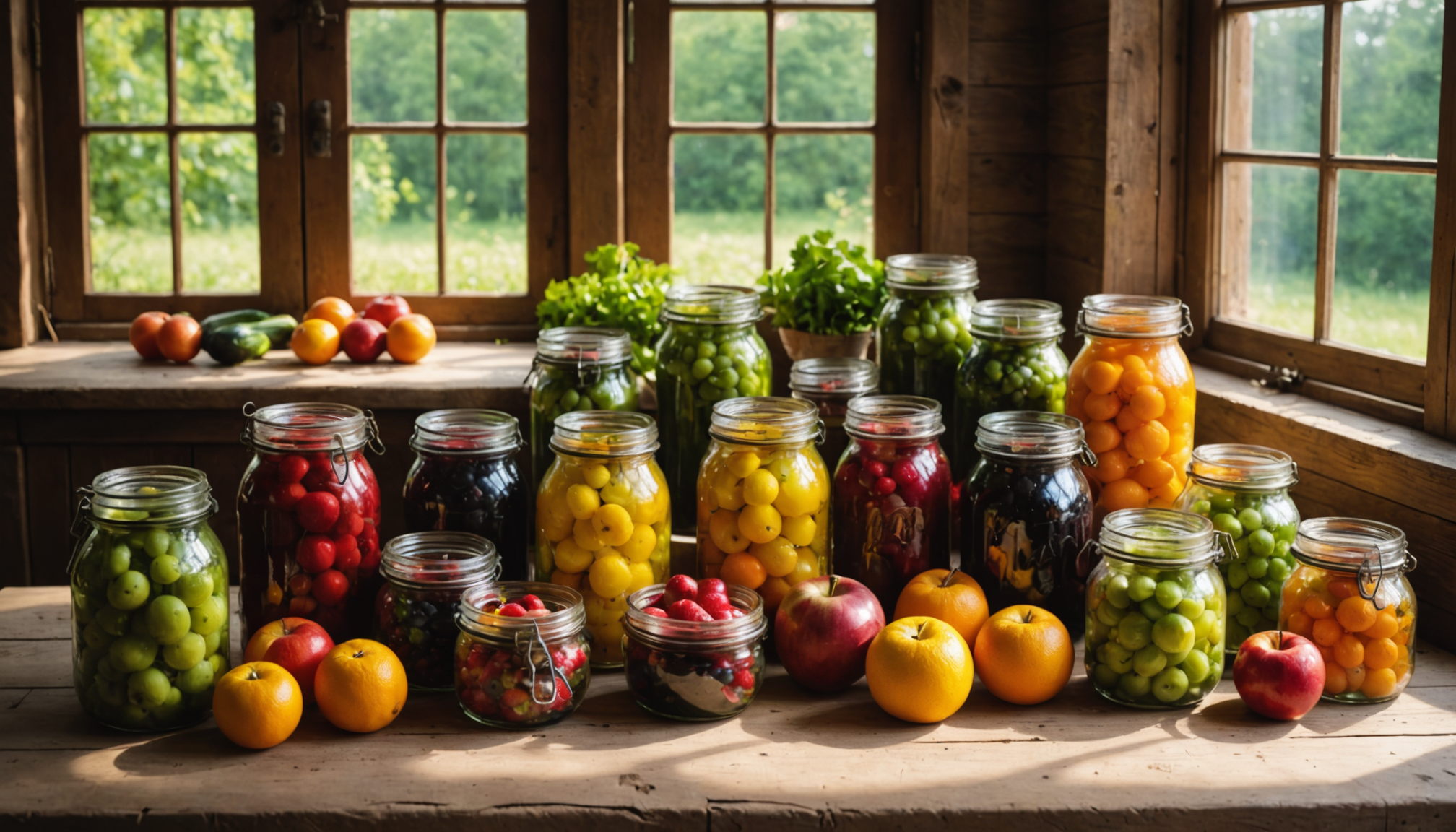
The continuation of the legacy left by the pioneering Adventists is evident in many modern applications of food preservation techniques, which uphold the same foundational principles of sustainability, community, and health. In a world increasingly aware of nutritional quality and environmental impact, these time-tested methods are being re-adopted, embraced by those looking to create a more robust connection to their food sources. The emphasis on canning methods is particularly resonant; both individuals and communities are rediscovering the joy of filling jars with seasonal produce, allowing the flavors of summer to brighten winter meals. This revival is not merely about convenience; it embodies a conscious choice to engage with the cycles of nature, contemplating the implications of what we consume and how we source it.
Moreover, the resurgence of drying techniques showcases a practical and creative way to reduce food waste. As people strive to better utilize surplus produce—fruits, herbs, and vegetables—drying offers a sustainable solution that not only extends shelf life but concentrates flavors and nutrients as well. Home-dehydrated snacks, herbs, and meals are becoming staples in many households, reflecting a throwback to simpler times where resourcefulness was paramount. This exploration into the present echoing past practices pushes individuals to consider not just their dietary choices, but the environmental footprints they create through those choices.
Storage solutions also remain fundamental to preserving food today. The community-oriented designs of root cellars have evolved into modern-day pantry systems, aimed at optimizing space while ensuring the longevity of fruits and vegetables. An increased interest in local farming and seasonal eating has prompted many to adopt these solutions, leading to a renaissance of winter preparation rituals that honor both tradition and innovation. The communal aspect of these practices cannot be overlooked, as many are now investing time with friends and family, learning together about the art of preservation while fostering social bonds and a shared commitment to health.
As these principles persist and evolve, they invite a broader contemplation of food systems, encouraging individuals to reflect deeply on their nutritional habits and ethical responsibilities toward the environment. The legacy of those early Adventists not only highlights effective preservation methods but also inspires a movement that intertwines wellness, sustainability, and community connectivity. This revival serves as a reminder of the profound influence that historical practices can have on contemporary life, sparking curiosity and a renewed desire for knowledge about the food we consume and the manner in which we preserve it.
- What are the primary food preservation methods used by Adventists?
- Adventist pioneers primarily utilized canning methods, drying techniques, and established storage solutions like root cellars to preserve food. These methods helped extend the shelf life of produce while maintaining nutritional quality.
- How did food preservation practices influence health in the past?
- These practices ensured that vital nutrients remained intact, especially during winter months when fresh food was scarce. The emphasis on holistic health among Adventists also promoted a balanced diet that fostered physical, mental, and spiritual well-being.
- Are there modern-day applications for these preservation techniques?
- Yes, many people today are rediscovering canning, drying, and effective storage as ways to minimize waste and connect with seasonal food sources. These methods are being integrated into community initiatives focused on sustainability and health.
- What role does community play in food preservation today?
- Community plays a significant role in sharing knowledge and resources, as many individuals partake in group canning or drying sessions. This collaborative approach not only enhances skills but reinforces social connections around the shared goal of food sustainability.
- How can I start practicing food preservation at home?
- Begin with simple projects like canning seasonal fruits or drying herbs. Research local workshops or online tutorials to build confidence and skills, and consider creating a plan for preserving harvests throughout the year.
- What are the environmental benefits of food preservation?
- Food preservation reduces waste and encourages mindful consumption by making the most of seasonal produce. It also promotes local agriculture, minimizes reliance on imported foods, and reduces carbon footprints associated with food spoilage.
- How does preserving food contribute to a more sustainable diet?
- Preserving food allows individuals to enjoy seasonal crops throughout the year, reducing the need for long-distance transportation. This fosters a diet centered around local and seasonal ingredients, which is more environmentally sustainable.
Beside our live streamed church services, all are welcome to attend our church in person each Saturday beginning 10:00 AM Central Time by going to 2425 Owens Rd., Ashland, AL 36251. There is no cost and any donations are strictly voluntary.
For questions, call +2563547124.