Come join Ashland Sabbath Chapel Ministries each Saturday for live streamed church services. Bible Study begins at 10:00 AM Central Time and Sermon at 11:00 AM. Visit Our YouTube channel and watch from home!
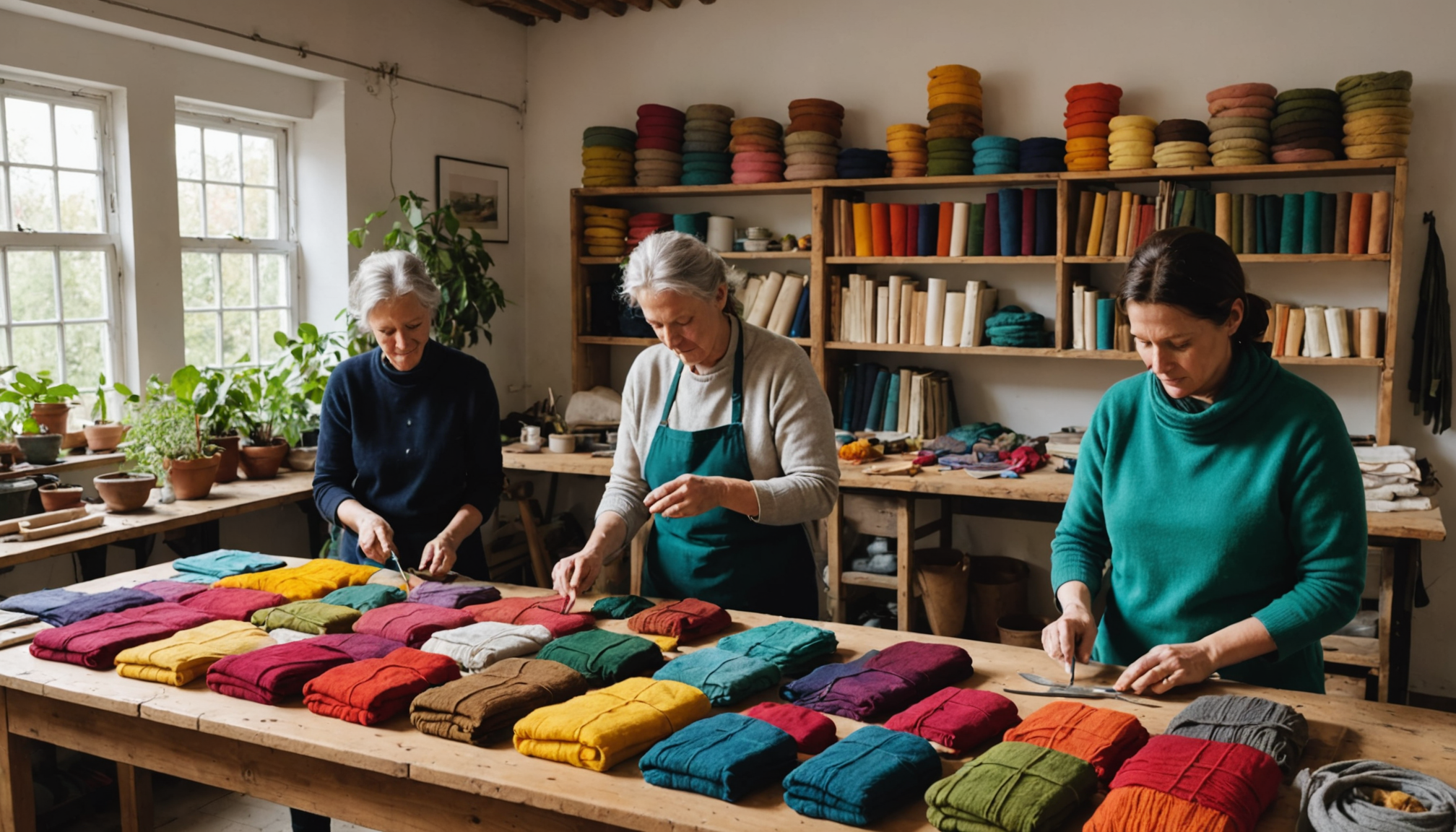
In the world of Adventist textile production, practices lean heavily on a rich tradition that champions both craftsmanship and community values. The emphasis is on quality fabric work, often showcasing the skills passed down through generations. Adventist artisans frequently engage in cloth making that not only aims for aesthetic appeal but also serves a higher purpose, reflecting their commitment to care for the environment and their neighbors.
The use of natural fibers is a hallmark of these practices. Many Adventist textile producers favor wool processing, utilizing locally sourced materials to create warm, durable clothing materials. This local sourcing not only supports farmers but also minimizes the carbon footprint associated with transportation. Adventist textile production emphasizes sustainability, with a commitment to ethical practices that promote environmental stewardship.
Communities come together in workshops and cooperative settings, sharing techniques and knowledge in fiber arts. Here, enthusiasts learn about dyeing methods using plants, spinning yarn, and weaving, ensuring that traditional skills aren’t lost to modernity. These gatherings foster a sense of belonging and collaboration, vital components in the fabric of Adventist life.
Moreover, the production of clothing materials often incorporates fair labor practices. The focus remains on uplifting local economies, where every stitch tells a story of a craftsman dedicated to their work. In this manner, Adventist textile practices are more than just a means to create; they are a vehicle for expressing faith, promoting sustainable livelihoods, and nurturing community ties.
As these production practices evolve, there is a growing interest in integrating modern techniques with traditional methods. This blend allows Adventist textile producers to maintain their unique identity while adapting to contemporary trends. The journey of Adventist textiles is one of resilience, dedication, and a commitment to both quality and conscience.
History of Adventist textile initiatives
The history of Adventist textile initiatives is woven into the very fabric of the community’s identity, a narrative rich with threads of faith, innovation, and a steadfast commitment to social responsibility. It is a tale that unfurls over centuries, echoing the values imparted by pioneers who, guided by their conviction, sought to blend their spiritual beliefs with practical applications in everyday life. This convergence of purpose illustrates how the act of creating clothing materials transcends mere necessity; it becomes an expression of belief, of hope, and perhaps most importantly, of service to others.
In the early days, when the Adventist movement began taking root in the late 19th century, there was a clear recognition of the need for self-sufficiency within the community. It was amidst this backdrop that the seeds of textile production were sown. Adventist leaders and innovators embraced cloth making not just as a means to garment making, but as a vital opportunity to engage with local economies, cultivate skills, and forge connections. Each piece of fabric was imbued with the spirit of cooperation, a reflection of a communal effort that sought to uplift rather than exploit.
Moreover, as the movement spread globally, so too did the methods and materials utilized in textile production. In diverse regions—from the rolling hills of North America to the vibrant landscapes of Africa and South America—Adventist initiatives adapted to local resources, each iteration contributing to the broader tapestry of Adventist textile history. In this context, the practice of wool processing flourished, allowing artisans to create robust and functional attire suited for various climates. The communal workshops became incubators of creativity and skill, where men and women gathered to share techniques, from spinning fibers to dyeing fabrics using natural techniques passed down through generations.
Additionally, the implications of these textile initiatives stretched far beyond the material realm. They cultivated a sense of identity and belonging, where artisans, regardless of their origin, united under a shared mission. Annamarie, a skilled dyer from South Africa, recalls how her mother taught her to weave stories into every pattern she created. “Every color, every knot carries a piece of our collective narrative,” she reflects, emphasizing how these initiatives also serve as vessels for storytelling, connecting individuals to their heritage and to one another.
As Adventist textile practices developed, so did a conscious awareness of the ethical dimensions of production. The mid-20th century saw an awakening; manufacturers began to recognize their impact on both society and the environment. This awareness ushered in a new era, one where Adventist textile initiatives began to prioritize sustainability and social justice, combining artistry with advocacy. The creation of clothing materials was no longer just about commercial success; it morphed into an endeavor of moral significance—a commitment to uplift communities and care for the earth itself.
Through the lens of history, it becomes evident that Adventist textile initiatives are steeped in ideals that underscore their relevance today. The journey of these practices reflects a deeper understanding of the interconnectedness of faith, community, and craft. Each thread spun carries forward traditions that not only cherish the past but inspire future generations to continue this labor of love, celebrating a way of life rooted in both legacy and promise.
Sustainable practices in textile production
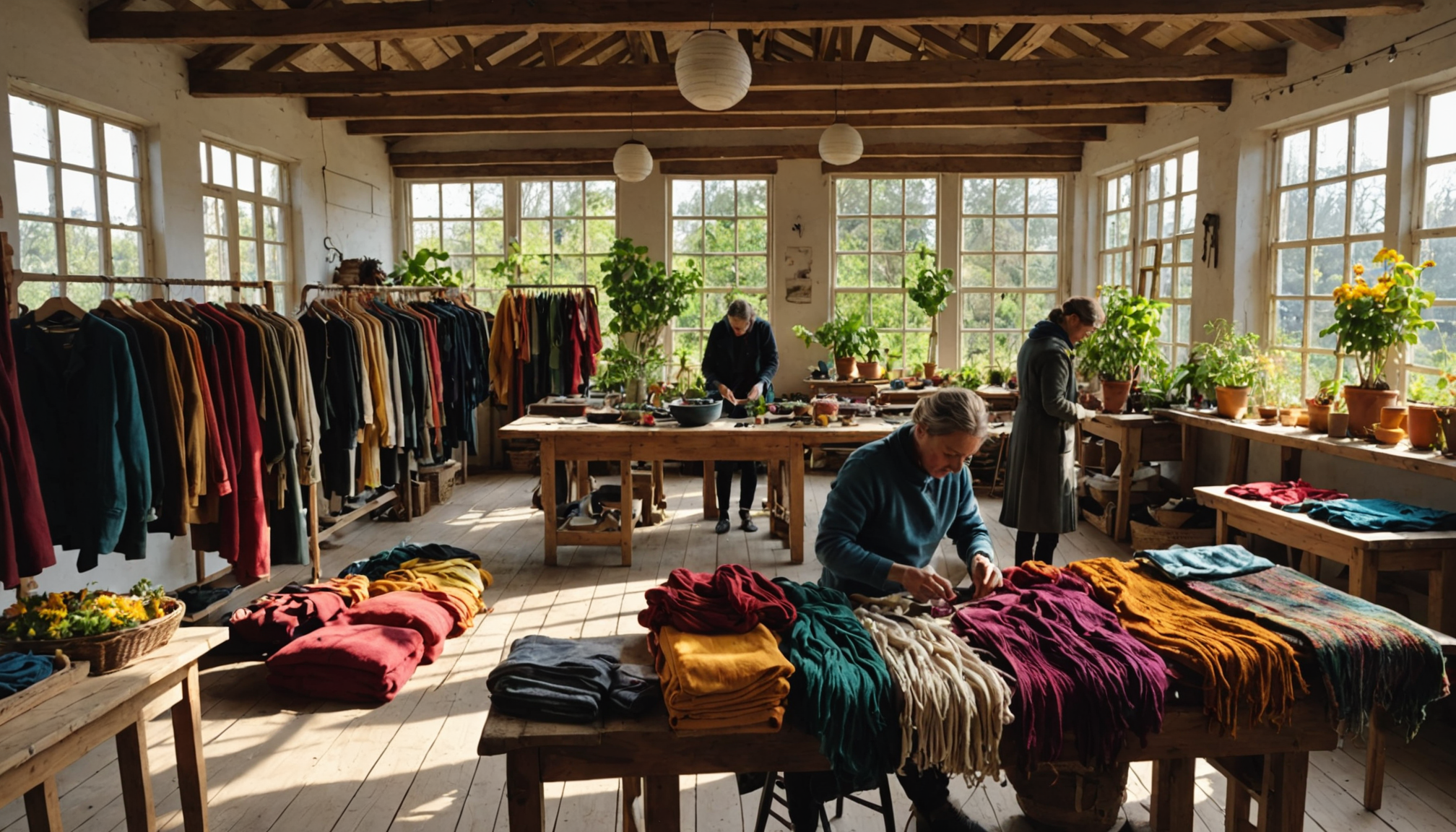
In the realm of Adventist textile production, the ethos of sustainability is intricately woven into the very core of its practices. Adventist artisans, with their hands skilled in the traditions of cloth making, embrace environmentally conscious methods that resonate with their profound respect for both creation and community. This approach not only honors the land they inhabit but also reflects a moral commitment that has inspired generations. Natural, biodegradable fibers form the foundation of textile production, with a preference for locally sourced materials that uphold the values of stewardship and sustainability.
The resurgence of interest in wool processing stands as a testament to these commitments. This method, which revives the ancient art of transforming raw fleece into usable fabric, minimizes reliance on synthetic alternatives that inflict harm upon the environment. By utilizing wool from local sheep, artisans support farmers while reducing transportation emissions—a dual benefit that speaks to the heart of community resilience. The warm and durable qualities of wool textiles serve practical purposes, protecting against the elements while embodying a narrative of care for the earth.
Moreover, the incorporation of plant-based dyes enhances the sustainability framework within which these textile practices operate. Artisans often gather in communal settings, sharing wisdom passed down through generations, as they learn to extract colors from local flora. This communal dyeing process not only reinforces social bonds but also reinforces a collective responsibility towards the earth, as they reject harmful synthetic dyes that poison waterways. Community-based workshops foster creativity, inviting artisans—such as Ellen, a dyer from the United States—to share their experiences. She vividly recalls how each hue derived from her garden felt like a gift from nature, “a reflection of the earth’s bounty blended with our labor,” she states, encapsulating the essence of their practices.’
Furthermore, Adventist textile production does not merely stop at creating clothing materials; it deliberately engages in fair labor practices that uplift workers in their communities. Artisans ensure that their production processes respect human rights, offering equitable wages and safe working conditions. By making conscious decisions to support ethical labor, they infuse every piece of fabric work with dignity and integrity. As the demand for ethically produced textiles rises, Adventist communities are ideally positioned to lead by example, demonstrating that mindful production can harmonize with both economic viability and ethical imperatives.
In maintaining a balance between innovation and tradition, the future of Adventist textile production is bright with possibilities. The integration of new technologies with established practices has become a focal point for many artisans. The advent of digital tools offers opportunities to enhance design while still honoring ancestral techniques, enabling a broader reach without compromising core values. As artisans explore these advancements, they remain steadfast in their mission: to produce textiles that cherish the environment and support their communities, ensuring a legacy that weaves together past traditions and future aspirations.
Economic impact of Adventist textile production
The economic impact of Adventist textile production can be likened to a river that runs quietly yet steadily through the valley, nourishing the lands through which it flows. Much like the industrious beavers of old, Adventist communities have meticulously crafted a landscape of economic vitality through their fabric work, creating ripples that extend far beyond their own borders. These initiatives do not merely serve the aesthetic and practical needs of those who inhabit them; they have proven to be a boon to local economies, fostering resilience and a spirit of cooperation that is sorely needed in today’s world.
Picture a workshop filled with skilled artisans, hands deftly spinning wool into threads, laughter mingling with the rhythmic clacking of looms—this is where the magic begins. It is within such modest spaces that economic engines are born, as each piece created contributes to the livelihood of families and communities. The income generated from the sale of clothing materials crafted with care supports not just the artisans but also their families, allowing them to invest in education, healthcare, and other essential needs that foster a better quality of life. Indeed, for many, this craft is not just about the product; it is about sustaining a way of life, deeply intertwined with their beliefs and commitment to service.
The profit margins may not balloon into the stratosphere, yet the impact of these practices radiates a warmth akin to the flickering flames of a hearth. By placing emphasis on local resources and labor, Adventist textile production minimizes the dangers of economic seasonality that often plague larger industrial sectors. Reliance on local sheep for wool processing, for instance, means that artisans are not only creating functional clothing but also establishing a market for nearby farmers, thereby bolstering agricultural economics. This symbiotic relationship fosters a sense of solidarity that echoes down the lanes of history, reminding all participants of their interconnectedness.
Moreover, the rise of cooperative models in Adventist textiles has paved the way for shared success. Groups of artisans come together to form cooperatives where profits and responsibilities are equally distributed. These collectives act as safety nets, absorbing shocks of economic downturns while offering a united front against competition. They present a model of economic resilience that champions collaboration over competition, echoing the ethos of Adventist belief in community support and stewardship. Within these cooperatives, members are empowered not only to create and sell their fabric work but also to engage in the broader economic discussions of their communities, ensuring that every voice is heard and valued.
The reach of Adventist textile production stretches well beyond local markets. As these artisans cultivate their craft, they have begun to attract attention from global consumers increasingly hungering for ethically produced goods. Fair Trade principles and sustainability resonate with modern shoppers, who are eager to support manufacturers rooted in moral responsibilities. Thus, the modest cloth making practiced in a small workshop can find its way into the homes of appreciative customers far and wide, resulting in a unique blend of local artistry and global appreciation that uplifts both producers and consumers alike.
Yet, challenges loom on the horizon, as the demands of modernity continue to weave themselves into the fabric of society. As larger textile industries threaten to overshadow these smaller operations, Adventist communities remain steadfast in their commitment to authenticity and sustainable practices. Adapting to changing market conditions while holding fast to their core values has become a focal point for many artisans. Investing in technology while remaining true to their heritage allows them to innovate without losing sight of their mission, ensuring that their economic contributions remain relevant in a rapidly evolving landscape.
Thus, the story of Adventist textile production is a rich tapestry of economic resilience interwoven with faith and community. It paints a picture of how textile production transcends simple economics—becoming a movement that serves humanity while protecting the earth. Each thread spun, every fiber art created, stands as a testament not only to the craftsmanship of the artisans but also to their commitment to building a sustainable and just economy that honors the values they cherish.
Future trends in Adventist textiles
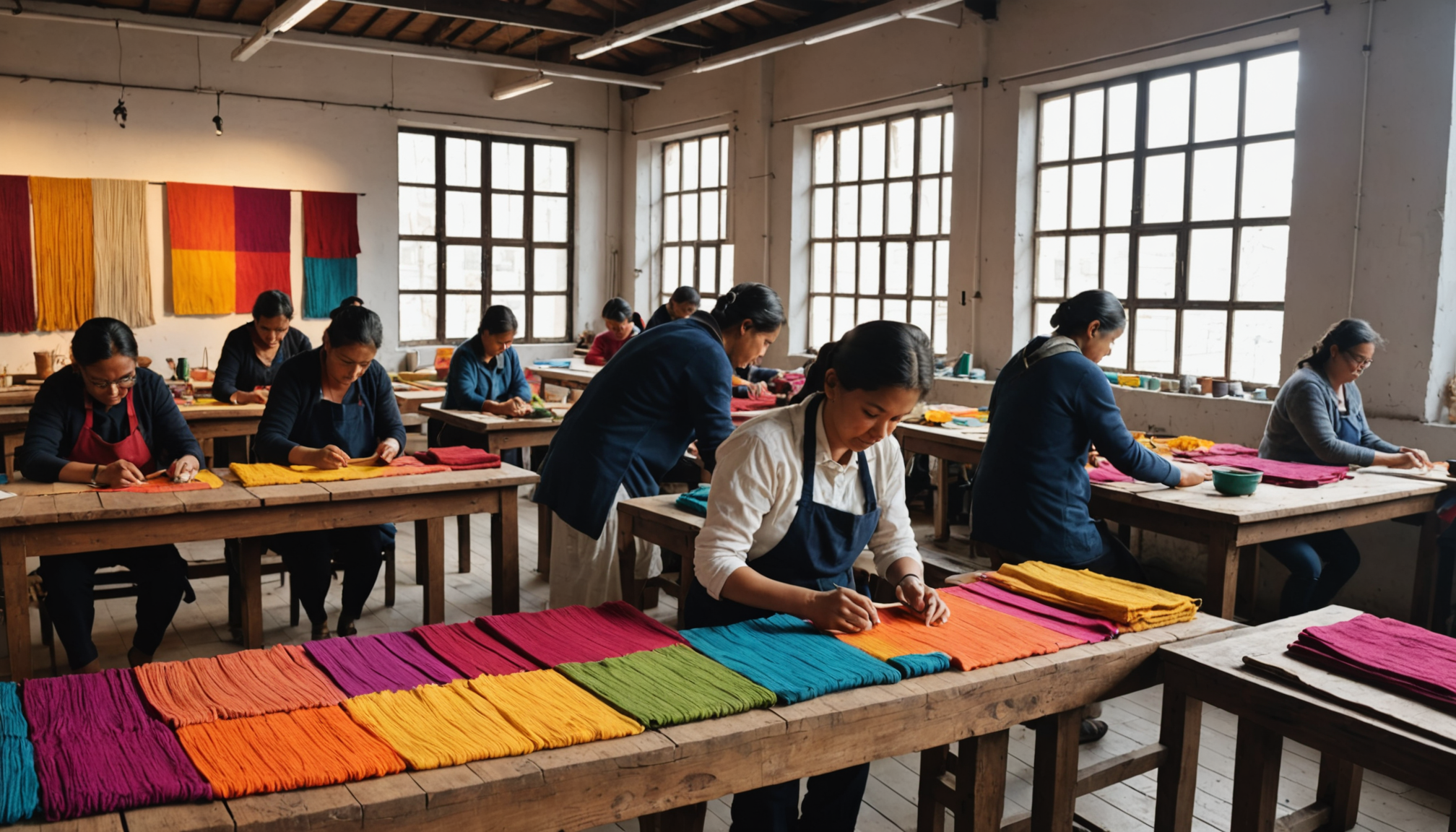
As Adventist textile producers look to the horizon, exciting trends are emerging, poised to reshape the landscape of cloth making within their communities. The future of Adventist textiles is not merely a continuation of the past but a vibrant adaptation and transformation inspired by both technological advancements and evolving consumer values. A significant trend is the growing integration of digital technology in textile production. Many artisans are exploring automation and computer-aided design (CAD) to refine their fabric work, enhancing precision and creativity while maintaining the essence of handmade quality. This fusion of traditional craftsmanship with digital innovation offers the potential to expand their reach in the marketplace and engage with a younger demographic that embraces technology.
In addition, the demand for sustainable and ethically produced clothing materials continues to rise globally. Consumers today are increasingly aware of the implications of their purchases, favoring brands that practice transparency and uphold environmental stewardship. Adventist textile artisans, positioned at the intersection of faith and craftsmanship, are uniquely equipped to meet this demand. By reinforcing their commitments to using natural fibers and eco-friendly dyes while promoting fair labor practices, they can capture the interest of conscientious consumers who value sustainability. Innovative practices such as upcycling old textiles into new garments, or using by-products of wool processing, are also gaining traction, showcasing creativity and resourcefulness concurrent with environmental responsibility.
The advent of online marketplaces has further empowered Adventist artisans by providing them platforms to showcase their work to a broader audience. No longer confined to local markets, artisans can now reach potential customers worldwide, sharing the stories behind their creations—and, importantly, the values embedded within. This shift toward e-commerce offers not only a fiscal opportunity but also a chance to cultivate a global community that cherishes the intertwined legacies of faith, craft, and sustainability.
Much like the patterns woven into their fabrics, the future of Adventist textiles will likely comprise varied influences and directions. The inspiration to innovate may arise from ancestry as much as it does from the modern world, creating a compelling narrative grounded in tradition yet reaching boldly for tomorrow. As these artisans navigate the complexities of a changing economic landscape, their ability to adapt while staying true to their core values will dictate how they will shape the future textile industry. Thought-provoking questions arise: How might the integration of technology transform our perceptions of handmade textiles? In what ways can the revival of traditional techniques coexist with modern demands? Such inquiries may propel Adventist textile production into new realms of creativity and impact.
- What role does sustainability play in Adventist textile production?
- Sustainability is central to Adventist textile production, emphasizing the use of natural fibers, eco-friendly dyes, and ethical labor practices. This commitment not only honors the environment but also promotes community welfare and economic resilience.
- How can technology enhance the craft of Adventist textiles?
- Technology, such as digital design tools, allows artisans to refine their fabric work and expand their reach in the market, merging traditional craftsmanship with innovative methods to attract a broader audience.
- What types of materials are typically used in Adventist textiles?
- Adventist artisans often use natural fibers like wool from local sheep, which align with their sustainable practices. Additionally, they incorporate plant-based dyes to create vibrant colors while minimizing environmental impact.
- How do cooperative models impact Adventist textile production?
- Cooperative models foster collaboration among artisans, ensuring shared successes and responsibilities. This approach builds resilience against economic challenges while emphasizing community support.
- What is the significance of community workshops in Adventist textiles?
- Community workshops serve as vital spaces for knowledge sharing and skill development. They allow artisans to pass on traditional techniques, strengthen social bonds, and promote collective responsibility for sustainability.
- How do Adventist textiles attract global consumers?
- The emphasis on ethical production and sustainability resonates with global consumers who prioritize transparency and responsible sourcing. This widening interest opens up opportunities for Adventist artisans to thrive in international markets.
- What future trends are emerging in Adventist textile production?
- Emerging trends include the integration of digital technology in design, a focus on sustainable practices, and a growing online presence, allowing artisans to adapt and innovate while staying connected to their roots and values.
Beside our live streamed church services, all are welcome to attend our church in person each Saturday beginning 10:00 AM Central Time by going to 2425 Owens Rd., Ashland, AL 36251. There is no cost and any donations are strictly voluntary.
For questions, call +2563547124.