Come join Ashland Sabbath Chapel Ministries each Saturday for live streamed church services. Bible Study begins at 10:00 AM Central Time and Sermon at 11:00 AM. Visit Our YouTube channel and watch from home!
In the formative years of the Adventist movement, the approach to animal husbandry was deeply intertwined with theological beliefs and a commitment to a healthy lifestyle. The early practitioners of this faith recognized the significance of proper livestock care as an extension of their moral obligation to treat all living creatures with respect and compassion. This worldview led to specific practices that not only emphasized productivity but also sought to establish a harmonious relationship between humans and animals.
One of the cornerstone principles was the advocacy for humane treatment as defined by the doctrine of responsible stewardship. Adventist families, adhering to this belief, often maintained small-scale farms where they raised various livestock, including cows, chickens, and pigs. Such agricultural methods were not merely for sustenance but were an expression of their commitment to ethical farming. The animals were fed natural diets, and physical conditions were prioritized to enhance their well-being. The overall environment was filled with a sense of care and consideration, reflecting the community’s values.
The methods employed in animal husbandry were characterized by simplicity yet efficiency. Adventists favored practices that involved rotating grazing areas to prevent overgrazing and fostering healthier pasture ecosystems. This approach not only ensured that the livestock thrived but also allowed for better resource management, promoting sustainability in farming practices that would resonate through generations.
Moreover, the integration of animals into farm life extended beyond mere economic utility; it was also seen as a holistic approach to health. The Adventists believed that the well-being of animals directly impacted the health of the community. Cleanliness, proper shelter, and attentive monitoring of animal health became principles that governed their farming practices, aligning closely with their broader aspirations for community health and vitality.
The early practices of animal husbandry within the Adventist community can be characterized as a fusion of ethical considerations, practical farming methods, and a deep-seated belief in humane treatment. The legacy of these practices continues to shape contemporary discussions around agricultural ethics and animal welfare.
Beliefs influencing animal care
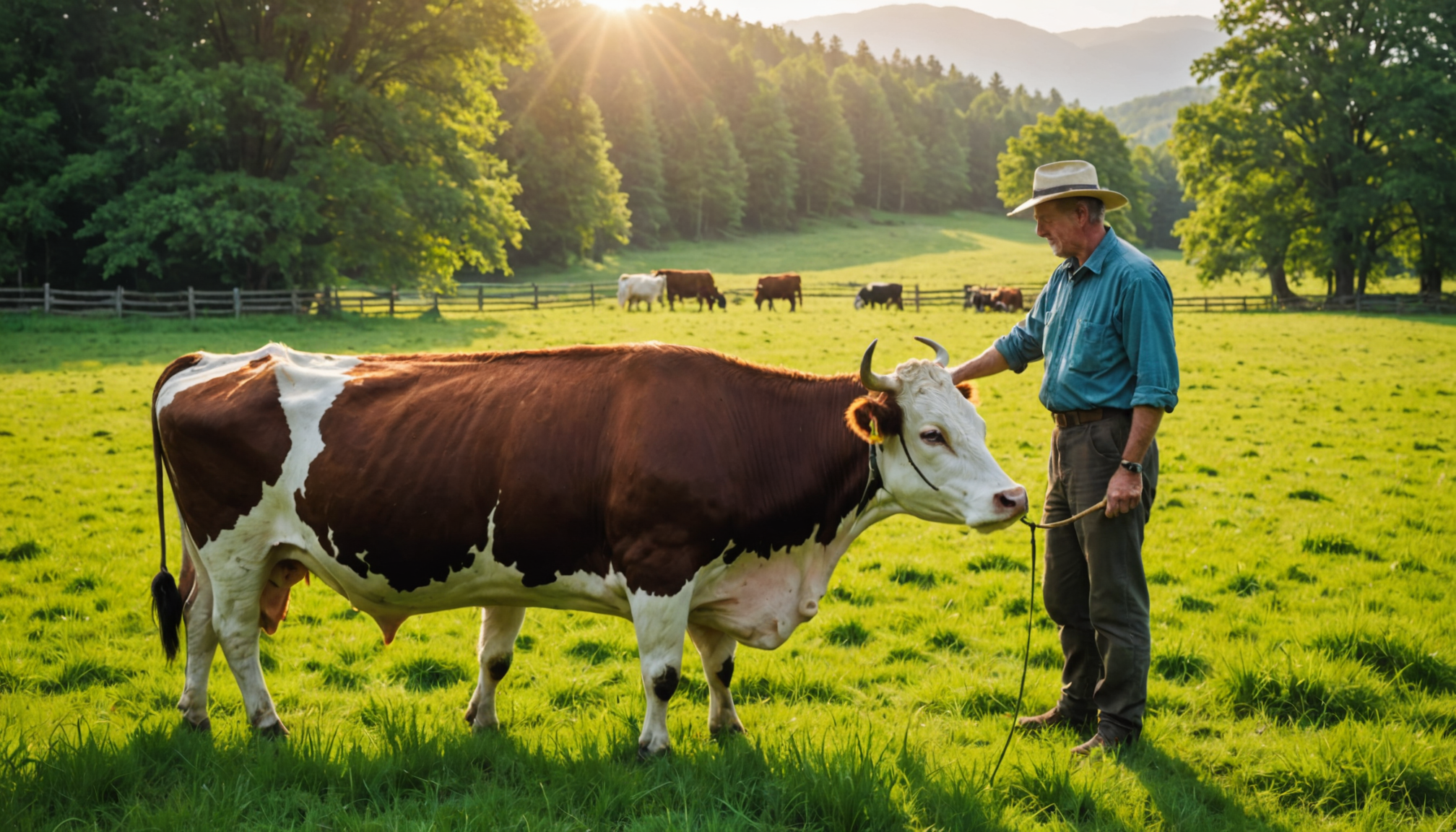
Deeply woven into the fabric of Adventist society was a set of beliefs that profoundly influenced their approach to animal care. This philosophy, marked by a deep reverence for creation, underscored their conviction that animals, much akin to humanity, were deserving of kindness and respect. The concept of responsible stewardship was not merely a guiding principle; it was a moral imperative that echoed through their homes and fields. A farmer, thus, was seen as a custodian of life, entrusted with the duty to nurture and protect those creatures that provided companionship, nourishment, and service.
This ethos engendered an environment wherein livestock care was practiced not out of mere obligation or profit, but as a reflection of one’s faith. The Adventists engaged in conversations that encouraged mutual respect between the farmer and the animals, fostering a deeper understanding of the interconnectedness of life. For instance, the gentle treatment of a cow, regarded not just as a source of milk but as a sentient being, reflected an appreciation for the animal’s contribution to the domestic sphere, thus ensuring a more harmonious existence.
Such beliefs also compelled individuals to consider the implications of their farming practices beyond their immediate necessities. The ingenious methods employed were thoughtfully designed to align with their convictions about sustainability and kindness. Rotational grazing was, therefore, not merely a technique for soil rejuvenation but a practice rooted in the respect for animal well-being, allowing the land and its inhabitants to thrive in perpetual balance. This cyclical understanding of nature fostered a mode of existence where the viability of the farm was sustained alongside the health of its animals, creating a community ethos steeped in accountability and foresight.
Moreover, the Adventist community was increasingly aware of the broader implications of their actions, leading to an abiding commitment to animal welfare that extended to public discourse. Encouraged by their beliefs, many Adventists took up the quiet mantle of advocates for more ethical treatment of all livestock, asserting the need for humane practices amidst emerging industrialized methods that threatened to diminish the sanctity of animal life. Their actions were often poignant reminders to their neighbors that a faith deeply rooted in compassion must never overlook those unable to voice their own concerns.
Their principles of care also included an emphasis on education for both the young and the adult members of the community. This pedagogical approach adapted itself readily to the rural environment, with children learning the significance of kindness to animals through hands-on involvement on the family farm. Such experiences nurtured a legacy of sensitivity toward all forms of life, engraining within the next generation the importance of maintaining a balance between necessity and empathy, a lesson that would reverberate beyond rural lives into broader societal reflections.
In effect, the beliefs that permeated Adventist animal care were not mere philosophical assertions but instead formed the foundation of a cultural identity that prioritized compassion, sustainability, and a profound respect for the interconnectedness of all living beings. These principles not only enriched their own farming experiences but also offered a model for others, implicating a shift in the perception of the relationship between humans and animals, paving the way for a legacy of thoughtful stewardship that continues in various forms today.
Techniques and methods used
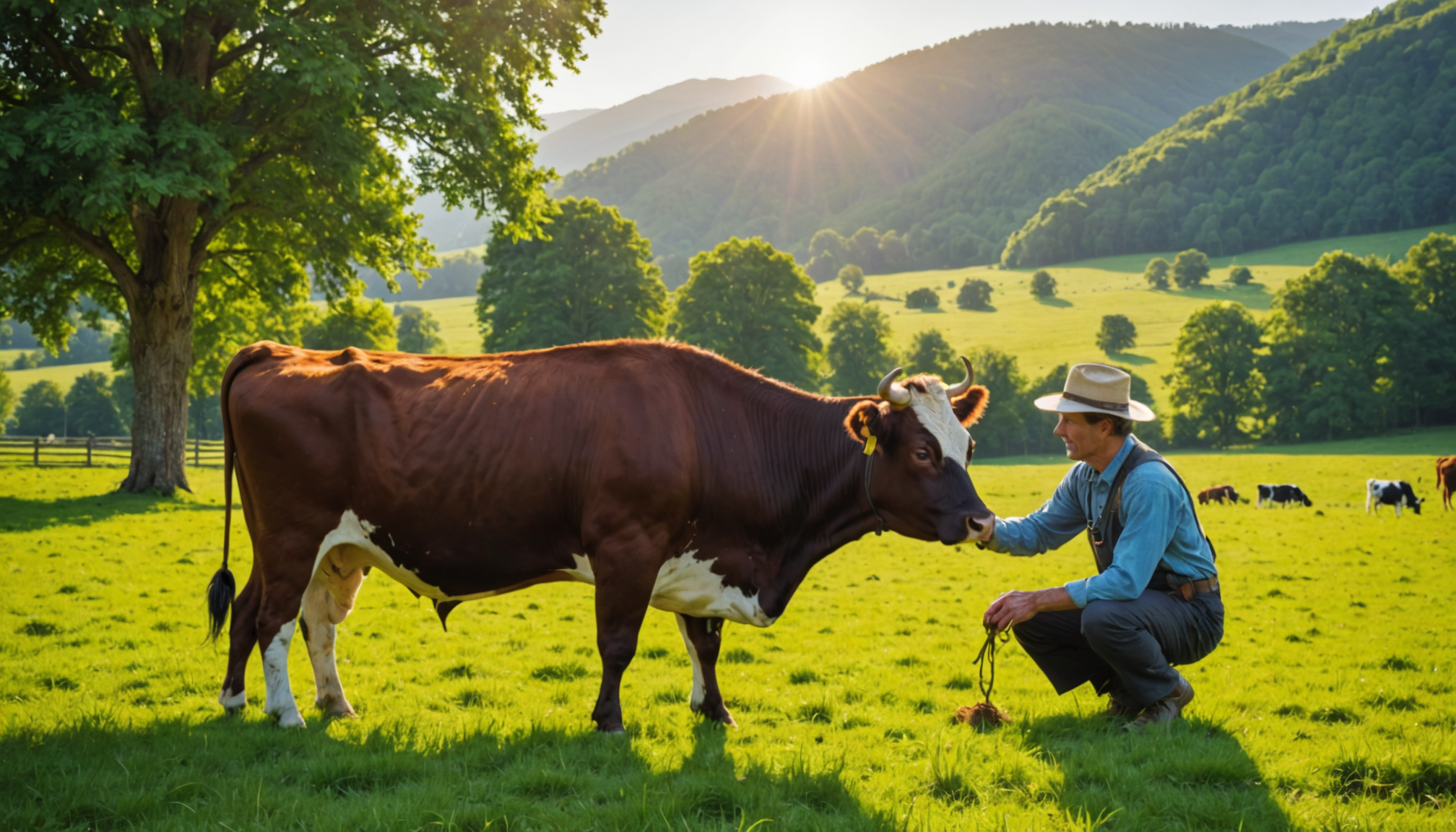
The techniques and methods utilized in early Adventist animal husbandry reveal an intricate tapestry woven of practical knowledge, ethical considerations, and an unwavering commitment to a symbiotic relationship with the land and its creatures. At the heart of these operations was a palpable understanding that successful farming is not merely a product of labor and resources, but a reflection of the values that underpin the human-animal dynamic, as well as the broader ecological context.
First and foremost, the methodology encompassed a range of practices designed to optimize both livestock care and productivity. Among these, rotational grazing emerged as a favored technique. By moving livestock between pastures, Adventist farmers prevented overgrazing in any single area, thereby maintaining the vitality of their land and promoting richer soil quality. Such practices not only supported the health of the animals but also reaffirmed their belief in responsible stewardship, fostering a harmonious relationship between the livestock and the land they inhabited.
Moreover, the feeding of animals was approached with a conscientiousness that underscored their commitment to a natural diet, avoiding the artificial supplements that frequently characterized larger agricultural enterprises. This emphasis on wholesome nourishment was more than a mere preference; it fundamentally aligned with the Adventist vision of holistic well-being, reflecting a broader philosophy that what is ingested by the animals eventually circles back to affect human health. Consequently, Adventist farmers carefully considered the sources of their animal feed, prioritizing local, organic options that echoed their ethical farming practices.
In addition to dietary considerations, proper housing for livestock was a hallmark of their methods. Adventists constructed barns and shelters with an eye towards not merely functionality but the comfort and health of the animals they contained. Well-ventilated, clean environments became standard, reducing the likelihood of disease while promoting a higher quality of life for the livestock. This was an application of their belief in animal welfare, reflecting a recognition that the productivity of their farm was directly related to the well-being of its inhabitants.
Furthermore, the Adventist community placed significant emphasis on the role of observation and monitoring in their farming practices. By developing a keen eye for the signs of distress or illness in their animals, they fostered an atmosphere where each creature was regarded not only as a functional asset but as sentient beings deserving of attention and affection. Regular health checks and humane treatments for ailments were customary, embodying their dedication to ethical animal care. Such proactive approaches not only benefitted the individual animals but also fortified the overall health of the herd, creating a robust agricultural system predicated on the idea that a healthy animal is a productive animal.
Cultural practices also played a part in their methods, with community gatherings often revolving around discussions of better techniques for animal husbandry. The communal exchange of knowledge held within their tight-knit groups led to an invaluable sharing of practical wisdom, wherein tales of success and advice on combatting common challenges circulated freely. Such exchanges echoed the Adventist belief that a community-wide commitment to ethical and effective animal husbandry was vital for the individual farmer’s success. The intertwining of communal and familial knowledge creation blurred the lines between personal obligation and collective responsibility, leading to a culture of shared goals and aspirations.
Finally, the ethos of the Adventists led them to experiment with various agricultural methods, always in pursuit of improvement. They were not tethered to tradition for tradition’s sake; instead, they took joy in refining their techniques through observation and adaptation. The integration of animal husbandry practices with diverse cropping systems exemplified this ingenuity. By cultivating crops that benefited the livestock and vice versa, they created a symbiotic ecosystem that continuously enriched their agricultural practices.
Through such meticulous and collaborative approaches, early Adventists laid down an enduring framework for animal husbandry, one that mirrored their belief in responsible stewardship and ethical engagement. The techniques and methods they championed did not merely serve the immediate purpose of sustenance; they were transformative, setting into motion a legacy of compassionate farming that resonates through modern practices in agriculture today.
Impact on community health
The early Adventist approach to animal husbandry bore an unmistakable imprint on the health of their communities. They understood that livestock care wasn’t just about raising animals for food or labor; it was intricately linked to the larger aim of promoting overall community health. The idea was simple yet profound: healthy animals would lead to healthier people. This connection trickled down through every aspect of their farming practices and community life.
Take their meticulous attention to hygiene. Clean barns and well-maintained grazing pastures became the norm, reflecting the belief that a tidy environment contributed to the well-being of both livestock and humans. Regular cleaning of animal living spaces not only prevented the spread of disease among the animals but also created a safer atmosphere for families living nearby. Adventists often applied what might seem like common sense—keeping the animal quarters clean—to elevate their farming methods into a holistic approach to health.
Moreover, the importance of a balanced diet extended beyond the animals themselves. Adventists were keenly aware of what their livestock consumed. A diet filled with natural, organic foods led not only to robust animals but produced milk and meat of superior quality. The healthier the animals, the richer the nourishment they provided for families. There was an unwavering commitment to avoiding artificial feeds and additives, understanding that what went into the livestock would inevitably circle back into the health of the household. Families often raised their own feed crops, thus ensuring quality and sustainability in their agricultural methods.
In many cases, these practices resulted in a significant reduction in health issues within the community. A sick animal can be a harbinger of sickness for humans. The Adventist community’s commitment to observing their animals closely meant they could catch problems early—thus preventing potential outbreaks that could affect neighbors and family members. They kept careful records of animal health, and although this might have felt cumbersome at times, it fortified a culture of responsibility where everyone was accountable for each life on the farm.
Community gatherings often showcased their commitment to health. Whether it was sharing best practices or stories about overcoming livestock challenges, the focus remained on the interconnected nature of animal care and community vitality. These discussions fostered a greater awareness of the impact each farmer’s practices could have on their neighbors’ health, leading to a culture of collaboration where individuals worked together, shared resources, and improved their methods collectively.
Such a perspective did not merely benefit the Adventists but reverberated through the wider society, wherein neighbors began to take note of their steadfast commitment to responsible stewardship and animal welfare. The legacy was one where farming practices were reshaped not only for profit but also for the greater good of the community. They demonstrated that animal husbandry could be deeply ethical and practical, with health outcomes rippling outward to forge a healthier community—a blueprint for sustainable living that still has relevance today.
Legacy and evolution in modern practices

The legacy of early Adventist animal husbandry not only influences current practices but also shapes a journey toward deeper understanding and empathy regarding the relationship humans share with animals. As modern agricultural methods evolve, the impetus toward responsible stewardship resonates increasingly across diverse farming communities. The ethical considerations, rooted in compassion and respect, become cornerstones in navigating contemporary challenges related to animal welfare. This legacy manifests itself through innovative farming practices that aim to elevate the standards of care given to livestock, reflecting an ongoing commitment to ensure that animals are treated as integral contributors to both agriculture and society.
Many modern farmers, inspired by the principles established by early Adventists, integrate sustainability and animal welfare into their approaches. This includes adopting humane treatment mechanisms that go beyond mere regulatory compliance to embrace a greater ethical vision. As awareness about the treatment of animals grows, so too does the exploration of agricultural methods that promote not only productivity but also emotional well-being for the animals involved. Farmers today recognize that a well-cared-for animal is more than a contributor to their yield; it is part of a broader ecosystem that reflects humanity’s interconnected relationships.
Moreover, the community health-driven aspect of Adventist animal husbandry continues to inspire collaborative efforts among modern agriculturalists. Health-focused farming practices are emerging, emphasizing the impact of livestock care on diets, nutrition, and local health outcomes. These contemporary focuses echo the holistic understanding that precedes them, propelling conversations about food security, sustainable practices, and the ethical responsibilities of farmers in today’s society. Ultimately, the legacy of early Adventist practices encourages a thorough examination of our responsibilities towards animal care and the communities we cultivate.
- What was the primary focus of early Adventist animal husbandry?
- The early Adventist approach to animal husbandry centered on ethical treatment, responsible stewardship, and ensuring the well-being of animals as an extension of their moral values. This commitment to livestock care reflected a broader vision of holistic health for both animals and the community.
- How did early Adventists ensure the health of their animals?
- Early Adventists prioritized hygiene and cleanliness in their barns and pastures while implementing practices such as rotational grazing to maintain soil health. Close monitoring of animal health, regular feeding of natural diets, and humane treatment were fundamental to their methods.
- What role did community gatherings play in Adventist animal husbandry?
- Community gatherings served as platforms for sharing knowledge about effective and humane farming techniques. These discussions not only fostered collaboration but also encouraged a culture of accountability, where farmers collectively improved practices to benefit their community’s health.
- How did early Adventist beliefs influence farming practices today?
- The values of compassion, respect, and responsibility instilled by early Adventists continue to inspire modern farming practices oriented towards sustainability and ethical animal treatment. These legacies promote discussions about animal welfare and the interconnectedness of agriculture and community health.
- Why is the concept of responsible stewardship significant?
- Responsible stewardship underscores the moral obligation to care for and protect living creatures while promoting sustainable practices. In the context of animal husbandry, it reflects a belief that farmers are custodians of life, ensuring harmony between agriculture and ecological balance.
- What are the benefits of humane treatment of livestock?
- Humane treatment of livestock not only enhances the quality of life for the animals but also leads to healthier, more productive animals. This translates into better food quality for humans and supports a stronger agricultural ecosystem.
- Can we draw parallels between early Adventist practices and current animal welfare movements?
- Yes, there is a clear parallel between early Adventist practices and contemporary animal welfare movements. Both emphasize humane treatment, ethical care practices, and the importance of understanding the relationship between animals and humans within the context of health and community well-being.
Ashland Sabbath Chapel Ministries
Beside our live streamed church services, all are welcome to attend our church in person each Saturday beginning 10:00 AM Central Time by going to 2425 Owens Rd., Ashland, AL 36251. There is no cost and any donations are strictly voluntary.
For questions, call +2563547124.