Come join Ashland Sabbath Chapel Ministries each Saturday for live streamed church services. Bible Study begins at 10:00 AM Central Time and Sermon at 11:00 AM. Visit Our YouTube channel and watch from home!
The roots of Pioneer Adventist furniture making stretch deep into a tradition of self-sufficiency and ingenuity. Early Adventists, driven by a commitment to simplicity and functionality, embraced woodworking as a means to enhance their living spaces. Craftsmanship was not merely a hobby; it was a necessity, a way to furnish homes with the essentials while reflecting their values. The result was a unique approach to furniture construction that prioritized practical design over ornate aesthetics.
During the late 19th and early 20th centuries, Adventist communities flourished in North America, and with them, the skills of woodworking became integral to daily life. Men and women alike found purpose in crafting durable pieces that would withstand the test of time. This was not just about creating furniture; it was about building a lifestyle that encapsulated their beliefs. The emphasis on utility led to the development of pieces that served multiple functions, catering to the modest and often communal living conditions of these pioneers.
The techniques employed were a blend of European craftsmanship and American ingenuity. Each piece was carefully designed to fulfill specific needs within the home. Craft techniques were passed down through generations, with many individuals learning the trade informally through hands-on experience. The prevalent use of local materials highlighted the connection between the craftsman and their environment, ensuring that every chair, table, and cabinet bore the mark of its origin.
As the movement grew, so did the complexity of these creations. Families began to invest their woodworking skills into more elaborate designs, incorporating elements that spoke to their newfound prosperity. Yet, the essence of Adventist furniture remained rooted in its humble beginnings—a blend of faith and functionality that transcended mere decoration.
The influence of the early Adventist craftsmen endures today, evident in the enduring popularity of items inspired by their designs. Their legacy is not only seen in the furniture itself but in the spirit of resourcefulness and dedication they imparted to future generations. This pioneer spirit of furniture making remains a testament to a lifestyle that celebrated simplicity, community, and deep-rooted values.
Historical significance of adventist furniture crafting
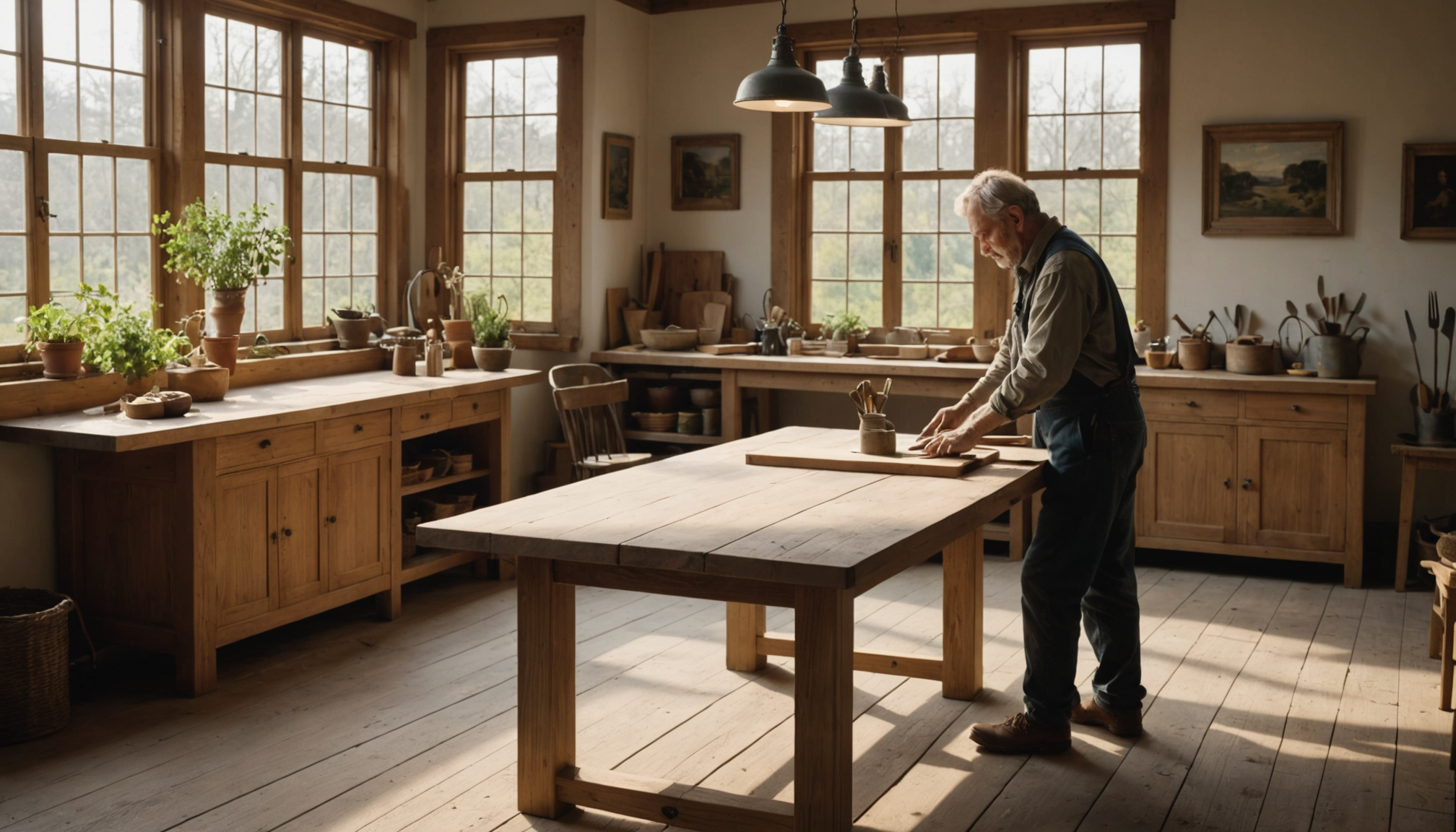
A glance back at the days when the Adventist pioneers toiled with their hands in the woodshops and sawmills tells a tale spun of necessity and virtue. In that harmoniously intertwined epoch, it was not just the scraping of chisels or the buzzing of saws that filled the air; it was the spirit of a movement—a communion of souls striving to create something lasting amid the trials of frontier life. The historical significance of Adventist furniture crafting is as deeply rooted as the mighty trees that provided the wood for their endeavors, and its legacy stretches far beyond the mere act of woodworking.
It’s a curious fact, my dear reader, that those early craftsmen and craftswomen were not only building home furnishings; they were weaving together the very fabric of their community. Each sturdy chair or humble table they fashioned was imbued with a sense of purpose that made it more than just a mere object. The practicality of their designs addressed the distinctive needs of their families, serving as multifunctional pieces that would stand the test of time—much like the values these pioneers held dear. Think of it as furniture with a mission, if you will. Built to endure the rigors of daily life, every piece was a testament to their staunch belief in thrift and utility.
The furniture construction techniques employed were not merely a product of inspiration but rather were born from trial and error, shaped by the constraints (and blessings) of their surroundings. It was the hands-on crafting of such practical design elements that highlighted the innate ingenuity of these Adventists. When the need arose for a sturdy dining table that could double as a workbench, you can bet your bottom dollar that an Adventist craftsman seized the moment, his woodworking skills honed by many a long, laborious hour. Each design decision reflected a dialogue with the environment, demonstrating an attunement to both the physical materials at hand and the spiritual beliefs they upheld.
Moreover, the shared wisdom accumulated within these tight-knit communities fostered an ethos of cooperation. Villagers would often come together, sharing tools and techniques as they gathered around a workbench. The exchange of ideas and methods resulted in a rich tapestry of craft techniques, each imbued with the local flavor of the region. This collective approach not only solidified bonds among neighbors but also enabled the craft to thrive amidst the ebbs and flows of fortune. The close collaboration that dominated the scene ensured that the tradition of furniture crafting became a communal act, fueling the identity of Adventist culture.
Indeed, the historical impact of these endeavors cannot be overstated. Each piece of furniture holds within it the echoes of conversations shared over meals, the laughter of children playing, and the quiet moments of reflection during evening prayers. The fusion of function and form recorded in these objects transcends mere aesthetic appreciation; it captures a pivotal chapter wherein the tenets of faith, community, and industrious spirit coalesced into a signature style—one that holds meaning and continues to inspire modern artisans who look back with admiration and a quest for authenticity.
Techniques and materials used in furniture making
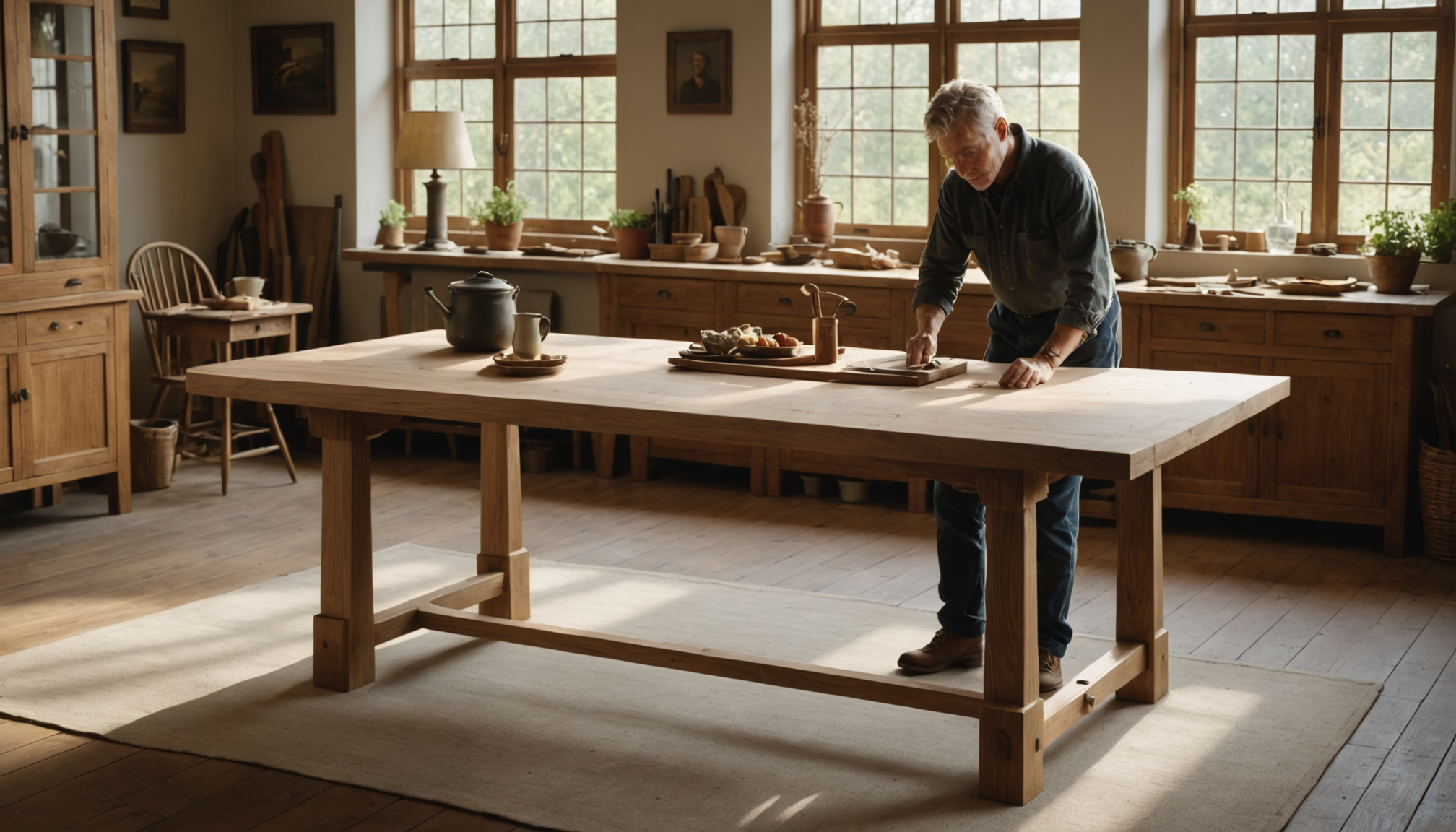
The heart of this intriguing artistry lies in the techniques and materials that were so thoughtfully woven into the fabric of Adventist furniture making. Picture, if you will, the sturdy hands of a craftsman, worn yet skilled, diligently planning out a design that would not only fulfill a need but also reflect the very ethos of a life lived in faith and simplicity. Join me in this delightful exploration, as we uncover the enchanting interplays of wood, form, and function that characterized their approach.
Just as every tree tells a story of its own, each piece of furniture crafted bore witness to the sprightly dance between the artisan and the natural world. The predominant materials were often sourced from the local environment, with sturdy hardwoods like oak and maple taking center stage. These were not mere choices; they were a testament to a relationship cultivated between the craftsman and their surroundings. It’s a beautiful notion, isn’t it? Each time these sturdy slabs of wood were met with the embrace of chisels and saws, the spirit of the land was captured within the grains and knots, transformed into functional and practical designs.
Now, as you meander through the intricacies of their craft techniques, imagine the careful layering of knowledge passed down like a treasured heirloom. The woodworking skills were honed through hands-on experiences, almost instinctively. Think of the gentle hum of conversation mingled with the whir of tools, as neighbors gathered to share not just the labor but a blossoming camaraderie of heart and soul. From the inception of a simple stool to the elegance of an intricately carved armoire, every piece emerged from an intimate dialogue of collaboration. Adapting techniques learned from various influences—be it European craftsmanship or the rugged necessity of American ingenuity—each craftsman left their distinctive mark upon the material.
Perhaps the most captivating aspect of their approach was the emphasis on multifunctionality. A dining table that could transition into a harvest table, or a set of chairs that could easily be rearranged to accommodate gatherings—each element was designed with an astute awareness of daily life. It mirrored the values embraced by the community, creating a seamless blend of utility and warmth. A sense of practicality pervaded the atmosphere, inviting gatherings and fostering moments that would be cherished over time—moments deepened by the very furniture that surrounded them.
In contemplating the techniques utilized, one cannot overlook the essence of what it meant to engage with one’s craft. With each precise cut and careful finishing stroke, the adventist craftsmen cultivated a philosophy that echoed through the years: that the act of creation itself was imbued with purpose and intention. Each wooden piece became an extension of their identities, woven into the homes where stories unfolded and lives intertwined.
In essence, the intertwining of local materials with practical design transformed not just living spaces but the very lifestyle of the community. The art of furniture construction resonated far beyond aesthetics; it served as a manifestation of faith, resilience, and an unwavering commitment to creating functional beauty in everyday life. And therein lies the magic of Adventist furniture making—where every chair, table, and cabinet is not merely an object, but a silent, steadfast participant in the grand narrative of living history.
Influential figures in adventist furniture design
In the realm of Adventist furniture design, certain figures emerged as beacons of inspiration, their contributions resonating through time like the steady ticking of a clock that measures the passage of years. Among the early craftsmen, names such as George and Martha Theis stand out, bringing their vision and woodworking skills to the forefront. They embodied the spirit of their community, not just through their products but by fostering a culture of learning and creativity.
George Theis, a master woodworker, honed his craft under the teachings of European artisans but adapted it with an American twist. He drew from the surrounding forests, lovingly selecting pieces of oak and maple, each choice deliberate. The furniture he crafted was known for its durability and practicality, often showcasing clean lines and functional features that echoed the needs of pioneer life. His pieces were designed to withstand the rigors of time, each joint and jointure a testament to meticulous care.
Equally influential was Martha Theis, whose energy and vision complemented her husband’s craftsmanship. As she worked alongside George, her keen eye for detail flourished. She introduced elements of decoration that remained true to the ethos of practicality. This marriage of form and function was seen in the intricate patterns she carved, simple yet profound, reminding users that beauty exists in utility.
Additionally, figures such as Uriah Smith played a pivotal role in the dissemination of furniture-making techniques throughout Adventist communities. Smith recognized the importance of sharing knowledge beyond familial lines. He organized workshops and gatherings that brought neighbors together, forging a spirit of cooperation that was essential to the brand of craftsmanship they fostered. Rather than merely instructing, he encouraged dialogue and collaboration, weaving a communal fabric that would sustain the craft long after his own hands were still.
These artisans collectively contributed to a distinctive design language, echoing the philosophies of their faith. The furniture construction was a reflection of their spiritual journey, where each piece was a workspace, a gathering spot, and a place for reflection. As a result, their creations told stories of resilience and hope, remaining steadfast within the homes they filled.
The influence of these respected figures stretches beyond their lifetimes, molding the values of future generations. Every item crafted, whether a simple stool or an ornate table, carried with it the weight of intention and devotion. It is no wonder that modern artisans often look back to these pioneers for inspiration, seeking to embody the unwavering spirit that breathes life into woodworking skills and practical design—a legacy rooted in community, faith, and artistry.
Preservation of traditional furniture styles
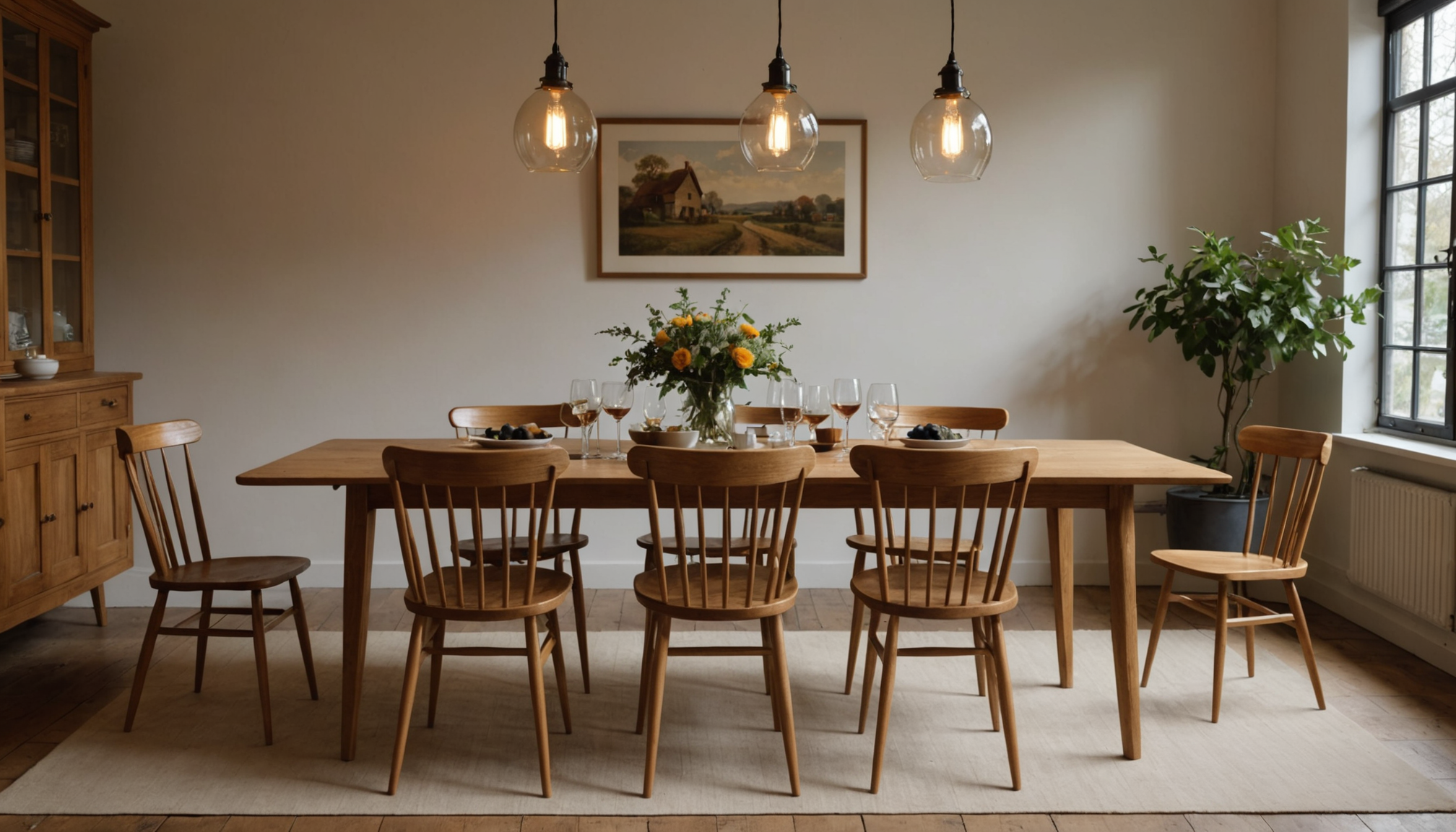
The preservation of traditional furniture styles within the Adventist community denotes a steadfast commitment to honor history while fostering a connection to the past through tangible expressions of craftsmanship. Imagine visiting a simple yet elegantly furnished home where each piece of furniture tells a story—an illuminated narrative of faith, labor, and the passage of time. The careful restoration and maintenance of these traditional pieces are not merely acts of nostalgia; they are purposeful endeavors to keep alive the values and skills that shaped an entire way of life.
As modern lifestyles evolve, the need to preserve this heritage becomes increasingly pressing. Countless families still cherish heirloom pieces that have been passed down through generations, each bearing the marks of both wear and love. These items serve as tangible reminders of the pioneering spirit, showcasing the woodworking skills and craft techniques that remain instrumental in the community’s identity. Enthusiasts and artisans alike are rekindling this tradition by either restoring antique pieces or replicating them using techniques that emphasize practicality and durability, echoing the designs and philosophies of their predecessors.
This process of preservation often involves careful study and research, encouraging a deeper understanding of the historical context in which these pieces were made. Craftsmen delve into earlier methodologies, exploring sources of local materials, and applying time-honored woodworking skills to create furniture that embodies the same values found in original pieces. Imagine the feeling of a dinner party shared around a restored table, where the careful craftsmanship elicits admiration—and a sense of connectedness to a time when furniture was made with intention and utility, crafted to withstand the test of communal living.
Moreover, social organizations and community workshops have begun to arise that engage a new generation of artisans in learning these traditional techniques. This revival not only ensures the transfer of knowledge but also invites creative interpretation, allowing modern artisans to integrate contemporary aesthetics with time-tested functionality. While styles may evolve, the essences of practicality and resilience remain at the core, sparking a thirst for knowledge that challenges newcomers to innovate while respecting tradition.
As you observe the beauty woven into every piece of furniture crafted today, consider the dedication and the narratives behind them. How do these pieces reflect not only an era long gone but also the spirit of the modern craftsman? How can individuals today contribute to this ongoing legacy, recognizing furniture as more than mere home furnishing, but as an embodiment of the values that endure within the community?
- What is Pioneer Adventist furniture making?
- Pioneer Adventist furniture making refers to the woodworking traditions established by early Adventist communities, emphasizing practicality, utility, and simplicity in design while also reflecting spiritual values.
- Why is the history of Adventist furniture significant?
- The history of Adventist furniture is significant as it encapsulates a lifestyle rooted in faith and community, showcasing resourcefulness through design that served specific needs amidst the challenges of pioneer life.
- What materials were typically used in Adventist furniture making?
- Adventist furniture was primarily crafted from locally sourced hardwoods, such as oak and maple, which provided durability and reflected the relationship between the craftsman and the natural environment.
- What techniques were employed in furniture construction?
- Craft techniques in furniture construction included practical designs that allowed for multifunctionality, meticulous joinery, and an emphasis on utility honed through generations of hands-on experience.
- Who were some influential figures in Adventist furniture design?
- Influential figures like George and Martha Theis and Uriah Smith played pivotal roles, merging traditional techniques with community engagement to foster a culture of craftsmanship within Adventist communities.
- How do modern artisans reinterpret traditional Adventist furniture styles?
- Modern artisans often reinterpret traditional styles by blending historical techniques with contemporary designs, ensuring the continuity of ideals such as practicality while adding a fresh aesthetic vision.
- What role does community play in preserving this craft?
- Community plays a crucial role in preserving this craft through collective learning experiences, workshops, and shared resources that foster collaboration and maintain a legacy of craftsmanship.
Ashland Sabbath Chapel Ministries
Modern interpretations of adventist furniture craftsmanship
As the winds of change have swept across the years, one finds a delightful convergence where tradition meets innovation in the realm of Adventist furniture craftsmanship. It’s a curious sight, akin to a spectator at a lively exchange, where the past twirls with the present in a dance of creativity and practicality. Today, modern artisans are not merely replicating the works of their predecessors; they are reimagining them, weaving together threads of history and contemporary vision, resulting in something truly remarkable.
Picture a workshop bustling with energy, where sawdust mingles with the scent of fresh wood. Here, artisans embrace the timeless craft techniques of their ancestors while adding their own flair. It’s an exhilarating amalgamation, much like a potluck dinner where everyone brings a dish, each adding flavor to the shared table. Contemporary woodworkers are inspired by the practical design principles that guided the earlier craftsmen, yet they have the delightful freedom to experiment with new shapes and styles that reflect our modern sensibilities. A chair that once stood sturdy and utilitarian now boasts sleek curves, all the while maintaining the essence of comfort and durability that first defined Adventist furniture.
Moreover, the materials chosen today often pay homage to the local resources that early Adventists relied upon. Many modern artisans seek sustainably sourced wood, echoing the pioneers’ commitment to their environment while infusing a fresh narrative into each piece. The beauty of local grains tells stories of the land, just as it once did, and this connection embodies a conscientious approach to furniture construction that modern consumers appreciate.
A prime example is seen in community workshops sprouting up across various regions. These gatherings invite both seasoned craftsmen and eager novices to share knowledge and skills, much like the old days when neighbors borrowed tools and tricks of the trade. Within these sessions, young artisans are taught about the significance of each join and cut, ensuring that the legacy of functional beauty continues to thrive. The practical furniture of yesteryear serves as a canvas for new artistic expressions, where tradition provides a sturdy foundation upon which to build.
Artisans are savvy enough to blend age-old designs with modern aesthetics, crafting pieces that fit seamlessly into contemporary homes. Imagine a dining table that captures the essence of seasonal family gatherings, made with both the lovingly carved details reminiscent of pioneer craftsmanship and the minimalistic designs loved by today’s homeowners. It’s this melding of old and new that breathes new life into Adventist furniture, ensuring that each creation is not just a relic but a conversation starter, a functional piece of art.
This revival of Adventist furniture craftsmanship reveals much more than a shift in style; it showcases a powerful homage to values held dear by earlier artisans—values like community, resourcefulness, and respect for the land. Each modern interpretation of an Adventist design acts as a bridge, connecting generations through shared aesthetics and the continued appreciation of what truly matters in home furnishings. It’s a beautiful reminder that while trends may flicker like fireflies, the heart of craftsmanship beats steadily along the path forged by those who came before.
Beside our live streamed church services, all are welcome to attend our church in person each Saturday beginning 10:00 AM Central Time by going to 2425 Owens Rd., Ashland, AL 36251. There is no cost and any donations are strictly voluntary.
For questions, call +2563547124.