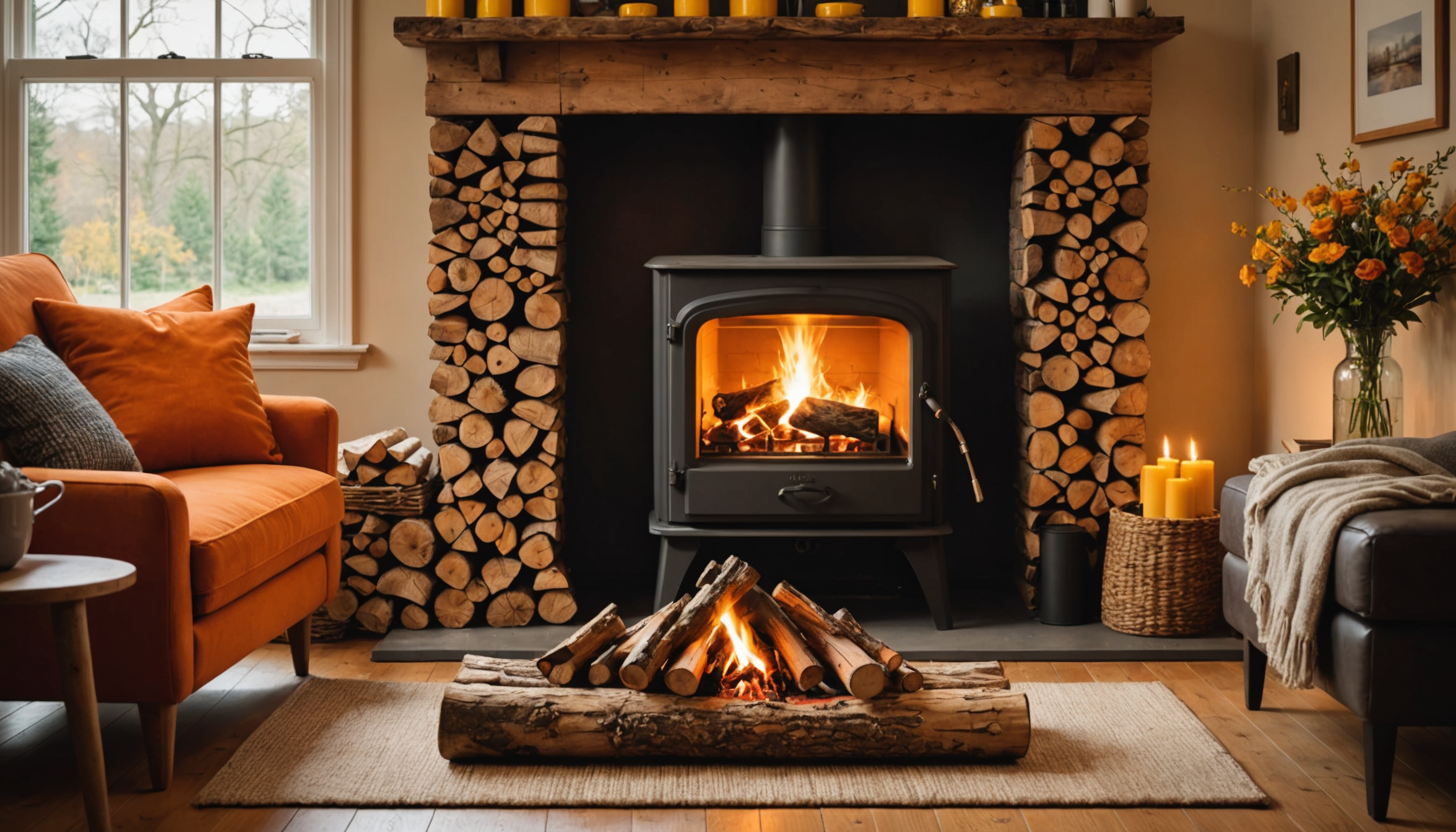
Come join Ashland Sabbath Chapel Ministries each Saturday for live streamed church services. Bible Study begins at 10:00 AM Central Time and Sermon at 11:00 AM. Visit Our YouTube channel and watch from home!
In the early days of the Adventist movement, practical approaches to home heating were not merely a matter of comfort but of survival and practicality. As winter descended upon communities, the need for a reliable source of warmth became paramount. Early Adventists often resorted to wood burning, a method that not only provided necessary heat but also fostered a sense of communal resilience. This reliance on organic materials for heating required a meticulous understanding of fuel management, as the method necessitated not only the collection of wood but also the knowledge of how to burn it efficiently.
The Adventist commitment to simplicity and resourcefulness was reflected in their choice of heating methods. Homes were often constructed with features that optimized heat retention, such as thick walls and small windows. The design aimed to minimize drafts, thus ensuring that the heat generated from their wood-burning stoves could be effectively contained. These stoves, often centrally located, became hubs of family gatherings during the frigid months, not just as a source of heat but as a space for unity and sharing.
Moreover, the Adventists developed an acute awareness of the importance of establishing a reliable system for winter preparation. This included not only gathering and storing sufficient wood to last through the winter but also innovating techniques for efficient burning. For instance, they learned to season their wood properly, recognizing that dried wood burns more effectively than green wood, producing more heat with less smoke. This practical wisdom extended to the way they arranged their fireplaces and stoves, ensuring optimal airflow to maintain a steady flame.
As these early heating methods evolved, they mirrored the broader Adventist ethos of sustainability and conscientious living. Each generation built upon the innovations of the last, experimenting with different wood species and configurations to maximize warmth while minimizing waste. This connection to the natural environment and the prioritization of practicality served not only to sustain physical warmth but also reinforced the communal and spiritual bonds that were central to the Adventist faith.
Historical Context of Adventist Heating
In a time when many found themselves at the mercy of nature’s harsh whims, the early Adventists stood firm, not solely abided by their faith but also by a profound understanding of their surroundings. The context in which they sought warmth during relentless winters was woven deeply into the tapestry of their emerging community. As the chill set in and the days grew shorter, the Adventists did not merely scramble for timber; they embraced the tradition of careful fuel management, recognizing that each log held the potential not just for warmth, but for gathering, storytelling, and fostering connections that would buoy spirits amidst adversity.
In the secluded hamlets where they settled, every home became a testament to resilience, constructed with walls thick enough to insulate against the frost that nipped at windows and doors. The hearth, often the very heart of the home, radiated more than just heat; it spread an inviting glow that drew families together, each member contributing to the communal warmth enveloping their lives. The stove, often fueled by fallen branches and seasoned logs, was tended with diligence. There was an unspoken ritual in chopping wood—each swing of the axe was not just a physical task but carried a deeper symbolism of preparation and communal duty.
Each winter preparation was steeped in more than just practicality; it was an art form perfected through generations. Adventist families devised intricate systems for storing their precious wood, ensuring that no piece was left unutilized. They learned to identify which types of timber burned hottest, which ones produced pleasing aromas that perfumed their homes and soothed their senses, and which pieces would crackle delightfully, adding a comforting soundtrack to the long nights. Their profound relationship with the land transformed mundane tasks into essential components of their way of life.
Among these devoted individuals, legends were born—tales of the great blizzards that would sweep through but would not extinguish the spirit of the households that huddled around their fires. Old stories of trials and perseverance were shared while the flames flickered, casting dancing shadows on the walls, as if the very spirits of their ancestors joined them in solidarity. It was here, by the fire, that wisdom was passed down, including tips on how to kindle a fire that would burn brighter and longer, much like the faith they upheld amidst the elemental trials of life.
The backdrop of these early heating methods serves as an essential chapter, not merely in the history of their practical warmth but in the way the Adventist community navigated their existence—finding ways to thrive in the face of adversity. Much like their reliance on the woods for heat, the strength of their convictions and their ability to adapt to their environment formed an enduring legacy, extending beyond the simplicity of wood-burning stoves and permeating the very essence of who they were as a people.
Innovative Techniques Used
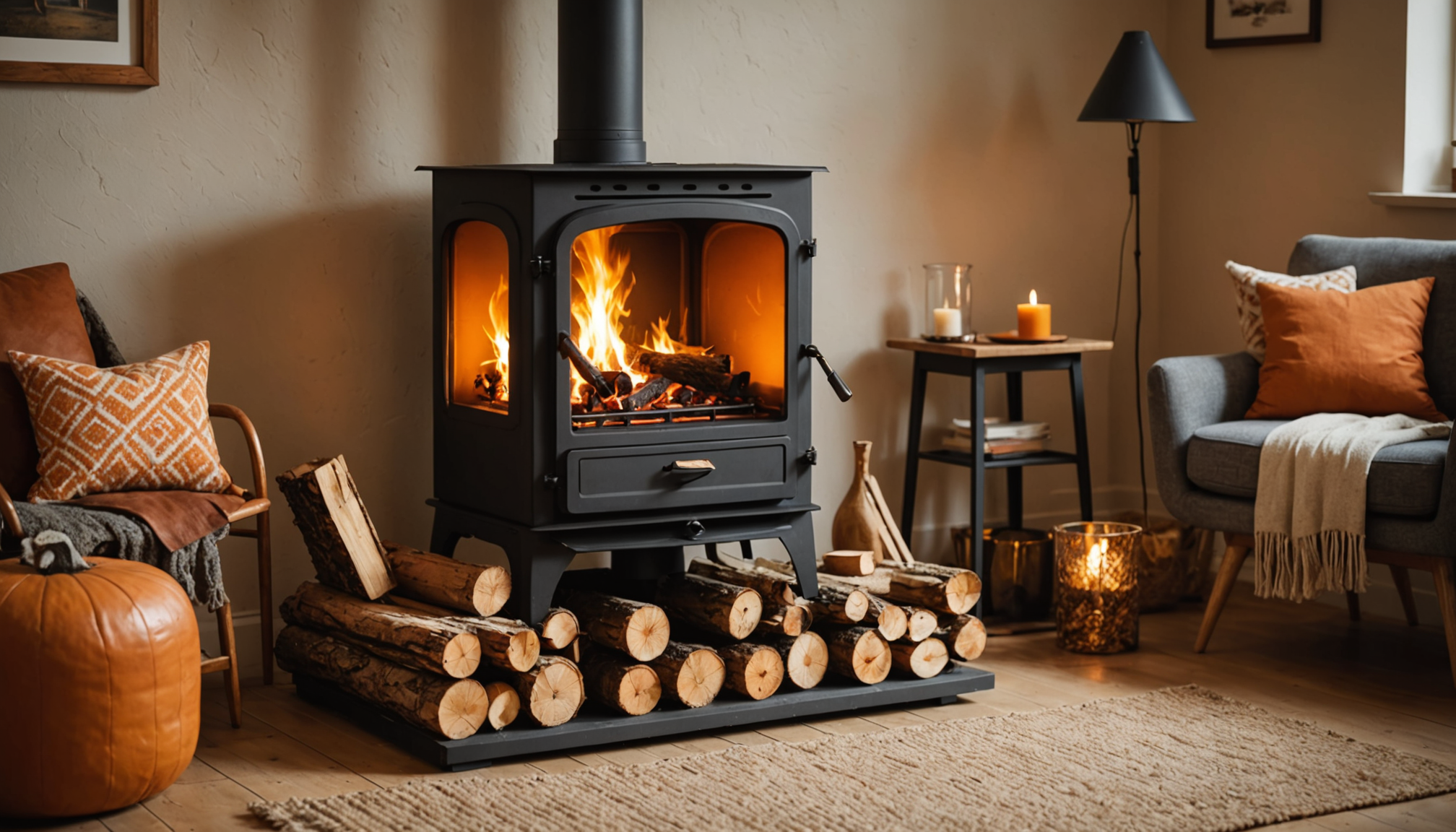
The Adventists of yore, driven by necessity and tempered by their unwavering convictions, crafted innovative techniques that resonated with their deeply held values. Among these techniques, the art of *wood burning* took center stage, evolving into a practice that demonstrated not only ingenuity but also a profound respect for nature’s gifts. In these communities, the act of igniting a flame was more than just an effort to stave off the cold; it became a symbol of community collaboration and shared wisdom. To the untrained eye, it might merely have appeared as an act of survival, yet each flicker of the flame showcased the intricate interplay between human intellect and earthy resources.
Within this framework, one prominent technique arose: the method of creating an efficient *wood burning stove*. Borrowing from established designs and tailoring them for their particular needs, Adventists fashioned stoves that maximized heat retention while minimizing smoke and other emissions. The stovepipe and chimney were ingeniously devised to direct the smoke outside, improving air quality within the home, furthering their holistic belief in healthful living. Families often engaged in the construction of these stoves together, an intimate activity that fostered bonding. As children learned alongside their parents, the environment was ripe for passing down knowledge not just about heating but about responsibility and stewardship.
Another striking innovation lay in the meticulous arrangement of wood. Contrary to haphazard stacking, the Adventists discovered that placing logs in a crisscross pattern improved airflow, allowing their *home heating* efforts to become not only more efficient but also longer-lasting. This practical insight was a testament to their understanding of combustion and thermal dynamics—concepts that, while perhaps not articulated in the grand terms of modern science, were nonetheless deeply grasped by these early experts. Each household became a laboratory, testing and tweaking the arrangement of logs, learning through trial and error, all while creating a shared narrative that wove the fabric of their community tighter together.
As the winter months approached, the process of *winter preparation* transformed into a communal event. Neighbors would gather to not just chop wood, but to trade techniques, offer advice, and share in the task, fostering a spirit of mutual assistance that would further enrich their bonds. In the thick of that season, conversations about the best types of firewood to gather became as vital as the very flames that provided warmth. Each type of wood had its own personality—some burned fiercely, while others smoldered slowly, contributing to the overarching tale of survival told around the hearth.
Moreover, what must not be overlooked is the Adventists’ commendable inclination for *fuel management*. They understood intrinsically that sustainability went hand in hand with survival. In their quest to find the most effective and efficient ways to harness the power of heat, they also focused on preserving their surroundings. The practice of planting trees not only encouraged growth around their homes but ensured a steady supply of fuel for future winters. In this way, they imbued their heating methods with an environmentally conscious ethos; every log burned echoed their commitment to both warmth and stewardship of the land.
Each technique they employed, whether through the art of stove construction or the dedication to sustainable practices, spoke volumes about their existence. It was a life where warmth was shared not just in proximity but in spirit, turning a home heating necessity into a ritual that strengthened the fabric of their community. The flickering firelight may have illuminated their evenings, but it also shed light on the creativity and cooperation that defined this unique aspect of their lives—an enduring legacy crafted from the simple yet profound need for warmth in both body and soul.
Materials and Resources Utilized
As the seasons changed and winter’s grasp tightened, early Adventists relied on a rich tapestry of materials and resources to fuel their home heating endeavors. The backbone of their methods lay forged in the forests surrounding their humble abodes, where the tallest trees beckoned with the promise of practical warmth. In these wooded sanctuaries, the Adventists became adept wood crafters, selecting the perfect species that would yield the best heat output while honoring the stewardship of the land.
The careful selection of timber was paramount. Adventist families turned to specific types of wood, such as oak and hickory, revered not just for their robust burning qualities but also for their longevity. These woods, known to burn hotter and longer, became their prized possessions, transformed into stocks meticulously stored and cherished throughout the frigid months. The art of *fuel management* extended beyond mere collection; they recognized the significance of seasoning. Logs were stacked in neat piles, exposed to the elements, allowing air to circulate and moisture to escape. This thoughtful approach ensured that, when winter came knocking, they had an ample supply of dry wood, ready to ignite with the flick of a match, offering not just warmth but also the comfort of a crackling fire.
However, the materials used in their heating techniques extended far beyond wood. The ingenuity of the Adventists was also evident in their approach to the very construction of their homes. The houses themselves were crafted with insulating materials found naturally—thick earth walls were often complemented with clay and straw, which conspired to trap the warm air within. In some regions, sod roofs provided additional insulation against the icy blasts, while wooden beams worked in harmony to create a sturdy yet inviting dwelling. These structures served not merely as shelter from the cold but as sanctuaries where heat was retained and shared among family members through intimate gatherings.
The Adventists engaged in a persistent dialogue with their environment, collecting resources from nature not merely for heating but for enhancing their overall well-being. They often utilized natural materials available in abundance, such as rocks and stones, for constructing fireplaces. These stones would absorb heat during the day and release it gradually at night, allowing families to enjoy extended comfort even as the temperature outside plummeted. This interplay between home heating and environmental resources exemplified a holistic approach to survival, reinforcing their belief in living in concert with nature.
Community resourcefulness also played a pivotal role in these early heating practices. Oftentimes, neighbors would unite to barter and trade firewood, pooling their collective supplies during the harvest season. Such collaborations deepened social bonds and underscored the Adventists’ conviction that shared resources enriched the whole community. Together, they could gather more wood than any single family could manage, ensuring that everyone had the means to keep their homes warm and welcoming during the darkest days of winter.
In their meticulous winter preparation, the Adventists’ understanding of materials and resources flourished into a legacy that extended far beyond the tangible. It reflected a spirit of unity, resilience, and profound respect for both each other and the sacred earth they inhabited. Each log stacked, every nail hammered, and every stone placed was a testament to their unwavering dedication to communal survival and warmth. The very essence of their materials and resources became not just elements of construction but symbols of their unwavering faith and communal strength, woven into the very fabric of their daily lives.
Impact on Health and Wellbeing
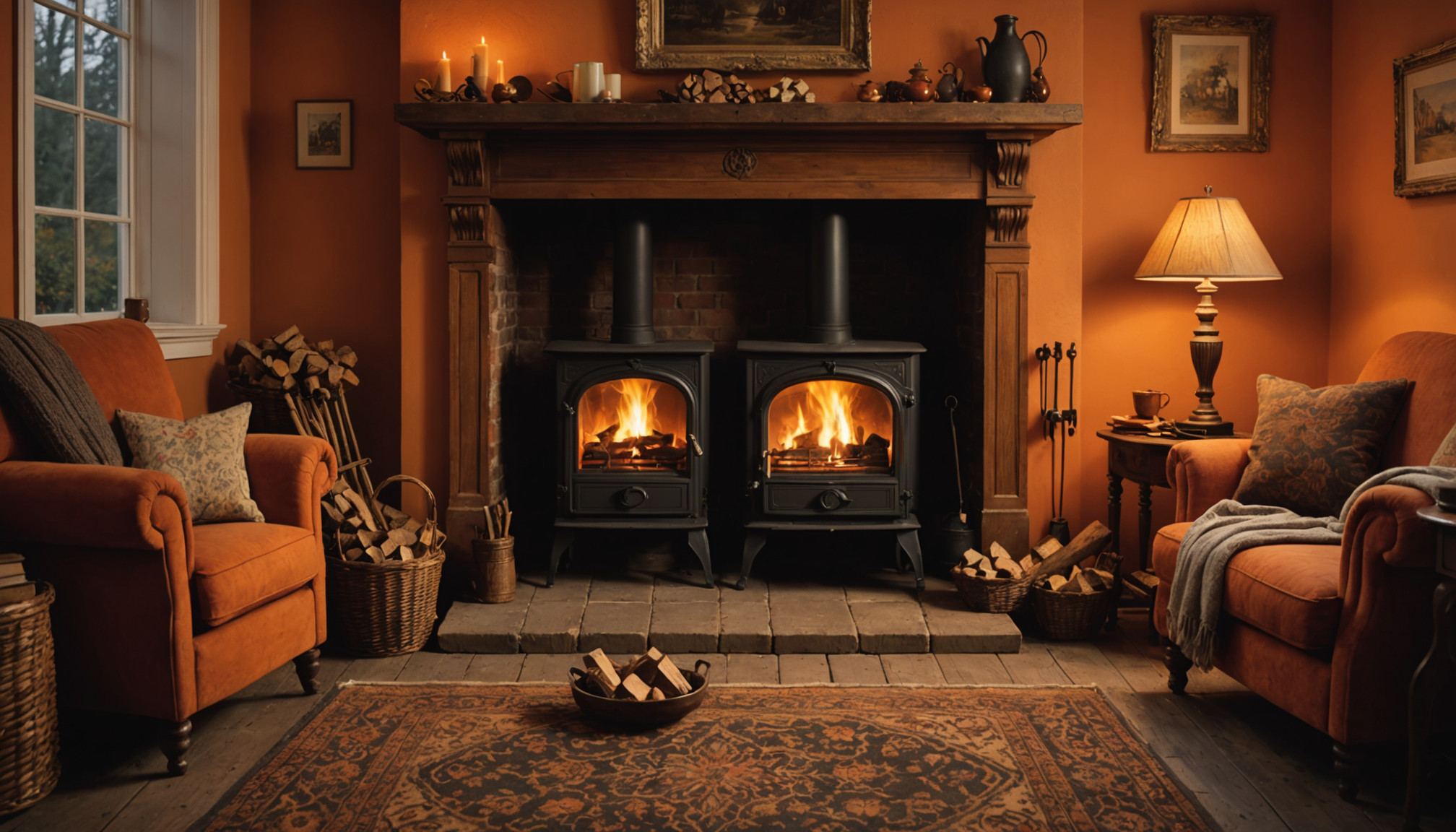
The early Adventist heating methods were more than practical solutions for warmth; they were closely intertwined with health and wellbeing. By prioritizing efficient wood burning and meticulous winter preparation, Adventists created environments that fostered not only physical warmth but also emotional and spiritual health. Properly managed heating systems provided a consistent level of comfort, which is critical during harsh winters. Maintaining a warm home contributed to the general health of families, reducing susceptibility to illness often associated with cold and damp living conditions.
Moreover, the communal aspect of these heating practices enhanced overall wellbeing. Families and neighbors gathered around the hearth, sharing stories, wisdom, and laughter, which strengthened social bonds and fostered a supportive community. This interaction was integral to the Adventist philosophy of living—a practice that placed high value on both individual health and the collective spirit. The act of communal wood gathering, preparation, and sharing further enhanced social connections. By working together to ensure every household was warm, they created networks of support that transcended mere survival; they cultivated a nurturing environment that sustained their spirits.
Early Adventists also understood the significance of air quality in their homes—a critical factor for maintaining health. Innovative techniques in fuel management allowed for reduced smoke emissions, ensuring that the air within their homes remained fresher and cleaner, which is especially vital in closed spaces during the winter months. The learning and adaptation journey around home heating also included the choice of wood types that burned more cleanly, a practice underpinned by their fundamental respect for nature and their drive for holistic wellbeing.
As these practices evolved, they became a part of a lifestyle that reflected a careful balance between physical, social, and spiritual health. By understanding that their heating strategies could impact their health, early Adventists laid the groundwork for future generations who would continue to prioritize a lifestyle that considered the interconnectedness of individual wellbeing and communal strength. Each crackling fire ignited not just a source of heat, but a sanctuary for families where love, resilience, and faith were nurtured and strengthened in warmth.
- What were the primary heating methods used by early Adventists?
- Early Adventists primarily used wood burning as their primary heating method, relying on locally sourced timber. This practice not only provided the necessary warmth but also brought families together around the hearth.
- How did winter preparation contribute to Adventist health?
- Winter preparation ensured that families had a reliable supply of dry firewood, reducing the risk of illness caused by cold conditions. A warm home was essential in maintaining physical health and promoting wellbeing during the harsh winter months.
- What role did community play in heating practices?
- The Adventist community often collaborated in gathering wood and sharing resources, reinforcing social bonds. By working together in winter preparation, they fostered mutual aid, which enhanced overall community resilience.
- How did Adventists choose their firewood?
- Adventists selected firewood based on its burning qualities, preferring hardwoods such as oak and hickory that provided heat efficiently. This careful selection was part of their commitment to effective fuel management and sustainability.
- What innovations did Adventists contribute to heating technology?
- Adventists developed efficient wood-burning stoves that minimized smoke and enhanced heat retention. They also innovated ways to arrange firewood to improve airflow and combustion, demonstrating ingenuity in their heating practices.
- How did heating practices reflect Adventist values?
- Heating practices among Adventists embodied their values of community, sustainability, and health. The methods used were deeply rooted in care for their environment and the well-being of their families, reflecting a holistic approach to living.
- What can we learn from early Adventist heating methods today?
- Early Adventist heating methods offer insights into sustainable living and community collaboration. Their practices highlight the importance of efficient resource use and the value of communal support systems, which remain relevant today.
Ashland Sabbath Chapel Ministries
Legacy of Adventist Heating Practices
The legacy of early Adventist heating practices resonates through the years, echoing the wisdom and industrious spirit that characterized their approach to survival. Each crackling fire and meticulously stacked log is more than mere remnants of a practical necessity; they symbolize a dance between community and nature, binding generations albeit in an ever-spiraling development of human experience. The ingenuity demonstrated through the evolution of heating methods still provides insights that stretch beyond the walls of their homes into a broader understanding of holistic living.
These practices encapsulated a profound connection to the environment, where the act of gathering wood transcended mundane labor, becoming a sacred ritual tethered to the seasons. Families engaged in the communal activity of fuel management—seasoning wood, sharing techniques, and building stoves—fostered not only warmth but a spirit of togetherness that shaped their very identities. Gathered around flickering flames, stories of resilience and perseverance took shape, creating a cultural narrative that would be passed down through the generations. As family history intertwined with the warmth of the hearth, the lessons learned there were not only about staving off the cold but about sustaining the spirit.
Moreover, the Adventists’ commitment to practical warmth reflected a deeply ingrained respect for their surroundings. Ingenious adaptations, such as utilizing local materials for construction and innovative wood-burning techniques, demonstrated a balance between necessity and environmental stewardship. The choices they made in materials and methods mirrored their values—favoring durability and sustainability over fleeting comfort. This legacy permeates contemporary discussions on sustainable living, serving as a reminder that a harmonious relationship with nature is not merely beneficial but essential for thriving.
As their community systems of winter preparation solidified a foundation for mutual care, the effects of these practices rippled outward, influencing how generations view cooperation and resource allocation. The sharing of firewood, knowledge of wood types, and expertise regarding stove construction became woven into the fabric of their social interactions, illustrating how interpersonal connections were as vital as the physical warmth provided by their methods. Individuals flourished, not in isolation, but within a network of support that paved the way for enduring communal bonds—a testament to the belief that true strength lies in unity.
The legacy is not confined merely to history; it reverberates with relevance today. Modern society continues to grapple with the impacts of energy consumption and environmental degradation, and these early adventist practices offer a pathway toward renewal—an acknowledgment that contemporary lives can reflect the values of sustainability, communal support, and smart resource management. While we may no longer gather around a wood-burning stove, the spirit infused into each ember remains—a call to reflect, innovate, and embrace the warmth of community, echoing through our own homes and lives.
Beside our live streamed church services, all are welcome to attend our church in person each Saturday beginning 10:00 AM Central Time by going to 2425 Owens Rd., Ashland, AL 36251. There is no cost and any donations are strictly voluntary.
For questions, call +2563547124.