
Come join Ashland Sabbath Chapel Ministries each Saturday for live streamed church services. Bible Study begins at 10:00 AM Central Time and Sermon at 11:00 AM. Visit Our YouTube channel and watch from home!
In the fervent pursuit of establishing their communities, the early Adventist pioneers displayed remarkable ingenuity in the domain of water sourcing, an aspect that was as critical to their survival as any other endeavor. Given the diverse landscapes they inhabited, from arid plains to lush valleys, the methods employed by these valiant settlers reveal a profound understanding of both their environment and the importance of resource planning. Well digging was perhaps one of the most notable techniques adopted, wherein laborers, with their spirits undeterred by the toil, would excavate deep into the earth in search of precious groundwater. These wells, often constructed with great care and consideration for their durability, served as a lifeline for families who depended on them for daily sustenance.
In addition to well digging, the art of spring management became an essential practice, particularly in regions where natural springs bubbled forth from the earth. Pioneers learned to harness these vital resources, creating systems of channels and reservoirs that maximized the usage of spring waters. This meticulous approach not only ensured a steady supply of water but also reflected a deep respect for nature’s bounty, encouraging sustainable use of these invaluable resources.
Moreover, the ingenuity displayed in the collection and storage of rainwater illustrated the foresight of the early Adventists. Simple yet effective cisterns were constructed to capture and hold rainwater during the rainy seasons, thereby providing an additional supply for drier months. This practice of water collection illustrated a commitment to adapting to the local climate and utilizing every available resource with prudence.
Across the diverse terrains upon which they settled, from the rolling hills of New England to the sun-drenched expanses of the West, the Adventist pioneers exhibited a notable prowess in securing water access. Their collective experiences endowed the community with an invaluable repository of knowledge that would prove indispensable for future generations as they continued to spread their influence across the continent.
The Importance of Water in Pioneer Settlements
The significance of water in pioneer settlements cannot be overstated. It was not merely a resource; it was the very foundation upon which communities thrived. As the early Adventists ventured into unfamiliar territories, they quickly grasped that their survival hinged upon the availability of water. The harsh realities of a lone homestead, with its dusty trails and arid landscapes, often left little room for error. Thus, in every decision—from the placement of their homes to the layout of their crops—water accessibility was a key consideration.
Imagine, if you will, a small community sited beside a wind-swept prairie. The settlers, determined and resilient, found themselves grappling with the unpredictability of the elements. In such settings, a well dug deep into the earthy crust would yield not just water but a sense of assurance. Families would gather around these wells, sharing stories and dreams while drawing from its depths. The care invested in well digging demonstrated their understanding that, without this vital resource, all other efforts would be in vain. Proper well construction was a blend of practicality and foresight, ensuring that water was not only accessible but reliable.
The techniques these pioneers employed did not stop at well digging. The art of spring management became crucial in areas blessed with natural springs. Such springs were often hidden gems, and knowing how to harness their flow could mean the difference between life and death. The community members worked adeptly to develop channels that guided the spring water to where it was needed most—agricultural plots, livestock watering areas, or even communal gathering spots. Their endeavors encapsulated a commitment to resource planning, ensuring that every drop was utilized sustainably and judiciously.
As seasons changed, the need for innovative water collection methods became evident. During the gentle rains of spring, much effort went into capturing runoff through carefully constructed cisterns. These cisterns stood as stalwart sentinels of survival, ready to provide relief during the scorching summer months. Each rainstorm was not merely an event but a potential bounty, and the pioneers’ capacity to collect and store these blessings demonstrated their adaptability to the local climate.
In essence, the intimate relationship between these early Adventists and their water sources shaped not only their day-to-day lives but the very fabric of their communities. As they traversed the difficulties of settlement life, the lessons learned regarding sustainable use and thoughtful management of water resources would lay the groundwork for future generations. The harmony of their practices reveals a respect for nature that undoubtedly resonates today, reminding us all of the timeless importance of water in nurturing life and community.
Historical Water Sources Utilized by Adventists

The historical approaches to water sourcing by the Adventist pioneers are replete with examples of ingenuity, where necessity became the mother of invention in even the most trying circumstances. In regions blessed with proximity to natural springs, the Adventists engaged in meticulous practices of spring management, understanding that these sources of pure, flowing water could sustain not only individual families but the entire settlement. Communities would gather as one, discussing the strategic placement of homes and crops around these springs, allowing for the efficient diversion of water into irrigation channels that nurtured their fledgling gardens. This harmonious relationship fostered community bonds, with shared labor directing the flow not merely of water but of fellowship and purpose.
Elsewhere, in the more arid landscapes, the process of well digging took center stage as families embarked upon the arduous journey of procuring water from deep within the earth. These wells, the fruit of exasperating labor and unwavering commitment, became symbols of hope amid the dust and desolation. The pioneers often computed the risks and rewards associated with such digs, investing their faith and resources in the hope of striking water—such a critical element of their survival. Their diligence in well construction, often enhanced by family members working together, resulted in structures that could withstand the ravages of time and provide consistency in times of drought.
As seasons passed, another innovation emerged in the form of water collection. Adventists recognized the fickle nature of rain and worked assiduously to capture and store what the heavens provided. Cisterns constructed of stone, wood, or even more innovative materials stood ready to embrace the bounty of spring rains. It was within these repositories that the foresight of the settlers shone brightly, as they prepared for the dry months that could stretch endlessly. A well-maintained cistern could transform a parched existence into one of flourishing crops and thriving livestock. Thus, water collection methods became an integral aspect of resource planning, allowing for a continuous cycle of sustenance that fortified the community through shared reliance.
This intricate interplay between the Adventist pioneers and their water sources not only facilitated their immediate survival but also laid the groundwork for future generations. One cannot help but be struck by the profound resilience displayed; they sought to marry their needs with the rhythms of nature, crafting a legacy of thoughtful, prudent water use that would endure well beyond their time. Embedding these lessons into the very fabric of the communities they built, they demonstrated that in all matters—especially those of sustenance—the harmony between human endeavor and natural forces must be carefully balanced and respected.
Innovative Water Conservation Techniques
In the relentless pursuit of survival, the Adventist pioneers embraced numerous innovative water conservation techniques that reflected their remarkable adaptability and resourcefulness. Water collection, in particular, emerged as a cornerstone of their strategies, illustrating their keen awareness of the cyclical nature of rainfall and the need to capture every precious drop. These settlers constructed an array of cisterns, relying on both traditional methods and the ingenuity borne from necessity. Made from materials such as stone, wood, and even clay, these structures served a vital purpose, acting as reservoirs throughout the arid seasons. Each rainstorm was eagerly anticipated, for it was an opportunity to replenish supplies that might otherwise dwindle dangerously low.
The intricacies of such water collection systems were often a communal endeavor, fostering a sense of unity and shared purpose among the settlers. As families worked together to construct and maintain these cisterns, they shared not only labor but stories and experiences, weaving a tighter social fabric. The practice of working collectively towards a common goal instilled a sense of belonging, further amplifying the importance of sustainable use and conscientious stewardship of their natural resources.
Moreover, this resource planning extended beyond mere collection; it encompassed careful management of the water that had been gathered. Huerson’s Law—a basic principle of agriculture—asserts that “the careful preservation and judicious use of resources is fundamental to human survival.” The Adventist pioneers held this principle close to their hearts, implementing meticulous practices for the distribution of water collected during the rains. They employed gravity and elevation to their advantage, creating simple yet effective systems of channels and troughs that directed water precisely where it was needed most: to crops thirsty for nourishment or livestock eagerly awaiting hydration.
Innovative adaptations also marked their approach to well digging. The pioneers’ understanding of geology and hydrology allowed them to dig deeper and more strategically, ensuring access to groundwater even during unrelenting dry spells. As wells were dug, they were carefully lined and maintained to prevent contamination and ensure longevity. This floor of knowledge demonstrated not only their commitment to providing for their immediate needs but also an eye for future sustainability. Each well, thus, became a testament to human perseverance, serving as both a lifeline and a reminder of the ongoing relationship between settlers and their environment.
In regions less favored with abundant water sources, creative irrigation techniques took center stage. Pioneers learned to utilize the available moisture to its fullest potential, employing techniques that had been borrowed from older agricultural traditions. They implemented methods such as furrowing and contour plowing, strategies that enhanced water retention in the soil and maximized the yield of crops, thereby promoting a thriving agricultural system even in unforgiving landscapes.
Through all these efforts, it becomes clear that the Adventist pioneers were ahead of their time in water conservation. Their forward-thinking practices have laid a foundation that echoes through the generations, reminding us of the timeless necessity of being conscientious stewards of our natural resources. Water, in their world, was not merely a commodity; it was a sacred bond between the earth and those who depended upon it. Their innovative techniques of water conservation serve as an enduring legacy, demonstrating that the challenges of resource scarcity can be met with ingenuity, collaboration, and a profound respect for nature’s offerings.
Challenges Faced in Securing Water Access
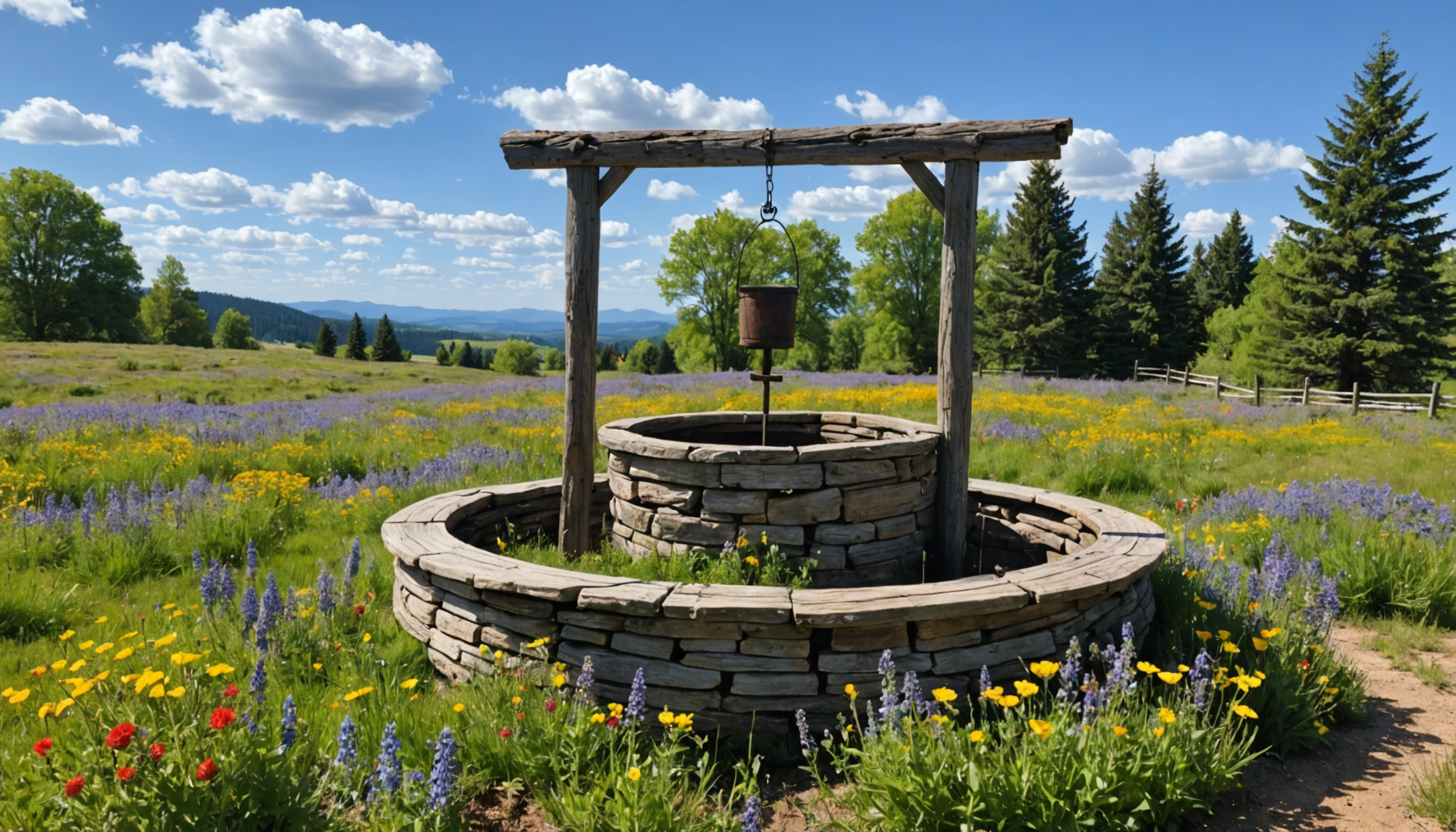
The challenges faced by the early Adventist pioneers in securing water access were multifaceted and often formidable. As they settled in diverse landscapes, they encountered a range of conditions—some regions boasted abundant natural springs while others presented stark aridity. In areas lacking reliable water sources, well digging became an arduous necessity, often requiring considerable physical labor and a degree of geological knowledge to hit the vital groundwater. The pioneers had to carefully consider the placement and depth of wells, often experimenting with various locations until they found an accessible supply, a process fraught with uncertainty and risk. A well’s construction not only necessitated hard work but also required a durable design capable of enduring the elements and providing consistent access through fluctuating climate conditions.
Moreover, the management of spring resources posed its own set of challenges. Natural springs, while generally stable, could vary in flow depending on seasonal changes and environmental variables. The adeptness of the pioneers in spring management entailed creating systems to capture, divert, and store the flow for communal use, thus requiring coordinated community efforts to maximize the benefits of these vital resources. As settlements expanded, so did the competition for water, forcing neighbors to cooperate and, at times, navigate conflict over access rights. Inevitably, this struggle for water not only tested their resilience but also underscored the importance of community solidarity and fairness in resource distribution.
As they relied on water collection techniques to supplement their supply during dry months, the effectiveness of cisterns could vary significantly based on weather patterns. The pioneers quickly learned that the maintenance and strategic placement of these cisterns were just as crucial as their initial construction. A poorly managed cistern could fail to capture enough rainwater to sustain a family, resulting in dire consequences. Hence, the practice of sustainable use was ingrained in their water management philosophy—ensuring that every drop was conserved, shared, and utilized effectively.
In the face of these challenges, the foresight demonstrated by the Adventists reflects a profound understanding of resource planning. Their approach involved not only a focus on immediate survival but also a commitment to long-term sustainability. Methods developed and refined over time laid a durable foundation for managing resources in harmony with the natural environment. Their experiences and struggles illuminate the crucial relationship between community, collaboration, and the intricate balance required to thrive amid variable water sources, presenting an enduring narrative that still resonates today.
- What were the primary water sources used by the Adventist pioneers?
- The primary water sources included wells, natural springs, and rainwater captured through cisterns. Each method was utilized based on the specific environmental conditions of the region where the pioneers settled.
- How did the pioneers manage to dig wells in remote areas?
- Pioneers utilized both physical labor and geological knowledge to locate groundwater, often opting for trial and error in depth and placement. Cooperation within communities ensured the labor required was more manageable.
- What role did community play in securing water access?
- Community collaboration was essential, particularly in managing shared water resources like springs and cisterns. Working together allowed pioneers to maximize the efficiency of their resource planning and ensure fair distribution of water.
- What innovations did Adventists develop for water conservation?
- Innovations included the construction of cisterns, effective management of natural springs, and improved methods of irrigation to optimize water retention in arid areas. Each technique was aimed at ensuring sustainable water use.
- What challenges did pioneers face during drought conditions?
- During droughts, the availability of water resources diminished, leading to intense competition and necessitating careful management of existing supplies. Pioneers often had to rely on stored rainwater and well water, intensifying the need for conservation practices.
- How did climate affect their water sourcing methods?
- Varied climate conditions inspired different approaches—areas with heavy rainfall focused on rainwater collection, while arid regions necessitated well digging and efficient management of limited spring resources. Their adaptability was key to survival.
- Why is the legacy of the Adventist pioneers’ water management practices significant today?
- Their practices highlight the importance of sustainable resource management and community collaboration in overcoming environmental challenges. These lessons remain relevant as modern societies continue to grapple with water accessibility and conservation issues.
Ashland Ashland Sabbath Chapel
Legacy of Adventist Water Management Practices
The legacy left by the Adventist pioneers in managing water resources is nothing short of remarkable, echoing through the years as a testament to their resourcefulness and foresight. They didn’t just settle down and dig a well or two; no, sir! They carved a blueprint of ingenuity that future generations would come to rely on, a master class in adapting to the whims of Mother Nature. The prime takeaway from their experience is the understanding that effective resource planning and community effort were the twin pillars upon which their successes were built.
One can almost picture the scene—families huddled around the local spring, adjusting channels they had crafted over time to direct the precious flow of water to their crops. The collaborative spirit was alive and well, a beautiful dance of cooperation where everyone had a role to play. They were not just harvesting water; they were honoring it. Every drop was a gift from the heavens, and the pioneers treated it with the reverence it deserved. Their efforts in spring management were meticulous, ensuring that this sacred resource was used wisely, stored effectively, and shared equitably among neighbors. As seasons changed, the wisdom of their practices became evident, illustrating just how deeply intertwined their lives were with the cycles of nature.
And let’s not forget about those sturdy cisterns they built—those amazing structures that stood as silent sentinels, ready to capture rainwater like a thirsty animal lapping up the bounty. The cleverness displayed in water collection methods truly showcased their ingenuity. Each rainfall was a call to action—buckets would be drawn, and communities would rally to make the most out of what the skies provided. The conscientious use of that water meant the difference between survival and struggle during the droughts that could turn their verdant plots into barren patches of earth. A well-managed cistern was worth its weight in gold, offering a glimmer of hope on the most sun-baked days.
As new frontiers beckoned and the population swelled, the legacy of water management practices became even more significant. The trials faced by these pioneers evolved into wisdom passed down through generations. Their experience taught later settlers that thoughtful sustainable use of natural resources wasn’t merely a matter of survival; it was an ethic. They left behind a convoluted yet precious understanding of coexistence with nature, one that advocated for balance and the long-term health of both land and community.
The lessons they imparted resonate just as clearly today as they did back then, a poignant reminder that in every well dug, every channel created, and every drop saved, lies the spirit of a community committed to a common purpose. The harmony achieved between human needs and natural provisions is a legacy to be cherished, a master key to unlocking the age-old riddle of how to thrive amid scarcity with ingenuity, cooperation, and a fierce respect for the resources we so often take for granted.
Beside our live streamed church services, all are welcome to attend our church in person each Saturday beginning 10:00 AM Central Time by going to 2425 Owens Rd., Ashland, AL 36251. There is no cost and any donations are strictly voluntary.
For questions, call +2563547124.