
Come join Ashland Sabbath Chapel Ministries each Saturday for live streamed church services. Bible Study begins at 10:00 AM Central Time and Sermon at 11:00 AM. Visit Our YouTube channel and watch from home!
In the early days of the Adventist movement, one could hardly overlook the resourcefulness that characterized their approach to understanding the whims of the weather. The Adventists, with a keen eye towards the skies, employed various techniques that could only be described as a delightful mix of observation and intuition. They took to heart the natural signs that nature presented—the way the clouds gathered or the manner in which the winds blew—as significant indicators of impending meteorological changes.
For instance, it was not uncommon for these keen observers to note that a sudden chill in the air was often a precursor to an impending storm. Such weather wisdom was shared broadly within their communities, fostering not only a sense of preparedness but also a deep appreciation for the rhythms of the natural world. This knowledge proved invaluable, particularly when planning for the bountiful harvests that were the heart of many Adventist communities.
Adventists also leaned on the age-old practices of seasonal planning, carefully charting the course of their agricultural endeavors based on the forecasts they derived from these natural signs. This connection to the land, coupled with their spiritual convictions, forged an intricate relationship between their faith and the burgeoning practice of meteorology. One can almost imagine gatherings where members shared anecdotes of their latest observations, crafting a tapestry of practical forecasting that informed their daily lives.
Their methods were not without a touch of creativity. Some would even look to the behavior of local wildlife, believing that the actions of birds and insects could yield powerful insights into impending weather changes. A flock of geese honking loudly overhead might signal the arrival of rain, while the restless activity of ants could herald a warm spell. These observations were not merely fanciful; they were grounded in a deep-seated understanding of the interplay between the environment and their farming needs.
It is fascinating to consider how such techniques were not just about predicting the weather, but also served to bind the Adventist community together. The sharing of knowledge and experiences fostered camaraderie and reinforced their commitment to live in harmony with their surroundings, an embodiment of their higher ideals. In cultivating both climate knowledge and spiritual fortitude, the early Adventists navigated the often-turbulent waters of life with a remarkable degree of grace.
Historical context of adventist meteorology
In examining the historical context of Adventist meteorology, one must acknowledge the broader milieu in which this movement emerged—a time of profound change and intellectual awakening. The mid-19th century sprang forth as a period that championed not only religious fervor but also scientific inquiry, illuminating the intersection of faith and reason. Amidst this backdrop of budding enlightenment, the Adventists sought to find their footing within the realms of both spirituality and empirical knowledge, a dual quest that shaped their understanding of meteorological phenomena.
The climate of the era—both literal and metaphorical—was one of significant transition. As the Industrial Revolution unfolded, traditional agrarian lifestyles began to wane, setting the stage for a populace increasingly reliant on the natural world for sustenance. In this context, early Adventists found themselves drawn not only to theology but also to the intricacies of the environment that surrounded them. The need for precise, reliable weather predictions was heightened, as farmers depended heavily upon the capricious whims of nature to safeguard their livelihoods.
Furthermore, the rise of scientific meteorology during this period, with its emphasis on observation and data collection, influenced the Adventists in their pursuit of understanding weather patterns. This was an age in which the likes of John Dalton and William Ferrel were beginning to unravel the mysteries of atmospheric phenomena, paving the way for systematic weather prediction. The Adventists, while grounded in their faith, were also eager students of these emerging principles, weaving together the strands of scientific inquiry and spiritual reliance. Their adaptation of such knowledge into practical forecasting reflected a remarkable synthesis of belief and innovation—both serving to fortify their communities against the uncertainties of the natural world.
Moreover, it is essential to recognize the influence of the prevailing cultural attitudes towards nature during this time. The Romantic movement, with its reverence for the natural world and contemplation of its sublime powers, undoubtedly permeated Adventist thought. This cultural context encouraged a deep respect for nature’s rhythm, inspiring adherents to observe and document the natural signs that foretold shifts in weather. As they engaged in seasonal planning, it became apparent that their agricultural practices were not merely mechanical endeavors but were imbued with a sense of purpose and divinity—each season regarded as a sacred trust.
The interaction of historical currents, such as the burgeoning field of meteorology, the reverence for the natural world, and the practical exigencies of agricultural life, formed a fertile ground for the evolution of Adventist meteorological thought. It was within this rich tapestry that early Adventists cultivated their climate knowledge, harnessing it not only for personal benefit but as a communal resource that navigated their intertwined spiritual and pragmatic lives. Thus, the foundations of their weather prediction techniques were set against a backdrop of profound historical significance, underscoring the richness of their intellectual heritage.
Key figures in adventist weather forecasting
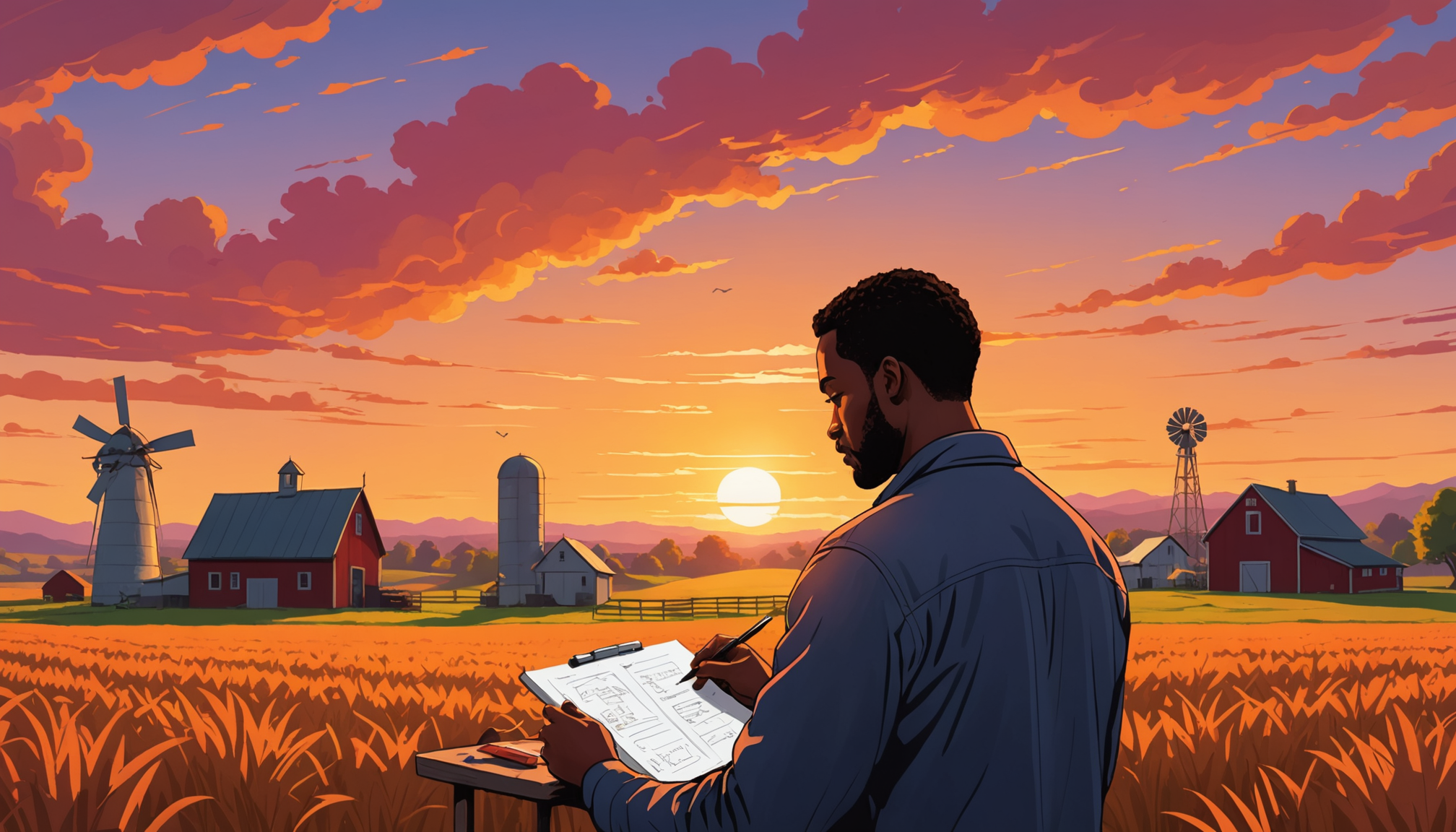
As the early Adventist communities began to recognize the intricate relationship between their spiritual beliefs and the weather, several key figures emerged who would influence their approach to meteorological studies. These individuals were not merely observers of the natural world; they were pioneers who sought to intertwine their understanding of the environment with their faith, thus establishing a foundation for practical forecasting that would resonates through generations.
One such figure was James White, a co-founder of the Adventist movement. With his visionary mind, he understood that accurate weather predictions would play a crucial role in the lives of Adventist farmers. White urged fellow believers to observe the natural signs around them, encouraging them to record the behaviors of plants and animals as indicators of changing weather. His emphasis on the correlation between spiritual life and the observation of nature reflected a deep-seated belief that divine forces were at play in their daily existence. White’s writings often included accounts of weather patterns, underscoring a blend of faith and empirical evidence that would inspire others in the community to adopt similar methodologies.
Another noteworthy figure was Ellen G. White, whose profound insights continued to guide the Adventist community. Her writings emphasized the importance of understanding nature’s laws, suggesting that they were, in essence, a window to divine wisdom. Through her visions, she conveyed that knowledge of the natural world—including its climatic fluctuations—was integral to fulfilling one’s spiritual duties. Her encouragement for detailed seasonal planning became a cornerstone of Adventist agricultural practices, shaping how communities approached farming in concert with the rhythms of the weather. In her view, weather wisdom was not simply a secular endeavor; it was part of a larger, divinely ordained responsibility to care for one’s surroundings.
In the realm of meteorological development, John Kellogg, a physician and health reformer, also played a significant role. He was fascinated by the ways in which climate could affect health and well-being, advocating for a scientifically informed approach to understanding weather patterns. Kellogg’s exploration into the medical impacts of weather led him to find synergies between climate knowledge and agricultural productivity, prompting the Adventist community to consider not just the crops they planted but how the weather controlled the overall health of their livelihoods.
Each of these key figures contributed to a burgeoning movement that intertwined faith with weather prediction, cultivating a culture that valued detailed observations and seasonal planning. Their influence rippled through the fabric of Adventist life, prompting communities to rely on each other for shared insights into weather phenomena. This collaborative spirit fostered a sense of unity as congregations pooled their climate knowledge, nurturing an environment where every storm and sunny day was met with both preparation and reverence.
The commitment to observing the natural signs of the world was so deeply ingrained that it permeated Adventist worship and community gatherings. Stories of weather predictions, grounded in personal anecdotes, became common fare during fellowship meetings—an amalgam of shared experiences that reinforced both their spiritual bonds and practical understanding of the environment. This symbiotic relationship between key figures and their communities propelled adventist meteorology into a realm where faith and science walked hand in hand, thus crafting a legacy that would echo throughout the years.
Methods and tools employed by early adventists
The early Adventists embraced a variety of methods and tools in their quest to understand and predict the weather, illustrating a tapestry of ingenuity woven from both spiritual insight and empirical observation. Their techniques were grounded in the careful study of natural signs, allowing them to interpret the world around them in ways that were both practical and profound.
One of the most notable methods was the practice of meticulous observation. Adventists would keep detailed records of local weather patterns, noting how subtle changes within nature often preceded dramatic shifts in the climate. These records, often compiled into journals, served as valuable resources for future reference. Over time, this accumulation of climate knowledge provided a rich database from which predictions could be drawn, including trends related to rainfall, temperature fluctuations, and atmospheric pressure.
In addition to journaling, communal gatherings became an essential tool for sharing weather-related observations. Through these interactions, individuals exchanged anecdotes of their findings about the signs of impending weather, creating a communal repository of weather wisdom. This collective memory was not static; it evolved as new insights emerged from personal experiences, reinforcing the importance of observation as a vital tool in their forecasting efforts.
The utilization of plants and animals further enriched their methods. Adventists integrated traditional ecological knowledge, paying close attention to how flora and fauna behaved in response to changing climatic conditions. For example, the blooming of certain flowers or unusual migration patterns of birds were interpreted as significant indicators of imminent weather changes. Such connections were deeply valued, as they linked the physical world to the spiritual beliefs of the community, suggesting that nature itself communicated with the faithful.
Seasonal planning also played a central role in their agricultural practices. By anticipating the weather, Adventists strategically determined planting and harvesting timelines. They devised calendars that not only marked the passage of time but also aligned their farming activities with the expected climatic conditions. This proactive approach allowed for more efficient use of resources and, ultimately, greater yields from their crops. This careful orchestration of agricultural efforts with the rhythms of nature exemplified an understanding that extended beyond mere survival—it was an acknowledgment of their stewardship over the land.
To supplement their observations, early Adventists often employed simple instruments like barometers and thermometers, tools that began to bridge the gap between empirical science and the communal wisdom of the Adventist tradition. These devices, though rudimentary by modern standards, provided measurable insights into weather patterns that enhanced their prognostications. As a consequence, their methods were both holistic and data-driven, drawing from a heritage of oral tradition while simultaneously embracing the potential advantages of scientific instrumentation.
Ultimately, the suite of methods and tools employed by early Adventists reflects a deep interplay between faith and empirical knowledge—a synthesis that enabled them to navigate their agricultural lives with discernment and foresight. Through shared observations, seasonal planning, and the integration of simple meteorological instruments, they fostered a culture that prioritized both community and a reverent understanding of the natural world.
Impact of weather predictions on adventist communities
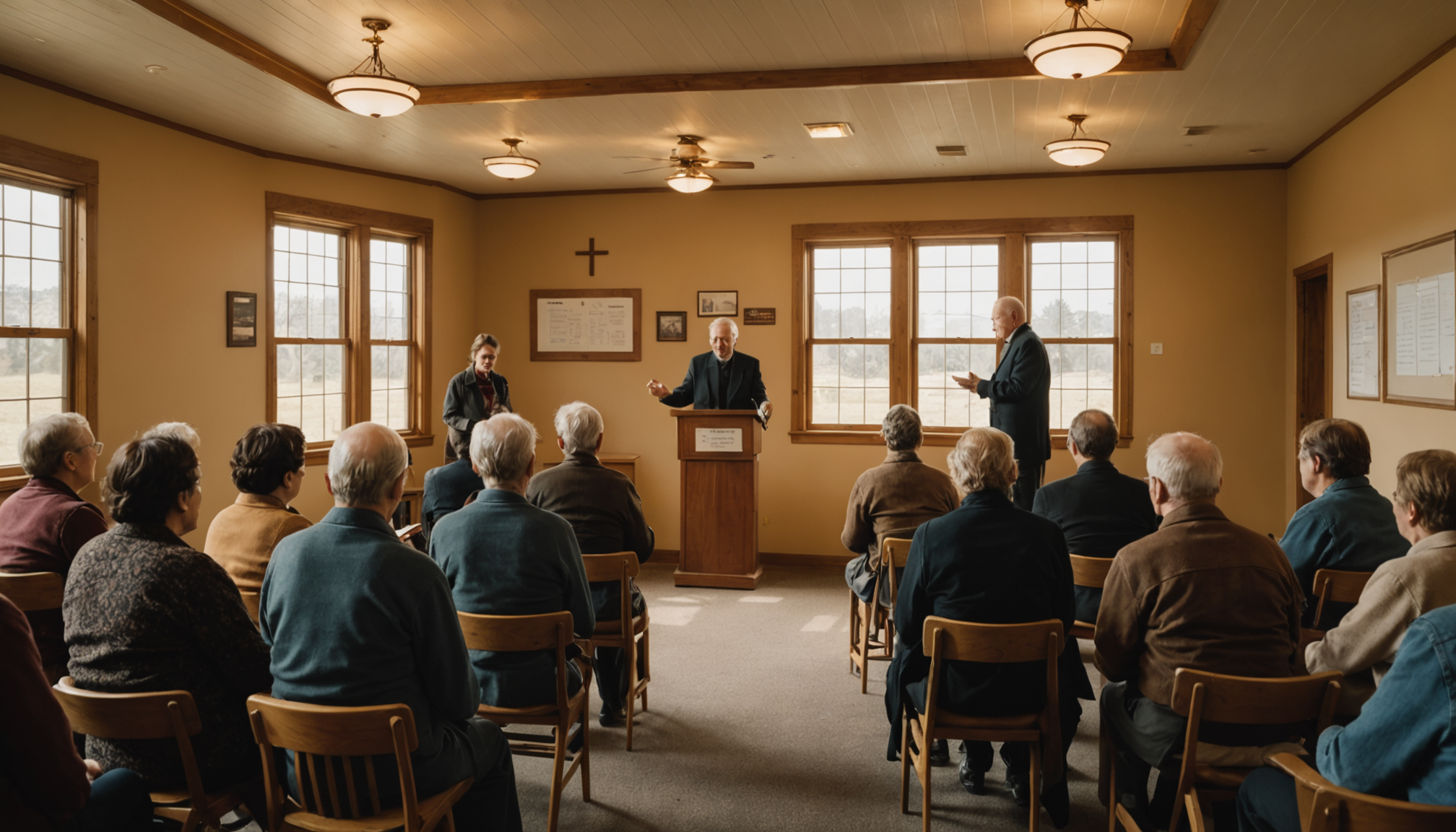
The impact of weather predictions on Adventist communities was profound, intertwining practical forecasting with the very fabric of their daily lives. With the natural signs acting as guides, members of these communities found themselves better equipped to navigate the uncertainties of climate and agriculture. The knowledge gleaned from observations not only served practical purposes—ensuring timely planting and harvesting—but also fostered a deeper spiritual connection to the land they cultivated. Through shared experiences and communal insights, these early Adventists developed a legacy where weather wisdom was integral to their identities.
This focus on weather predictions brought about a sense of unity and collective responsibility, as congregations collaborated to interpret the signs around them. Communities began to hold discussions centered on their findings, reinforcing both their agricultural practices and spiritual tenets. Elders often guided the sharing of insights during church meetings, highlighting how God’s creation communicated through the environment. This reciprocal relationship between faith and the natural world became a cornerstone of Adventist life, as members learned to expect and respond to weather patterns in ways that reflected their reverence for both the Creator and creation itself.
Moreover, the advent of seasonal planning was pivotal. By coordinating their agricultural activities around anticipated weather, Adventists not only optimized their yields but also embraced the blessings of providence. Thoughtful planning transformed mundane farming into a ritual of faith, where each season was acknowledged as a divine opportunity. Every rainfall or sunny day symbolized more than just climate conditions; it represented the care of a higher authority guiding their efforts and honoring the principles of stewardship they valued deeply.
As these communities grew, so did their understanding of the interconnectedness of climate knowledge, agricultural success, and spiritual fulfillment. Members began to consider not just the practical outcomes of their observations but also the deeper meanings they carried in their lives. The integration of weather wisdom into their practices, thus, crafted a resilient culture that thrived on cooperation and a shared belief in a divinely ordered universe, where every storm and every harvest became markers of divine grace.
- What techniques did early Adventists use for weather prediction?
- Early Adventists relied on observation of natural signs, such as changes in wind patterns, the behavior of wildlife, and seasonal shifts to predict weather. These methods were complemented by detailed record-keeping and communal sharing of weather-related knowledge.
- How did weather predictions affect agricultural practices in Adventist communities?
- Weather predictions enabled Adventist farmers to time their planting and harvesting activities more efficiently, thereby maximizing agricultural yields. This proactive approach also fostered a belief in spiritual stewardship over the land.
- Who were some key figures in Adventist weather forecasting?
- Notable figures included James White, who emphasized the correlation between weather patterns and spiritual life, and Ellen G. White, who urged her followers to understand nature’s laws as a reflection of divine wisdom.
- What role did communal gatherings play in Adventist weather prediction?
- Communal gatherings served as platforms for sharing insights and personal observations related to weather patterns. This collective exchange strengthened community bonds and reinforced the importance of weather wisdom in daily life.
- How did early Adventists integrate scientific tools into their weather prediction methods?
- While primarily observant and intuitive, early Adventists used rudimentary scientific instruments like barometers and thermometers to supplement their natural observations. This blending of collaboration and empirical data enriched their forecasting capabilities.
- In what ways did weather predictions reflect the spiritual beliefs of Adventist communities?
- Weather predictions were seen as manifestations of divine providence, reinforcing the notion that understanding nature was essential to fulfilling spiritual obligations. Every weather pattern was interpreted as part of a divine order that guided their agricultural endeavors.
- How did the understanding of natural signs influence Adventist community identity?
- Understanding and interpreting natural signs became central to Adventist identity, as it connected them not only to their agricultural practices but also to their spiritual beliefs, fostering a sense of unity and collective responsibility.
Beside our live streamed church services, all are welcome to attend our church in person each Saturday beginning 10:00 AM Central Time by going to 2425 Owens Rd., Ashland, AL 36251. There is no cost and any donations are strictly voluntary.
For questions, call +2563547124.