Come join Ashland Sabbath Chapel Ministries each Saturday for live streamed church services. Bible Study begins at 10:00 AM Central Time and Sermon at 11:00 AM. Visit Our YouTube channel and watch from home!
When you take in more sugar than your body can wisely use, it does not simply vanish; it must be dealt with. The blood carries it to every organ, and, for a time, you may feel a quick lift—more energy, a brighter mood. But that lift is like a house built on sand. The body releases insulin to push the extra sugar into the cells, and once that rush is over, the blood sugar falls quickly. Then come the feelings you know too well: weariness, irritability, a clouded mind, and a craving for still more sweetness. This rising and falling, again and again, is a heavy burden to the delicate machinery of life that God has entrusted to you.
Over time, the body becomes less responsive to insulin’s gentle knocking. This is called insulin resistance, and it is the doorway to type 2 diabetes and many other troubles of body and mind. Studies show that diets high in added sugars are strongly associated with weight gain, abdominal fat, and a higher risk of diabetes and heart disease (Malik et al., Circulation, 2010; Te Morenga et al., BMJ, 2013). The liver, that faithful worker, must turn the extra sugar—especially from sweetened drinks—into fat, and some of that fat gathers right in the liver itself. This nonalcoholic fatty liver disease is becoming common even among the young, largely because of careless eating and disregard of the simple laws of health.
The heart also feels the weight of a high-sugar way of living. Added sugars, particularly from sugary beverages, have been linked with higher blood pressure, unfavorable cholesterol changes, and greater risk of dying from heart disease (Yang et al., JAMA Internal Medicine, 2014). Yet, many who would be alarmed at a poisoned well will daily poison the living currents of their own blood, almost unconsciously, with sweetened drinks and rich desserts. We must remember that every nerve and vessel is part of a sacred trust; when the blood is thick and overloaded, the heart must labor harder, and the whole being is left more easily overcome by disease and discouragement.
The brain, too, is not left untouched. Frequent surges of sugar and insulin can dull the clarity of the mind. Research suggests that high sugar intake may be associated with poorer memory, reduced learning capacity, and an increased risk of depression (Knüppel et al., Scientific Reports, 2017; Kanoski & Davidson, Physiology & Behavior, 2011). You may have noticed this yourself: after a meal heavy in sweets and refined starches, you feel drowsy, your thoughts slow, and spiritual things seem less attractive. The body and mind are closely bound together; when one is weakened, the other cannot be at its best. Clear perception of right and wrong, calm judgment, and firm self-control all rest, in part, upon wise care of the physical powers.
Sugar also reaches the very roots of your teeth. Bacteria in the mouth feed eagerly upon it, forming acids that quietly eat away the enamel and open the door to cavities. This is not a small matter, for diseased teeth can disturb digestion, burden the heart, and even affect the health of the whole system. The World Health Organization notes that lowering free sugar intake is linked with reduced dental caries across the lifespan (WHO Guideline: Sugars Intake for Adults and Children, 2015). So each time you linger over a sweet, consider that the mouthful of pleasure may leave a long trail of discomfort and expense behind it.
Though we often think only of weight and disease, sugar reaches into the domain of hormones and appetite as well. When you often eat sugary foods, the hormones that signal fullness—like leptin—can be disturbed, and ghrelin, the hunger hormone, may not quiet as it should. This helps explain why a sugary snack rarely satisfies; instead, it awakens a desire for more. Over time, this can lead to overeating and constant nibbling. Scientific reviews have described how high intake of added sugars can promote increased calorie consumption far beyond the body’s true needs (Ludwig, JAMA, 2016). When appetite is thus perverted, it becomes harder to listen to the gentle voice of reason, and easier to be driven by impulse.
It is important, though, to distinguish between the sugars that come naturally bound up with fiber, vitamins, and minerals in whole fruits and vegetables, and the “free” or added sugars poured into drinks, desserts, and processed foods. The former, taken in their natural package, act very differently in the body. The fiber slows the rise of blood sugar and supports healthy digestion, while the abundant nutrients work to build strength and repair. Modern nutrition research repeatedly confirms that whole fruits, eaten in moderation, are associated with better, not worse, health outcomes (Muraki et al., BMJ, 2013). It is the concentrated, refined, and added sugars that so often bring confusion to the system and open the door to disease.
As you consider these things, do not think merely of rules, but of relationships—the relationship between your choices today and your strength for tomorrow; between what you place on the table and the clearness with which you can pray, study, work, and love the people around you. The body is the instrument through which the mind and the spirit act. If we overtax it with needless sweets, we limit our usefulness and dim the joy we might otherwise share. When you understand how sugar moves through your body, how it touches the heart, the mind, the liver, and even the teeth, then the next bite of cake or sip of soda is no longer a small, careless indulgence. It becomes a decision, either to help or to hinder the life God has given you.
Identifying hidden sugars in everyday foods
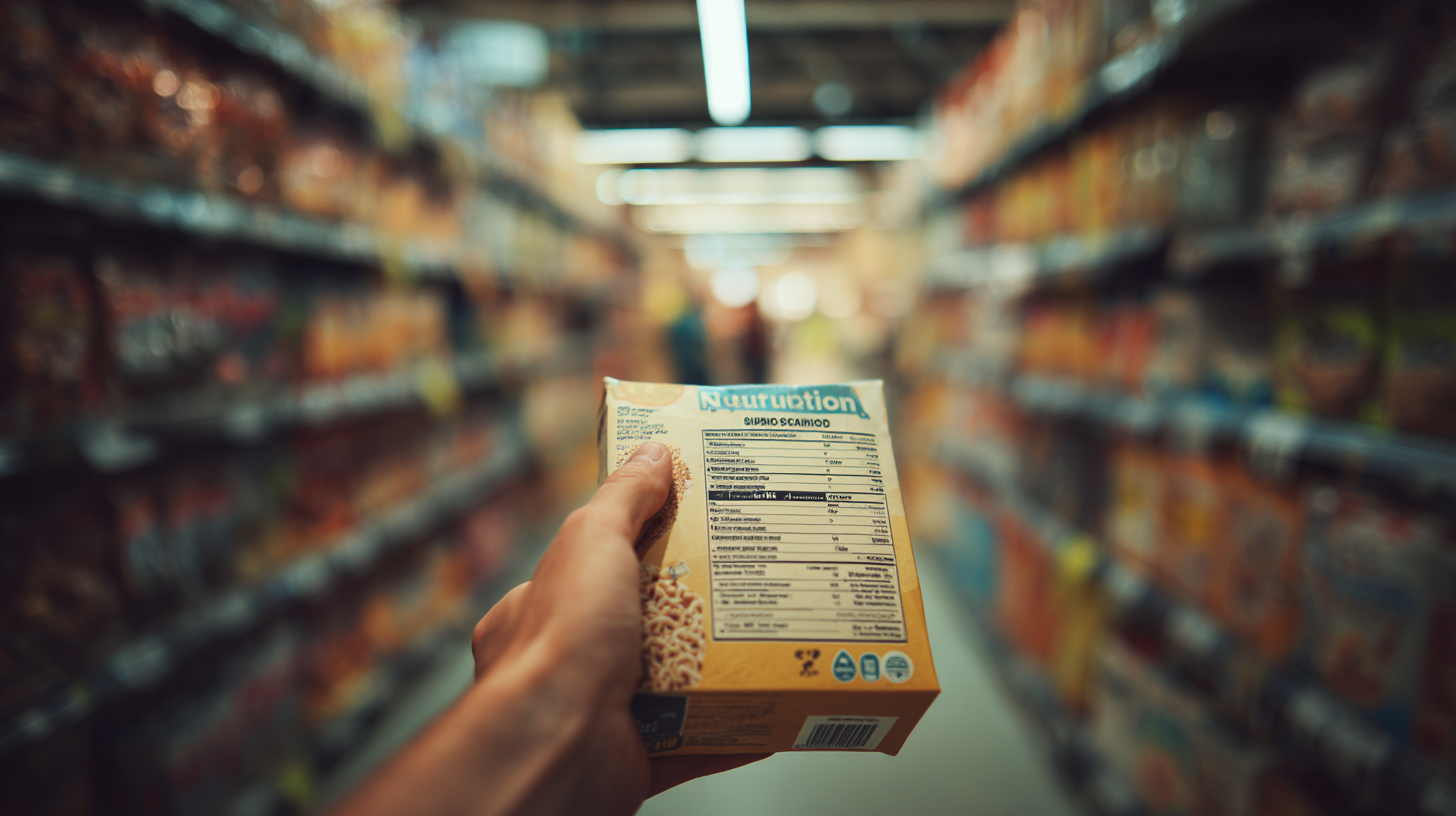
Many imagine that the great danger lies only in the obvious treats—the cookies, the candy, the frosted cakes. But, my friend, the more subtle peril often hides in the foods we call “everyday,” the things that sit quietly in our cupboards and on our breakfast tables. Labels that speak of “wholesome,” “natural,” and “light” may, under a pleasant exterior, conceal a liberal use of sugar. To walk safely in this matter, you must learn to read, as it were, between the lines, and discern how much sweetness has been woven into the very fabric of your daily eating.
The first step is to become a faithful student of the ingredient list. In our day, sugar seldom goes by a single, simple name. It appears under many disguises: sucrose, glucose, fructose, high-fructose corn syrup, cane juice, maltose, dextrose, barley malt, rice syrup, agave nectar, fruit juice concentrate, and more. Researchers have noted that packaged foods may contain multiple types of added sugars, scattered throughout the ingredients, which can make their total amount seem smaller to the unwary eye (Lieffers & Ekwaru, Applied Physiology, Nutrition, and Metabolism, 2018). When you see several forms of sugar repeated, you may be sure that the product is built more upon indulgence than upon true nourishment.
One simple rule can help you greatly: when sugar, by any of its many names, stands among the first three ingredients, the food is heavily sweetened. The ingredients are listed in order of weight; what comes first, there is most of. If a breakfast cereal, a yogurt, or a snack bar names sugar or syrup at the head of the list, then no matter what the front of the package may promise, it will not faithfully serve your health. The wise homemaker and the earnest seeker after better habits will set such foods aside and look for those whose chief ingredients are whole grains, nuts, seeds, and fruits, unburdened by much added sweetening.
Next, turn your careful eye to the “Total Sugars” and “Added Sugars” lines on the nutrition facts panel. In many countries, labels now distinguish between the sugars naturally present in a food—such as those found in plain milk or whole fruit—and those that have been added during processing. This is a blessing for all who desire to reform their diet. The World Health Organization recommends that free sugars (those added to foods and drinks, plus those naturally present in honey, syrups, and fruit juices) be kept below 10% of daily calories, and suggests that staying under 5% provides still greater benefit for body and teeth (WHO Guideline: Sugars Intake for Adults and Children, 2015). For the average adult, this means aiming for no more than about 25 grams (6 teaspoons) of added sugar a day for optimal protection.
To make this practical, you must learn to translate the numbers. Every 4 grams of sugar is about 1 teaspoon. If a flavored yogurt shows 18 grams of added sugar, you are looking at more than 4 teaspoons in that little cup. A bottle of sweetened tea with 32 grams holds about 8 teaspoons. If, in a single day, you drink such a tea, have a sweetened cereal at breakfast, and a granola bar as a “healthy” snack, you may easily exceed your recommended allowance before noon, without touching a single dessert. Thus the peril of hidden sugars: they slip silently into the diet and claim room that ought to be reserved for more sustaining, God-given foods.
Let us examine some of the common places where this quiet invasion takes place. Many begin their morning with breakfast cereals that promise fiber and vitamins. Yet a large portion of commercial cereals—especially those aimed at children—are loaded with added sugars. Studies have found that some cereals contain more than 30% of their weight as sugar, making them little better than confections in disguise (Harris et al., Yale Rudd Center, Cereal Facts, 2012). Even those that appear modest can add up: a serving with 10 or 12 grams of sugar, eaten day after day, trains the palate to expect sweetness and crowds out more wholesome options like plain oatmeal with fresh fruit.
Yogurts are another frequent hiding place. A simple, plain yogurt can be a nourishing food, rich in protein and beneficial cultures. But when it is strained through layers of sweetening and flavoring, it often becomes more like a dessert. Fruit-at-the-bottom varieties and flavored yogurts commonly carry 15–25 grams of total sugar per small container, much of it added. Here a small change in choice can mean a large change in nutrition: by selecting plain yogurt and sweetening it gently with fresh berries or a few slices of banana, you spare the body a flood of refined sugar and still enjoy a pleasant taste.
We often think of condiments and sauces as small additions, hardly worth counting; yet they, too, may be vessels of concentrated sweetness. Ketchup, barbecue sauce, sweet chili sauce, and many salad dressings can deliver several teaspoons of sugar in just a few spoonfuls. A generous hand at the table can therefore transform a simple, healthful meal into something far sweeter than you intended. Even “light” or “fat-free” dressings may rely on extra sugar to replace the flavor lost when the fat is removed. It is wise to read their labels carefully, or better yet, to prepare your own dressings at home, using olive oil, lemon, herbs, and a modest touch of natural sweetness when truly needed.
Canned and packaged foods, which seem so convenient to the busy household, often contain hidden sugars as well. Canned fruits may be packed in heavy or light syrup instead of their own juices. Baked beans, tomato soups, and pasta sauces frequently bear surprising amounts of added sugar to appeal to a sweetness-trained public. One jar of pasta sauce, used as the base of a family meal, may hold 4 or 5 teaspoons of sugar or more. When you choose varieties labeled “no added sugar” or “unsweetened,” or when you flavor your own sauces from plain tomato products, you take back control over what enters your body.
We must also speak of drinks, for they are one of the greatest channels through which sugar flows unobserved. Soft drinks, sweetened teas, fruit drinks, energy drinks, and even some flavored waters carry a heavy load of free sugars. Research has repeatedly linked intake of sugar-sweetened beverages with weight gain, type 2 diabetes, and heart disease (Malik et al., Diabetes Care, 2010). Yet many do not think of a beverage as “food” and so do not count its sweetness. A single large soda can contain 10 or more teaspoons of sugar—more than the suggested daily limit in one serving. Fruit juices, even when labeled “100% juice,” are also concentrated sources of natural sugars removed from their fiber, and can raise blood sugar sharply. Whole fruit is a wiser choice, for there the sweetness is bound up with fiber and abundant protective compounds.
Snacks that parade as “healthy” deserve close examination. Granola bars, protein bars, flavored nuts, and even some “whole grain” crackers may carry coatings of honey, syrups, or sugar that greatly increase their sweetness. A bar may boast of its protein and fiber, yet deliver 3 or 4 teaspoons of sugar in a few bites. Trail mixes may be filled with chocolate candies and sweetened dried fruit. Here, the mind must not be carried away by bold claims on the front of the package. Let the quiet, truthful voice of the ingredient list and the sugar content guide your choice. Simple nuts, seeds, and unsweetened dried or fresh fruits make more reliable companions for those who would preserve clear thought and steady nerves.
Even in the baker’s aisle, sugar wears countless faces. “Organic cane sugar,” “evaporated cane juice,” “coconut sugar,” and “agave nectar” are often marketed as more noble, more natural forms of sweetness. While some may differ slightly in flavor or trace minerals, from the body’s point of view they are still concentrated sugars and must be used with the same caution as ordinary table sugar. Scientific reviews remind us that, whatever their source, added sugars contribute extra calories without essential nutrients and, in excess, promote the very diseases we seek to avoid (Erickson & Sadeghirad et al., Annals of Internal Medicine, 2017). Do not let fine-sounding names lull you into carelessness.
Because the food industry has woven sugar so widely into its products, many find it helpful to keep a simple record for a few days. Note what you eat and drink, and beside each item, write the grams of added sugar. At the end of the day, convert those grams to teaspoons, and see where you stand. This quiet, honest accounting can be a revelation. You may discover that the “small” sugars—a sweetened coffee here, a flavored yogurt there, a bit of sauce on the plate—together form a river that constantly washes through your system. When the truth is laid plainly before you, you are better prepared to make firm, intelligent choices in harmony with God’s plan for your body.
As you practice this careful reading and thoughtful choosing, your taste will gradually change. Foods that once seemed plain will become pleasant; the natural sweetness in fruits, grains, and vegetables will stand out more clearly as your tongue is no longer dulled by heavy sweetening. There is a moral lesson here: when the appetite is restrained and enlightened, the mind gains strength to discern and to obey. In the quiet work of learning to identify hidden sugars, you are not merely changing your pantry; you are training your judgment and forming habits that will uphold you in many other duties of life. Thus, step by step, the simple act of reading a label and choosing the less sweetened path becomes part of a broader work of restoration—of body, of mind, and of character.
Choosing healthier alternatives to sugary drinks and snacks
If, after examining all the quiet ways in which sugar steals into your plate and cup, you feel a little disheartened, do not be. The object is not to leave you in a desert of deprivation, but rather to guide you into a garden of choices that are both pleasant and safe. The tongue may have been schooled for many years to demand intense sweetness; yet, like any other pupil, it can be retrained by patient, steady practice. Instead of asking, “What must I give up?” it is far more cheerful—and far more successful—to ask, “What may I enjoy instead?”
Let us begin with drinks, for they so often form the largest stream by which sugar enters the system. Many have grown accustomed to keeping a bottle or can of something sweet within easy reach—soda, sweet tea, fruit punch, or a so-called “energy drink.” To cast them away in a single day may seem a cruel sentence. A gentler, yet still very effective, plan is to move in stages. If you presently drink two or three sweet beverages each day, resolve first to replace one of them with water, sparkling water, or an unsweetened drink. When that becomes comfortable, replace a second, and so on, until the sweetened drinks are reserved for truly rare occasions, rather than daily companions.
Plain water, I know, may appear dull when the tongue is accustomed to fireworks. You may ease the change by giving your water a touch of natural charm. A few slices of lemon, lime, or orange; a sprig of mint; some thin slices of cucumber; or a handful of frozen berries can transform a simple glass into a refreshing draught without pouring in added sugars. Sparkling water, too, can be enlivened in this way, giving the pleasant fizziness of soda without its burdens. In time, many discover that a cold glass of pure water, taken when truly thirsty, brings a satisfaction no sweetened drink has ever provided.
Tea and coffee are another place where sugar likes to hide itself. Some will protest, “But I cannot take them without sweetness; it is impossible!” Yet impossibilities often become merely difficulties, and difficulties become quite manageable, when taken in small steps. Imagine you are accustomed to placing two spoonfuls of sugar in your cup. For the next week, put in only one and a half. The following week, reduce it to one. Continue in this gradual manner. Each small decrease allows the taste buds to adjust without a violent shock. Many have found, to their surprise, that in a month or two they can drink their tea or coffee with little or no sugar, and actually prefer it so, for they begin to notice flavors the sweetness once concealed.
For those who enjoy fruit juices, a similar plan may be followed. Instead of drinking a glass of pure juice, which is rich in natural sugars but poor in fiber, dilute it half-and-half with water, or pour a small amount of juice into sparkling water for a light, refreshing beverage. Better yet, choose the whole fruit instead of the juice whenever you can. An orange or an apple brings with it fiber, volume, and many protective substances that support better health. You will find it far more difficult to overindulge in oranges than in orange juice, and your blood sugar will be much the better for it.
Now we come to snacks, those frequent visitors that slip into the day between regular meals. Here, the imagination can be a most useful ally. The common habit is to reach for items that are both very sweet and very convenient: cookies, pastries, candy, sweet granola bars, or chocolate-coated morsels. To tear them away without offering some agreeable substitute would be to wage war upon yourself. Instead, let us stock the cupboard and refrigerator with choices that satisfy both hunger and taste, yet do not throw your blood sugar into such distress.
Fresh fruit is an excellent friend in this regard. A crisp apple, a juicy pear, a handful of grapes, or a bowl of berries can give a gentle sweetness that does not abuse the system, because it comes wrapped in fiber and abundant nutrients. To make these options more inviting, wash and prepare them ahead of time. Place apples where they are easily seen, not hidden behind jars and boxes. Keep containers of washed grapes or cut melon in the refrigerator, ready to be taken up without trouble. When wholesome food is as convenient as its sugary rivals, it is far easier to choose well.
Nuts and seeds, too, can serve as trusty companions between meals. A small handful of almonds, walnuts, pistachios, or sunflower seeds brings satisfying fats and protein, helping to steady the blood sugar and quiet the appetite. To keep the benefit pure, choose varieties that are unsalted and unsweetened. If you miss a touch of sweetness, you may mix a modest portion of unsweetened dried fruit—such as plain raisins or dried apricots—into your nuts. In this way, you enjoy a hint of natural sweetness without bathing your system in the concentrated sugars of candy and pastries.
For those who cannot easily part with the idea of a “bar” as a quick snack, it is possible to prepare simple, homemade versions that are kinder to both body and conscience. Oats, nuts, seeds, and a small amount of dried fruit can be pressed together with just enough binding—perhaps mashed banana or a modest drizzle of honey—to hold their shape, then baked and cut into squares. When you control the recipe, you can decide exactly how sweet they shall be, and little by little, you may lessen the sweetening as your taste becomes more refined. Such bars will not be perfect, but they will be a considerable improvement over many purchased varieties, whose long lists of ingredients testify against them.
Yogurt, which we have already considered as a hiding place for sugar, can also become a most pleasant alternative to richer desserts, if only it is rightly chosen. Let a plain, unsweetened yogurt form the base. To this, you may add fresh berries, sliced banana, or a spoonful of unsweetened applesauce. If you feel you must sweeten it further, begin with a very small drizzle of honey or maple syrup—far less than is used in flavored store-bought varieties—and gradually reduce this as you grow content with the fruit alone. In short time, the commercial yogurts, once so beloved, will taste unbearably sweet, and you will marvel that you ever thought them moderate.
Consider, too, the matter of dessert after meals. It is a custom deeply rooted in many households, yet not one which the body regards with much favor, especially when each dessert is a festival of sugar and white flour. You need not banish dessert entirely; you may simply transform it. Baked apples with cinnamon, a dish of fruit salad, stewed pears without added sugar, or a modest square of dark chocolate (70% cocoa or higher) can bring a sense of completion to the meal without subjecting the organs to a fresh assault. If desserts are reserved for special occasions rather than expected every day, they regain their proper place: a rare pleasure, not a daily right.
You may ask, “But what am I to do when visiting friends or attending gatherings, where sweet drinks and rich pastries are everywhere?” This is indeed a delicate question, and one must walk with both firmness and kindness. If it is possible, take with you a dish that is both enjoyable and more moderate in sweetness—perhaps a fruit platter, a wholesome homemade muffin, or some lightly sweetened oatmeal cookies made with whole grains and less sugar than customary. In this way, you contribute to the table and ensure there is at least one choice that does not betray your better intentions.
When offered something very sweet, you are not obliged to accept every portion that is pressed upon you. A small serving, taken slowly and with gratitude, may satisfy both hospitality and appetite, especially when you have already fortified yourself with more nourishing foods. If you are questioned about your changed habits, you may quietly explain that you are caring for your health and trying to live in harmony with better nutrition principles. Most reasonable people will respect such motives, and some may even be encouraged by your example.
It is useful, also, to think in terms of trading rather than simply refusing. If, on a particular day, you know you will partake of a slice of cake at a celebration, you might beforehand choose water instead of sweet beverages, and plain foods instead of sugary snacks. Thus, the total amount of sugar for the day is kept within safer bounds. While this is not an excuse for frequent indulgence, it is a practical method for navigating real life, where feasts and treats cannot always be avoided.
Another helpful strategy is to reduce the sweetness of recipes prepared at home. In many cakes, muffins, and quick breads, you may safely cut the sugar by one third, or even by half, without spoiling the final result. Often, no one at the table will notice the change, or if they do, it will be only to remark that the flavor of the fruit or spice is more distinct. When baking, you may also use mashed banana, unsweetened applesauce, or finely grated carrot to supply moistness and a gentle, natural sweetness, rather than relying entirely upon refined sugar. Each small change is another thread in the strong fabric of better habits.
As these alternatives become familiar, you will likely discover a change not only in your taste, but in your whole manner of feeling. The heavy after-meal drowsiness may lift; the headaches may grow rarer; the mind may become clearer and more composed. Cravings that once seemed like tyrants, commanding your obedience, will weaken when they are no longer indulged at every call. In their place comes a quiet satisfaction—a sense that you, by God’s grace, are no longer driven so easily by impulse, but are able to choose what truly serves your best good.
This work of choosing better drinks and snacks is not a thing accomplished in a day. There will be moments when old habits press strongly upon you, when a sugary drink or pastry calls with particular force. Do not let an occasional slip persuade you that all is lost. Rather, consider how far you have already come, and gently return to the wiser path. Each time you succeed in choosing water over soda, fruit over candy, nuts over cookies, you strengthen the very muscles of self-control. These small victories will, in time, prepare you for larger ones.
When you stand in the grocery aisle or open the cupboard at home, remember that you are not simply selecting food; you are shaping your future days—your energy, your clarity of thought, your capacity to work and to love. The convenient bottle or shiny wrapper that promises quick delight may, in truth, be a thief, stealing from your strength tomorrow. The simpler choice, perhaps less thrilling to the tongue at first, often proves to be a faithful friend. As your taste grows more refined and your judgment more settled, you will come to value this friendship more than all the fleeting pleasures of excessive sweetness.
Planning balanced meals to naturally cut sugar
When you begin to think about the whole day’s eating, rather than each bite in isolation, it becomes much easier to bring sugar under wise control. A scattered, haphazard way of eating almost always invites quick fixes—sweet coffees in the morning, vending-machine snacks in the afternoon, rich desserts at night. But when meals are thoughtfully planned, they can steady the appetite, calm the nerves, and greatly lessen those urgent cravings that so often lead to excess. The aim is not to live on a narrow, joyless fare, but to order your table so that the simplest foods, taken in due season and proper balance, truly satisfy.
A balanced meal is like a well-ordered family: each member has a part to act, and when all work together, peace prevails. In the language of modern nutrition, we may say that a sound meal generally contains three chief elements: a good source of complex carbohydrates (from whole grains or starchy vegetables), a portion of plant-based or lean animal protein, and some wholesome fats, all surrounded and brightened by a generous variety of vegetables and some fruit. When these are present together, the rise of blood sugar after eating is slower and more gentle, and the sense of satisfaction lasts much longer than after a plate of refined starches and sweets alone (Ludwig, JAMA, 2016).
Whole grains form a strong foundation for such meals. Oats, brown rice, quinoa, barley, whole wheat, millet, and similar foods still bear the bran and germ that God placed in them, rich in fiber, vitamins, and minerals. The fiber acts like a patient guardian, slowing the passage of sugar into the bloodstream and helping you feel full. Research has shown that higher whole grain intake is associated with lower risk of type 2 diabetes and heart disease (Aune et al., BMJ, 2016). When a bowl of plain oatmeal, brown rice, or whole-grain bread takes the place of sweetened cereals, white bread, and pastries, you strike at the very root of many sugar troubles.
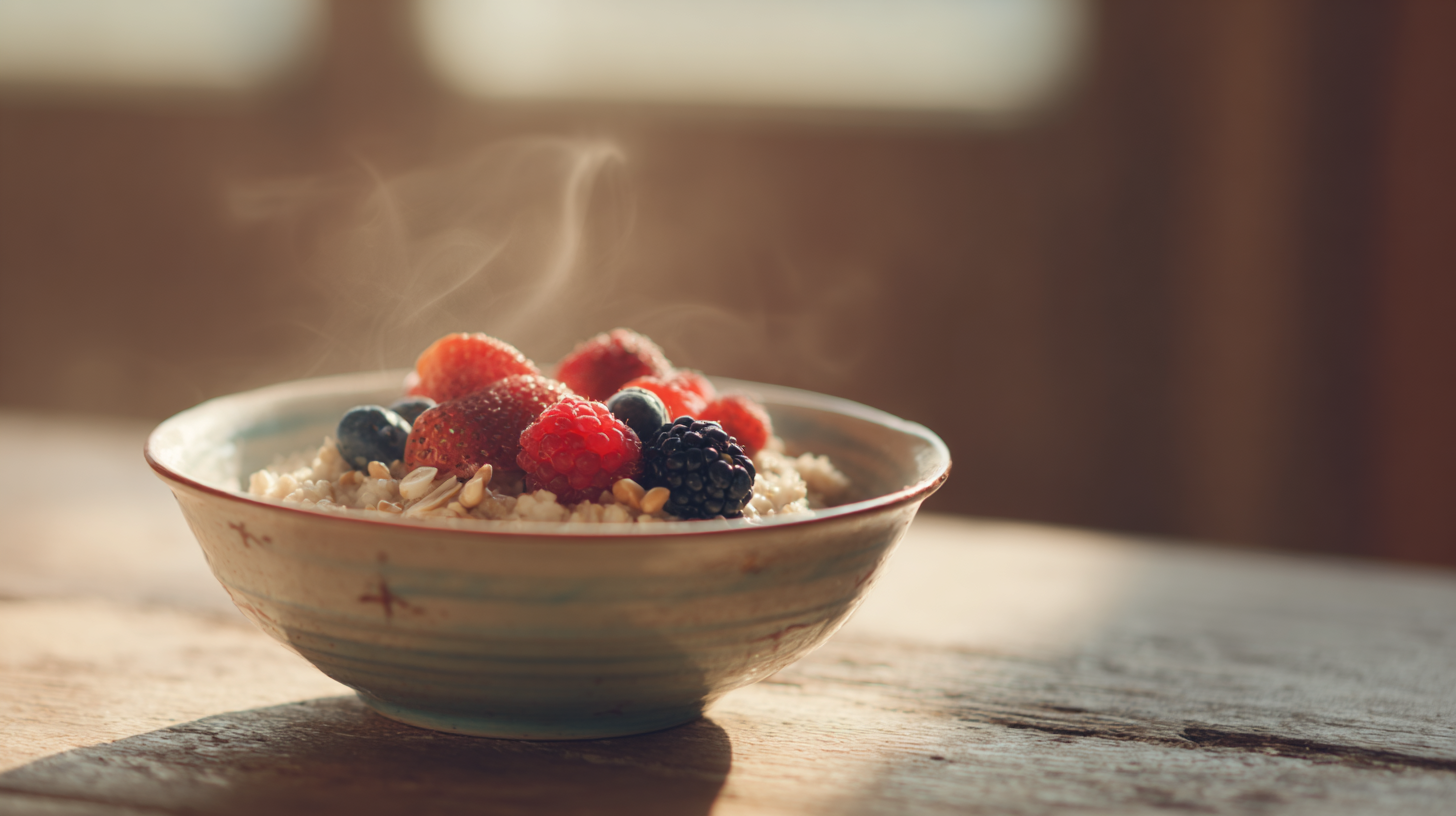
Let us look, for a moment, at breakfast, for it often sets the tone of the entire day. If the morning meal is made up of sweetened cereals, pastries, or white toast with jam, the blood sugar will rush upward, then fall again, leaving you weary and seeking another sweet rescue. Instead, think of a breakfast that includes whole grains and protein. A bowl of steel-cut oats cooked with water, then topped with a little ground flaxseed, some chopped nuts, and a handful of fresh berries, will nourish far better than a sugared cereal from a box. The oats and nuts slow digestion; the berries bring gentle sweetness and antioxidants; together they keep you steady until the next proper meal.
For those who like a savory beginning, a plate of scrambled tofu with spinach, tomatoes, and a slice of whole-grain bread, or a simple bean-and-vegetable breakfast bowl, will likewise hold the appetite in check. When the morning meal is hearty and composed of simple, unrefined foods, you will find it easier to pass by the sweet rolls in the office or the sugary coffee drinks that tempt at mid-morning. A single wise decision at breakfast can spare you many battles later in the day.
At midday and in the evening, the same principle of balanced simplicity will help you. Picture your plate as being divided, in thought, into portions. Let about half of it be filled with vegetables—some raw, some cooked: leafy greens, carrots, broccoli, peppers, cabbage, squash, whatever is in season. These give bulk without excess calories, and their fiber and many protective substances contribute powerfully to better health (Aune et al., International Journal of Epidemiology, 2017). One quarter of the plate may be a whole grain or starchy vegetable—brown rice, quinoa, baked sweet potato, corn, or barley. The remaining quarter can be a source of protein: beans, lentils, peas, tofu, or modest portions of lean fish or poultry, if you use them.
When you eat in this manner, notice how little room is left for sugary additions. There is no need for sweet sauces, candied toppings, or rich desserts to fill a void, because the meal itself is substantial and varied. A lentil stew over brown rice, served with a large green salad and a side of steamed vegetables, feeds the body thoroughly and steadies the blood sugar. A chickpea and vegetable stir-fry over quinoa, seasoned with herbs and spices instead of sugary sauces, does the same. In such meals, sugar loses its central place and becomes, at most, a mild accent, if used at all.
One method many find useful is to plan meals ahead for several days, or even a full week. You need not write a complicated schedule; a simple outline is sufficient. For example:
- Breakfasts: oatmeal with fruit and nuts; whole-grain toast with avocado and tomato; plain yogurt with seeds and berries.
- Lunches: large salads with beans and whole grains; vegetable soups with whole-grain bread; leftovers from supper.
- Suppers: bean chili with brown rice; baked sweet potatoes with steamed greens and tofu; whole-wheat pasta with vegetable-rich tomato sauce and a salad.
When such a plan is in place, the hurried, anxious question, “What shall we eat?” does not drive you to the nearest sweet or highly processed option. You know already what the day will bring, and you have, as far as possible, made provision for it. This forethought is a powerful ally in the struggle against impulsive snacking and excessive sweetening.
Another important element is the regularity of meals. When meals are irregular—late one day, early the next, skipped altogether, or piled close together—the appetite becomes confused and unreasonable. Long stretches without food may lead to such hunger that you seize, without much thought, the quickest and often the sweetest thing at hand. Studies have suggested that more regular eating patterns are associated with better weight management and metabolic health (Jakubowicz et al., Obesity, 2013). Aim, as far as life’s duties allow, to take your meals at nearly the same times each day, and avoid continual grazing between them.
If your meals are rightly composed and taken at proper hours, you will find less need for snacks. When you truly must eat between meals—because of unusual exertion or long gaps—let the choice be simple and unrefined: a piece of fruit, a handful of nuts, some cut vegetables with hummus, a slice of whole-grain bread with a little natural nut butter. In this way, even your “extras” support, rather than undermine, your effort to reduce sugar.
The way you flavor your foods has much to do with how much sugar you feel you need. Many have grown so accustomed to sweet sauces and dressings that plain vegetables seem dull to them. But God has given us a treasury of herbs and spices that can make simple fare delightful without loading it with sugar. Fresh garlic, basil, oregano, rosemary, thyme, cumin, coriander, paprika, turmeric, cinnamon, ginger, and many others can bring warmth and character to food. A whole-grain porridge sprinkled with cinnamon and topped with sliced apple needs very little, if any, added sweetener. A stew seasoned well with herbs and a splash of lemon juice will satisfy far more than one drowned in sugary sauces.
Consider, too, the matter of ready-made dressings and condiments, which, as we have seen, often carry hidden sugars. When you prepare your own at home, you can largely avoid this trap. A simple dressing of olive oil, lemon or vinegar, mustard, a little salt, and herbs can be whisked together in moments. If you feel it must be sweetened, use a very small amount of honey or blended fruit instead of large spoonfuls of sugar, and gradually decrease this as your taste adjusts. Tomato sauces can be made from plain canned tomatoes, onions, garlic, and herbs, cooked slowly until rich and thick, without the ladles of sugar that many commercial varieties contain.
Portion size also influences how much sugar enters the body. Even when a dish is lightly sweetened, if you habitually eat more than your true need, you will still overload your system. Learn to eat slowly, to lay down the fork between bites, and to give the stomach time to send its messages of fullness to the brain. It commonly takes twenty minutes or more for this sense of satisfaction to be clearly felt. When you gulp your food in haste, you may easily eat past the point of need and then feel heavy and drowsy. In such a state, people often turn again to sweets and stimulants, trying to rouse themselves from the very stupor their overeating has brought.
Planning your meals also includes planning what will not be present on the daily table. It is neither necessary nor wise to place sweetened drinks, white bread, sugary breakfast items, and rich desserts in view at every meal. If the table is already furnished with whole grains, legumes, vegetables, fruits, and simple, wholesome fats, there is little excuse for such additions. Reserve sweet baked goods for occasional use, rather than daily fare. In many homes, dessert has become an expected part of every evening meal; yet this custom is not friendly to sound digestion or to your efforts to lessen sugar. A piece of fresh fruit, or nothing at all beyond the meal itself, is usually best.
To make this way of eating practical, it helps to prepare in advance when you have a free hour. Cook a larger pot of brown rice, beans, or lentils, and keep them in the refrigerator, ready to be transformed into soups, stews, salads, and quick skillets. Wash and chop some vegetables, so that a salad can be put together in a few minutes. Bake several sweet potatoes at once, to be reheated for future meals. When wholesome ingredients are already prepared, the temptation to order sweet, heavily sauced takeout food is greatly diminished.
Some find it helpful to choose a few simple “standard meals” for busy days—meals that are quick to prepare, satisfying, and moderate in sugar. For example, whole-grain toast with hummus and sliced tomato; a large mixed salad with beans and seeds; a vegetable and bean soup with a piece of fruit. When the mind is tired and does not wish to plan, you can fall back upon these safe and familiar choices instead of drifting toward sugary convenience foods.
It is natural, as you consider all these changes, to wonder how your family—or your own habits of many years—will respond. Do not attempt to leap from a very sweet, refined diet to a perfectly ordered one in a single day. Sudden, sweeping reforms often provoke resistance, especially in children, and are less likely to endure. Begin where you are, and take one or two steps at a time. Perhaps this week you decide to replace sweetened cereal at breakfast with oatmeal three mornings out of seven, and to add an extra serving of vegetables at supper. Next week, you may choose to cook brown rice instead of white, or to prepare a homemade tomato sauce without added sugar.
In the same spirit, involve the household in the planning. Let children help choose vegetables for the week’s suppers, or assist in washing and chopping them. Invite them to stir the pot of soup or to arrange slices of fruit on a platter for dessert. When they have had a hand in preparing wholesome food, they are often more willing to eat it. Talk gently, in simple terms, about why you are making these changes—that you desire more strength, clearer minds, and better health, not only for yourself, but for them as well. Children can understand more than we sometimes think, and their hearts are often touched by appeals to care for the bodies God has given them.
As your meals become more regular, balanced, and simple, you will likely notice that the grasp of sugar upon you weakens. A steady level of blood sugar, supported by whole grains, legumes, vegetables, fruits, and wholesome fats, is like a calm sea, on which the vessel of your life can move safely. Sharp peaks and valleys of blood sugar, driven by sweets and refined starches, are like storms that toss the ship, causing dizziness, irritability, and confusion. When the inner storms are calmed by wise meal planning, you are better able to think clearly, to pray, to work, and to show patience and kindness in your daily contacts.
Modern research bears witness to this experience. Diets rich in whole plant foods, modest in fat, and low in added sugars have been associated with improved blood sugar control, weight management, and lower risk of chronic disease (Satija & Hu, JACC, 2018). But beyond the statistics lies a quieter blessing: the sense of harmony that comes when appetite is brought into cheerful obedience to reason. Each well-planned meal is not only nourishment for the body, but an exercise in self-government, a silent testimony that, by God’s grace, you are choosing what supports life rather than what tends to weaken it.
In time, what at first felt like a discipline will become a delight. You will find satisfaction in a simply spread table, and joy in seeing those you love partaking of foods that build up rather than tear down. The bright colors of fruits and vegetables, the comforting warmth of a pot of beans or grains, the crisp freshness of a salad will speak more eloquently to you than the sugar-laden dishes that once held so strong a charm. By planning your meals to be balanced and largely free from unnecessary sweetness, you are quietly turning the current of your whole life toward better paths—preparing the way for habits that can endure through the changing seasons ahead.
Building long-term habits for sustainable sugar reduction
To walk a new path for a day or a week is one thing; to remain in it for months and years is quite another. Lasting change, especially in matters of appetite and nutrition, is not held together by sheer willpower alone, but by wise habits, thoughtful systems, and a clear sense of purpose. If sugar has woven itself through your days for many years, you will not push it out simply by making a few bold promises. You must instead build a new way of living, piece by piece, until choosing what protects your health and clarity of mind becomes as natural as your old customs once were.
Begin by shaping your environment so that it supports your best intentions instead of fighting against them. We are all influenced more than we admit by what lies within easy reach. If the cupboards are filled with candies, sweet pastries, and heavily sugared cereals, you will battle temptation every time you open the door. It is far kinder to yourself to remove—or at least greatly reduce—these snares. Keep on hand the foods that match your new direction: whole grains, beans, plain yogurt, nuts, seeds, fresh and frozen fruits and vegetables, and a modest supply of ingredients for simple home baking with less sugar. When the better choice is the easier choice, your daily victories come with less strain.
At the same time, do not try to reform everything at once. Habits that have grown up over many years cling closely to the mind and the body. If you attempt to tear them all up in a single day, you may provoke such resistance—both within yourself and in your household—that discouragement soon follows. Instead, choose one or two specific, manageable changes and practice them faithfully until they are established. Perhaps you decide first to stop buying sugary drinks for the home, or to take sweetened desserts only on the weekend rather than each night. When this becomes ordinary and no longer feels like a contest, you are ready to address the next area.
It is helpful to translate your general desires into clear, concrete goals. “I should eat less sugar” is so broad that it easily slips away in the press of daily life. But a goal such as, “I will limit myself to one small sweetened item two days a week,” or, “I will drink water instead of soda every weekday,” can be measured and kept in view. Many find benefit in writing such aims down and placing them where they will see them often—on the refrigerator, near the pantry, in a journal. This simple act signals to your own mind that you are serious, that this is not a passing idea but a chosen direction.
Tracking your progress, at least for a season, can strongly support these efforts. Keep a small notebook or use a simple chart where you record, without harsh judgment, how many sweetened items you have each day, or how many days you succeeded in your chosen goal. This quiet record becomes a mirror, reflecting your real habits rather than your assumptions. You may discover, to your surprise, that your “occasional” treats appear four or five times a day. Do not be dismayed; let the truth awaken in you a deeper desire to improve. Each week, look back and ask, “Where did I struggle most? What small adjustment could help me tomorrow?” In this way, setbacks become teachers instead of excuses.
Cravings, especially in the early stages of change, must be understood rather than merely feared. They often rise strongest when you are tired, stressed, or have gone long without proper food. In those moments, the body and mind seek quick comfort, and sugar has long promised to give it. When such a desire strikes, pause and ask yourself a few honest questions: “Am I truly hungry, or am I bored, anxious, or weary? Did I eat a balanced meal earlier, or did I skip and now feel empty? What else might comfort or strengthen me right now?” Sometimes a glass of water, a piece of fruit, a short walk in the fresh air, or a few minutes of quiet prayer will ease the urge better than any sweet.
There is also wisdom in having a plan ready for your most vulnerable times. If evenings are when you typically roam the kitchen in search of cookies or ice cream, decide ahead of time what you will do instead. You might prepare a small bowl of sliced fruit, keep herbal tea ready to brew, or set a strict “closing time” for the kitchen after supper. If stressful workdays lead you to the vending machine, place a small container of nuts and an apple in your bag before you leave home. You are not merely trying to say “no” to sugar; you are giving yourself a thoughtful alternative to say “yes” to.
Another powerful help in building long-term habits is to link your new actions with a deeper reason than appearance or numbers on a scale. These motives can stir you for a short time, but often fade when the first enthusiasm passes. Ask yourself instead: “What kind of life do I want my body and mind to make possible? How might reduced sugar intake strengthen my ability to think clearly, to work diligently, to be patient with those I love, to draw near to God without the fog of constant fatigue?” When your choices at the table are joined with such questions, they become part of a larger calling, not simply a diet.
Share your purpose, where appropriate, with a trusted friend or family member who will encourage you, not mock your efforts. Invite them to check in with you, or to journey with you in making some of the same changes. A simple agreement—“We will both avoid sugary drinks this month,” or, “We will prepare one low-sugar, whole-food supper together each week”—can make the path less lonely. When you fall, as everyone sometimes does, such companionship can prevent you from staying down. A kind word, a reminder of how far you have come, may be enough to lift your courage again.
It is important, too, to change the way you speak to yourself when you stumble. Many, after yielding to a craving, heap upon themselves harsh words—“I have no self-control; I will never change”—and in this discouraged state, they are more likely to indulge again. Instead, treat yourself as you would a friend learning a difficult new skill. Acknowledge the slip without excuse, but also without condemnation. Ask, “What can I learn from this? Was I too hungry? Too tired? Caught off guard at a social event?” Then make one small adjustment for next time. In this way, even your failures can become stepping-stones toward stronger habits.
Gradual reduction of sweetness, rather than abrupt banishment, often yields more lasting results. You might decide that for the next two weeks, you will use half as much sugar in your tea or coffee, or bake with one-third less sugar than the recipe calls for. After that, you can lessen it again. As taste buds adjust, foods that once seemed “just right” will begin to taste excessively sweet. You may find yourself wondering how you ever enjoyed them as they were. This quiet retraining of your palate is one of the most powerful tools you possess; it makes continued moderation feel natural instead of forced.
Routines also hold great strength. When you eat at regular times, sleep at sensible hours, drink water consistently, and move your body daily, the hold of sugar weakens. A well-rested mind is less desperate for quick stimulation; a body supplied with wholesome meals at proper intervals does not cry so loudly for sweets. Consider forming a simple daily rhythm: a nourishing breakfast soon after rising, a set time for lunch, a light to moderate supper, and a definite hour when eating for the day is finished. Combine this with a daily walk, even if short, and some moments of quiet reflection or prayer. Such a pattern brings steadiness that spills over into your choices with food.
Do not overlook the role of joy and gratitude in sustaining new habits. If your effort to cut sugar is driven entirely by fear—fear of disease, fear of gaining weight—it will soon grow heavy. Make room to notice and give thanks for each benefit you experience, however small: clearer mornings, calmer moods, fewer headaches, better digestion, or simply the satisfaction of saying “no” when before you would have yielded. Celebrate non-food rewards for your progress—a walk in a beautiful place, a good book, time with a friend—rather than returning to sweets as a prize for avoiding sweets. This shift may seem small, yet it quietly reshapes the way your mind connects pleasure and eating.
As months pass, your new manner of living will be tested by holidays, travels, family gatherings, and seasons of unusual stress. Instead of fearing these times, use them as opportunities to strengthen your principles. Before a feast day or trip, decide what boundaries you will hold: how many sweet items you will allow, which drinks you will choose, how you will balance indulgence with restraint. You may choose to taste a favorite traditional dessert in a modest portion, but still refuse the constant stream of candies and sodas. By thinking ahead, you respect both the occasion and your own long-term health.
In all these things, remember that you are not simply trying to “behave” for a while; you are learning to become a different kind of person—someone who no longer feels mastered by sugar, but who uses food as a servant to higher purposes. Each choice, however small, shapes that person. Every time you push aside an unnecessary sweet, prepare a simple wholesome meal, or pause to ask whether appetite or reason should rule, you carve a deeper channel in the mind, through which better habits can flow more easily tomorrow than they did today. Let this thought stir you: if your daily choices with food can be transformed, what else in your life might be patiently reshaped by the same quiet, steady courage?
- Why is it so hard to give up sugary foods once I start?
- Sugary foods trigger pleasure centers in the brain and can cause quick spikes and drops in blood sugar, which in turn fuel more cravings. Over time, your taste buds and reward pathways become accustomed to intense sweetness, making ordinary foods seem dull until you gradually retrain them.
- Is all sugar harmful, or only added sugar?
- The greatest concern is added sugars—those put into foods and drinks during processing or preparation—because they crowd out more nourishing calories and strain blood sugar control. Natural sugars in whole fruits and plain dairy come packaged with fiber, vitamins, and minerals, and are generally safe when eaten in reasonable amounts.
- How quickly will I notice benefits after cutting back on sugar?
- Many people report feeling steadier energy and fewer mid-afternoon crashes within one to two weeks of reducing added sugars. Longer-term benefits—such as improved weight control, better blood work, and reduced disease risk—tend to unfold over months and years of consistent habits.
- Should I use artificial sweeteners as a replacement for sugar?
- Artificial sweeteners can lower calorie and sugar intake in the short term, but research on their long-term effects and influence on appetite is mixed. A wiser aim is to gradually reduce your overall desire for sweetness, using less intense alternatives sparingly while you train your taste for simpler foods.
- Is fruit juice a healthy way to satisfy my sweet tooth?
- Even 100% fruit juice is concentrated in natural sugar and lacks the fiber that slows absorption in whole fruit, so it can raise blood sugar quickly. Whole fruits are a better choice; if you use juice, keep portions small and consider diluting it with water.
- How can I handle social events without overdoing sugar?
- Eat a balanced meal or snack beforehand so you arrive without intense hunger, and decide in advance how many sweets you will take. Choose modest portions of what you value most, drink water or unsweetened beverages, and focus your attention on conversation and fellowship rather than the dessert table.
- What is a realistic long-term goal for daily sugar intake?
- Many health organizations suggest keeping added sugars below 10% of daily calories, with added benefit around 5% or less—for most adults, that is roughly 6 teaspoons (about 25 grams) per day. Rather than counting perfectly, use this as a guide while you shift your regular eating toward whole, minimally processed foods with little added sweetness.
Beside our live streamed church services, all are welcome to attend our church in person each Saturday beginning 10:00 AM Central Time by going to 2425 Owens Rd., Ashland, AL 36251. There is no cost and any donations are strictly voluntary.
For questions, call +2563547124.