Come join Ashland Sabbath Chapel Ministries each Saturday for live streamed church services. Bible Study begins at 10:00 AM Central Time and Sermon at 11:00 AM. Visit Our YouTube channel and watch from home!
In the early days of the Adventist movement, a marked shift in dietary choices emerged, centered around the concept of health reform. Among the various adaptations made by adherents, the search for suitable butter alternatives became a practical necessity, reflecting both health considerations and a philosophical commitment to a plant-based lifestyle. These substitutes were not merely replacements for butter but represented a broader ethos of healthy living that intertwined with spirituality and communal well-being.
Drawing from a wealth of natural resources, Adventists sought out alternatives that aligned with their values of stewardship over their bodies and the earth. Consequently, ingredients like coconut oil, olive oil, and avocado gained prominence as favored substitutes. These options offered a rich source of flavor and nutrition while omitting the saturated fats characteristic of traditional butter.
In culinary practice, the Adventist kitchen became a hub of innovation. Cooks experimented with these substitutes, leading to a myriad of delicious recipes that showcased the versatility of plant-based ingredients. Not only did these alternatives provide essential fats, but they also imbued dishes with a fresh, vibrant quality that delighted taste buds while honoring health goals.
- Coconut oil, with its creamy texture, became a beloved option in baked goods, lending a delightful richness reminiscent of butter.
- Olive oil, celebrated for its heart-healthy benefits, emerged as a go-to for sautéing and dressings, enhancing flavors without compromising health.
- Nut butters, such as almond or cashew, provided a protein-packed alternative that offered both creaminess and a nutty flavor, perfect for spreading on toast or incorporating into desserts.
- Avocado, through its natural fats, not only offered a buttery consistency but also contributed a unique taste profile that complemented countless dishes.
Through these adaptations, the dedication of Pioneer Adventists to healthful living shaped a legacy of dietary choices that emphasized the importance of nutritious, wholesome foods, giving rise to a culture where healthy options were not just provisions but fundamental components of their shared values and identities.
History of Adventist Dietary Practices
The roots of Adventist dietary practices are entwined with a transformative period in the 19th century when health reform movements gained momentum, propelled by a burgeoning awareness of the impacts of diet on spiritual and physical well-being. Central to this ethos was the belief that proper nourishment nurtured both the body and soul; thus, dietary choices were not merely mundane decisions but profound expressions of faith and community. In this kaleidoscope of emerging ideas, the quest for healthful living took on new dimensions, melding spiritual tenets with the rhythms of daily sustenance.
Influenced by the writings of notable figures such as Ellen G. White, early Adventists espoused a vegetarian diet that eschewed meat and focused heavily on fresh produce, grains, and legumes. This commitment to health was accompanied by an aversion to the excesses of industrialization, which they believed sapped vitality and corrupted natural goodness. It was against this backdrop that the question of butter emerged, prompting a search for practical substitutes that would honor their health beliefs while allowing for culinary creativity.
With the advent of the 20th century, this pursuit matured as society’s understanding of nutrition evolved. The energy crisis of the era, coupled with a budding interest in plant-based diets, spurred experimentation with new recipes and ingredients. Adventists, with their overarching philosophy of living out their faith through action, became pioneers in the realm of healthy options. Their kitchens transformed into laboratories of innovation, where traditional recipes were re-envisioned to incorporate alternative fats—an act of rebellion against outdated culinary norms that clung to dairy and meat.
The desire for a holistic approach to health entwined itself with the preparation of food and the act of communal sharing. Family gatherings often celebrated the bounty of the earth, showcasing meals prepared without the conventional butter that once graced their tables. Through the artistry of food preparation, Adventists crafted dishes that demonstrated their commitment to a healthier way of living. It is said that in each meal, there resided a reflection of their values, forming a bond that transcended mere consumption.
The enduring legacy of these practices manifests in the modern kitchen, where an abundance of innovative butter alternatives exists, each echoing the historical aspirations of the pioneers. From the velvety embrace of plant-based margarine to the rich, earthy flavors of seed and nut concoctions, today’s culinary landscape owes much to the foresight of those early practitioners. Their shift towards healthful dietary choices paved the way for future generations to explore a wealth of flavors that are not just substitutions but affirmations of a lifestyle committed to wellness.
Benefits of Butter Alternatives
As the years unfolded, the benefits of embracing butter alternatives became vividly apparent, emerging not simply as a dietary choice but as an expression of a lifestyle dedicated to well-being and vitality. The advent of these plant-based substitutes signified a turning point, where individuals, furnished with an understanding of nutrition, gravitated towards options that resonated with both ethical and health-conscious principles. This movement toward enlightened dietary choices was accompanied by a plethora of tangible advantages, fostering an environment enriched with culinary possibilities.
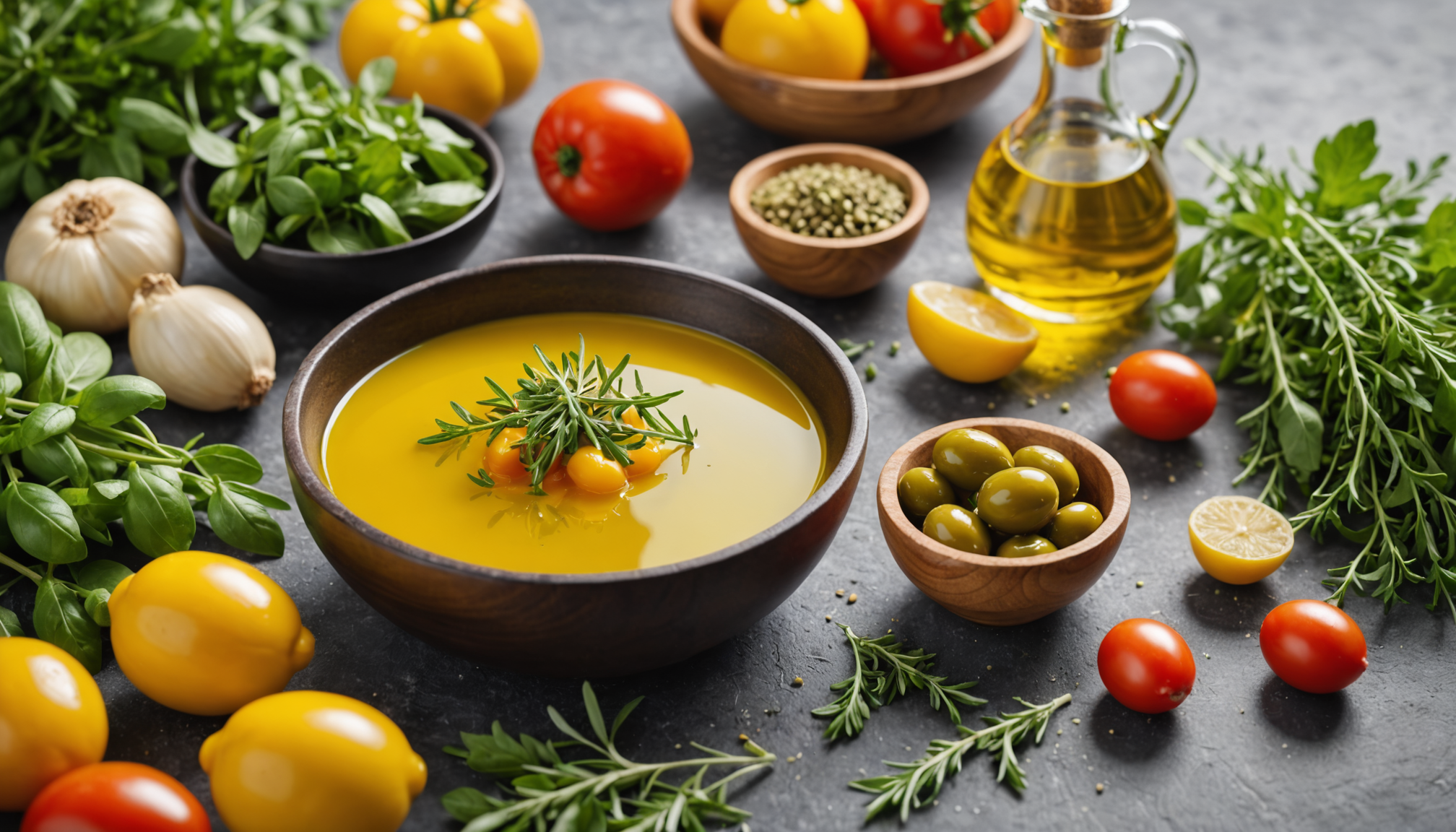
Firstly, one cannot overlook the health implications of relinquishing traditional butter for more wholesome alternatives. Traditional butter, laden with saturated fats, posed risks to heart health, a concern that resonated deeply within the community’s ethos of preservation and care. The shift to plant-based fats offered not only a reprieve from these risks but also an invitation to indulge in the myriad health benefits associated with these substitutes. For instance, olive oil, with its heart-healthy monounsaturated fats, emerged as a champion among alternatives, its golden hue gracing salads and sautéed vegetables alike, while contributing to a lower risk of chronic diseases.
Moreover, the incorporation of nut butters into the Adventist culinary repertoire signified another layer of advantage. Almond and cashew butters, dense with protein and essential vitamins, provided a delectable richness alongside countless nutritional benefits. These creamy counterparts offered sustenance and satisfaction, often served on whole grain breads, fueling not only the body but also nurturing the spirit through the act of mindful eating.
Of paramount importance was the undeniable environmental impact of selecting butter alternatives over dairy. The pervasive industrial practices associated with butter production often conflict with the community’s values of stewardship and harmony with nature. By shifting towards plant-based options, Adventists contributed to a more sustainable food system, minimizing their carbon footprint and advocating for a connection with the earth that revered its resources. This decision reflected a profound understanding that our dietary choices ripple through our ecosystem, echoing the interconnectedness of all living beings.
The practical substitutes also offered a canvas for creativity, enriching the fabric of Adventist food preparation. The kitchen transformed into a realm of experimentation, where innovative recipes emerged, celebrating the essence of multifaceted flavors. Dishes that once relied heavily on the richness of butter now showcased the vibrant notes of avocado or the zesty undertones of coconut oil. Muffins became imbued with tropical subtleties, and rich sauces were crafted from silken tofu blended with miso, illuminating a spectrum of taste that delighted the senses.
With each meal, the community’s embrace of these healthy options nurtured not only individual well-being but also fostered connections, as families gathered to share meals steeped in thoughtfulness and intention. This rich tapestry of dietary choices united the tables where laughter and stories blended seamlessly with the meals prepared with love and care. It became a ritual, a sacred honor to nourish the body with intention and to celebrate the bountiful gifts that the earth bestowed upon them.
Through these transformations, the benefits of choosing butter alternatives transcended mere nutrition; they became a testament to a way of life that acknowledged the past while reaching for the future—a legacy woven into the very fabric of the Adventist community, echoing the age-old wisdom that, indeed, food is much more than sustenance; it is a conduit of values, health, and harmony.
Popular Butter Substitute Ingredients
Among the many choices available today, several standout ingredients have emerged as practical substitutes for traditional butter, each bringing its own unique flavor and texture to the table. With the Adventist emphasis on healthful living, these alternatives not only enhance the taste of dishes but also align with a lifestyle committed to wellness and sustainability.
- Coconut Oil: This tropical fat has gained a steadfast place in many Adventist kitchens. Coconut oil’s creamy texture works beautifully in baking, effectively mimicking the richness of butter. It adds a subtle sweetness and imparts a moisture that keeps baked goods fresh. Think of muffins or cakes enriched with this oil, offering a hint of paradise with each bite.
- Olive Oil: Renowned for its heart-healthy properties, olive oil serves as more than just a cooking fat. Drizzled over salads or used in sautéing, it introduces a lush depth of flavor to dishes. The choices range from robust extra virgin to lighter varieties, allowing cooks to customize their meals while benefiting from the natural fats that support cardiovascular health.
- Nut Butters: Almond and cashew butters have carved out their niche as a favorite among butter alternatives. Their rich, nutty flavors bring a smoothness that perfectly complements everything from toast to desserts. Packed with protein and healthy fats, these spreads not only satisfy hunger but boost energy, aligning seamlessly with the Adventist focus on nourishing the body.
- Avocado: Avocado stands out with its creamy texture and abundant healthy fats. This green gem provides a beautiful richness when blended into recipes or simply mashed for spreading. Its versatility knows no bounds—whether as a base for a creamy pasta sauce or a filling for sandwiches, it brings a refreshing vibrancy to the plate.
As one explores these ingredients more deeply, it becomes evident that each serves as a canvas for creativity in food preparation. Whether baking, sautéing, or crafting dressings, they invite experimentation, transforming familiar recipes into fresh culinary experiences. Moreover, the act of incorporating these substitutions is not just about maintaining flavor—it’s also a means of connecting with a broader ethos of health and responsibility. The commitment to using plant-based ingredients resonates with the values that the Adventist community holds dear, echoing the call to make dietary choices that honor the body, the earth, and the spirit.
Recipes Featuring Butter Alternatives

Culinary exploration has always thrived on the creativity and passion that come together in the kitchen. Recipes featuring butter alternatives are a testament to this spirit, revealing how traditional dishes can be transformed through the intelligent use of plant-based ingredients. Many Adventist cooks have grown adept at reimagining classic recipes, integrating innovative substitutes that respect both taste and health. By doing so, they not only honor their dietary choices but also embrace a culture of experimentation and knowledge-sharing.
For instance, consider the classic pancake: by swapping traditional butter for coconut oil, one can enjoy a fluffy pancake imbued with subtle coconut undertones. Simply melt coconut oil and incorporate it into the batter alongside a splash of almond milk, producing a delightful breakfast treat that nourishes without compromising health. Additionally, a dollop of nut butter in the mix can add protein and flavor, turning breakfast into a wholesome feast.
In savory dishes, butter alternatives shine brightly as well. A creamy pasta sauce can be effortlessly crafted by blending ripe avocado with garlic and lemon juice, yielding a luxurious consistency that rivals butter-rich sauces. Toss this avocados-based sauce with whole grain pasta for a meal bursting with healthy options, where the freshness of the ingredients elevates the dining experience.
Even desserts have found their place within this revolution. Cookies made with almond butter not only present a nutty flavor but also offer a rich, chewy texture that delights the palate. Using natural sweeteners like maple syrup alongside these alternatives ensures that indulgence does not come at the cost of health. Cooks are discovering that the quest for flavor and nutrition can converge beautifully, enhancing the overall satisfaction of every meal.
In the community, sharing recipes that utilize these butter substitutes fosters camaraderie and allows for the exchange of ideas on food preparation. Family gatherings frequently become platforms for these delicious innovations, elevating the meal while also reinforcing shared values. The collective excitement about crafting meals centered on these healthy choices speaks volumes about the importance placed on nurturing both body and spirit through food.
The ongoing experimentation with ingredients like olive oil in salad dressings or mashed avocados in sandwiches highlights the innovation that comes from a lifestyle committed to well-being. Perhaps it’s this journey of discovery, blended with the rich tapestry of tradition, that keeps the spirit of Adventist cooking alive—a reminder of the importance of flavor, health, and community in every meal shared. Each recipe crafted encourages a deeper connection to the food we consume and the broader implications of our dietary choices.
- What are some popular plant-based butter alternatives?
- Common substitutes include coconut oil, olive oil, nut butters like almond or cashew, and avocado. Each brings a unique flavor and texture, beneficial for various culinary applications.
- How do I use coconut oil in baking?
- Coconut oil can be melted and used as a direct substitute for butter in most baking recipes. It provides a moist texture and adds a slight sweetness to baked goods.
- Can I use olive oil in place of butter for frying?
- Yes, olive oil is an excellent substitute for frying and sautéing. It offers a heart-healthy option while imparting a rich flavor to vegetables and proteins.
- Are there any health benefits to using nut butters?
- Nut butters like almond and cashew are rich in protein, healthy fats, and essential vitamins. They can be a great addition to meals and snacks, providing satisfaction and energy.
- How do I incorporate avocado into my meals for a butter alternative?
- Avocado can be mashed or blended into a smooth paste and used in spreads or sauces. It adds creaminess to dishes while providing healthy fats and fiber.
- What are the environmental impacts of using plant-based substitutes?
- Plant-based substitutes generally have a lower carbon footprint compared to dairy butter. Choosing these options can contribute to a more sustainable food system and align with values of stewardship.
- Can I find recipes specifically for these butter alternatives?
- Yes, many resources and cookbooks now feature recipes that utilize butter alternatives. Exploring these can inspire new culinary creations and encourage healthy eating habits.
Guidance for Transitioning to Plant-Based Fats
As individuals consider the transition to plant-based fats, a gentle yet firm approach may yield the most harmonious results, akin to the curated gatherings that characterized the communal meals of the early Adventist families. It is not merely a shift in ingredients, but rather an invitation to explore a new culinary landscape rich with possibilities. For those undertaking this journey, the initial steps should be guided by an open heart and a willingness to embrace the art of adaptation, much like a well-written novel gradually unfolding its plot through the introduction of new characters and settings.
To embark on this significant transformation from traditional butter to its practical substitutes, it is advantageous to begin by integrating these ingredients gradually, allowing the palate to adjust to the new flavors and textures. For instance, mixing a small quantity of avocado or olive oil into familiar recipes before fully committing to the absence of butter can ease this transition. The beauty of a gentle approach lies in the opportunity for exploration; to savor the distinctions between the familiar and the novel rather than encountering an abrupt jolt that might evoke reluctance.
Tailoring the transition to suit one’s preferences is essential. Some might prefer coconut oil’s tropical notes, while others might gravitate towards the grounding richness of nut butters. Engaging in discussions with family or fellow members of the community can provide insights and share successful strategies that have elevated their culinary experiences. The act of sharing recipes infused with these healthier options acts as a bond, intertwining the lives of those involved, reminding one another of the nutritional benefits and the environmental considerations each choice entails.
As culinary experiments commence, consider the textures and flavors that will be most satisfying. One might replace butter in baking with a plant-based margarine or custard sourced from natural ingredients, creating muffins that sing with new life. Moreover, altering one’s perception of hearty comfort foods can also be liberating. A delightful creamy soup might emanate from a blend of silken tofu and vegetable broth, whisked into a velvety consistency that honors the essence of traditional recipes while respecting contemporary dietary choices.
Moreover, fostering a spirit of creativity can reinvigorate the kitchen, where the application of these substitutes unfolds as a joyous endeavor rather than a merely functional obligation. Engaging in food preparation becomes an opportunity for self-expression; for each choice made can reflect personal values while nurturing health—an endeavor as noble as the stories shared over the dinner table. What was once a straightforward recipe can be transformed into a canvas for innovation, showcasing flavors that resonate with an ethos of sustainability and community well-being.
Lastly, keeping one’s intentions at the forefront of this transition fosters persistence amidst the challenges. The goal to implement plant-based fats is not merely about alterations in diet but is instead a reflective commitment to a lifestyle that values health, culinary richness, and ethical responsibility. When approached with an open mind, the journey towards these nourishing alternatives becomes less a set of dietary restrictions and more an exploration imbued with opportunities to experience the joy of nourishing oneself and others, connecting through the ritual of shared meals that celebrate the abundance of the earth.
Beside our live streamed church services, all are welcome to attend our church in person each Saturday beginning 10:00 AM Central Time by going to 2425 Owens Rd., Ashland, AL 36251. There is no cost and any donations are strictly voluntary.
For questions, call +2563547124.