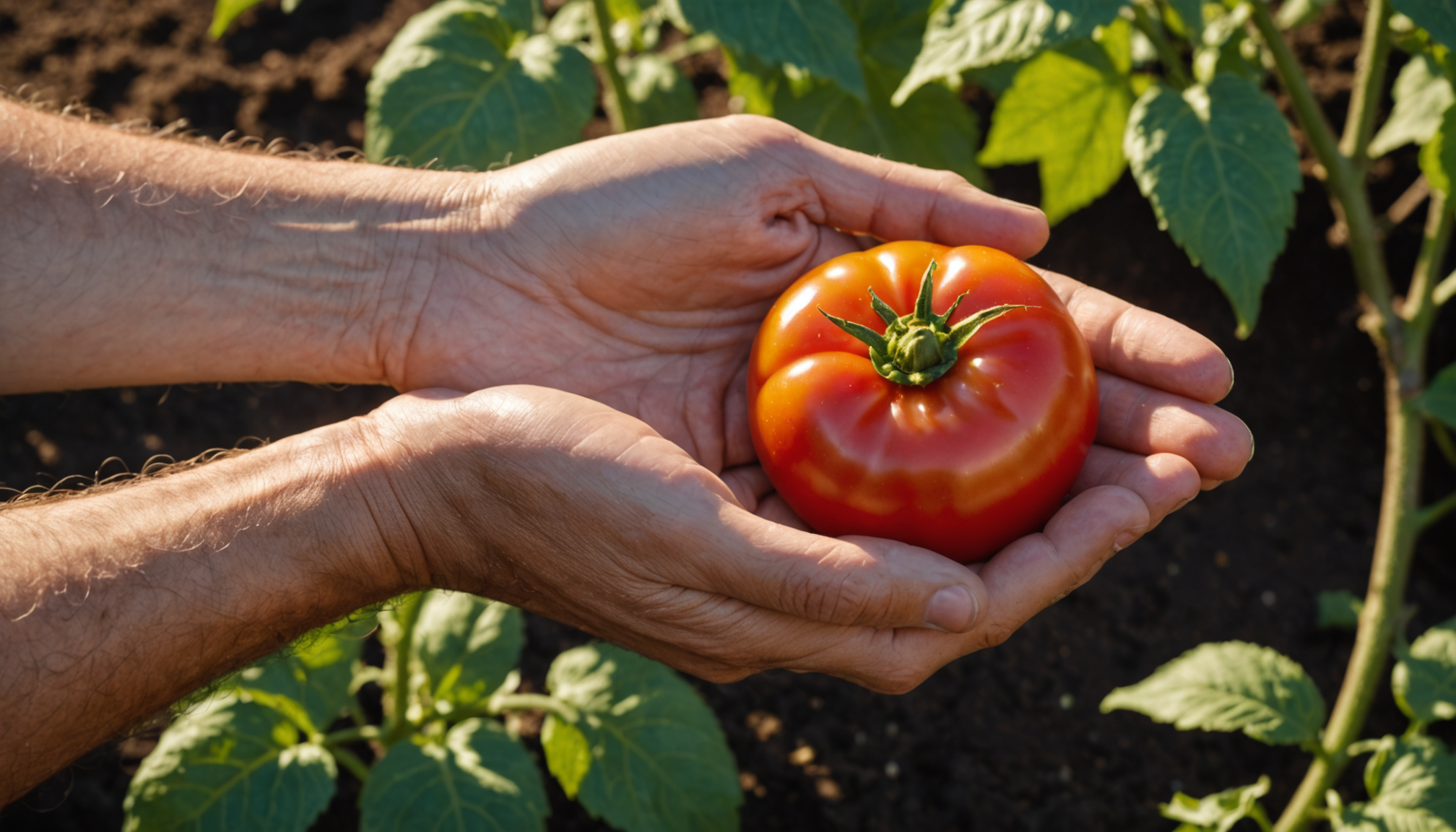
Come join Ashland Sabbath Chapel Ministries each Saturday for live streamed church services. Bible Study begins at 10:00 AM Central Time and Sermon at 11:00 AM. Visit Our YouTube channel and watch from home!
From the earliest days of the Adventist movement, the concept of seed saving has played a pivotal role in their agricultural practices. With a foundation rooted in principles of health and wholeness, Adventists embraced the notion of self-sustenance, leading them to prioritize sustainable practices in farming. As they settled in various parts of the world, they adapted their agricultural methods to align with local ecosystems while emphasizing the importance of crop preservation.
The growth of the Adventist community in the 19th century brought about a keen awareness of the role that gardening and agriculture played in ensuring food security. The church’s founders advocated for a holistic lifestyle that encompassed proper nutrition, exercise, and a spiritual connection to the earth. This was not merely a matter of physical sustenance but a way to honor God through stewardship of the land.
Many early Adventists participated in community gardens, which served not only as a source of fresh produce but also as a platform for sharing practical knowledge among members. This shared experience fostered a strong sense of community, reinforcing the belief that growing one’s own food was an expression of faith and responsibility. As these gardens evolved, so did the methods of seed saving that emphasized the significance of maintaining diverse plant varieties and enhancing resilience against pests and diseases.
Throughout the 20th century, the movement towards organic and sustainable agriculture burgeoned within the Adventist community. Notable figures, such as John Harvey Kellogg, promoted the ideals of health reform alongside agricultural education. Organizations like the Adventist Development and Relief Agency (ADRA) began integrating seed saving into their development programs, recognizing that garden planning and crop variety preservation offered not only sustenance but also a pathway to improved livelihoods for families.
This historical commitment to seed saving reflects a broader understanding of agriculture as a blend of art and science, where faith and practical knowledge converge. The practices established by early Adventists continue to inform modern agricultural techniques, prompting a resurgence of interest in traditional seed varieties and organic farming initiatives today. Each act of saving seeds represents not just a return to simpler practices, but a reaffirmation of a commitment to sustainability, health, and environmental stewardship.
Principles of Sustainable Agriculture
In the rich tapestry of agricultural wisdom, sustainable practices serve as the golden threads that bind the earth to our dining tables, ensuring future generations can reap the benefits of all that Mother Nature has to offer. As Adventists have come to understand, the essence of farming goes beyond merely coaxing vegetables from the soil; it lies in the delicate dance between respect for the land and the resourceful use of its bounty. In this pursuit, garden planning plays a pivotal role, allowing for a symbiotic relationship between farmer and field.
These principles aren’t mere flights of fancy but rather practical knowledge, grounded in centuries of observation and experience. Early Adventists, driven by their commitment to health and well-being, established farms that were thought out with precision akin to a maestro composing a symphony. The careful planning of crop rotation, companion planting, and natural pest deterrents can turn a meek patch of soil into a veritable Eden, rich in variety and flavor. This artful choreography bolsters not just the yield, but the vitality of the land, ensuring that it’ll sing for many harvests to come.
Moreover, the spirit of crop preservation breathes life into the very foundation of sustainable agriculture. Each seed holds within it the legacy of its ancestors, a story waiting to be unfurled as it takes root. By focusing on heirloom varieties—those dandy little gems that pack a punch in both taste and hardiness—Adventists strive to maintain biodiversity, a precious resource in an ever-uncertain climate. This dedication furthers food security, providing communities with the tools to withstand challenges, whether they be droughts, pests, or economic swings.
Central to these sustainable practices is an understanding that agriculture cannot flourish in isolation. The notion of community involvement thrives in soil rich in cooperation and collaboration. The exchange of seeds among neighbors, various local gardening initiatives, and educational workshops create fertile ground for sharing ideas and innovations. In such spaces, sustainability transforms from individual effort to a collective movement, each participant sowing into the shared future.
When Adventists embrace the ethos of sustainable agriculture, they do so with an eye toward the land’s stewardship and a heart full of faith. Each seed saved is a promise renewed, a commitment carved into the earth that reflects both gratitude and responsibility. From garden planning to crop preservation, the principles they employ are not just guidelines but stepping stones toward a more harmonious existence with the natural world—a life’s work that reverberates across generations, much like an old tale told by the riverbank, weaving rich narratives of resilience and renewal.
Practices of Seed Saving
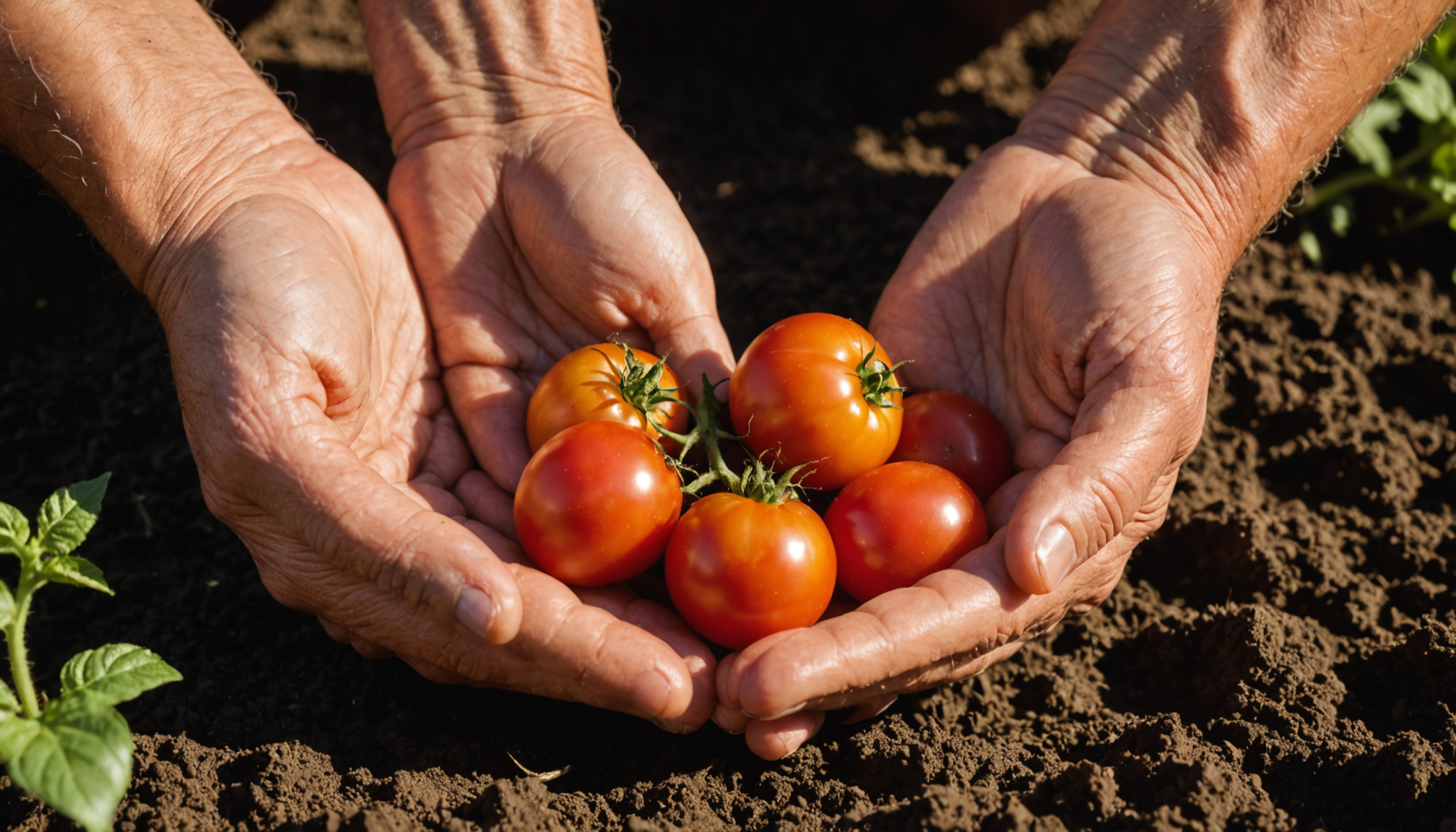
Within the sanctuary of domestic gardens, the practice of seed saving unfolds as a rich tapestry woven with intricacies of both method and intention. Consider for a moment the tender ritual of gathering seeds, akin to the delicate act of nurturing friendships—a shared understanding that beauty thrives when cultivated with care. Each seed becomes a repository of stories, representing not merely a plant, but the hopes and aspirations of those who have tended to it across generations.
Engaging in garden planning echoes the thoughtful compositions found in the finest works of literature; it requires foresight, creativity, and an understanding of the relationships between various elements within the garden ecosystem. Just as one would select characters for a novel with care, an Adventist gardener selects seeds that complement one another, fostering an environment wherein each plant may flourish while supporting its companions. This practice of companion planting not only enhances biodiversity but also contributes to the natural health of the soil, minimizing the need for artificial inputs and fortifying the resilience of the entire garden.
The meticulous process of crop preservation is equally vital, as it encompasses a range of techniques that ensure the longevity and sustainability of both seeds and soil. Adventist practitioners have long understood that with each saved seed comes the potential for a crop that is particularly well-adapted to the local environment. For instance, the cherished heirloom tomatoes—luscious and diverse—bear witness to careful selection over the years. Their flavors, colors, and resilience are reminders that agricultural legacy is a living testament to the dedication involved in seed saving.
Moreover, the value of seed exchange, a practice bolstered by the community spirit that is a hallmark of the Adventist lifestyle, resonates profoundly within this framework. Through informal gatherings or organized markets, individuals share not just seeds but practical knowledge—the very lifeblood of effective gardening. Such exchanges do not simply address food security concerns; they reinforce communal bonds, enabling individuals to learn from one another’s experiences. One might observe, for instance, how one neighbor’s success with certain pest deterrents can enlighten others facing similar challenges, enveloping the garden in a shared philosophy of care and stewardship.
As Adventist communities continue to embrace these practices, the act of saving seeds becomes a powerful affirmation of their commitment to sustainable agriculture. With each packet of seeds exchanged, each careful decision made in garden planning, they reinforce their connection to the earth as both stewards and benefactors. It is a dance of sorts—one that celebrates a vibrant, interconnected existence where food security rests not merely on the harvest of the present but on the perennial commitment to the future.
Community Involvement and Education
In the heart of every Adventist community lies a vibrant network of individuals united not just by faith but by the shared endeavor of transforming seeds into sustenance. As members gather in backyards or community gardens, their collective efforts symbolize a living quilt of dedication, a tapestry that showcases the importance of community involvement and education in the journey of seed saving. Here, under the vast expanse of sky, they engage in practices that elevate mere survival into a celebration of sustenance, fostering bonds that extend beyond the garden fence.
The act of gathering when the time is ripe becomes a collective ritual, epitomizing the spirit of cooperation embedded within Adventist tradition. Neighbors converge, each bringing their knowledge—gently handed down from earlier generations, infused with wisdom and curiosity. They share not only seeds but also stories: of the parched summer when the corn thrived against all odds, or how one family lovingly tended to a patch of beans, rescuing them from the clutches of a sudden storm. It is through such exchanges that communities weave together the fabric of resilience, learning practical knowledge that brings forth a harvest of understanding.
Education is not confined to the four walls of a classroom; it thrives in the very marrow of the garden. Workshops and informal gatherings spring forth, where seasoned farmers impart the nuances of sustainable agricultural practices to eager learners. “Garden planning,” they instruct, is not merely a mathematical equation of rows and measurements but an art of harmonizing the land with the celestial rhythm of nature. Each individual bears witness to the transformation not only of their gardens but of themselves, becoming stewards of both land and legacy.
Through initiatives such as seed swaps, where the colors and varieties of heirlooms are paraded like treasures, Adventists express their commitment to biodiversity. The act of exchanging seeds fosters a sense of shared responsibility; it ensures a diverse gene pool that fortifies their crops against diseases and climate variations. This evolution of crop preservation goes hand in hand with the cultivation of food security, as each seed becomes a promise of sustenance, nurtured by hands that seek to honor the Earth.
The synchronization of community engagement and educational endeavors underscores the belief that no gardener stands alone. Within these circles, collaboration and creativity flourish. One might find a budding gardener sharing tips on organic pest control while another introduces theories on companion planting—each piece of practical knowledge a thread that strengthens the communal network. Through this rich tapestry of learning, the community not only survives but thrives, cultivating an environment where every participant contributes, and everyone benefits.
Moreover, as these gardeners cultivate their plots, they tend to the broader landscape of values instilled in Adventist teachings. Engaging in the practical work of seed saving transforms into an act of faith, a sacred dialogue between humanity and the earth. The lessons learned reach far beyond horticulture; they embody stewardship, responsibility, and a profound respect for the cycles of life. In this symphony of shared effort and learning, the community emerges not merely as individuals growing food but as a cohesive unit embodying hope, resilience, and interconnectedness.
Impact on Environmental Stewardship

As the challenges of modern agriculture loom ever larger, Adventist practices surrounding seed saving exemplify a profound commitment to environmental stewardship. The act of saving seeds is not merely about maintaining agricultural continuity; it represents a fundamental understanding of the intricate relationships between ecosystems, biodiversity, and humanity’s role within them. Each seed saved is a testament to resilience, carrying with it the potential for future crops that can thrive in local climates and respond to changing ecological demands. By focusing on heirloom varieties, Adventists reinforce the importance of genetic diversity, which is critical in the face of climate change and threats to food security.
The principles underlying sustainable practices resonate deeply within the Adventist community, shaping their approach to land stewardship. This commitment extends beyond individual gardens to encompass broader agricultural landscapes and practices aimed at preserving the integrity of the environment. Through garden planning, careful crop rotation, and companion planting, Adventists embody the belief that agriculture should exist in harmony with nature, minimizing reliance on synthetic inputs and fostering soil health. The cultivation of such practices encourages a deep respect for the land and an awareness of the interconnected systems that sustain life.
Moreover, community involvement reflects the Adventist understanding that stewardship is a collective responsibility. By engaging in educational initiatives and sharing practical knowledge, communities equip one another with the tools necessary to nurture both crops and the environment. Seed exchanges not only enhance biodiversity but also foster communal bonds, emphasizing that food security is achieved through collaboration and collective action. The stories shared, the tips swapped, and the lessons learned around the garden plot weave a rich tapestry of resourcefulness and sustainability, ensuring that the values of respect for the earth and cooperation thrive in future generations.
In essence, the Adventist approach to seed saving and sustainable agriculture serves as a model for how individuals and communities can contribute to environmental stewardship. Each effort reinforces the notion that small, conscious actions can lead to significant changes, creating a legacy that honors both the past and the future. The intersection of faith, practical knowledge, and a commitment to the earth forms a pathway toward a more sustainable existence, one in which the joys of gardening extend beyond the garden gates and into the very fabric of community life.
- What is seed saving?
- Seed saving is the practice of collecting seeds from plants to grow them in future seasons. It allows gardeners to preserve plant varieties and maintain genetic diversity, which is essential for resilient agriculture.
- Why is seed saving important for Adventists?
- For Adventists, seed saving aligns with their principles of health, sustainability, and stewardship of creation. It emphasizes self-sufficiency, food security, and the preservation of biodiversity, all of which are central to their agricultural practices.
- How can I start saving seeds at home?
- Begin by selecting open-pollinated or heirloom varieties of plants, as these seeds will produce crops similar to the parent plants. After harvesting, ensure the seeds are dried and stored properly in a cool, dark place to maintain their viability for future planting.
- What are heirloom seeds?
- Heirloom seeds are seeds from plant varieties that have been passed down through generations, valued for their unique flavors, resilience, and adaptability to local growing conditions. They form an essential part of biodiversity in gardens.
- Can I learn about sustainable practices from the Adventist community?
- Yes, many Adventist communities offer workshops, educational programs, and resources on sustainable agricultural practices. Engaging with local churches or community gardens can provide valuable insights and practical knowledge.
- What is the role of community in seed saving?
- Community plays a crucial role in seed saving by facilitating knowledge sharing and seed exchanges. Collaborative efforts enhance food security and promote collective responsibility toward sustainability and environmental stewardship.
- How do sustainable practices benefit the environment?
- Sustainable practices, such as crop rotation, organic farming, and biodiversity preservation, improve soil health, reduce chemical inputs, and enhance resilience to climate change. They contribute to healthier ecosystems that benefit both agriculture and the broader environment.
Ashland Sabbath Chapel Ministries
Beside our live streamed church services, all are welcome to attend our church in person each Saturday beginning 10:00 AM Central Time by going to 2425 Owens Rd., Ashland, AL 36251. There is no cost and any donations are strictly voluntary.
For questions, call +2563547124.