Come join Ashland Sabbath Chapel Ministries each Saturday for live streamed church services. Bible Study begins at 10:00 AM Central Time and Sermon at 11:00 AM. Visit Our YouTube channel and watch from home!
Adventist pioneers developed distinct strategies that were not merely reactive but rather proactive, showcasing their ingenuity in the face of environmental challenges. These practical methods of weather management were deeply intertwined with their agricultural practices, reflecting a harmonious relationship with nature rather than a mere struggle against it. For example, recognizing the seasonal patterns and the potential for extreme weather conditions, these communities emphasized the importance of seasonal preparation. They meticulously planned their planting and harvesting schedules to avoid the destructive forces of storms or droughts.
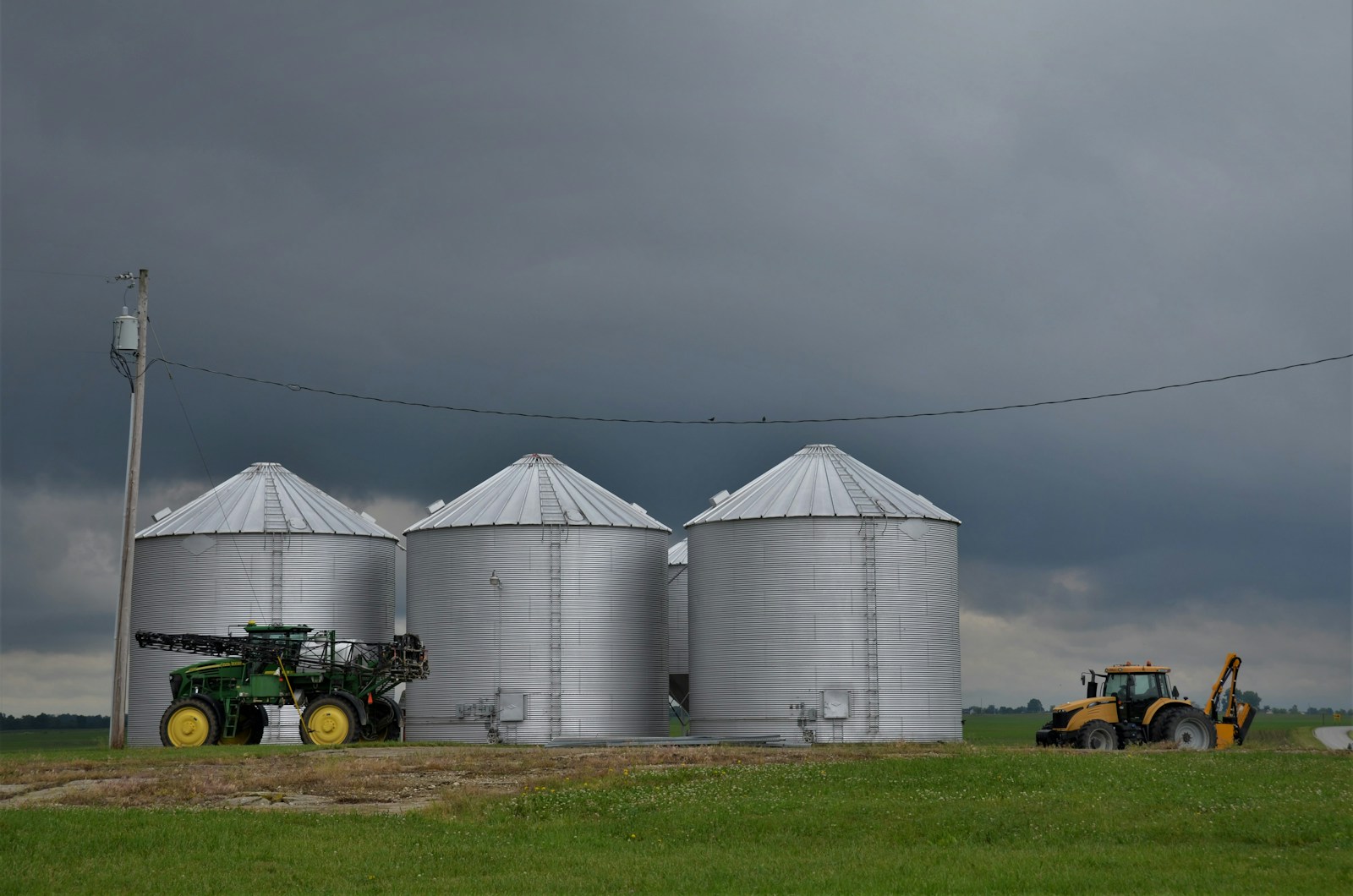
In addition to crop management, the pioneers implemented various structures designed for efficacious home protection. Simple yet effective construction techniques were favored, such as elevated foundations to mitigate flooding risks and designs that facilitated natural ventilation, thus keeping homes cool during sweltering summers. The use of local materials ensured these homes were not only sustainable but also well-suited to the regional climate, embodying principles of climate adaptation.
The ethos of self-sufficiency also extended to the creation of communal resources, where knowledge and tools were shared among families. This collaborative spirit fostered a sense of resilience, enabling communities to withstand the caprices of nature through a collective accumulation of experience and wisdom. The shared narrative of survival against the elements acted as a reinforcing cultural bond, uniting individuals under a common goal of weather resilience.
Ultimately, these early Adventist approaches to weather management were not merely about physical survival; they also reflected a deeper understanding of the environment. By cultivating a foundation of knowledge and practical application, Pioneer Adventists laid the groundwork for future generations, illustrating that the interplay between humanity and nature is a balancing act that requires both respect and ingenuity.
Historical Context of Adventist Weather Protection
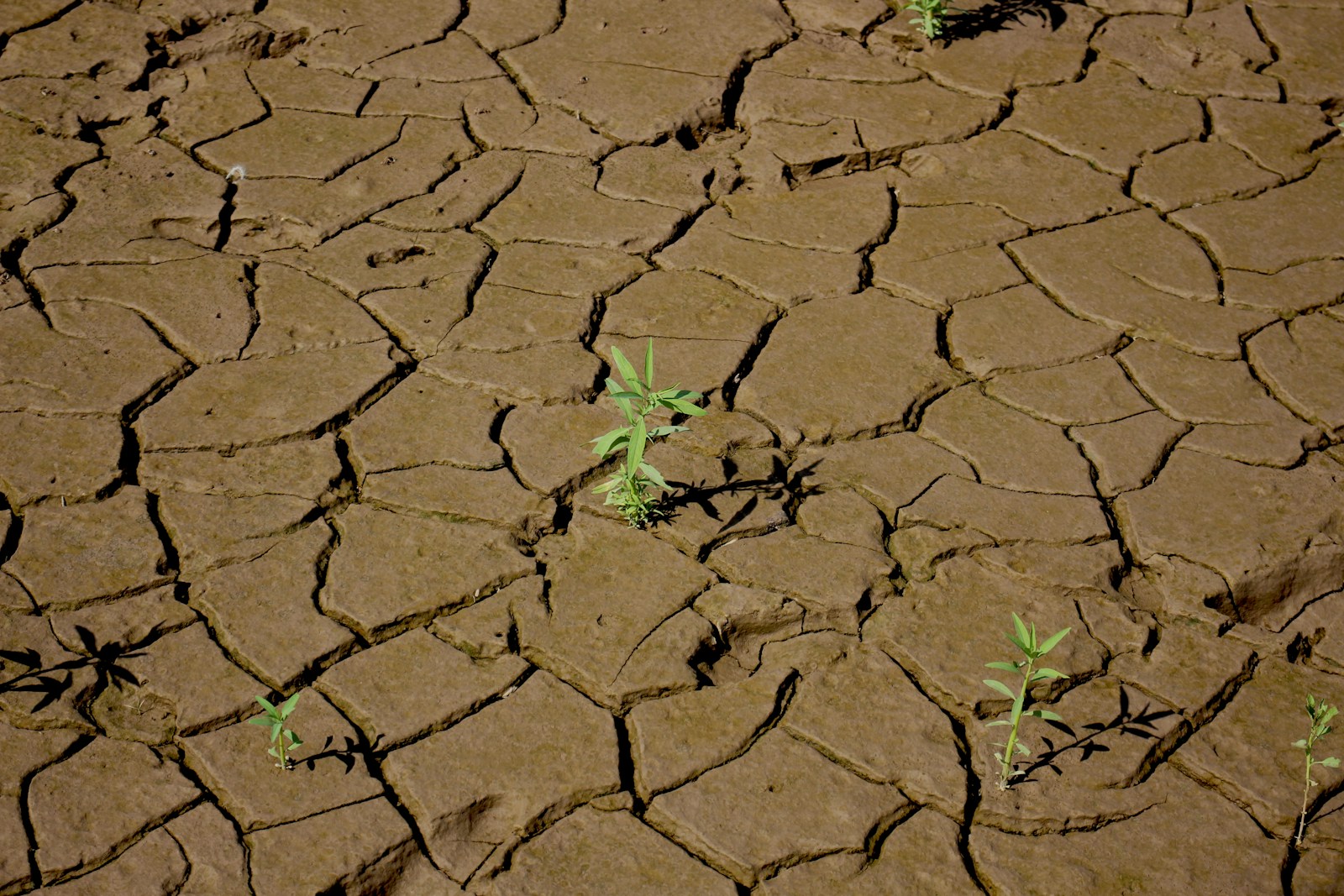
The emergence of Adventist weather protection strategies can be traced back to the late 19th and early 20th centuries, a period marked by significant upheaval and transformation. The formative years of the Adventist movement coincided with waves of immigration and settlement across America, during which the communities faced a plethora of environmental challenges that tested their resolve and adaptability. The pioneers, having relocated from various parts of the globe, brought with them different experiences and knowledge, which they synthesized creatively to address their new surroundings.
During this era, extreme weather events such as storms, droughts, and floods became common threats. This backdrop spurred an urgent need for practical methods of weather management that were not only immediate but also sustainable over time. The Adventist pioneers relied heavily on their agricultural roots, observing local ecology and climates to inform their strategies. They developed seasonal preparation techniques that were reflective of their understanding of weather patterns, which ultimately shaped their planting and harvesting cycles. By aligning their practices with the rhythm of nature, they were able to mitigate the risks posed by adverse weather conditions.
Home protection evolved as a critical concern among these early settlers. Their choice of construction methods was informed by the climatic challenges they faced. Elevated structures became the standard, providing an effective solution against flooding while allowing fresh air to circulate, promoting healthier living conditions during oppressive summer heat. The materials they sourced locally not only served functional purposes but also denoted a sense of place—being at once resourceful and respectful of their environment.
Moreover, the emphasis on collaborative learning became an intrinsic part of the Adventist culture. As families shared knowledge about effective techniques and strategies, they forged communal bonds that transcended individual hardships. This network of support meant that no family faced adversity alone; experiences were pooled, ideas exchanged, and solutions crafted through shared hardship. The communal effort not only reinforced emotional ties but also resulted in more resilient communities capable of facing the whims of nature together.
In this context, Adventist weather protection methods were more than mere responses to immediate threats; they represented a philosophical approach to interacting with the environment. These pioneers fundamentally understood that their survival hinged on their relationship with the land and its elements. Through careful observation, innovative adaptation, and cooperative effort, they crafted a legacy of weather resilience that would inform their descendants as they continued to navigate the complexities of a changing climate.
Innovative Techniques Used by Pioneers
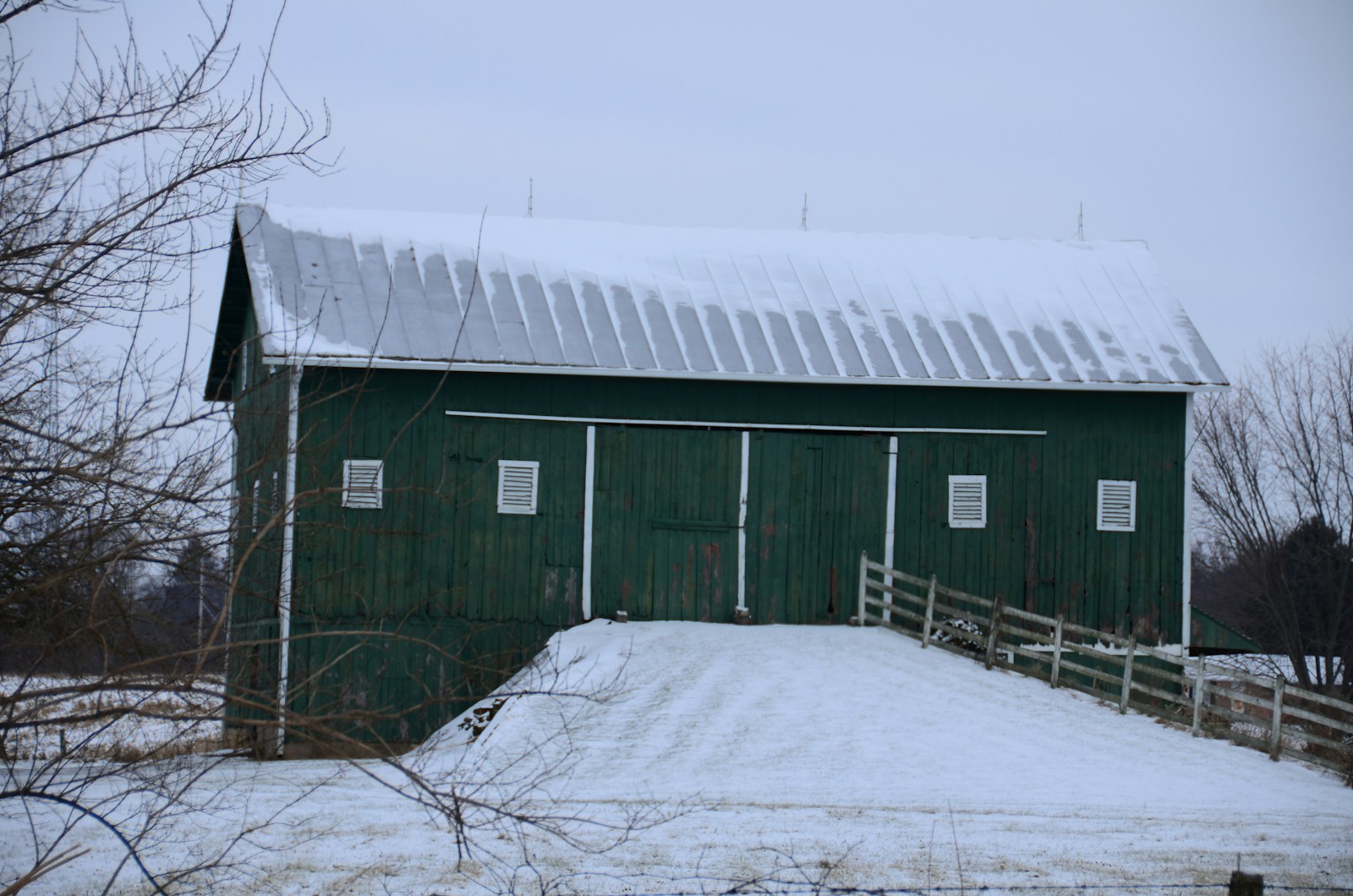
Among the numerous innovations employed by the Adventist pioneers, one could not overlook their remarkable ingenuity in the realm of constructing shelters that were both efficient and sensitive to the capricities of nature. Through the skilled application of practical methods, they fashioned homes equipped for the diverse climates they encountered. For instance, the utilization of steep, sloping roofs was a common design choice; these roofs effectively dispersed rainwater and snow, thereby preventing the accumulation that could lead to structural damage and leaks.
Further enhancing their dwellings, pioneers favored materials that were abundant in their surroundings. Timber from local forests and stones from nearby rivers were frequently utilized, not only revealing a commendable degree of resourcefulness but also establishing a profound connection to their immediate environment. Such structures were often raised upon elevated foundations to mitigate the risks inherent in flooding, a decision that served dual purposes in safeguarding the home and promoting air circulation.
Moreover, Adventist families embraced the principles of climate adaptation extensively in the orientation and placement of their homes. Many made conscious decisions to position their houses to capture the beneficial effects of sunlight, thereby engaging natural heating during the chill of winter. Large windows were strategically installed to maximize light and warmth, while porches and overhanging eaves facilitated ample shading during the oppressive summer months. This thoughtful integration of design elements exemplified a deep understanding of local weather patterns, thus bolstering the resilience of their living spaces.
In the realm of agriculture, the pioneers exhibited an exceptional commitment to seasonal preparation, which informed their yearly rhythms of planting and harvesting. They astutely monitored climatic fluctuations and developed a keen sense of the optimal times for sowing various crops, ensuring their yield was maximized while minimizing the risks associated with untimely freezes or excessive rainfall. Crop rotation practices were also employed, lending to soil vitality and resilience against pests and disease, further underscoring their holistic approach to weather management.
Communal knowledge sharing further enriched these innovative strategies. Within these early settlements, gatherings would often focus on disseminating the communal wisdom regarding weather-driven agricultural practices, reinforcing the interconnectedness of families amid the adversities posed by their environment. Such exchanges became vital as they engaged not only in sharing anecdotal evidence but also in deliberating on the systemic patterns they observed throughout the seasons.
In sum, the approaches to building and cultivating embraced by the Adventist pioneers of yore reveal a rich legacy of foresight and adaptability. Their home protection methods and agricultural strategies stand as testaments to their unwavering resolve in the face of nature’s unpredictability, establishing a foundation upon which future generations could build. Through their practical techniques and communal efforts, the early Adventists manifested a profound respect for the rhythm of the natural world, mapping out a path characterized by mutual support and sustainable coexistence with their environment.
Impact of Weather on Early Adventist Communities
Weather played an omnipresent and formidable role in shaping the lives of early Adventist communities, influencing not only their agricultural endeavors but also the very fabric of their social structures. The sweeping winds of a summer storm or the relentless grip of a winter freeze became vital markers in the rhythms of their existence, necessitating a keen adaptability among families. These environmental challenges catalyzed a stronger communal identity, as survival often hinged on collective resourcefulness informed by shared experiences. In navigating the harshness of their surroundings, they forged bonds that mirrored the complex interdependencies of nature itself, a dance between individual will and the encompassing forces beyond their control.
The unpredictability of the weather required consistent vigilance and a formidable understanding of local climatic patterns. Each season bore the weight of expectation and anxiety, with families acutely aware that their acts of planting and harvesting were irrevocably tied to the whims of nature. Seasonal preparation became integral not just to economic outcomes but to the cultural psyche as well. The observance of the natural world—the flowering of spring, the hot days of summer, the crispness that ushered in autumn—became a shared narrative. Families learned to hug the cycles of the earth, their strategies woven into the fabric of communal lore. The knowledge amassed over generations transformed into a collective wisdom that served to inform planting schedules and harvesting efforts, ensuring that critical crops were sown in alignment with the seasons.
In this milieu, the concept of home protection took on layered meanings. Beyond mere structures crafted from wood and stone, homes represented sanctuaries against the elemental forces that loomed large and tumultuous. The Adventist pioneers constructed their dwellings not just as physical barriers against rain and wind but as symbols of fortitude. Each home was erected with an understanding of how wind patterns could sweep through valleys, or how floodwaters might creep impossibly high during the relentless rains of spring. By employing practical methods—elevated foundations, tightly thatched roofs, and strategically placed windows—they managed to create fortified havens. This blend of protective intention and aesthetic consideration reflected a profound engagement with their environment, capturing the essence of adaptation within each beam and joist.
The consequences of unfavorable weather were never superficial but rather deeply systemic, seeping into every aspect of life. Crop failures could bring about food shortages, resulting in increased tensions as families grappled with dwindling supplies. Yet, the resultant strain prompted innovative responses. The early Adventists began to cultivate a deeper understanding not only of plant physiology but also of the soil’s needs, adapting their agricultural techniques in the face of adversity. This responsiveness cemented a dynamic relationship between community members and the land—an acknowledgment that survival was a reciprocal process requiring constant negotiation with both nature and each other.
Furthermore, adverse weather conditions often necessitated the pooling of resources and knowledge, fostering an ethos of collaboration. Community members would gather to exchange insights about impending weather patterns, best practices for seed selection, and techniques for improving soil quality. Such gatherings transcended the mere exchange of information; they crystallized into a rich tapestry of social interaction that fortified not only resilience against environmental adversities but also built a sense of kinship transcending individual concerns. This collective venture into the realm of weather management painted a portrait of communities in which members relied on one another to weather life’s storms, both literal and metaphorical.
Thus, the impact of weather on early Adventist communities extended far beyond the immediate realm of agriculture or housing; it became a catalyst for social cohesion, an architect of cultural identity, and a teacher of adaptation. The relentless forces of nature sculpted a deep awareness among the pioneers—an understanding that their existence was irrevocably linked to the whims of the environment, demanding a respectful dance of coexistence that echoed through generations.
Modern Applications of Historical Weather Protection
The legacy of early Adventist weather protection strategies continues to resonate today, as many modern applications emerge from the foundational principles laid by the pioneers. While contemporary society is often distanced from the dire impacts of seasonal shifts, the necessity for practical methods inherent in their approach remains relevant. Today, sustainability is a priority, with many communities drawing inspiration from the past to forge forward in climate adaptation efforts. The Adventist pioneers’ emphasis on environmental stewardship serves as a critical reminder of our interconnectedness with nature and the importance of anticipating weather variations.
Modern agricultural practices, for instance, now incorporate many of the seasonal preparation techniques initially developed by early Adventists. Farmers are increasingly adopting crop rotation, cover cropping, and integrated pest management strategies that mirror these historical practices. These methods not only promote soil health and agricultural yields but also create a resilient food system capable of weathering the evolving climate challenges of the 21st century.
Home protection methodologies have also seen a resurgence, as many builders now prioritize designs that are both energy-efficient and climate-responsive. The innovative spatial layouts and construction materials favored by Adventist pioneers are finding their way into contemporary architecture. Modern structures often incorporate elevated foundations, natural ventilation, and the use of local materials, echoing the past while responding to present-day demands for resilience and sustainability. This holistic approach to home design recognizes the importance of mitigating risks like flooding and extreme temperatures, all while minimizing the carbon footprint of such developments.
Additionally, community engagement remains a vital component in the modern application of these historical strategies. Just as early Adventists relied on shared knowledge to tackle weather management, today’s communities are facilitating forums and workshops aimed at exchanging information on best practices for sustainability, climate adaptation, and emergency preparedness. This communal ethos not only empowers individuals but also strengthens the ties that bind communities together in times of uncertainty.
Ultimately, the principles of Adventist weather protection are not merely relics of the past; they form the backbone of an evolving narrative that connects environmental awareness with proactive measures. As we continue to face unprecedented weather events and changing climates, revisiting these foundational strategies can inspire a deeper understanding of our responsibilities to both the earth and each other. Such keen awareness could be the key to unlocking innovative responses in contemporary society, promoting a culture of resilience that honors our shared history while paving the way for future generations.
- What methods did early Adventists use for weather protection?
- Early Adventists employed various practical methods for weather protection, including elevated home foundations, sloping roofs to manage snow and rainfall, and seasonal preparation techniques that optimized planting and harvesting according to weather patterns.
- How did community cooperation enhance weather resilience?
- Community cooperation allowed families to share knowledge and strategies regarding weather management, reinforcing a network of support that helped them navigate environmental challenges collectively and effectively.
- Are any of the early Adventist practices applicable today?
- Yes, many practices such as crop rotation, resource sharing, and sustainable building techniques are being applied in modern contexts, particularly as communities seek to adapt to climate change and promote sustainability.
- How did weather influence Adventist agricultural decisions?
- Weather significantly shaped the agricultural decisions of Adventists, as their planting and harvesting schedules were closely aligned with seasonal changes, allowing them to maximize crop yields while minimizing risks associated with extreme weather.
- What is climate adaptation in the context of weather protection?
- Climate adaptation refers to the strategies and techniques used to adjust to the impacts of climate change, such as developing sustainable agricultural practices and building structures that can withstand unpredictable weather patterns.
- How can modern buildings incorporate lessons from Adventist architecture?
- Modern buildings can implement techniques used by Adventist pioneers by employing local materials, allowing for natural ventilation, and designing structures on elevated foundations to enhance protection against flooding and ecological challenges.
- Why is it important to study historical weather management methods?
- Studying historical weather management methods provides valuable insights into sustainable practices that can inform modern approaches, helping communities develop resilience against environmental challenges and fostering a deeper appreciation for our relationship with nature.
Ashland Ashland Sabbath Chapel
Future Directions for Adventist Weather Resilience
As the echoes of time continue to shape the dialogue surrounding weather resilience, the future of Adventist communities lies in their ability to intertwine historical wisdom with modern innovation. The lessons drawn from the past do not fade; rather, they transform, calling on us to adopt strategies that are as relevant today as they were for the pioneers. Embracing a legacy of practical methods, today’s Adventist communities stand poised at the convergence of tradition and modernity, ready to forge a path forward.
The integration of technology into sustainable practices has opened avenues for enhanced weather management. Advances in meteorological tools equip communities with the ability to forecast severe weather more accurately than ever before. Knowing when storms may approach allows for timely preparations, echoing the seasonal preparation techniques rooted in early Adventist practices. Farmers can adapt their planting schedules and crop choices based on precise predictions, ensuring that the legacy of resilience thrives amid the uncertainties of climate change.
Moreover, the future of home protection is entwined with innovation and sustainability. Architects and builders increasingly draw upon the principles established by early pioneers, seeking to create homes that withstand the test of time and elements. Eco-friendly materials and energy-efficient designs not only minimize ecological footprints but also honor the ethos of resourcefulness. New construction practices align with what the Adventists would have valued—structures that are responsive to local climates and integrated into the surrounding ecosystem. The thoughtful elevation of homes, once a method to combat flooding, now encompasses energy-efficient strategies to mitigate heat and encourage natural air flow throughout living spaces. Every beam and joist becomes a testament to an evolving understanding of our environment.
In this changing landscape, the significance of community remains paramount. As it was in the days of early settlers, knowledge sharing provides the foundation for collaborative resilience. Local workshops and educational forums are thriving, where members congregate to exchange stories, tools, and strategies for managing contemporary weather challenges. It is here, in this revival of communal spirit, that the essence of Adventist resilience re-emerges, reminding us that resilience is best cultivated together. The bonds formed through collective learning not only fortify individuals against climate challenges but also instill a renewed sense of purpose and belonging within the community.
Ultimately, the road ahead is illuminated by the values of adaptability and foresight. By nurturing a culture that respects the knowledge gleaned from years past while fostering innovation that meets the demands of our current climate, Adventist communities can build a resilient future that is both grounded in history and responsive to contemporary needs. The journey toward enduring weather resilience continues, beckoning all to embrace the art of balancing respect for nature with the necessary adaptations for survival.
Beside our live streamed church services, all are welcome to attend our church in person each Saturday beginning 10:00 AM Central Time by going to 2425 Owens Rd., Ashland, AL 36251. There is no cost and any donations are strictly voluntary.
For questions, call +2563547124.