Come join Ashland Sabbath Chapel Ministries each Saturday for live streamed church services. Bible Study begins at 10:00 AM Central Time and Sermon at 11:00 AM. Visit Our YouTube channel and watch from home!
To understand the union of faith and health, one must see how they shape lives. It’s like the intertwining of roots beneath the soil, unseen yet vital. Many believe that faith serves as a guide, a compass to navigate the murky waters of health challenges. In places where life weaves through the highs and lows of human experience, faith practices emerge as beacons, offering strength and solace. For some, the Adventist approach exemplifies this fusion, focusing on the interconnectedness of mind, body, and spirit.
In the realm of health, spirituality is not merely an abstract notion; it equips individuals with a framework for coping. It fosters resilience. When faced with illness, the act of praying or engaging in spiritual practices shifts one’s perspective, often leading to improved health outcomes. Studies have shown that patients who engage in their faith report lower stress levels and a greater sense of well-being. Their spiritual beliefs can encourage adherence to medical regimens, enhancing the effectiveness of health interventions.
Moreover, integrating faith into health practices encourages a holistic view, wherein both spiritual and physical health are prioritized. Communities where faith is woven into the fabric of everyday life often access support systems that extend beyond the clinical. The rituals, prayers, and communal gatherings serve as a foundation upon which individuals can build a healthier lifestyle.
This interconnection also helps mitigate feelings of isolation. In congregations, one finds warmth, understanding, and shared experiences. Individuals uplift one another, working together to overcome challenges associated with chronic illnesses or mental health struggles. Such dynamics foster a culture of healing, underscoring the value of community support in health journeys.
The role of spirituality in health care
When we enter the realm of health care, we must recognize that spirituality often provides a vital framework for understanding and addressing the complexities of human health. It transcends mere physical existence, reaching into our very essence and guiding our choices and actions. Just as the Adventists emphasize the need for a balanced approach to health, so too must we recognize that our spiritual well-being is inextricably linked to our physical health.
Spirituality can foster a sense of purpose and meaning, which is particularly important in times of crisis or illness. For many, turning to their faith provides comfort and hope, encouraging a positive outlook even in the face of daunting health challenges. Research shows that individuals who actively engage in spiritual practices report not only higher levels of emotional well-being but also improved physical health outcomes. These findings highlight how a strong spiritual foundation can lead to increased resilience, making it easier to cope with the rigors of medical treatments and lifestyle changes.
Additionally, spirituality plays a crucial role in the patient-provider relationship. When health care professionals acknowledge and respect a patient’s spiritual beliefs, it fosters trust and openness. Patients feel valued as whole individuals, rather than just a set of symptoms to be treated. This holistic perspective enables a collaborative approach to care, encouraging patients to actively participate in their healing journey. It is imperative that health care providers receive training in spiritual care to effectively address these needs. By doing so, they can integrate faith considerations into clinical practices, ultimately enhancing patient satisfaction and health outcomes.
Moreover, spirituality can act as a mechanism for coping with pain, anxiety, and depression. Through spiritual practices such as prayer, meditation, or guided reflection, individuals often find solace and strength. In fact, various studies have demonstrated that such practices can lower blood pressure, reduce anxiety, and even lessen the perception of pain, highlighting just how impactful spiritual engagement can be in health care settings.
In recognizing the significance of spirituality in health care, we also acknowledge the role of faith communities. These groups often provide a source of invaluable support, offering both emotional and practical aid to those navigating health challenges. Whether through organized prayer groups, health education workshops, or community outreach programs, faith organizations can serve as essential allies in health promotion. They possess unique capabilities to engage individuals on a personal level, paving the way for healthier behaviors and better health outcomes.
Thus, the integration of spirituality within health care is not just beneficial; it is necessary for achieving comprehensive health. The interplay between spiritual well-being and physical healing becomes increasingly apparent as we explore the profound impacts of faith on health practices. Embracing this interconnectedness can lead to enriched experiences of care, where the mind, body, and spirit are nourished in harmony.
Faith-based interventions and their effectiveness
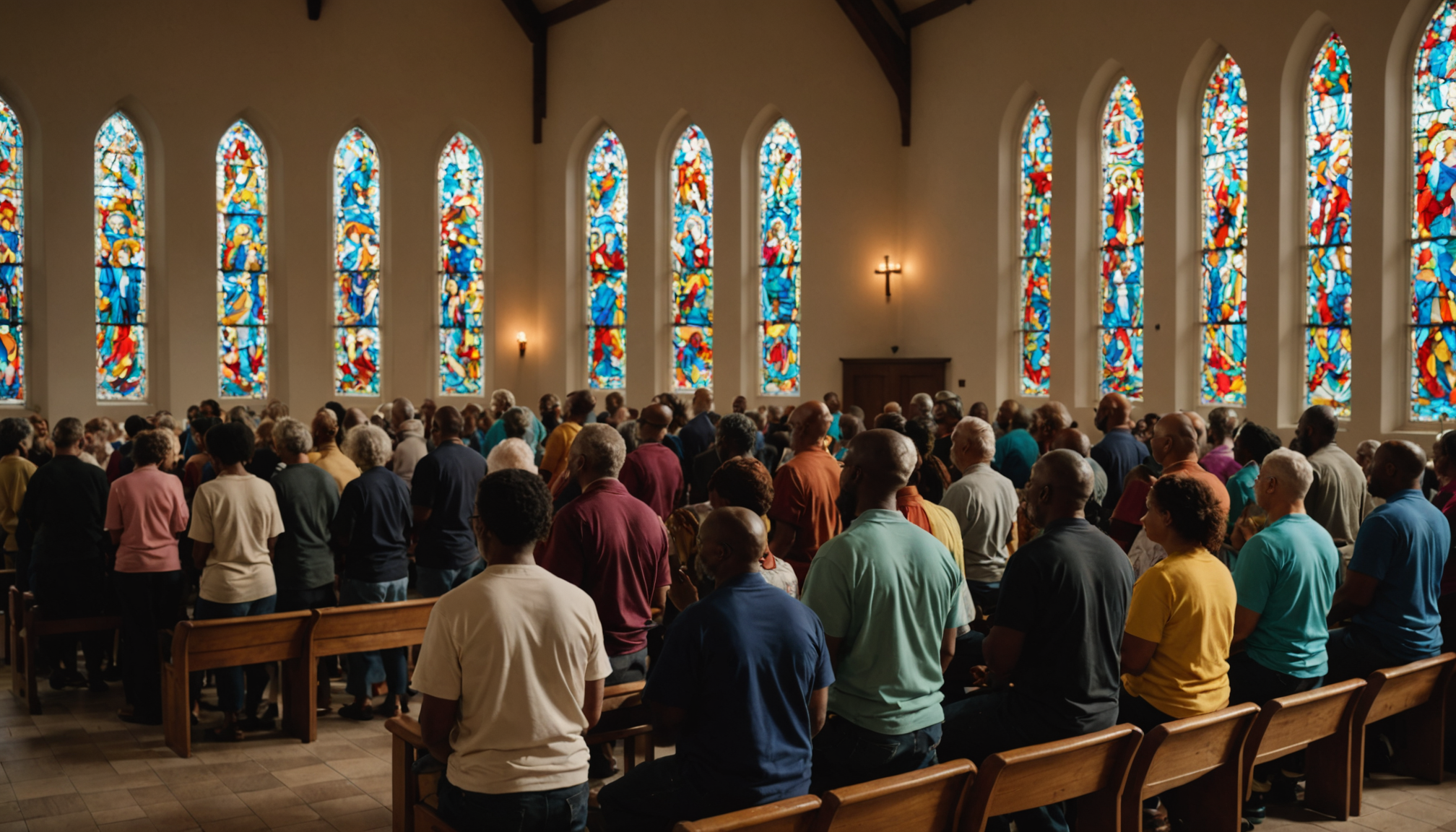
Faith-based interventions have gained popularity in recent years, showcasing the remarkable synergy between spirituality and health practices. These interventions plunge into the rich tapestry of belief systems, leveraging the innate strengths of faith to foster healing and resilience. Whether it is through organized prayer, community support, or holistic wellness programs, these initiatives illustrate the profound impact of faith on health outcomes.
One glowing example of effective faith-based intervention is the integration of health education programs within faith communities. These programs are often tailored to the specific needs and challenges faced by congregants. For instance, many Adventist churches emphasize healthy living through workshops on nutrition, exercise, and stress management. By advocating for a plant-based diet and regular physical activity, these faith organizations not only promote spiritual growth but also instill healthier lifestyle choices. Participants who engage in these programs often see tangible health improvements, such as weight loss and enhanced well-being, underscoring the efficacy of incorporating faith into health practices.
Additionally, faith-driven support groups provide a nurturing environment for individuals dealing with chronic illnesses or mental health issues. In these settings, members can share personal stories, offer prayers, and support one another through the tough times. The collective faith and encouragement found in these groups can lead to better coping strategies and increased adherence to treatment. Research suggests that individuals who participate in such groups report higher levels of emotional well-being and satisfaction, as they do not feel isolated in their struggles.
Moreover, numerous studies have investigated the effectiveness of prayer as a therapeutic tool. In various health care settings, patients who engage in prayer—whether individually or within a community—have reported reductions in anxiety and stress, as well as improved overall health outcomes. The intentional act of prayer generates a sense of peace and hope, facilitating a positive mindset that is crucial for healing. Encouragingly, many health care providers are beginning to recognize the value of integrating prayer and spiritual reflection into treatment regimens, understanding that nurturing the spirit can significantly contribute to the healing of the body.
The impact of faith-based interventions is not confined to individual experiences; they also extend to public health initiatives. For example, faith organizations often play a pivotal role in disseminating important health information, especially in underserved communities. Through community workshops and outreach programs, these organizations address pressing health challenges such as diabetes, obesity, and mental health. By framing these issues within the context of faith, they facilitate open dialogues and empower individuals to engage with their health proactively.
In addition, faith-based interventions can enhance access to resources. Many religious organizations collaborate with health care providers to offer free or low-cost screenings, vaccinations, and health services. This partnership not only alleviates barriers to health care but also emphasizes the spiritual imperative of caring for one’s body as part of the divine mandate. Such holistic approaches reaffirm the belief that health is an integral part of faith, and that caring for ourselves is an act of worship.
The effectiveness of faith-based interventions highlights the essential role of spirituality in health practices. By drawing on the unique strengths of faith, these interventions promote physical, emotional, and community healing, paving the way for a more comprehensive understanding of health. The integration of faith into health initiatives not only enriches individual lives but also fosters a culture of wellness that resonates throughout communities.
Building community support through faith organizations
The gathering of like-minded souls within the walls of faith organizations cultivates a vibrant community, wherein the bonds of compassion and support enable individuals to face life’s adversities with renewed vigor. These communities become sanctuaries of hope, particularly during moments rife with uncertainty, be it illness or the vicissitudes of daily existence. Here, in this fertile ground, the seeds of wellness are sown, blossoming through shared experiences and collective encouragement.
As we observe the intertwining nature of faith and health practices, one cannot help but admire the steadfastness with which faith communities rally together to support their members. The Adventist approach, which emphasizes a holistic lifestyle, serves as a compelling illustration of how health and spirituality can conjoin to enhance well-being. Through communal gatherings, members are invited to partake not only in worship but also in health-promoting activities, such as fitness classes, nutrition workshops, and support groups for those facing chronic health challenges.
In these settings, individuals find solace and camaraderie, forging connections that bolster their spirits and foster resilience. For instance, an Adventist congregation might host a monthly health clinic, wherein medical professionals provide screenings and health advice in an atmosphere imbued with care and understanding. The mere act of participating in such communal health endeavors can instill a profound sense of belonging, reminding individuals that they are not alone in their journeys.
Additionally, faith organizations often extend their reach beyond the confines of their congregations, engaging with the larger community through service initiatives. Many churches and religious groups have embraced the responsibility of addressing pressing public health concerns, thereby acting as advocates for change. Their efforts in organizing health fairs, offering educational seminars, and collaborating with local health agencies yield not only tangible benefits for health practices but also reinforce the notion that looking after one’s health is a divine duty.
Consider, for a moment, the stories of resilience emanating from these gatherings. A young woman, once burdened by the weight of her illness, discovers the power of prayer circles in her faith community. Each week, as she shares her trials and triumphs, she feels the ebbing of loneliness replaced by the warmth of empathy. The collective prayers and encouragement she receives from her peers fortify her resolve to pursue healthful habits, transforming her trajectory in remarkable ways. Such narratives abound, illuminating the indispensable role faith organizations play in fostering a culture of health and well-being.
Let us not overlook the essence of shared rituals that bind these communities together. Be it through communal fasting or group meditation, the practices nurtured within faith settings often encourage adherence to health goals. It is such rituals that resonate deeply, enabling individuals to draw strength from one another while cultivating a healthier lifestyle. The transformative power of community cannot be overstated; when people unite in their endeavors, they create a tapestry of support and strength that is both profound and life-affirming.
This dynamic interplay between spirituality and community support exemplifies the foundation upon which holistic health practices thrive. As faith organizations continue to evolve and engage with the communities around them, they embody the promise of a greater good, marrying spirituality with tangible health benefits for all involved. The sacred bonds formed within these settings illuminate how nurturing one’s health is not solely a personal endeavor but a collective responsibility that enriches the human experience.
Case studies: Successful integration of faith and health practices

Case studies from various faith communities provide compelling evidence of the successful integration of health practices and spirituality. In the realm of the Adventist Church, for instance, numerous congregations have put into practice holistic health programs that not only focus on physical wellness but also emphasize spiritual growth. One notable example is a church in California that implemented a comprehensive health initiative titled “Whole Health” that provides screenings, nutrition education, and fitness classes within a spiritual framework. Participants have reported significant improvements in their overall health, demonstrating how faith can be a strong motivator for personal change.
Another powerful case study is found in a Baptist community in a disadvantaged urban area, which started a health outreach program aimed at reducing hypertension among its members. By integrating health education with prayer sessions and community support, the church created an environment where members felt motivated to manage their health. Over the course of a year, participants experienced a marked decrease in blood pressure levels, revealing the effectiveness of combining faith with practical health interventions. The sense of belonging and support encouraged individuals to adhere to healthier lifestyles, reaffirming the link between spiritual fulfillment and physical well-being.
In addition to these individual success stories, many faith organizations have collaborated with local health departments to tackle broader health challenges. A notable case is when a prominent Methodist church partnered with health professionals to address obesity within their community. They hosted weekly workshops that included cooking demonstrations rooted in their faith’s teachings of stewardship over the body. The initiative not only educated participants about nutrition but also fostered a sense of community as they shared meals together, reinforcing the idea that caring for one’s health is an expression of love for oneself and for God.
These case studies illustrate a key theme: when faith and health practices are interwoven, the benefits extend far beyond individual well-being. They create a ripple effect through the community, ultimately fostering environments rich in support and encouragement. Communities that prioritize both spiritual and physical health set powerful examples for others on how to live fuller, healthier lives while nurturing their faith.
- What is the relationship between faith and health?
- Faith can significantly influence health outcomes by providing emotional support, fostering resilience, and encouraging healthy behaviors. Many studies indicate that individuals with strong spiritual beliefs often experience better health and well-being.
- How do faith-based interventions work?
- Faith-based interventions leverage the support of faith communities to promote health education, provide resources, and encourage behavioral changes. These interventions often include prayer, group activities, and health workshops, creating a nurturing environment for participants.
- Can spirituality improve mental health?
- Yes, spirituality is linked to improved mental health by offering individuals a sense of purpose, community, and coping mechanisms during difficult times. Engaging in spiritual practices such as meditation or prayer has been shown to reduce anxiety and depression.
- Are there specific health practices associated with the Adventist faith?
- The Adventist faith emphasizes a holistic approach to health that includes a vegetarian diet, regular physical activity, and abstaining from alcohol and tobacco. This lifestyle is believed to contribute to their observed longevity and lower rates of chronic disease.
- How do faith communities support their members’ health?
- Faith communities often organize health screenings, offer educational workshops, and create support groups for individuals dealing with health challenges. This communal approach fosters emotional and practical support among members.
- What role do prayer and meditation play in health?
- Prayer and meditation can promote relaxation and reduce stress, leading to improved mental and physical health outcomes. These practices have been linked to lower blood pressure, reduced anxiety, and enhanced emotional well-being.
- How can I get involved in a faith-based health program?
- Consider reaching out to local faith organizations to inquire about their health-related initiatives. Many congregations offer programs that welcome both members and non-members to participate in health and wellness activities.
Beside our live streamed church services, all are welcome to attend our church in person each Saturday beginning 10:00 AM Central Time by going to 2425 Owens Rd., Ashland, AL 36251. There is no cost and any donations are strictly voluntary.
For questions, call +2563547124.