Come join Ashland Sabbath Chapel Ministries each Saturday for live streamed church services. Bible Study begins at 10:00 AM Central Time and Sermon at 11:00 AM. Visit Our YouTube channel and watch from home!
Adopting vegetarianism can have a profound impact on physical health, offering a range of benefits that contribute to overall well-being. Studies have consistently shown that individuals who follow a vegetarian diet tend to have lower body mass indexes (BMIs) compared to their meat-consuming counterparts. This difference is largely attributed to the higher intake of fruits, vegetables, whole grains, and legumes, which are naturally lower in calories and packed with essential nutrients.
For example, a diet rich in plant-based foods provides a wealth of vitamins and minerals that are crucial for maintaining a healthy body. Foods like leafy greens, berries, and nuts are not just rich in fiber, which aids digestion, but also provide antioxidants that combat oxidative stress and inflammation – two significant factors in chronic disease development.
Furthermore, vegetarianism has been linked to improved cardiovascular health. Research indicates that vegetarians typically have lower cholesterol levels, reduced blood pressure, and a decreased risk of heart disease. This could be due to the absence of saturated fats typically found in meat, paired with the heart-healthy compounds present in plant foods, such as omega-3 fatty acids found in flaxseeds and walnuts.
Additionally, adopting a vegetarian diet can lead to enhanced metabolic health. By incorporating whole grains and legumes into their meals, vegetarians can contribute to better blood sugar management and lower risks of developing type 2 diabetes. These foods have a low glycemic index, which means they cause a slower increase in blood sugar levels, ultimately reducing the likelihood of insulin resistance over time.
It’s worth noting that many Adventists practice vegetarianism, and research within this community has shown lower incidences of certain diseases, demonstrating the health benefits associated with this lifestyle choice. Studies often cite that Adventists frequently experience fewer cases of obesity, hypertension, and certain forms of cancer, underscoring the valuable role of a plant-based diet in physical health.
In addition to these benefits, the impact of vegetarianism on physical health extends to improved gut health. A diet high in dietary fiber from fruits and vegetables promotes a healthy microbiome, which has been linked to better digestion, immune function, and even mental health outcomes.
Nutritional advantages of a plant-based diet
The nutritional advantages of a plant-based diet are both profound and transformative. When one embraces vegetarianism, they embark on a journey that enriches their body with a diverse array of nutrients while simultaneously removing many of the unhealthy elements found in animal products. The key to this transformation lies in the colorful bounty of fruits and vegetables that fill the plates of those who choose to go meat-free.
One of the most remarkable aspects of a plant-based diet is its high fiber content. Foods such as beans, lentils, and whole grains are not only filling but are also integral in supporting digestive health. Fiber aids in regular bowel movements, helps prevent constipation, and fosters the growth of beneficial gut bacteria, which are essential for overall well-being. This increased fiber intake is a vital component in maintaining a healthy weight and promoting satiety, making it easier to avoid unhealthy snacking.
Moreover, a vegetarian diet is rich in essential vitamins and minerals. For instance, leafy greens like spinach and kale are packed with iron, calcium, and a multitude of vitamins, such as A, C, and K. These nutrients play crucial roles in promoting strong bones, enhancing the immune system, and facilitating proper cellular functions. Nuts and seeds, like almonds and chia seeds, contribute healthy fats, protein, and minerals, enriching one’s nutritional profile even further.
Fruits, adored for their sweet taste and vibrant colors, provide more than just flavor; they are a source of antioxidants which combat oxidative stress in the body. Berries, in particular, are hailed for their high antioxidant levels, which have been shown to protect against cellular damage and reduce the risk of chronic diseases. This protective effect underscores the importance of incorporating a variety of plant foods to promote optimal health.
Additionally, the health benefits of vegetarianism can extend to significant heart health improvements. Plant-based diets are typically lower in saturated fats, while being high in healthy fats, which foster better cholesterol levels and support a healthy cardiovascular system. This is particularly notable among the Adventist community, where studies have shown that a vegetarian lifestyle contributes to longevity and a lower incidence of heart disease.
Transitioning to a plant-based diet also fosters a deeper connection with food, as individuals often become more mindful of what they consume. The act of preparing meals centered around whole, unprocessed foods cultivates an appreciation for nutrition while inviting creativity in the kitchen. Through intentional dietary choices, one can discover new flavors and textures, further highlighting the joy and variety that a plant-based diet can offer.
Ultimately, embracing vegetarianism opens the door to a world of nutritional benefits that nurture the body and spirit alike. Through the power of plants, individuals can experience increased vitality, improved health markers, and a rejuvenated sense of well-being, which are essential components of a harmonious life.
Vegetarianism and disease prevention
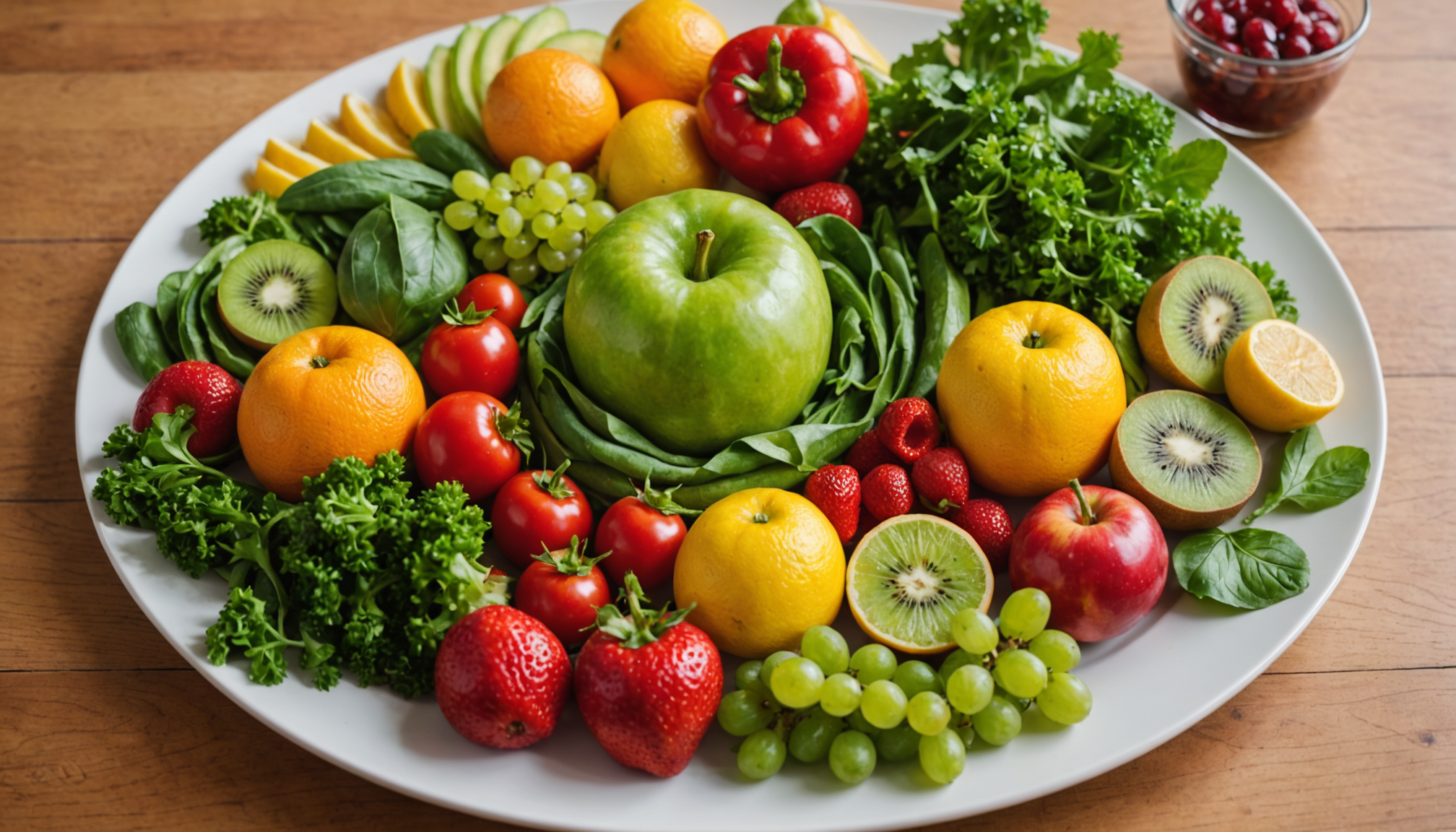
Vegetarianism has gained considerable attention for its role in disease prevention, being not only a lifestyle choice but a proactive approach to maintaining long-term health. Numerous studies underscore the association between a plant-based diet and a reduced risk of various chronic diseases, making it an attractive option for those concerned about their health.
One of the most compelling areas of research highlights the link between vegetarianism and heart health. The American Heart Association has provided insight into how a diet rich in fruits, vegetables, whole grains, and legumes can significantly lower the risk of cardiovascular diseases. This is largely due to the reduced intake of saturated fats and cholesterol commonly found in animal products, along with the increased consumption of heart-healthy nutrients. For instance, plant-based diets are often rich in fiber, which has been shown to lower cholesterol levels and improve overall heart function, providing a double benefit to those adopting this lifestyle.
Additionally, the protective effects of a vegetarian diet against certain types of cancer cannot be understated. Research indicates that diets high in fruits and vegetables can help lower the risk of colorectal, breast, and prostate cancers. The antioxidants present in plant-based foods have been shown to counteract the free radicals that can cause cellular damage and contribute to cancer development. Regularly consuming a variety of colorful produce enhances the body’s natural defenses and fortifies overall health.
Moreover, vegetarianism plays a significant role in the prevention of type 2 diabetes. Studies have revealed that individuals who follow a vegetarian diet are less likely to develop insulin resistance, a precursor to diabetes. The high fiber content of plant foods contributes to better blood sugar control, while plant-based diets encourage the consumption of foods with a low glycemic index, which leads to more stable blood sugar levels. This relationship is critical for those looking to prevent or manage diabetes effectively.
Another important aspect to consider is the impact of vegetarianism on obesity. Adopting a plant-based diet often leads to a lower calorie intake coupled with a higher nutritional density. This not only promotes weight loss but also correlates with a decreased likelihood of obesity-related diseases, such as hypertension and sleep apnea. For members of the Adventist community, for example, research has shown that maintaining a vegetarian lifestyle is associated with healthier body weights and lower obesity rates.
Furthermore, the benefits of vegetarianism extend to its potential in reducing inflammation within the body. Chronic inflammation is linked to numerous health issues, including heart disease, diabetes, and arthritis. Plant-based foods, particularly fruits, vegetables, nuts, and seeds, are rich in anti-inflammatory compounds, which can help mitigate these risks. Studies have found that diets rich in omega-3 fatty acids from plant sources, like flaxseeds and walnuts, can significantly reduce inflammatory markers, indicating a favorable effect on health.
Adopting vegetarianism offers numerous health benefits that extend beyond weight management and can substantially lower the risk of chronic diseases. The science speaks for itself: the more one embraces a diet centered around plant-based foods, the more potential they have to prevent a variety of serious health conditions. Whether for a sense of ethical responsibility or a desire for better health outcomes, the transition to vegetarianism can serve as a profound step towards a healthier, more vibrant life.
Mental health benefits of adopting a vegetarian lifestyle
Embracing vegetarianism can yield remarkable mental health benefits, a fact that has increasingly garnered recognition in recent years. The connection between diet and psychological well-being is multifaceted, with a growing body of evidence suggesting that a plant-based diet can significantly enhance mood and reduce the risk of mental health disorders.
One of the primary advantages is the potential reduction in symptoms of depression and anxiety. Research indicates that individuals following a vegetarian diet often report improved mood and emotional stability. This could largely be attributed to the high intake of fruits and vegetables, which are rich in vitamins, minerals, and antioxidants. For example, foods abundant in folate, such as leafy greens and legumes, play a vital role in the production of serotonin, a neurotransmitter that helps regulate mood. A diet low in these essential nutrients may contribute to feelings of lethargy and sadness, emphasizing the importance of proper nutrition in mental health.
Moreover, the act of choosing vegetarianism can also foster a sense of purpose and connection to the environment, further enhancing one’s mental well-being. Many people are drawn to this lifestyle for ethical reasons, such as concerns about animal welfare or environmental sustainability. Engaging in such meaningful choices can lead to increased life satisfaction and a positive self-image, contributing to overall psychological health. This connection is particularly evident within the Adventist community, where a commitment to a vegetarian lifestyle is often linked to holistic well-being, encompassing both physical and mental health.
In addition to ethical motivations, vegetarian diets can have a direct effect on brain health. Foods that are high in omega-3 fatty acids, such as flaxseeds and walnuts, are known to support cognitive function and may help in preventing cognitive decline. These essential fats are crucial for maintaining healthy brain membranes and promoting effective neurotransmitter signaling. Frequent consumption of these plant-based foods not only aids in mental sharpness but also encourages a balanced emotional state.
Furthermore, the benefits extend to significant lifestyle improvements that can support mental health. The increased mindfulness that often accompanies a vegetarian diet can lead to healthier eating habits overall. People who adopt this lifestyle tend to become more aware of their food choices, often opting for less processed options that are rich in nutrients. This shift can result in more energy, better focus, and an enhanced capacity to handle daily stressors, all of which contribute to an improved mental state.
Additionally, the community aspect of vegetarianism should not be overlooked. Individuals who embrace this lifestyle often find themselves surrounded by like-minded people, whether through social groups, cooking classes, or online forums. This sense of belonging can create a supportive network that promotes healthy behaviors, shares meal ideas, and provides encouragement on the journey toward a healthier diet. Engaging with community members who share similar values can greatly enhance social connections and reduce feelings of isolation, which are critical components of mental health.
In essence, the mental health benefits of adopting vegetarianism are manifold, arising not only from the nutritional impact of a plant-based diet but also from the ethical, social, and psychological dimensions it encompasses. By nurturing both body and mind with wholesome, nourishing foods, those who choose this path may experience a profound uplift in their overall sense of well-being. This affirmation of life through dietary choices explains why more and more individuals are drawn to the practice, reflecting a holistic approach to health that resonates deeply within various communities, including the Adventist movement.
Practical tips for transitioning to vegetarianism

Transitioning to vegetarianism can be an enriching journey, though it may seem daunting at first. To ensure a successful shift, one of the key steps is to start slowly. Begin by incorporating meat-free meals into your weekly routine; designate specific days to explore vegetarian options, making it a fun challenge rather than a restrictive regime. This gradual approach not only helps to adapt your palate but allows time for your body to adjust to the new diet.
Exploring diverse recipes can significantly enhance your cooking repertoire. There is a vast array of vegetarian recipes available, drawing from various cultures and cuisines worldwide. Experimenting with different ingredients, such as lentils, chickpeas, and an assortment of vegetables, can lead to delightful meals that keep your dietary choices exciting. This exploration can also introduce you to new flavors, encouraging you to enjoy your meals more fully.
Focus on nutrient density by choosing whole, unprocessed foods. Many individuals mistakenly believe that vegetarian diets primarily consist of salads, but this is far from the truth. Incorporating a variety of grains, legumes, nuts, seeds, fruits, and vegetables ensures that you consume balanced nutrition. Pay particular attention to essential nutrients commonly found in animal products, such as iron, vitamin B12, and omega-3 fatty acids. Fortified foods or supplements can help fill any gaps, ensuring you’re meeting your nutritional needs.
Joining a community or support group can provide essential encouragement and resources throughout your transition. Engaging with others who share similar goals leads to the exchange of ideas, recipes, and experiences, creating a shared journey towards a healthier lifestyle. Whether locally or online, connecting with fellow vegetarians can help reinforce your commitment and ease the transition.
Don’t shy away from seeking professional advice if needed. Consulting with a registered dietitian can offer personalized guidance tailored to your dietary preferences and health goals. They can help create a meal plan that addresses your nutritional needs while ensuring you’re taking full advantage of vegetarianism’s health benefits.
Finally, embrace the idea of mindfulness in your eating habits. Taking the time to savor and appreciate each meal can enhance your overall experience. Slow down during meals, focus on the flavors, and enjoy the rituals of cooking and eating. This mindful approach can deepen your relationship with food and make the journey towards vegetarianism more fulfilling.
- 1. What are the main health benefits of a vegetarian diet?
- A vegetarian diet is associated with lower risks of chronic diseases such as heart disease, diabetes, and certain types of cancer. It typically promotes better weight management, improved digestion, and enhanced nutritional intake through higher consumption of fruits, vegetables, and whole grains.
- 2. How can I ensure I get enough protein on a vegetarian diet?
- You can obtain sufficient protein from a variety of plant sources including legumes (like beans and lentils), nuts, seeds, tofu, tempeh, and whole grains. Combining different protein sources—such as rice with beans—can offer the complete amino acid profile your body needs.
- 3. Are vegetarian diets suitable for children?
- Yes, vegetarian diets can be suitable for children if well-planned. It’s essential to ensure they receive a balanced diet rich in nutrients, including protein, iron, calcium, and vitamins. Consulting with a pediatrician or dietitian can help in planning healthy meals for growing children.
- 4. Can I lose weight by switching to a vegetarian diet?
- Many people find success in losing weight with a vegetarian diet, as it often involves higher fiber intake and lower calorie consumption. However, it’s important to focus on whole, nutrient-dense foods rather than processed vegetarian options to support effective weight loss.
- 5. How can I manage cravings for meat during the transition?
- Managing cravings can be facilitated by finding savory vegetarian alternatives that replicate the flavors and textures you enjoy. Experiment with plant-based proteins, spices, or sauces to create satisfying meals that fulfill your cravings without relying on meat.
- 6. What should I do if I experience digestive issues after switching to vegetarianism?
- It’s not uncommon to experience digestive changes after increasing fiber intake. Gradually incorporating high-fiber foods into your diet can help your body adjust. If issues persist, seek advice from a healthcare professional to ensure a balanced fiber intake and address any concerns.
- 7. Is it necessary to take supplements if I follow a vegetarian diet?
- While a well-planned vegetarian diet can provide most essential nutrients, some individuals may need supplements, particularly for vitamin B12, iron, and omega-3 fatty acids. Consulting with a healthcare provider can help determine if supplements are necessary for your specific dietary needs.
Ashland Sabbath Chapel Ministries
Beside our live streamed church services, all are welcome to attend our church in person each Saturday beginning 10:00 AM Central Time by going to 2425 Owens Rd., Ashland, AL 36251. There is no cost and any donations are strictly voluntary.
For questions, call +2563547124.