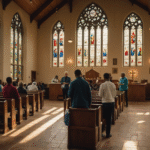
Come join Ashland Sabbath Chapel Ministries each Saturday for live streamed church services. Bible Study begins at 10:00 AM Central Time and Sermon at 11:00 AM. Visit Our YouTube channel and watch from home!
Resilience, when seen through the lens of faith, takes on a meaning that stretches beyond mere endurance. It becomes an active engagement with hope and a steadfastness born out of belief. For many, particularly within the Adventist community, faith serves as both a foundation and a guiding light in the face of life’s inevitable storms.
Faith intersects with resilience by offering a framework to understand suffering and adversity. Those who embrace their spiritual beliefs often find that these convictions provide not just solace but also a sense of purpose. Through faith, individuals can confront challenges, drawing on a deeper strength that may not be immediately apparent. Consider the story of a young woman who faced severe health complications. Her challenges seemed insurmountable, yet it was her unwavering faith that helped her navigate the darkness. She often spoke of prayer as a lifeboat in a raging sea, a lifeline that kept her afloat when everything else felt too heavy to bear.
Moreover, the concept of resilience isn’t static; it can evolve over time, shaped by experiences and supported by one’s spiritual beliefs. It’s about bouncing back, yes, but also about growing from the experience. This growth breeds a richer understanding of both oneself and one’s place within the greater tapestry of life. The intersection of faith and resilience enables an individual to view hardships not as mere obstacles but as opportunities for growth. In this perspective lies the essence of mental health; balancing resilience with faith can foster a profound inner peace.
Faith provides reassurance, a reminder that one is not alone. Communities of faith often reinforce this notion through shared practices, creating an environment where resilience is cultivated collectively. Together, in prayer and reflection, members of a faith community can bolster one another, sharing stories that illuminate the human spirit’s ability to withstand adversity. These bonds serve as a testament to resilience in action, countering despair with hope. Each personal story woven into the collective narrative elevates understanding and fortifies the spirit, affirming that resilience is not just an individual journey but a shared one, deeply grounded in faith.
The role of spiritual practices in building resilience
In the quest to build resilience, spiritual practices play an essential role. Engaging in these rituals fosters a sense of belonging and purpose, forming a stronghold against life’s unpredictabilities. Within the Adventist tradition, specific spiritual practices can significantly enhance one’s capacity for resilience. Prayer, meditation, and the study of Scripture are not just routine activities; they are powerful tools that nurture emotional and mental health.
Prayer, for instance, is a profound form of communication that goes beyond mere supplication. It allows individuals to express their innermost thoughts and feelings, creating a space for reflection and connection with the Divine. Regular prayer can instill calmness, reducing anxiety and enhancing one’s ability to cope with stressors. In moments of distress, the act of praying can trigger a psychological shift, infusing hope and clarity into seemingly chaotic situations. As one prays, visualizing themselves enveloped in divine love can cultivate a sense of security, reinforcing their resilience.
Meditation, another spiritual practice, offers similar benefits. Taking time to meditate—whether through silent contemplation or guided practices—encourages individuals to slow down and reconnect with their inner selves. This mindfulness allows for the processing of emotions, facilitating a healthier response to adversity. Studies show that individuals who engage in regular meditation often report lower levels of stress and greater emotional regulation, key components of resilience.
Moreover, the study of Scripture serves as a cornerstone of resilience within the Adventist community. Delving into biblical passages not only provides spiritual insight but also serves as a reminder of God’s promises and faithfulness. Passages like Philippians 4:13, which says, “I can do all things through Christ who strengthens me,” serve to bolster one’s fortitude in trying times. Reflecting on these teachings can help individuals reframe their challenges, transforming defeat into opportunity.
In addition to these individual practices, engagement in communal worship further solidifies a person’s resilience. The act of coming together as a congregation, sharing testimonies of faith and overcoming adversity, creates a powerful network of support. This communal aspect fosters a sense of shared responsibility and encouragement, reminding members that they are not alone in their struggles. Such collective resilience reinforces the belief that faith can guide them through any crisis, uniting them in shared experiences and mutual support.
Ultimately, the integration of these spiritual practices—prayer, meditation, and Scripture study—builds a strong foundation for resilience. They transform one’s outlook on challenges and cultivate a mindset that embraces growth and recovery. When faith intertwines with these practices, it empowers individuals to not only face life’s adversities but to rise above them, rooted in a deeper understanding of their purpose and strength.
Community support: Strengthening faith and resilience

When we talk about community support within faith, we delve into a realm where individual struggles become collective journeys. In many Adventist congregations, the ethos is about lifting one another, sharing burdens, and celebrating victories together. This spirit cultivates a thriving environment where resilience flourishes. Take, for instance, the story of a church in a small town that faced significant challenges when a devastating storm damaged their building. Rather than retreating into despair, the community rallied together, each member contributing their time, skills, and resources. It became a testament to the power of faith in action—a vivid example of how a shared sense of purpose can strengthen resilience amidst hardship.
In these communities, relationships deepen through shared worship and fellowship, creating a foundation for emotional support. The importance of these bonds cannot be overstated. When one person faces a mental health crisis, the collective presence of their faith family can be a cushion against the fall. Encouraging words exchanged during service, shared meals, and simple gestures of kindness can make a world of difference. This underscores the idea that resilience is not just about enduring but also about embracing the support available through faith-filled relationships.
Moreover, participation in group activities—such as prayer meetings, Bible studies, and outreach programs—builds not only spiritual growth but also a robust network of resilience. In one instance, a group of women organized regular meetings where they would share personal struggles and triumphs. This sharing transformed into a powerful source of strength, leading to joint action in the community. As they supported one another, they fostered a resilience that rippled out, affecting families and neighbors, thereby embodying the spirit of collective upliftment that faith can inspire.
The power of community also emerges in the form of mentorship. Older, wiser members often take younger ones under their wings, offering guidance and wisdom honed through their own trials. This relationship nurtures resilience on both sides—mentors gain purpose and fulfillment in sharing their experiences, while mentees find support and encouragement during their own challenging times. This cycle of giving and receiving reminds us that, in faith, we are all interwoven in a tapestry of strength.
Critical to this process is the intentionality of communication within the community. A simple act of checking in on someone after a service, or sending a note, can significantly impact mental health. It reinforces the message that no one is alone, that support is just a conversation away. Often, it is this conscious effort to maintain connections that enriches the resilience of the entire community.
As the church body exemplifies love and care, they mirror the core teachings of faith—emphasizing compassion, understanding, and the importance of walking alongside one another through life’s trials. This environment strengthens both faith and resilience, reminding everyone involved that even in the face of difficulties, hope can flourish. Together, as each unit builds on the other’s strengths, they create a refuge where hope thrives, challenges are met head-on, and resilience is cherished as a gift from God. Through it all, they forge a path of endurance and grace that transcends individual struggles, embodying the essence of faithful community.
Overcoming challenges through faith-based perspectives
When we encounter challenges, it is through the lens of faith that our perspectives can shift, allowing us to transcend our circumstances. Many who walk in the Adventist tradition find that their faith does not merely offer a passive form of solace but transforms how they perceive and respond to life’s tribulations. The stories of early pioneers of faith often reveal profound lessons on resilience, illustrating how a strong connection to God can elevate one’s spirit in the face of adversity.
Consider the trials faced by those who first sought refuge in their faith amidst a world fraught with uncertainty. Their resolve was tested, yet it was their deep-seated belief that provided them with a lens to view each setback as a step toward greater understanding and strength. In moments of despair, they learned to turn to scriptures that echoed hope and guidance, turning their gaze away from the storm to the steadfastness of divine promises. This active engagement with faith changes the narrative of suffering from loneliness to divine companionship. Matthew 11:28 reminds us, “Come to me, all you who are weary and burdened, and I will give you rest.” Here lies a beautiful truth: burdens shared with God become lighter, for He invites us to cast our cares upon Him.
The power of a faith-based perspective lies in its ability to transform how one interprets challenges. Instead of viewing difficulties through a solely worldly lens, faith opens up a dialogue with God that allows for revelation and deeper insight. By engaging in prayer and reflection, a person might find that their struggles become avenues to grow closer to God, inadvertently weaving resilience into the fabric of their spiritual journey. They learn, perhaps through the act of prayer, that struggles often reveal unshakeable strength—a divine essence that serves to uplift the spirit and weave one into a greater tapestry of purpose.
Moreover, adversity often cultivates empathy and understanding. When individuals face their own battles and rise through faith, they become equipped to support others in their journeys. This shared experience fosters a profound sense of community, where one’s struggle no longer feels isolating but rather an opportunity for connection. As Paul reminds us in 2 Corinthians 1:4, God comforts us in all our troubles, so that we can comfort those in any trouble. Each challenge faced becomes a stepping stone not only toward personal resilience but a means to foster resilience in others.
It is essential, then, to reflect upon how adoption of faith-based perspectives can be actively integrated into daily life. This can be as simple as starting each day with a prayerful intention, or as involved as participating in church-based support groups that deal especially with mental health challenges. Each of these practices contributes not only to personal growth but to a wider culture of resilience that permeates the community. They remind us that to overcome is not simply to endure, but to thrive through divine aid and reassurance, cultivating an atmosphere of hope and renewal.
As we face our own challenges, let us remember that in the myriad instances of trial, faith serves as an anchor, providing clarity and perspective that transcends earthly woes. It nurtures an inherent resilience that thrives when one remains rooted in divine purpose, community, and connection to a higher power. Therefore, when we look to overcome challenges, let our faith ignite the potential within us, transforming what might seem like insurmountable obstacles into stepping stones toward a richer life imbued with hope and resilience.
Practical strategies for fostering resilience through faith

The journey toward developing resilience through faith includes embracing practical strategies that can significantly enhance one’s ability to navigate life’s challenges. For individuals within the Adventist community, several methods can be employed to solidify this resilience and integrate faith into daily life. One of the most effective strategies is the consistent practice of gratitude. Taking intentional moments throughout the day to acknowledge blessings can shift focus from difficulties to the positives that exist, fostering an attitude of hope and contentment. Keeping a gratitude journal can serve as a tangible reminder of God’s hand in everyday experiences, drawing attention to divine love and provision amidst trials.
Another powerful practice is engaging regularly in acts of service and kindness. The very act of giving—volunteering at a local outreach, helping a neighbor, or simply offering supportive words— cultivates both personal and community resilience. By serving others, individuals not only build connections within the community but also create a sense of purpose that can fortify their faith. This reciprocal interaction encourages a cycle of support and upliftment, proving that resilience is often rooted in community service and the relationships fostered through shared acts of compassion.
Additionally, setting aside moments for reflection or meditation can provide essential mental clarity. In a fast-paced world, carving out space to sit in silence or engage in thoughtful contemplation can recharge one’s emotional batteries. Focusing on scripture or inspirational texts during these moments can deepen understanding of faith and its application in daily life. Adopting mindfulness practices, such as focusing on the breath while visualizing divine presence, can develop emotional regulation, thereby enhancing one’s capacity to deal with stressors more effectively.
Moreover, participating in Bible study groups fosters a deeper connection to faith and shared experiences. These gatherings create opportunities for individuals to learn together, discuss challenges, and derive comfort from fulfilling their spiritual journeys collectively. The shared exploration of scripture can illuminate insights that resonate with personal circumstances, reinforcing resilience through the power of community and faith-based dialogue.
Finally, affirming one’s identity in Christ through daily affirmations and positive declarations can provide the necessary mental fortitude. Reminding oneself of innate worth and purpose—rooted in faith—can build a resilient mind, enabling one to face challenges with confidence and grace. These affirmations act as a foundation upon which individuals can construct a more resilient self, echoing the steadfast love and strength that faith brings into their lives.
- How can spirituality help improve resilience?
- Spirituality fosters resilience by providing a framework for understanding life’s challenges and instilling hope. Engaging in spiritual practices often aids individuals in finding purpose and strength in adversity, thereby enhancing their emotional and mental health.
- Are there specific faith-based practices that can promote resilience?
- Yes, practices like prayer, meditation, and communal worship are essential in building resilience. They create a sense of connection to God and community, enabling individuals to cope better with stress and adversity.
- What role does community play in strengthening faith and resilience?
- A strong community provides support, shared experiences, and encouragement, which are crucial for resilience. Together, individuals can uplift one another, fostering a culture of mutual aid and understanding rooted in faith.
- Can embracing faith really change one’s perspective on challenges?
- Absolutely. Embracing faith can offer a transformative lens through which individuals perceive their struggles, allowing them to find peace and understanding rather than despair. This shift can encourage personal growth and resilience.
- How does gratitude relate to mental health and resilience?
- Practicing gratitude can significantly improve mental health by shifting focus from negative circumstances to positives. This change in mindset fosters resilience, as individuals learn to appreciate blessings amid life’s challenges.
- Why is it important to serve others in building personal resilience?
- Serving others can enhance personal resilience by creating a sense of purpose and connection. These acts foster community ties and remind individuals of their capacity to make a positive impact, which is uplifting during difficult times.
- What can I do daily to strengthen my resilience through faith?
- Engage in daily prayer, practice gratitude, and participate in communal activities that align with your faith. These habits can provide a solid foundation for resilience, helping you navigate life’s ups and downs with renewed strength.
Beside our live streamed church services, all are welcome to attend our church in person each Saturday beginning 10:00 AM Central Time by going to 2425 Owens Rd., Ashland, AL 36251. There is no cost and any donations are strictly voluntary.
For questions, call +2563547124.